Model: a template, a structure, a face made to be repeated
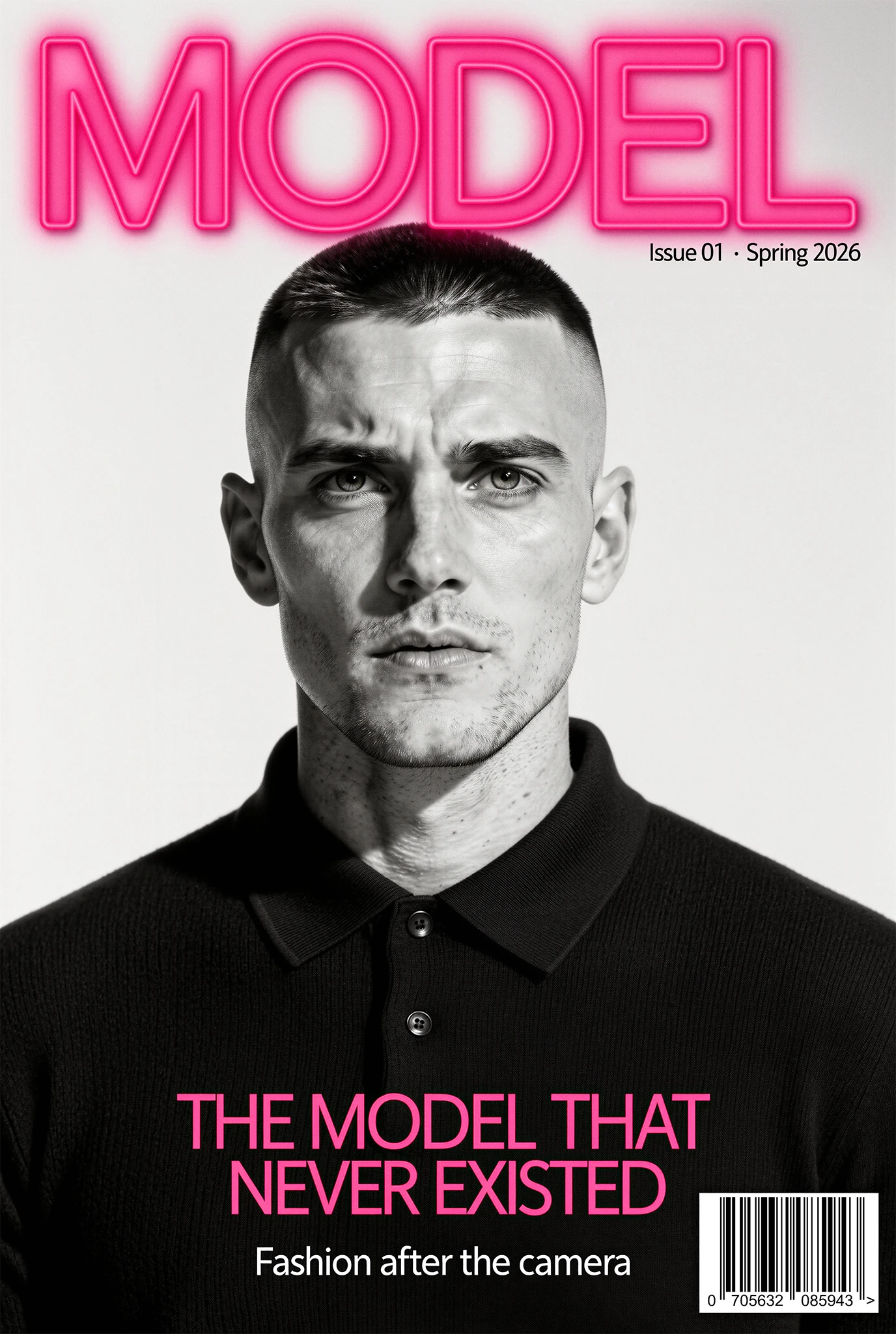
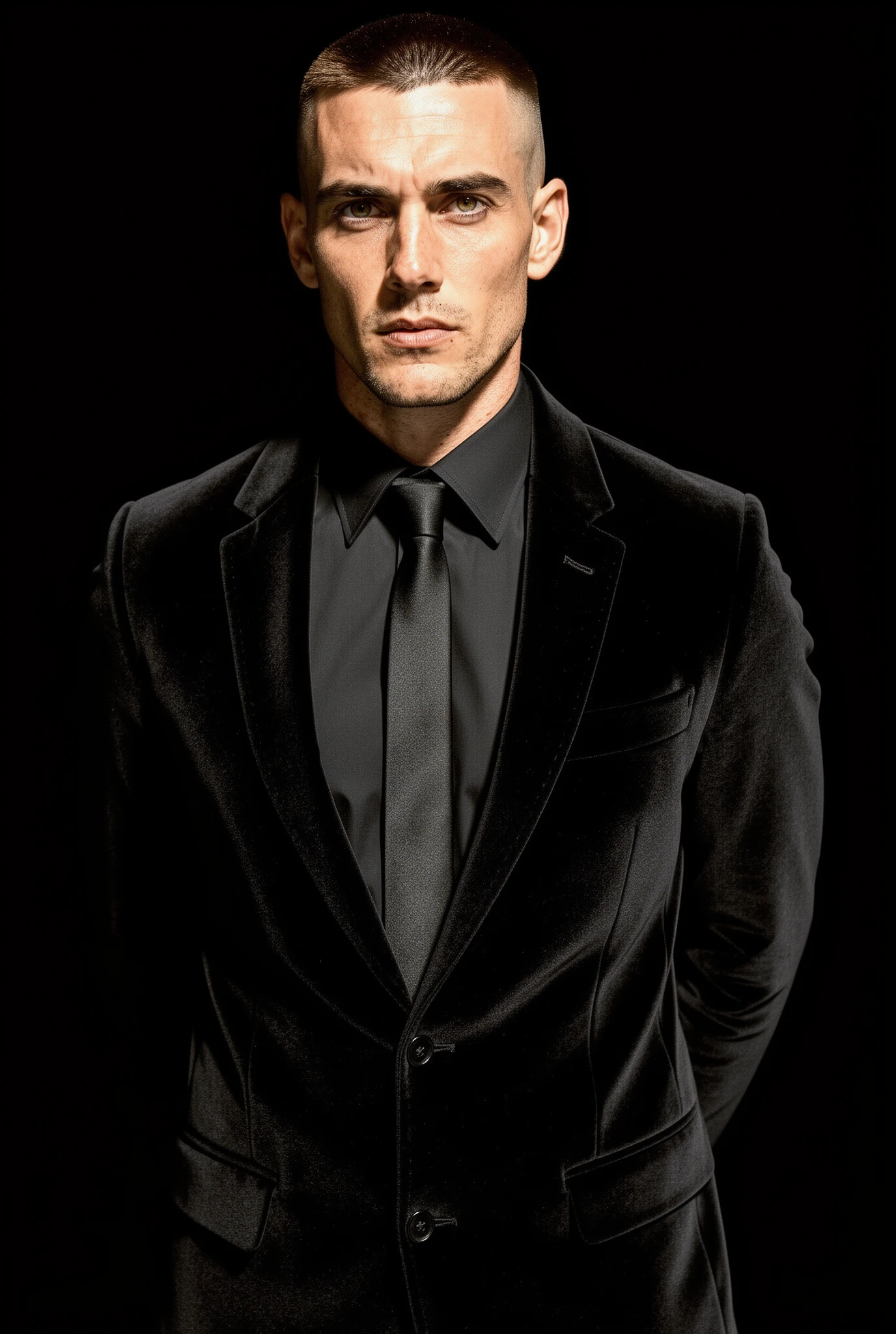
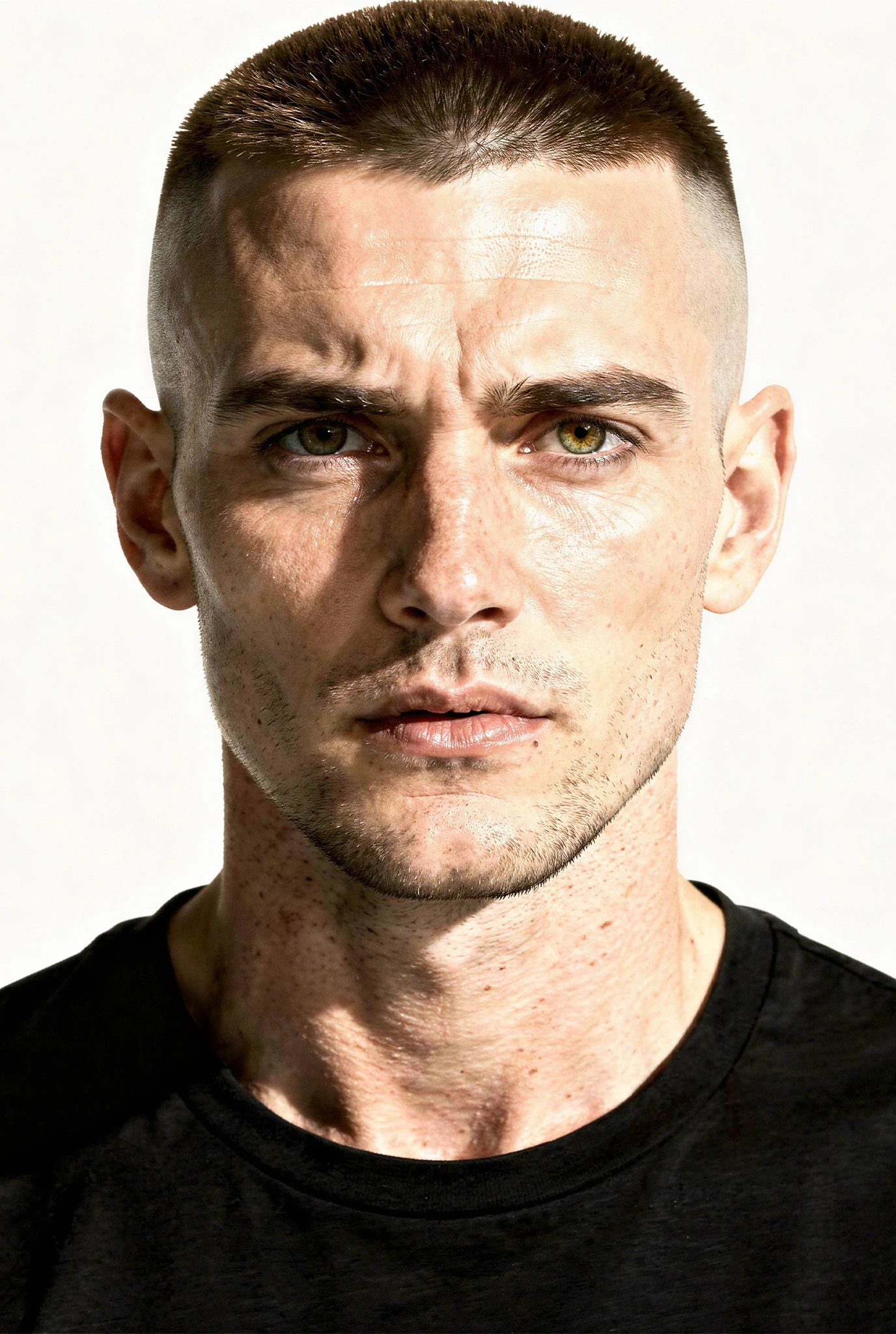
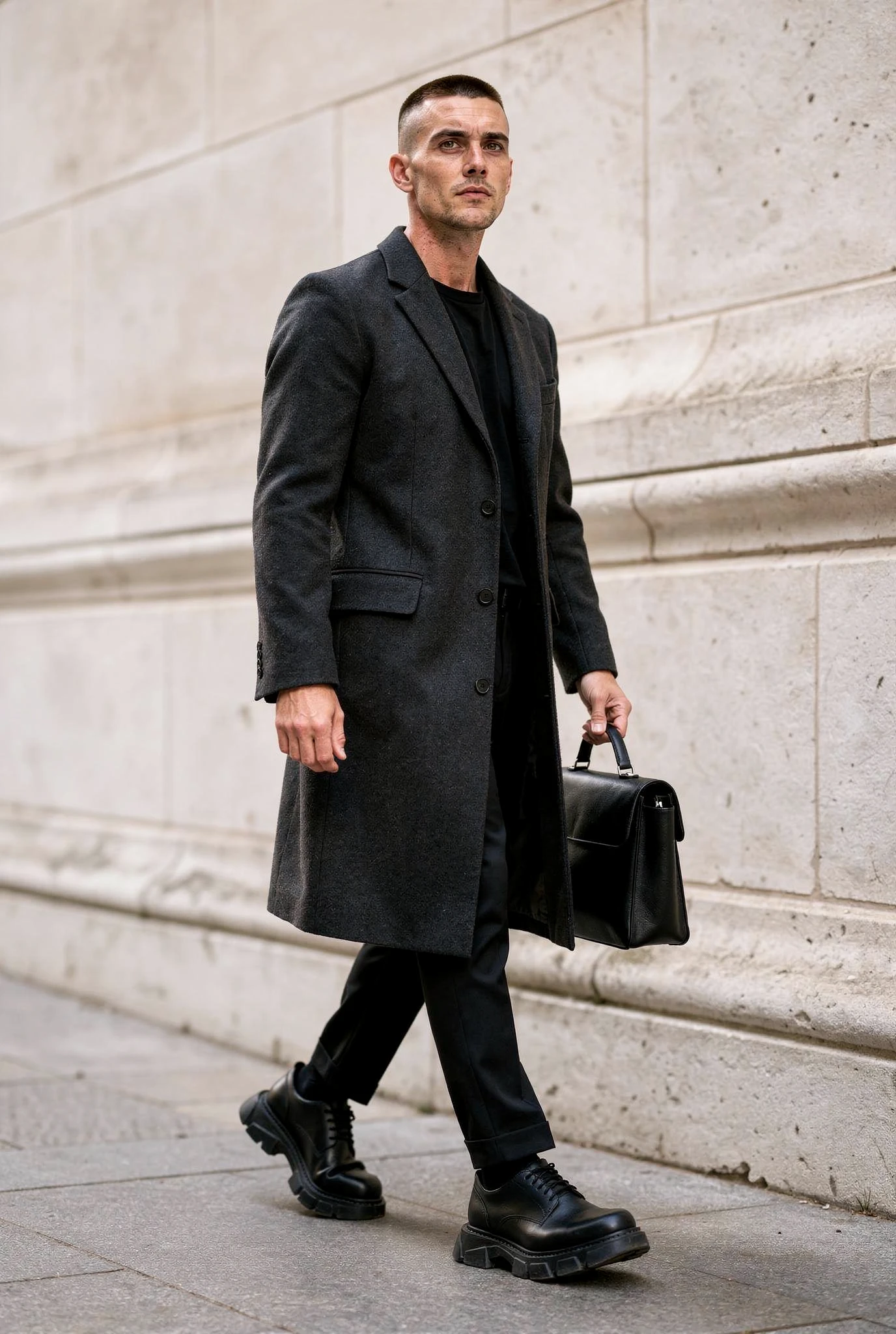
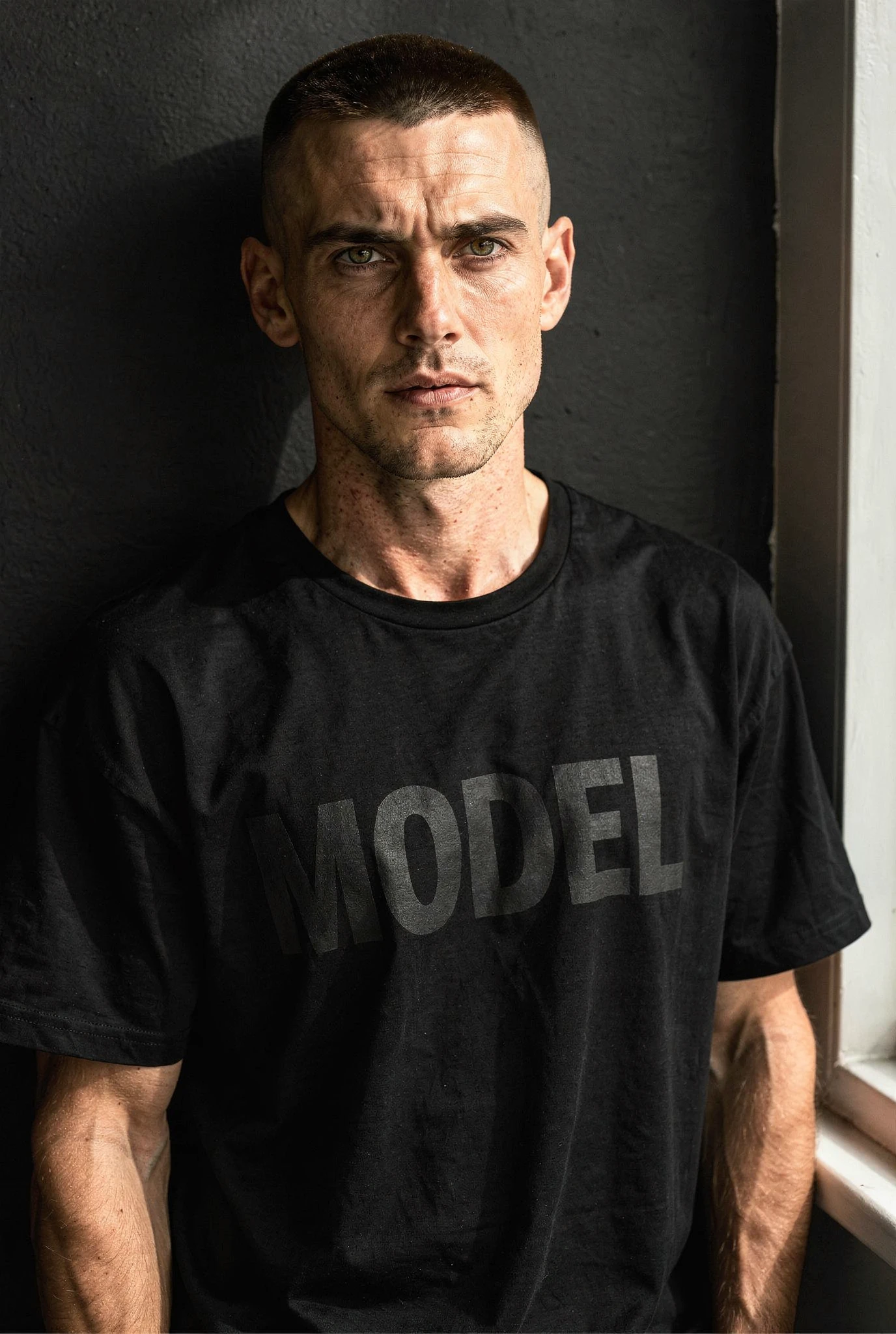
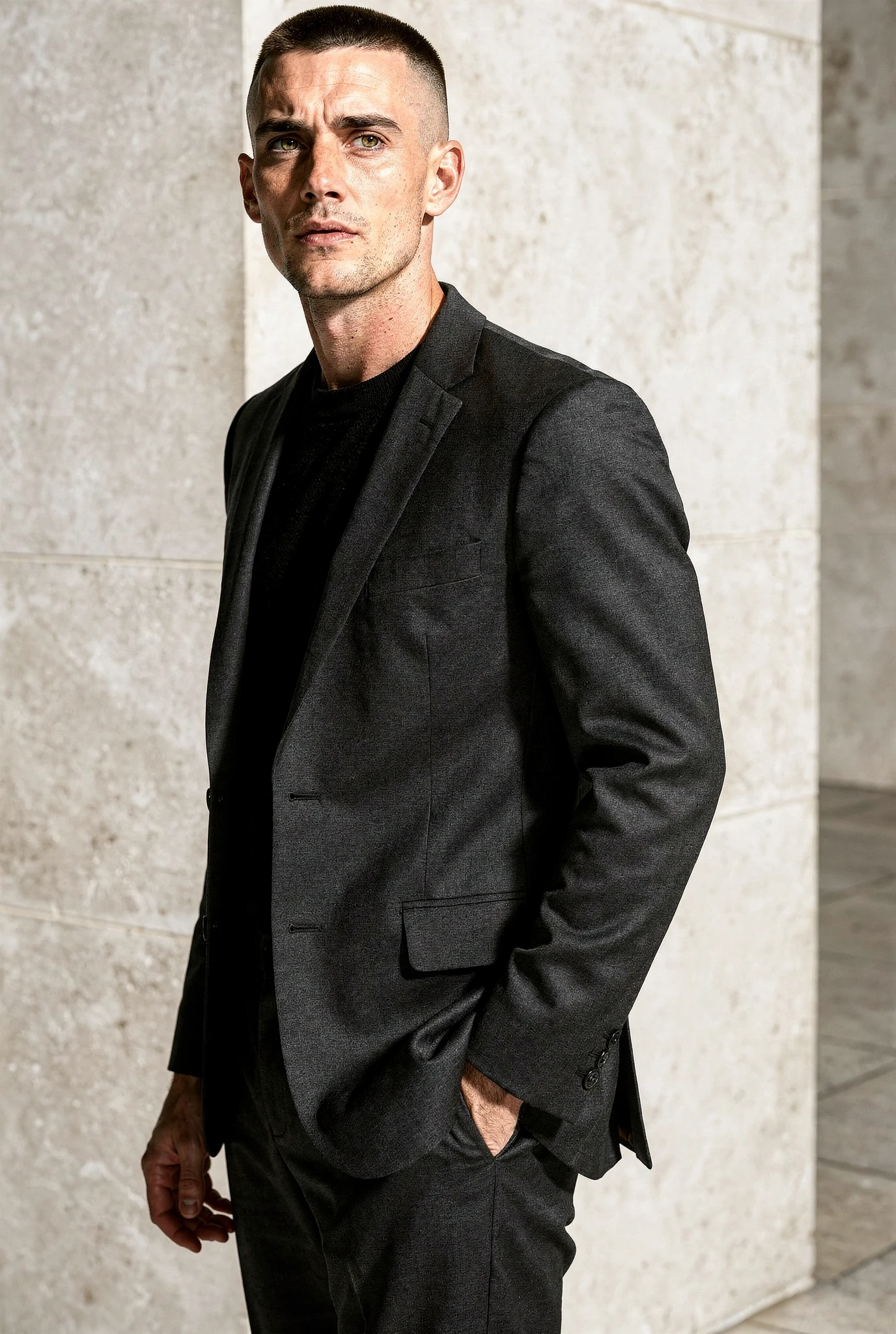
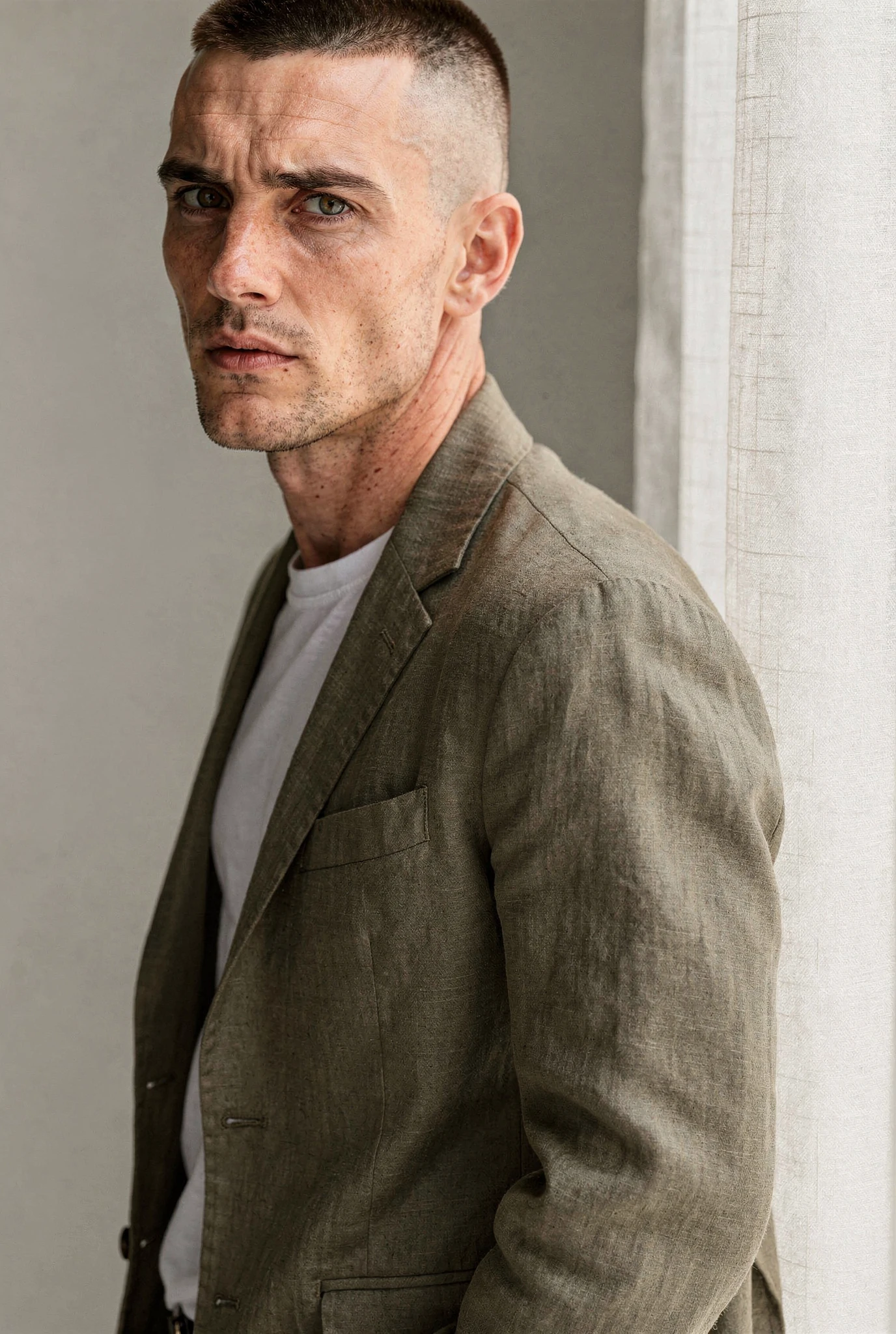
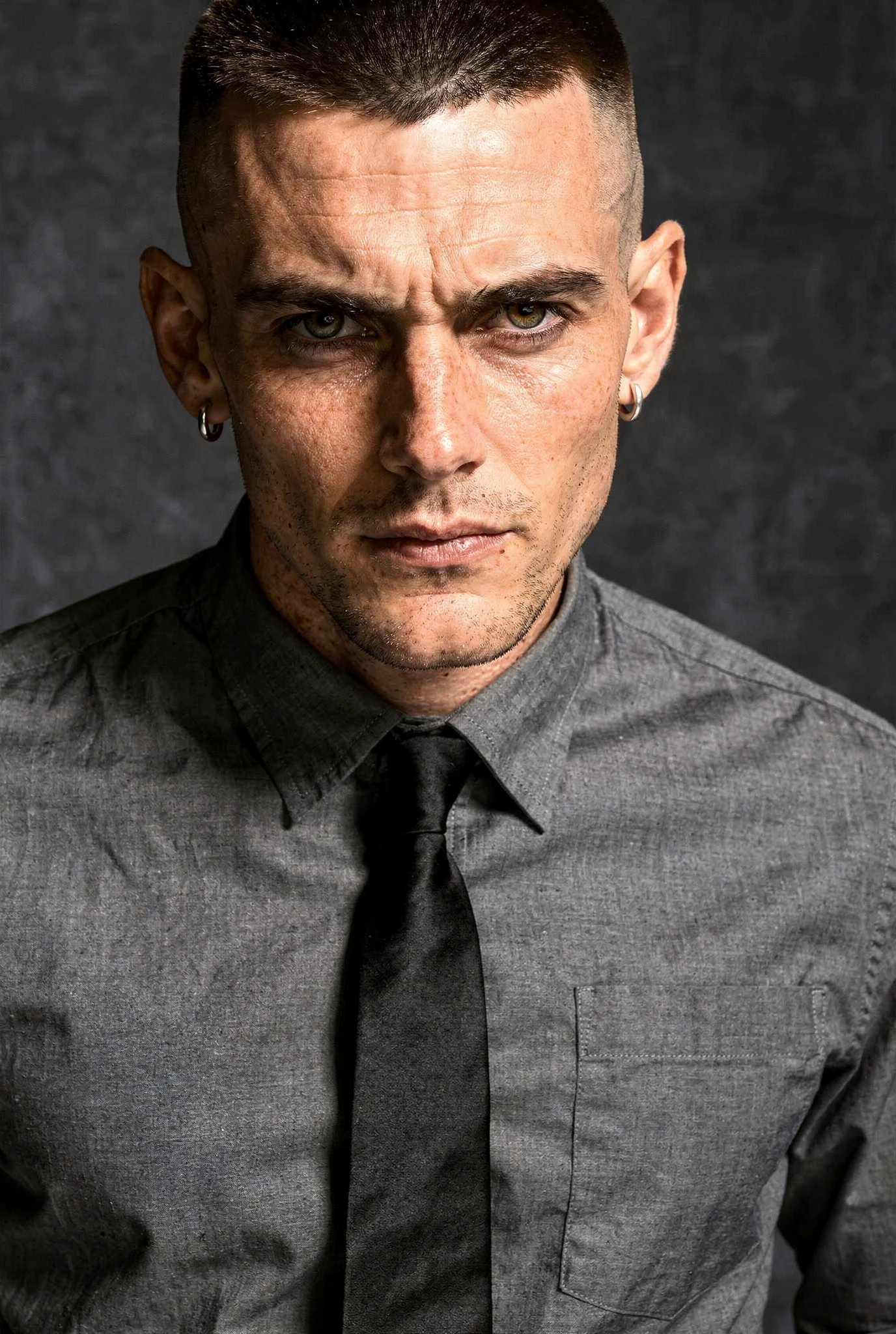
MODEL begins with a simple but difficult proposition: one invented man must remain the same. Across eighteen synthographic images, clothing, framing, posture, and scenario are allowed to change, but the model himself must persist as a recognisable individual. This is not a project about producing eighteen attractive portraits. It is a controlled study in continuity, where the challenge lies in preventing the synthetic subject from dissolving into variation. Artificial intelligence is now extraordinarily capable of generating convincing people, yet it often does so by producing a new person each time. MODEL resists that drift. Its governing law is consistency. Working with Flux.2 and a set of reference images, MODEL aims to give a synthetic man a fixed identity. The project is not simply dressing a doll, but building a person out of recurrence: a man written, rewritten, and still himself.
The project emerges from several earlier lines of enquiry. In Morphos, a single apple held its structure while material changed. In Osuneko, one invented character remained stable as style and dimensionality shifted. In NOIR, the text pointed towards the possibility of a reusable artificial model moving across commercial imagery. MODEL brings those strands together and applies them to male portraiture. The question is no longer whether a synthetic image can persuade, but whether a synthetic identity can endure. What must remain fixed for a person to remain himself? Bone structure, eyes, mouth, hairline, physique, attitude, photographic logic — each image tests the threshold at which continuity either survives or breaks.
At the same time, MODEL reflects on a broader transformation taking place within visual culture. Advertising, fashion, and image production have long depended on the repeatability of desirable faces. Artificial intelligence extends that logic further, making it possible not only to style and reposition the model, but to manufacture him altogether. The figure shown here is neither sitter nor actor, neither photograph nor fiction in any traditional sense. He is a constructed constant: a durable visual identity written into being again and again. What emerges is not simply a set of convincing images, but the conditions under which personhood begins to gather around a face. Repeated often enough, a stable synthetic figure starts to feel less like a picture and more like someone who could actually exist. The impulse to give this person a name is part of that process. A face that seems to require a name has already crossed into the territory of social recognition. That's where MODEL becomes interesting, psychologically. What shall we call him?
Gallery
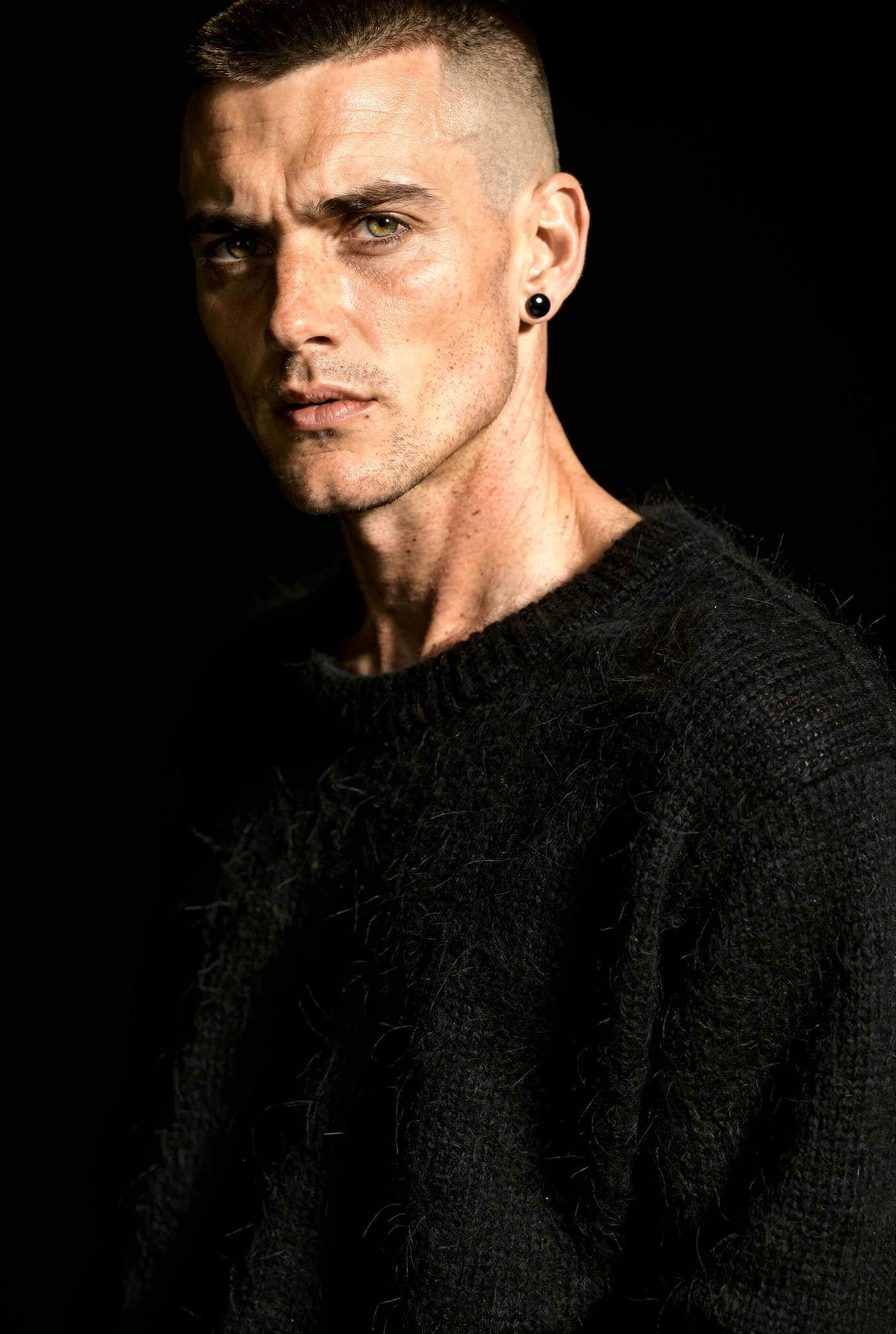

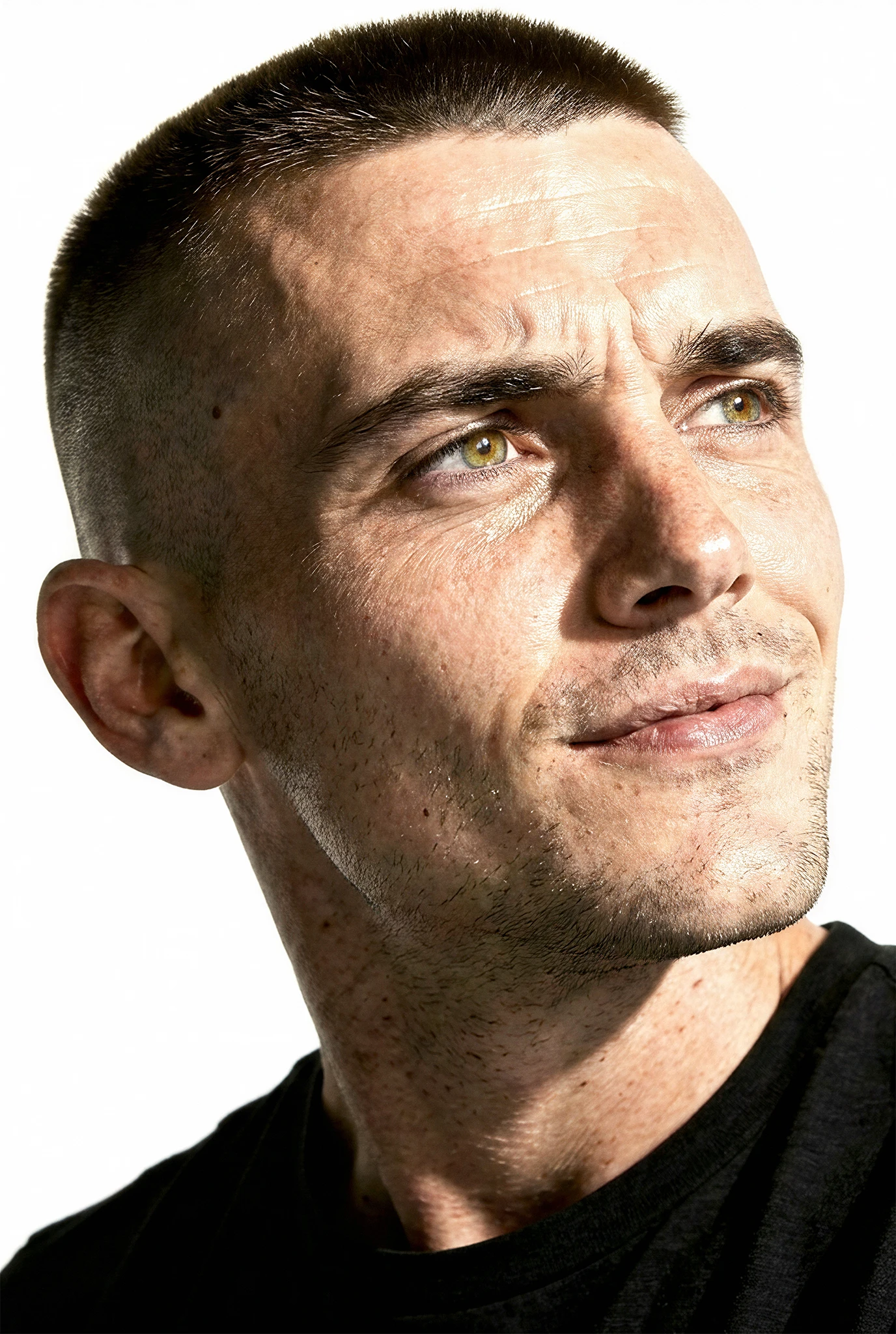
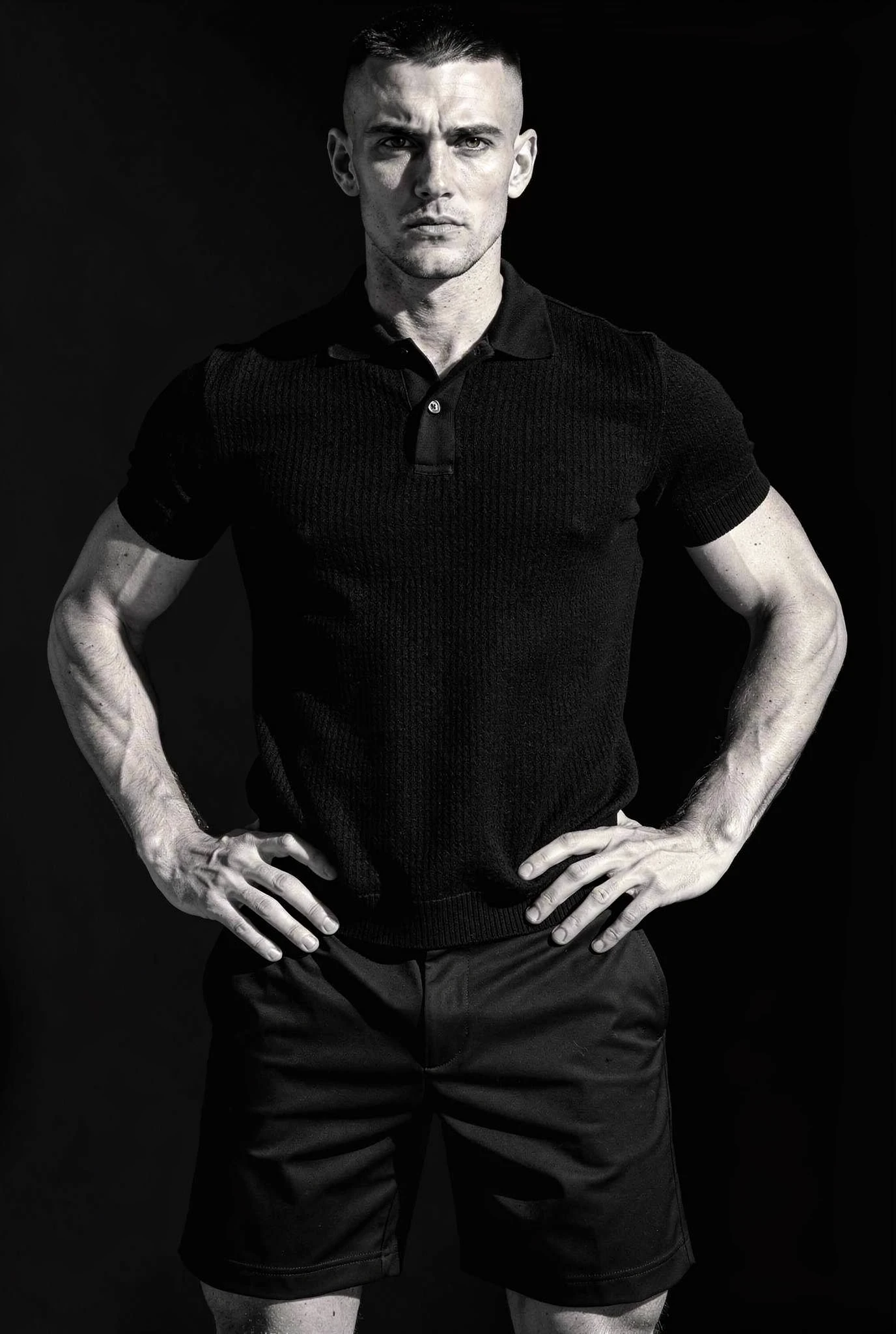
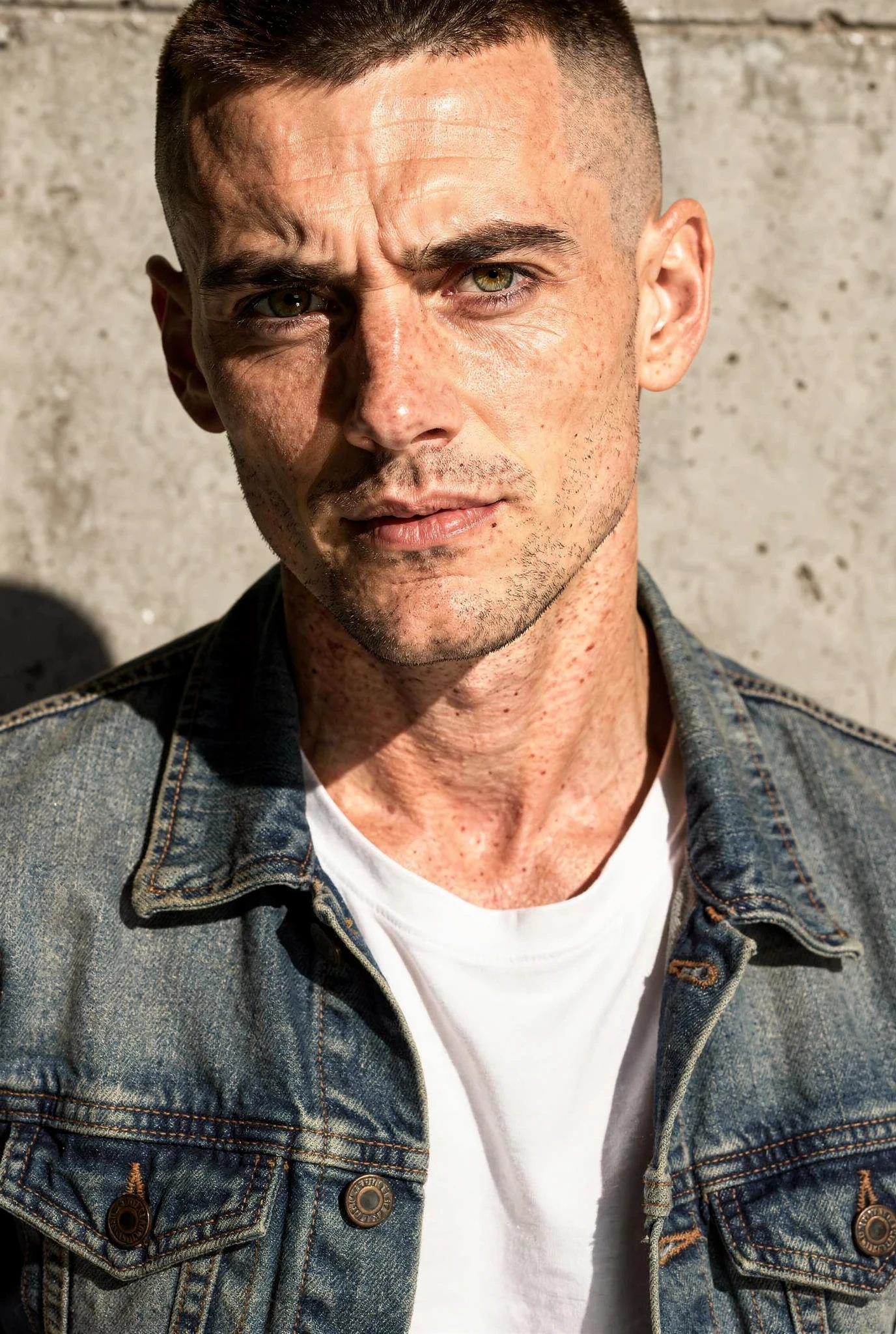
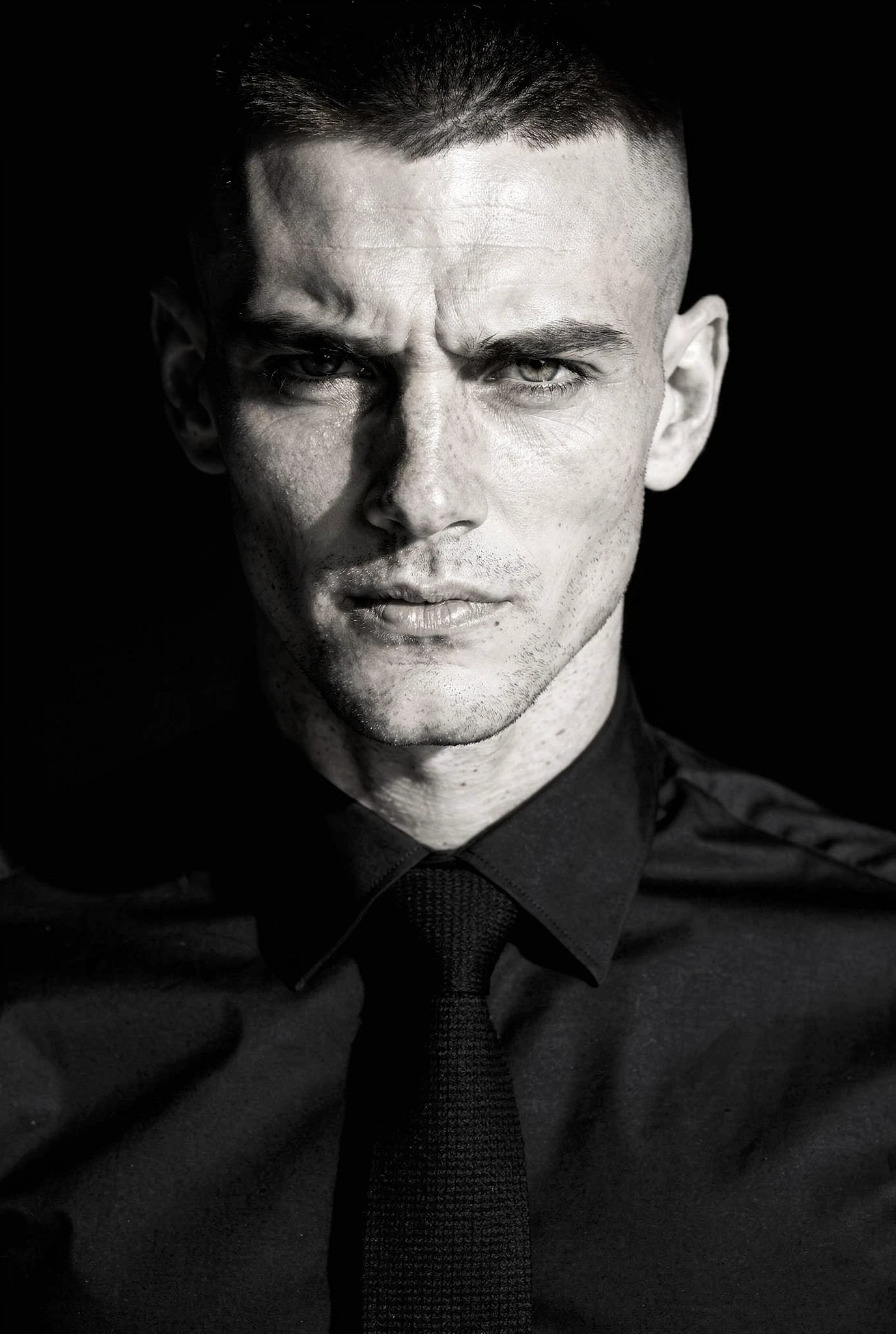
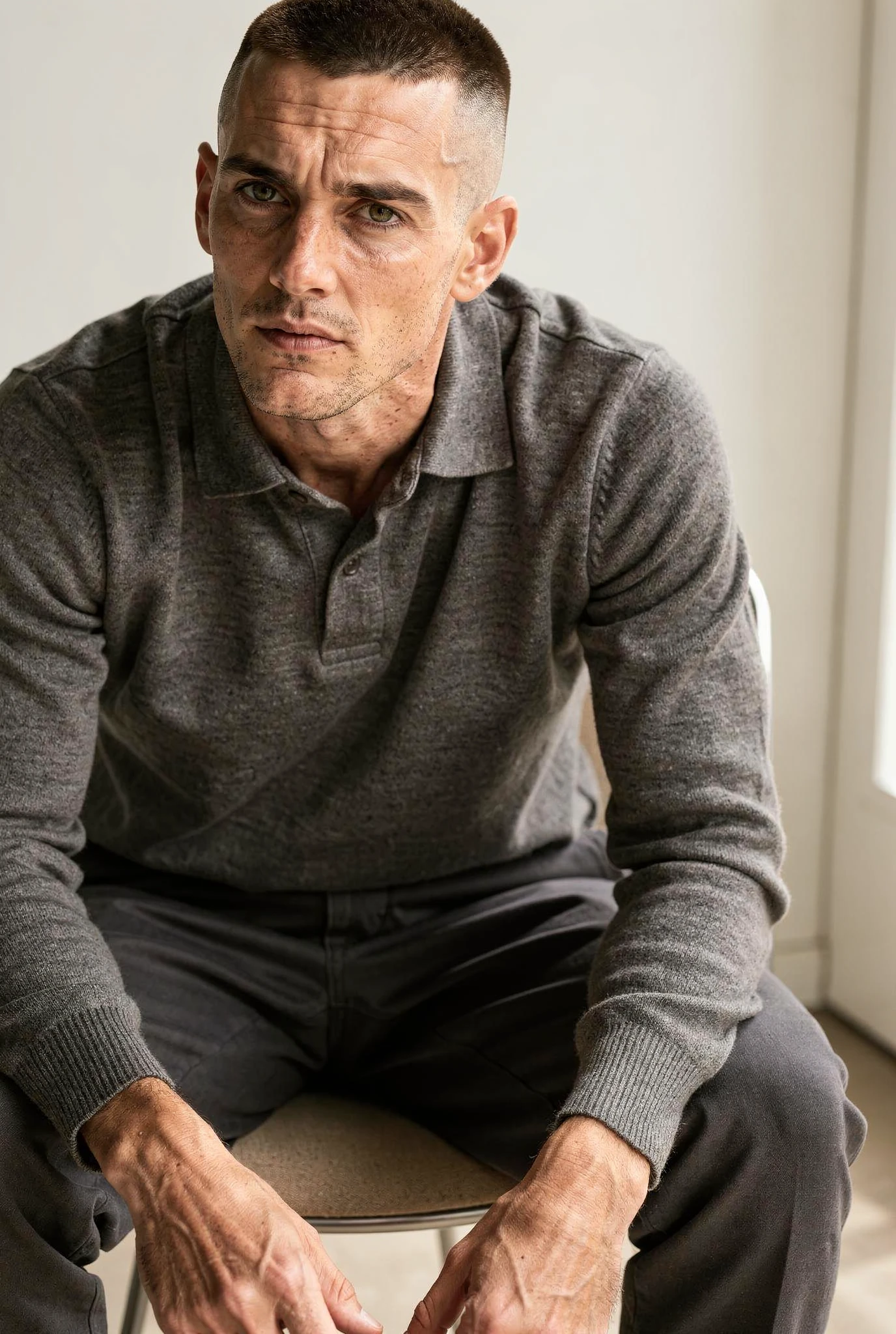
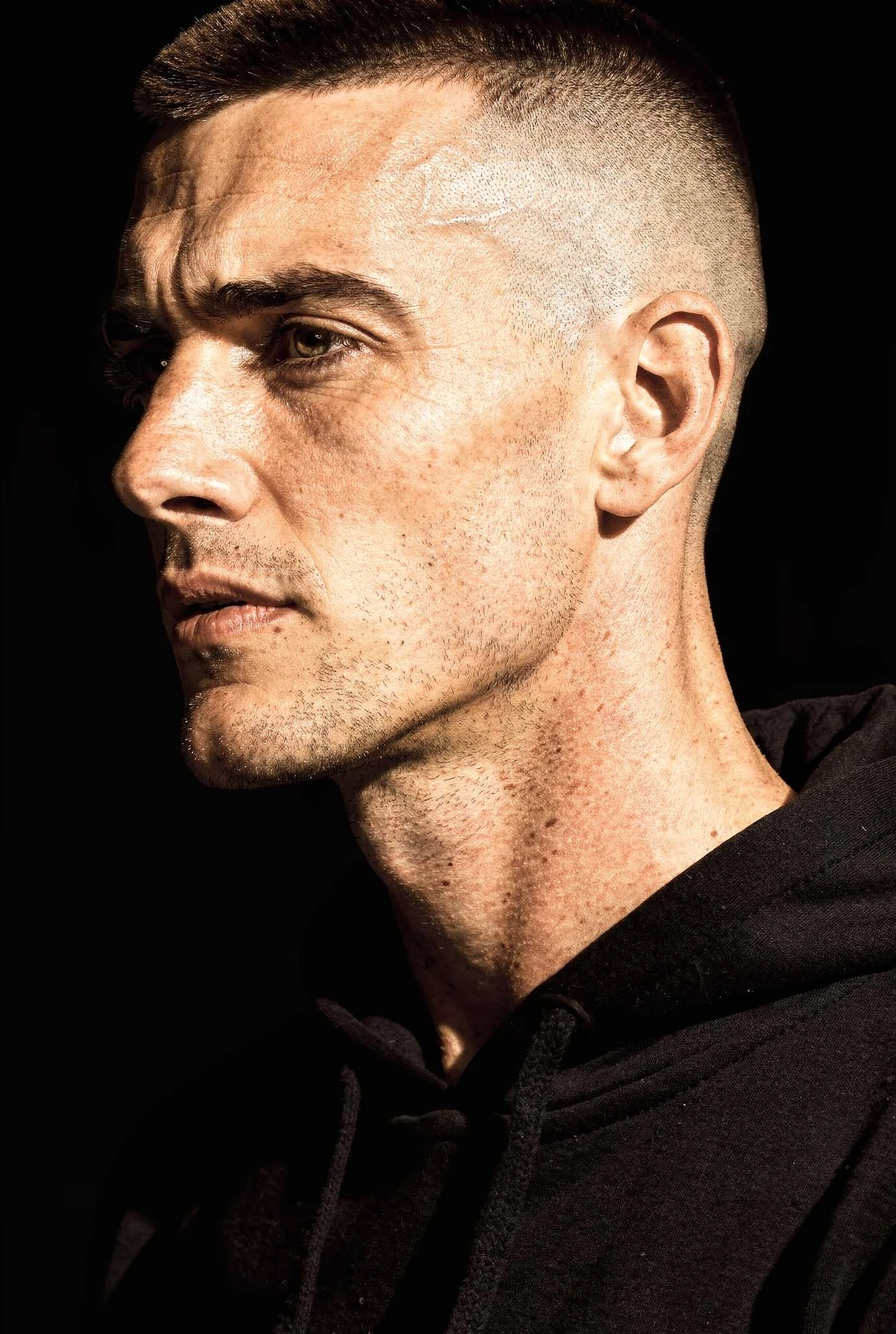
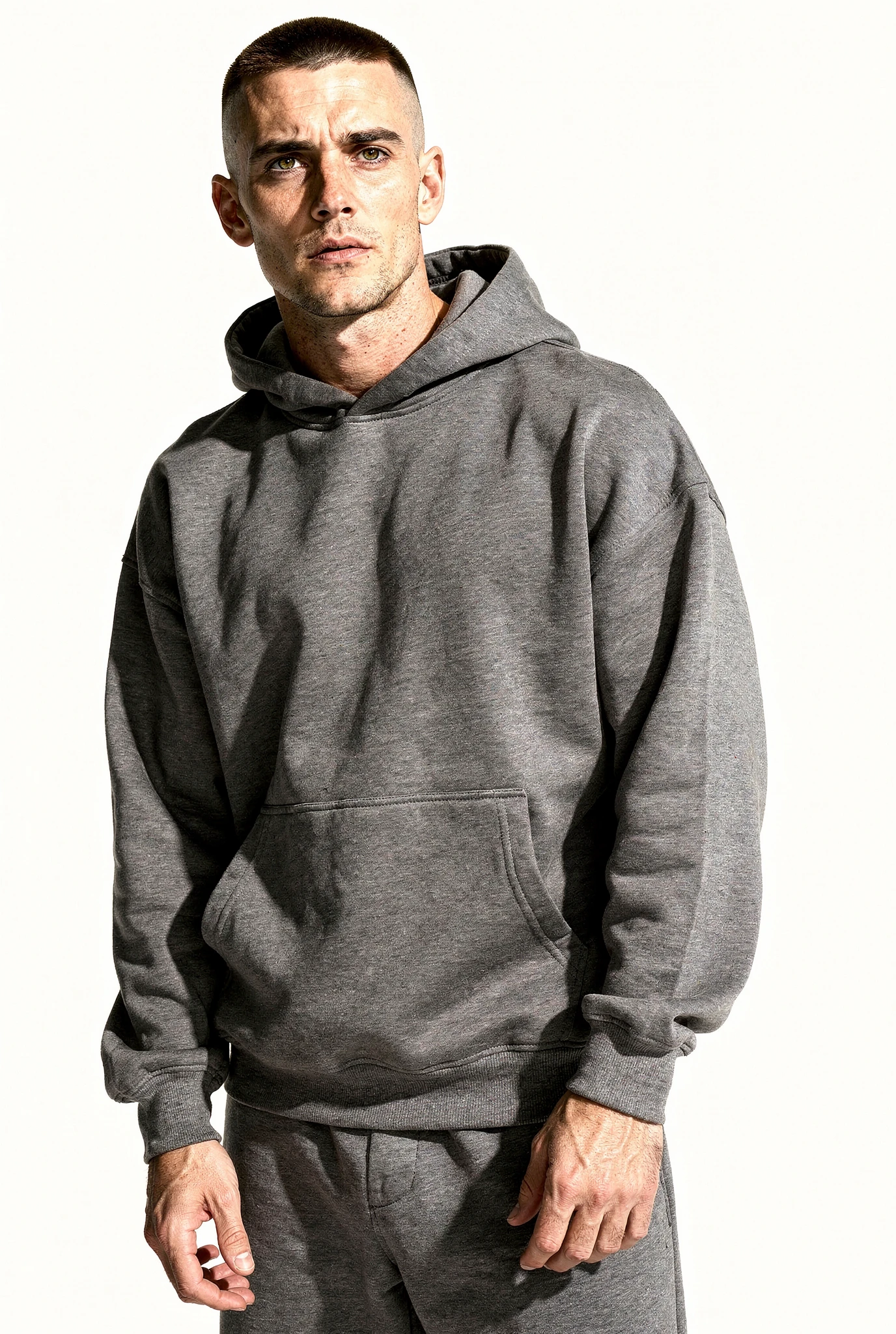
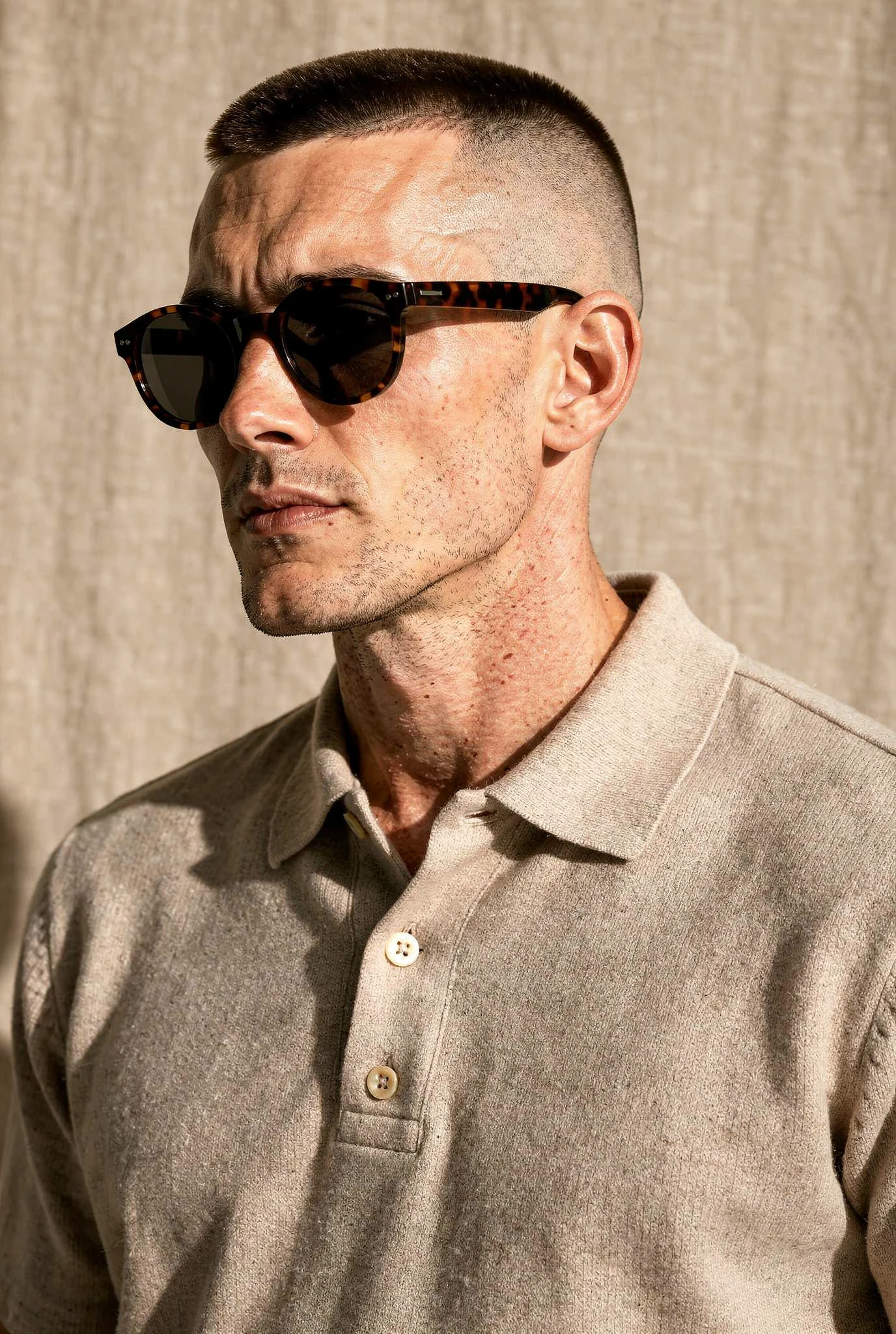
"The secret to modeling is not being perfect. What one needs is a face that people can identify in a second." — Karl Lagerfeld