Bicep: the measure of masculinity
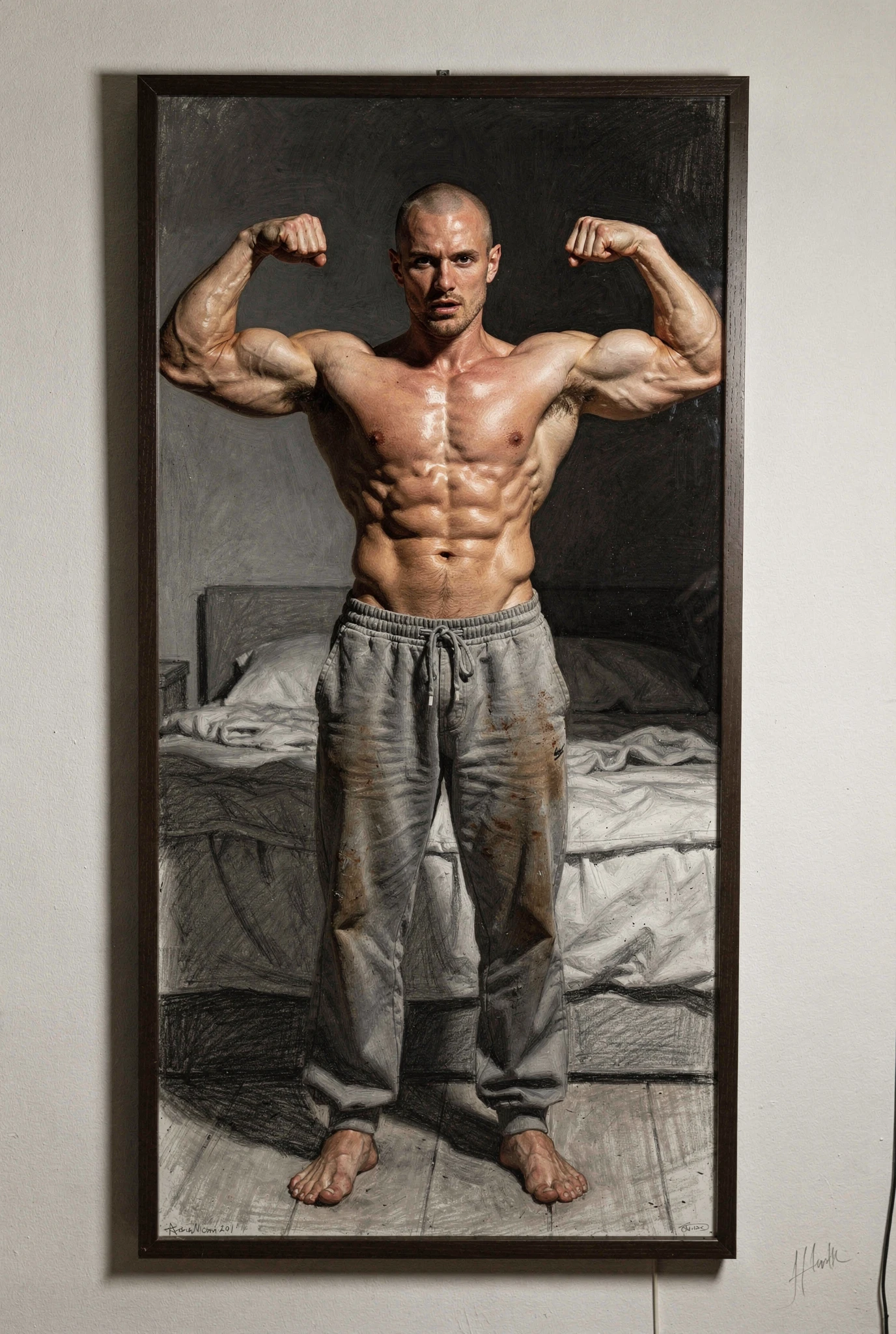
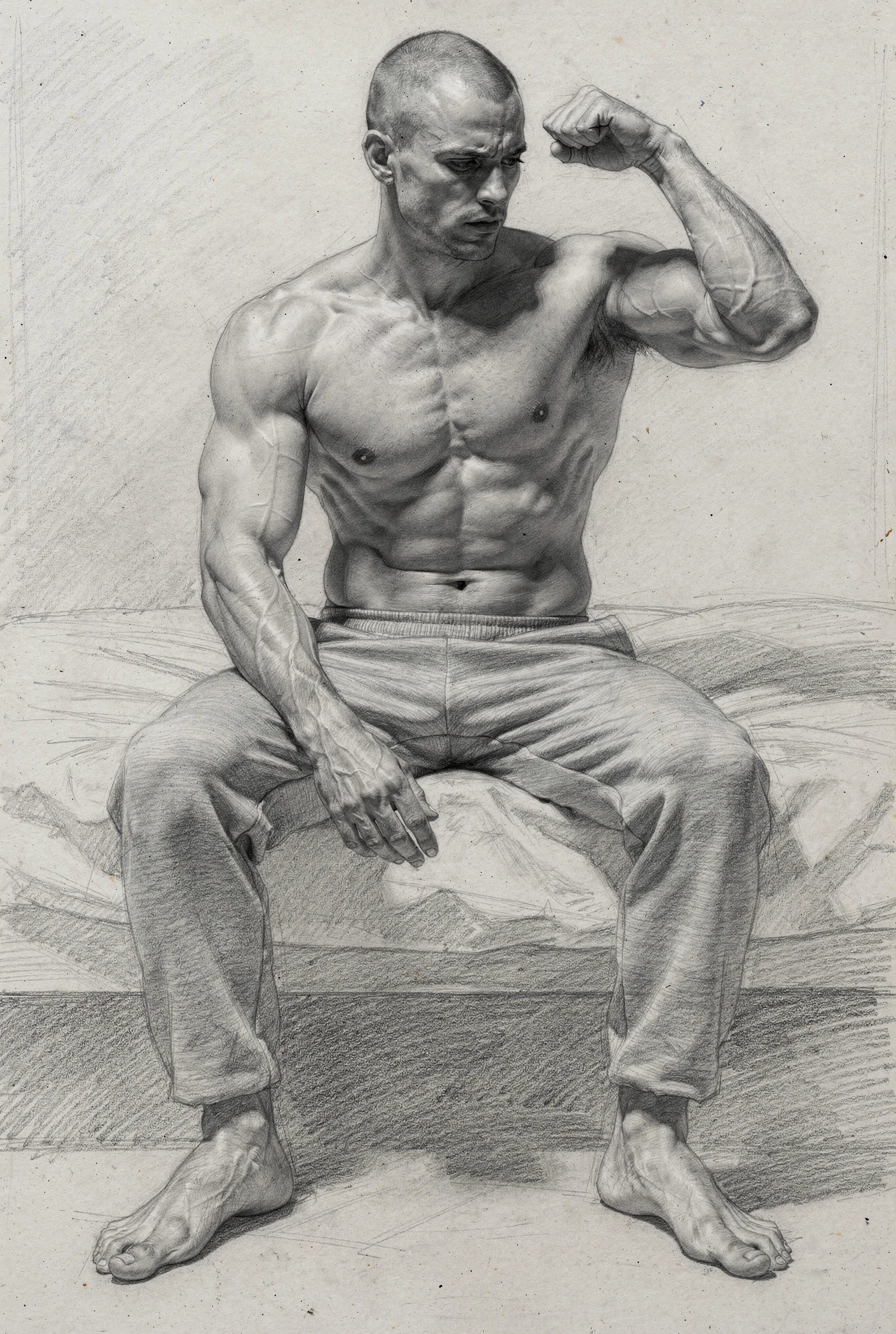
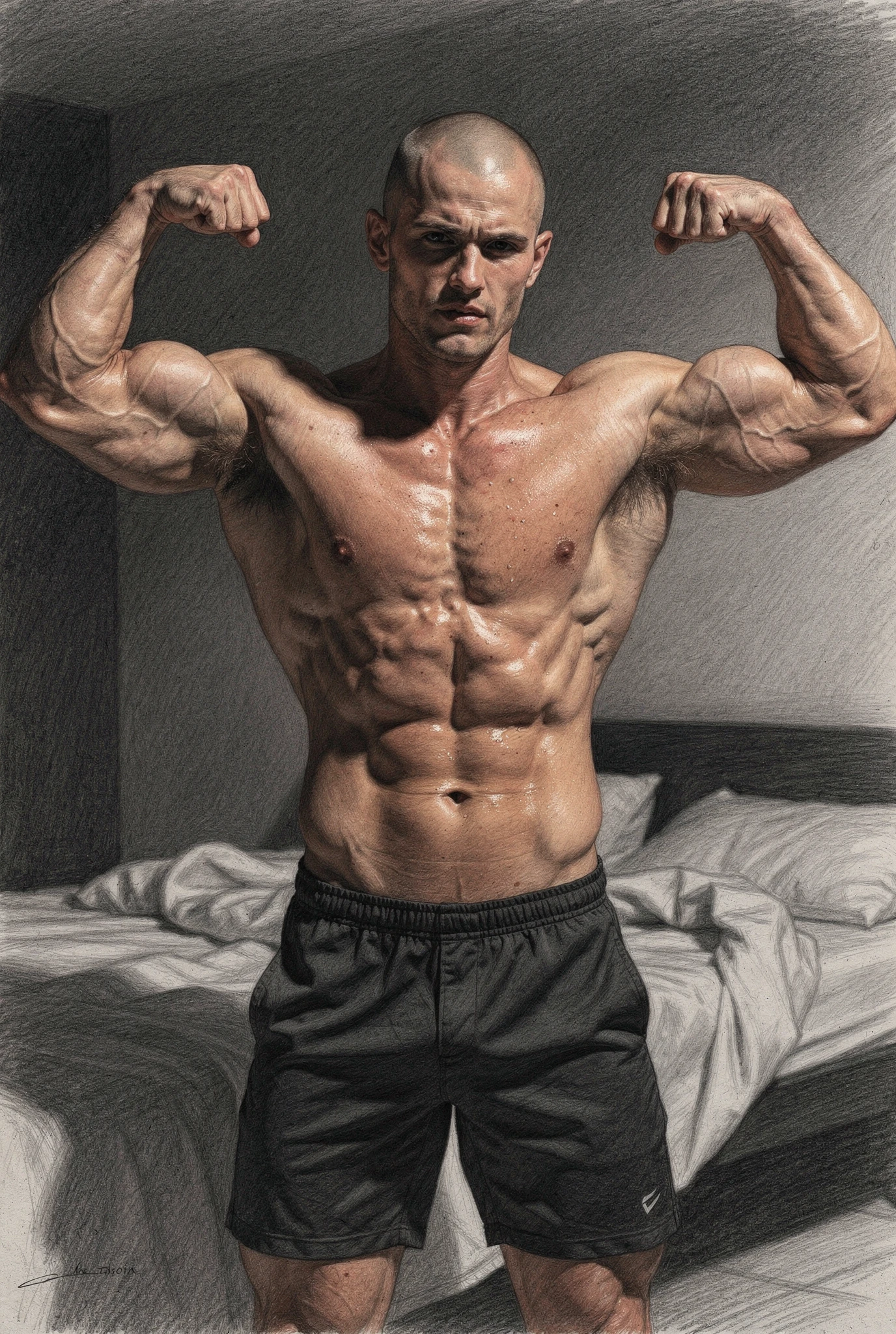
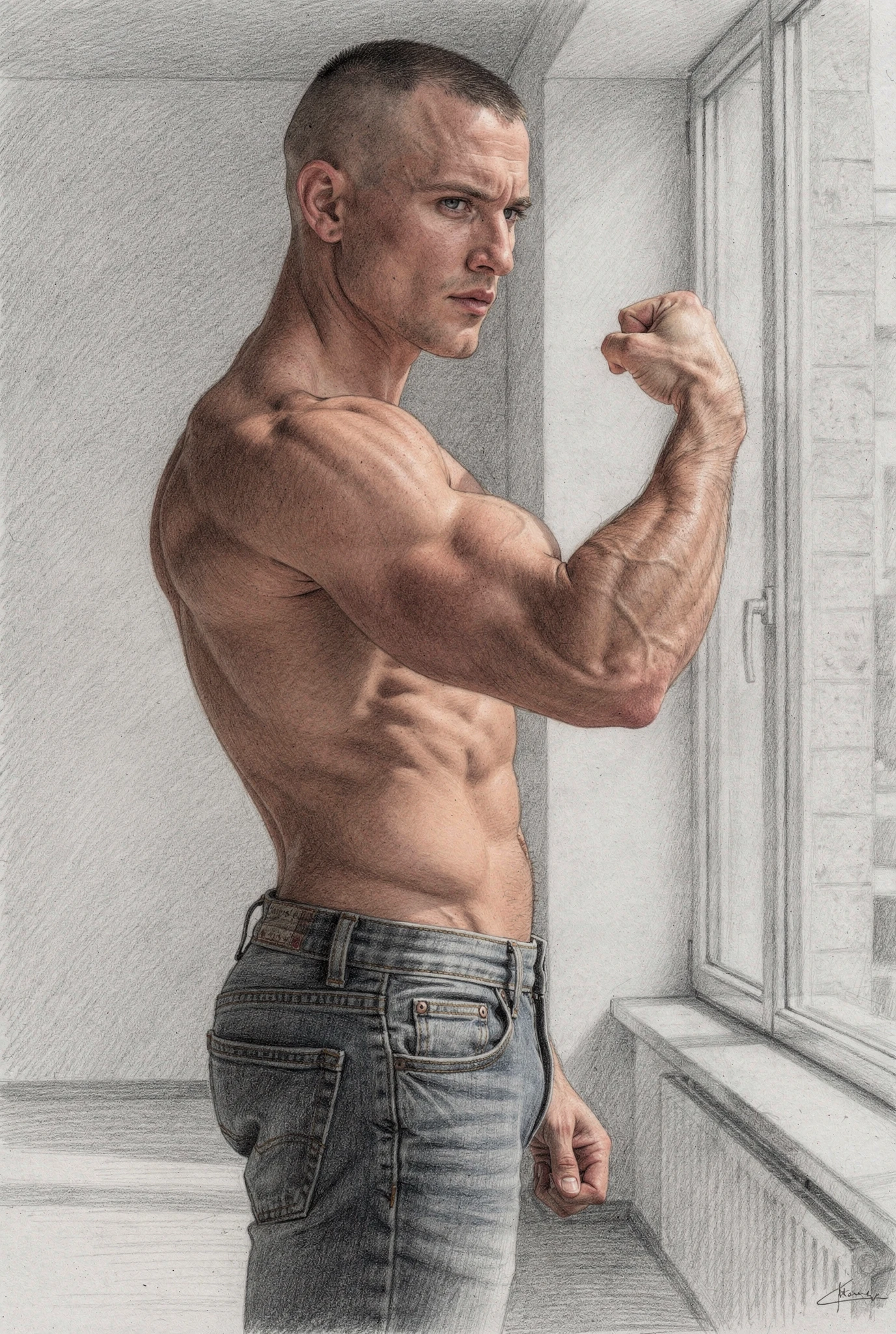
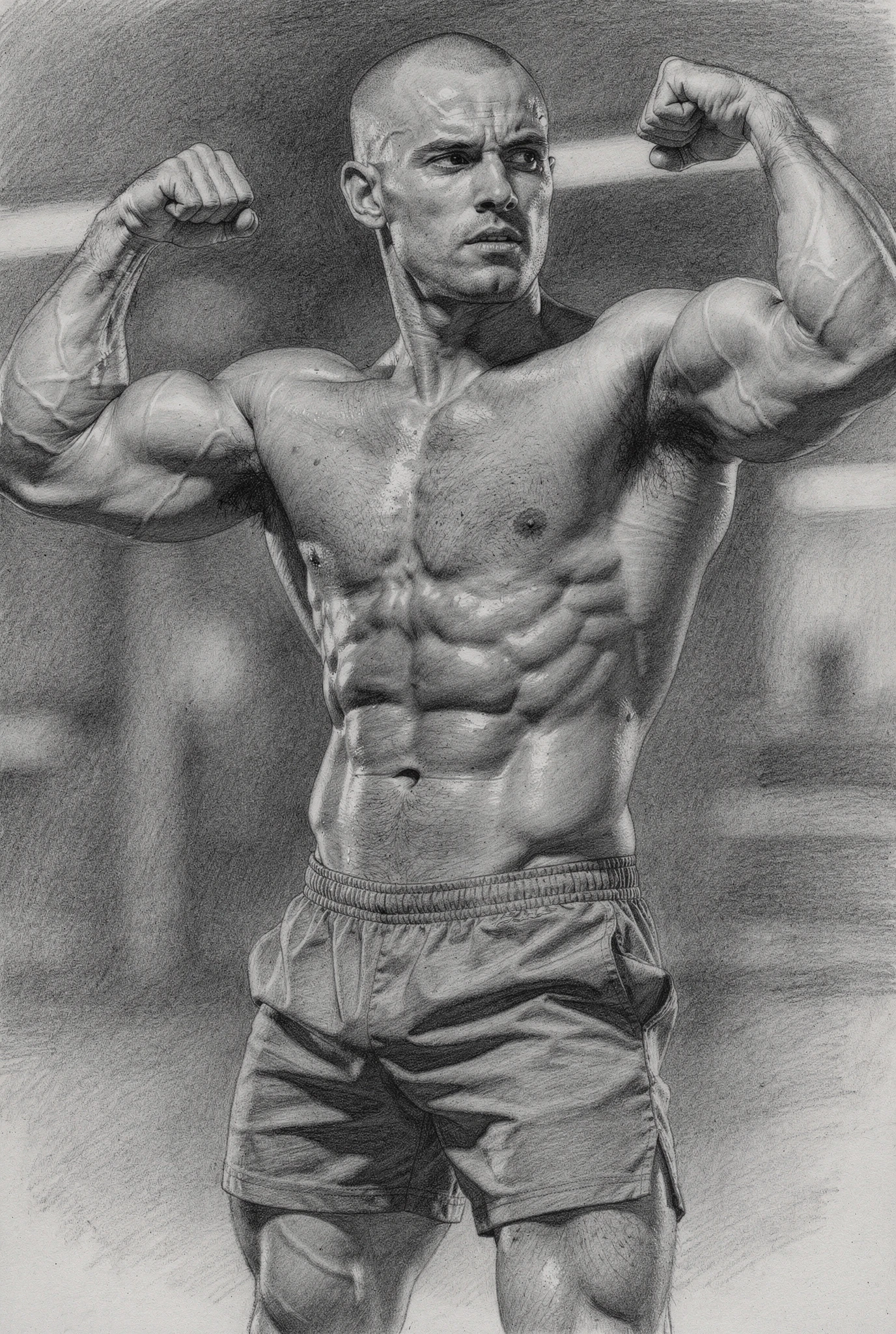
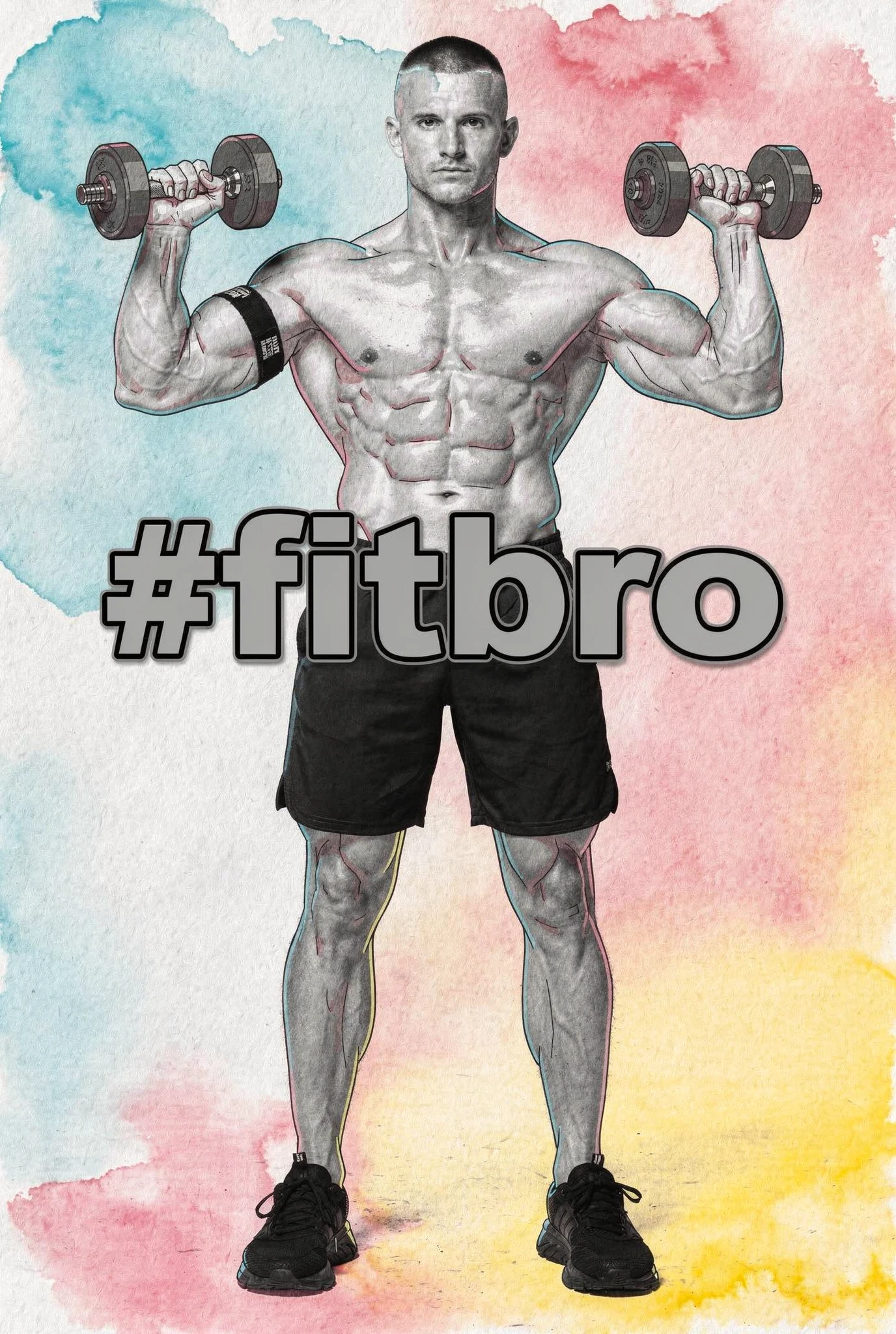
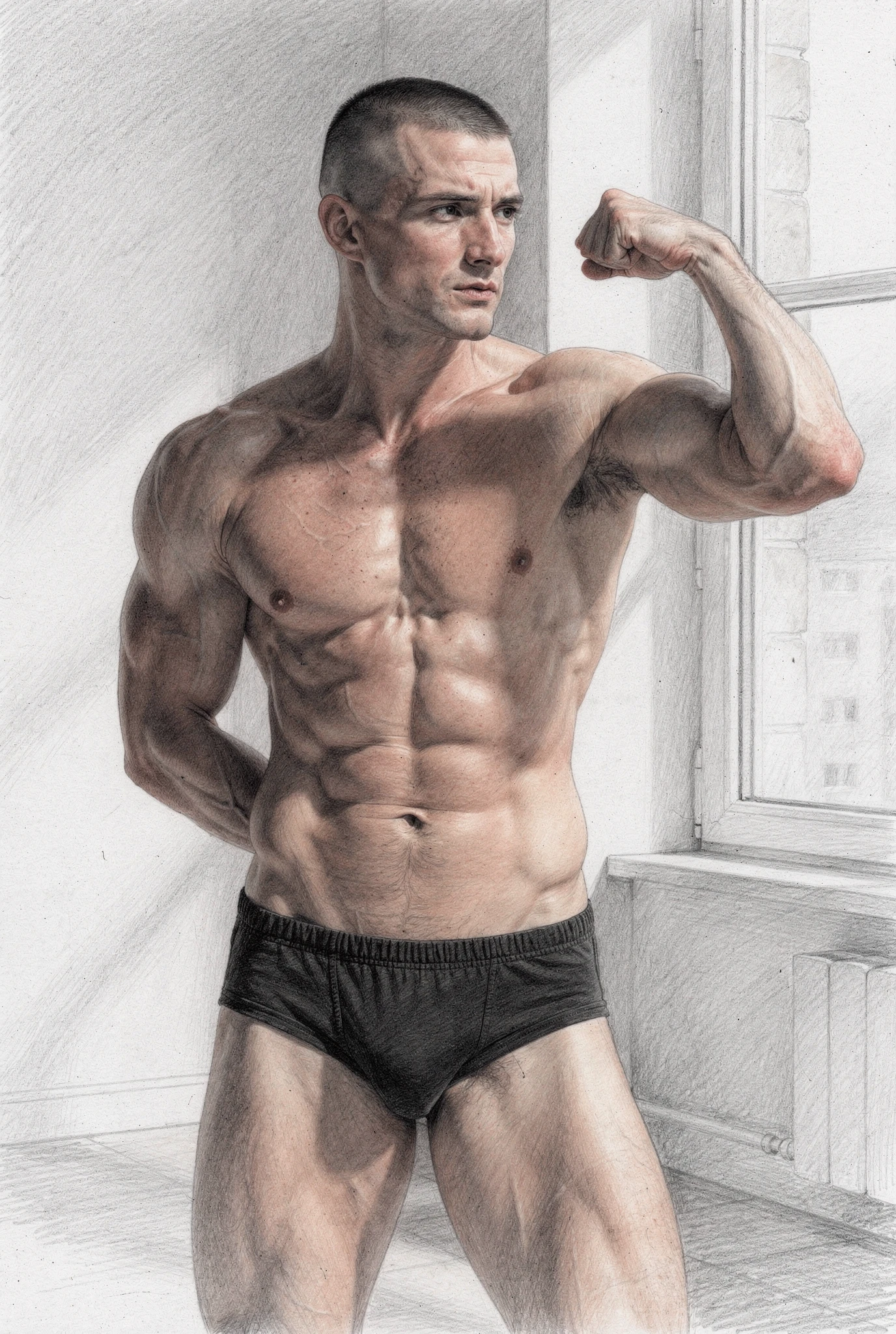
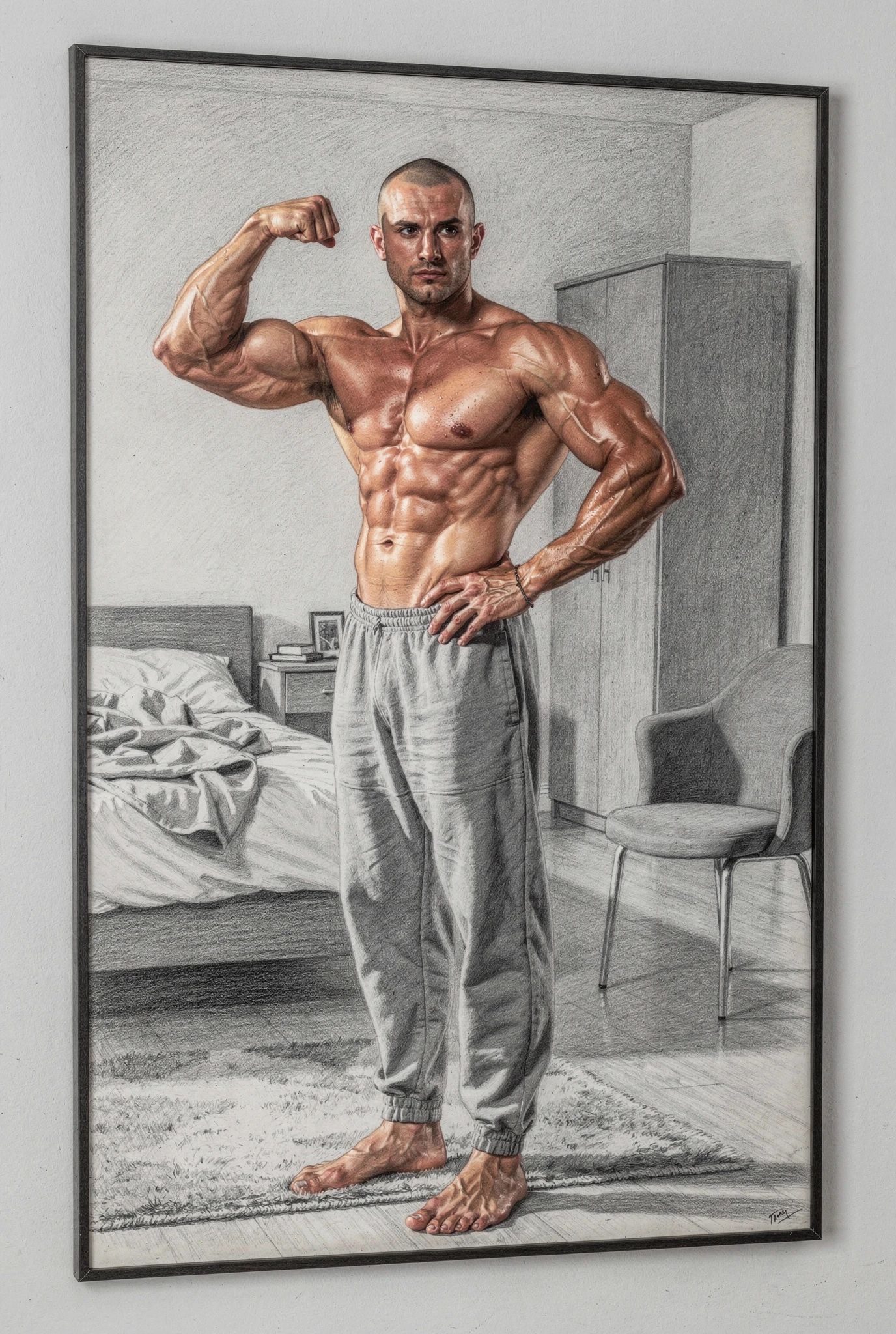
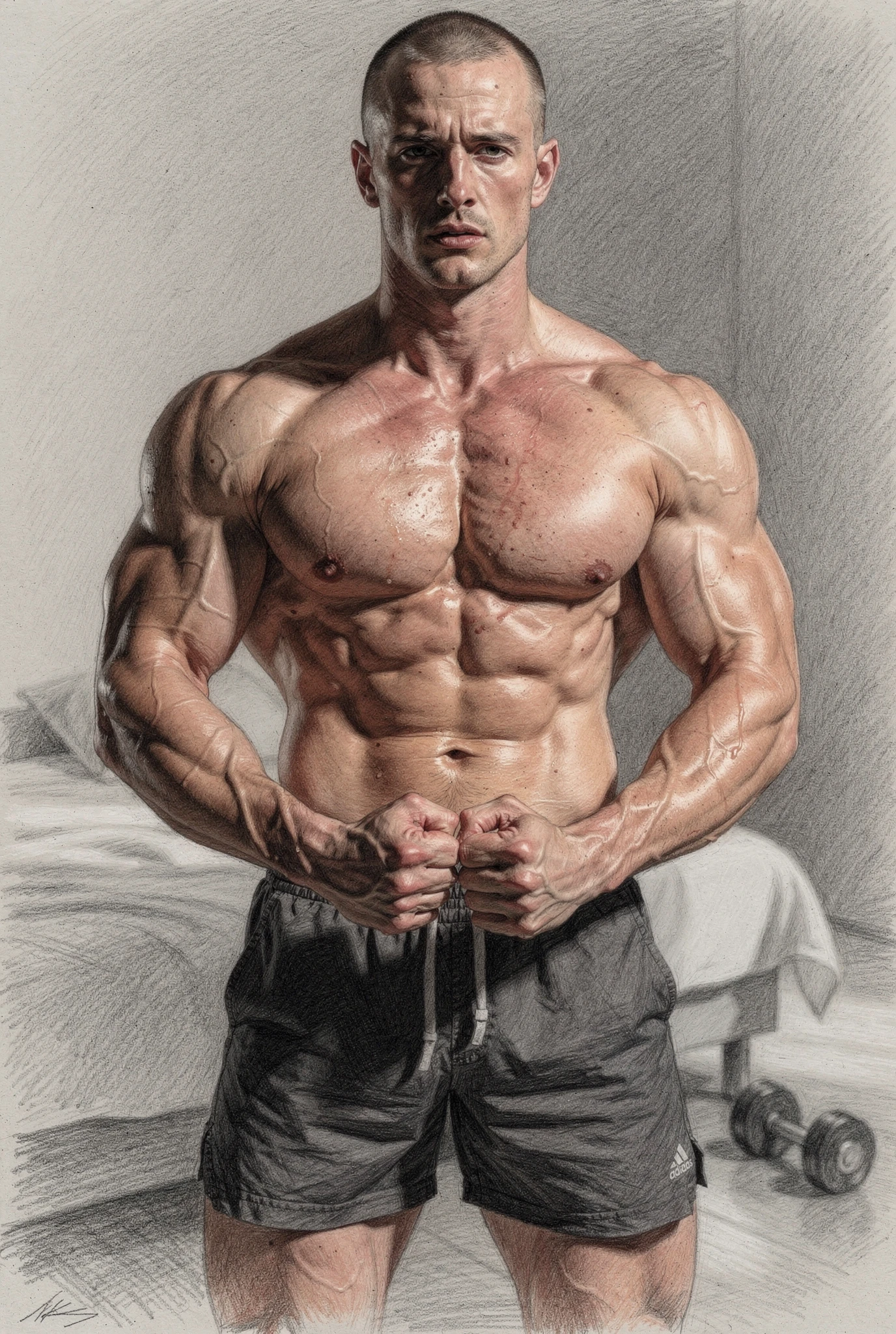
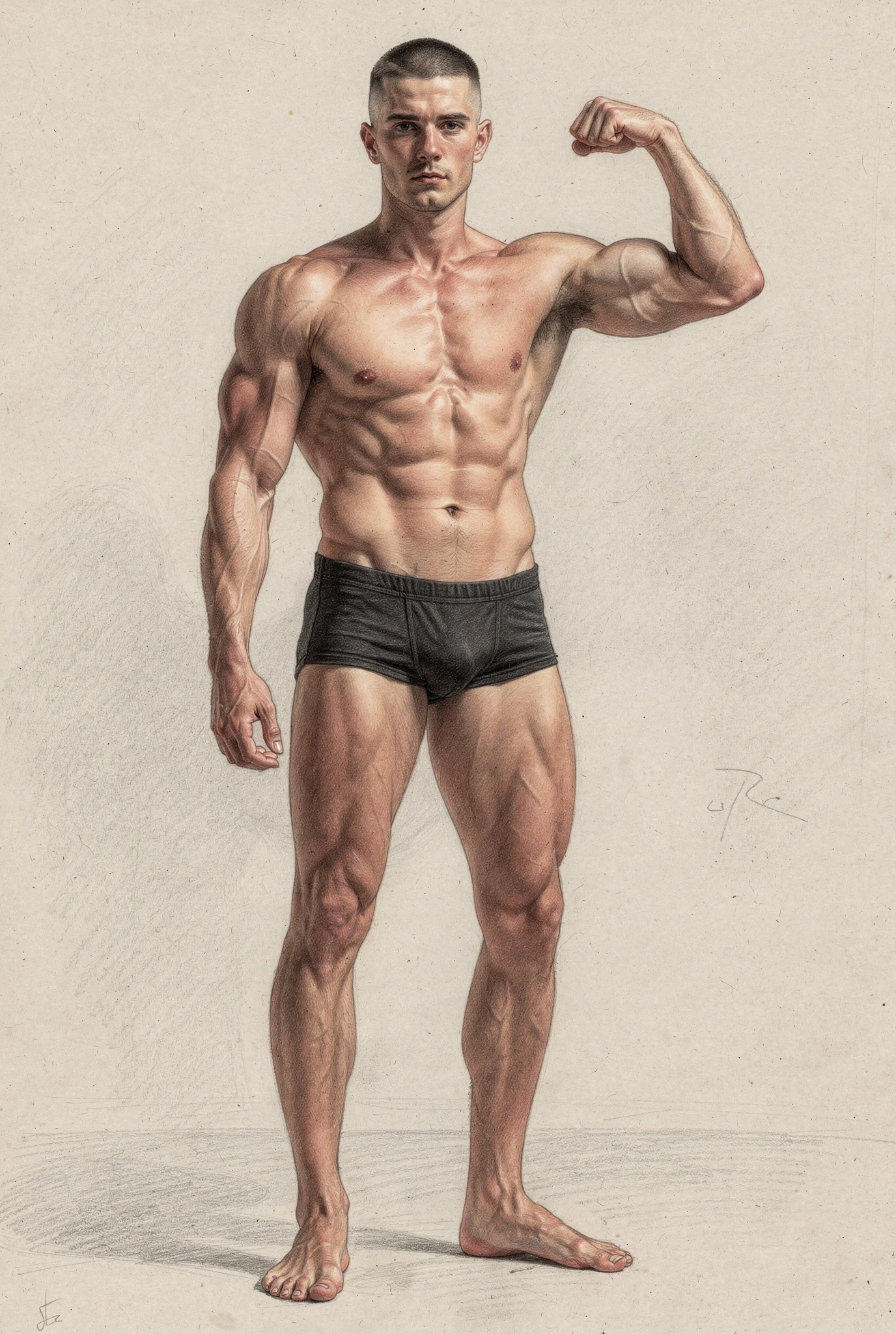
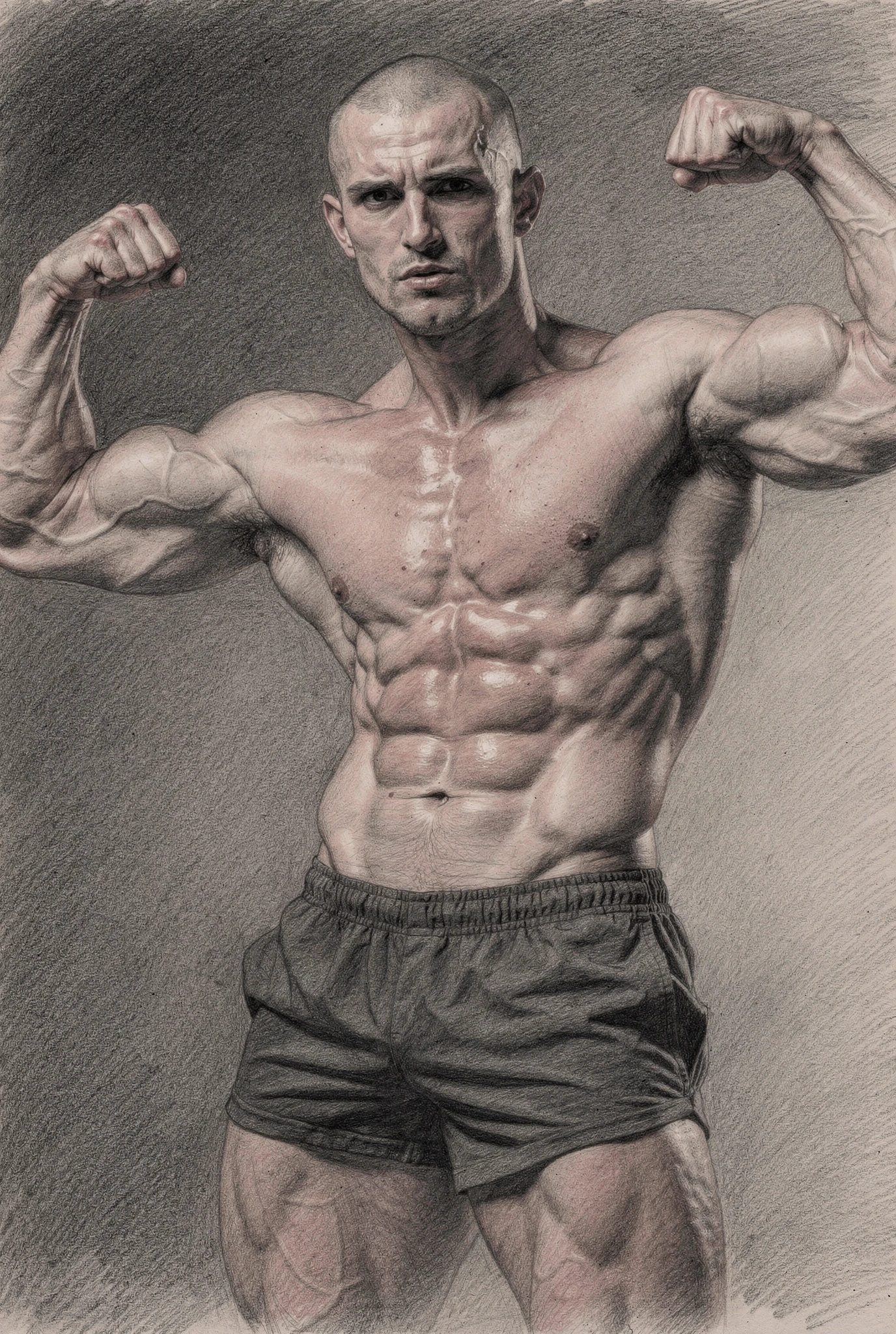
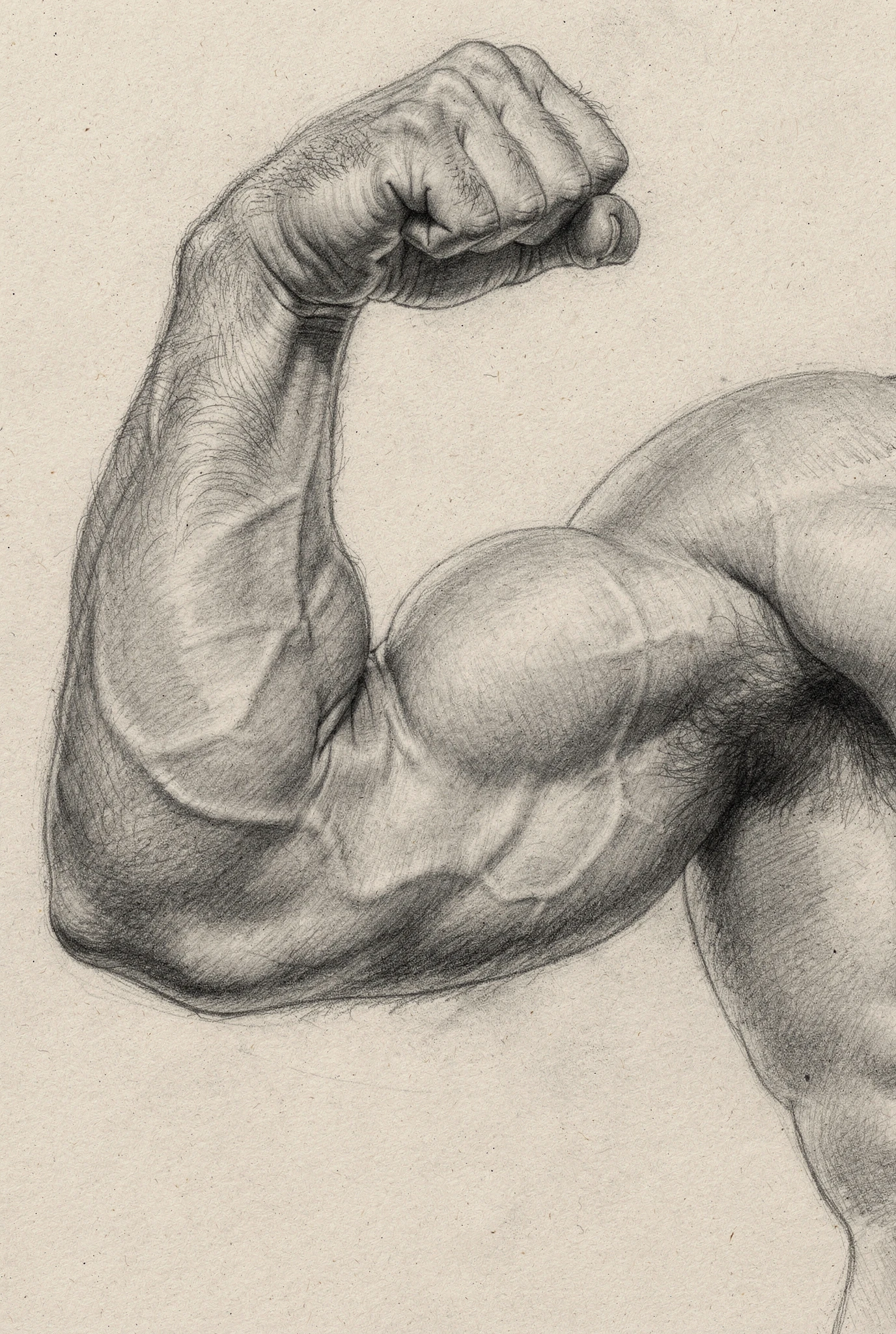
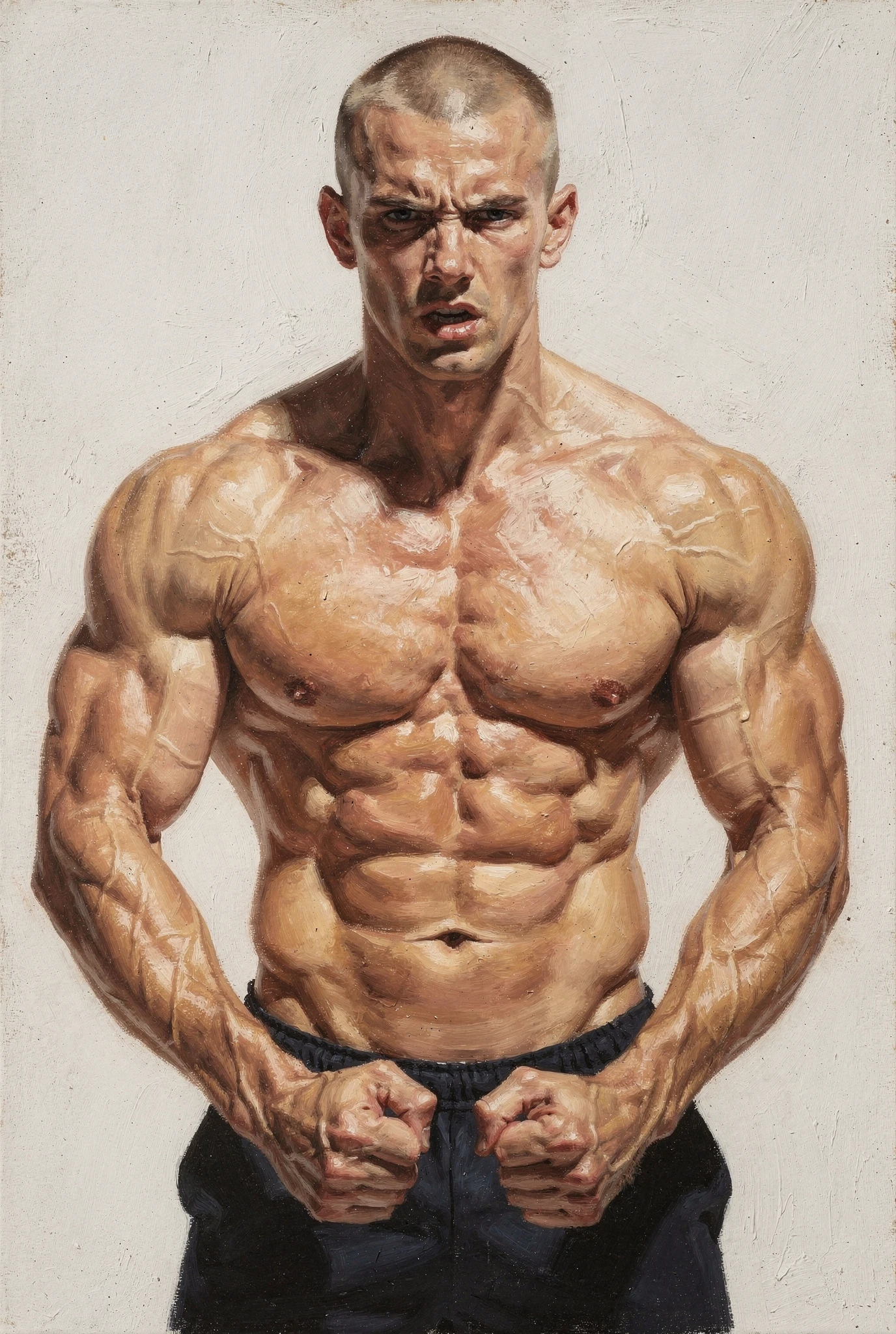
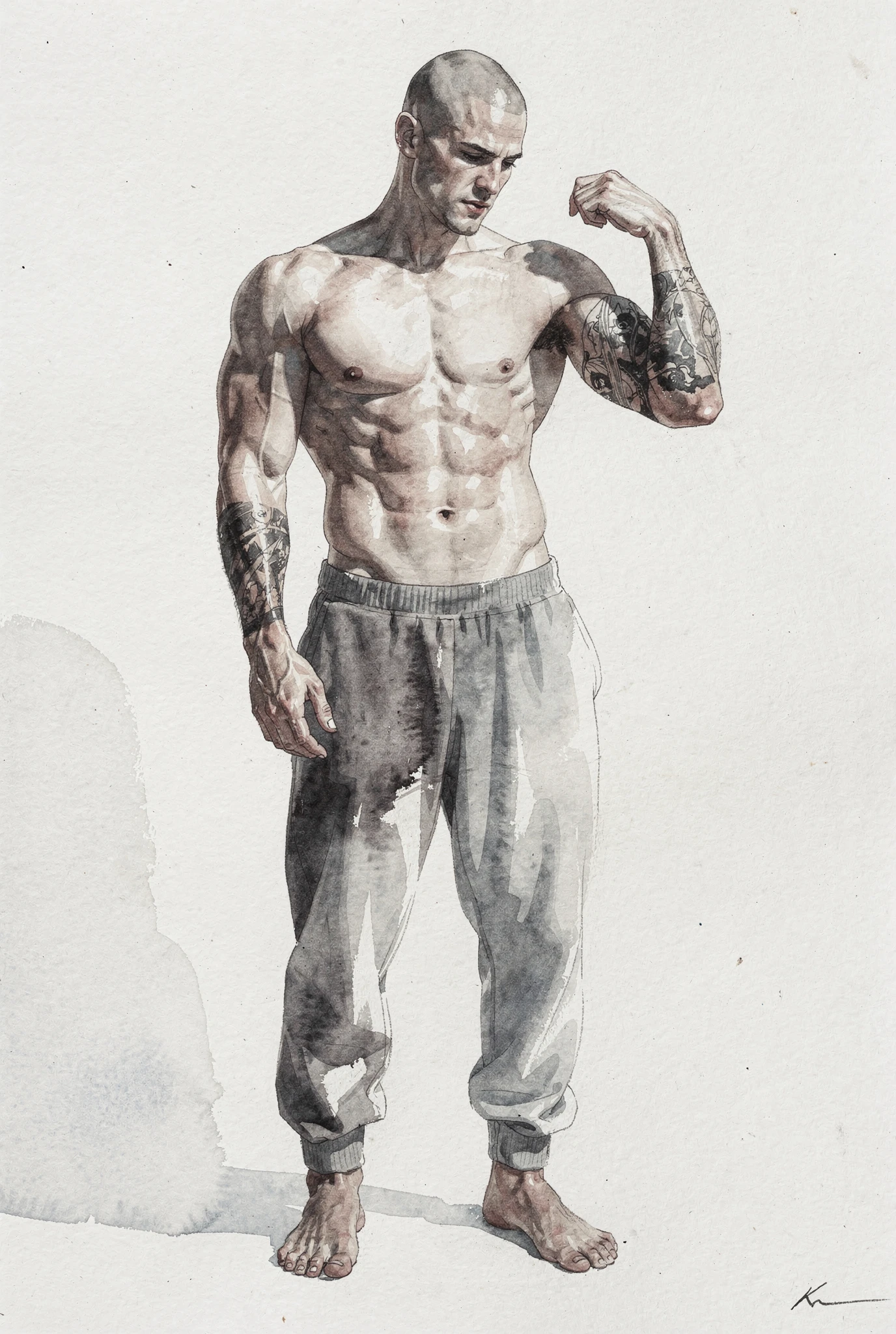
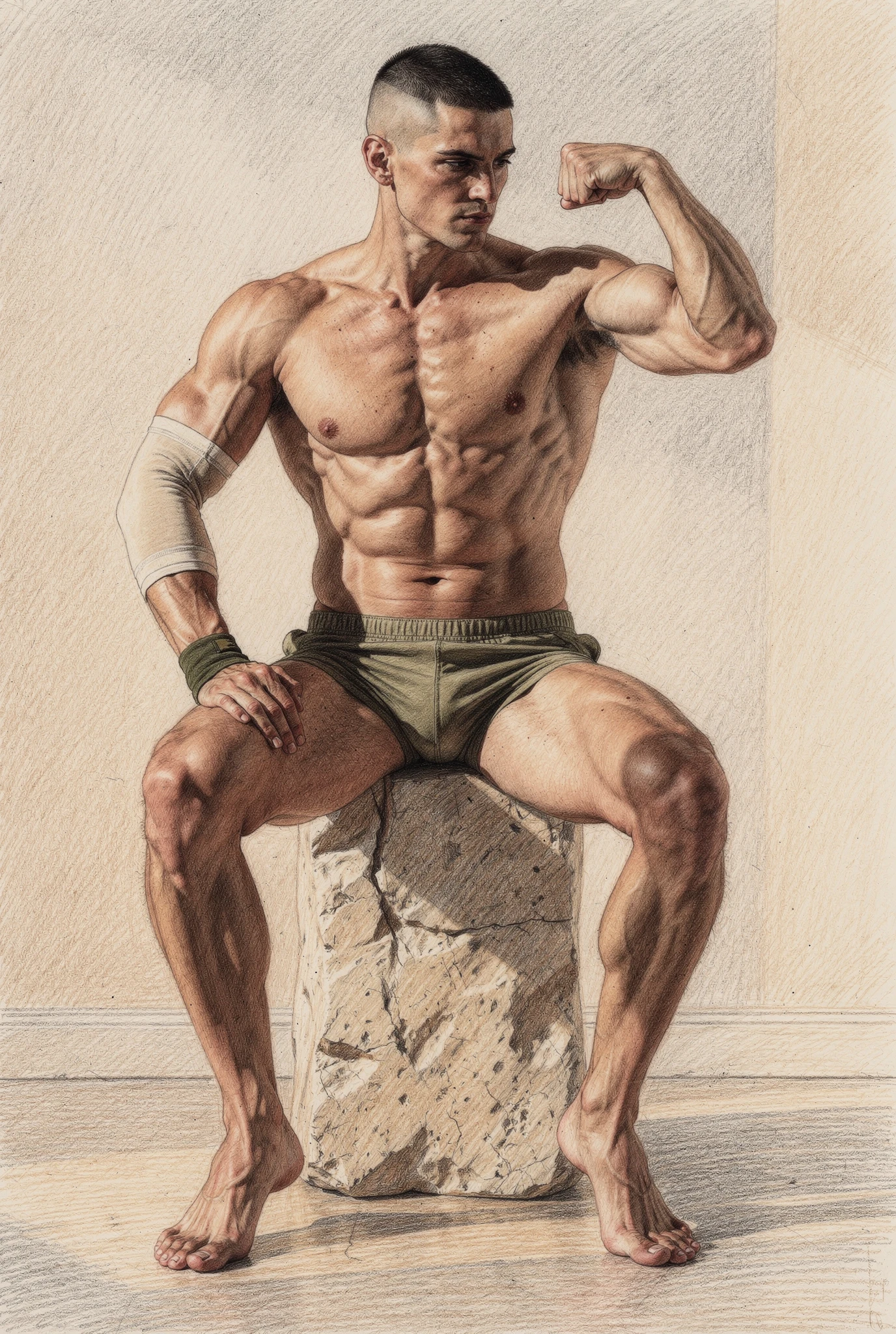
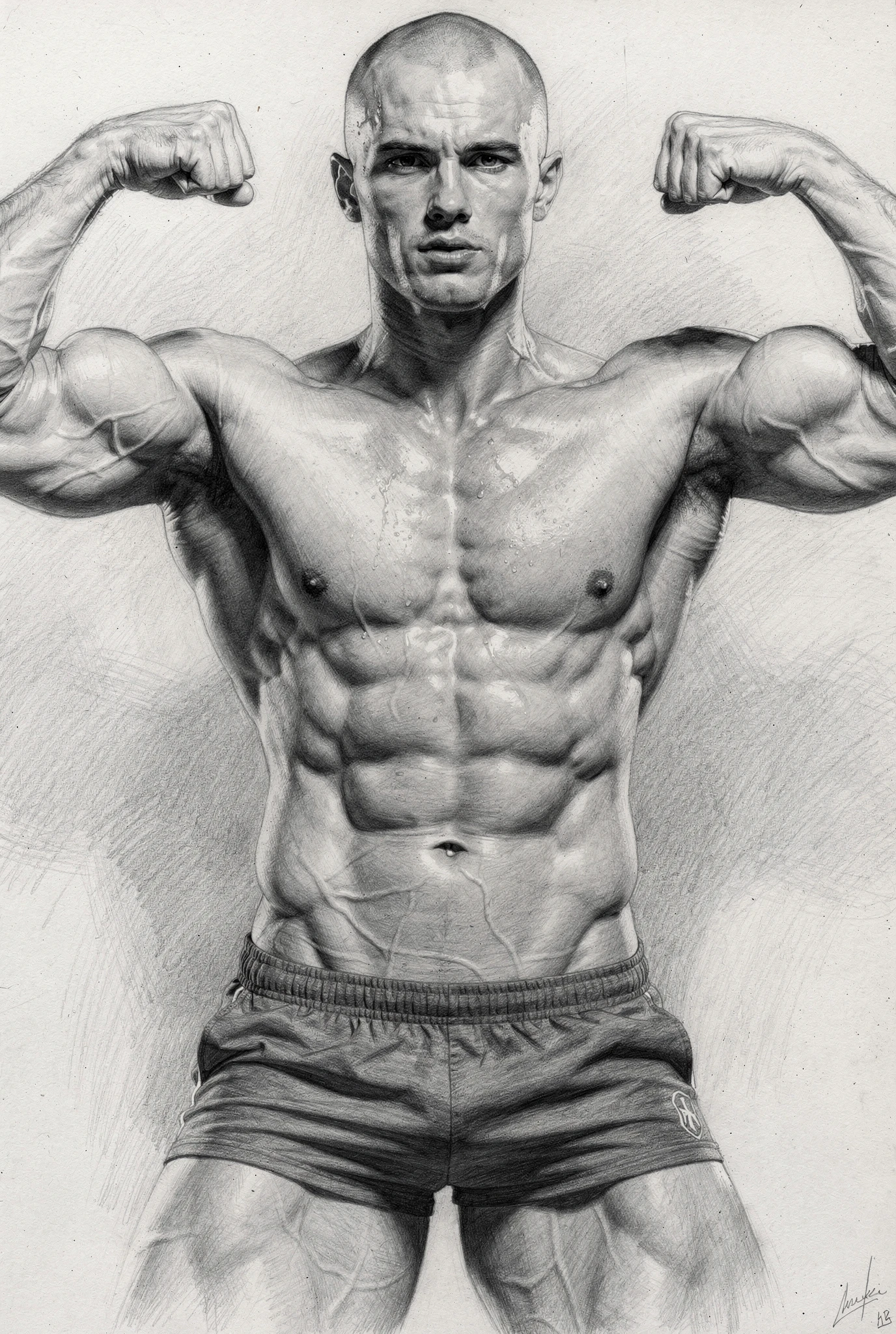
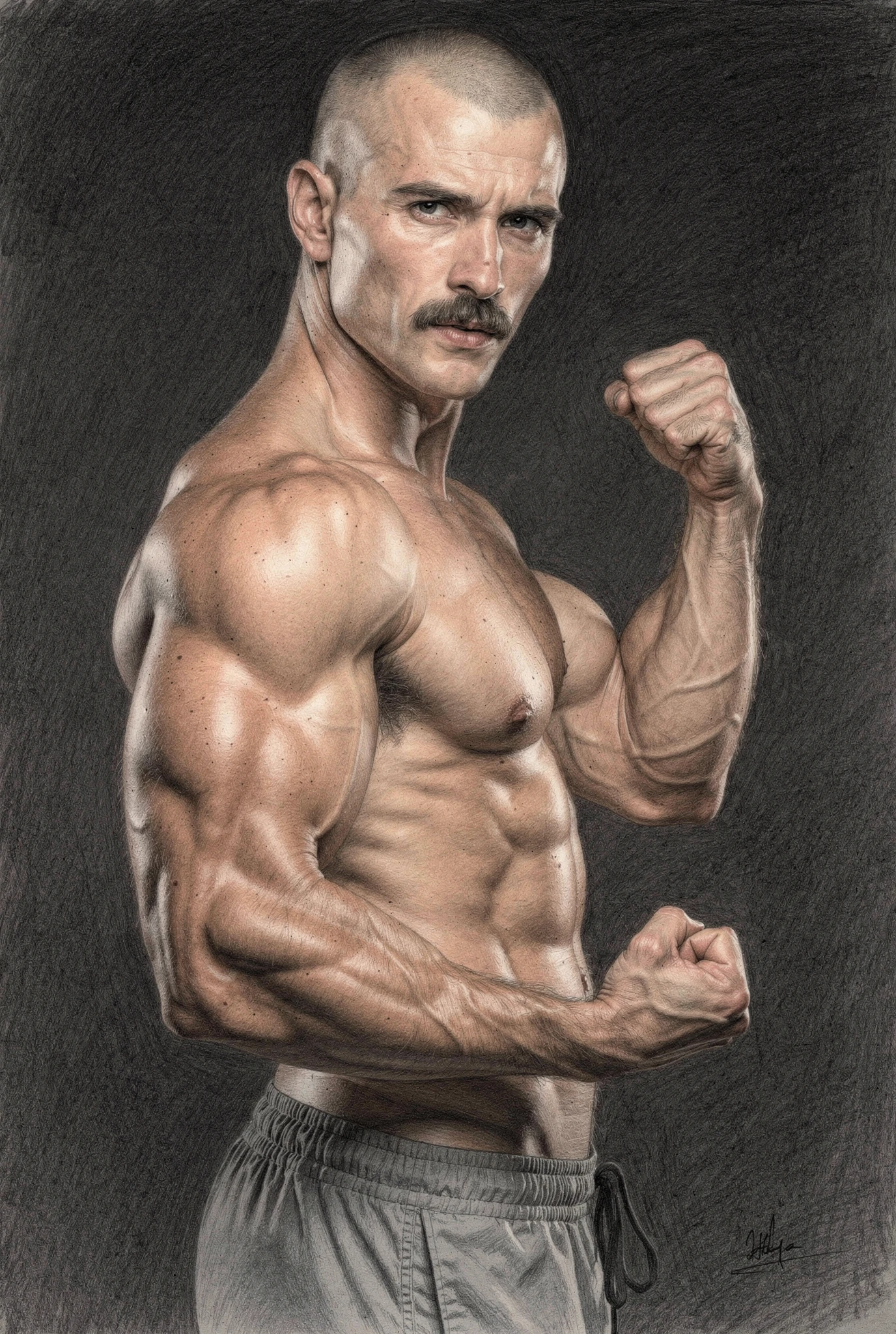
This project begins with a simple proposition: that one small region of the male body has come to carry an absurd amount of meaning. The flexed upper arm is no longer merely anatomical. It has become a symbol: of strength, effort, determination, virility, confidence, and self-belief. The Flexed Biceps emoji (💪) only confirms what culture has already understood. A single bent arm can now stand in for an entire fantasy of masculine power. The bicep has become one of the body's most efficient symbols, instantly legible and instantly performative, a compact declaration made in flesh. What should be only one muscle among many has become an emblem, a shortcut through which the body is read, judged, and imagined.
What makes the bicep so potent is that it turns labour into image. It is where training becomes visible, where discipline hardens into form, where effort can be displayed, admired, measured, and compared. Anatomically, the bicep does not work alone: it helps bend the elbow and rotate the forearm, while its size and shape are intensified by the surrounding structures of the upper arm and shoulder. Yet it is this one swelling form that culture isolates and celebrates. To flex the arm is to present the body as evidence: proof of work, proof of will, proof that the self has been shaped into something harder, stronger, and more convincing. The gesture can appear triumphant, even comic, but it is never empty. It asks to be read and, more importantly, believed.
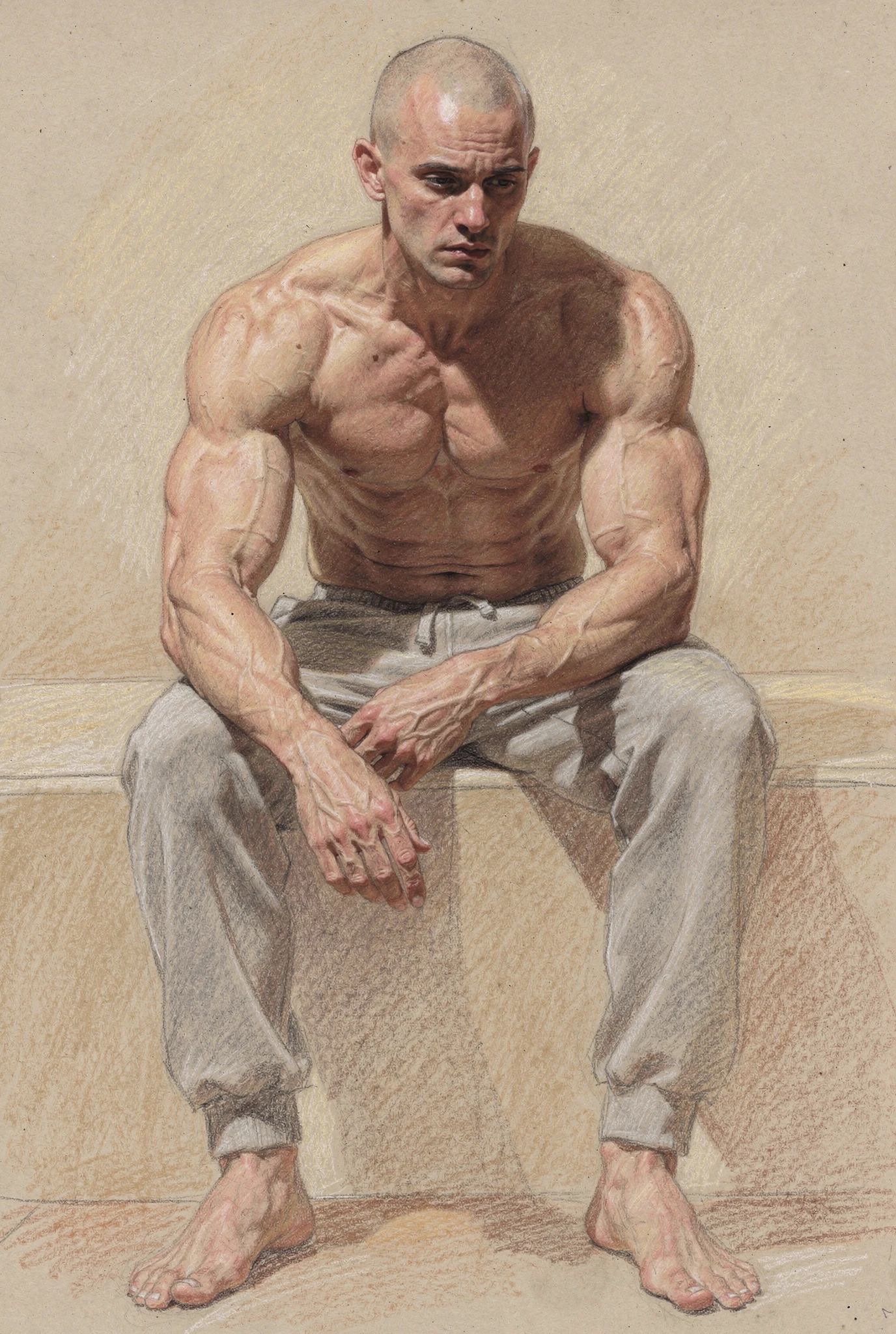
Yet the symbol is not stable. The bicep suggests strength, but also vanity; health, but also anxiety; confidence, but also the need to be seen. It belongs to a world in which masculinity is constantly performed, inspected, and converted into image. In this sense, Bicep is less a study of a muscle than of a modern emblem: a fragment of the body that has come to stand for the whole drama of masculine aspiration. What appears simple at first — one arm, one flex, one sign — reveals itself as dense with longing, ego, discipline, display, and the fragile hope that the body might say everything words cannot. The measure, in the end, is not only physical. It is symbolic, social, and psychological, and for that very reason it remains unstable.
Gallery
"Great ideas originate in the muscles." — Thomas A. Edison