Ferrum: flowers forged into permanence
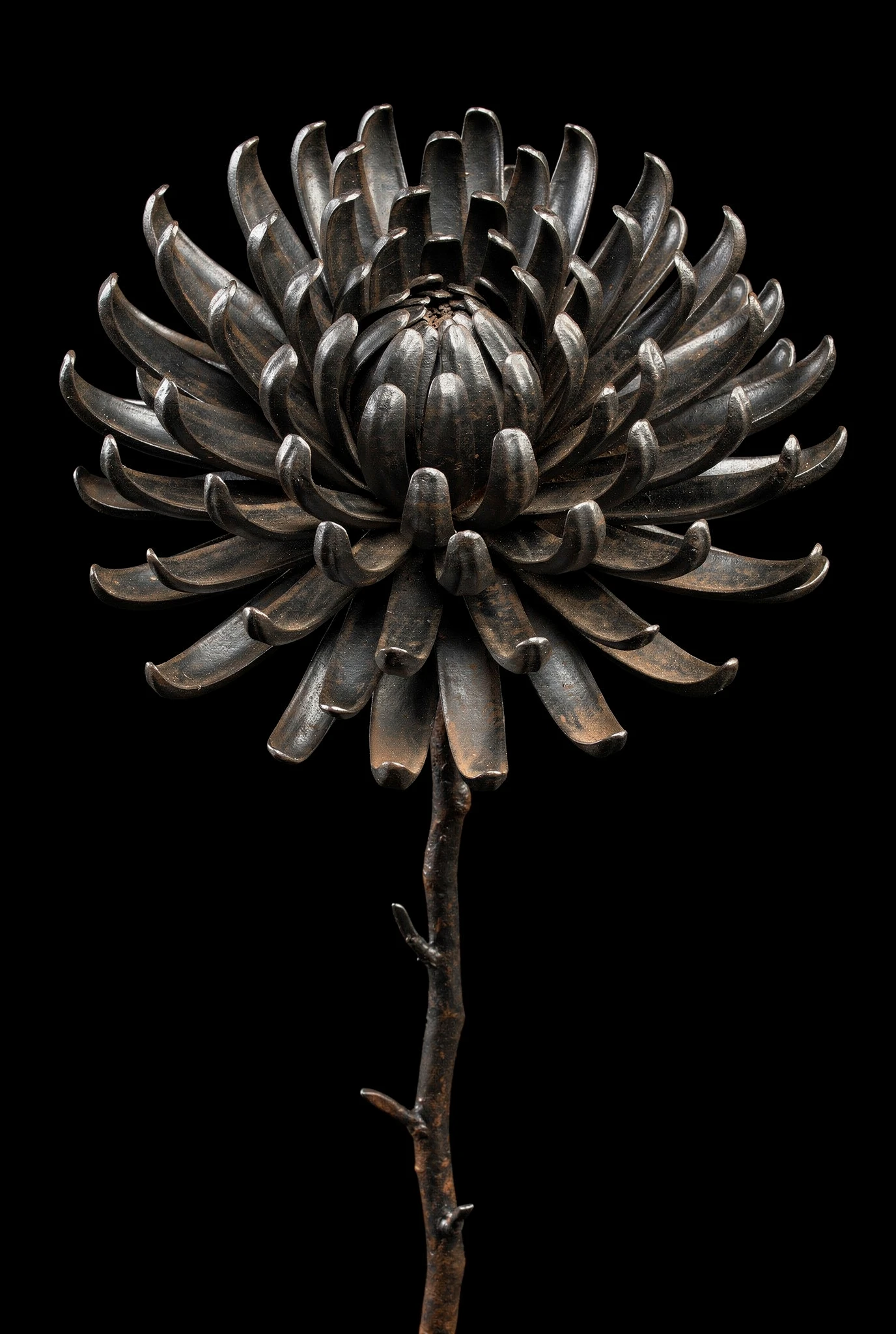
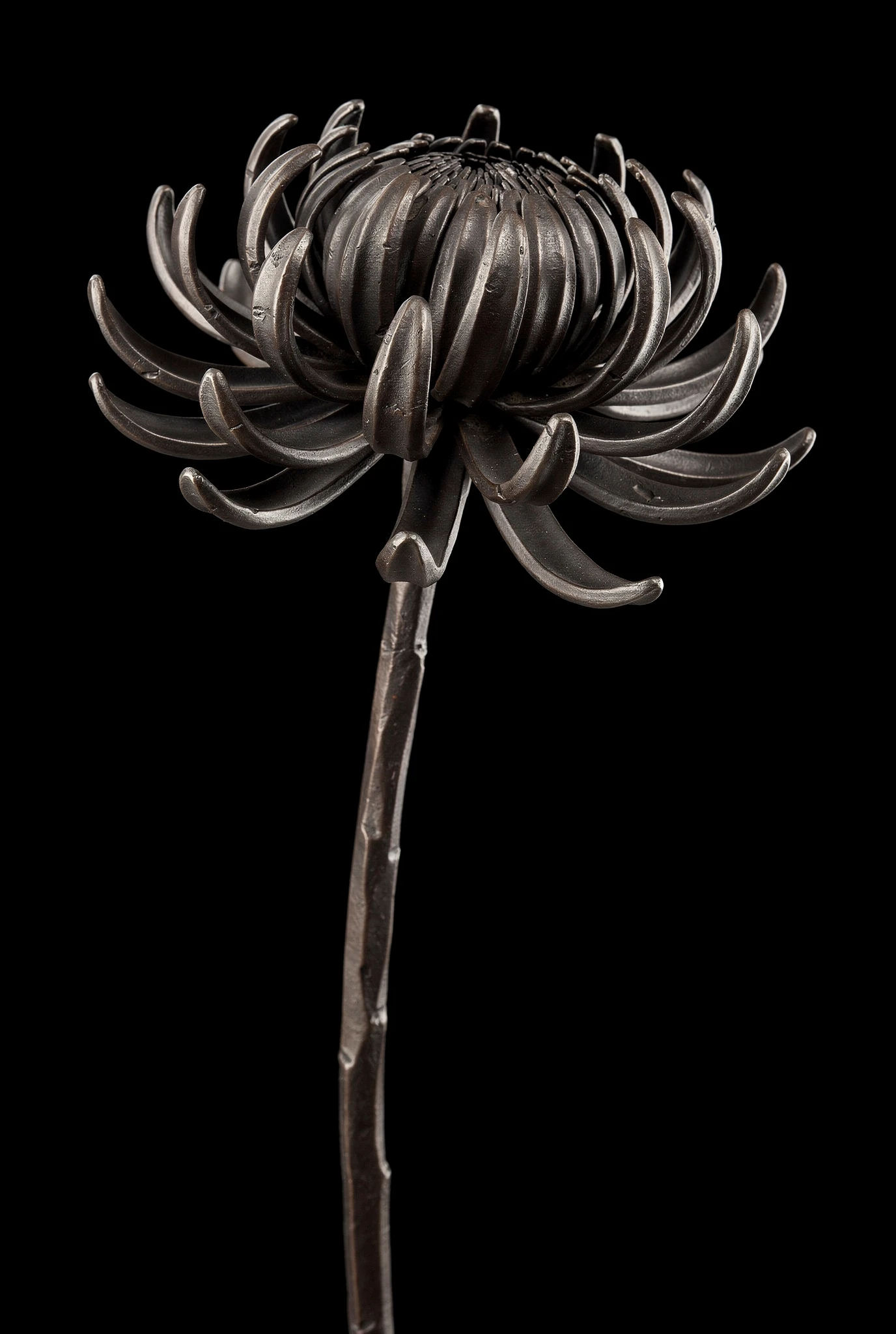
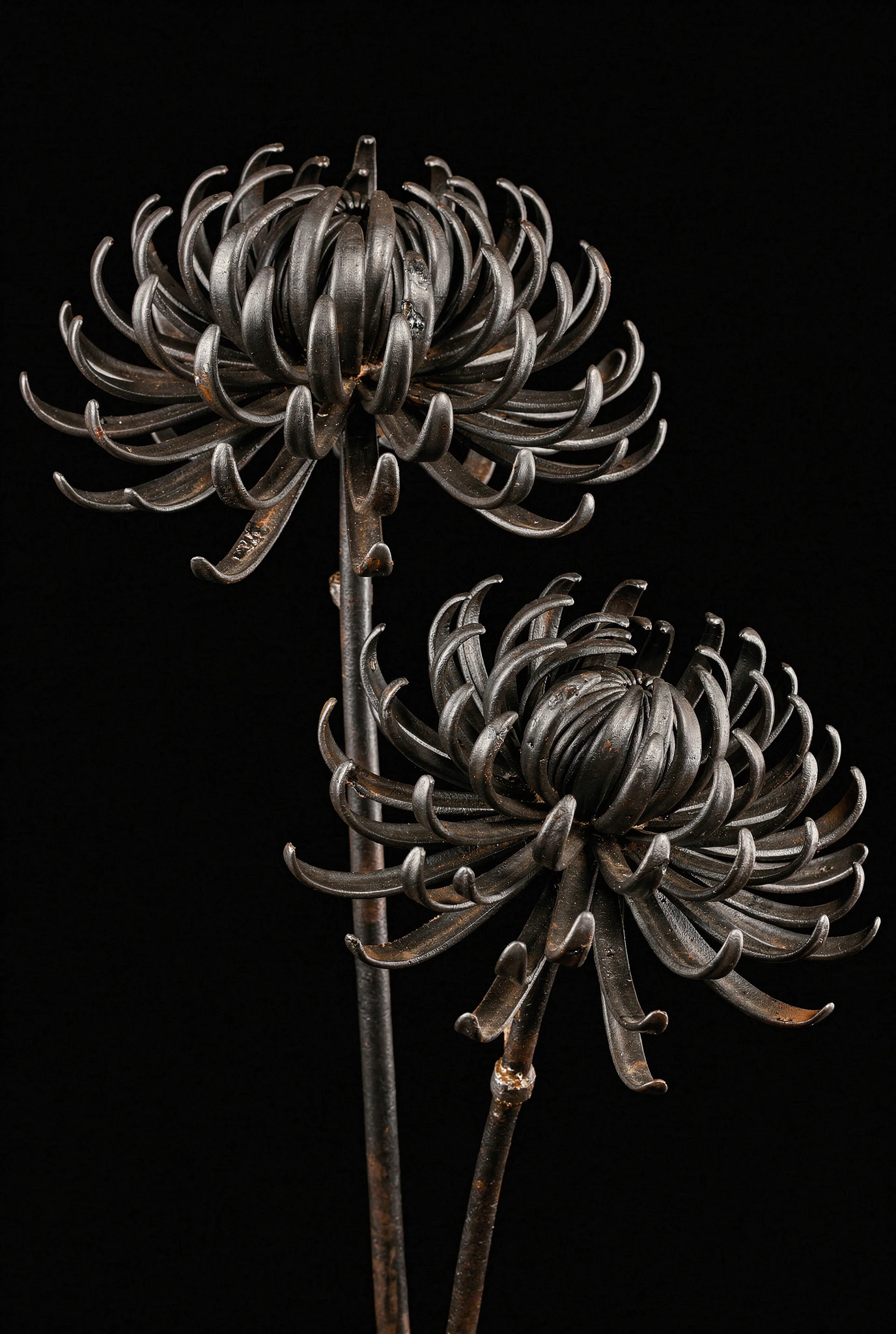
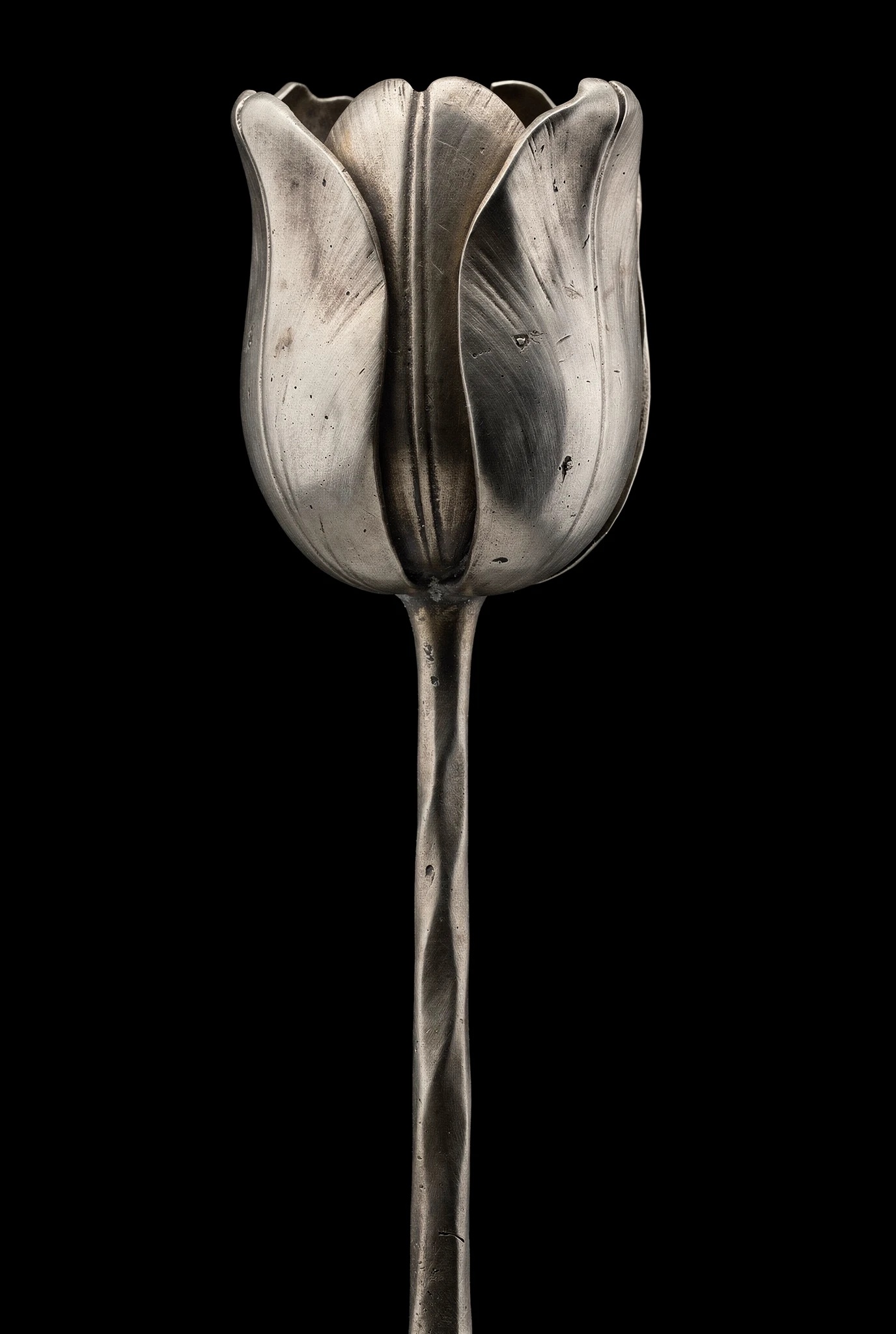
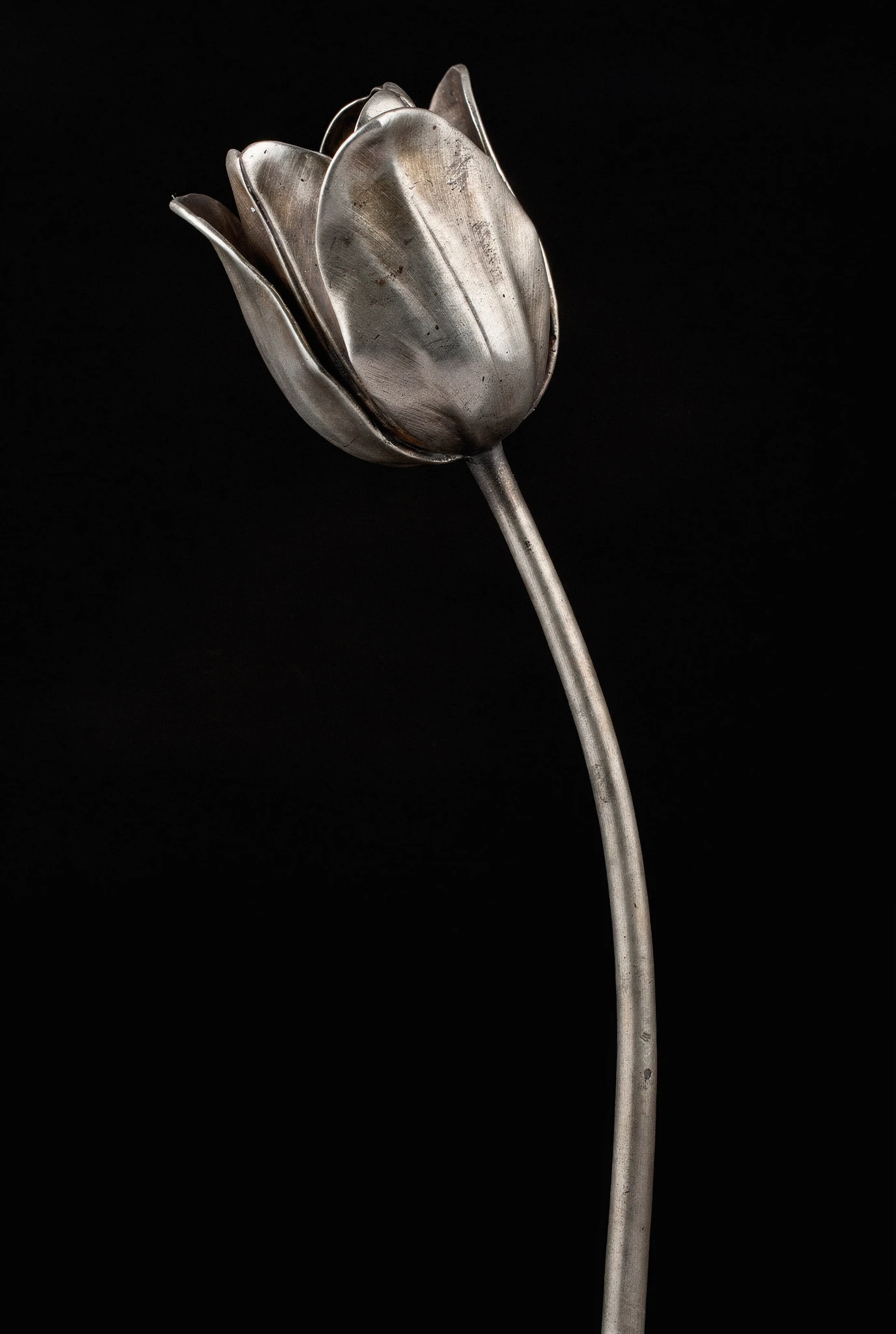
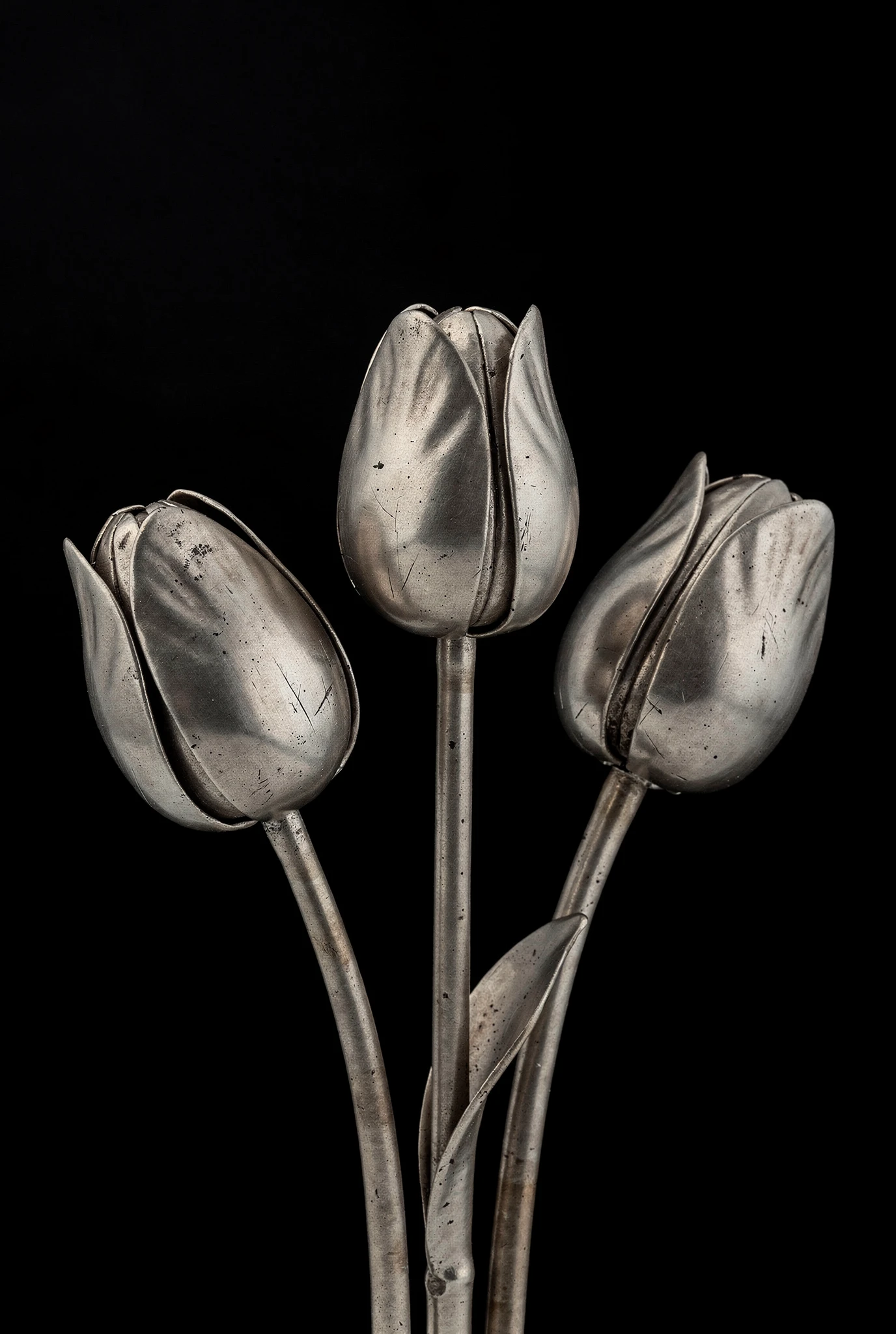
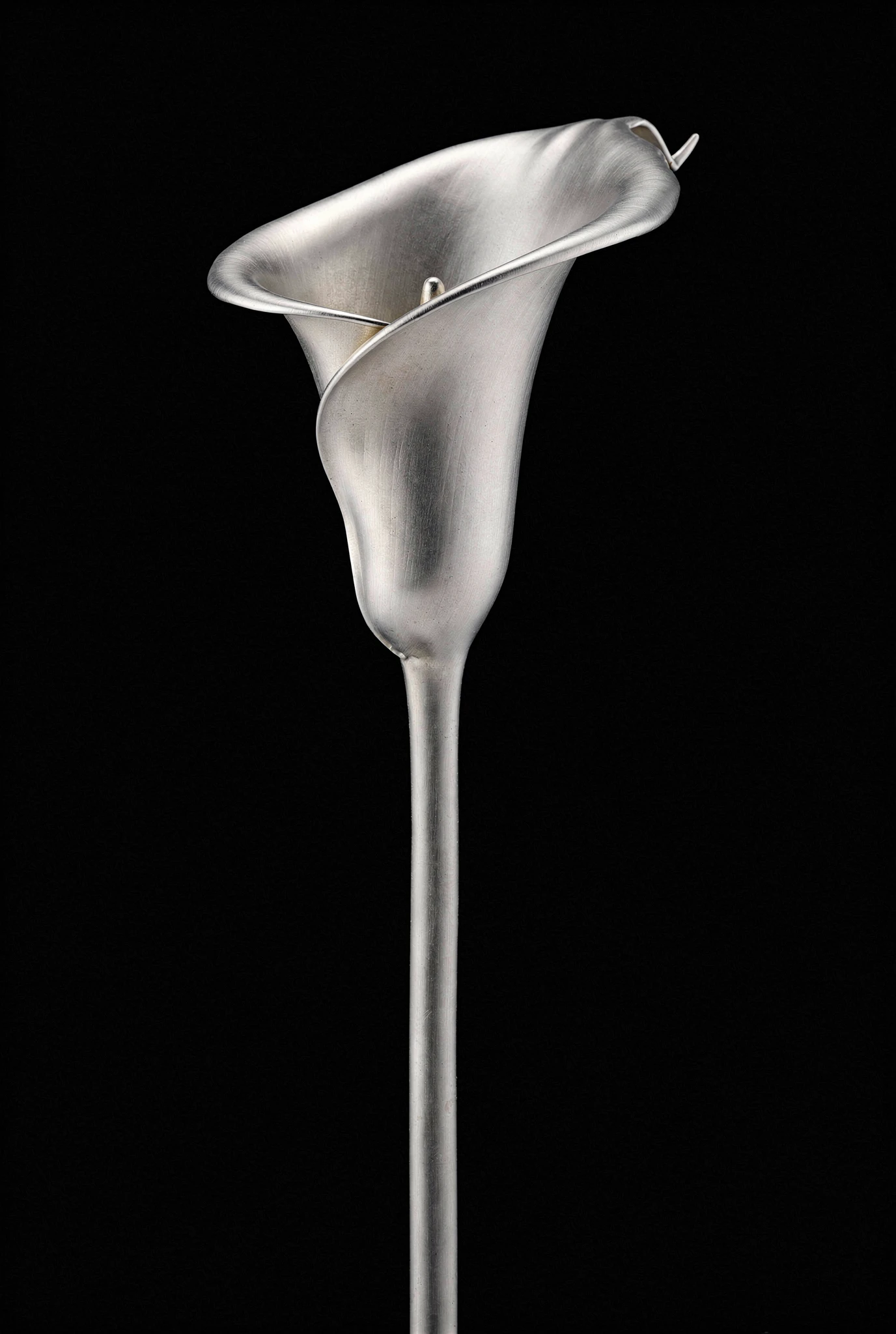
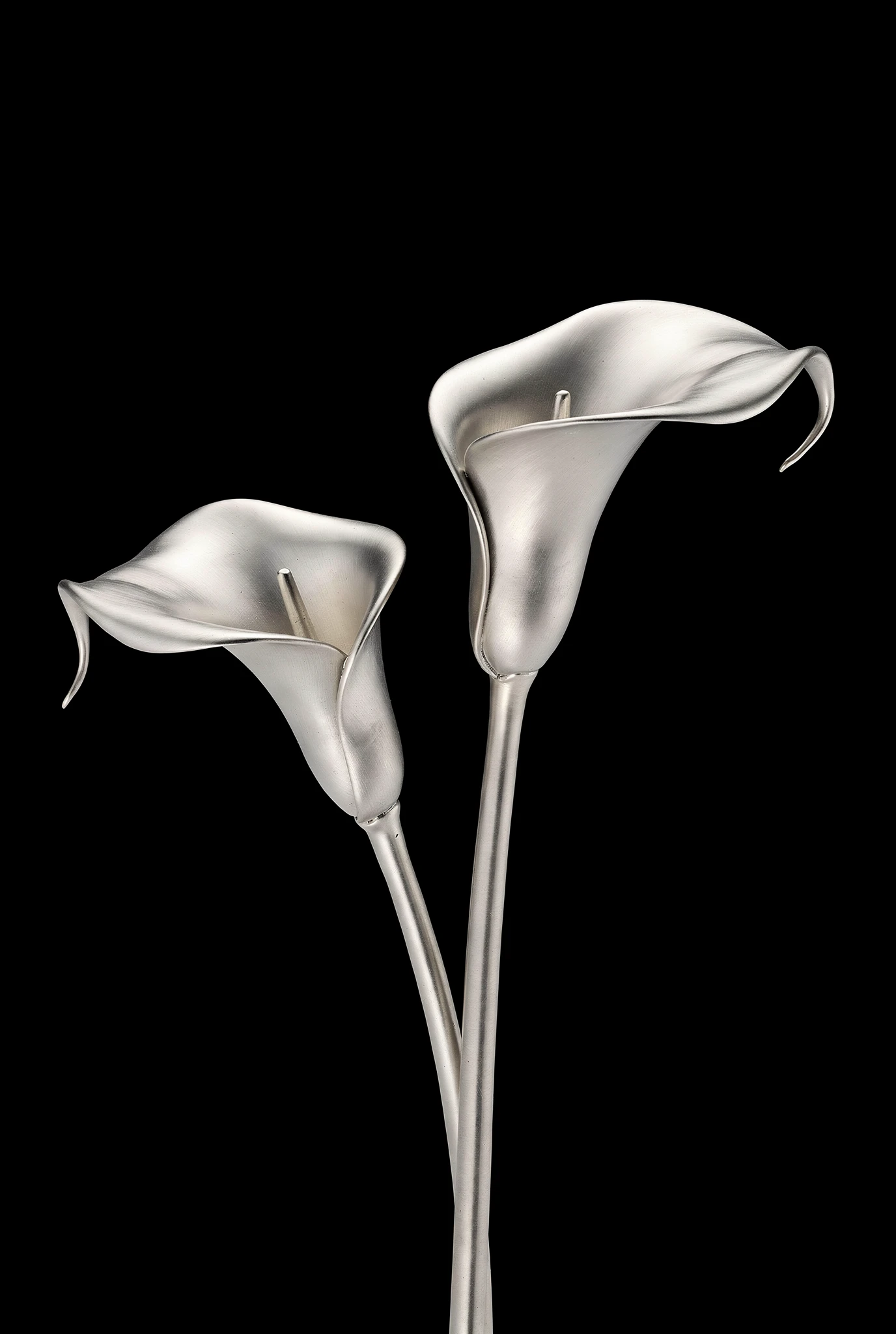
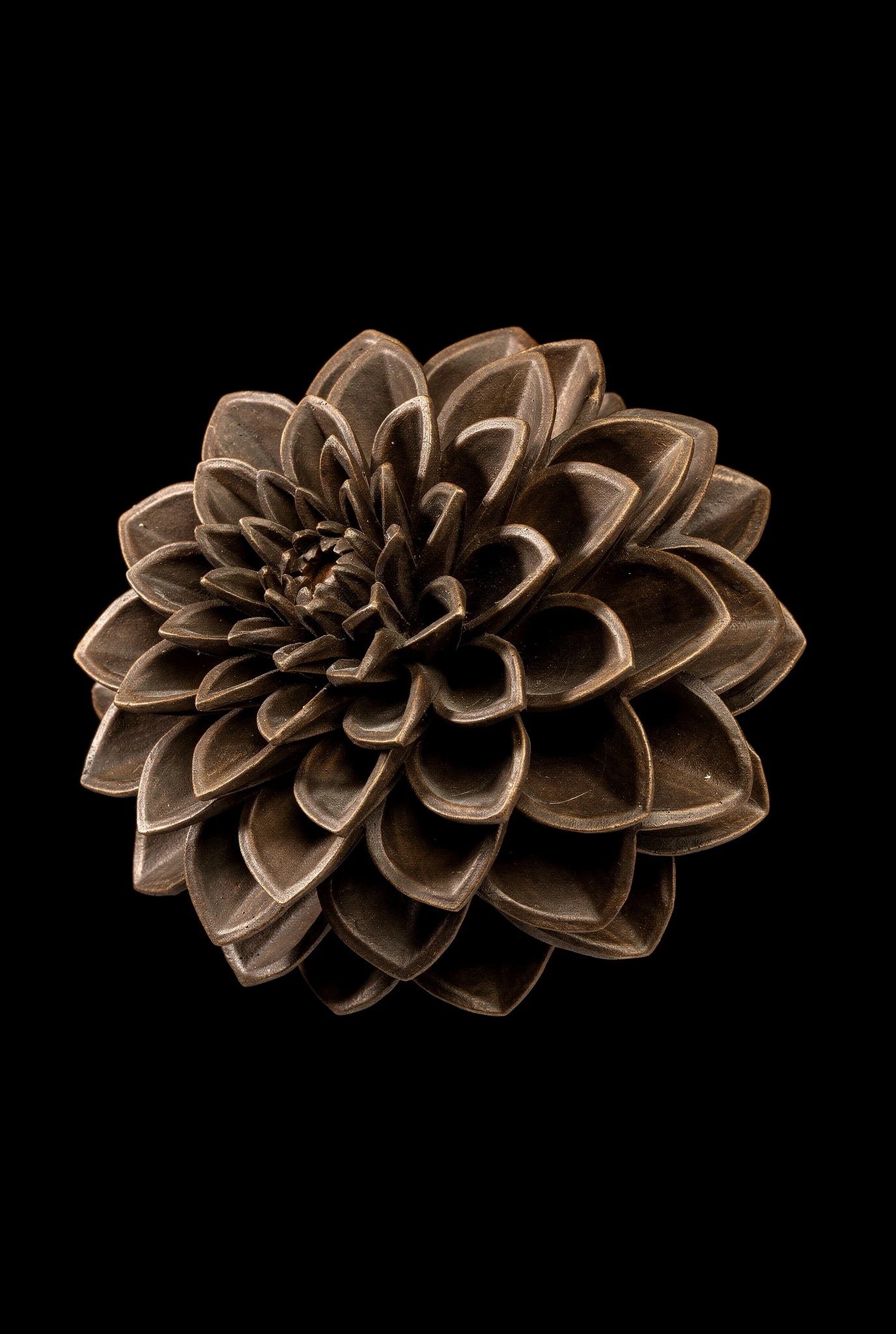
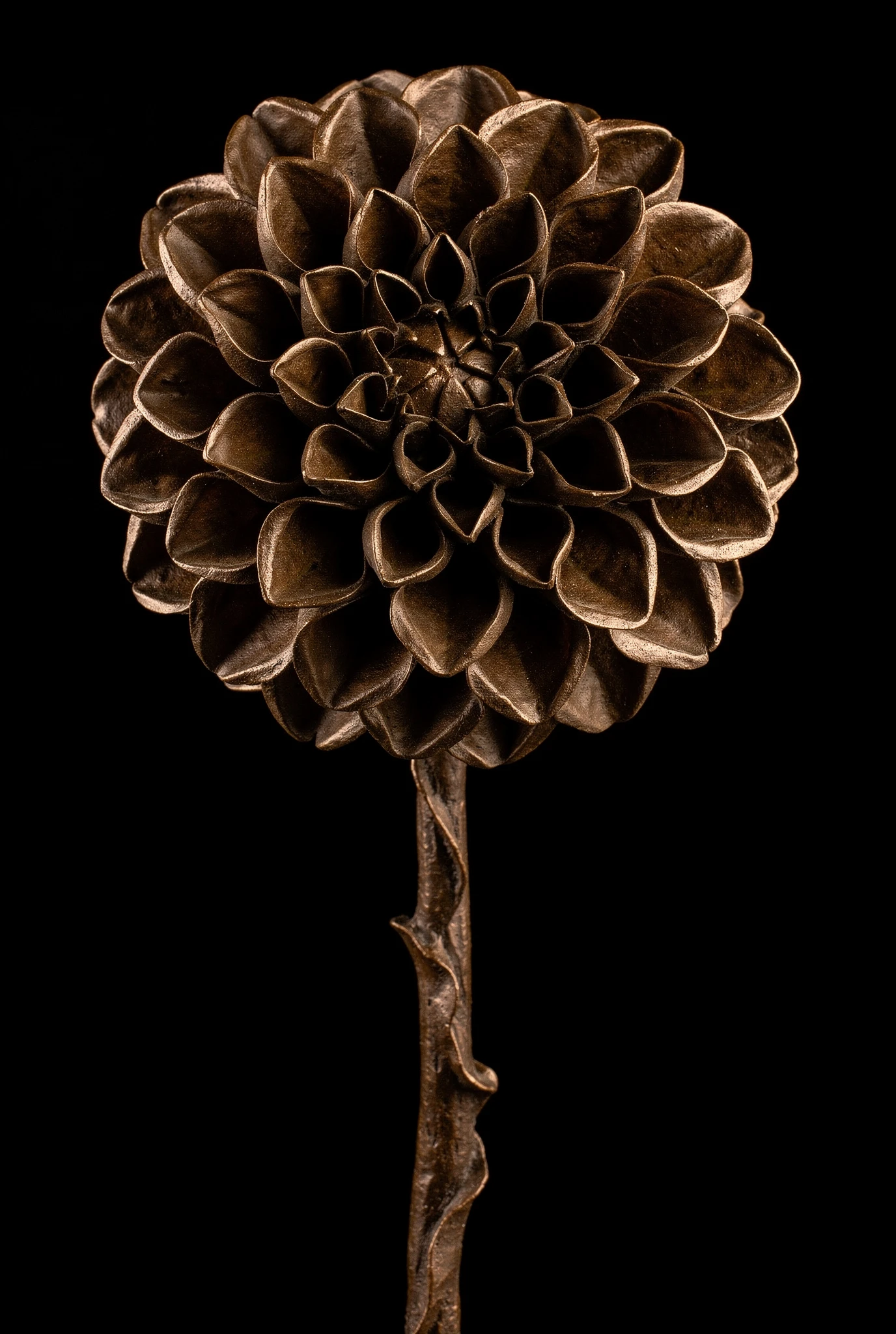
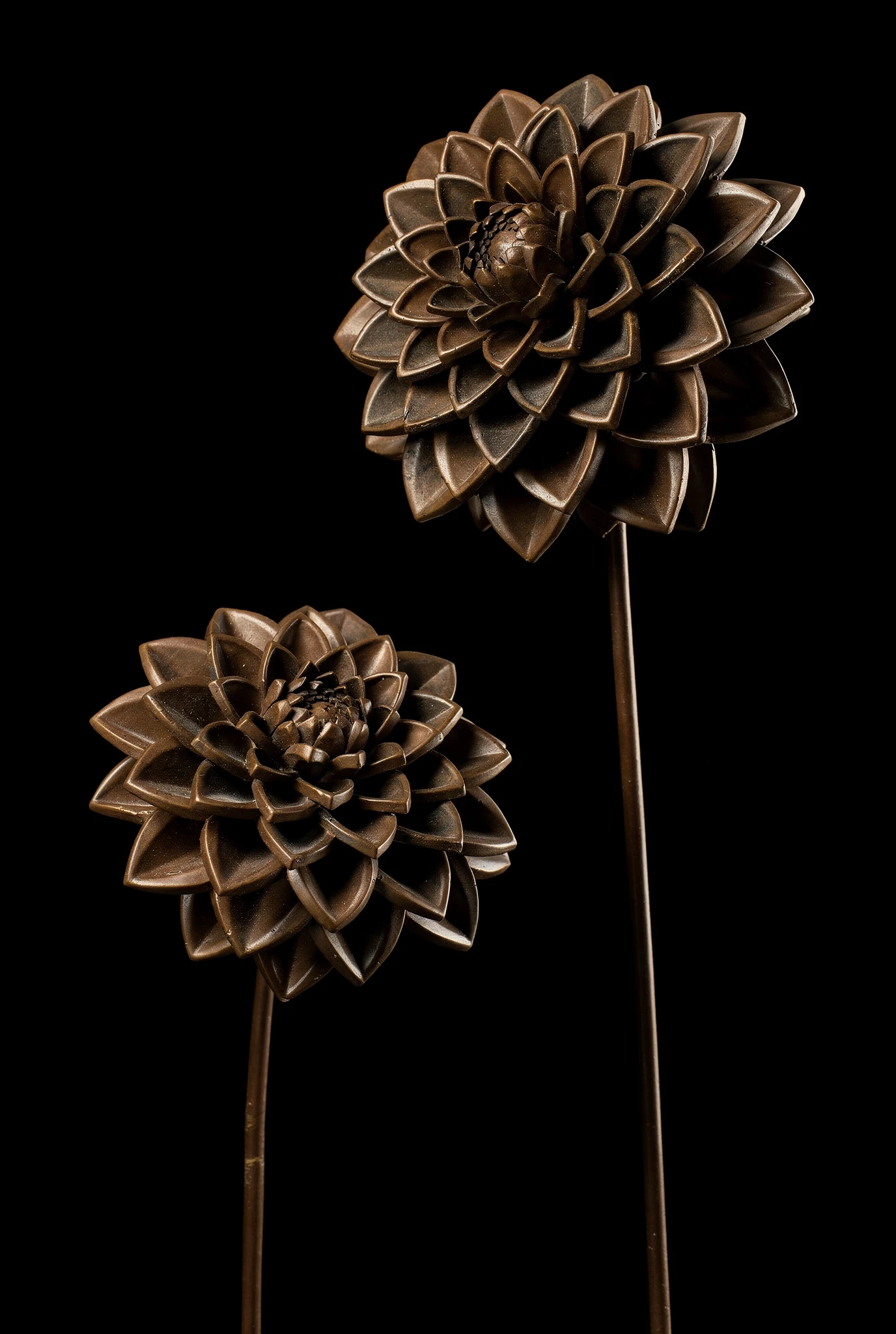
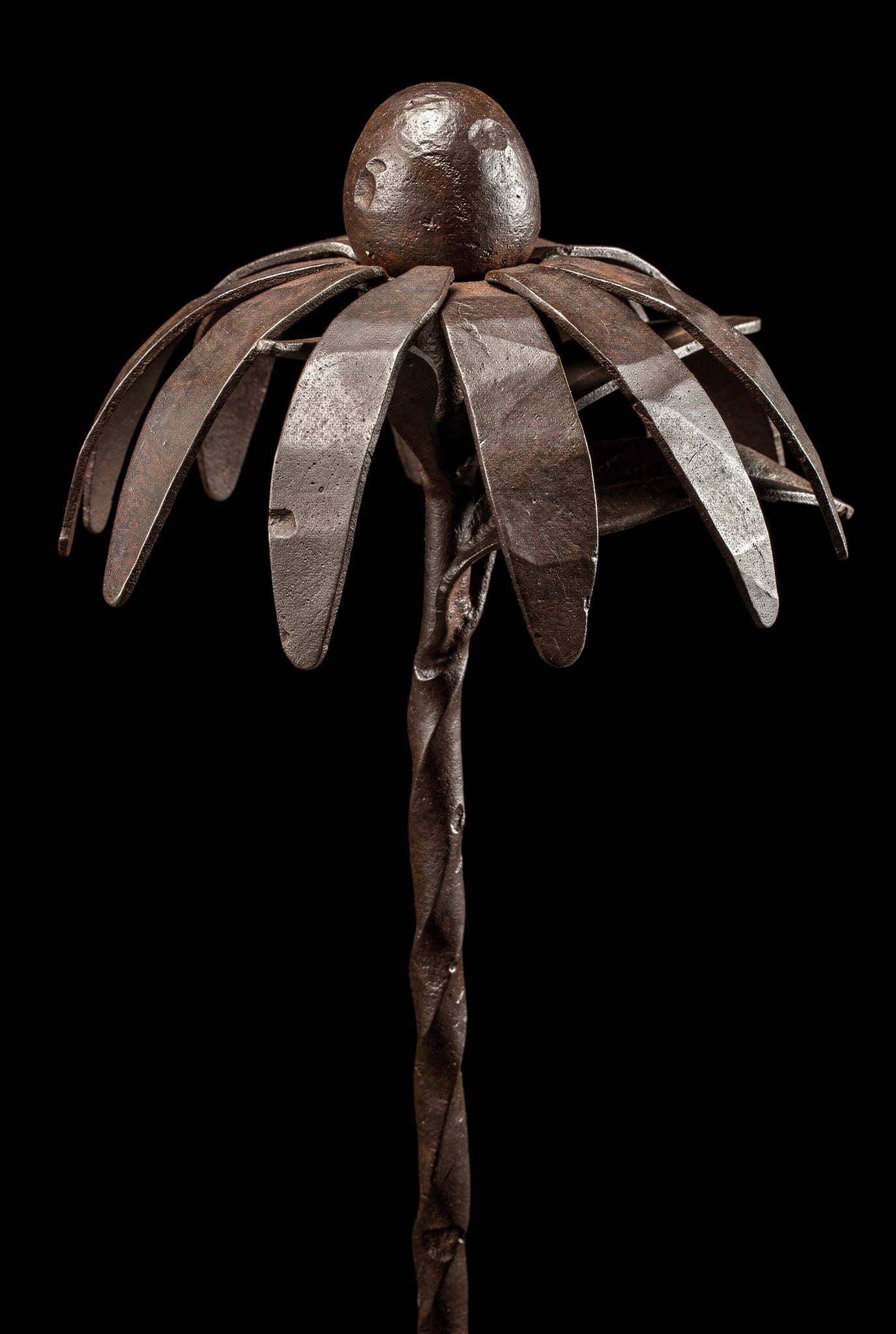
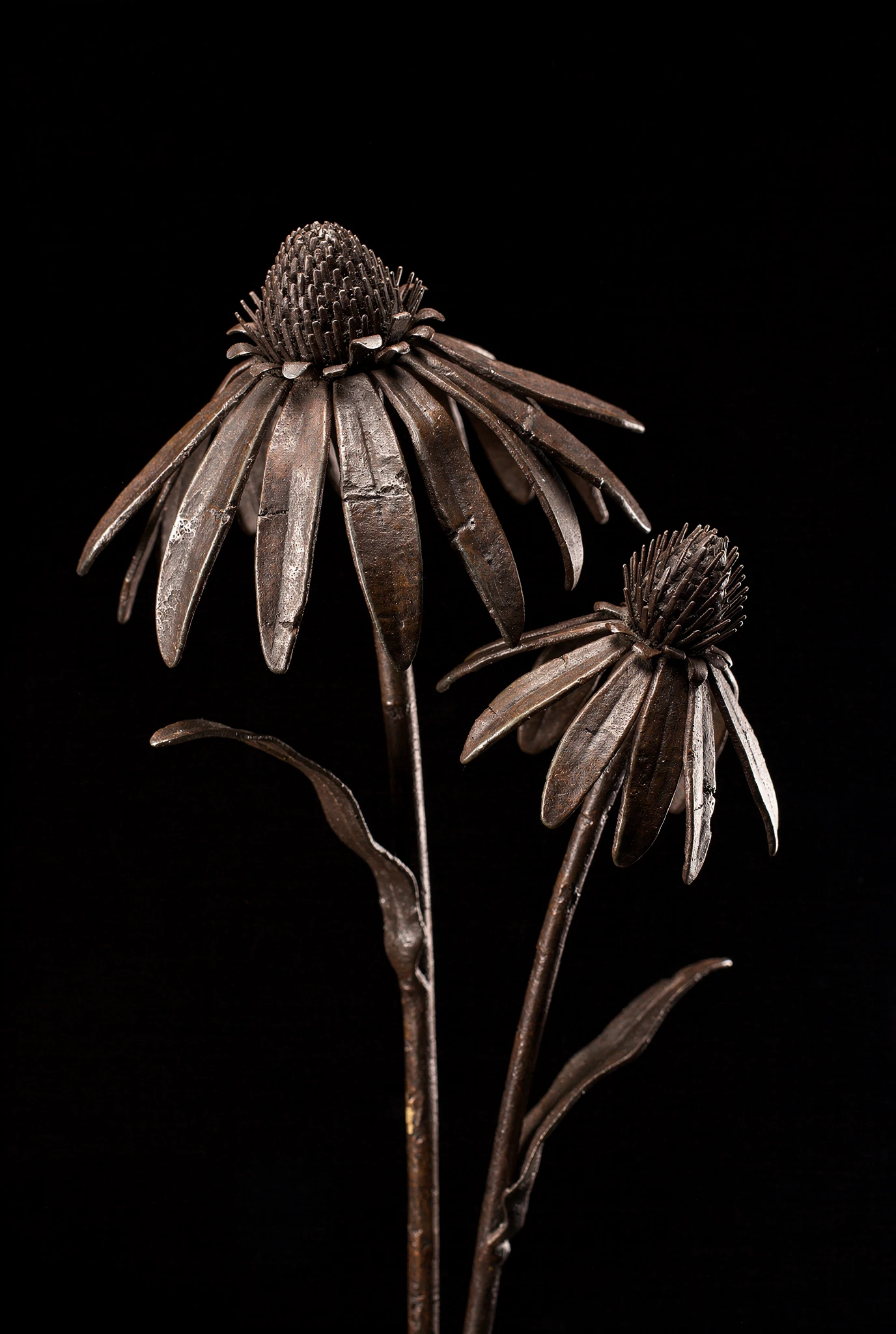
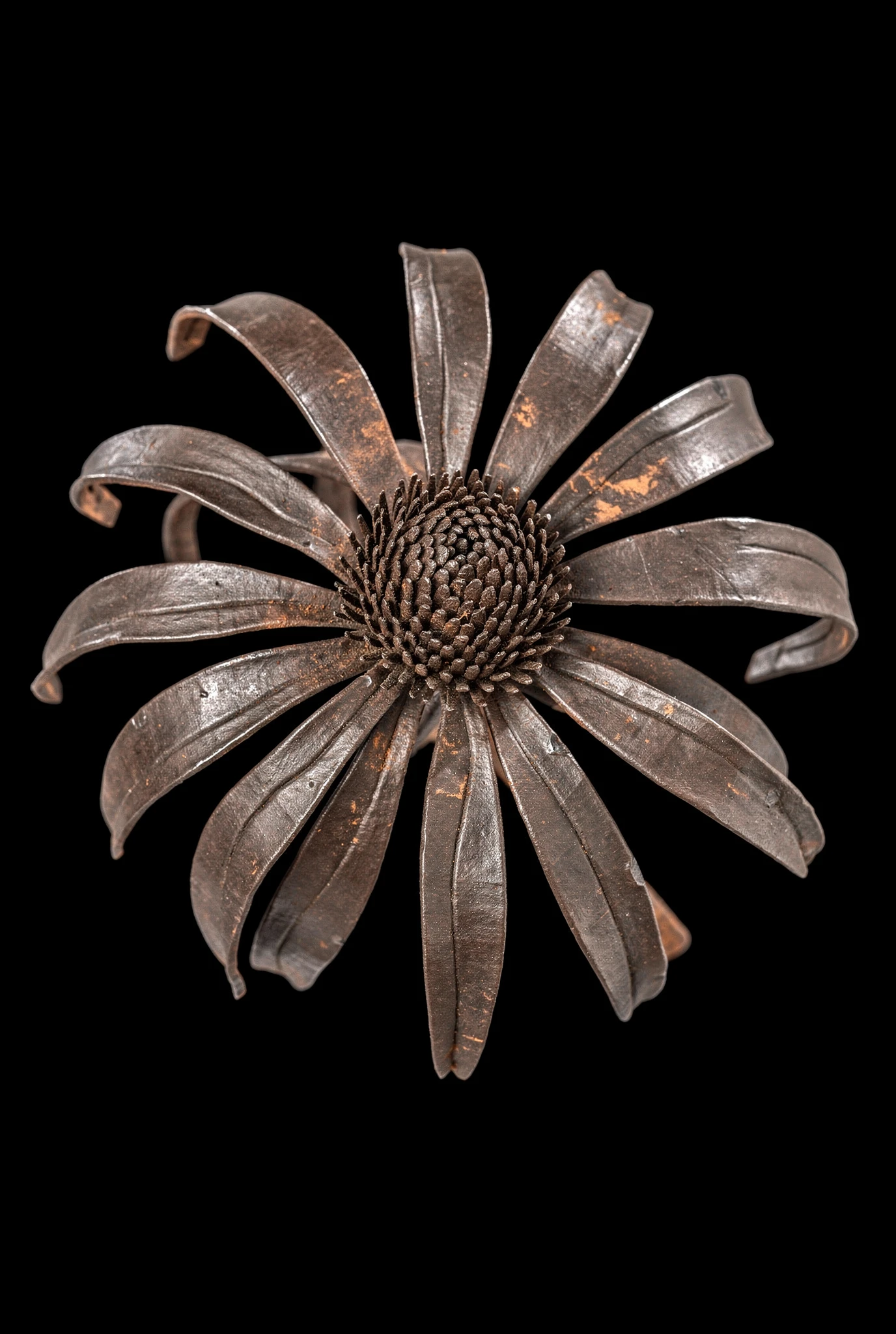
Ferrum presents eighteen synthographs of flowers translated into metal and photographed with the authority of sculptural still life. Set against a pure black void and bathed in soft, controlled light, these objects do not appear ornamental or fantastical. They arrive with weight, finish, edge, and surface truth. Petals seem forged, rolled, cut, annealed, or shaped by hand; stems carry the slight irregularities of fabricated structure; oxidation, burnish, and wear behave with enough conviction to make each bloom feel made rather than merely rendered. The project does not use metal as decoration laid over floral form. It treats metal as a second language for the flower, one capable of preserving delicacy while introducing labour, permanence, and objecthood. What is fragile in nature becomes enduring here, without surrendering its identity.
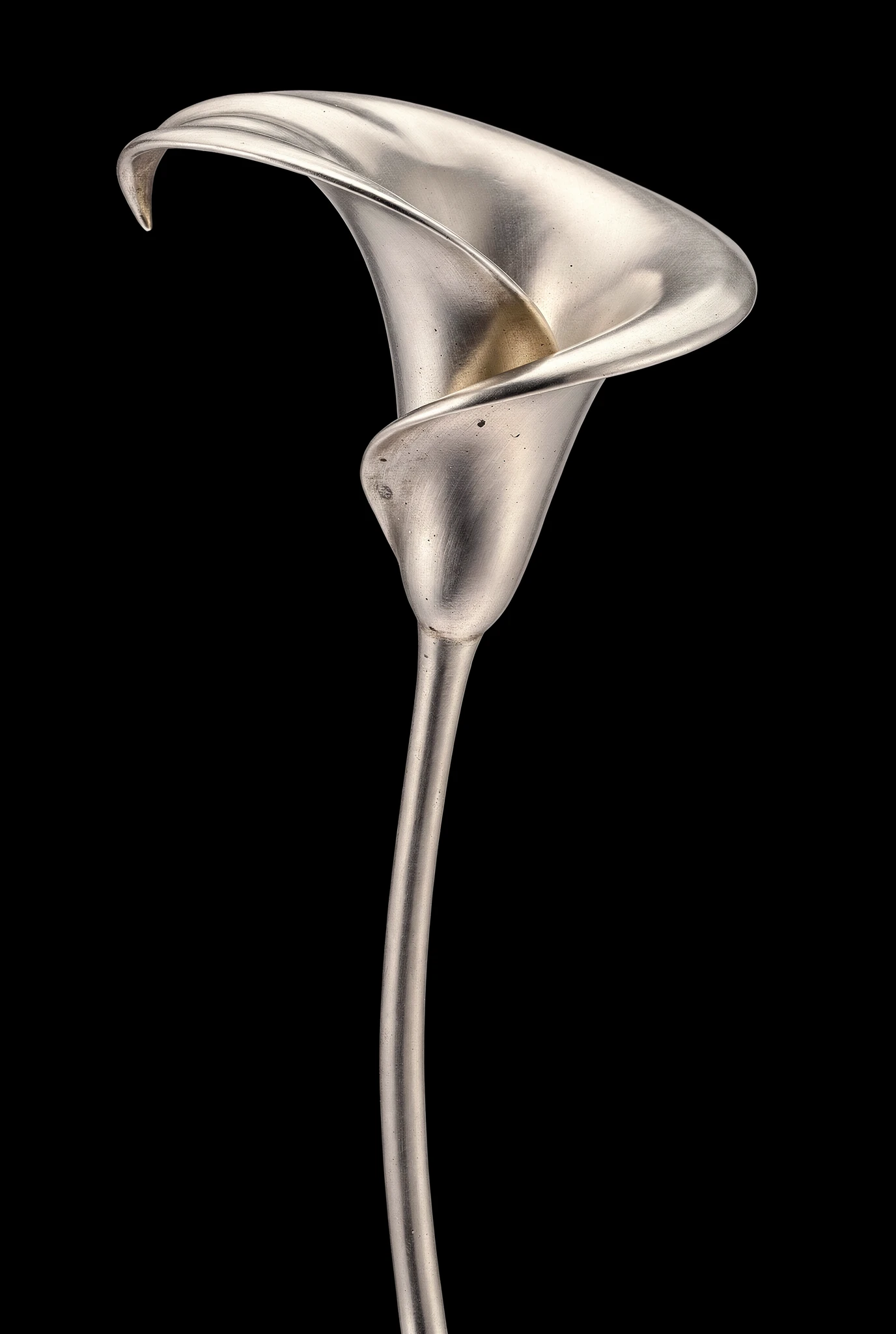
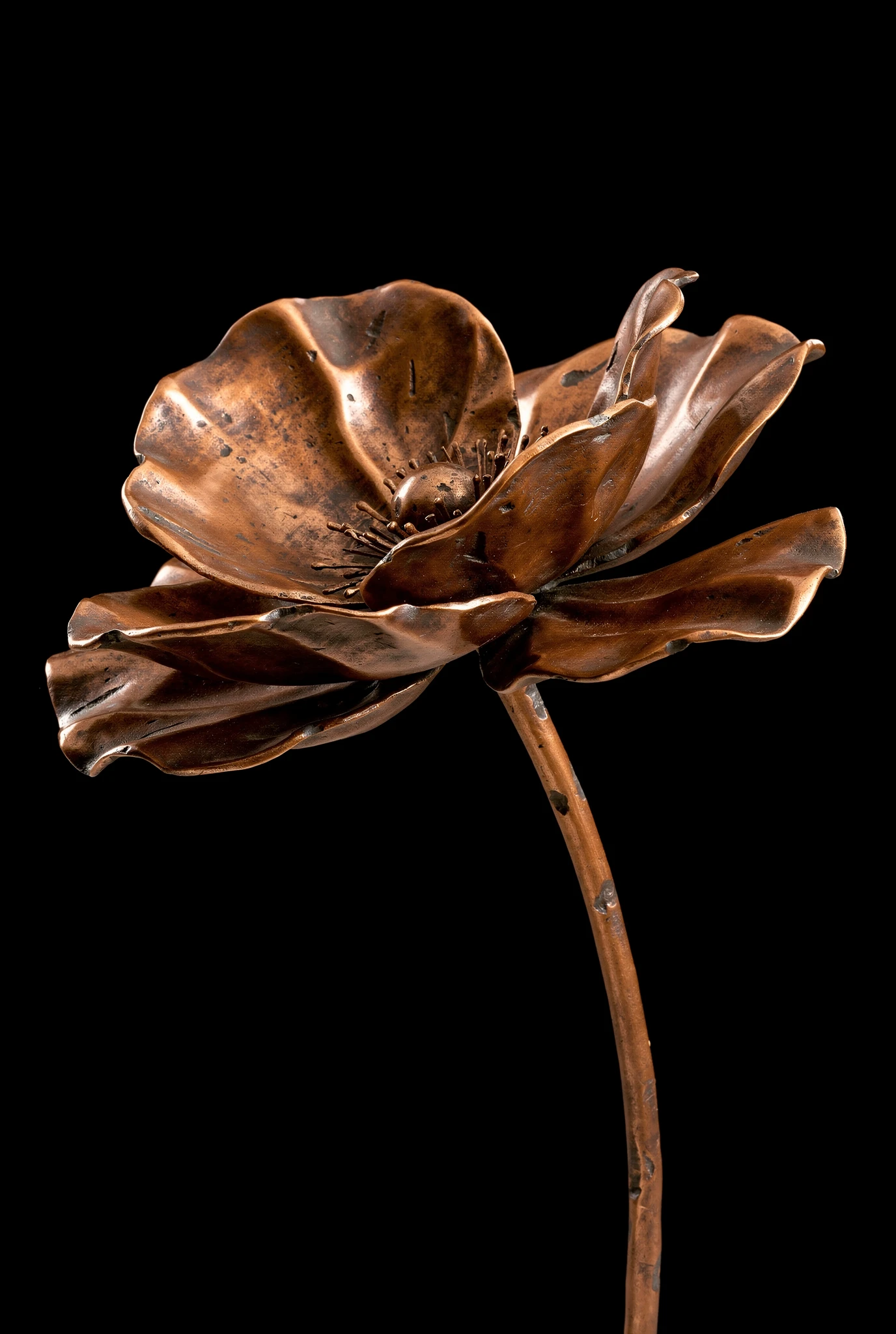
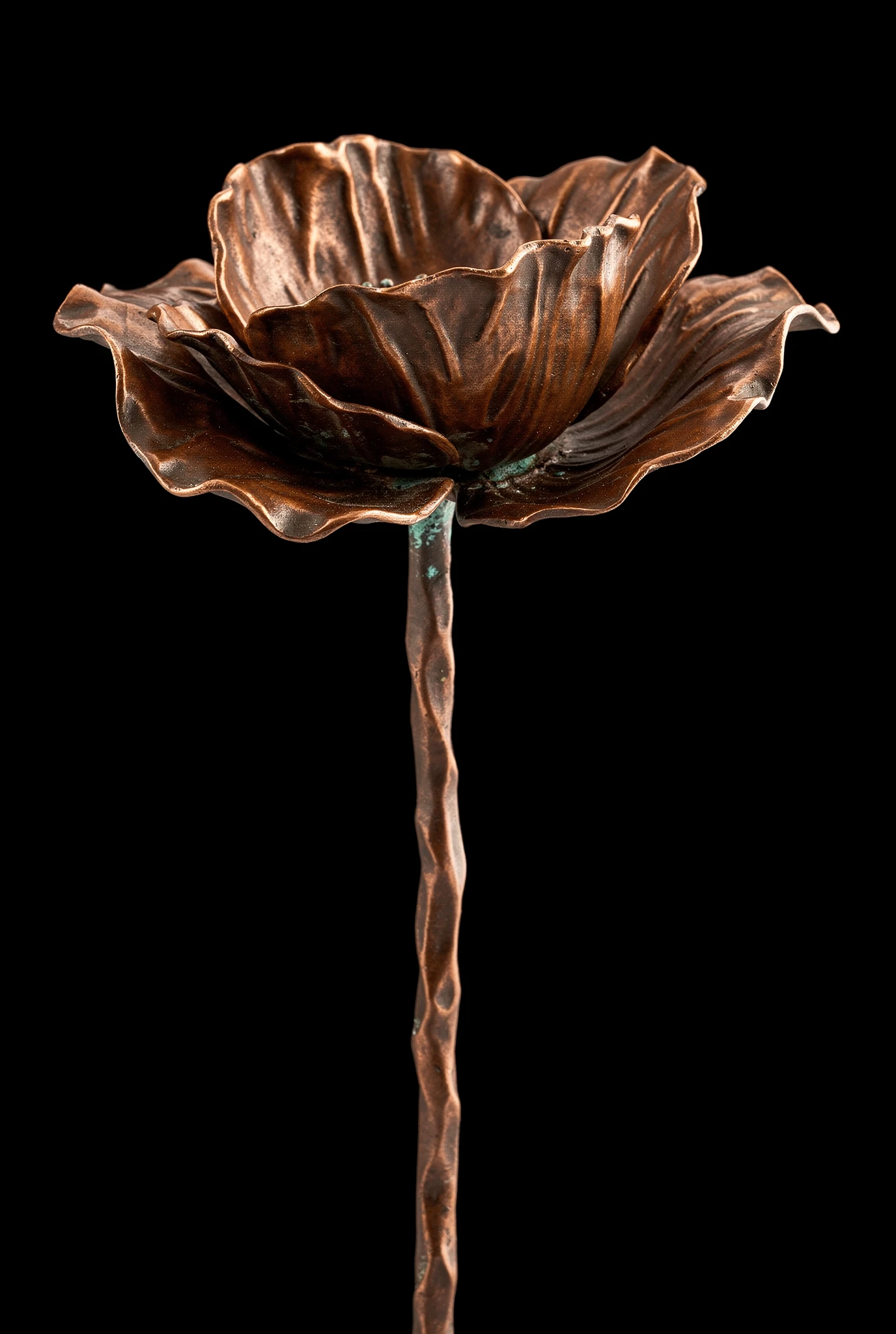
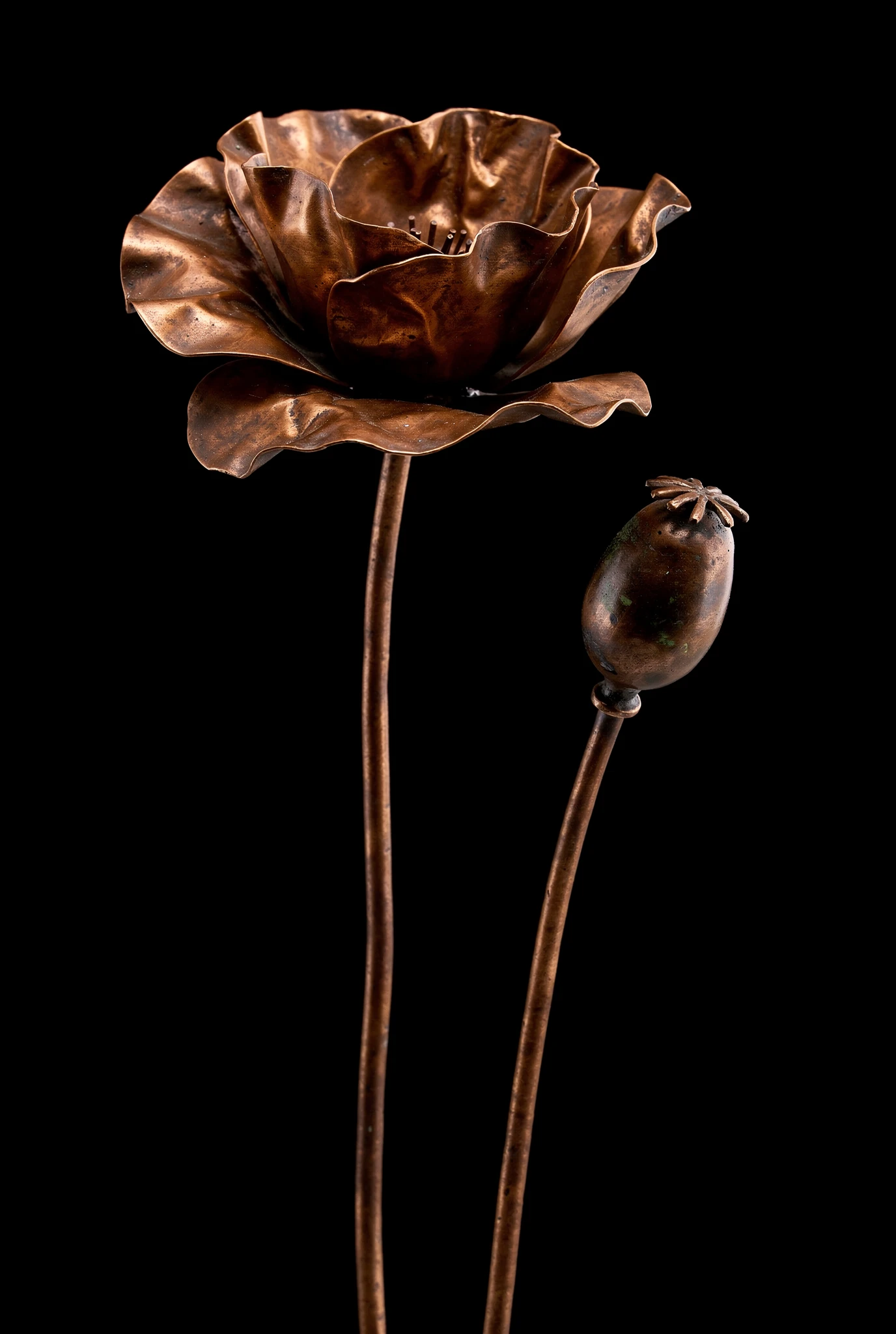
Each flower is matched to a material whose properties extend its structure rather than contradict it. Chrysanthemums appear in blackened steel, their dense radial petals heat-shaped into dark, disciplined forms. Tulips are realised in softly patinated pewter, calm and poised, with broad curving petals and bending stems that retain the flower's innate elegance. Calla lilies become satin nickel silver, reduced to singular sculptural sweeps of pale worked metal. Poppies are translated into oxidised copper, their thin petals lightly crumpled and annealed so that vulnerability survives the change in substance. Dahlias take shape in dark bronze, their layered blooms constructed with a quieter, more architectural intelligence. Echinacea closes the series in weathered iron, its raised cone and downward petals giving the final images a grave and reflective presence. In each case, the choice of metal is not novelty but temperament: a plausible continuation of the flower by other means.
That distinction matters. Ferrum does not apologise for the distance between nature and art; it uses that distance as its subject. Picasso's insistence that nature and art are not the same thing becomes quietly useful here, because these works gain their force not by imitating flowers perfectly, but by refusing imitation in favour of transformation. They are openly artificial, openly fabricated, openly unreal, and none the weaker for it. On the contrary, their authority comes from making. Each bloom remains recognisably itself while passing into another order of thing: flower into artefact, botany into metallurgy, natural form into deliberate fiction. The result is a series of objects that never grew, yet still persuade with the full visual certainty of flowers.
Gallery
"Nature and art, being two different things, cannot be the same thing." — Pablo Picasso