Chroma: when colour returns to a monochrome world
There is a famous moment in The Wizard of Oz when Dorothy opens a door and the world changes. Kansas — filmed in black-and-white and toned sepia — remains behind as she steps out of her fallen house and into the dazzling colour of Oz. What appears to be magic is, of course, technology: the iconic, highly saturated three-strip Technicolor process that transformed Hollywood from the 1930s to the 1950s. Cameras, film strips, filters, and dyes worked together to conjure colour from light. Early colour cinema did not simply capture colour; it built it, layer by layer, from separate monochrome records. The miracle was not that colour appeared, but that it could be made to appear at all. "Toto, I have a feeling we're not in Kansas anymore. We must be over the rainbow!"
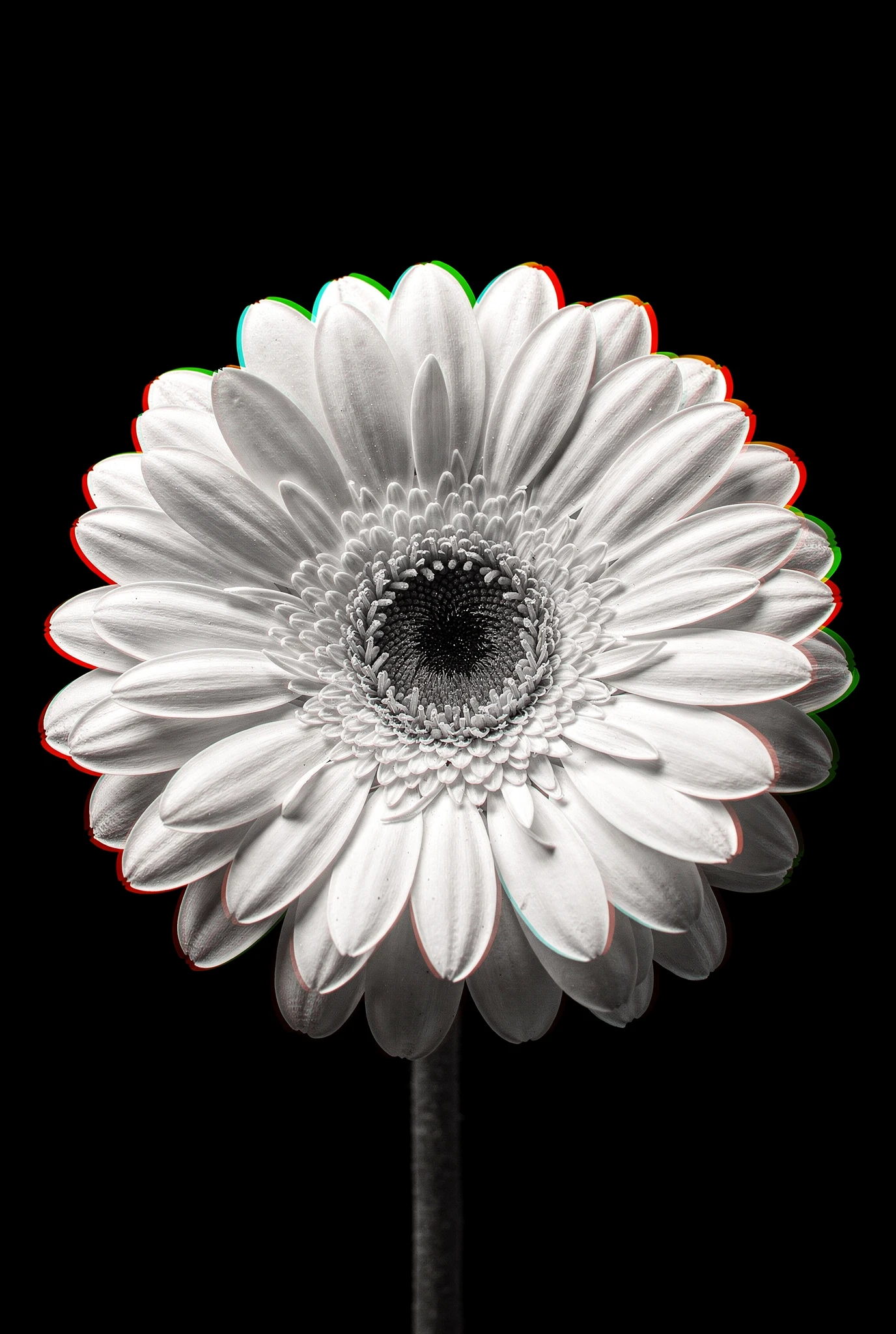
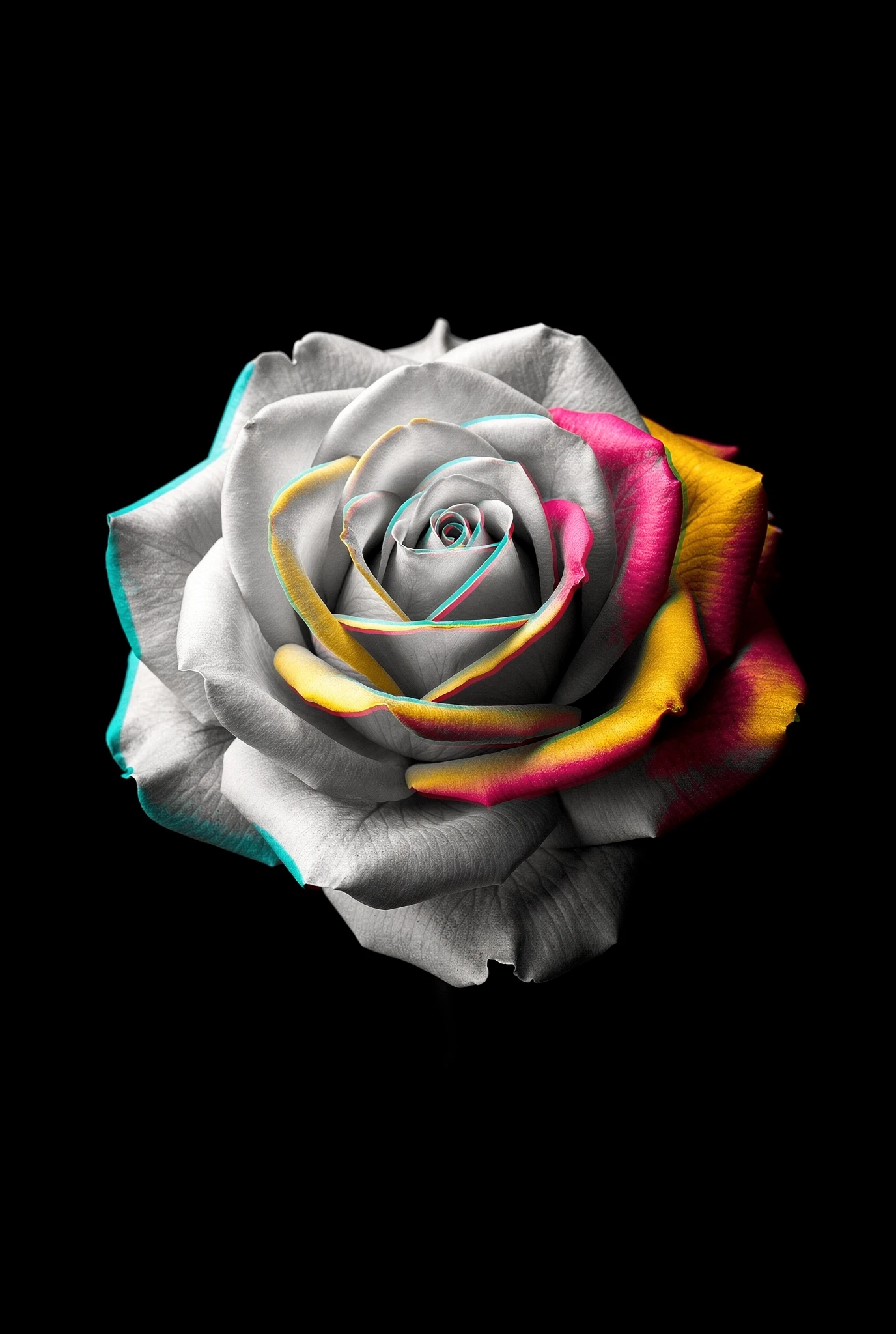
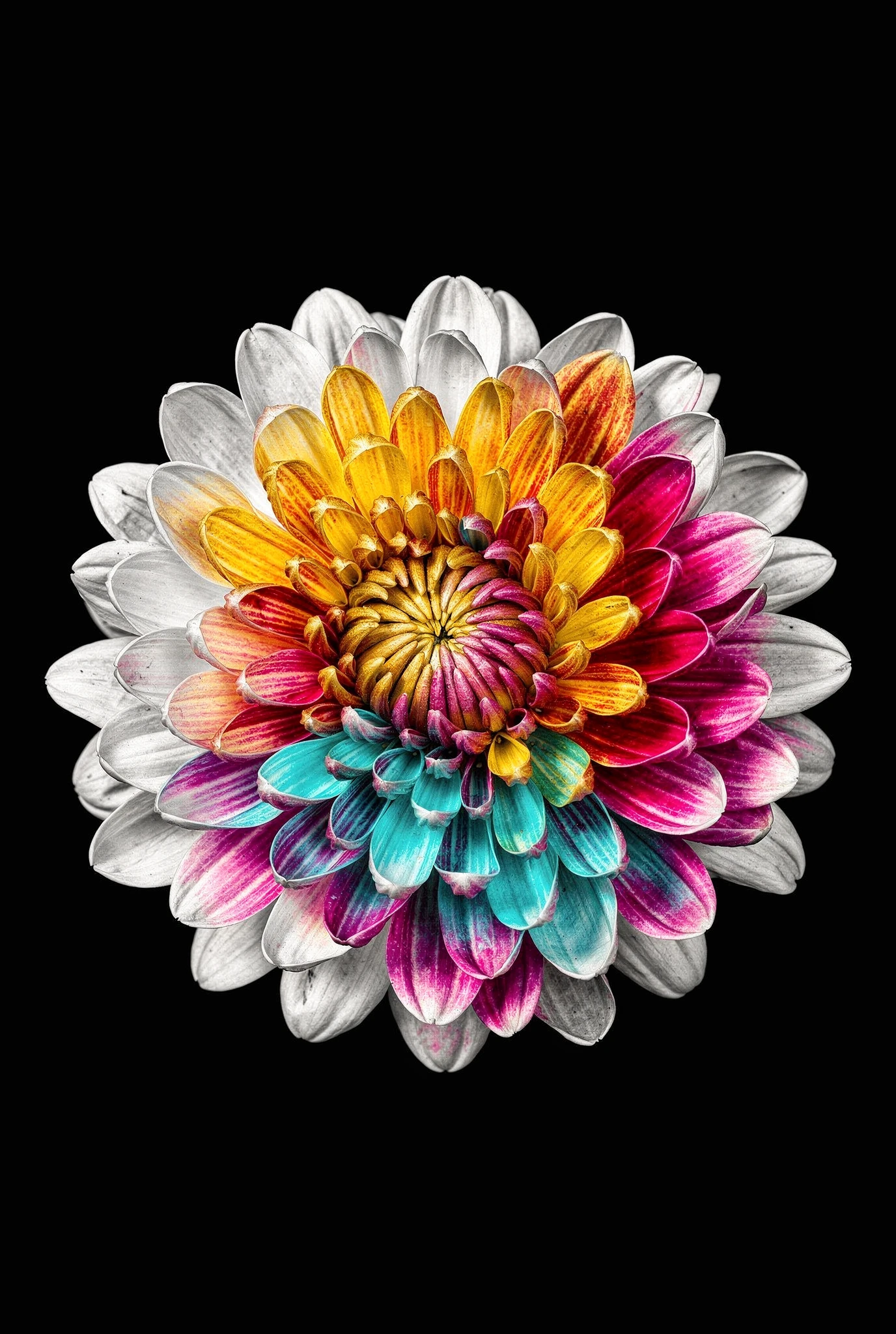
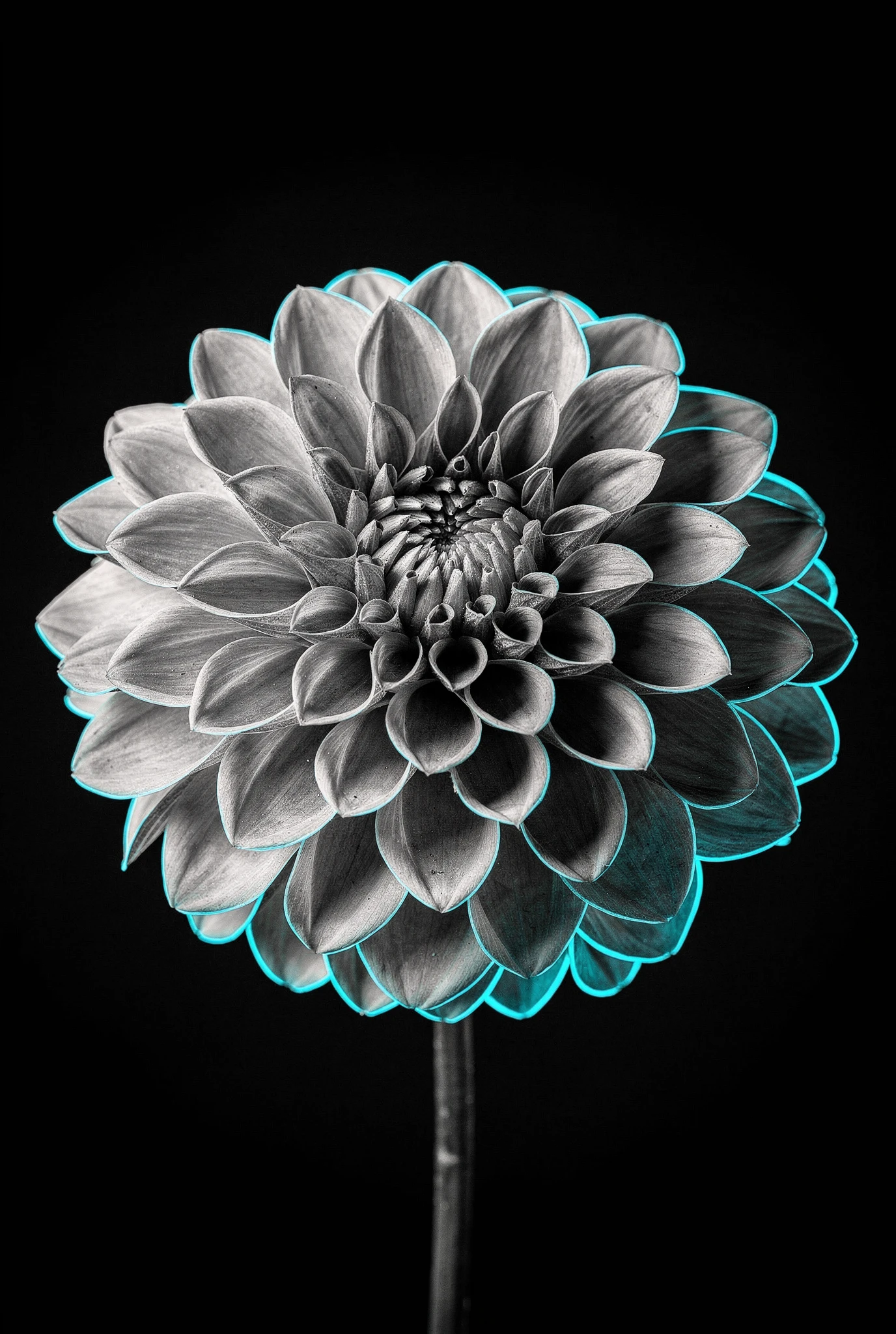
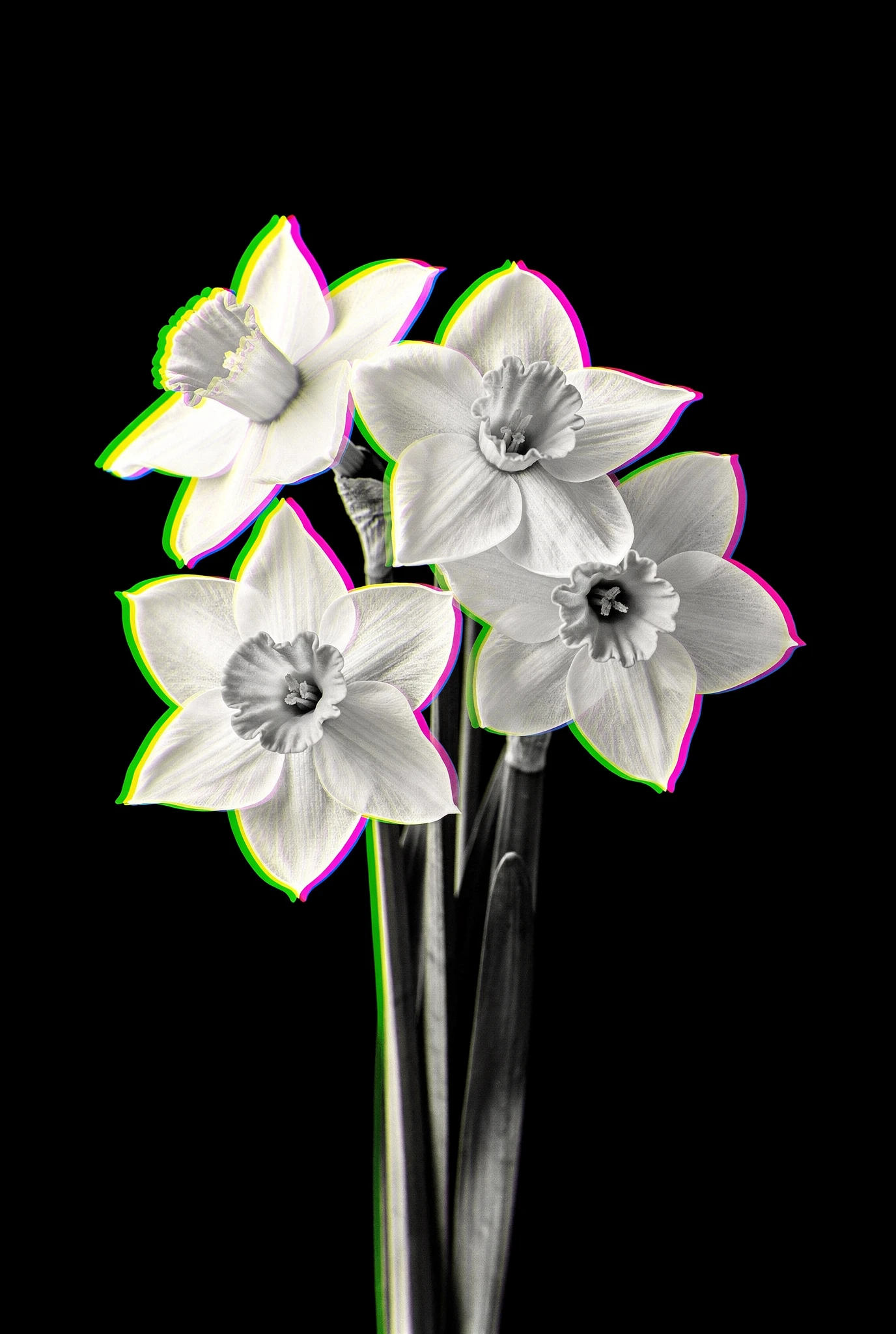
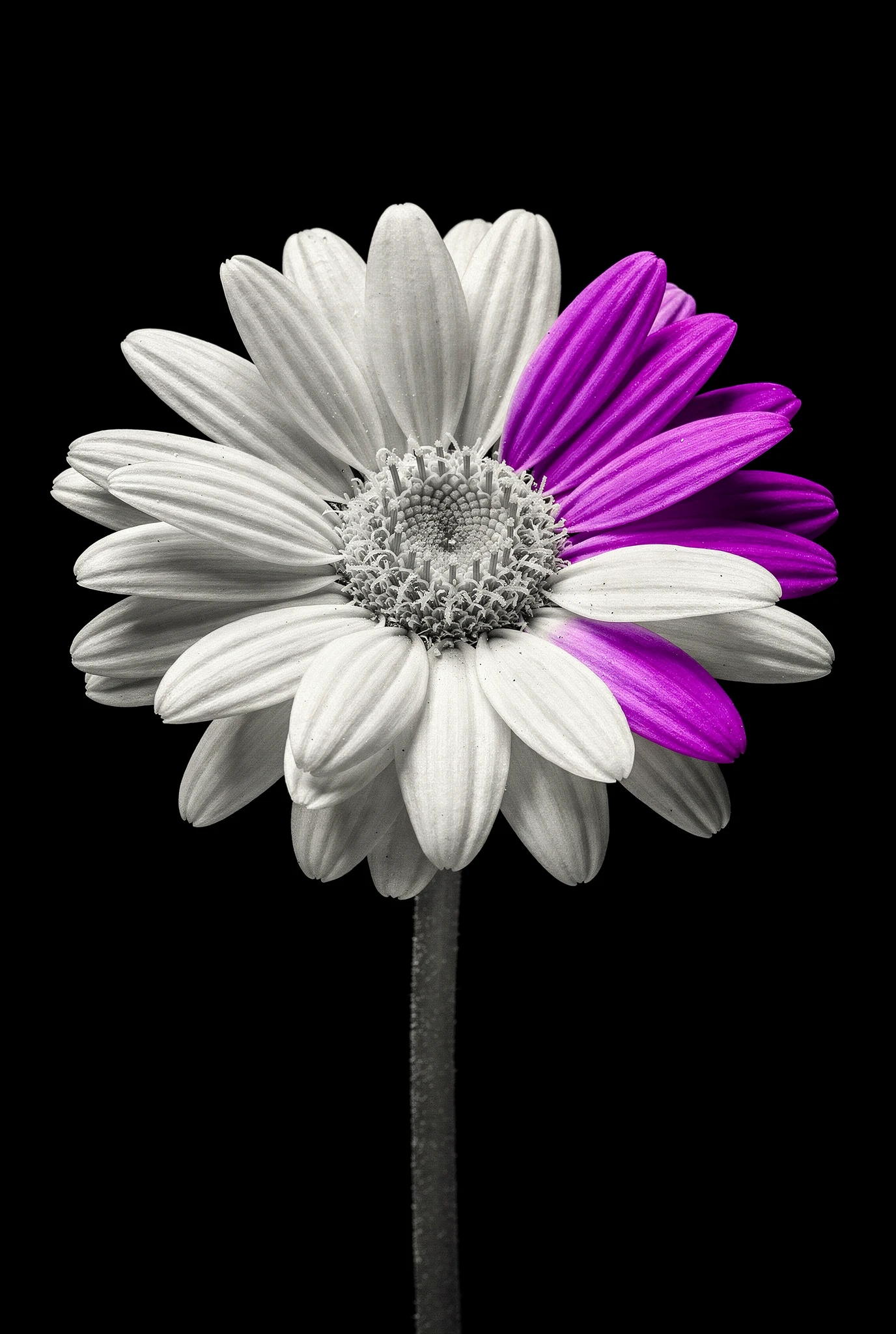
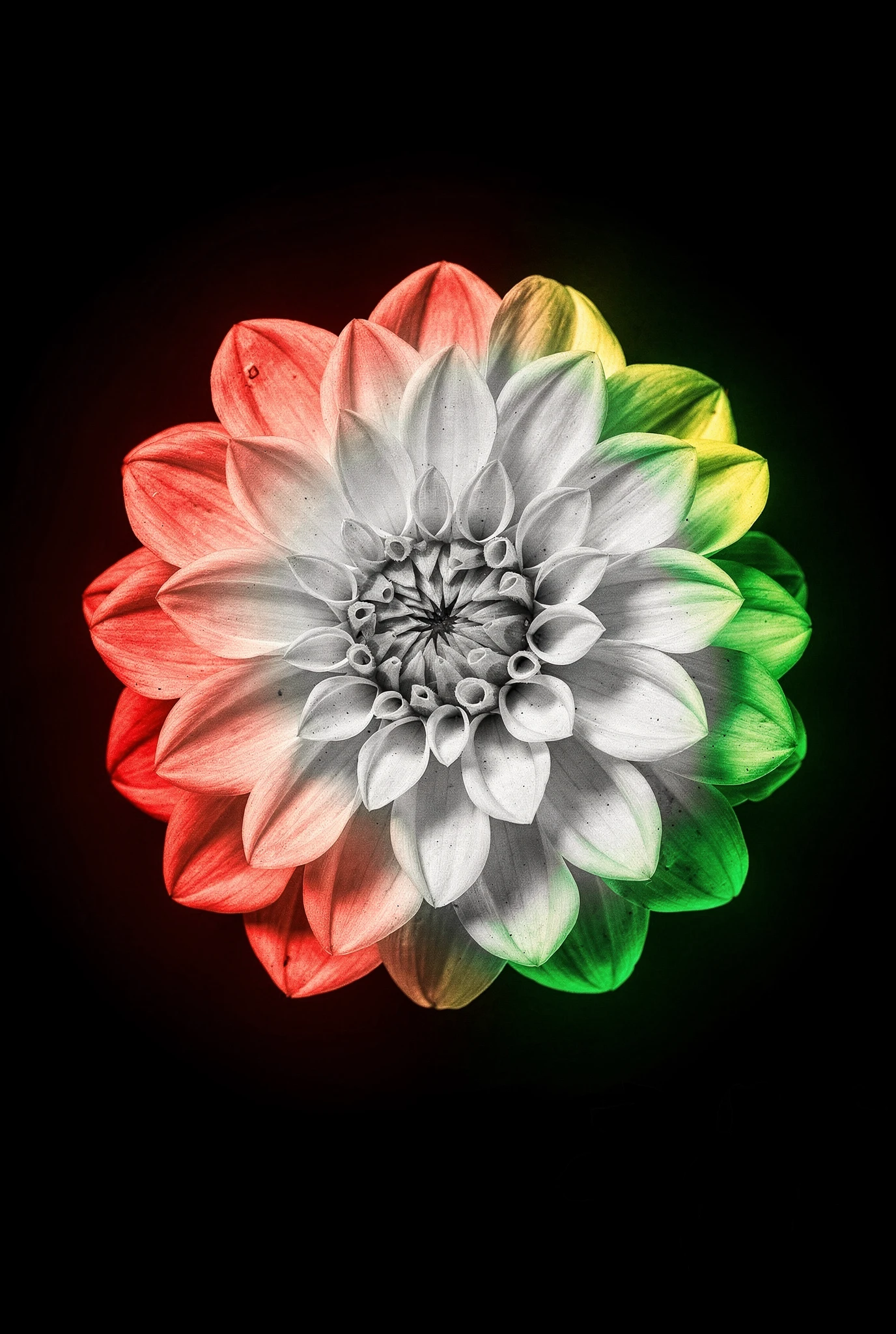
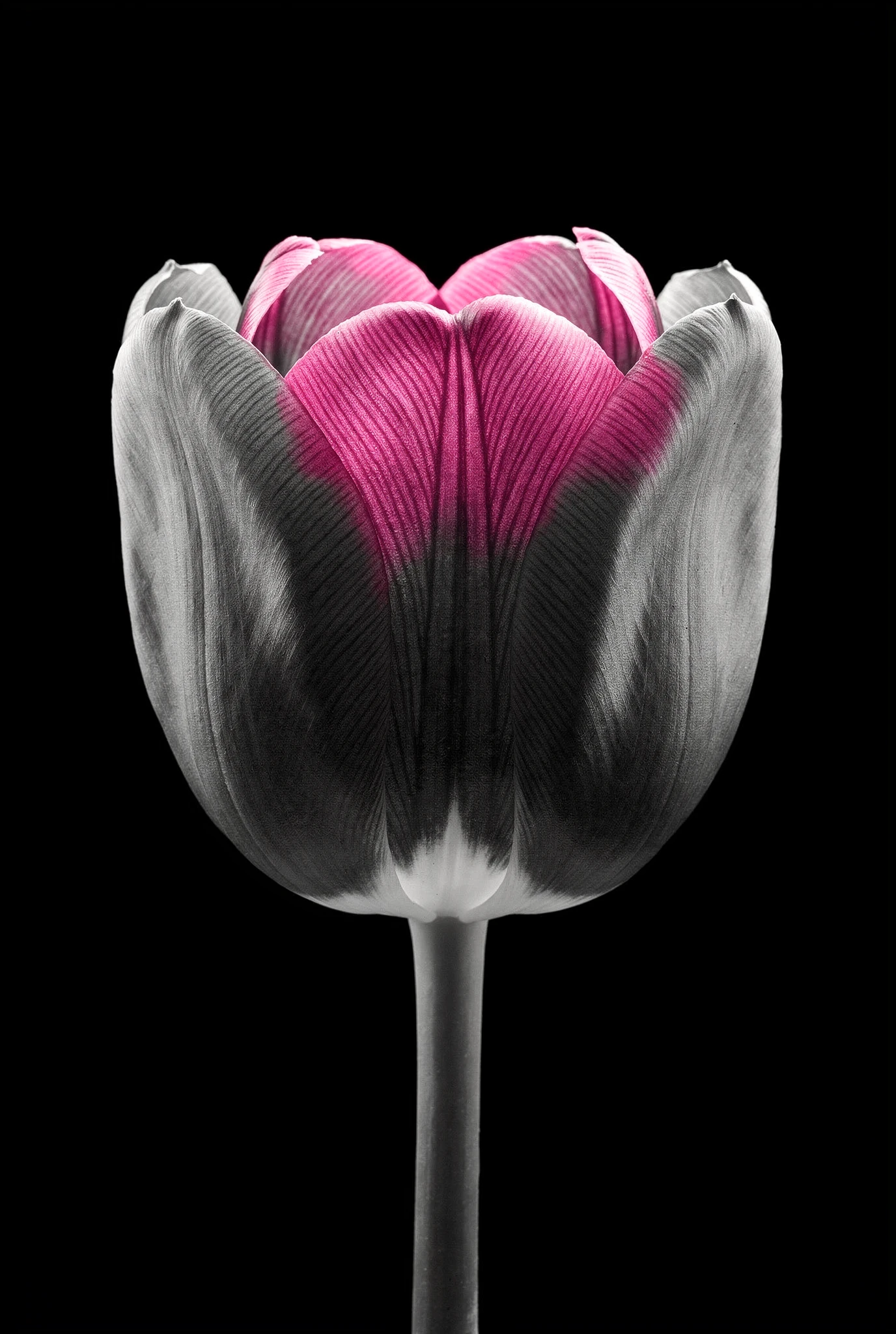
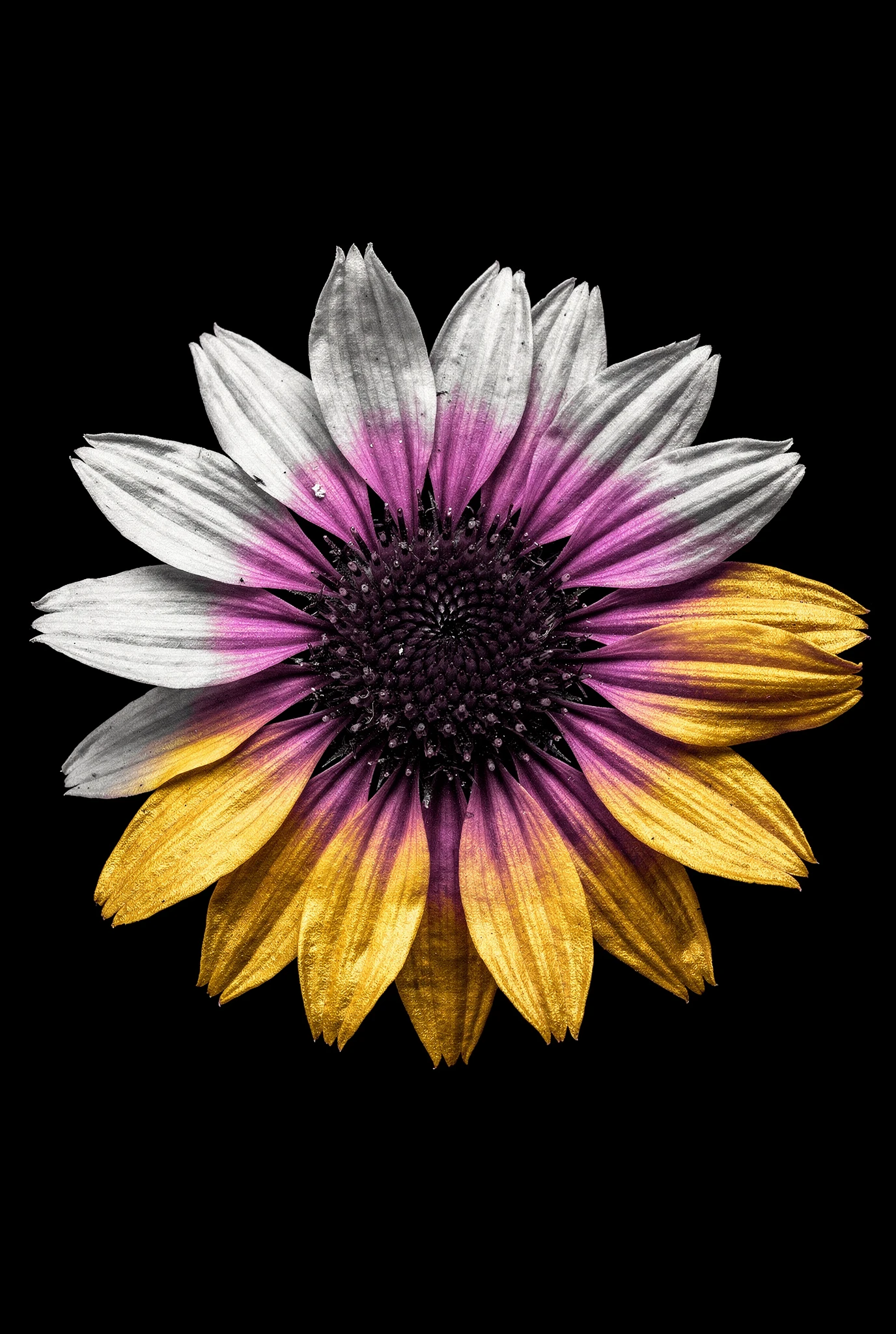
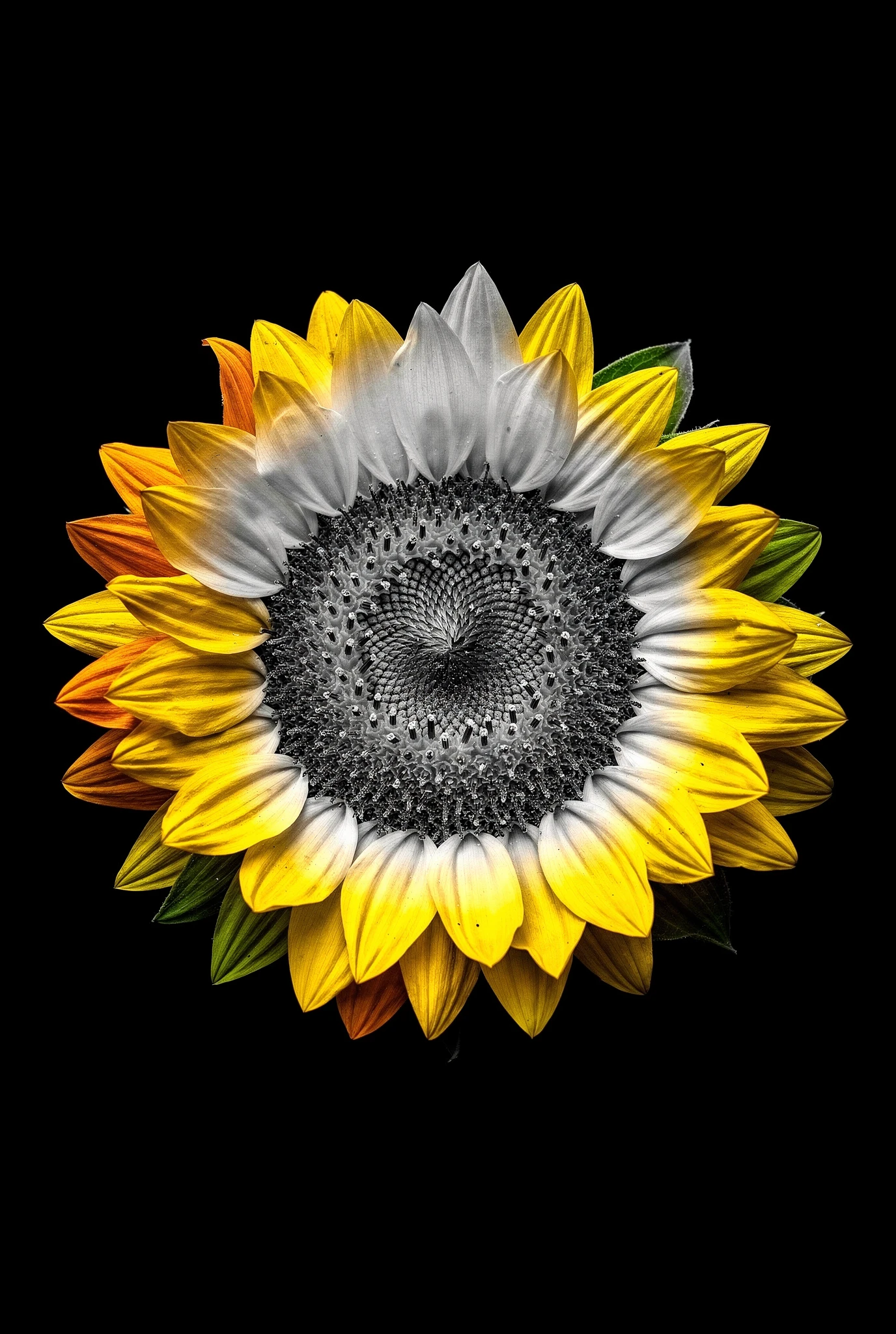
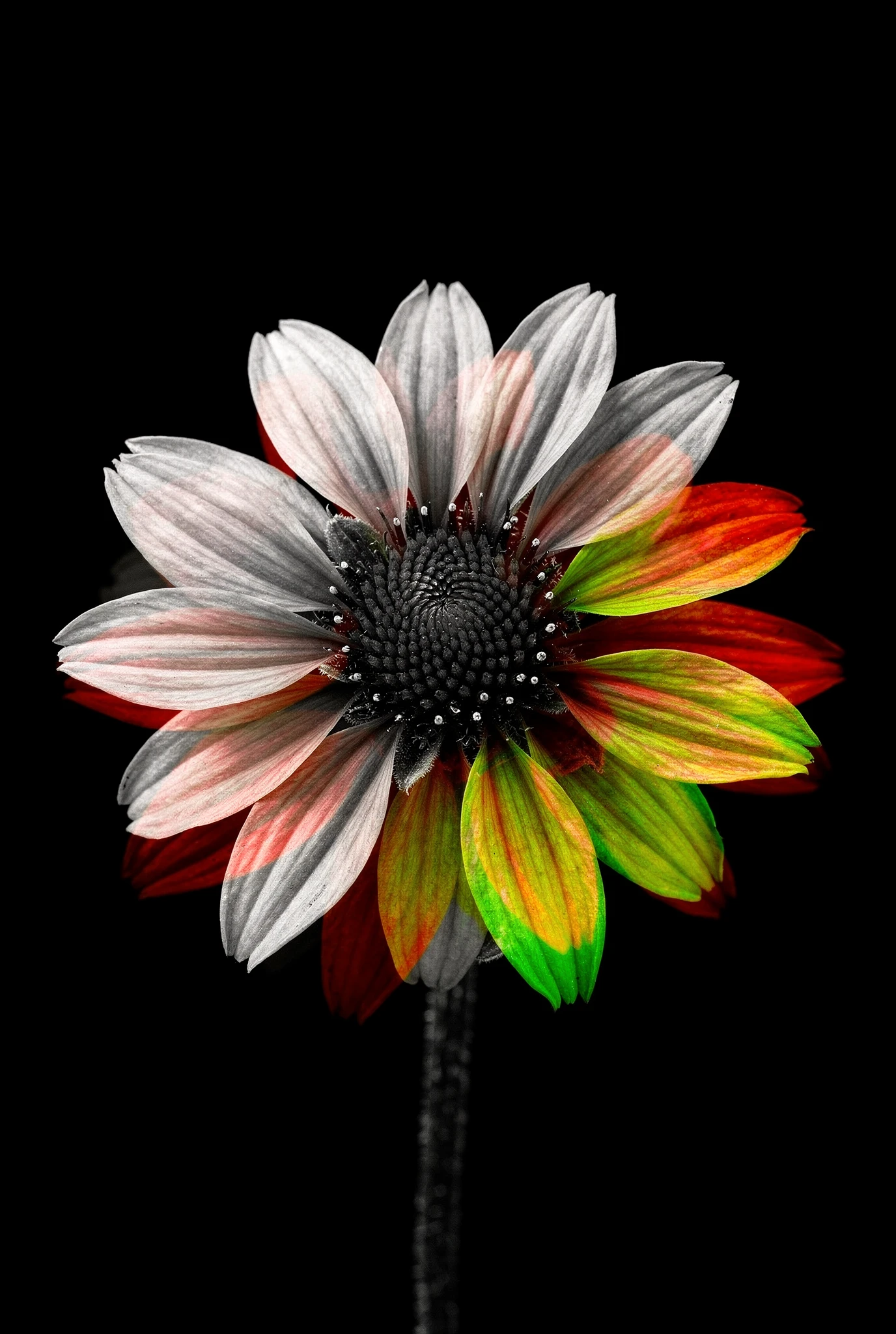
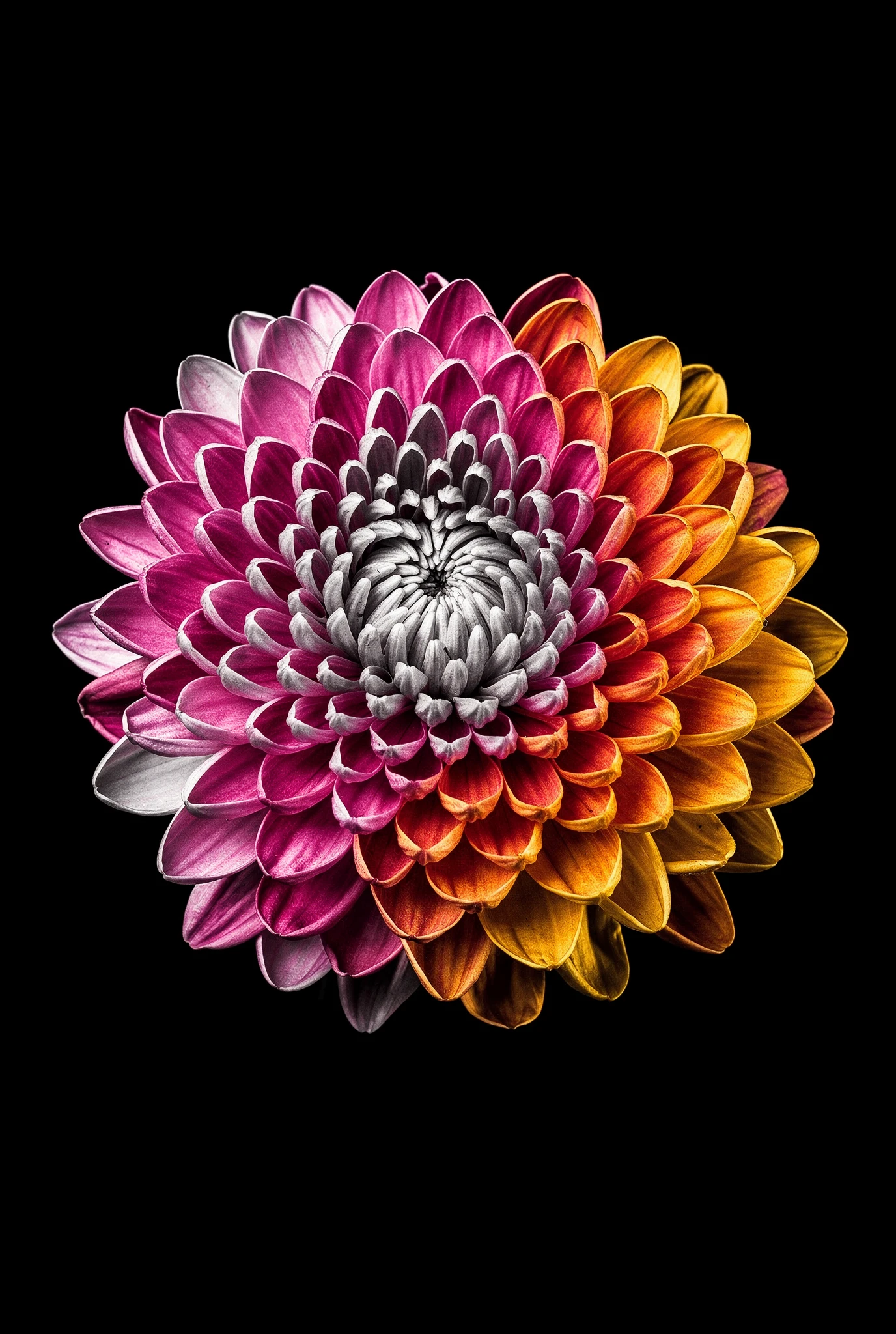
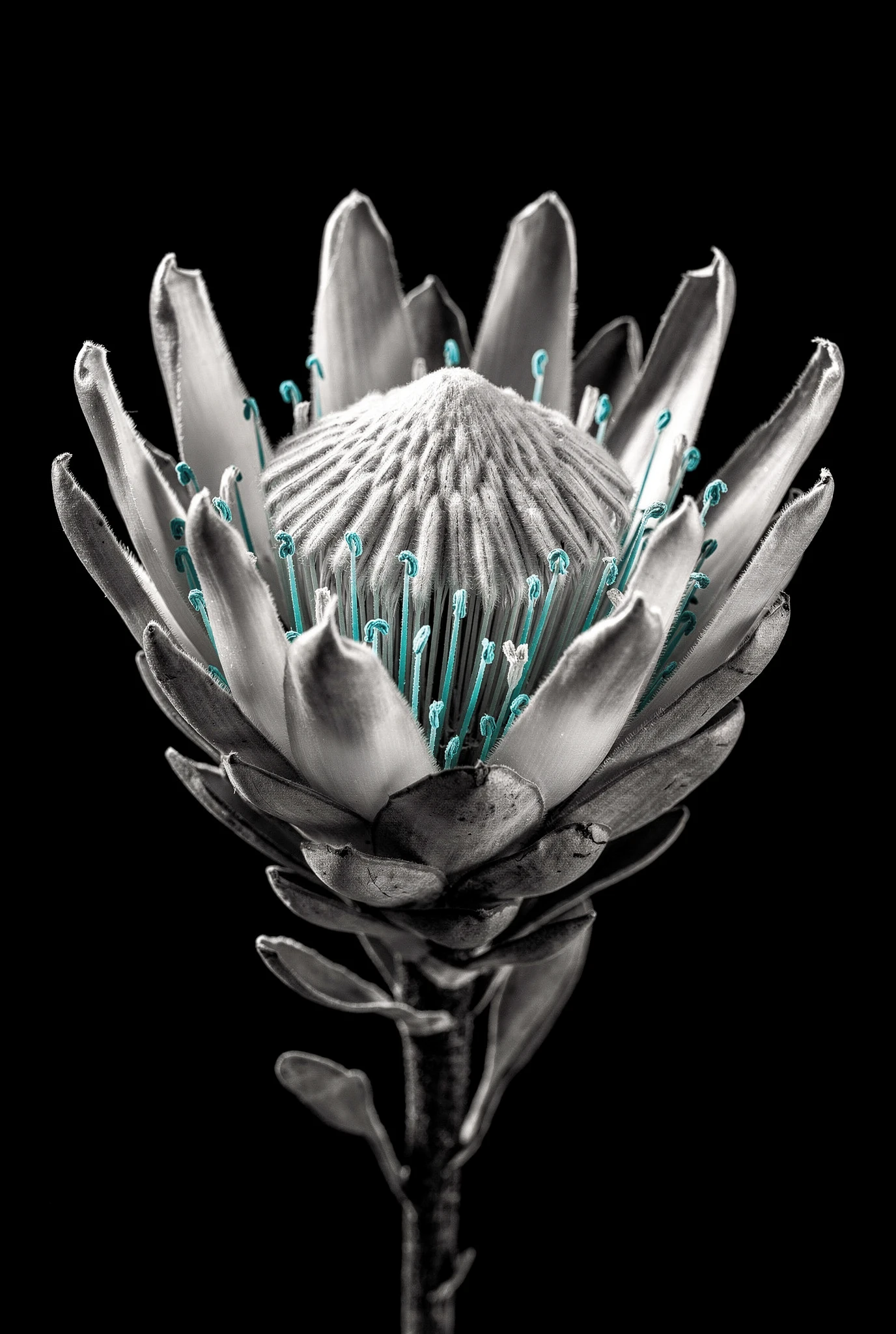
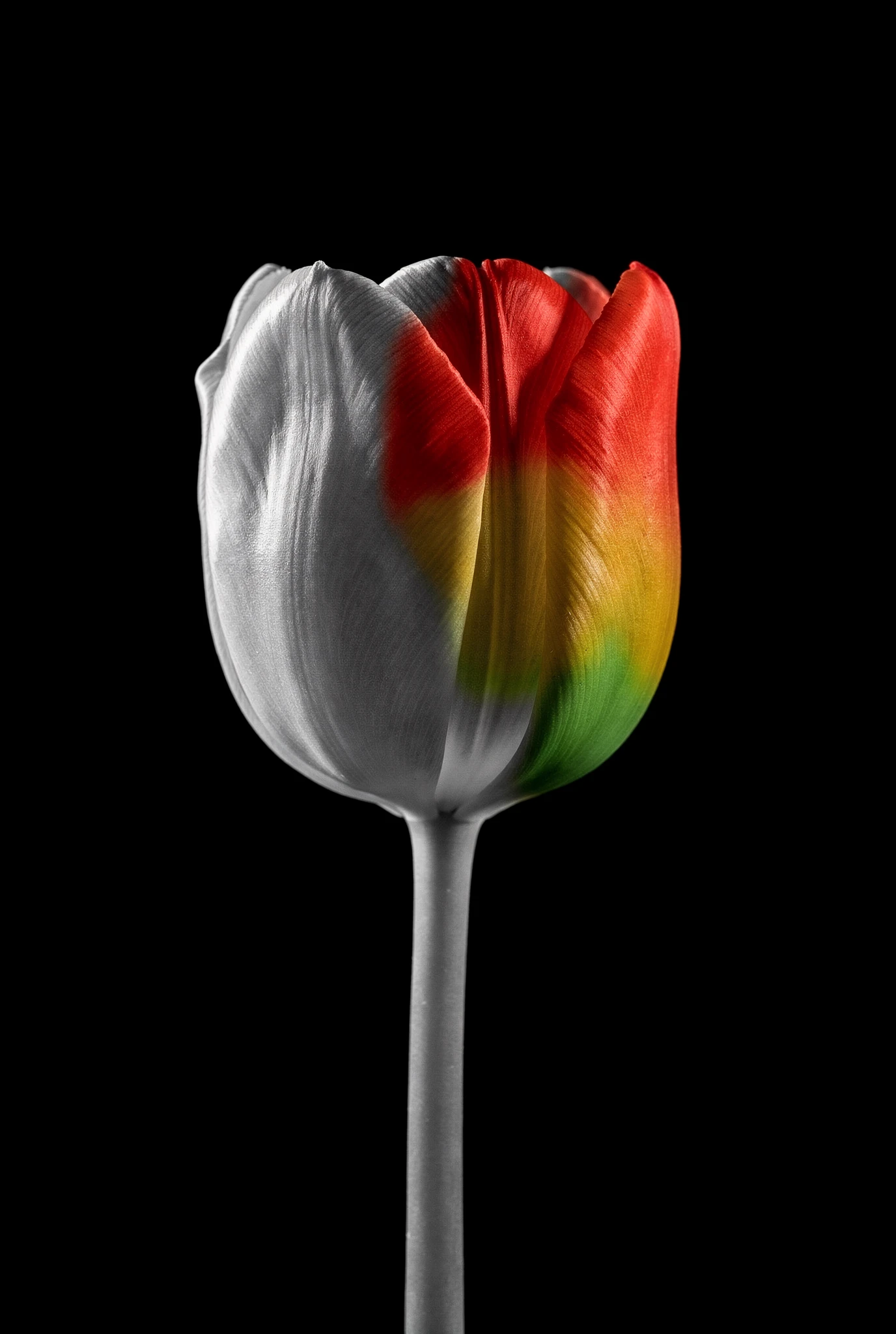
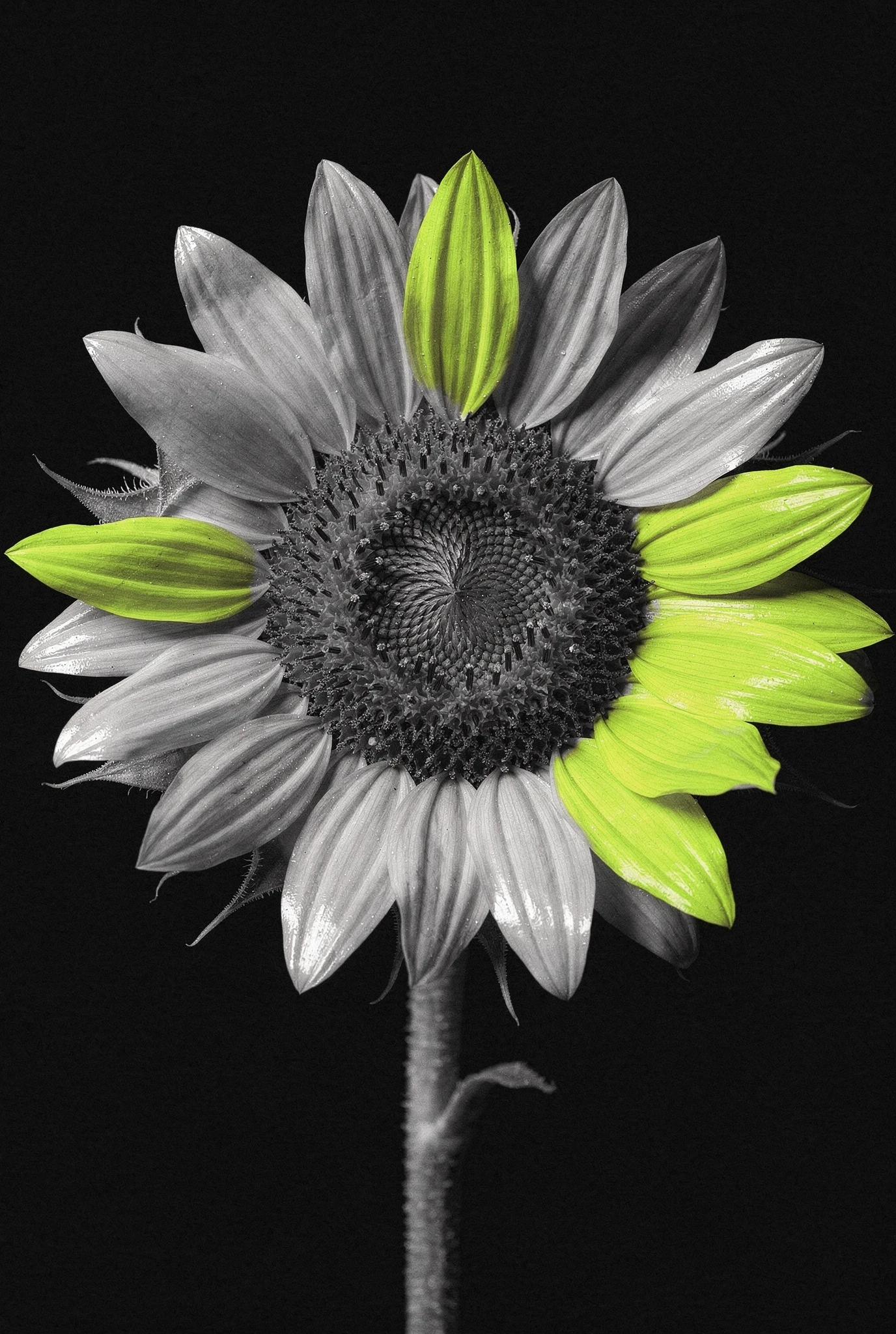
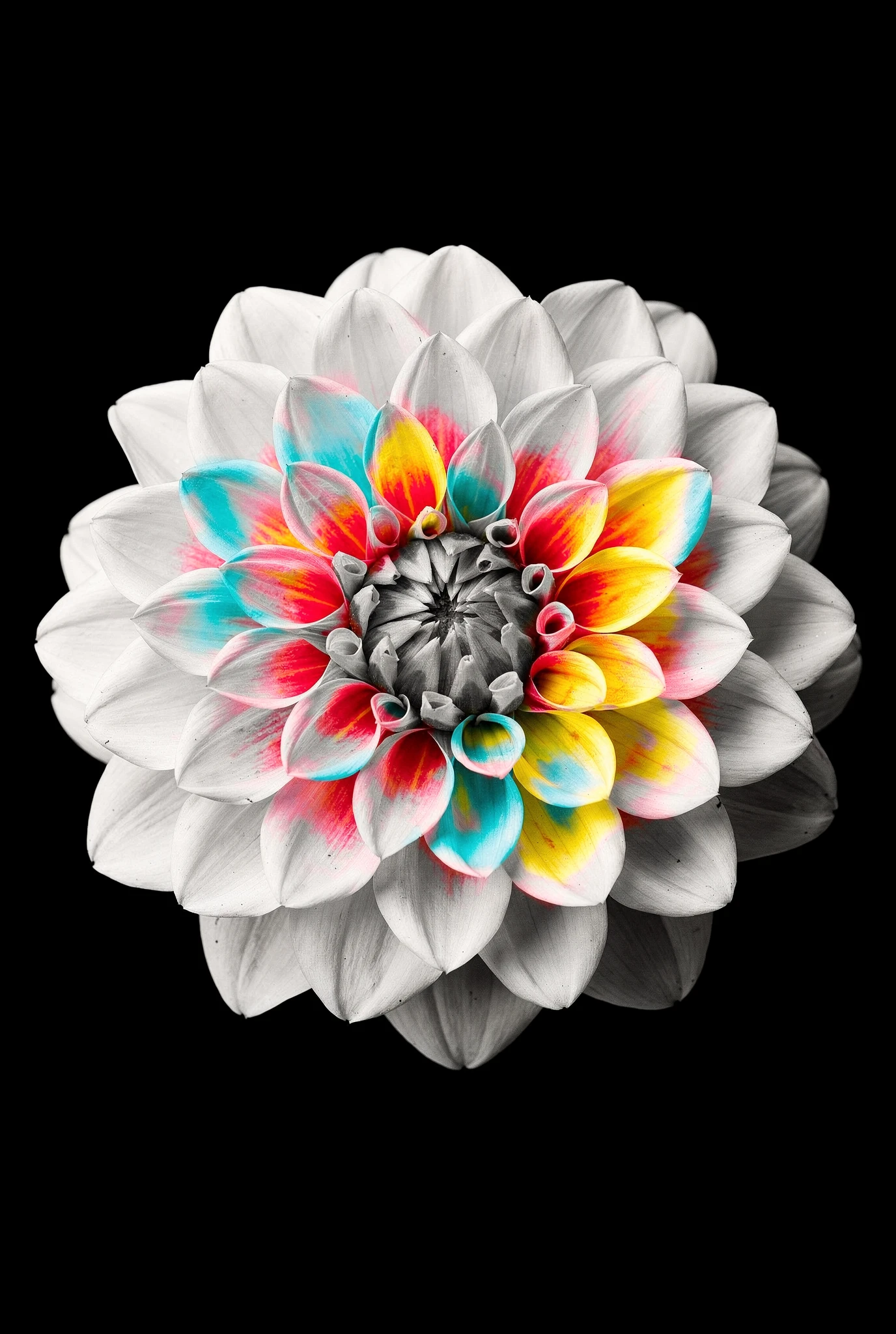
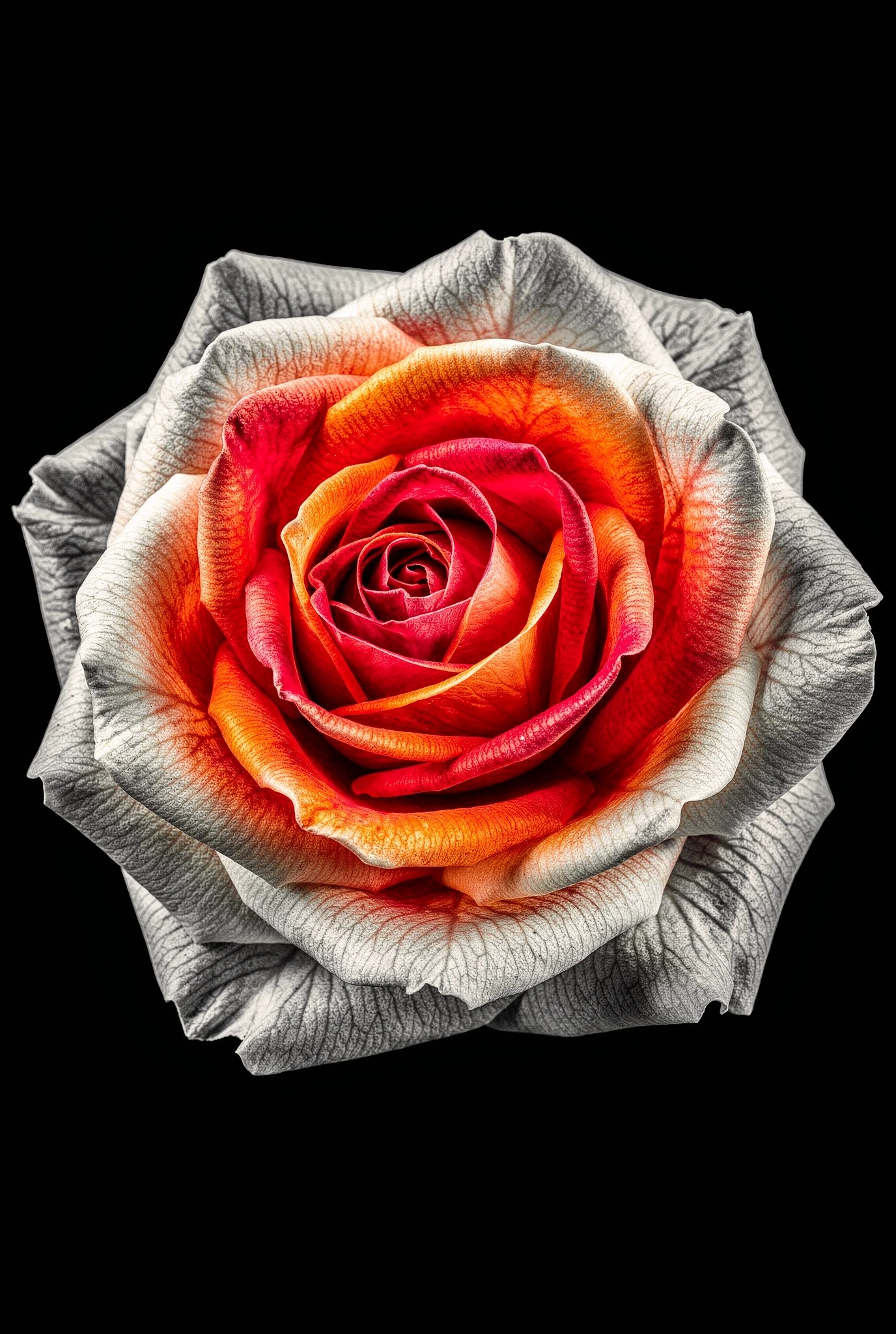
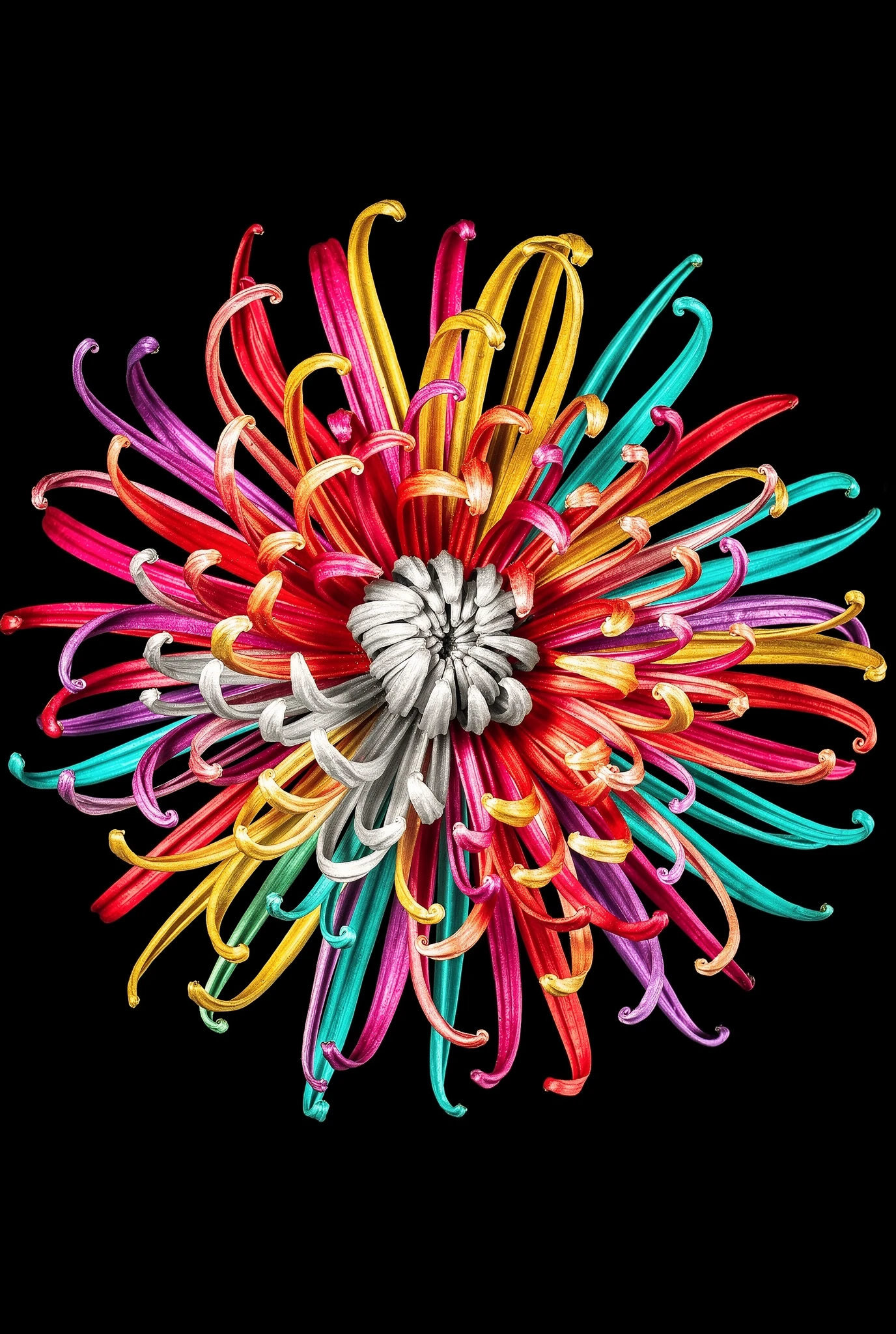
Historically, black-and-white photography never truly lacked colour. Colour was simply recorded differently. Chroma begins in that territory — each flower rendered with clarity. But the monochrome system cannot hold indefinitely. Each flower is isolated against darkness like a specimen plate — calm, centred, almost clinical in its precision. Monochrome photography has always carried a certain austerity, a sense of order and restraint. Yet black-and-white does not truly erase colour; it merely holds it in suspension. In the chemistry of film, in the dyes of printing, and in the strange alchemy of the darkroom, colour has always lingered somewhere beneath the surface. Chroma suggests that beneath the monochrome image lies another possibility.
The images behave like unstable Technicolor prints. Hidden colour begins to surface: chromatic edges appear, channels drift out of alignment, and dormant dyes seem to awaken. In some images colour slowly seeps back into the petals like light passing through stained glass. In others it behaves less politely, slipping sideways, colourising, or blooming unexpectedly as though a hidden process had stirred to life inside the synthograph. The flowers themselves remain composed and indifferent, perfectly centred and still. What changes is the image around them. In Chroma, colour is not added to the flowers. It reawakens within them — bright, unruly, and joyful — as if the monochrome world could no longer keep it contained.
Gallery
"With colour one obtains an energy that seems to stem from witchcraft." — Henri Matisse