1. The word that closes the conversation
One word appears repeatedly in discussions of generative artificial intelligence: fake. It is an efficient word. It is short, emotionally charged and difficult to answer without sounding defensive. It can describe a forged painting, a counterfeit handbag, an invented quotation, an impersonated voice, a fabricated news photograph or an image of an object that never existed. Once these things have been placed beneath the same label, their differences begin to disappear. Artificial construction becomes indistinguishable from fraud. Invention becomes evidence of dishonesty. The synthetic image is declared guilty before anyone has asked what it claims to be.
This is too blunt to be useful. A forgery is deceptive because it conceals its authorship and falsely claims another origin. A deepfake may be deceptive because it places words or actions into the body of a recognisable person. A fabricated documentary image is deceptive because it presents an invented event as something witnessed. These examples involve more than artificiality. They involve a false claim about identity, origin or occurrence.
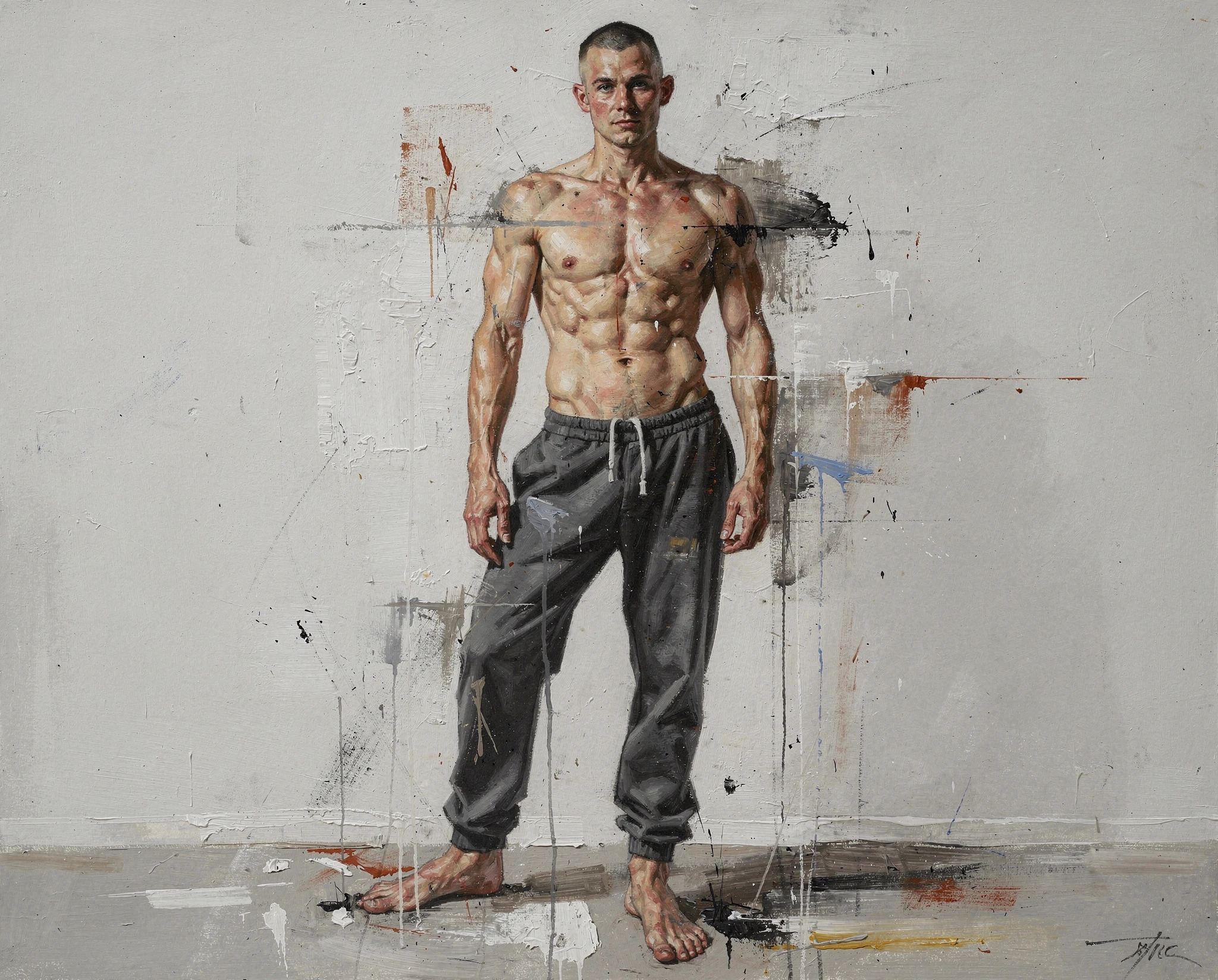
An openly synthetic artwork makes a different claim. It may depict a person who was never born, a vessel that was never fired, a flower that never grew or a room that was never entered. Its subject is fictional, but fiction is not automatically fraudulent. The ethical question is not simply whether the represented thing existed. It is whether the image lies about what it is asking the viewer to believe.
The distinction I want to make is simple: simulation is not deception. Simulation constructs an appearance. Deception misrepresents the status of that appearance. The difference lies not only inside the image, but in the agreement surrounding it.
2. Images have always made agreements
No image is the thing it depicts. A painted pear is not a pear. It is pigment arranged so that colour, contour, shadow and highlight begin to behave like skin, weight and ripeness. A portrait is not a person. A landscape is not weather, distance or land. A photograph may carry a physical trace of something that stood before a lens, but it remains a selection: framed, timed, exposed, cropped and presented under particular conditions.
Images have always asked viewers to enter agreements. Painting asks us to accept that coloured matter can become flesh, cloth, metal, sky or light. Theatre asks us to believe temporarily in a room that is a set, a death that is a performance and a character who disappears when the actor leaves the stage. Cinema constructs continuity from fragments. Advertising transforms lighting, styling and retouching into desire. A museum display turns placement, typography and silence into authority.
None of this is necessarily dishonest. The viewer understands the terms, even when those terms remain partly unspoken. We know that an actor has not truly died. We know that the painted apple cannot be eaten. We know that a fashion photograph is an organised event rather than an innocent encounter with reality. The illusion is not a betrayal of the artwork. It is often its operating principle.
Generative AI does not invent simulation. It intensifies it. It produces images that may inherit the surface of painting, the apparent weight of sculpture, the tactility of printmaking or the optical confidence of photography without passing through the physical processes associated with any of them. The synthetic image speaks in the visual languages of older media while belonging materially to none. That instability is not an unfortunate side effect. It is one of the medium's central conditions.
3. What changes when the world is absent
Something nevertheless changes when an image no longer begins with a visible object, body or event. Photography established a powerful cultural relationship between image and occurrence. However staged or manipulated a photograph might be, light had still travelled from something in the world towards a photosensitive surface or digital sensor. The photograph therefore carried an index of presence: something had been there.
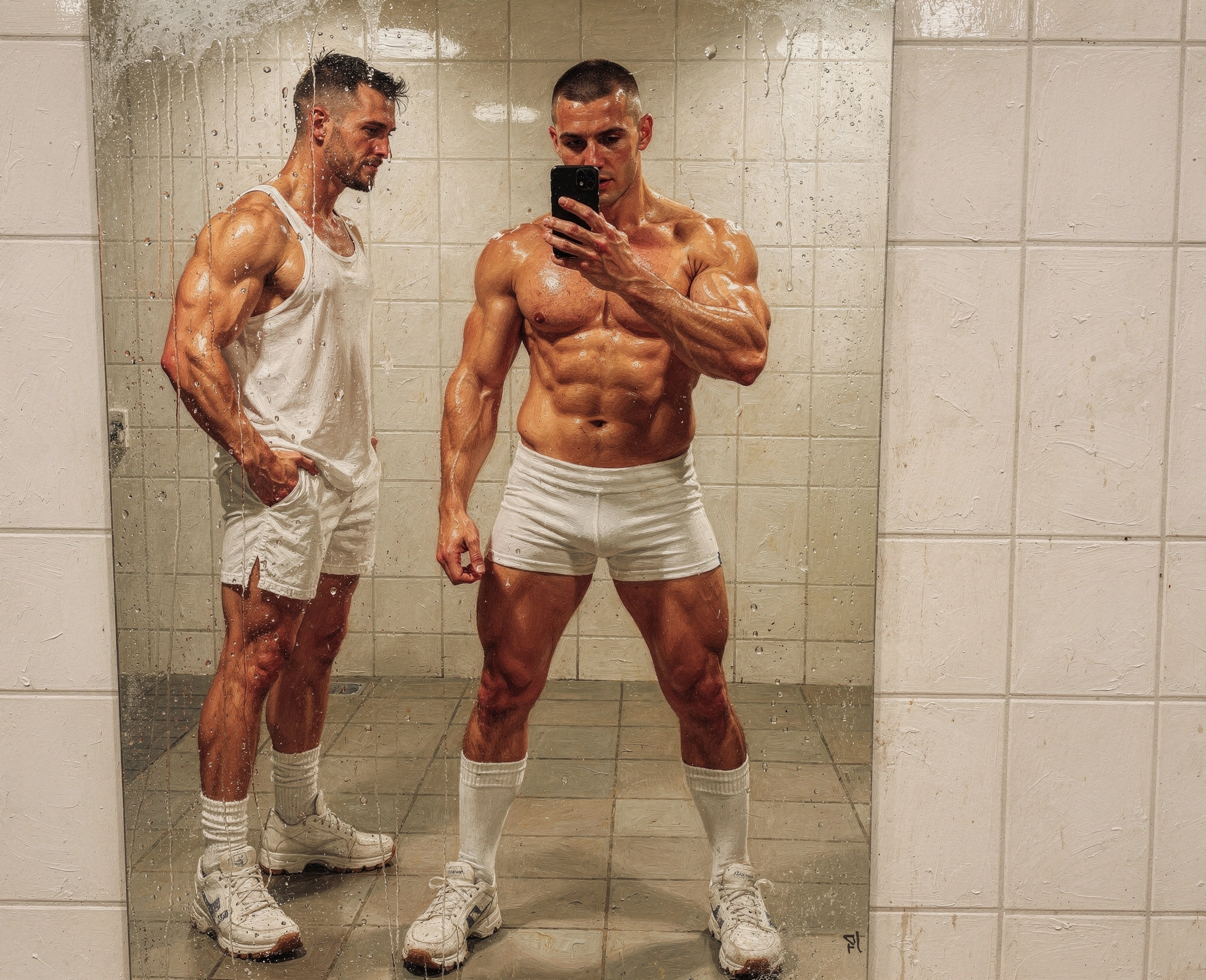
A synthograph breaks that chain. It does not record light from a scene. It generates the appearance of light. It may resemble a photograph, but no lens encountered its subject. A studio portrait can appear without a sitter, a studio or a camera. A still life can arrive without fruit, table, window or afternoon. The image possesses the visual consequences of an event that never took place.
This absence of origin gives synthography both its imaginative freedom and its ethical pressure. The image can go anywhere because it need not wait for the world to provide a subject. It can construct impossible materials, unavailable bodies, vanished architectures or entirely invented objects. But the same freedom allows an image to borrow the evidential authority of photography without possessing photography's connection to an occurrence.
That authority matters. A convincing shadow, an imperfect surface, a plausible lens effect or the restrained neutrality of institutional photography may imply observation even when no observation occurred. The eye recognises these signs and begins to build belief around them. As I have argued elsewhere, synthetic images persuade not because truth resides within them, but because they present familiar signals through which visual truth has historically been recognised.
This does not mean that realism itself is a lie. It means realism is a language whose authority can be used honestly or dishonestly. The existence of a knife does not determine whether it will carve wood or cause injury. The existence of a convincing image does not determine what claim will be made with it. Context, intention and presentation complete the act.
4. Simulation and deception
A simulation models the appearance or behaviour of something. A flight simulator is not a counterfeit aircraft. An architectural visualisation is not a fraudulent building merely because the walls have not yet been constructed. A medical model is not dishonest because it is not a living organ. A theatrical moon is not deceptive because it is painted canvas rather than a celestial body.
The simulation becomes deceptive when it is deliberately presented under false conditions: when the architectural visualisation is offered as a photograph of completed construction, when fictional footage is described as documentary evidence, or when an invented person is used to impersonate somebody real. Deception is therefore relational. It occurs between the artefact, the claim made for it and the audience receiving it.
A synthetic painting is not deceptive merely because no paint exists. It becomes deceptive if it is knowingly sold as a photographed physical canvas made by a named painter. A fictional portrait is not deceptive because its sitter never lived. It becomes deceptive if it is attached to a real identity or presented as evidence of an encounter. A generated ceramic vessel is not deceptive because clay was never touched. It becomes deceptive if the image is used to sell an object that does not exist or to fabricate the history of one that does.
The synthetic condition alone does not settle the ethical question. This is why the word fake often obscures more than it reveals. It treats material absence as though it were automatically moral concealment. It confuses the fictional subject with the dishonest artwork.
But art has always made things that do not exist. Mythological figures, imagined landscapes, impossible architectures, ideal bodies, invented histories and surreal encounters belong to the long territory of representation. We do not accuse a painter of fraud because a painted angel failed to attend the sitting.
The synthetic image extends this territory under new technical conditions. Its capacity for photographic plausibility makes disclosure more important, but plausibility does not cancel imagination. The fact that a fiction can look convincing does not disqualify it from being art. It asks us to become more precise about what kind of truth an image offers.
Simulation constructs an appearance. Deception misrepresents the status of that appearance.
5. Honest fiction
Fiction can be honest. An artwork may invent its subject while remaining truthful about its own status. It can say, explicitly or through context: this scene was constructed; this person is fictional; this object has no material counterpart; this image did not originate in front of a camera. Honesty does not require the artwork to abandon illusion. It requires the illusion not to be falsely presented as evidence.
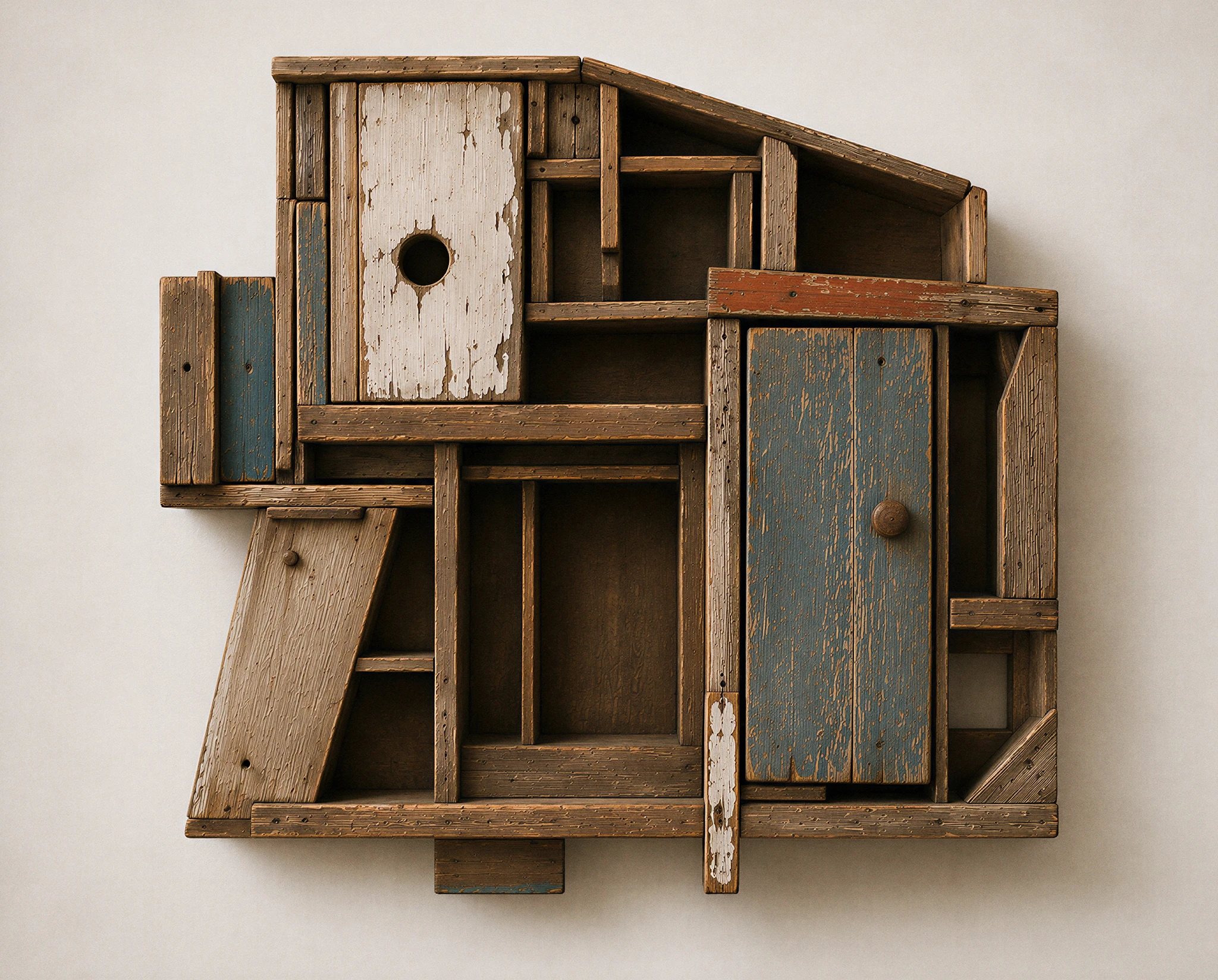
In my own practice, the term synthography is part of that honesty. It names the process rather than hiding it. I use generative AI to make images that borrow the appearances of photography, painting, drawing, printmaking, sculpture, craft and design. The images may simulate material histories they never possessed, but they are presented as synthetic artworks. They do not claim that a brush touched the surface, that a kiln was fired or that a camera witnessed the scene. The object is absent. The construction is acknowledged.
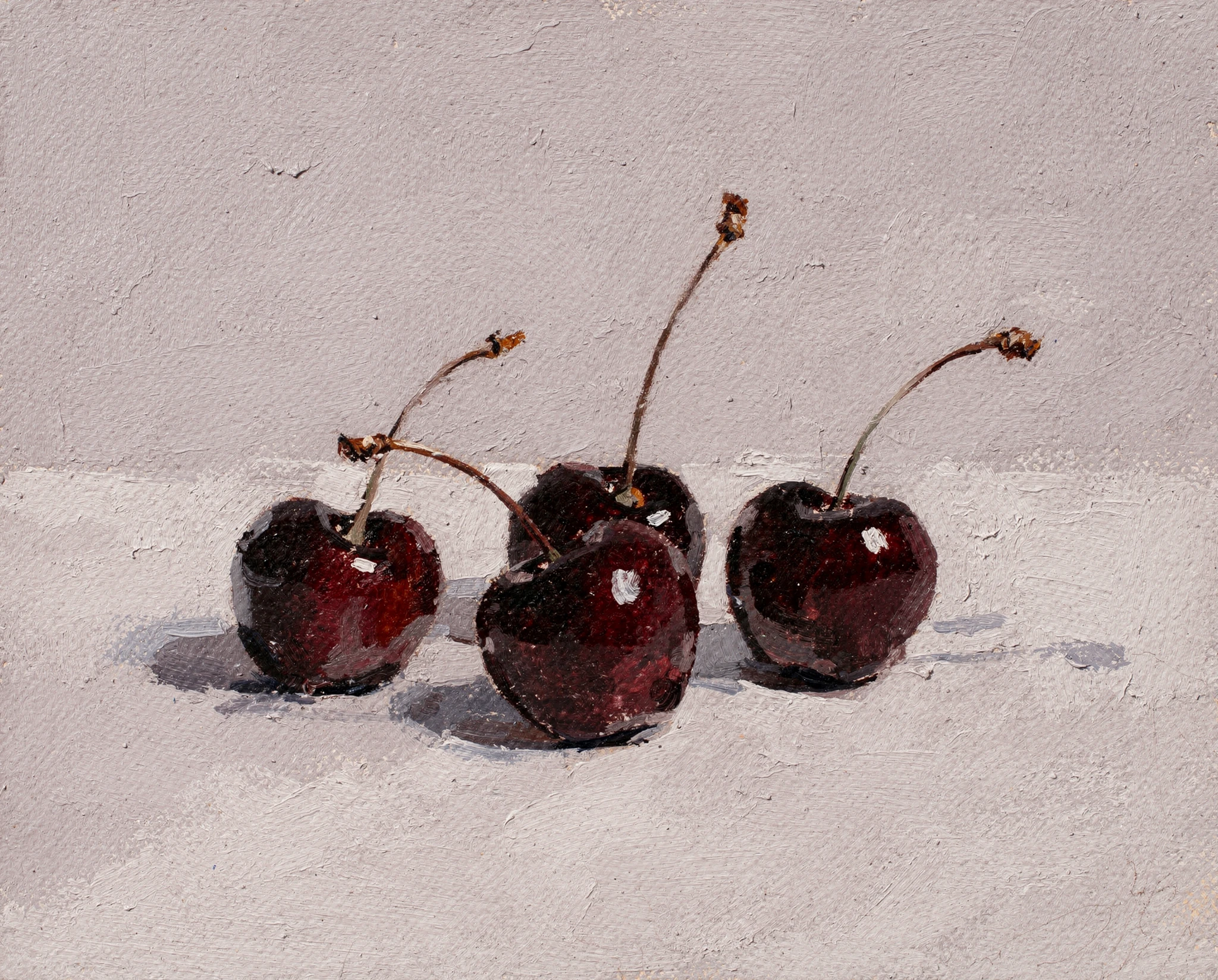
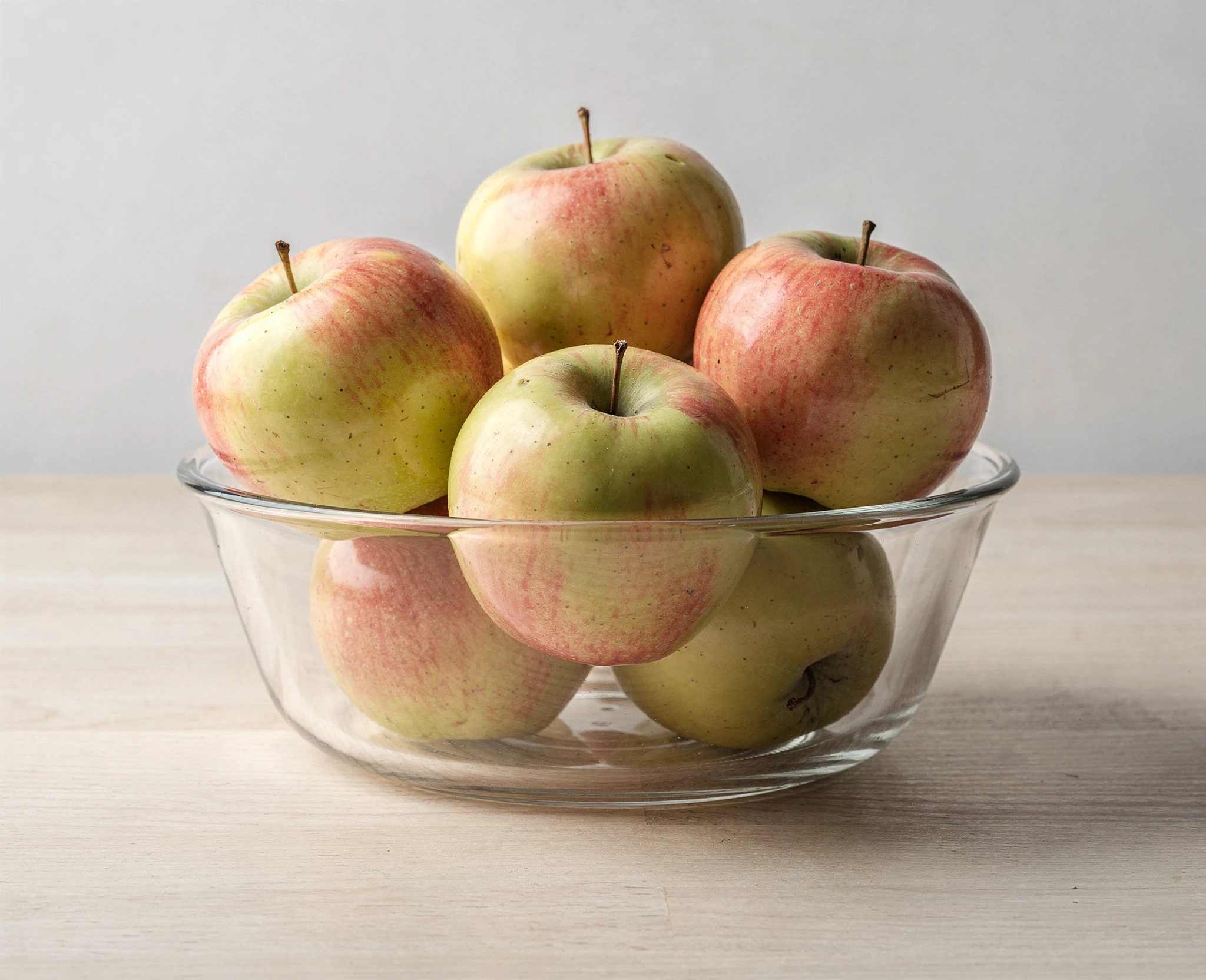
In Simulacra, fruit and flowers appear to have been painted as small oil studies. The images carry scumbled grounds, dragged brushwork, modest arrangements and the memory of an attentive hand. Yet no fruit was placed, no flower cut, no board prepared and no paint moved. The project does not conceal this absence; the absence is its subject. The works ask what remains of painting when its material process has been replaced by a synthetic memory of that process. That is simulation used as enquiry rather than disguise.
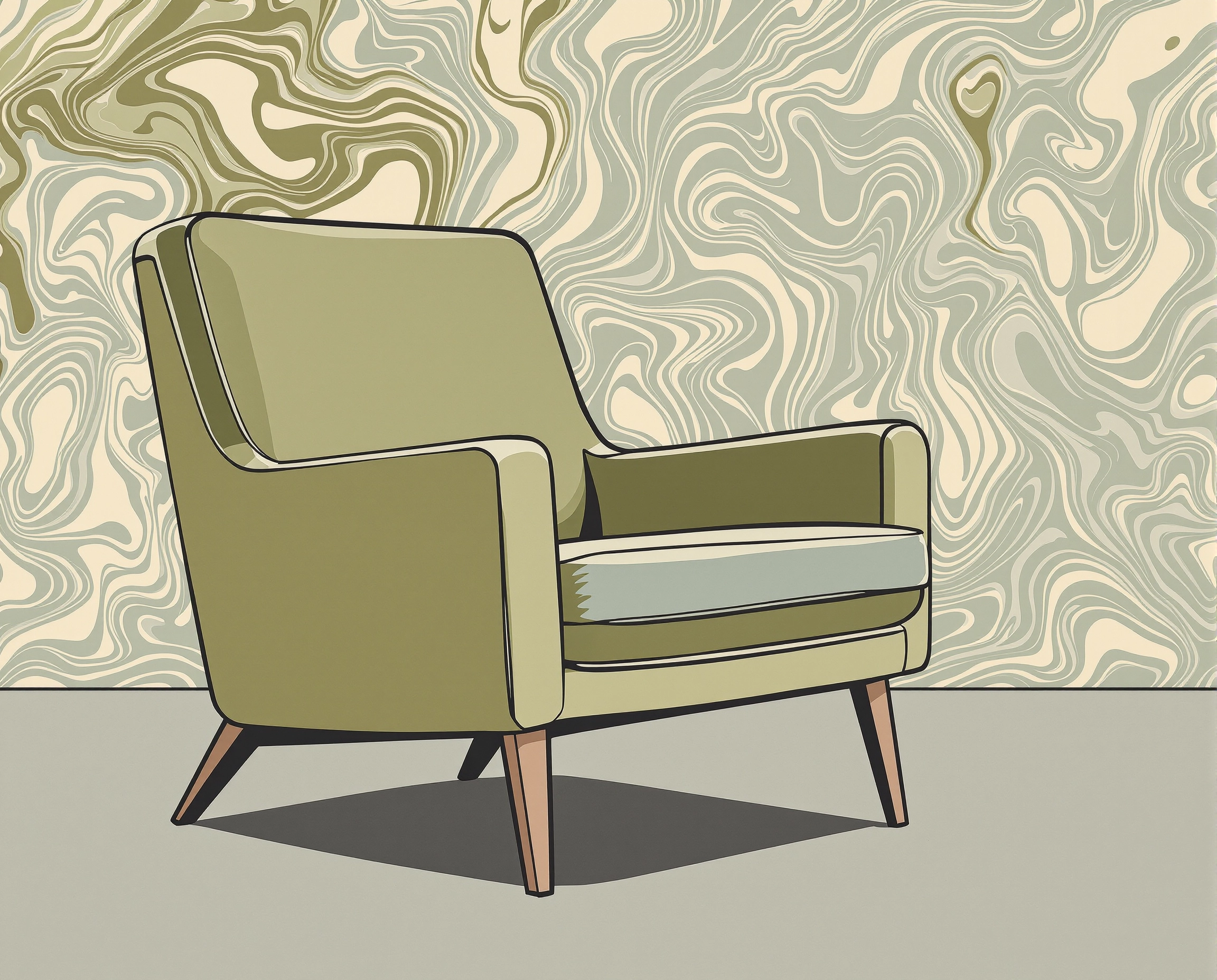
FEED ME approaches the matter differently. It borrows the absurd visual grammar of AI slop — the dancing animal, the miraculous object, the manufactured spectacle — but subjects it to structure, refinement and satire. It does not deny that synthetic imagery can be empty, manipulative or produced as waste. It distinguishes automation from authorship, speed from intention and appetite from meaning.
Neither project needs to pretend that the images are materially what they resemble. Their honesty lies partly in refusing that pretence. This does not make them less illusory. It allows illusion to become visible as a deliberate artistic material.
6. Authorship without the solitary hand
The question of honesty also extends to authorship. A synthographer does not execute an image mark by mark in the manner of a draughtsman, painter or illustrator. The system generates the visible form. Pretending otherwise would merely replace one confusion with another. But the absence of direct execution does not mean the absence of authorship.
A synthographic image begins with conditions: an idea, a subject, a visual language, a set of constraints, a relationship between images and a reason for making them. Language initiates the process. The model produces possibilities. The artist evaluates what has appeared.
An image is accepted, rejected, revised, redirected or replaced. A project develops rules. Motifs recur. Others are prohibited. The sequence acquires rhythm. Accidents are recognised as either useful or empty. The artist decides when an image is merely fluent and when it has become necessary.
I have previously described the synthographic image as being authored into being rather than taken from the world. Its construction depends upon intention, language, structure and constraint, followed by selection, refinement and refusal. This authorship is not identical to traditional craft, and it gains nothing by pretending to be. It belongs to direction, negotiation and judgement. The machine generates possibilities. The artist decides which possibility belongs to the work.
That decision may happen hundreds of times across the making of a single project. Authorship gathers not only around the isolated image but around the complete structure: the title, the concept, the visual constitution, the transformations across a sequence, the writing, the order, the exclusions and the manner in which the work is presented.
A generator can produce an attractive picture quickly. It cannot independently decide why that picture should exist, what intellectual pressure it carries, what it must refuse or how it belongs within a larger practice. The image may be generated. The work is composed.
7. Responsibility without apology
To argue that simulation is not deception is not to argue that synthetic image-making is harmless in every context. The greater the visual fluency of generative systems becomes, the greater the responsibility attached to their use. A photorealistic image can misidentify people, invent events, fabricate evidence, manipulate emotion and exploit the viewer's inherited trust in photography. Disclosure matters most where confusion is likely to cause harm or where an image is presented as information rather than imagination.
There are also wider questions concerning training data, labour, consent, representation, environmental cost, aesthetic homogenisation and the concentration of technological power. A serious artist working with generative AI cannot reasonably behave as though the medium exists outside those conditions.
But seriousness does not require permanent apology, nor does responsibility mean allowing the worst uses of a technology to define every possible use. Photography can document atrocity, sell perfume, falsify appearances, preserve family history, produce surveillance or become art. The camera is not ethically resolved by its mechanism. Meaning emerges through use, context and consequence. The same is true of generative image-making.
Some synthetic images are deceptive. Some are exploitative. Some are repetitive, generic or empty. Some are created as industrial quantities of disposable content. That reality should be acknowledged without turning it into a definition of the medium itself.
In factual work, machine hallucination can be dangerous because invention is mistaken for knowledge. In artistic work, invention may be the material from which meaning is made. The difference lies in how the invention is disciplined, contextualised and understood. As I wrote in The Tripping Machine, an undisciplined hallucination becomes slop; a disciplined hallucination may become art. The artist's task is not to prove that every synthetic image deserves defence. It is to make distinctions visible through practice.
That means being honest about the tools, careful about the claims, critical of the outputs and unwilling to confuse abundance with achievement. It means understanding that technical polish is not meaning, that plausibility is not truth and that novelty is not originality. It also means allowing the work to be beautiful, comic, erotic, decorative, unsettling or quiet without forcing every image to carry a manifesto on its back. The backlash can sharpen the questions. It should not be permitted to choose all the answers.
8. The object is fictional; the artwork is real
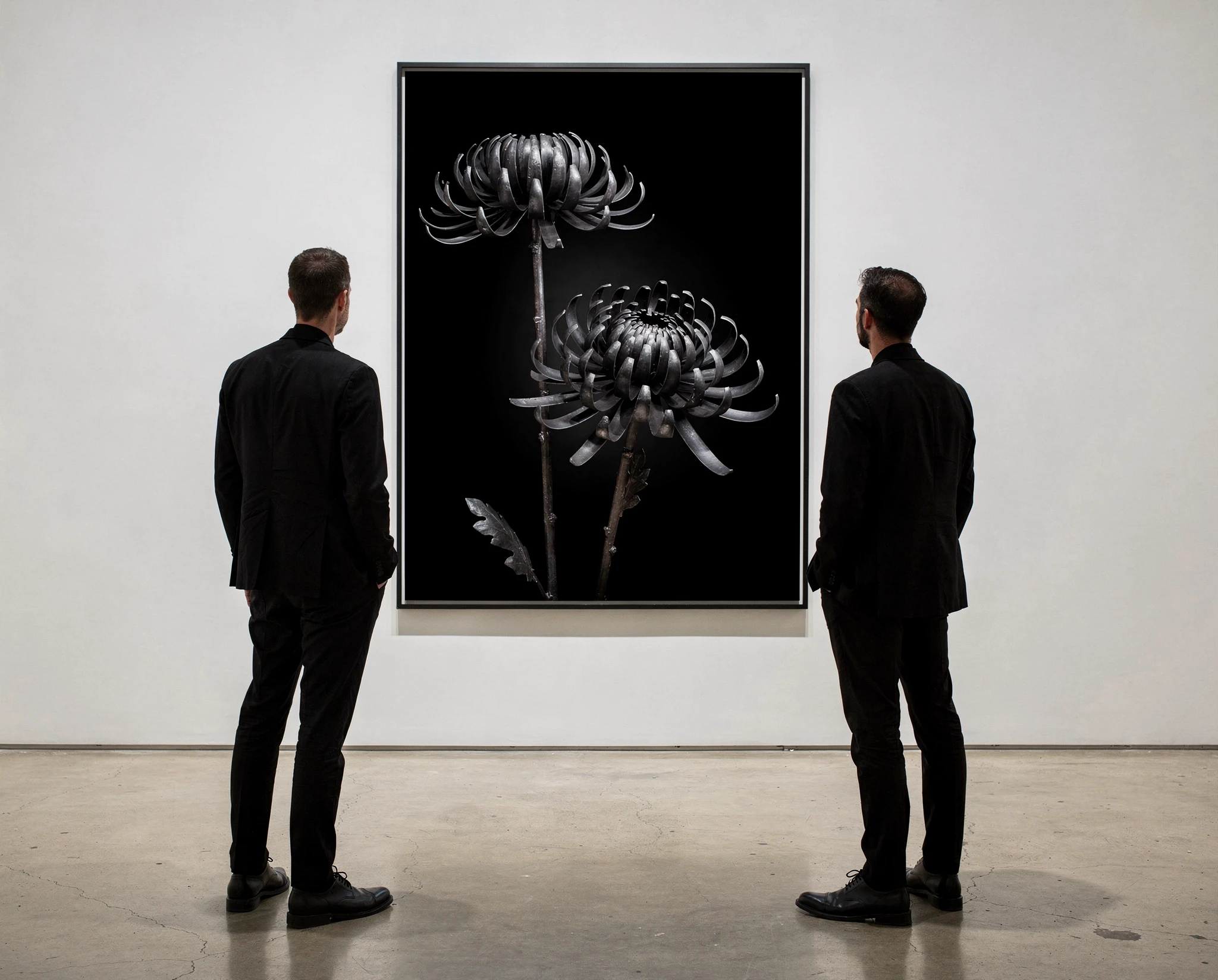
A synthetic image may show us something that never stood in the world. Its ceramic surface may never have cooled after firing. Its graphite line may never have pressed into paper. Its flower may possess no botanical origin. Its body may have no childhood, memory or pulse. Its shadow may describe an event that never passed through time.
These absences are real, but so are the decisions that give the work form: the conception, writing, direction, selection, refusal, sequencing and presentation. So is the encounter between the viewer and the image. So are the questions the work opens concerning touch, evidence, tradition, belief, desire and material presence. The object may be fictional. The artwork is not.
To call a synthetic image fake simply because its subject did not exist is to mistake representation for evidence and fiction for fraud. It is to demand that all images justify themselves through material origin, as though imagination were a defect and simulation a confession.
I would rather ask more exact questions. What is the image claiming? What does it disclose? What kind of belief does it invite? Whose authority does it borrow? What responsibility accompanies its realism? What has the artist shaped, and what has been left to automation? Does the work conceal its artificiality, or use artificiality as its material?
Honesty is not the enemy of illusion. It is what allows illusion to operate without becoming deceit. A synthograph does not need to apologise for lacking a camera, a sitter, a kiln, a brush or a physical object. It needs to understand the significance of those absences and present them without falsehood.
Simulation constructs an appearance. Art gives that appearance purpose. Deception begins only when the appearance is made to lie about what it is.
Simulation is not deception. It is a way of making fiction visible — and, when handled honestly, a way of making truth newly difficult, strange and alive.