NOIR: the power of seduction
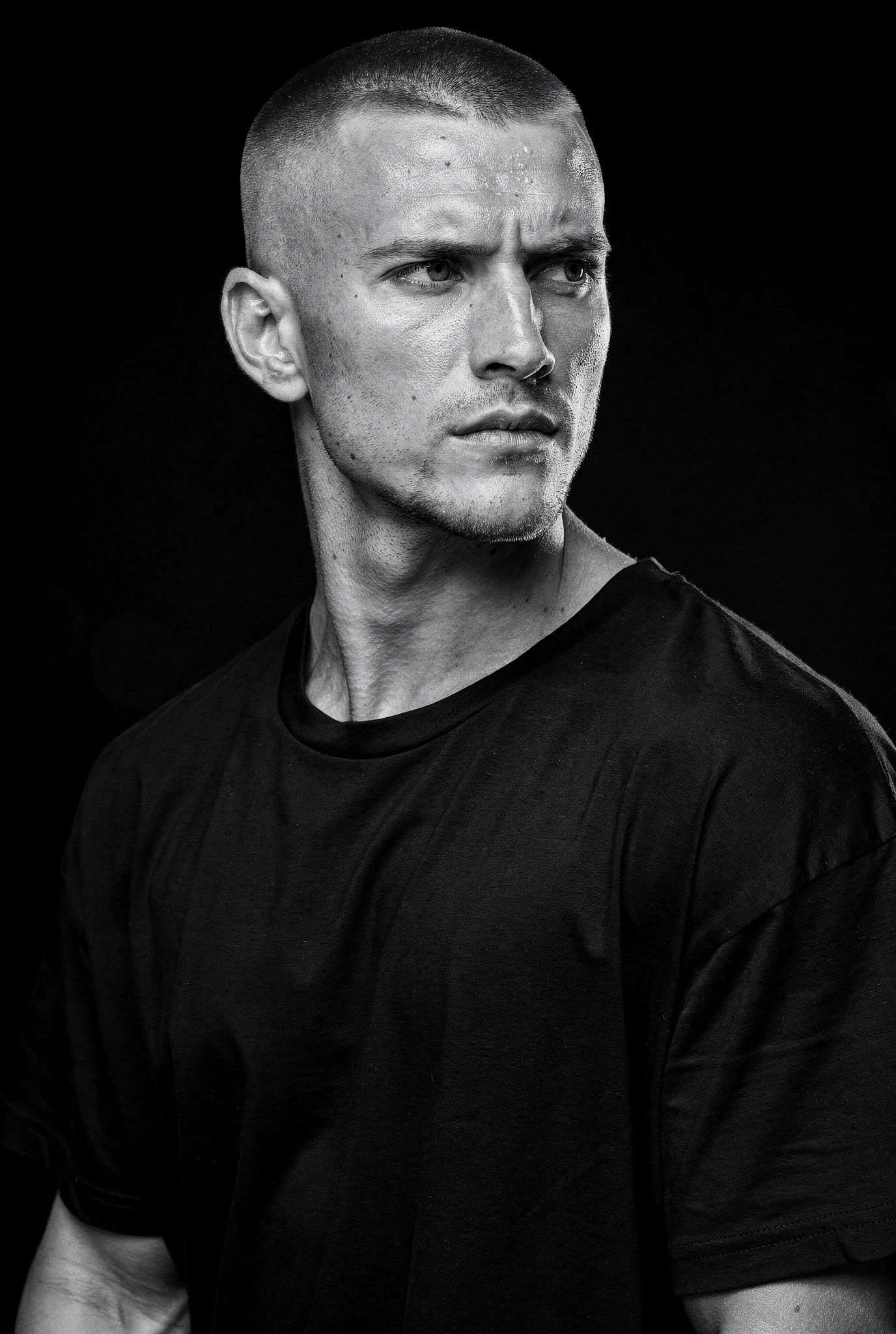
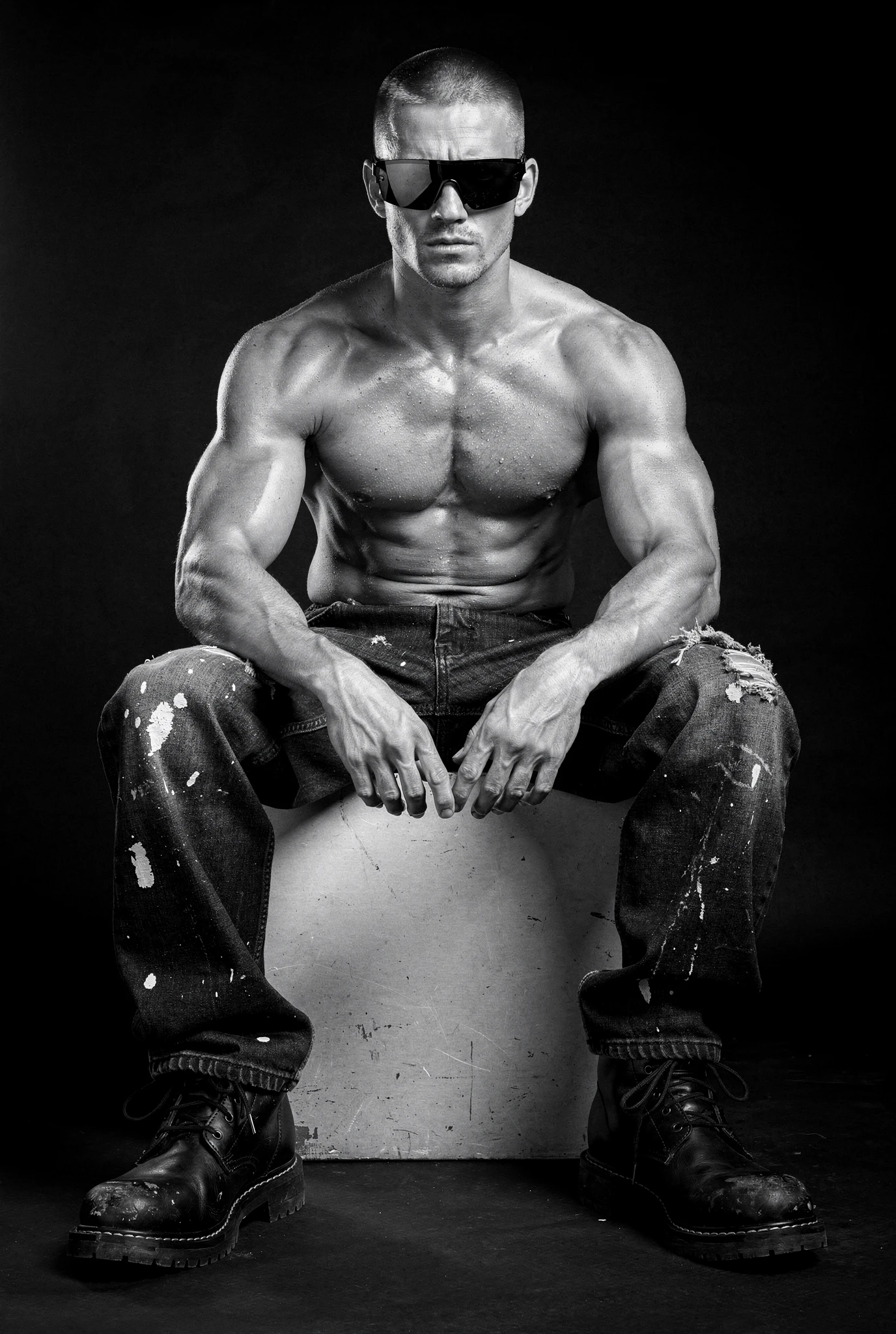
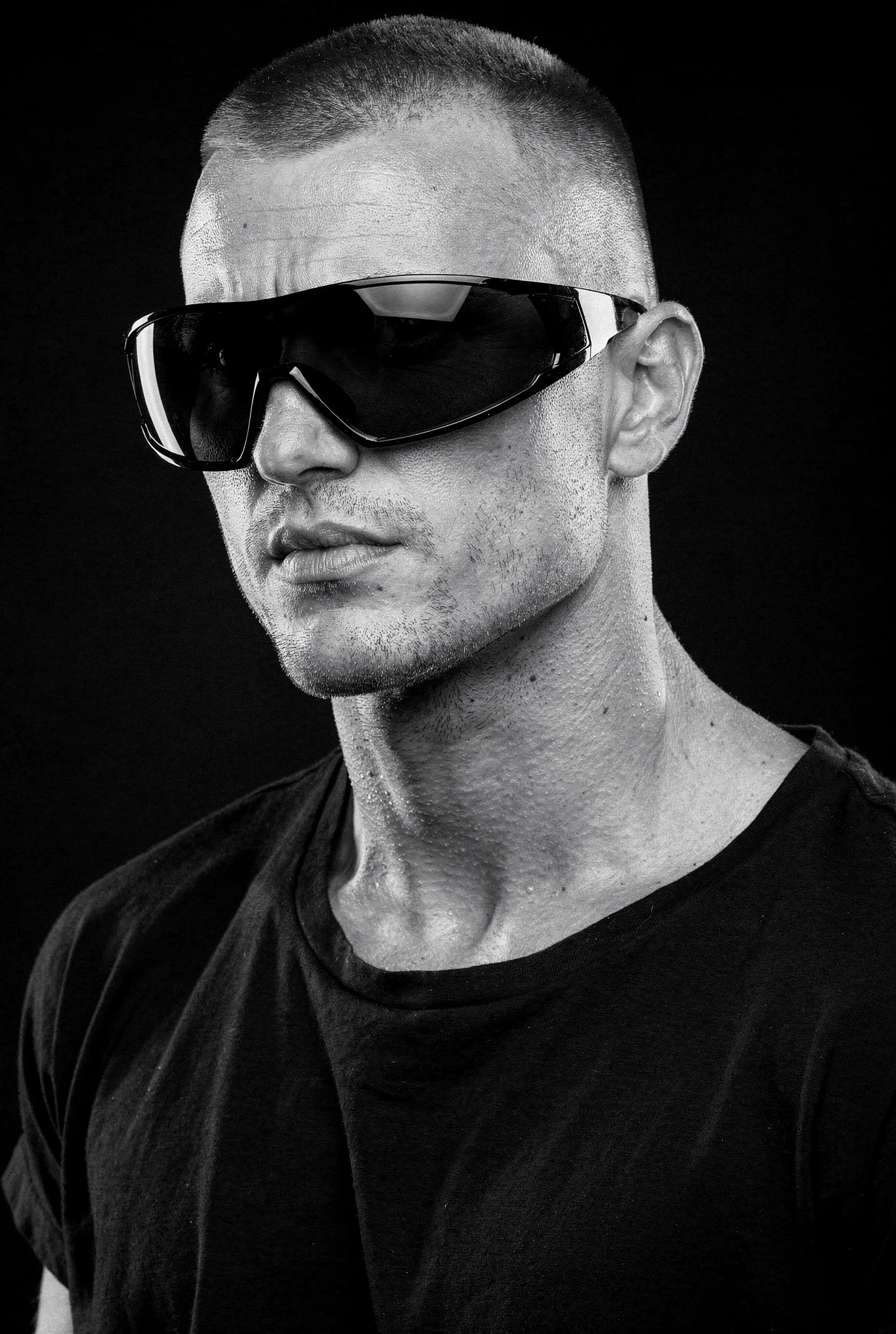
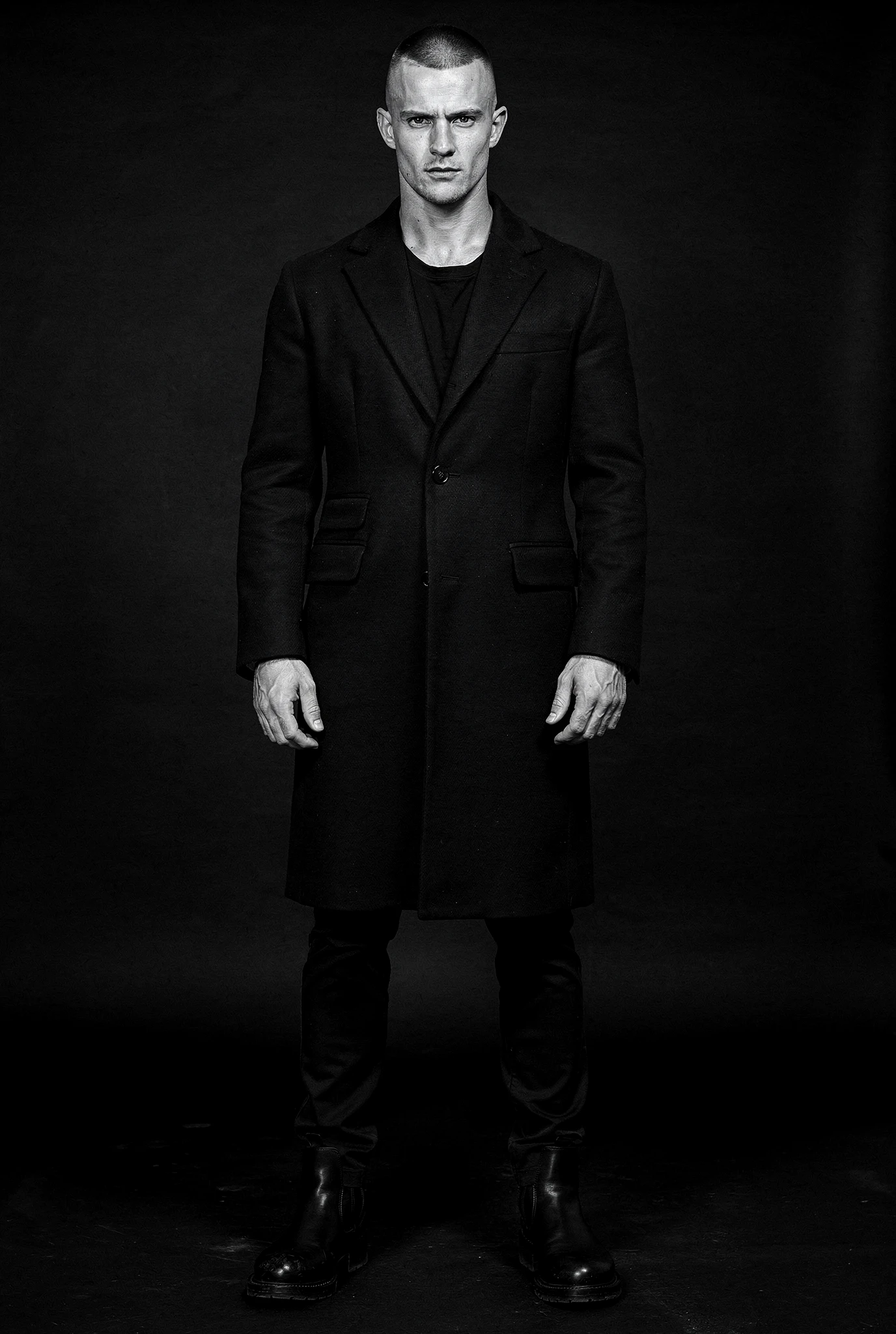
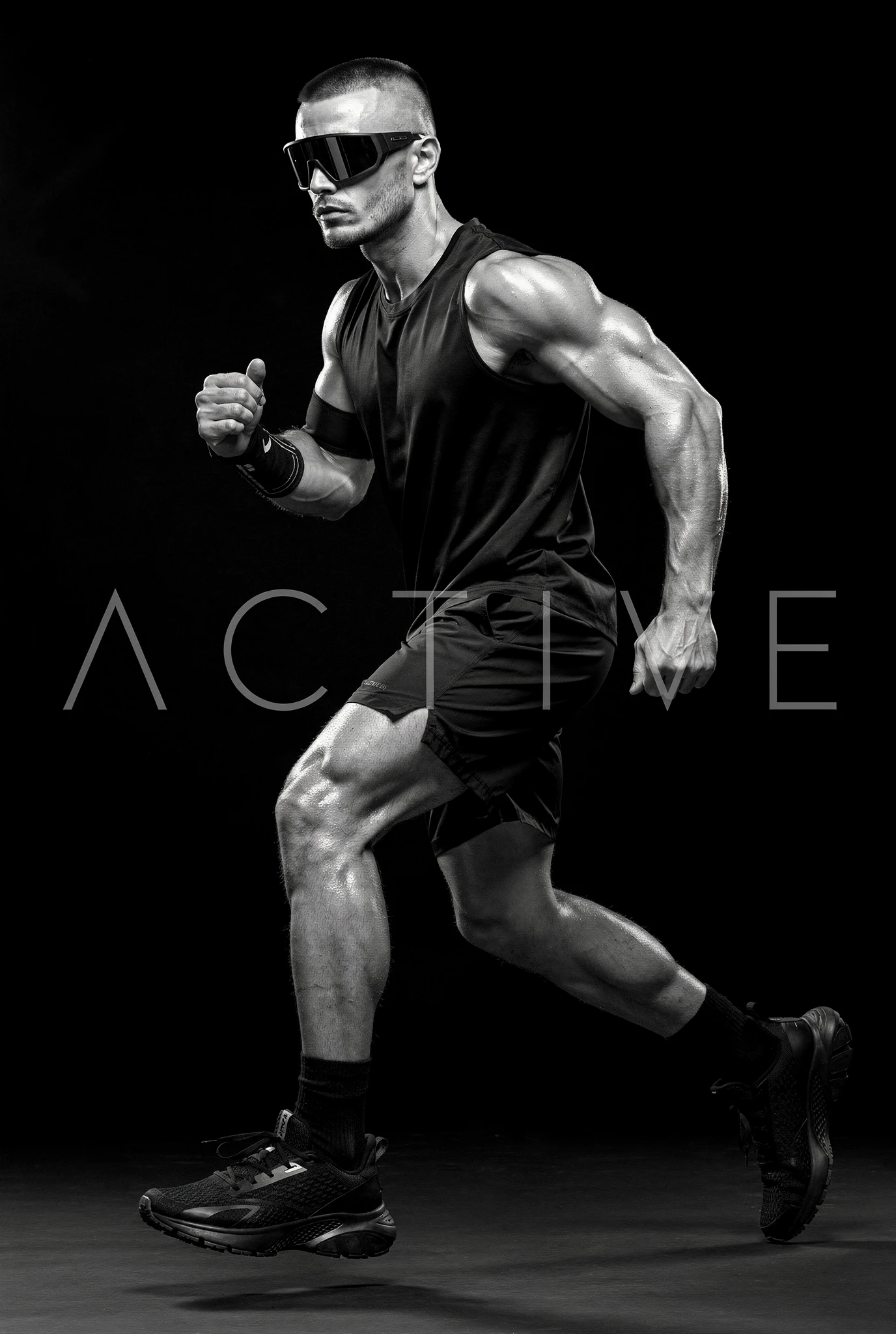
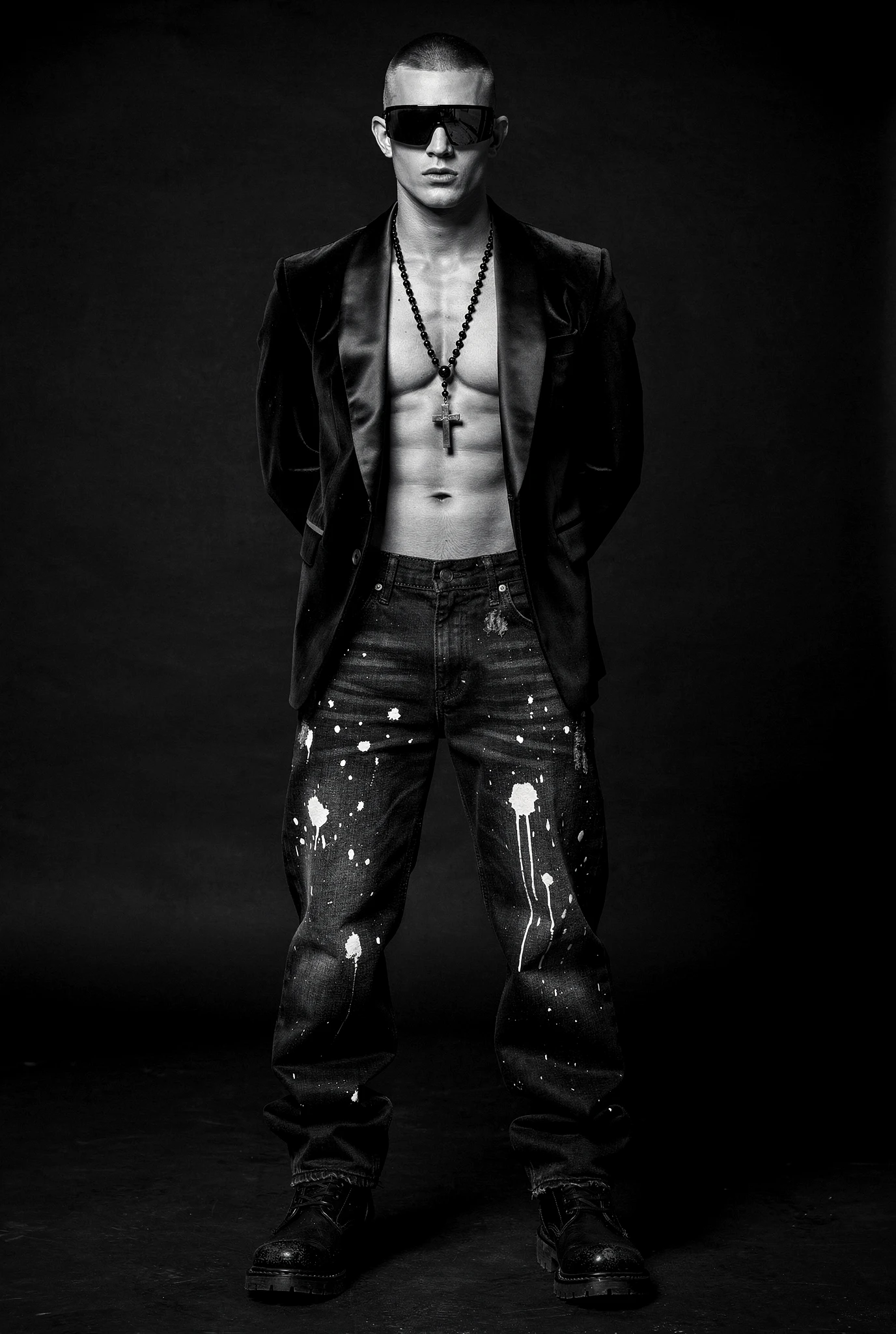
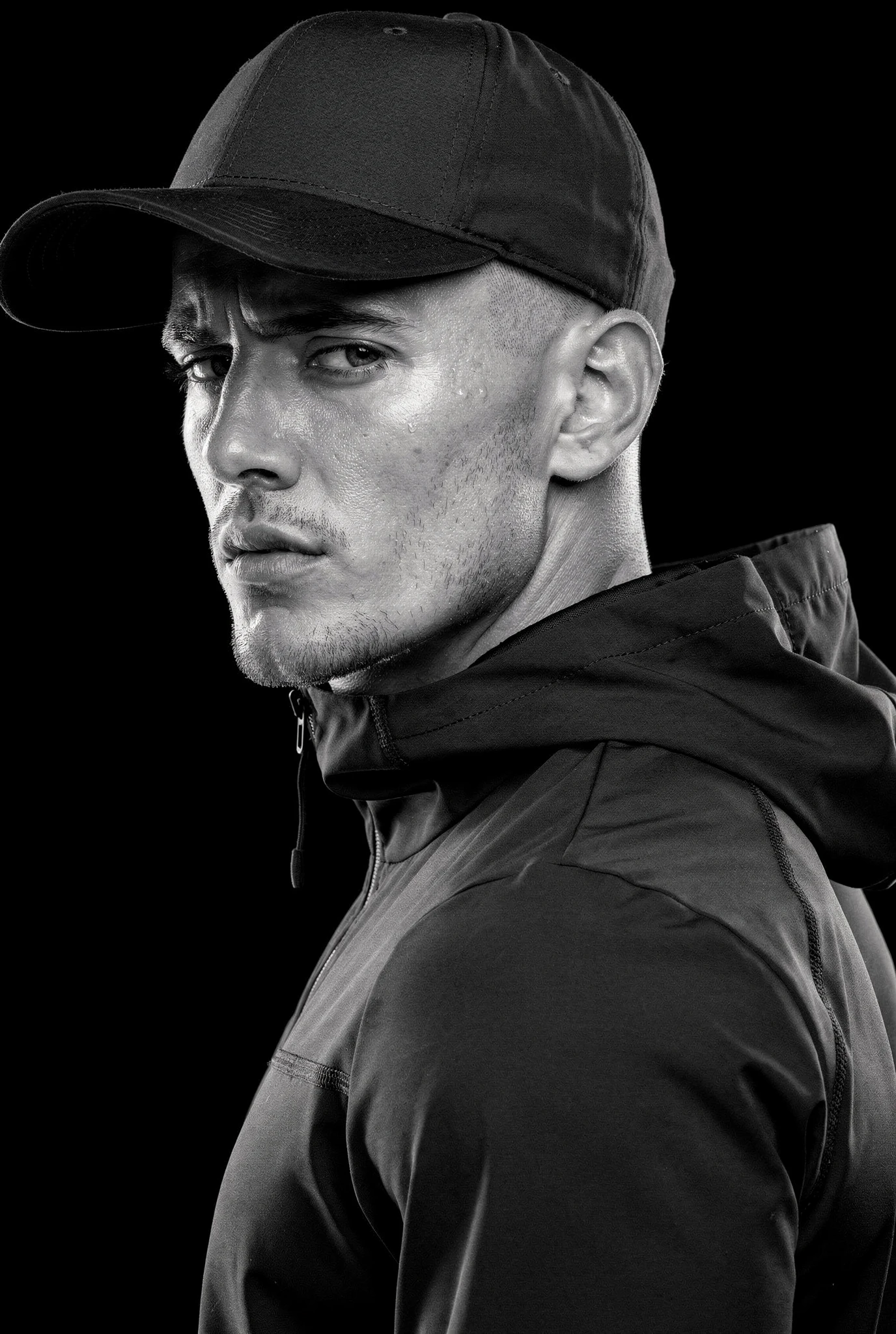
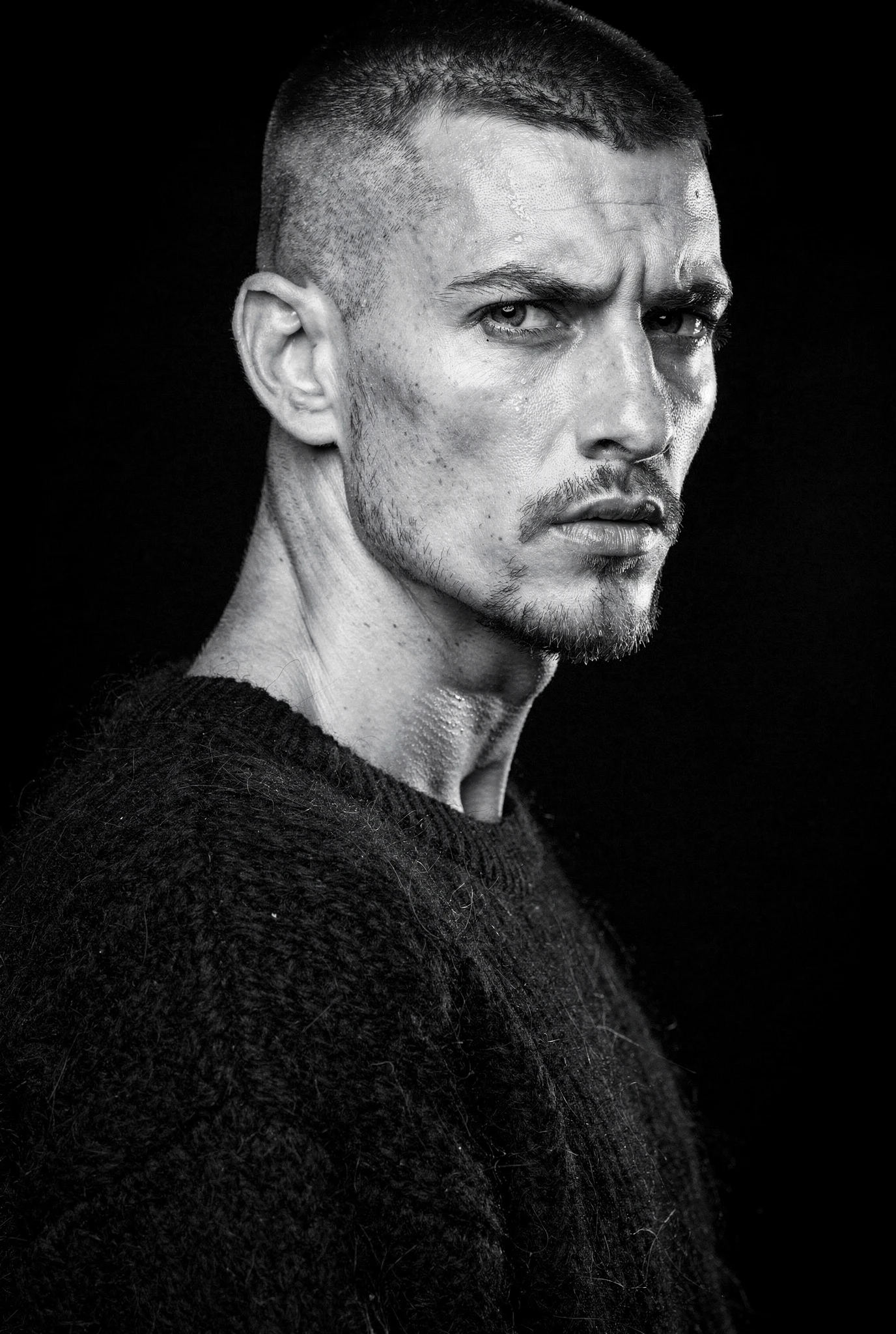
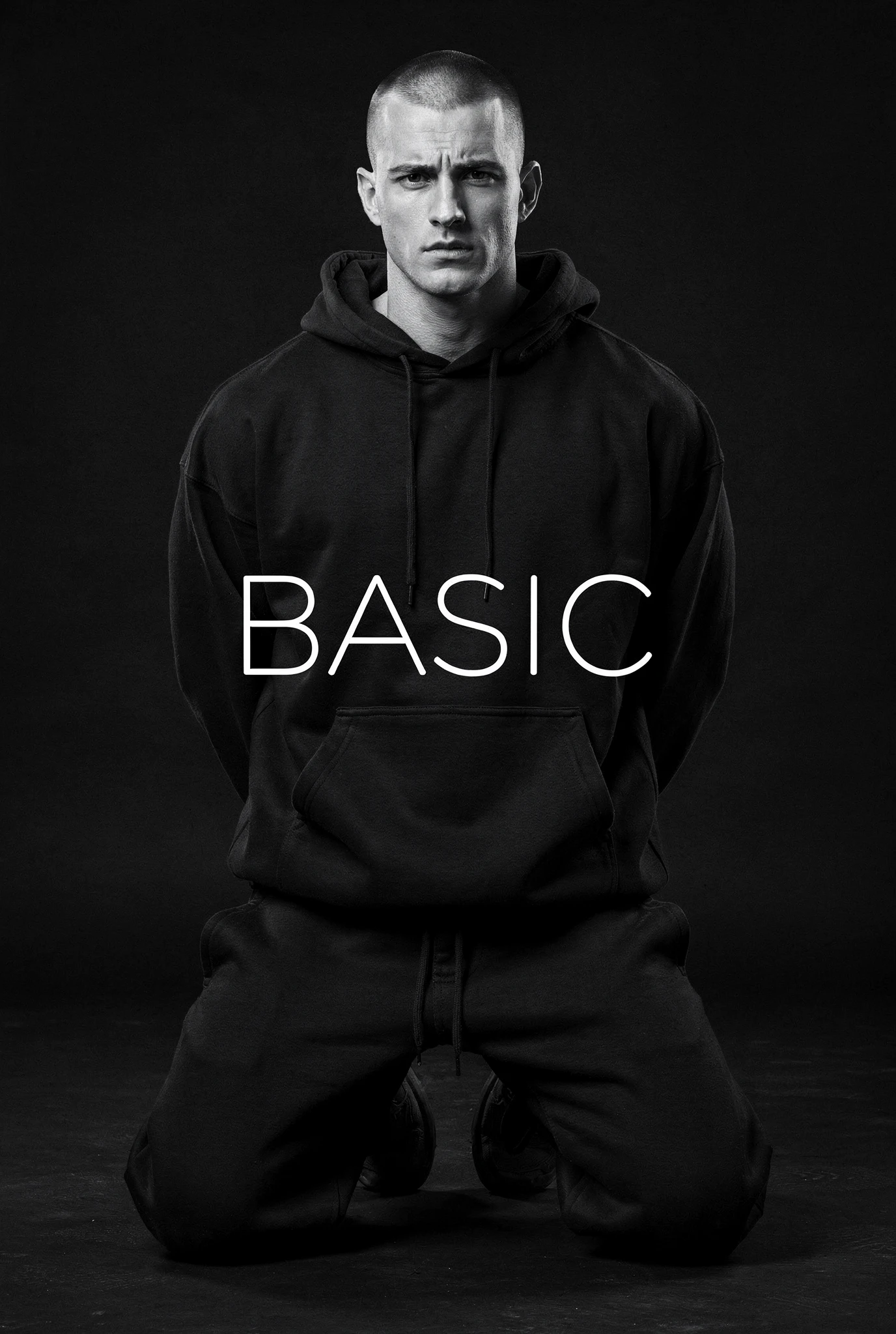
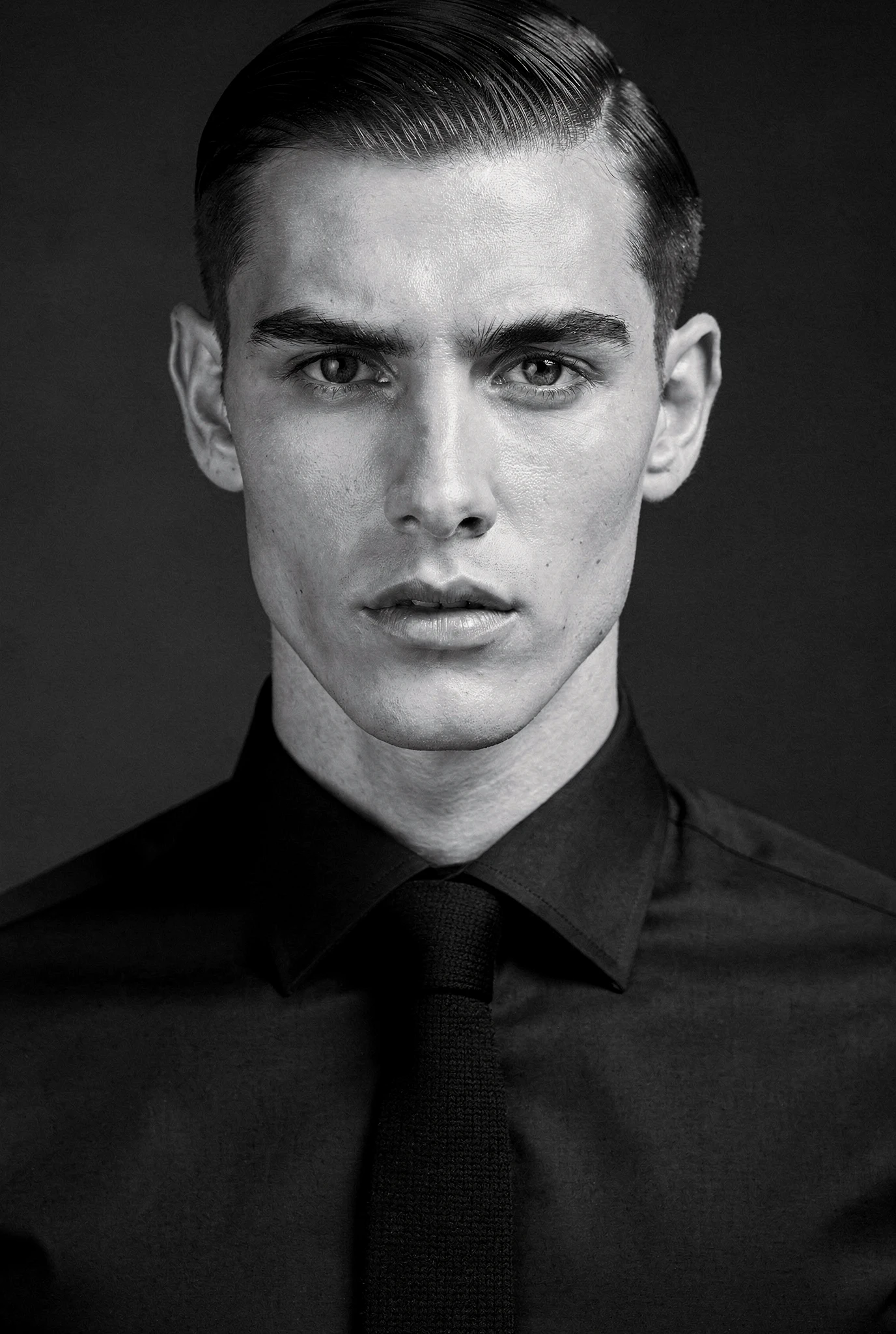
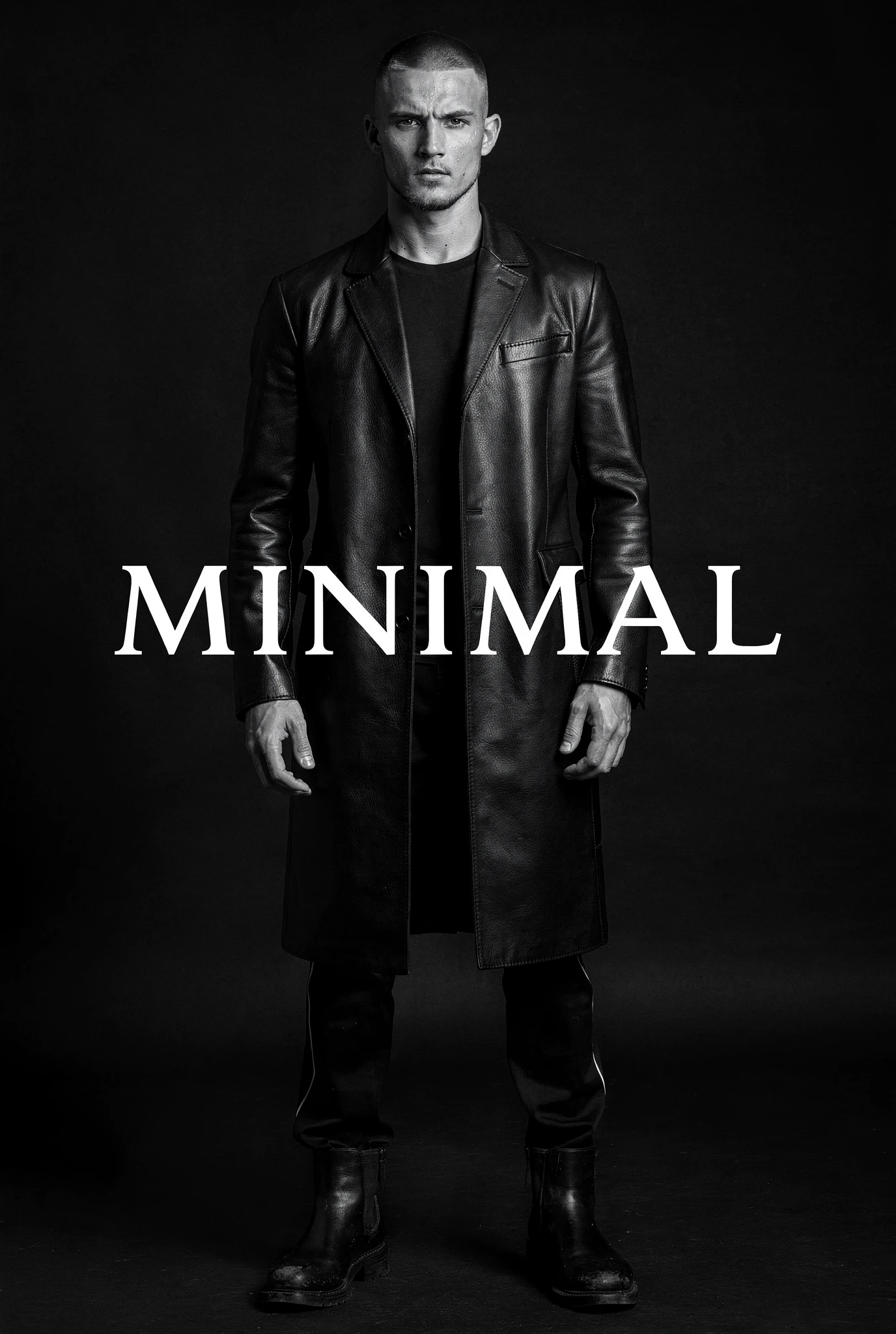
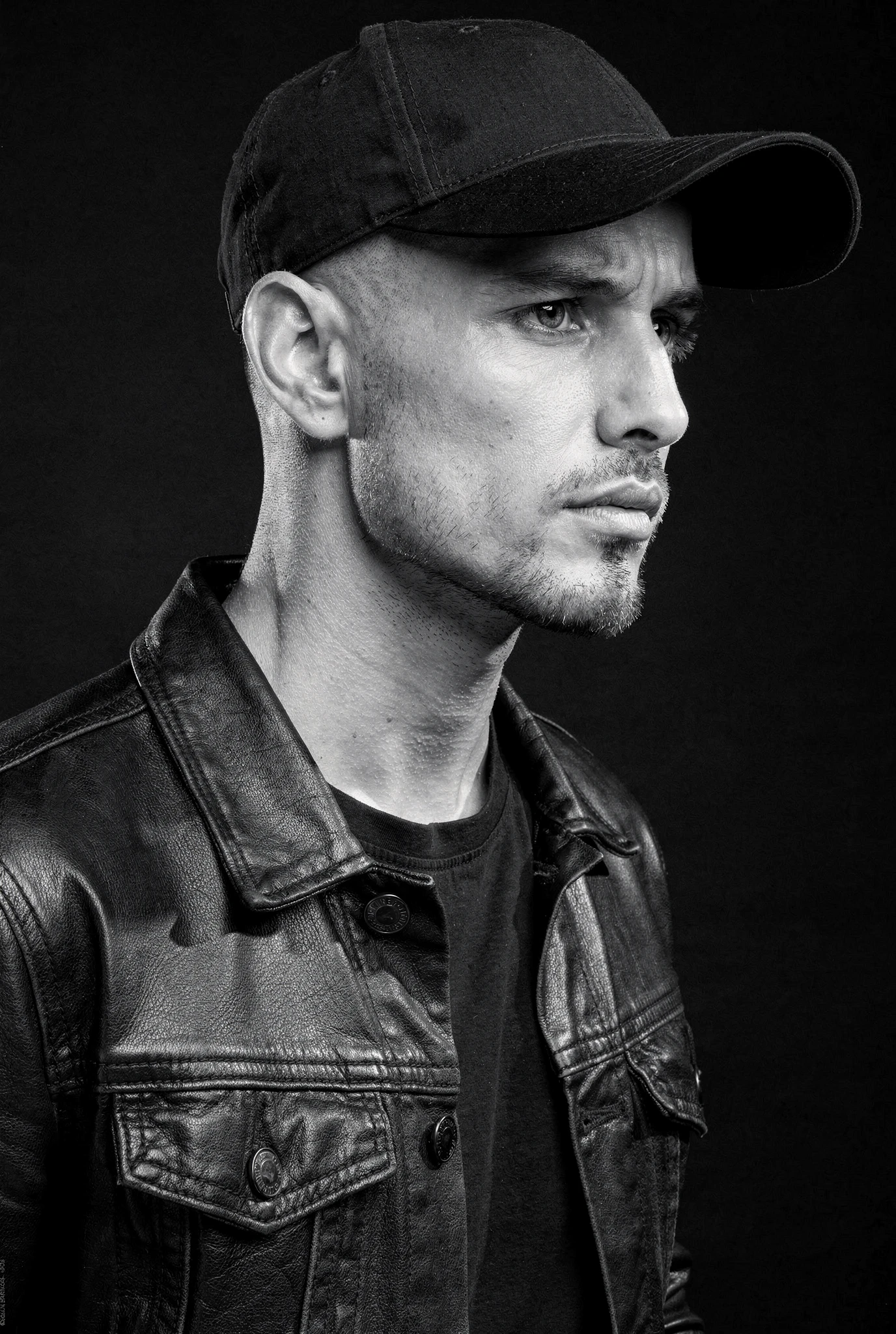
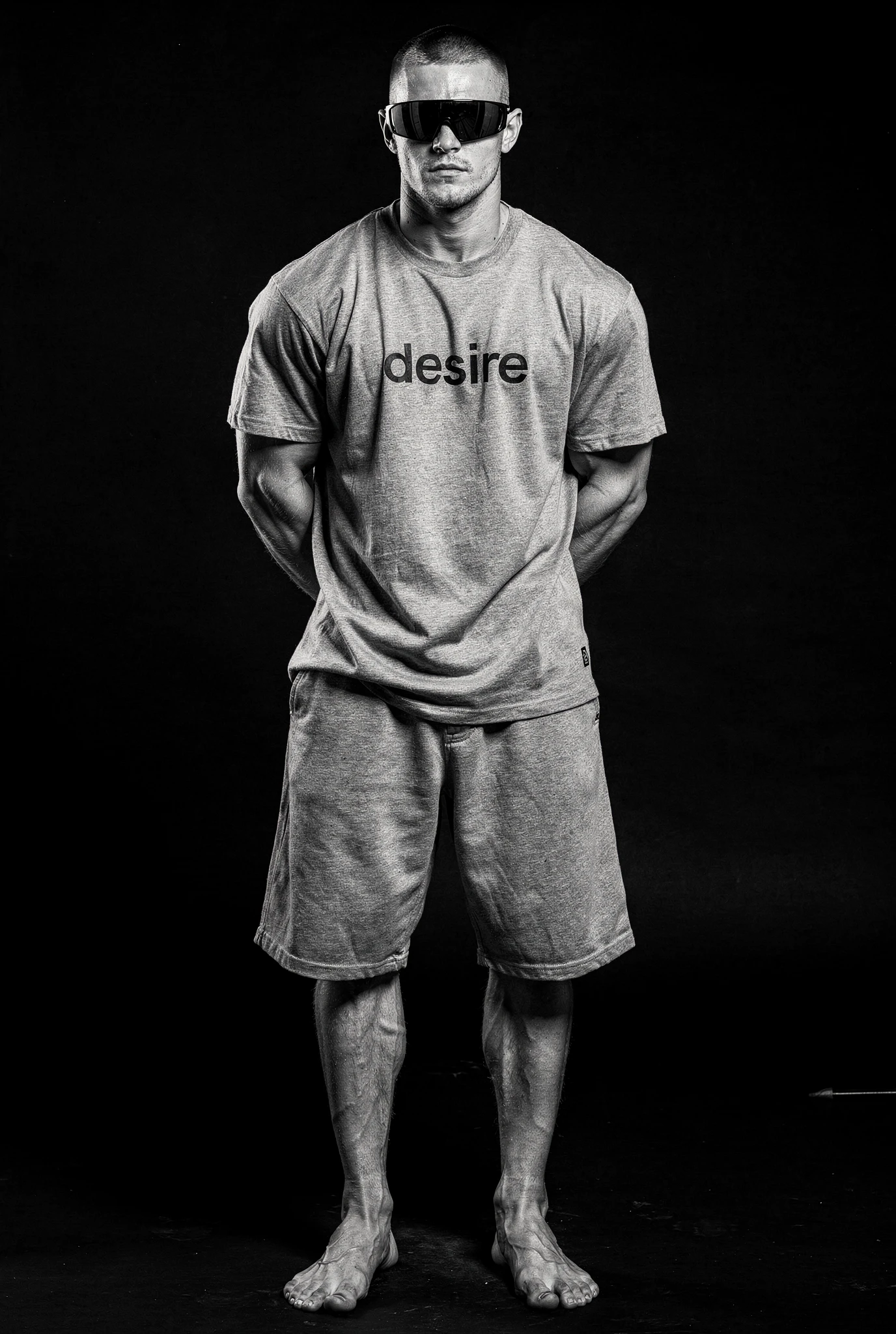
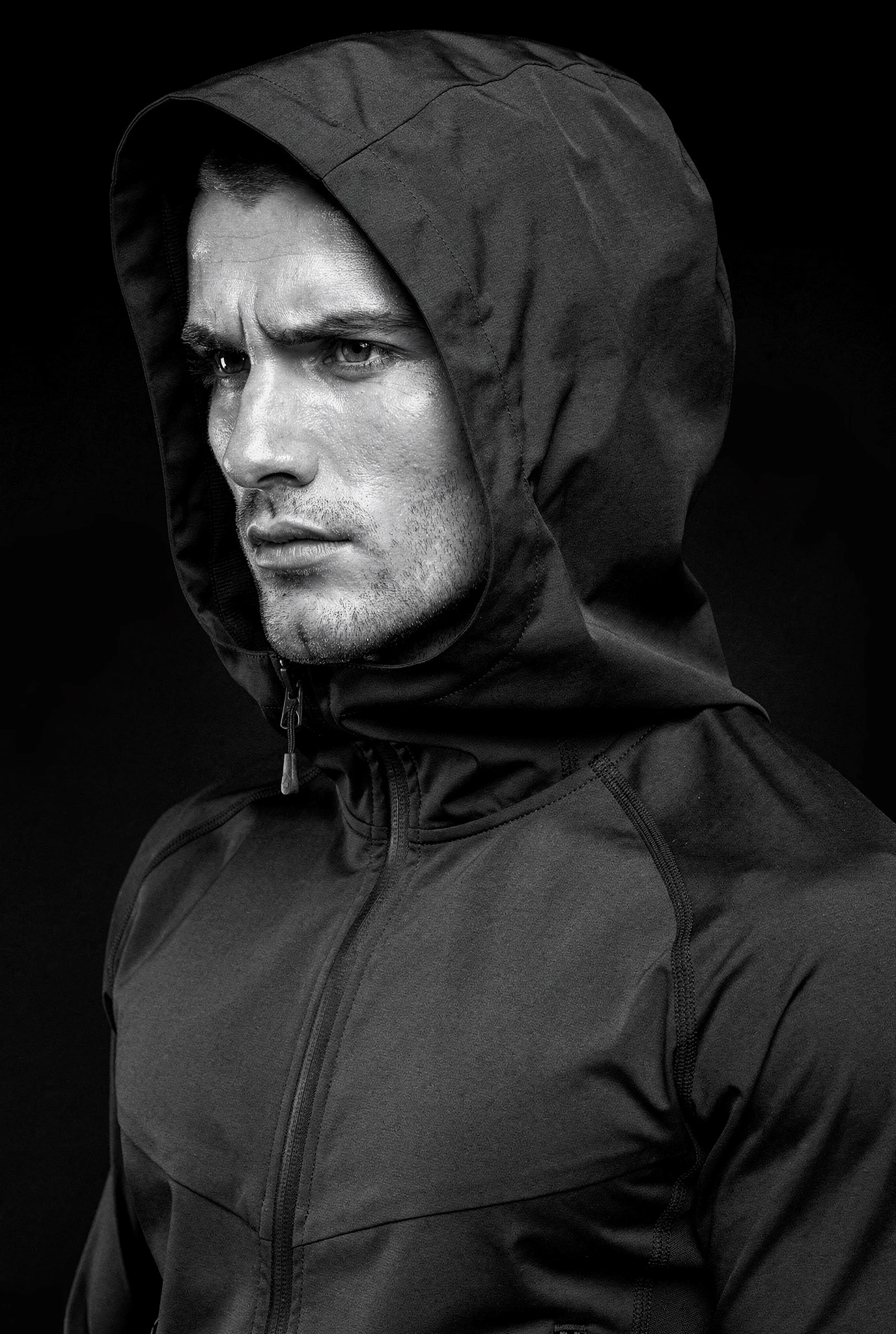
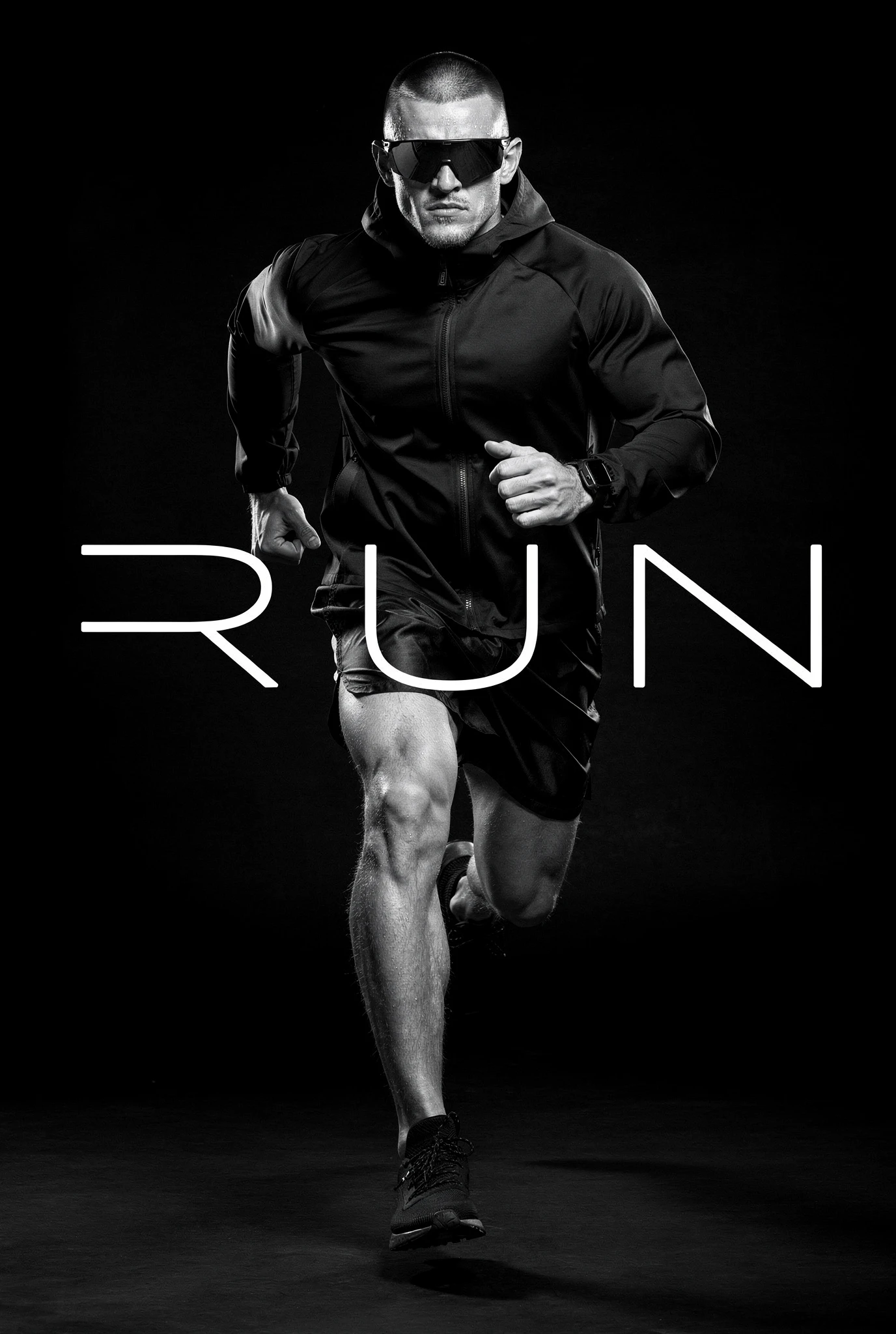
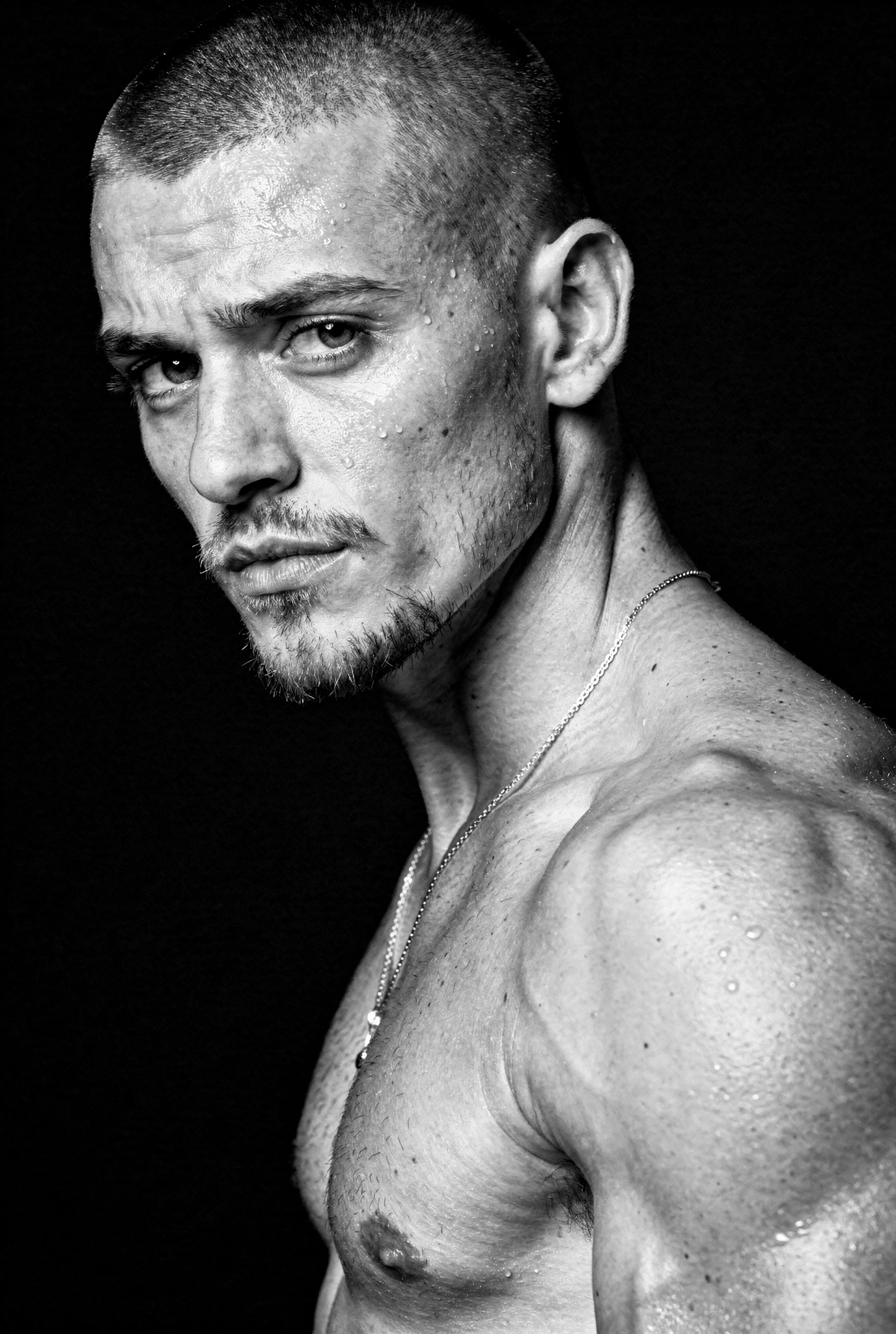
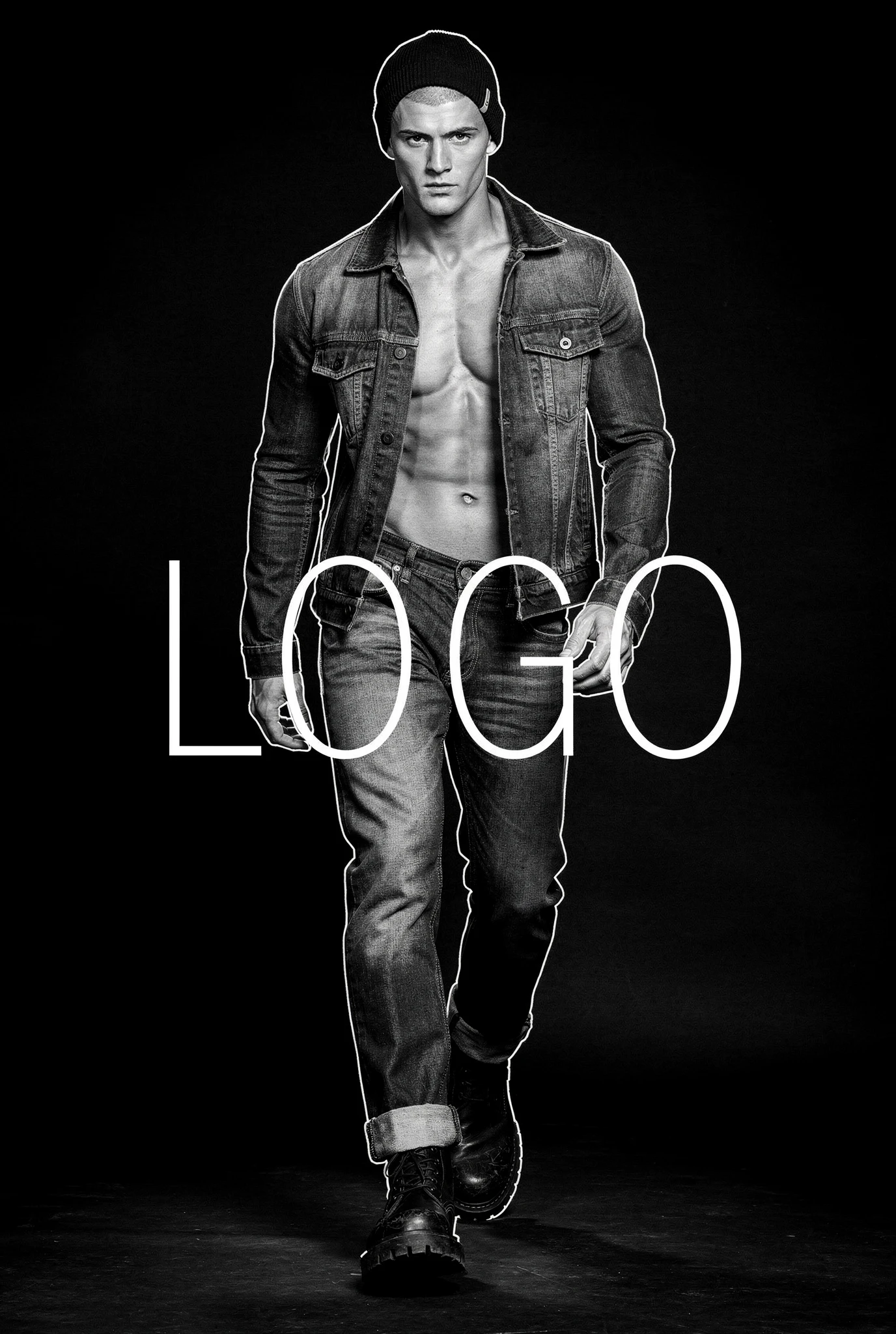
Advertising has always relied on a simple psychological mechanism: the persuasive authority of the image. A photograph appears to show something real — a body, a moment, a person standing in front of a camera. Fashion campaigns have long depended on that illusion. Models are photographed, products are staged, and desire is manufactured through images that promise a particular lifestyle or identity. Yet advertising has never been entirely truthful. It has always been a carefully constructed theatre designed to sell aspiration rather than reality. In NOIR, that theatre becomes more explicit. The men in these images never existed. No model was hired, no stylist dressed them, no photographer pressed a shutter, and no studio lights were switched on. Artificial intelligence now makes it possible to produce images of this quality without the infrastructure that once surrounded them.
A single artist working with generative tools can now construct convincing campaign imagery in minutes, without the traditional machinery of a fashion shoot. For the industry the economic advantages are obvious. But the implications reach further. The rise of AI is often framed as innovation, yet it also exposes a deeper anxiety about labour, authorship, and fears that automation may overturn the jobs market. If synthetic images can perform the same persuasive role as traditional photography, what becomes of the model, the photographer, and the wider ecosystem that once produced the image? Technically, AI systems can combine synthetic imagery with photographs of real garments or genuine products, placing them onto generated figures through techniques often described as virtual try-on or digital dressing. A single artificial model can appear across entire campaigns through digital model swapping, while garments themselves can move between bodies through forms of style or garment transfer. None of these techniques were used in the production of NOIR, yet their existence hints at how rapidly artificial intelligence is reshaping the world of commercial image production.
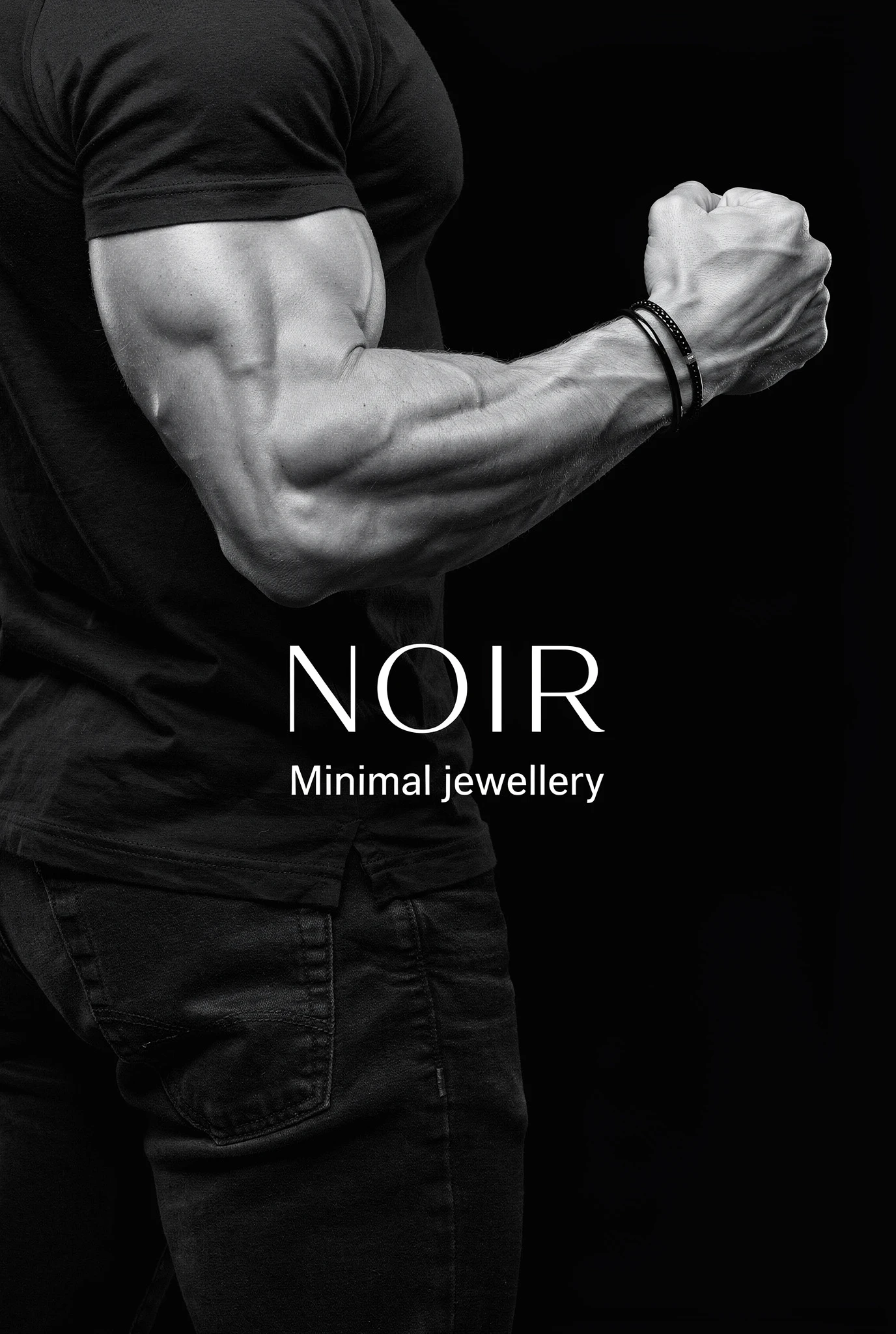
The title NOIR refers not only to the dark visual language of the images shown here, but also to a darker philosophical tone. In noir stories, certainty dissolves and the boundary between truth and illusion becomes unstable. Artificial intelligence introduces a similar ambiguity into contemporary image culture. We can now construct persuasive photographs of people who never lived, while real garments and genuine products can circulate through entirely synthetic environments. The images in NOIR are not portraits of individuals but propositions: bodies designed to signal masculinity, strength, and desire. Advertising has always manufactured desire; here, artificial intelligence simply manufactures the model as well. They could sell fragrance, clothing, jewellery, accessories — or maybe nothing at all. If the image is convincing enough, the illusion holds. In the end, the power of persuasion may not lie in the product or even the brand. The power may lie in the strength of the image itself, regardless of how it was made.
Gallery
"Anxiety is the handmaiden of creativity." — T.S. Eliot