Glitch: finding beauty in visual distortion
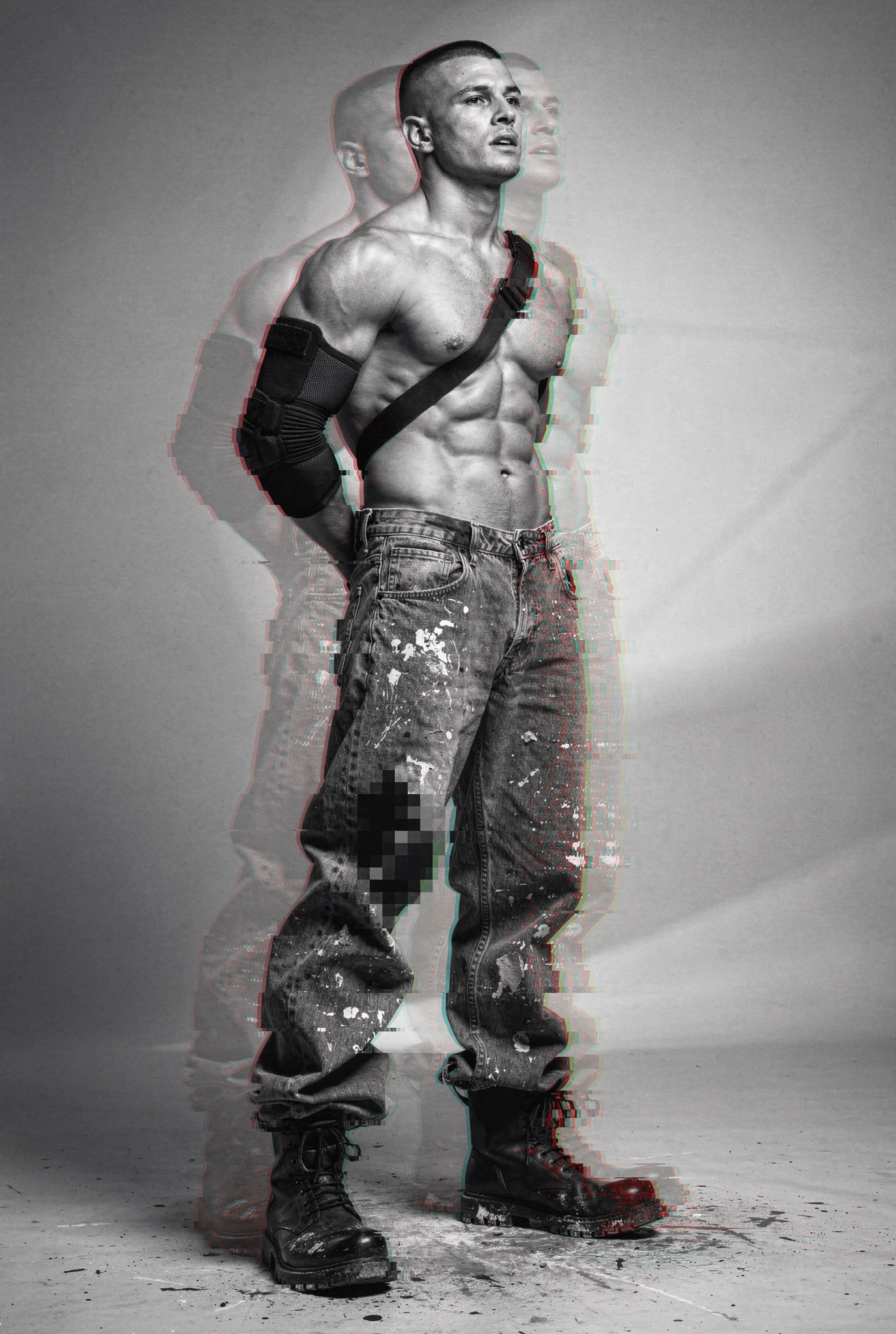
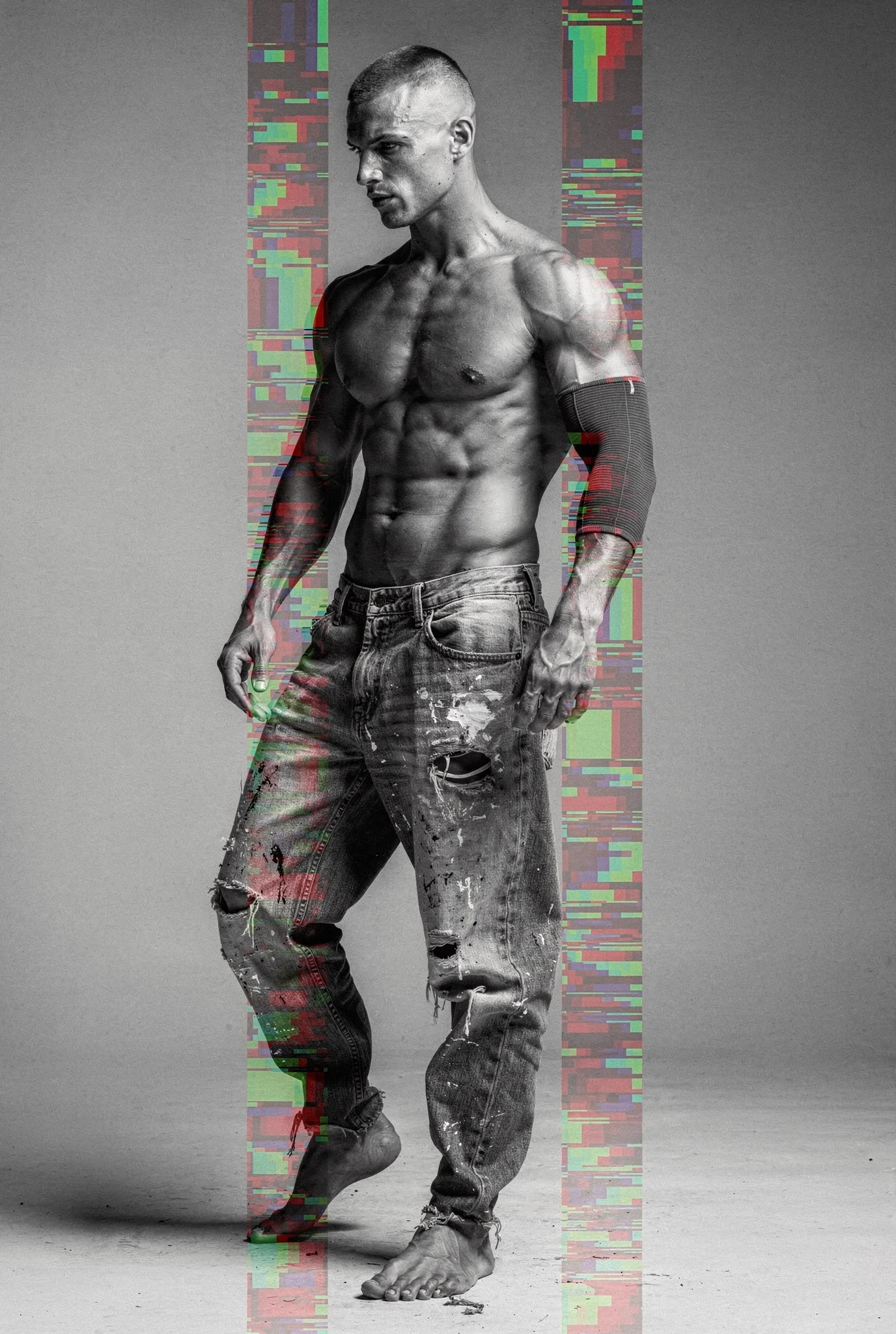
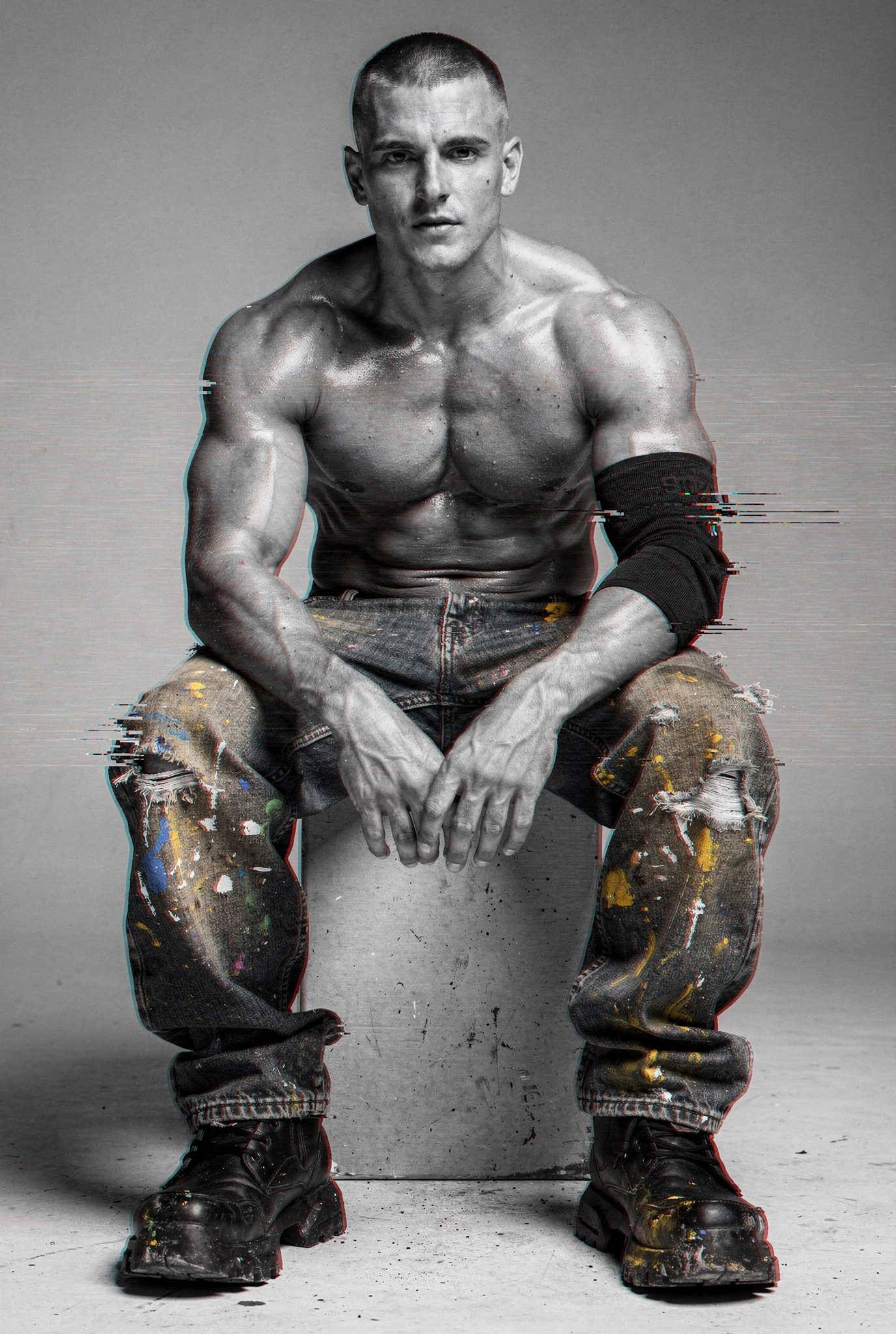
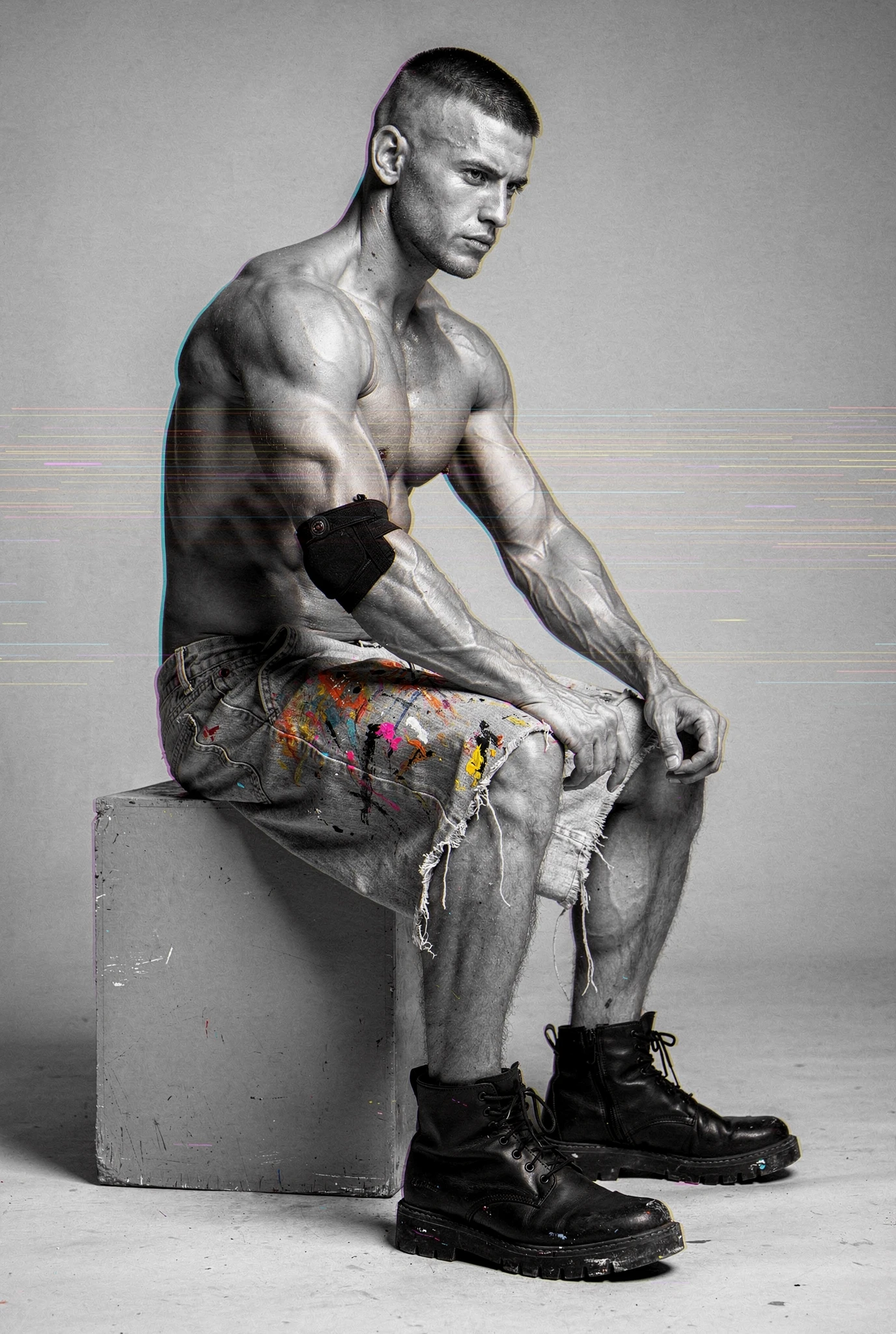
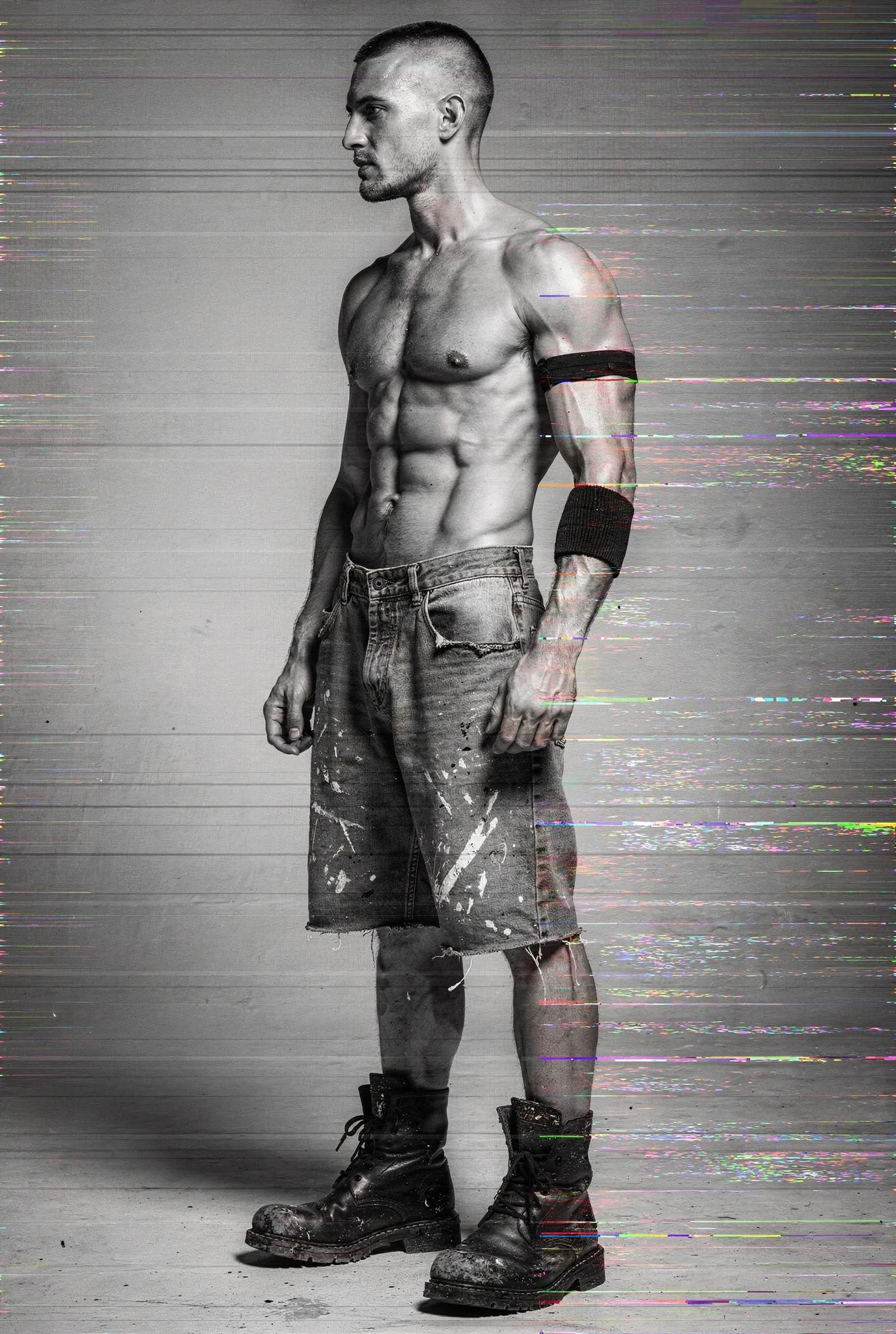
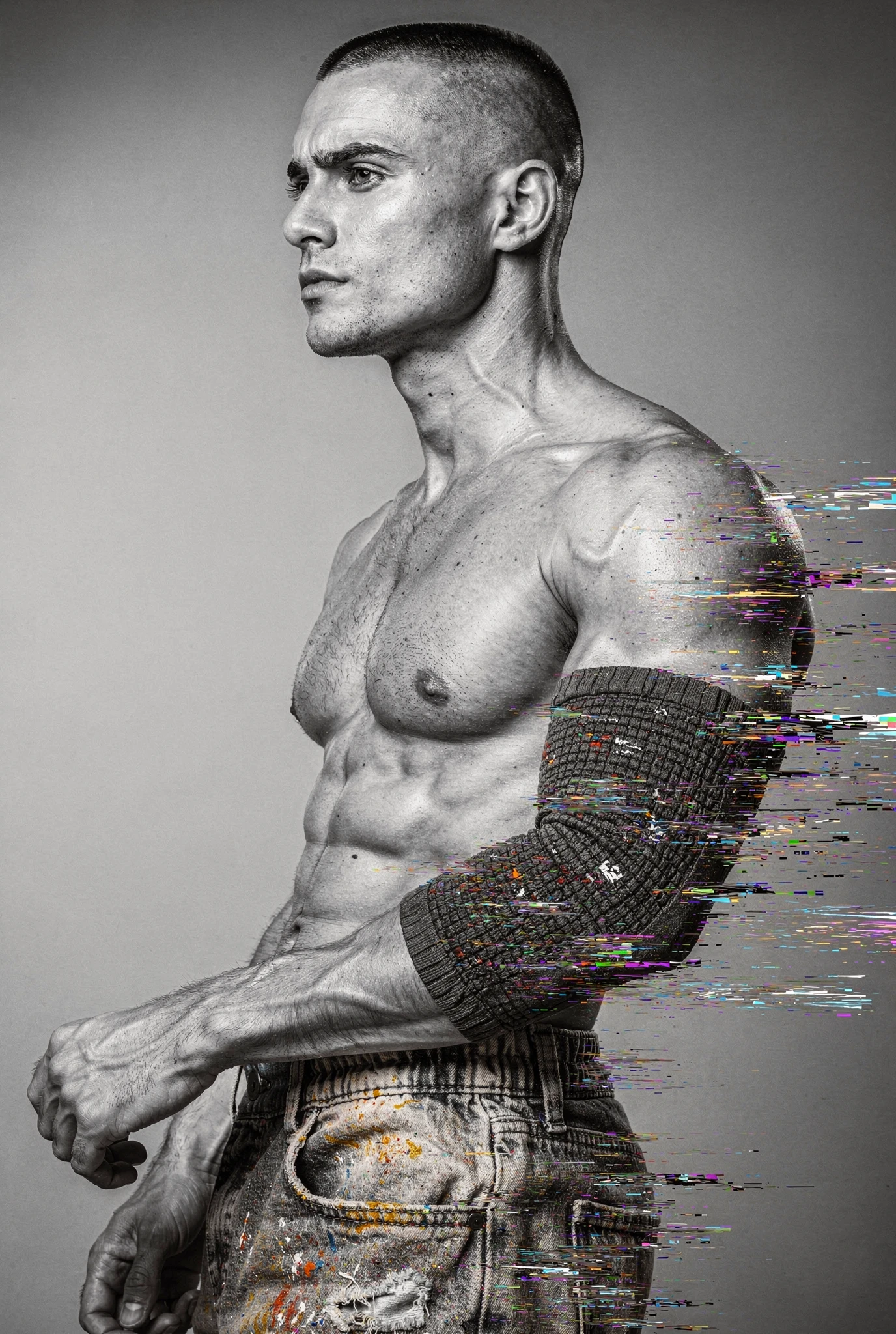
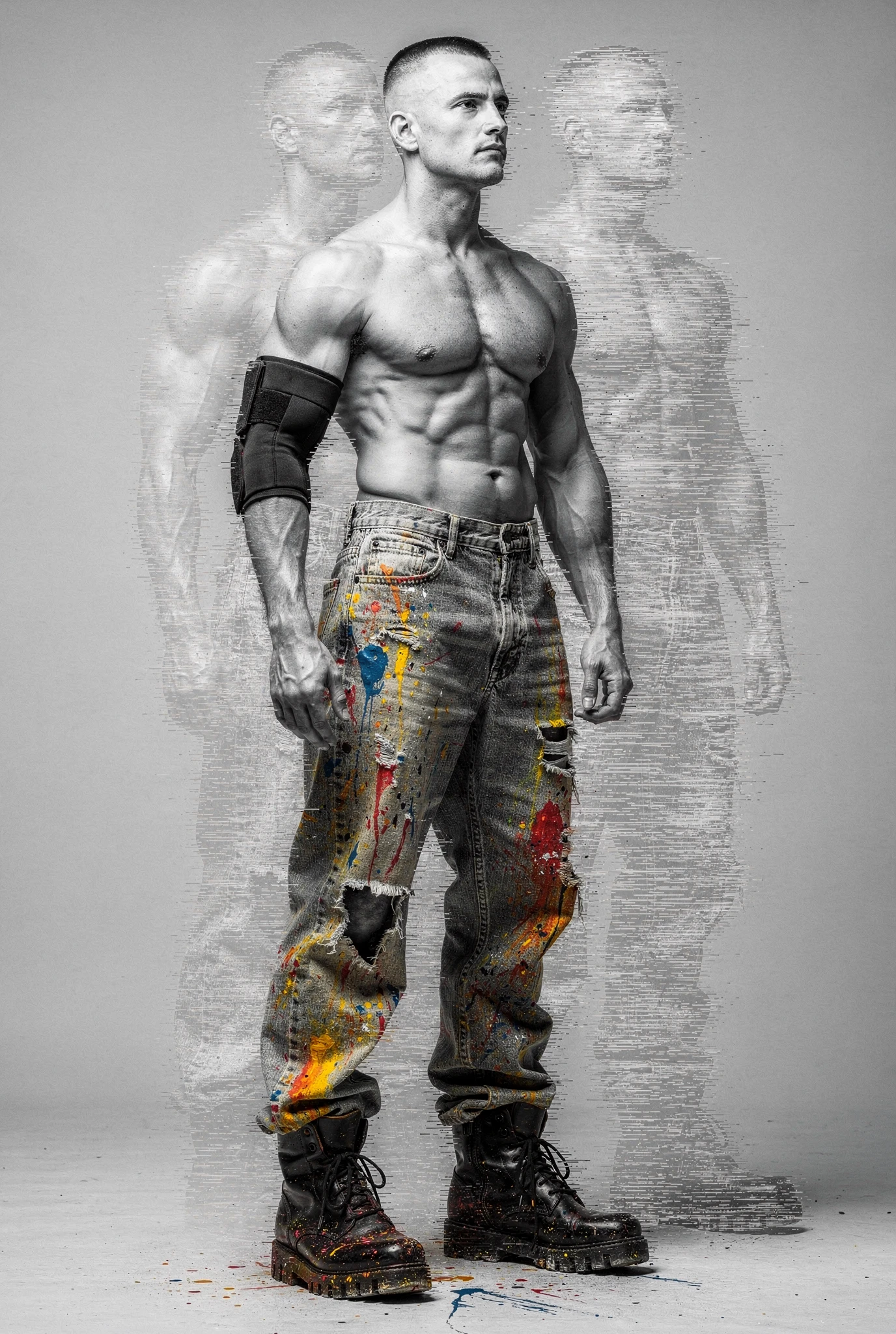
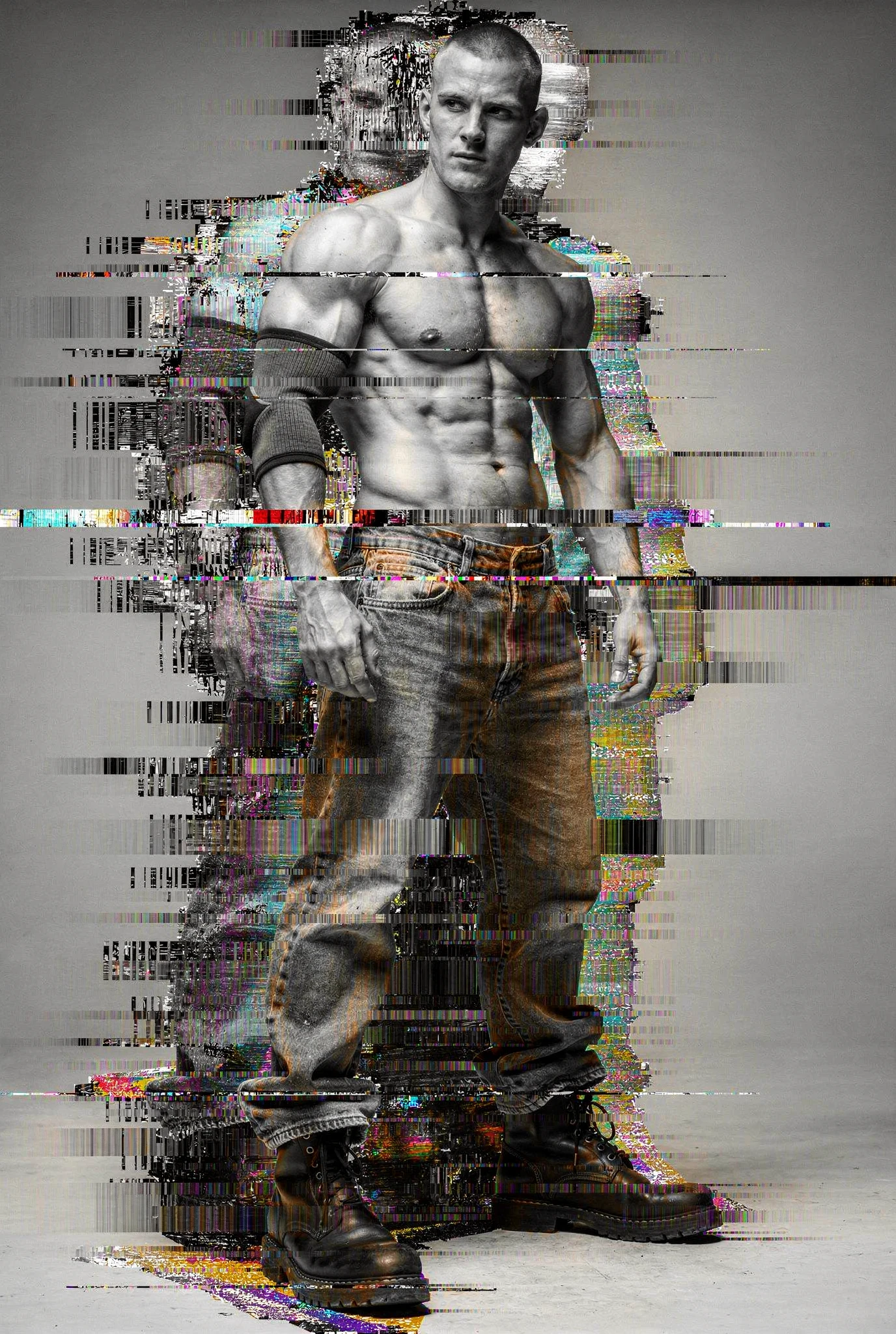
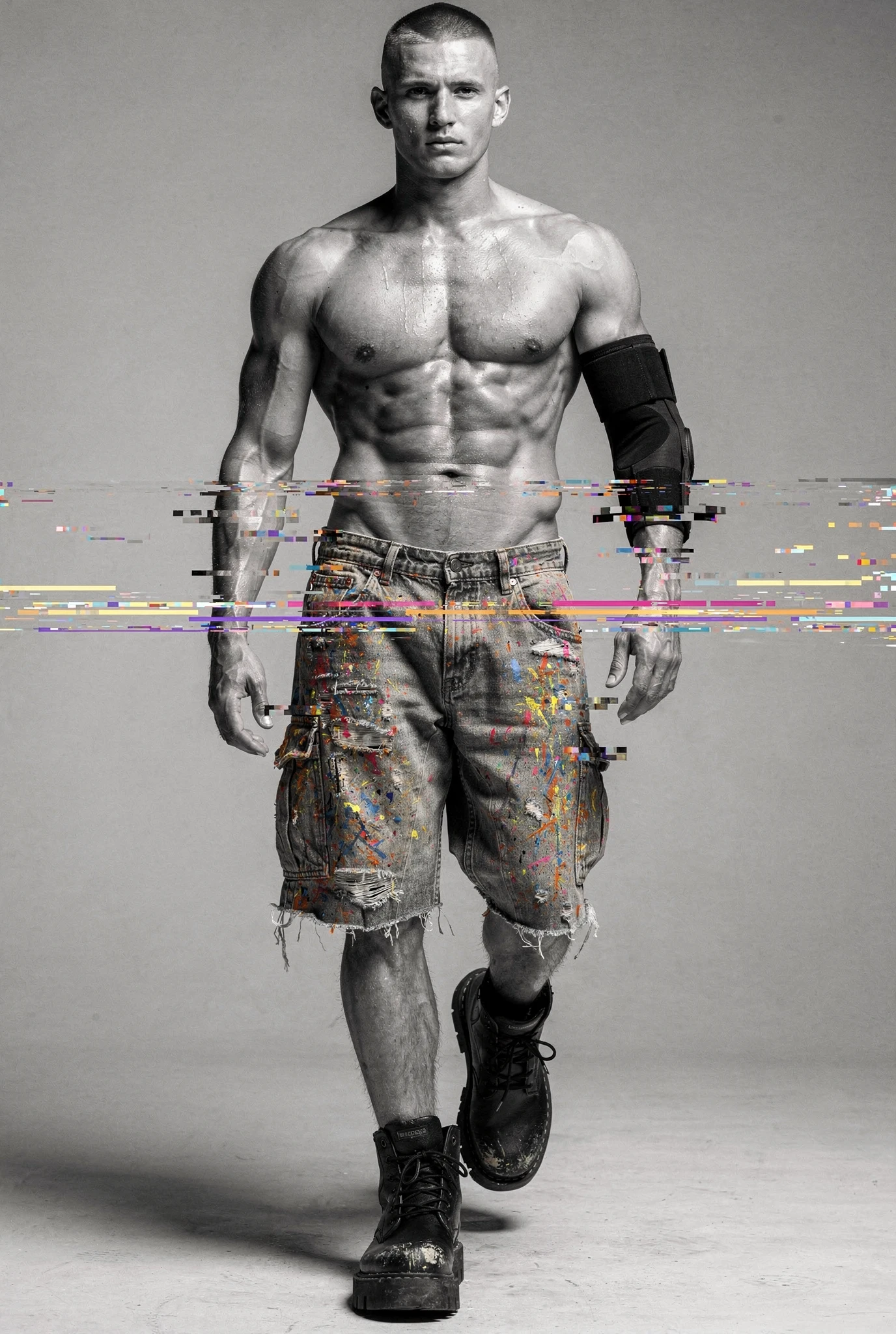
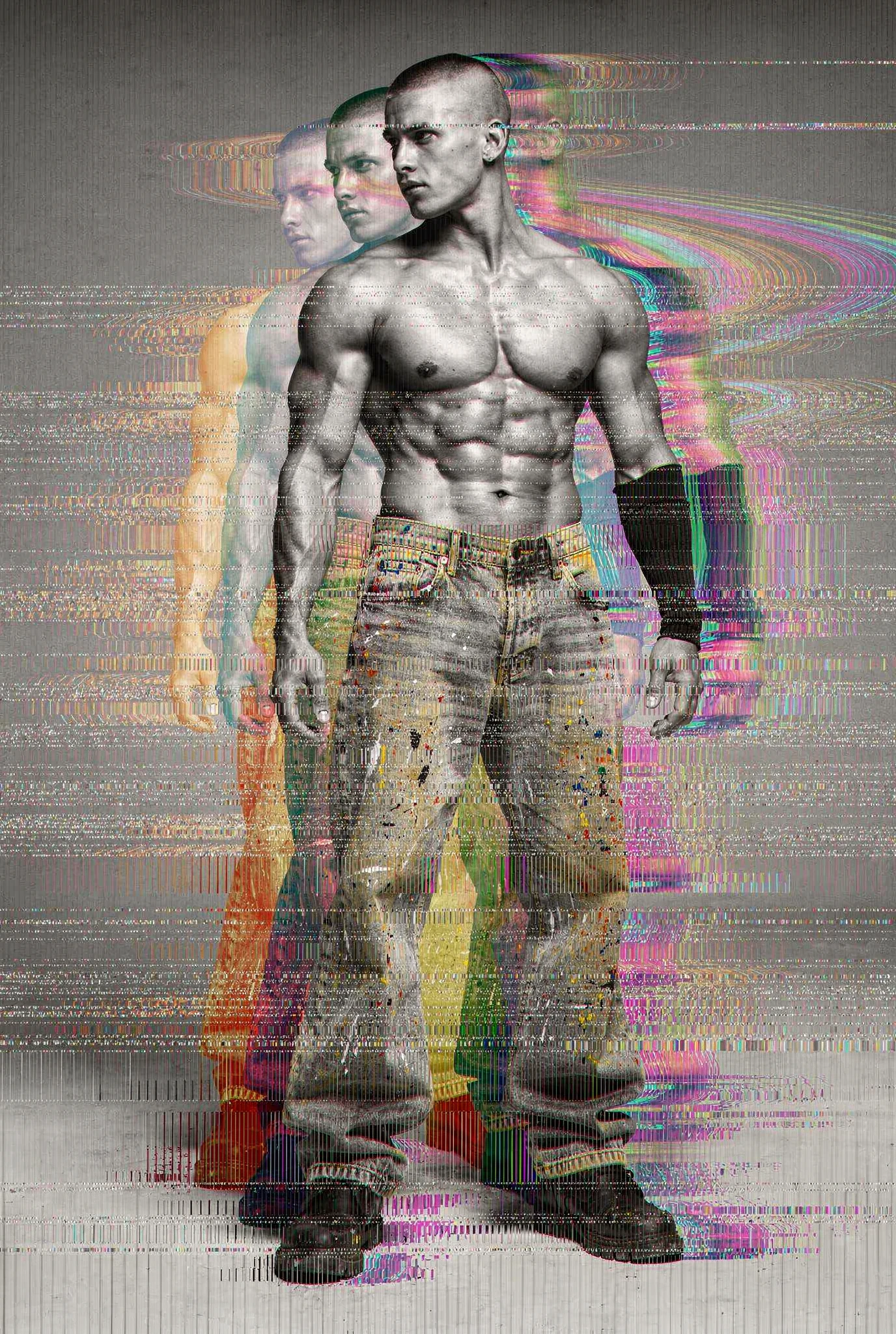
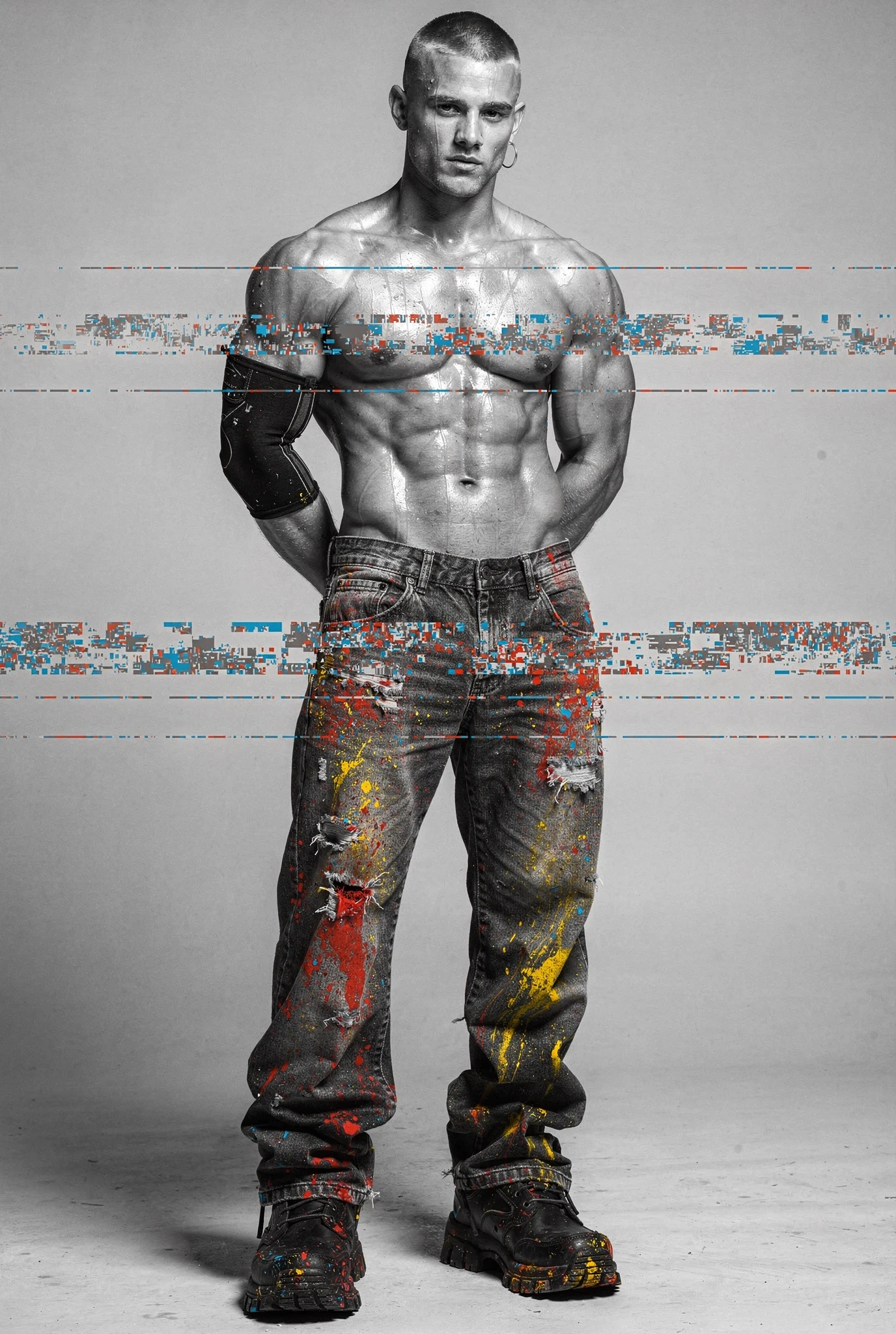
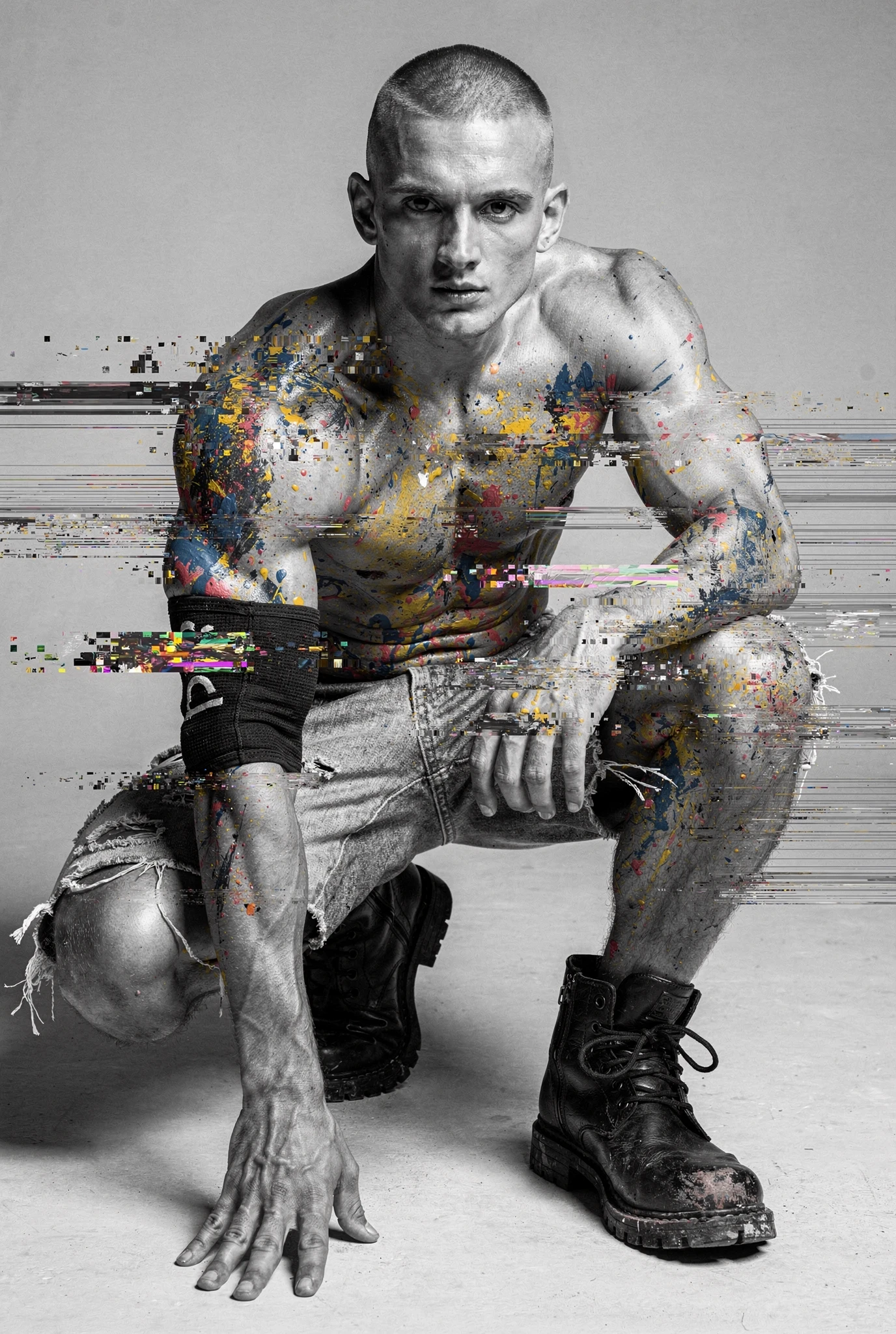
A glitch is not an effect but an event: a moment when a system reveals its own structure by failing. In digital and analogue imaging alike, corruption occurs when signals or materials are misread, misaligned, or degraded, producing artefacts that are neither intentional nor entirely random. These images do not simulate damage through post-production filters; instead, instability is written directly into their generation. The prompt functions as a fault line rather than a description, instructing the image engine to decode incorrectly, to misregister colour, to misplace fragments, to reconstruct bodies from incomplete signals. What appears broken is procedural truth: the picture records the behaviour of a machine encountering contradiction. Error becomes authorship. The failure is visible.
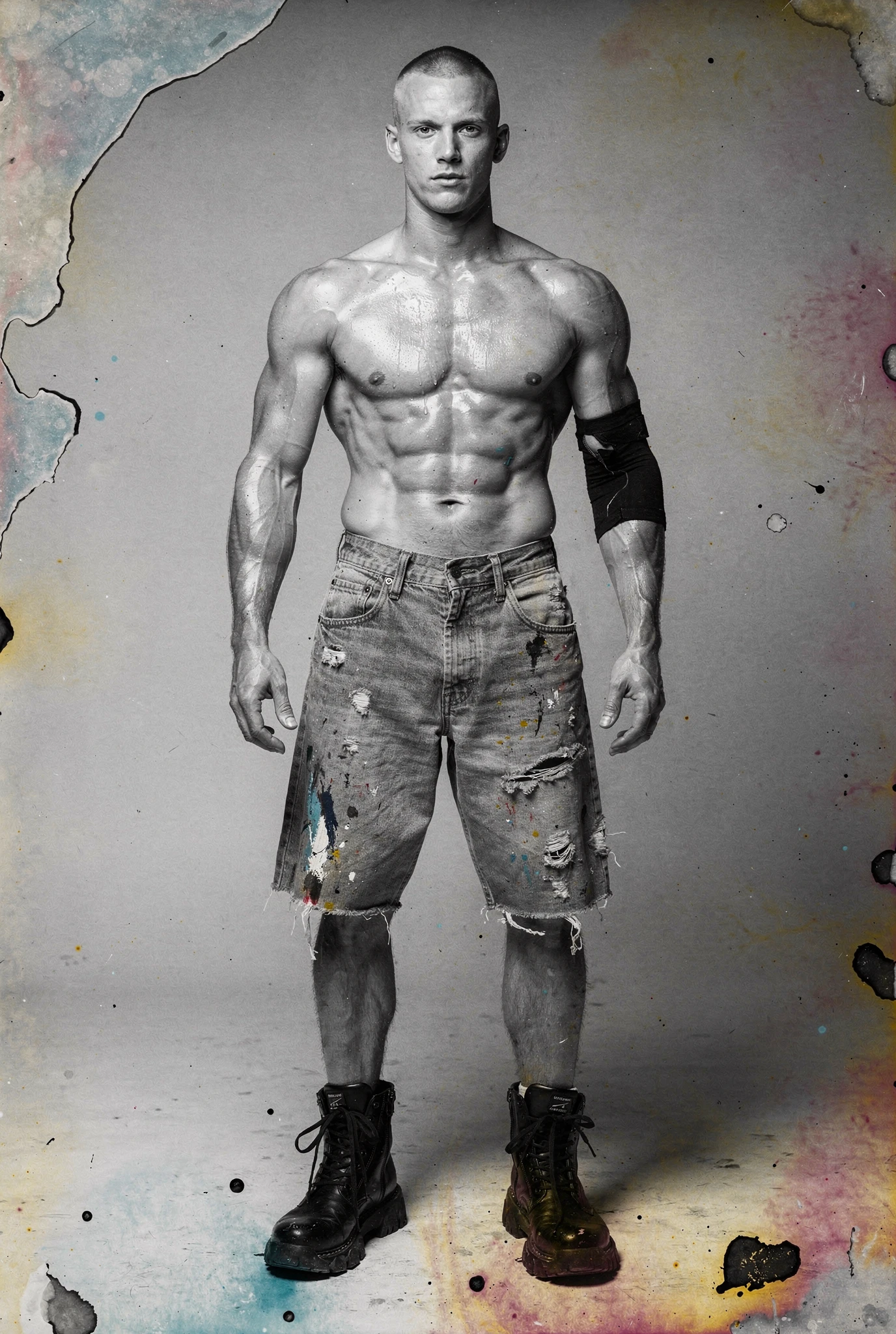
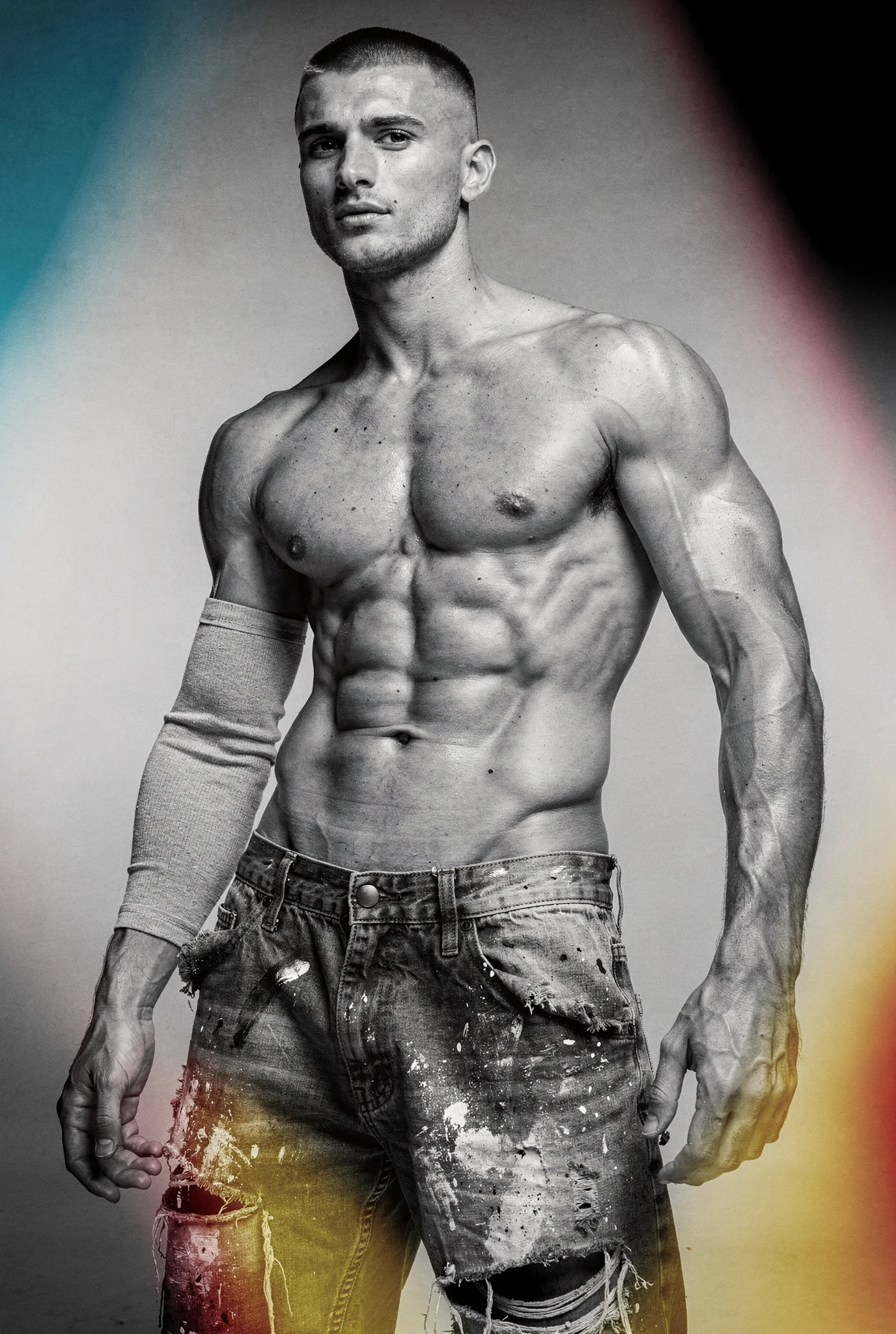
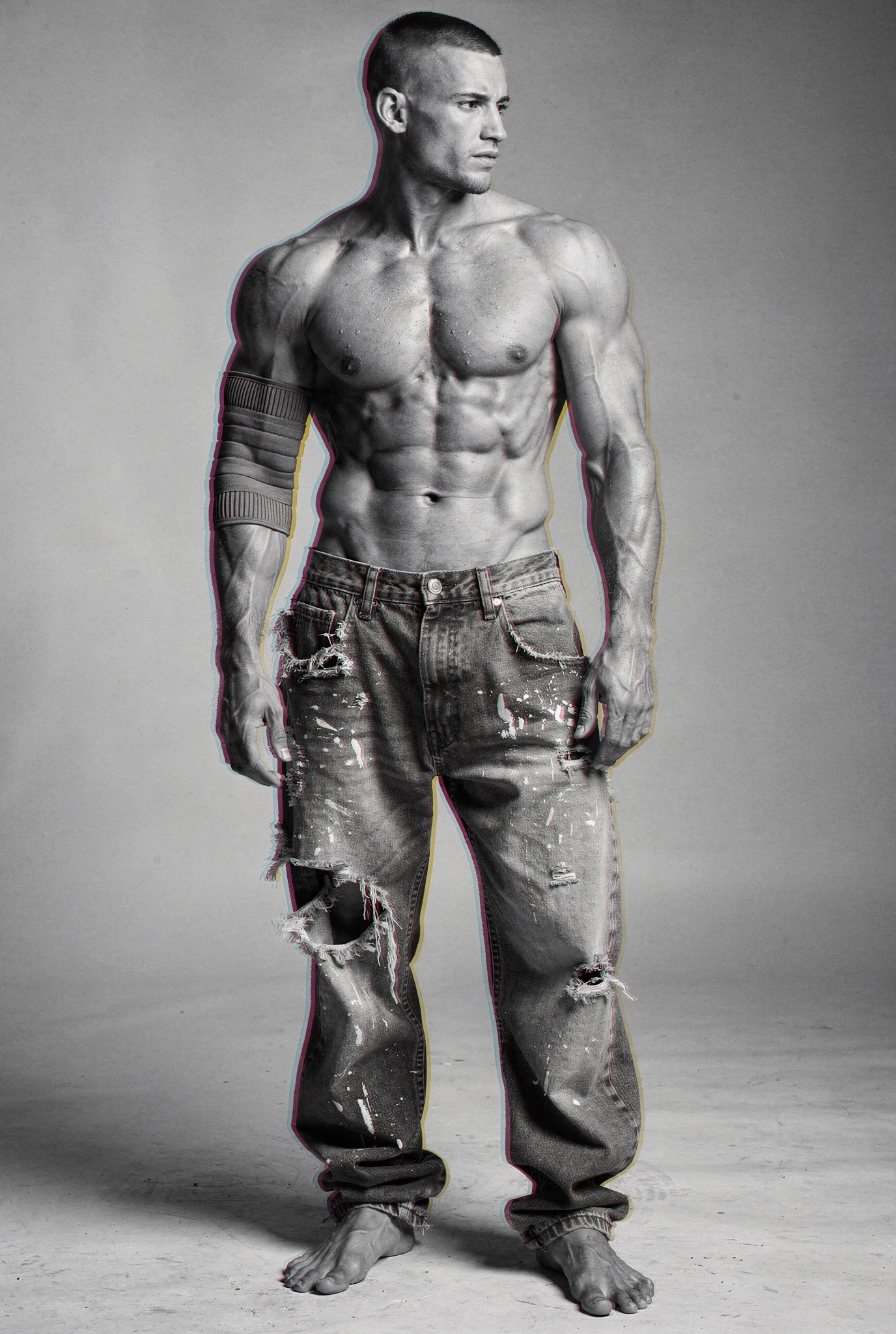
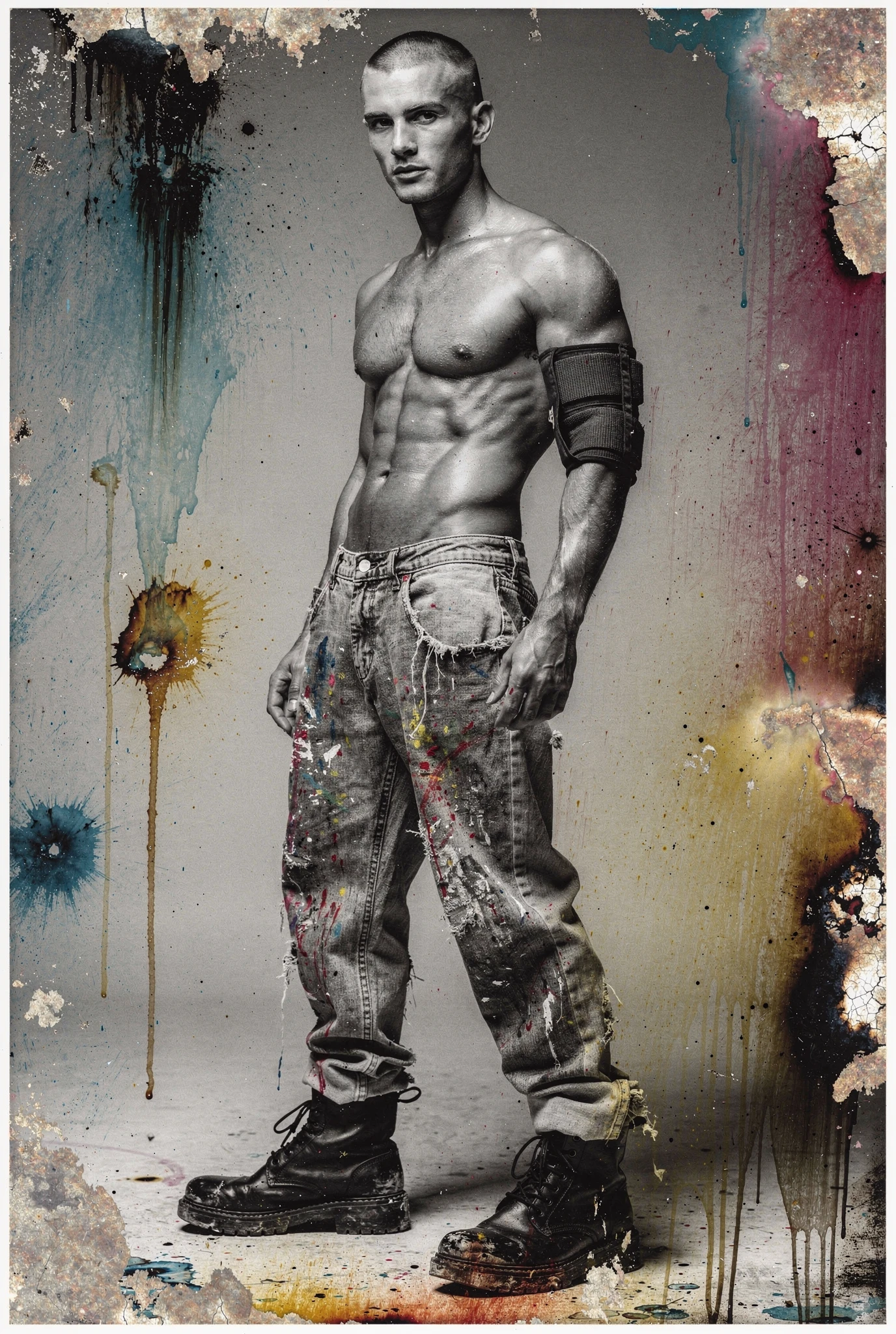
Black-and-white male portraits are presented as sites of interference. The body, traditionally treated as a stable ideal in photographic history, becomes a carrier signal disrupted by colour incursions, temporal echoes, and structural shifts. Distortions slice, duplicate, stain, and displace, yet they do not conceal form — they clarify it, because the eye searches harder when coherence begins to collapse. Beauty emerges not from perfection but from resistance, from the tension between anatomical order and electronic accident. Each figure stands inside a field of breakdown, composed and uncomposed at once, an image both present and in the process of vanishing before us.
Glitch art has long occupied the border between control and chance, treating malfunction as material rather than mistake. What was once dismissed as technical error is now recognised as a visual language with its own grammar of fractures, offsets, and absences. These works extend that lineage by relocating the glitch from surface treatment to generative origin: the disturbance is not applied to the image but born with it. The result is a portrait that documents two subjects simultaneously — a human figure and the system interpreting it. In that doubled authorship lies the project's premise: distortion is not the opposite of truth, but one of its clearest signatures.
Gallery

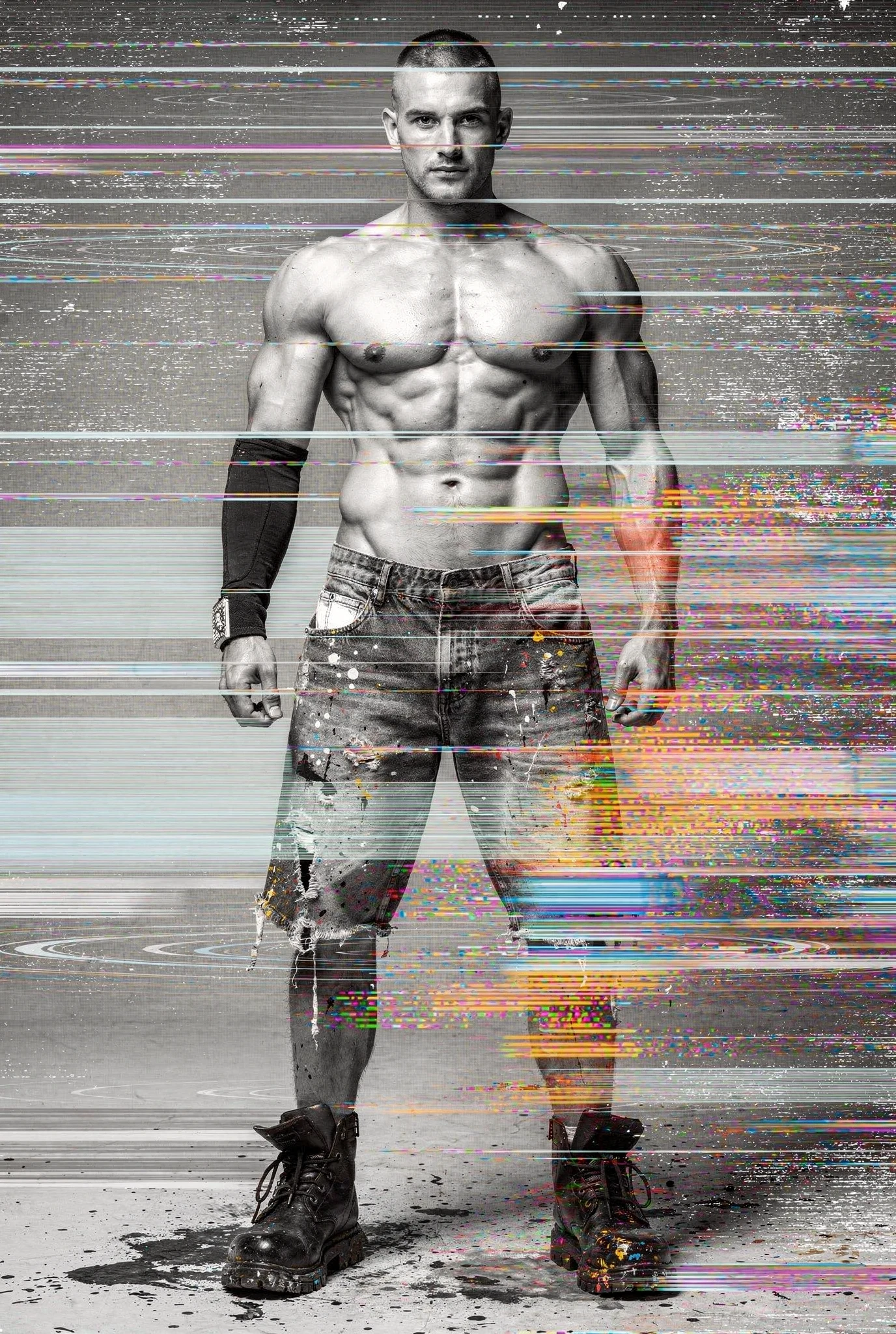
"Fail again. Fail better." — Samuel Beckett