Vita: still life without life
Vita begins with the still life, one of the oldest and most burdened genres in Western art. Popularised in the 17th century, it focuses on composition, texture, and light, often carrying themes of mortality, vanitas, domesticity, and daily life. For centuries it has been a theatre of arrangement, a place where flowers, vessels, cloth, metal, fruit, and domestic objects were made to carry more than themselves. Still life has always dealt in matter, but also in time: bloom and decay, ripeness and spoilage, touch and use, abundance and loss. Its authority came not only from composition but also from origin. However stylised or symbolic the image became, the objects it depicted still seemed to belong to a world beyond the frame. Vita keeps the grammar of still life intact while removing that guarantee. What remains is not dead nature, but something stranger: still life without life.
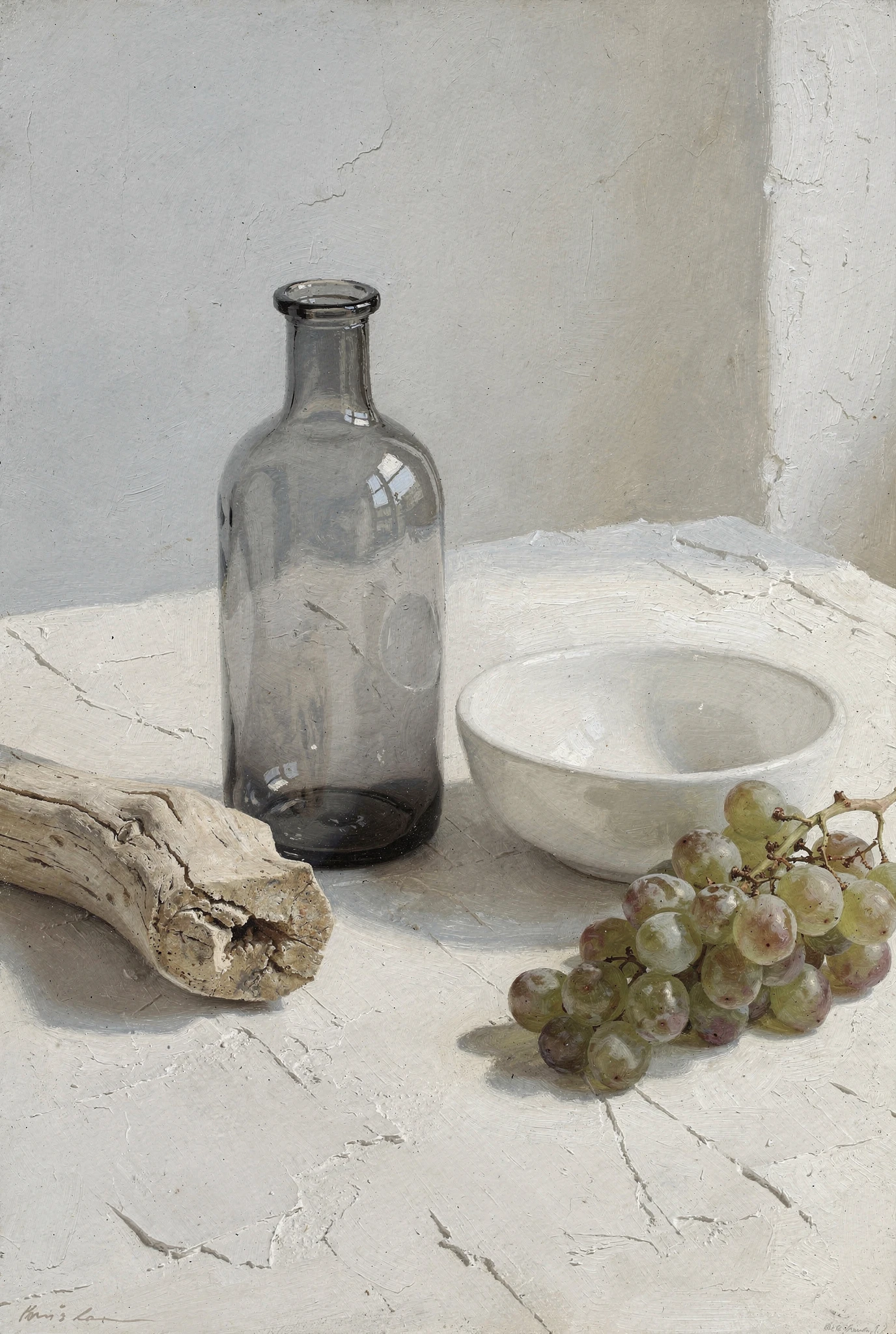
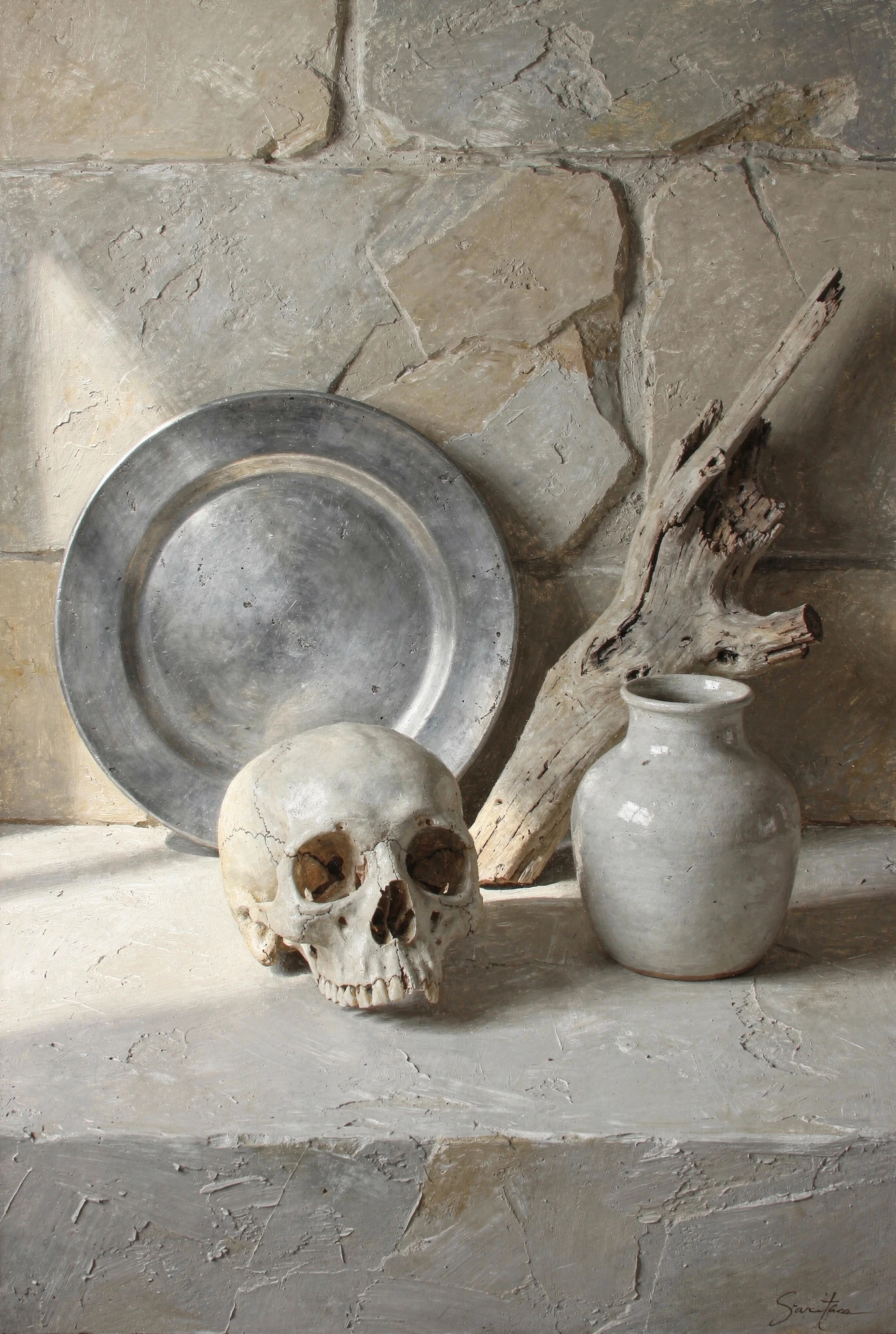
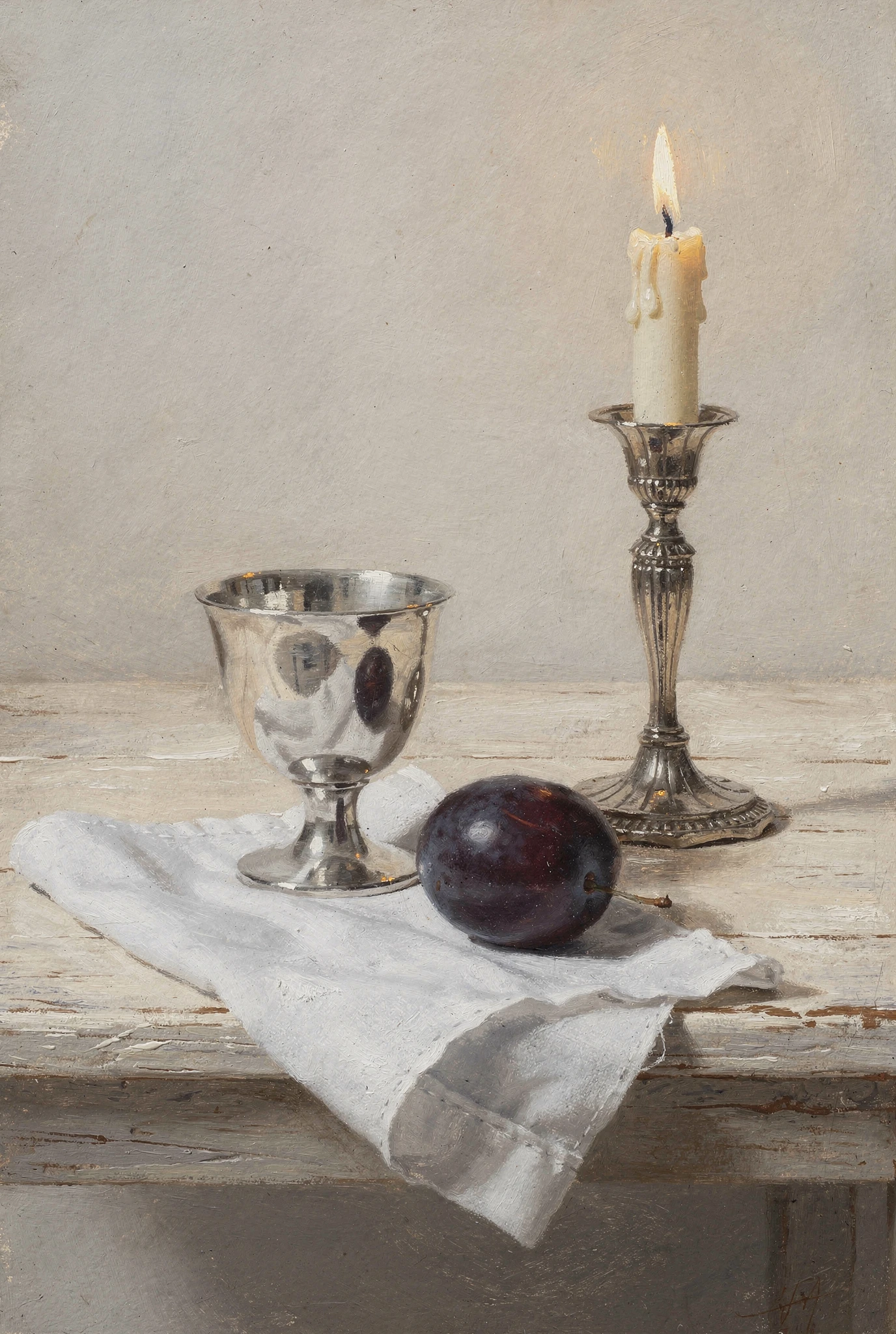
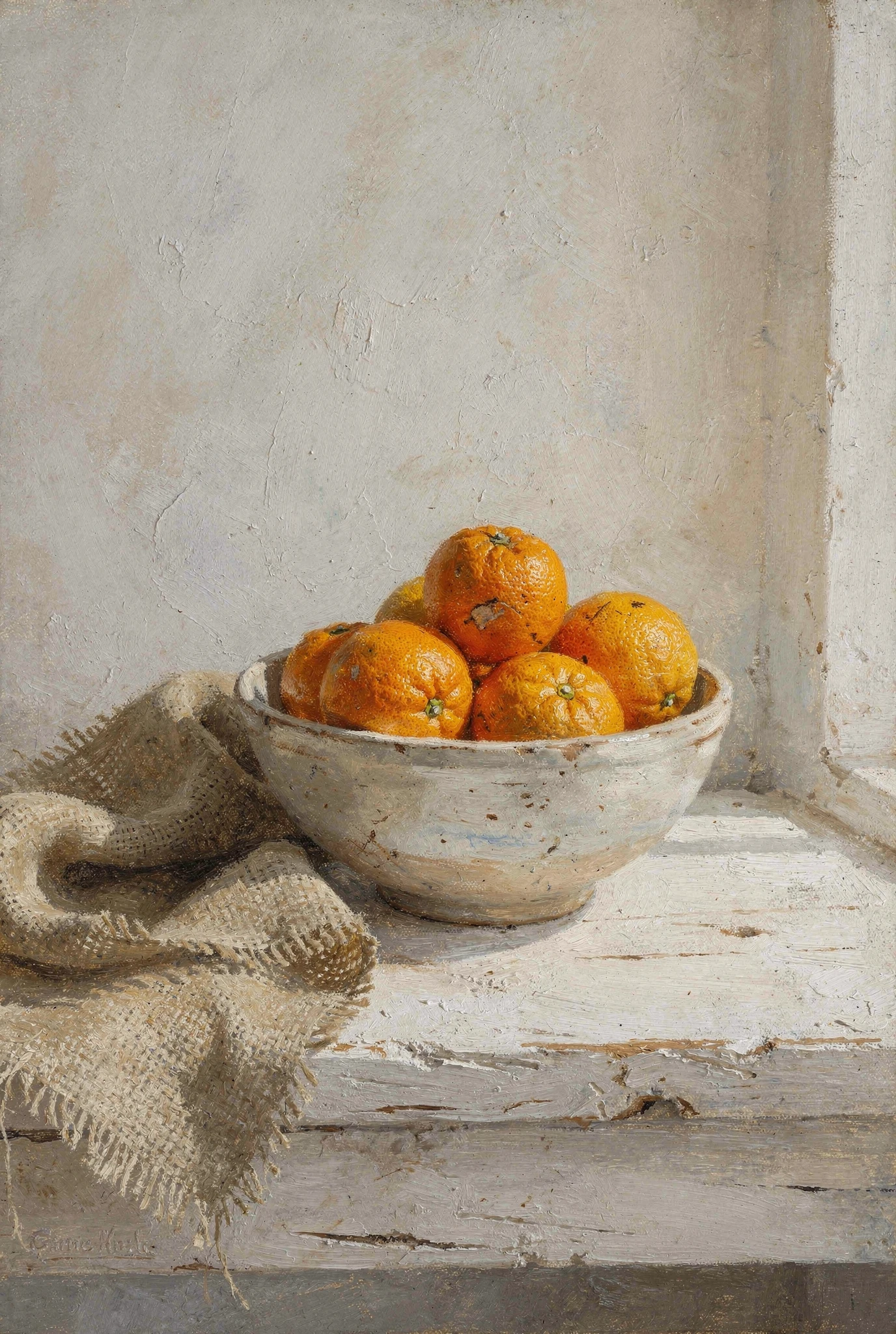
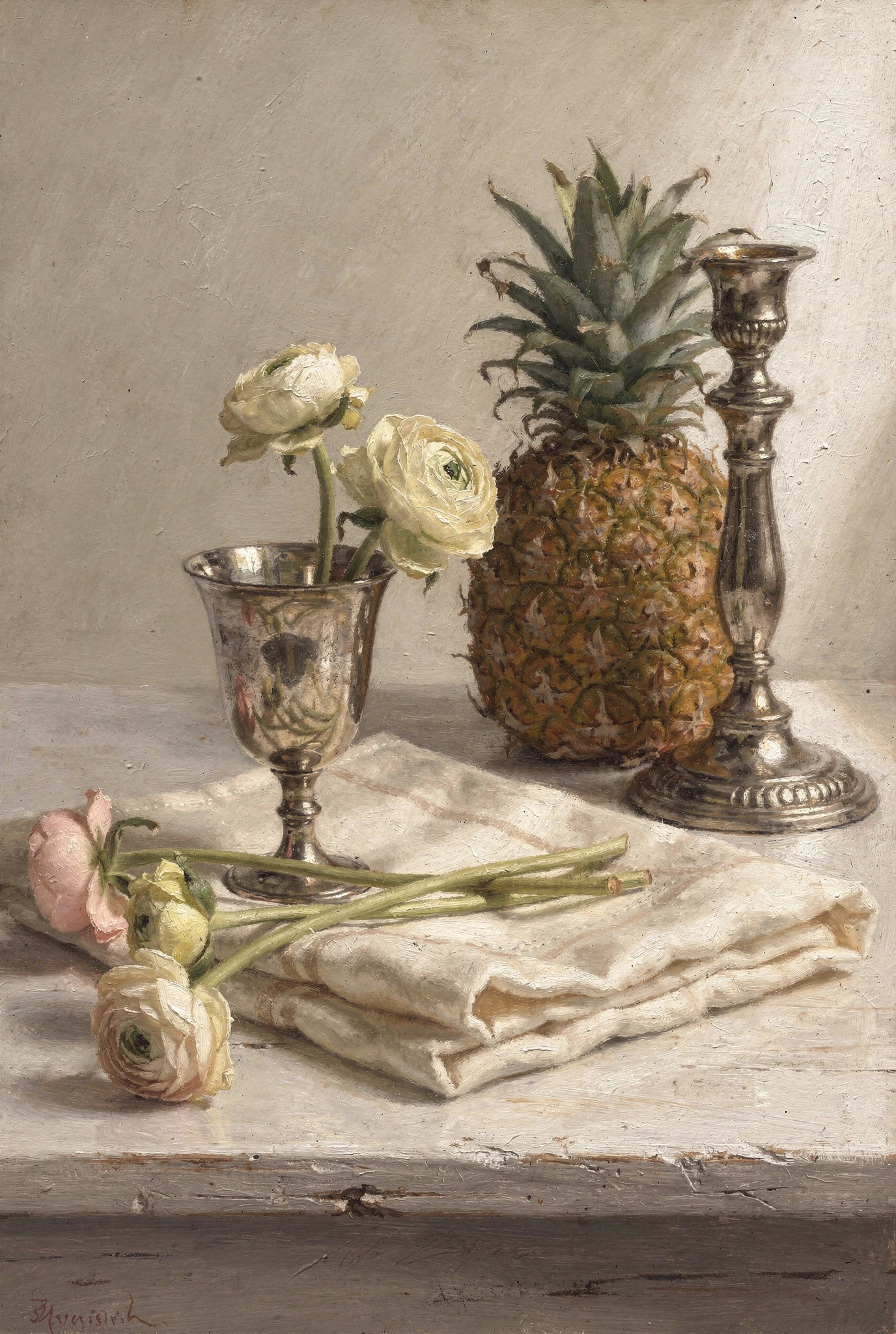
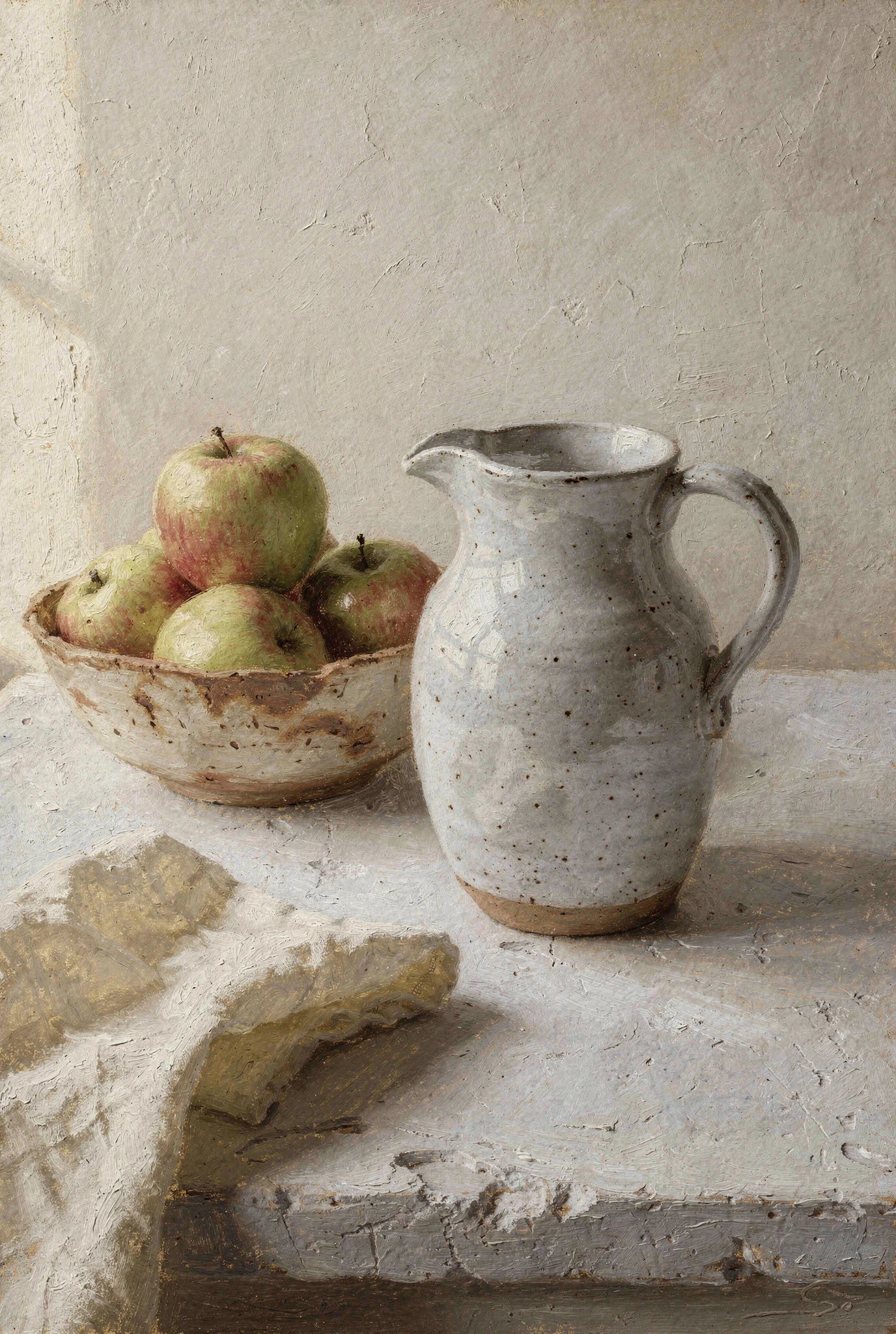
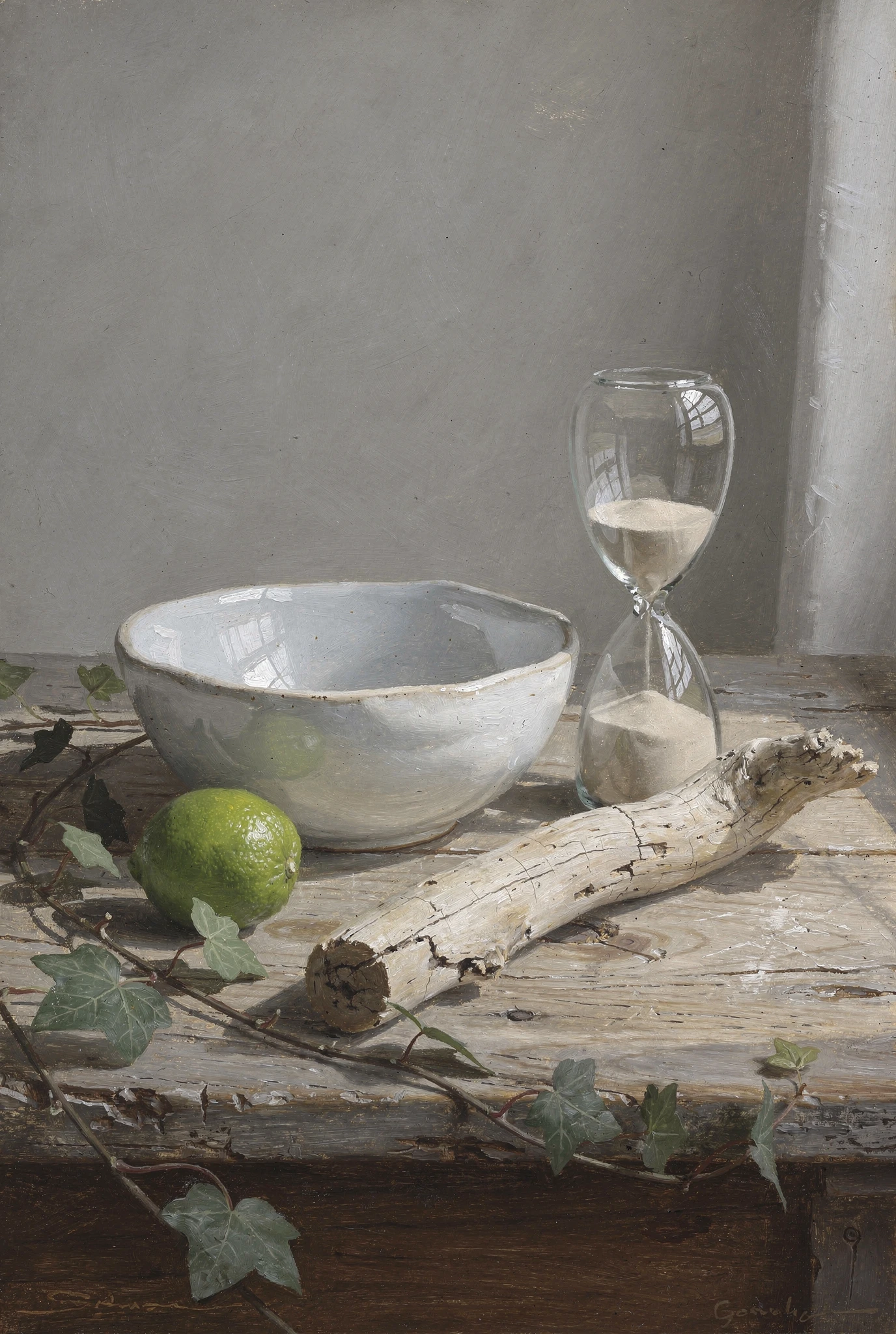
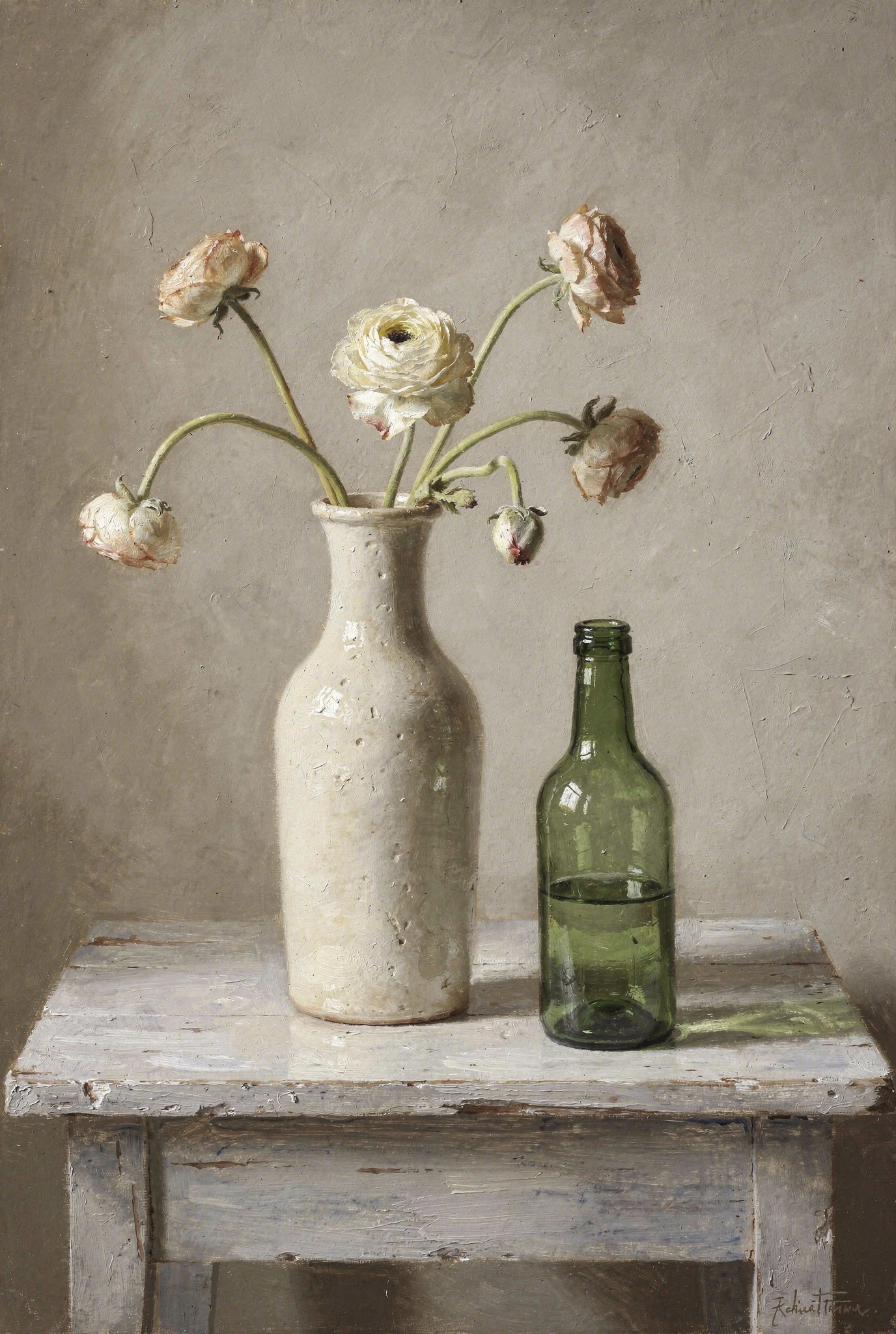
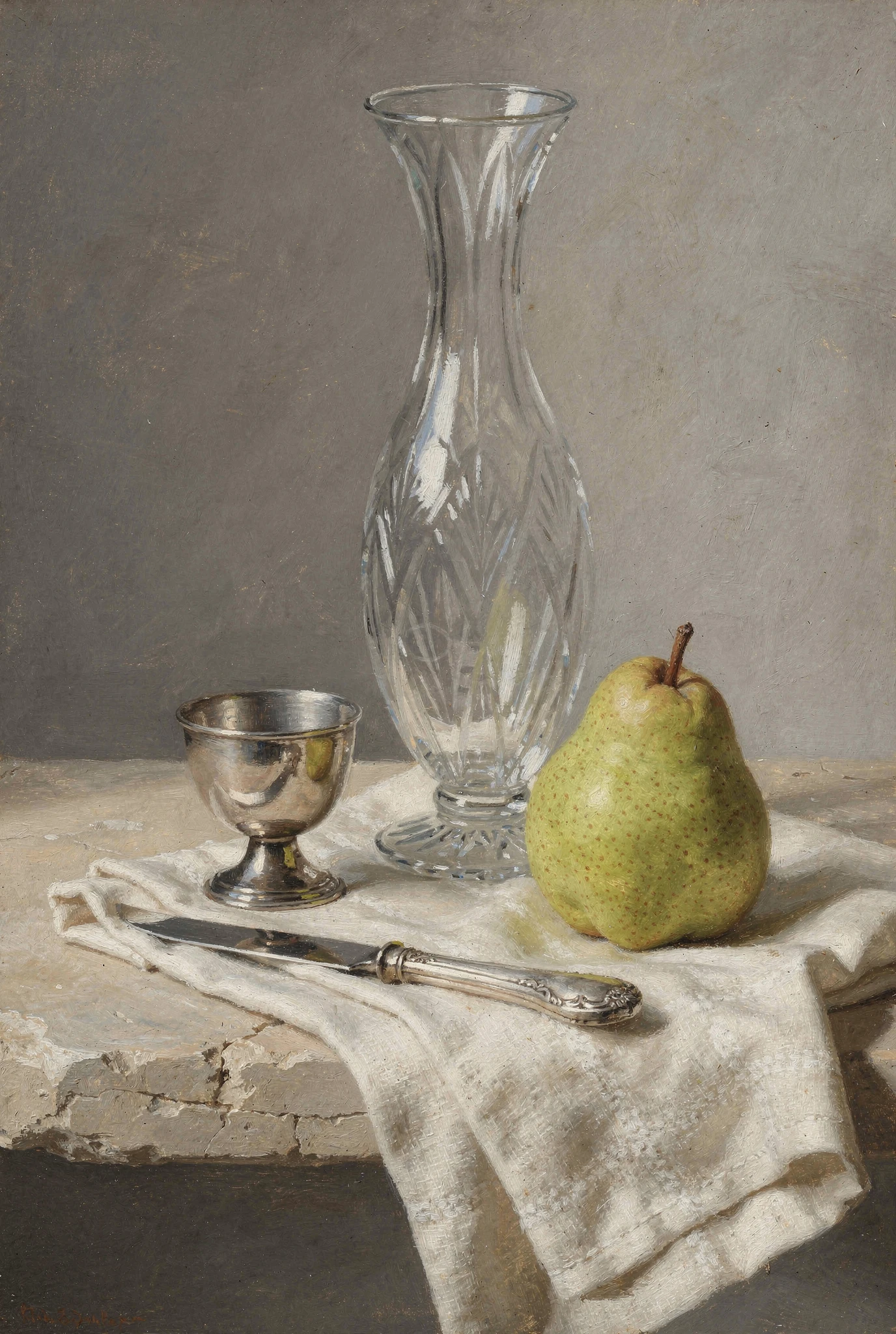
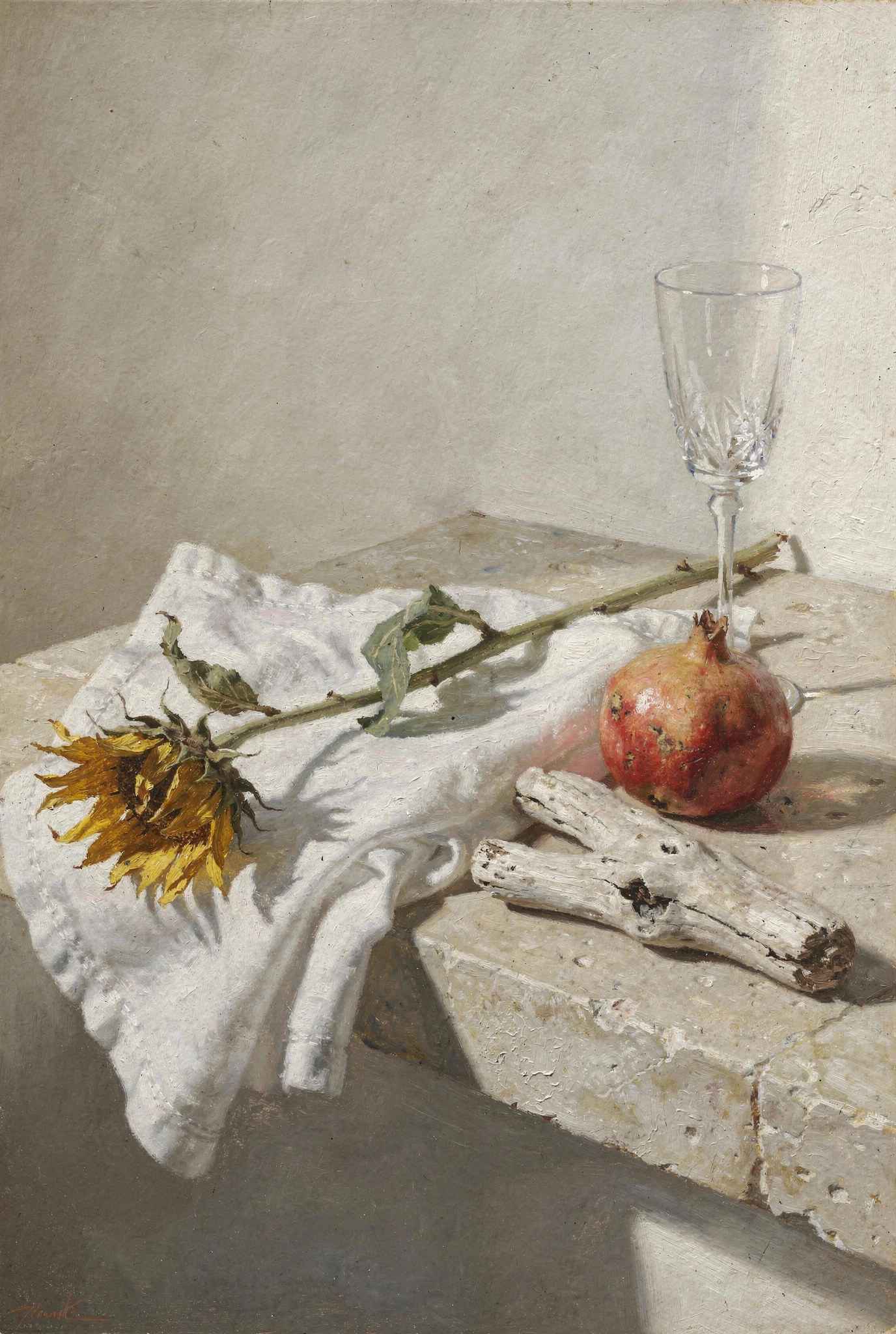
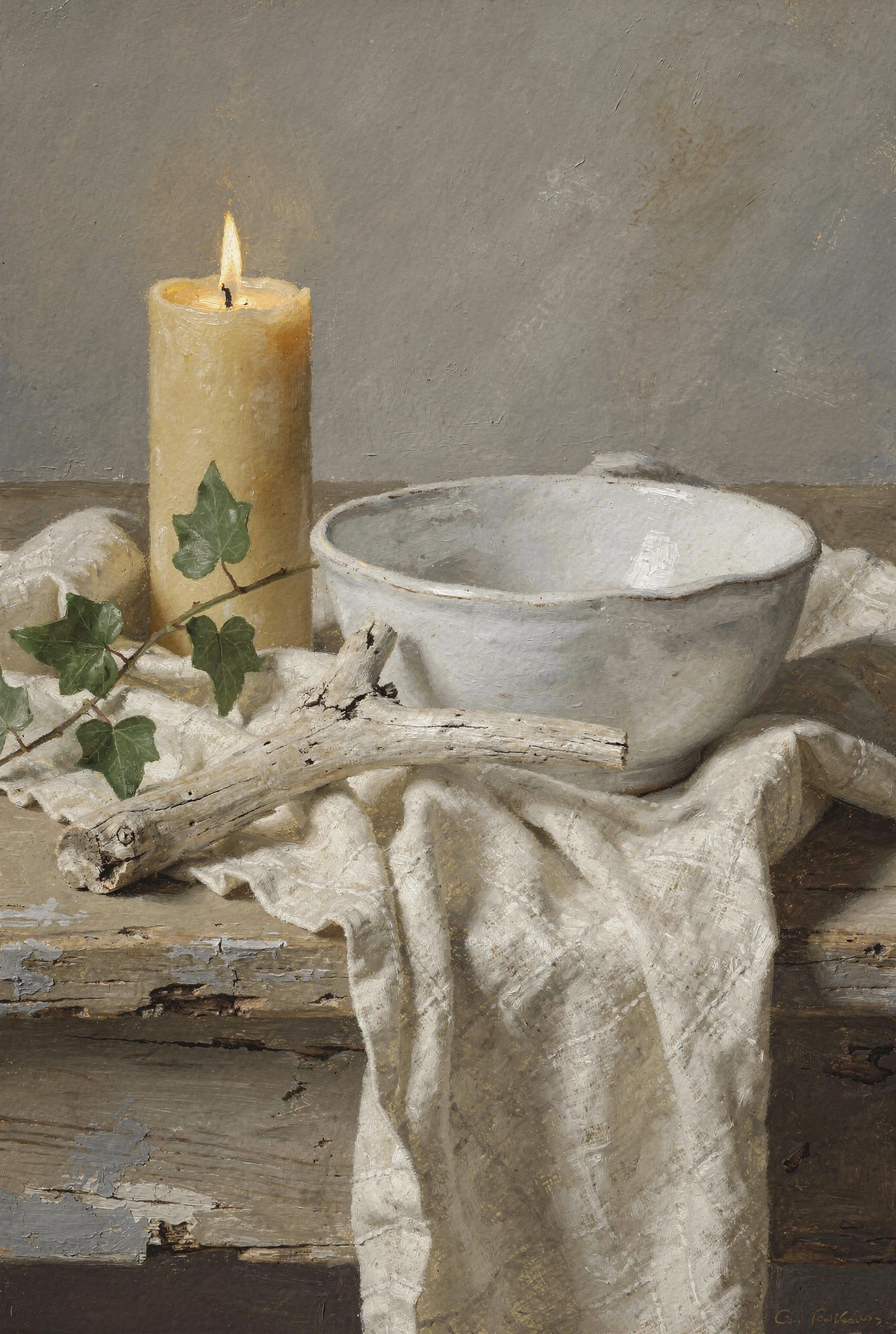
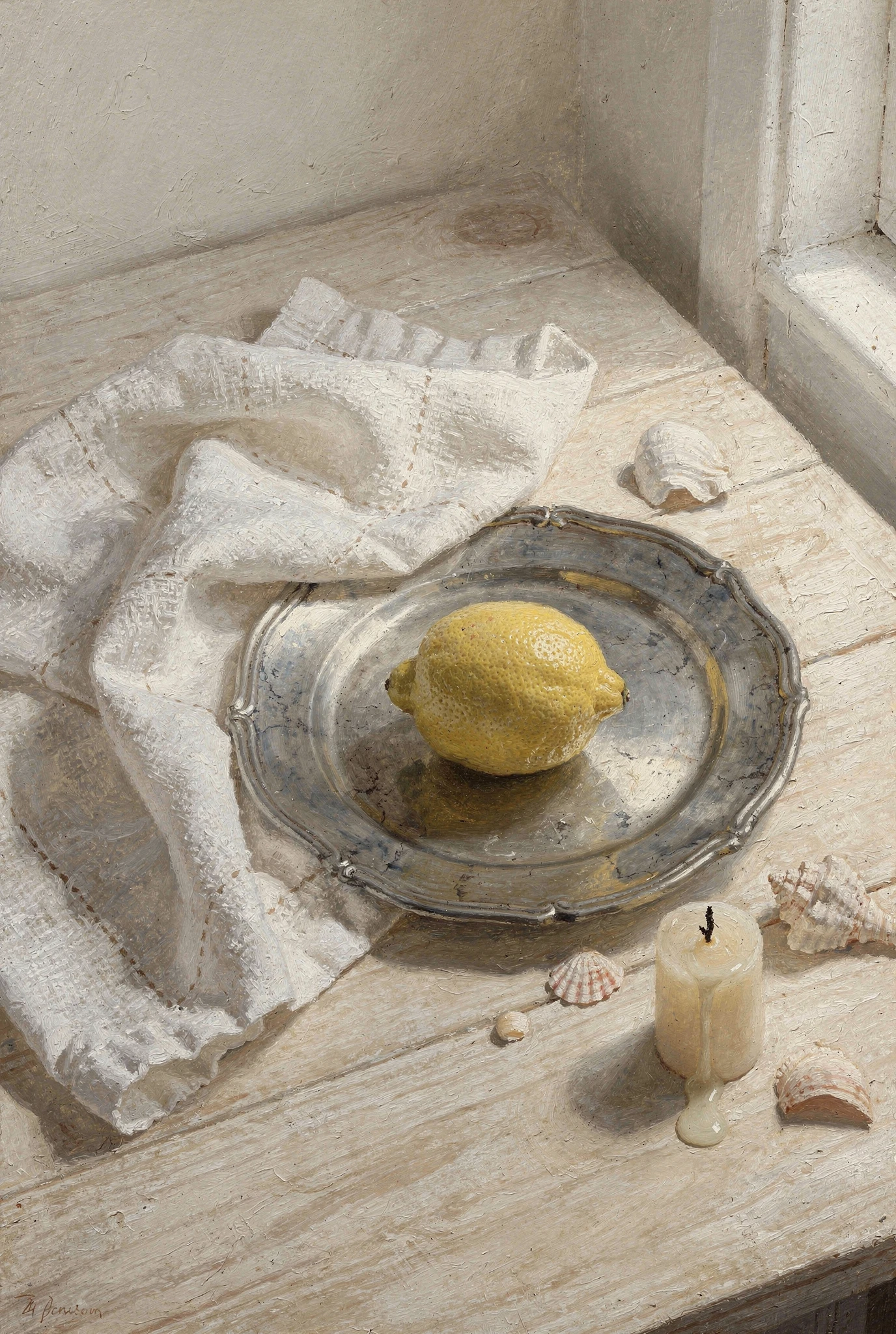
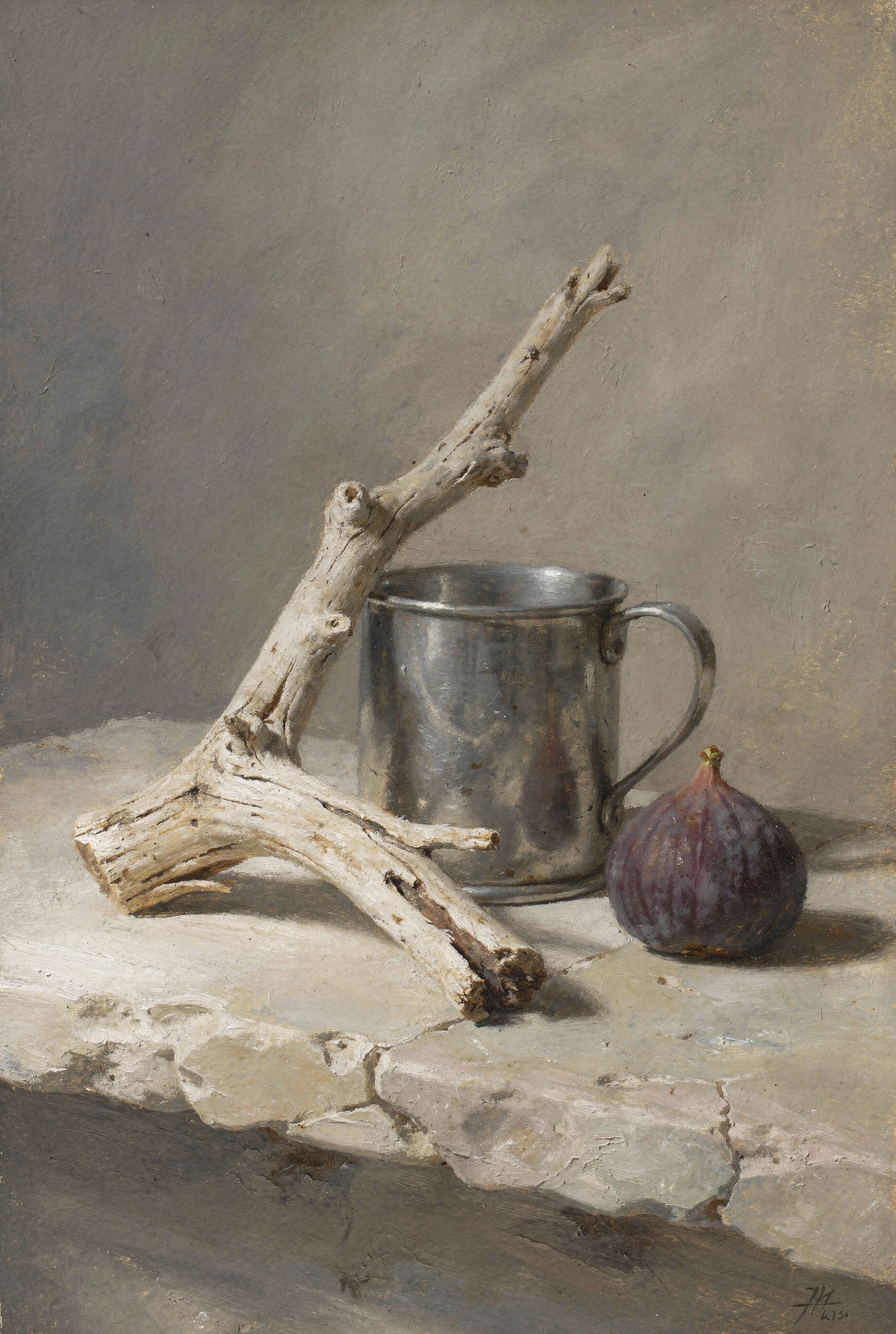
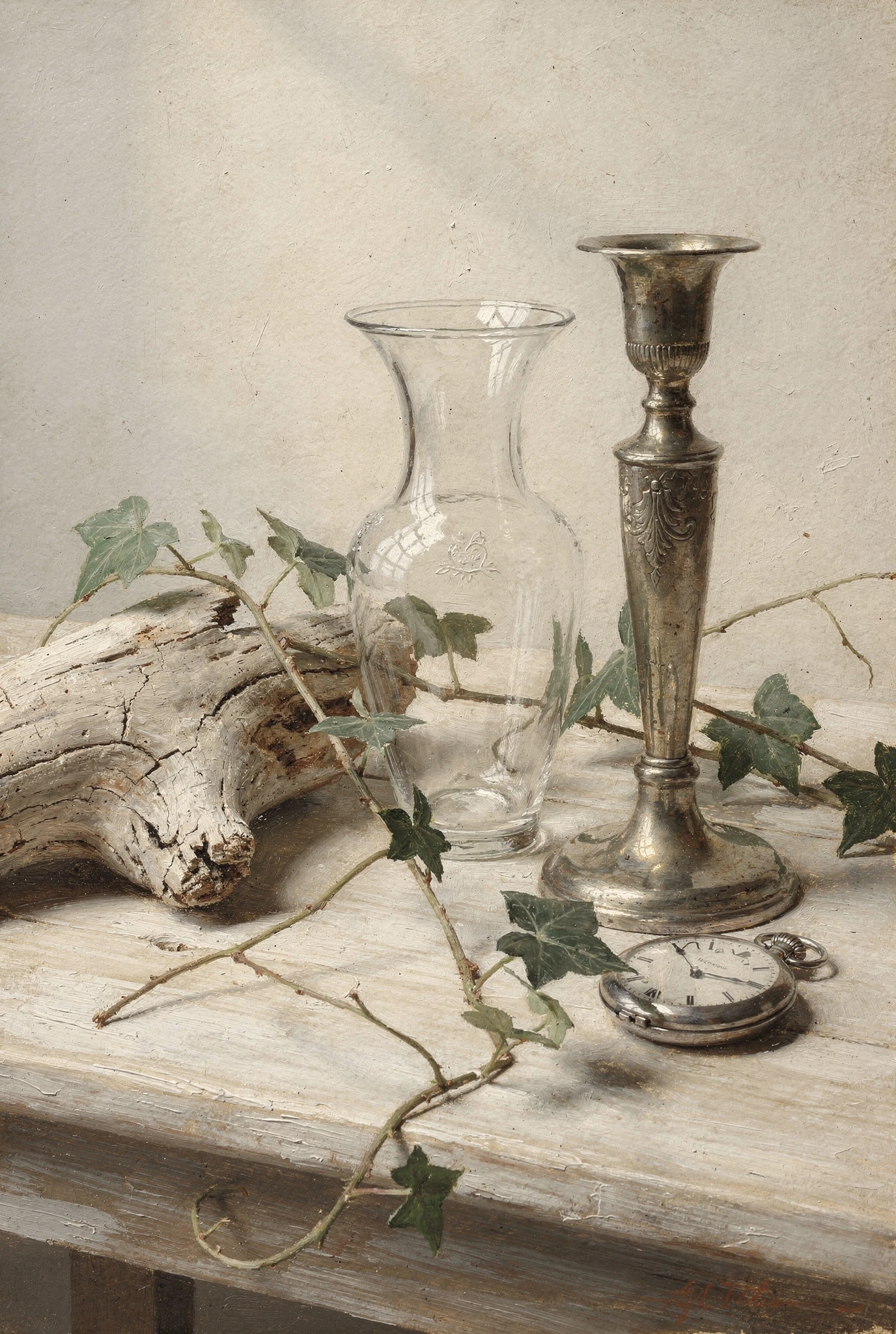
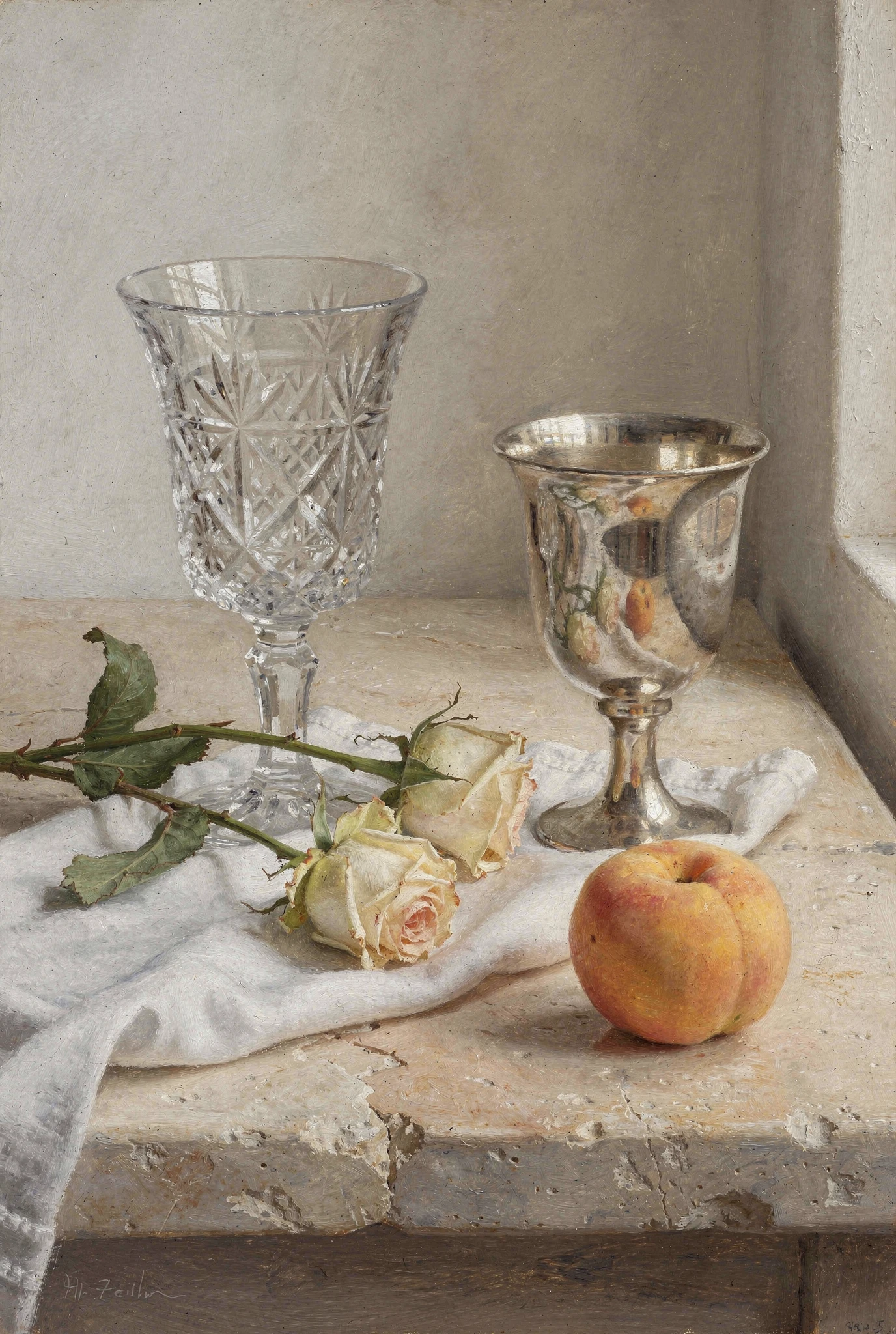
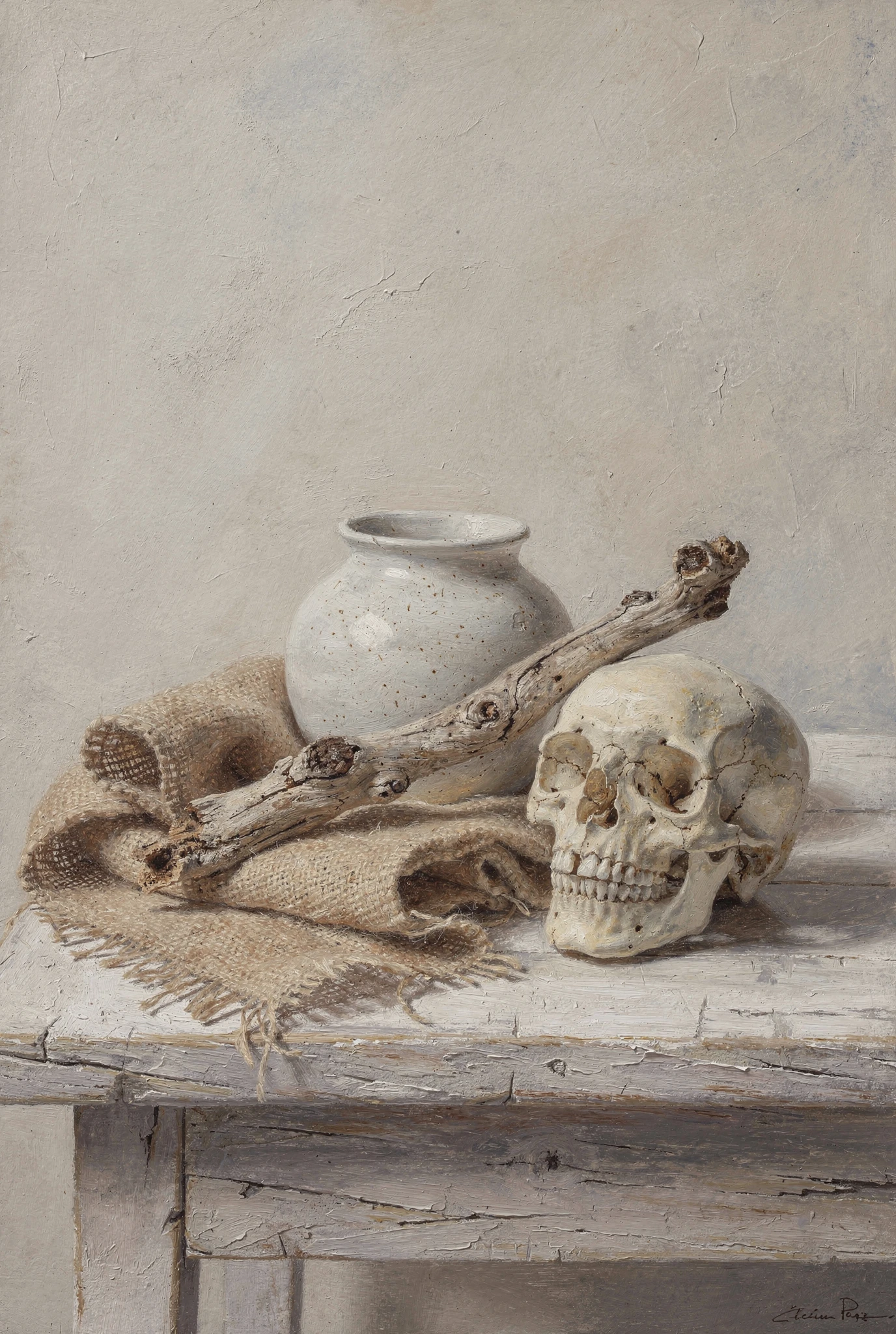
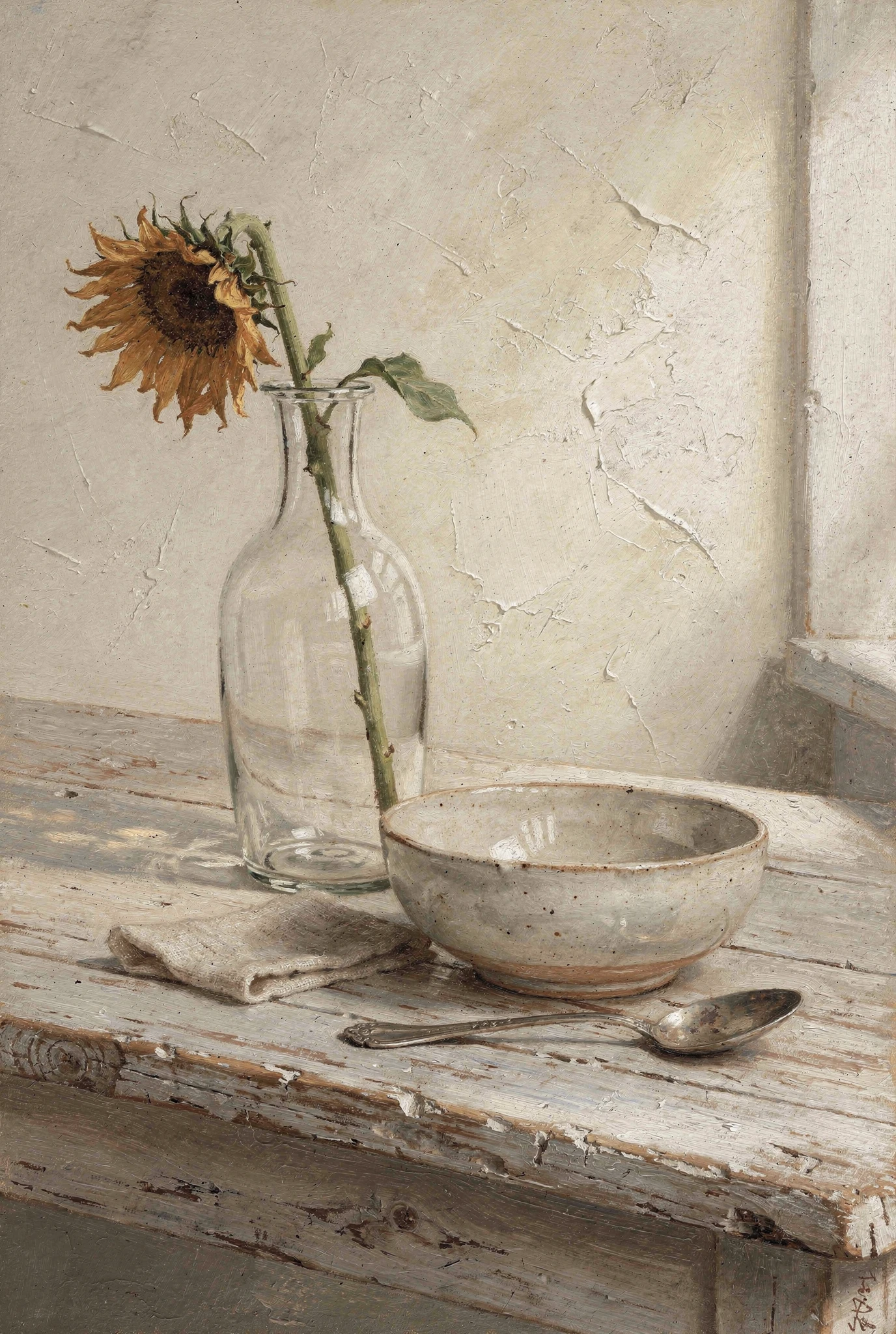
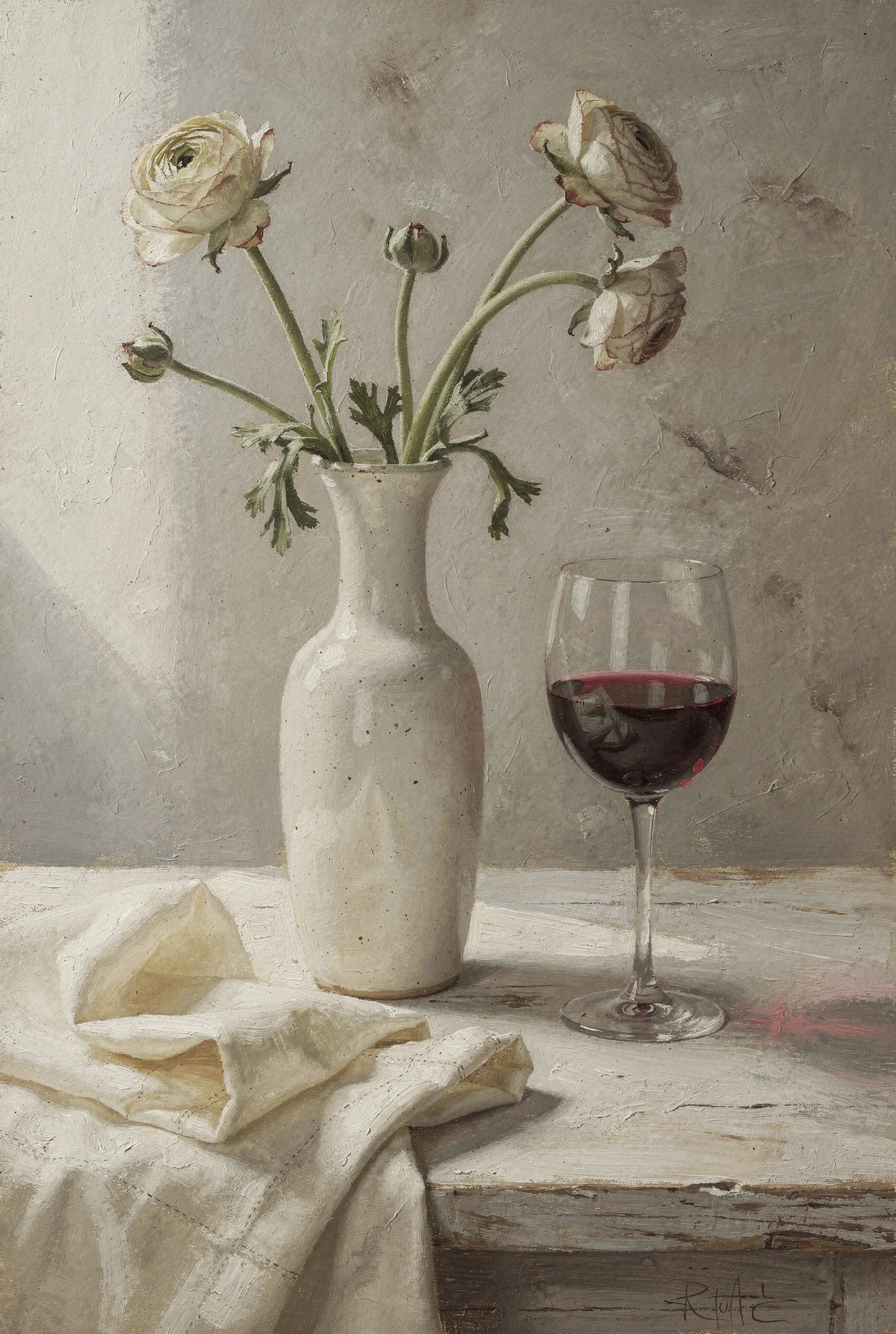
These eighteen images present recognisable forms rebuilt under synthetic conditions. Glass receives light it never met. Silver reflects a room that was never there. Ceramic appears fired without kiln, fabric is folded without touch, and driftwood is weathered without tide or shore. Flowers wilt without ever having been picked or grown. Fruit appears as colour accent, weight, or note. Seventeenth-century still-life paintings often included human skulls, hourglasses, candles, or decaying food, symbols of life's transience and the certainty of death. Vita keeps this symbolism, but does so sparingly. Rather than inventing strange imaginary objects, the project relies on the authority of known ones. Its question is not how far artificial imagery can depart from reality, but how convincingly it can inherit the composure, balance, and material intelligence of a historical genre. Reflection, translucency, grain, glaze, softness, and shadow become the means by which belief is formed.
In this sense, Vita proposes a form of still life without life not because its objects are dead, but because they have no worldly source. The series asks what remains when the signs of touch, labour, nature, and observation are preserved, while the things themselves have never existed. Generative image-making makes this question newly precise. It reveals how visual authority often depends less on truth than on behaviour: the way glass holds light, the way cloth absorbs shadow, the way driftwood carries time in its worn surface. Vita does not imitate the past so much as inherit its pressure. It proposes a still life for a synthetic age, where nothing has been arranged and yet the eye continues to grant the image its quiet agreement. Matisse believed that still life allowed him to explore the materiality of things. Vita attempts something similar through AI: not copying life, but testing how synthetic images can still persuade the eye.
Gallery
"Exactitude is not truth." — Henri Matisse