MAXX: masculinity under revision
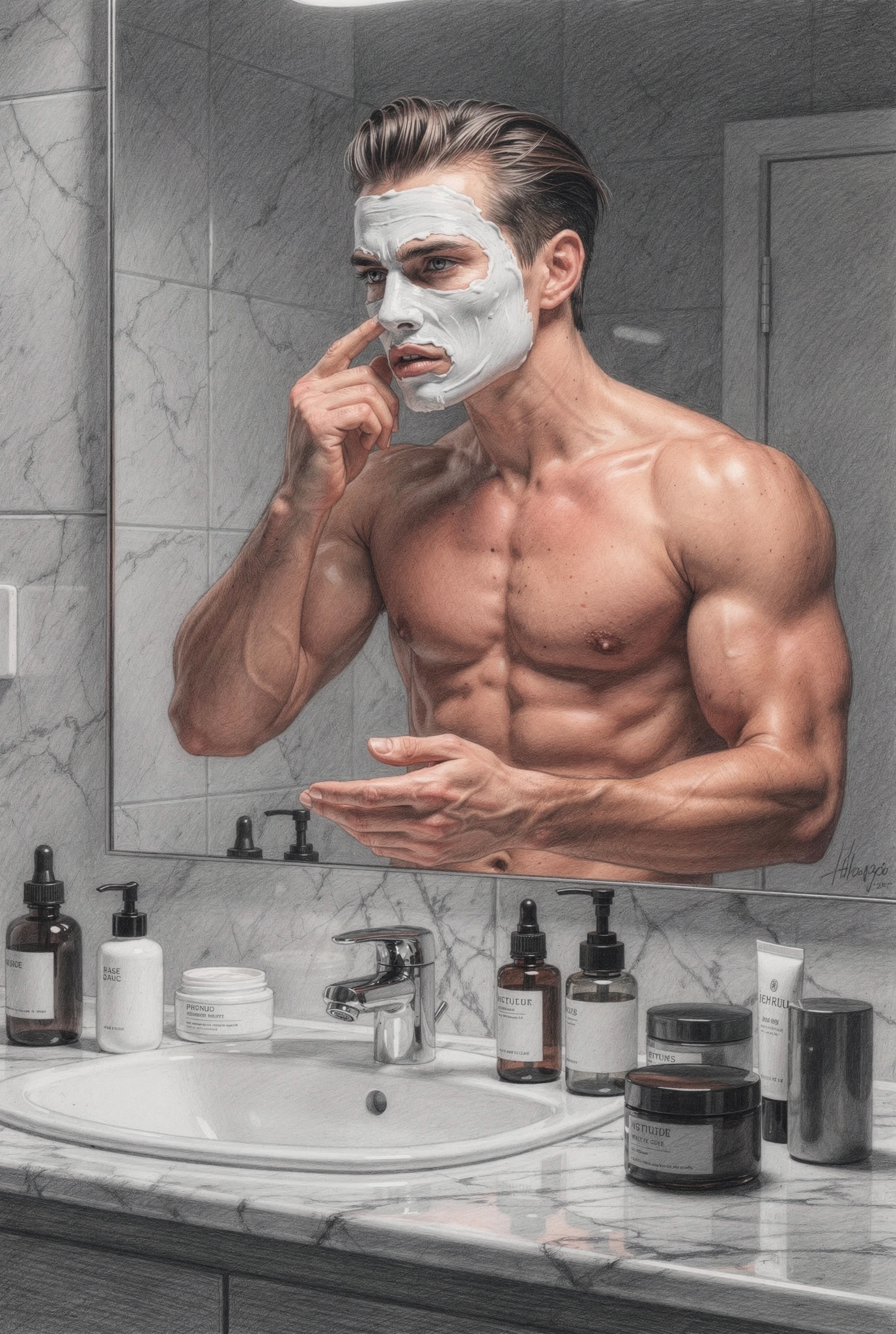
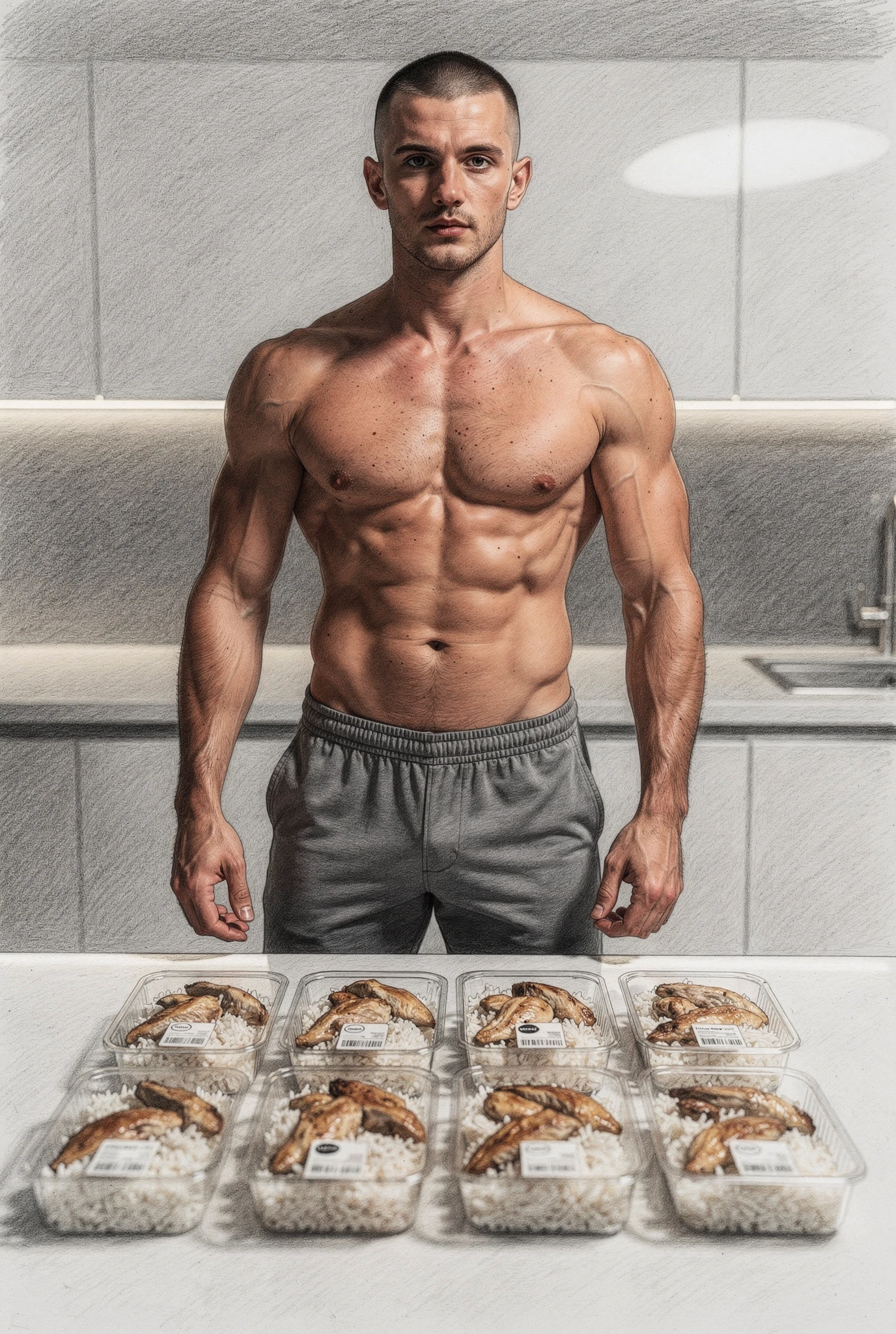
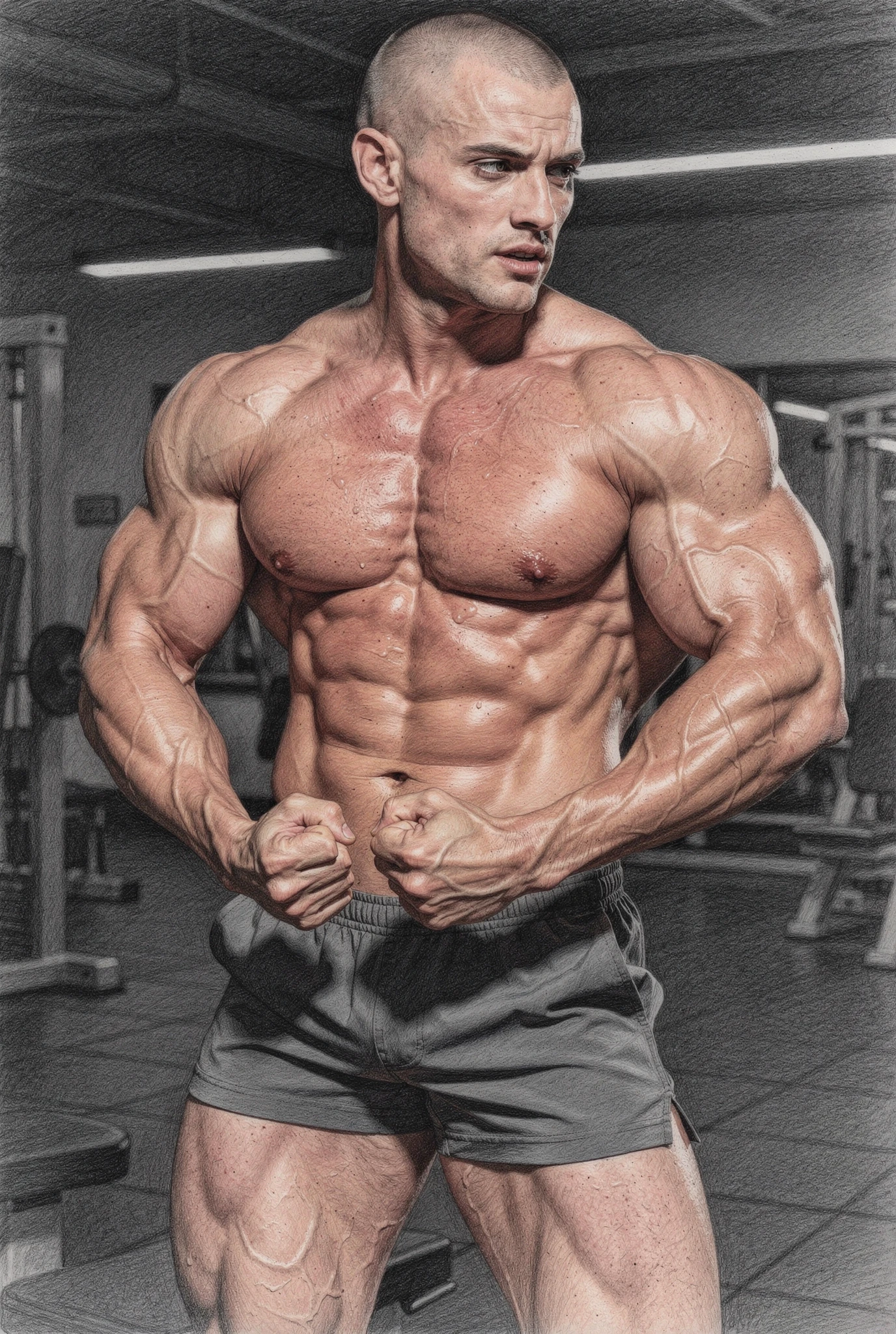
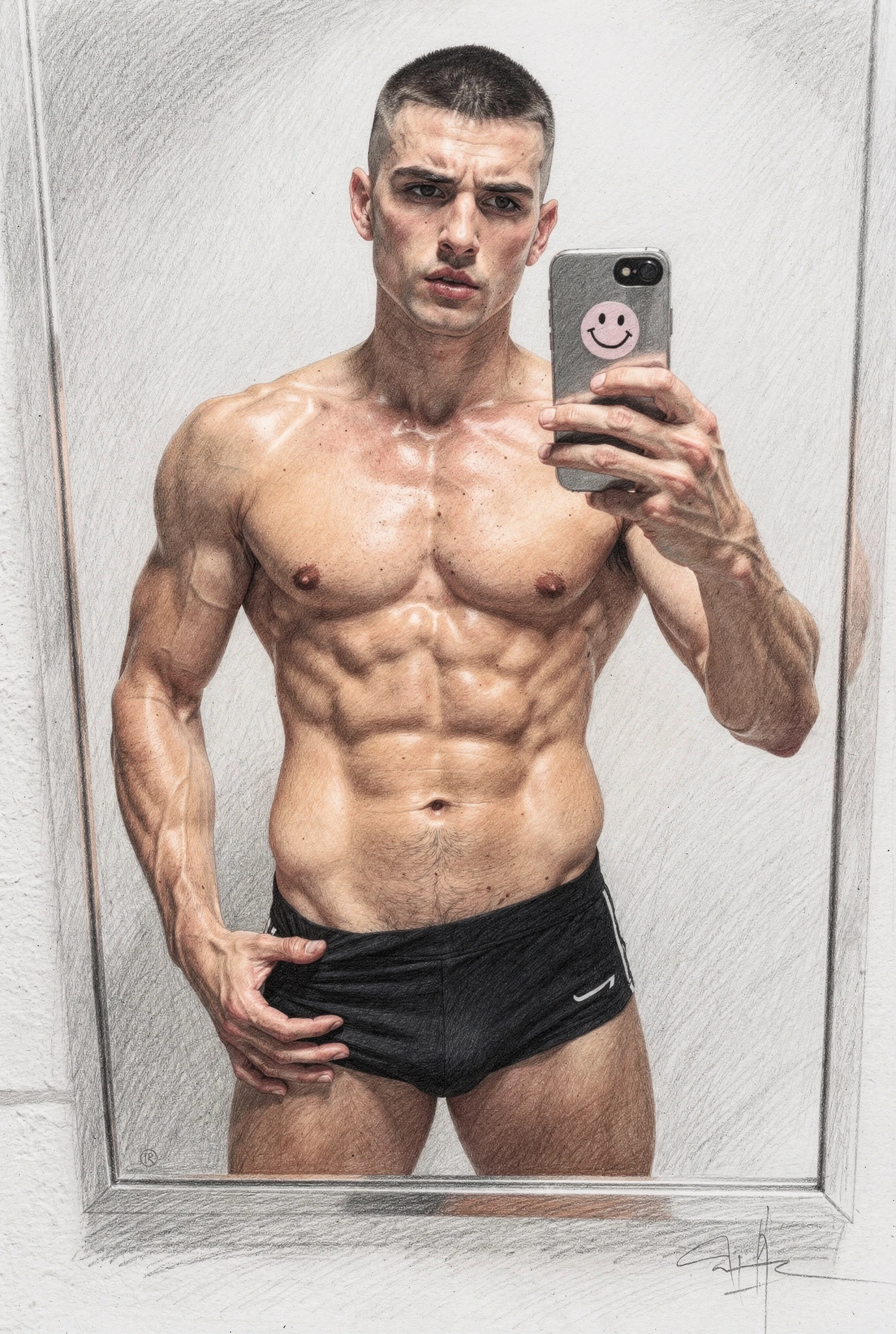
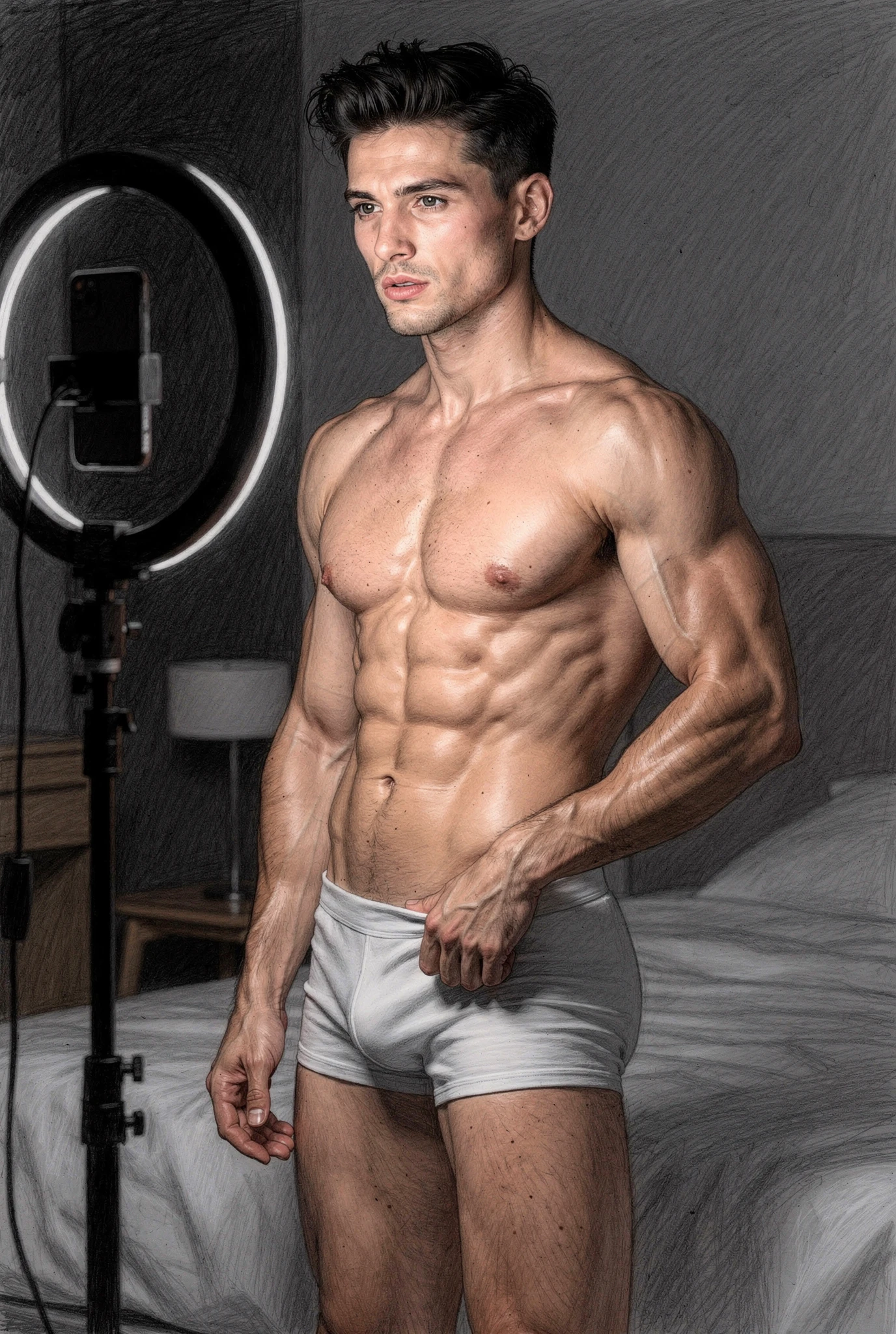
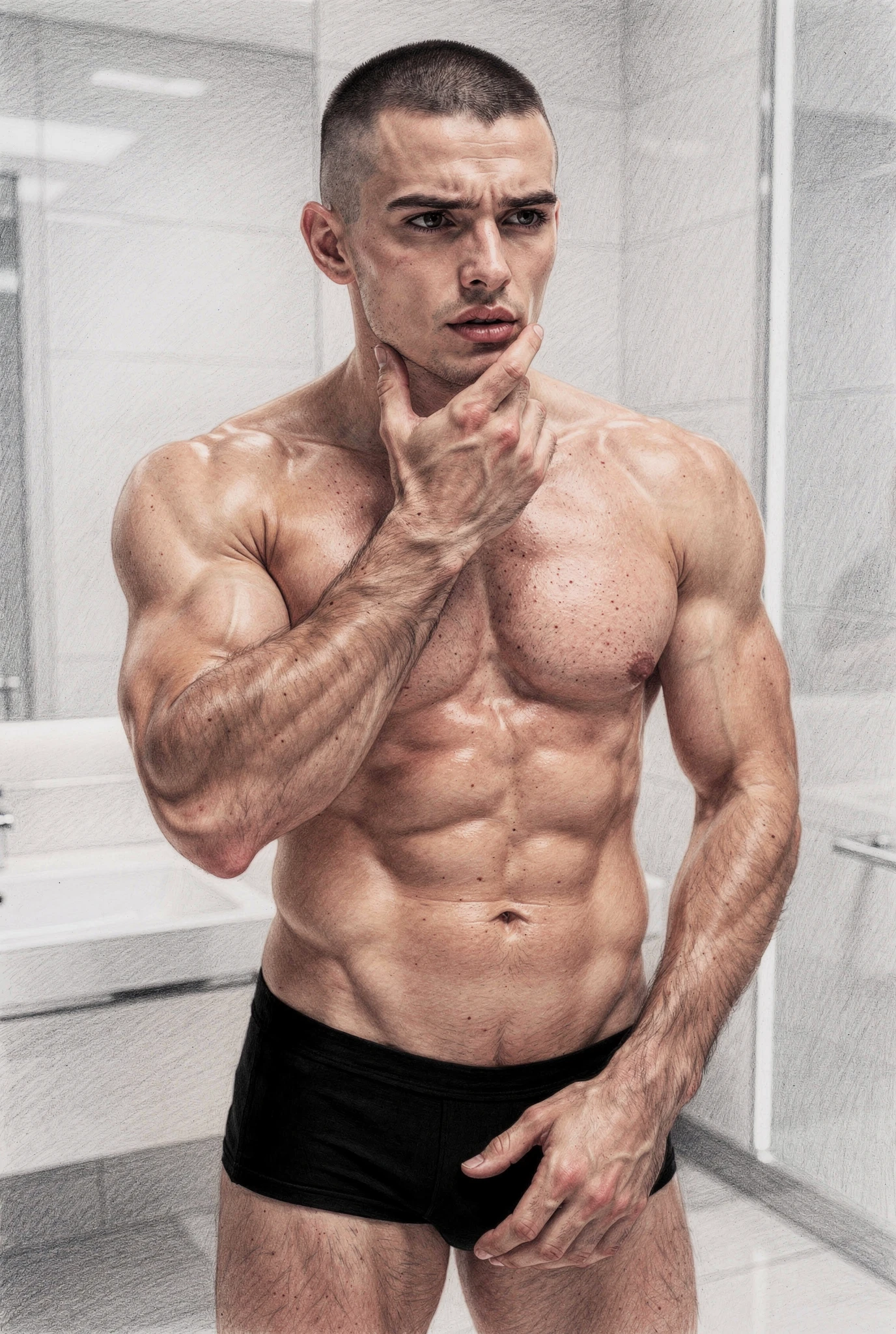
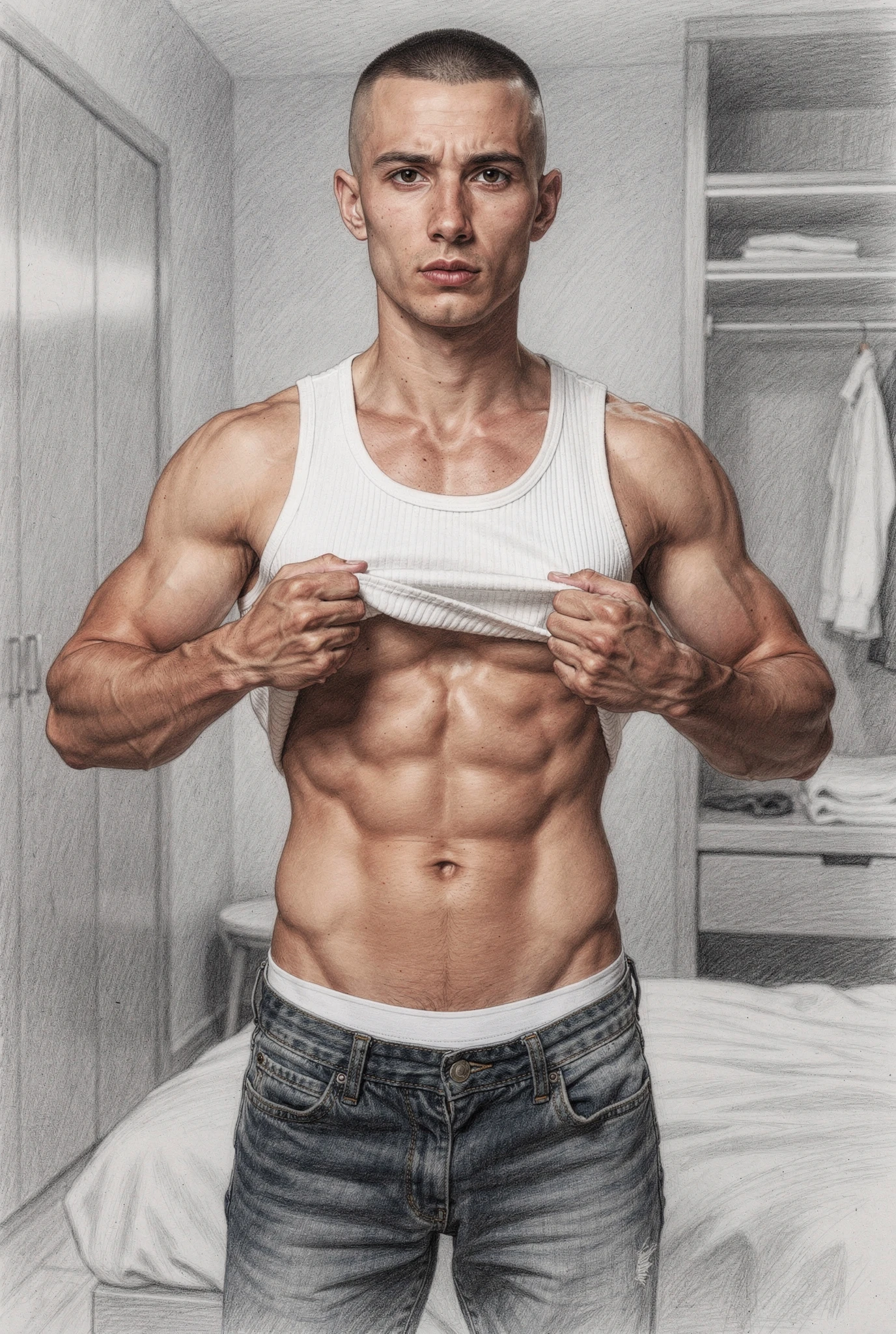
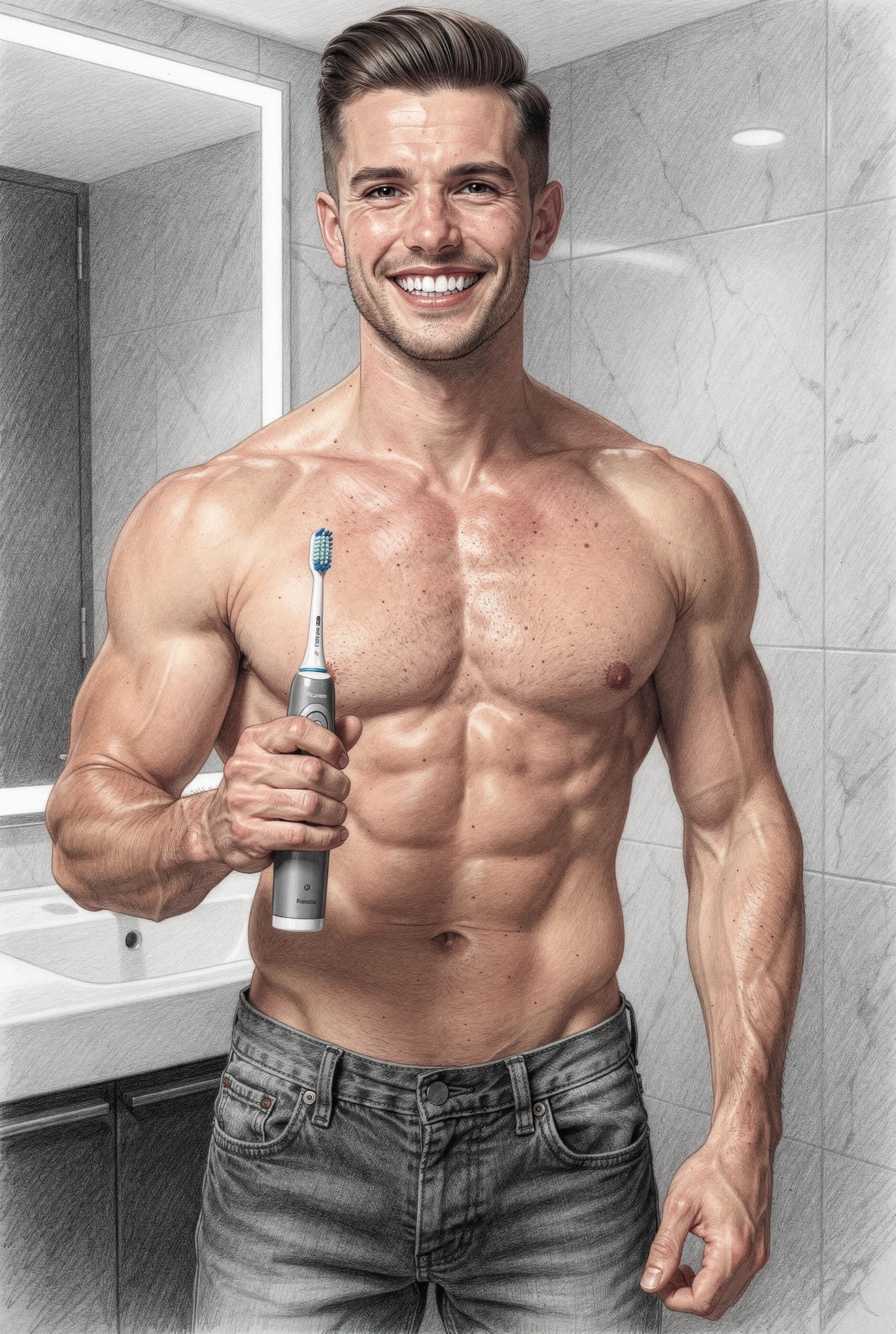
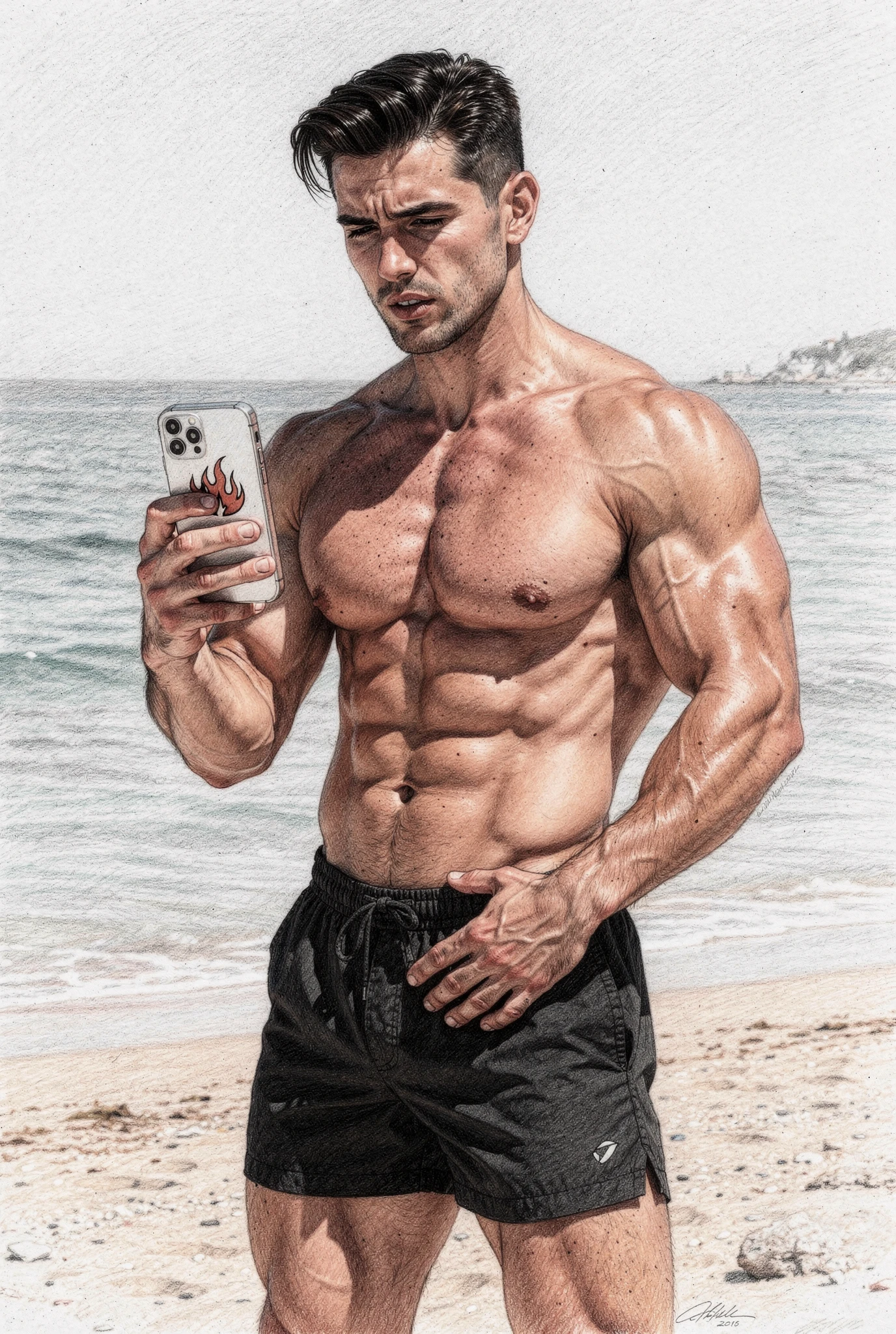
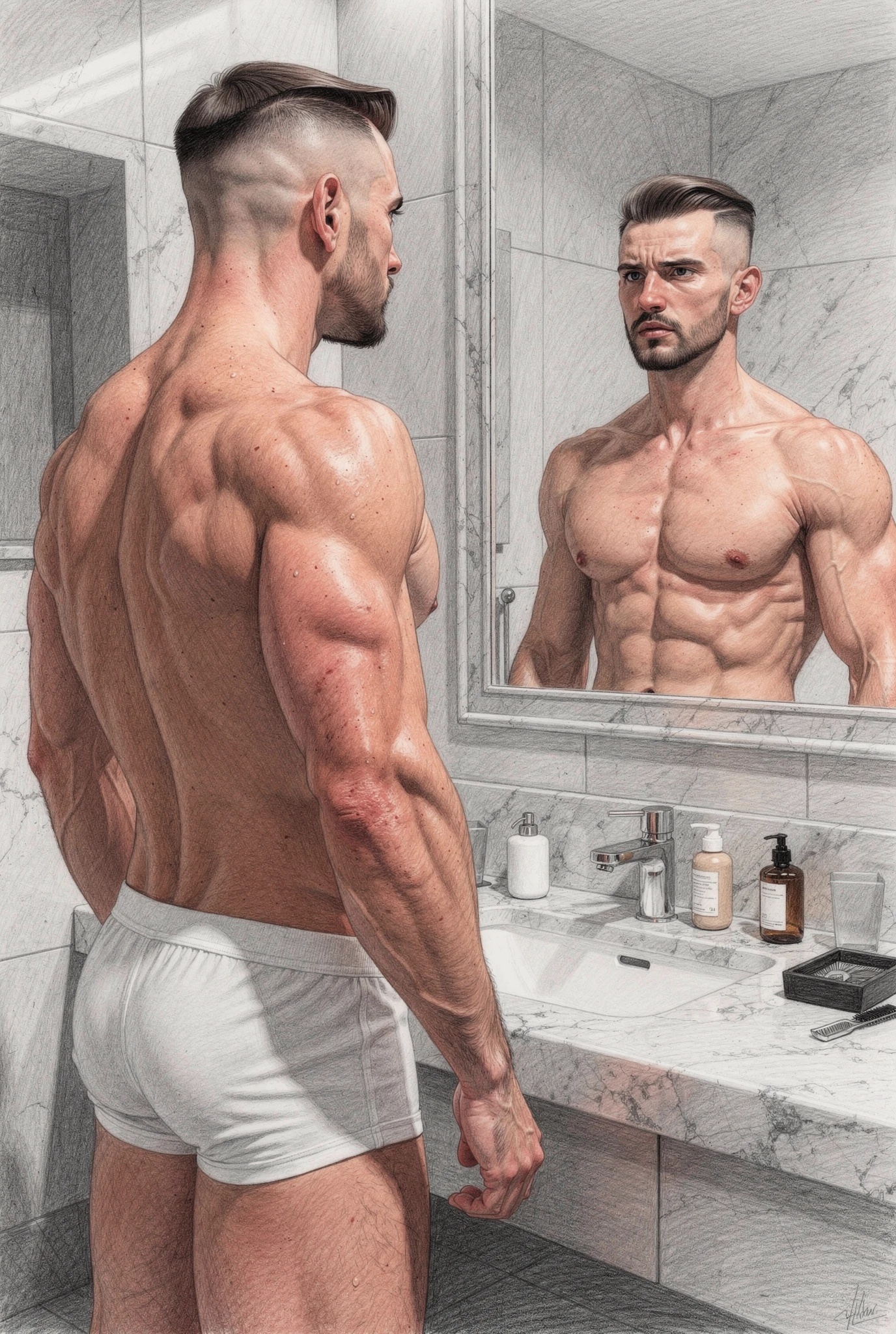
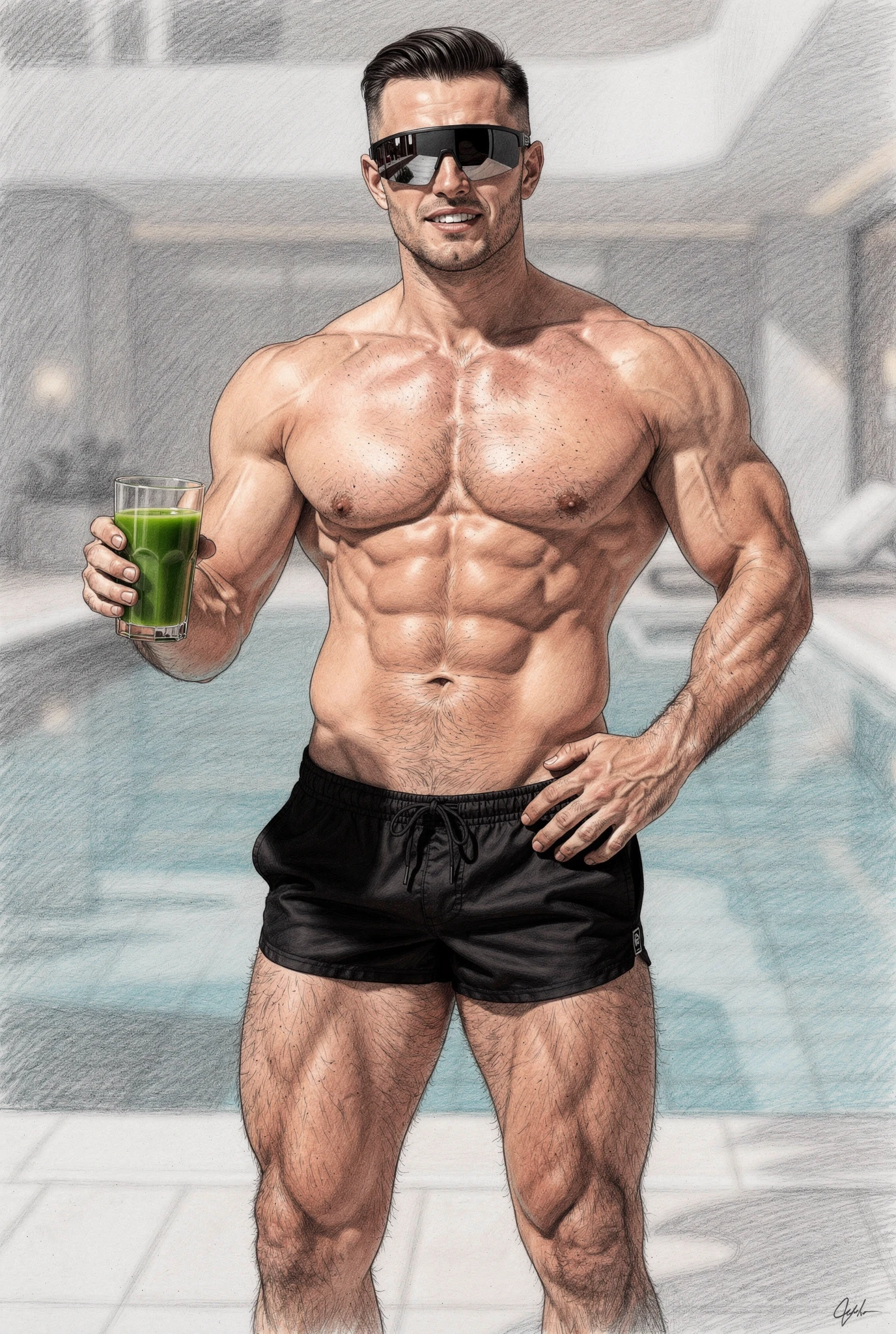
Softmaxxing and hardmaxxing describe two ends of the looksmaxxing spectrum, both concerned with increasing sexual market value. Softmaxxing centres on lifestyle changes such as diet, skincare, grooming, and fitness, while hardmaxxing moves into more extreme attempts to alter the body. MAXX explores the softer side of this culture, but speaks to a broader condition: the contemporary male body under pressure to become stronger, cleaner, leaner, and more desirable. Training, grooming, diet, skincare, and self-presentation no longer operate as separate habits. They merge into a continuous discipline of revision in which appearance is treated as something to be managed, improved, and made legible through images. Men are fed an endless stream of other men and taught to measure themselves against what they see. In this competitive field of visibility, confidence and insecurity begin to resemble one another. The body is no longer simply lived in; it is inspected, adjusted, presented, and compared.
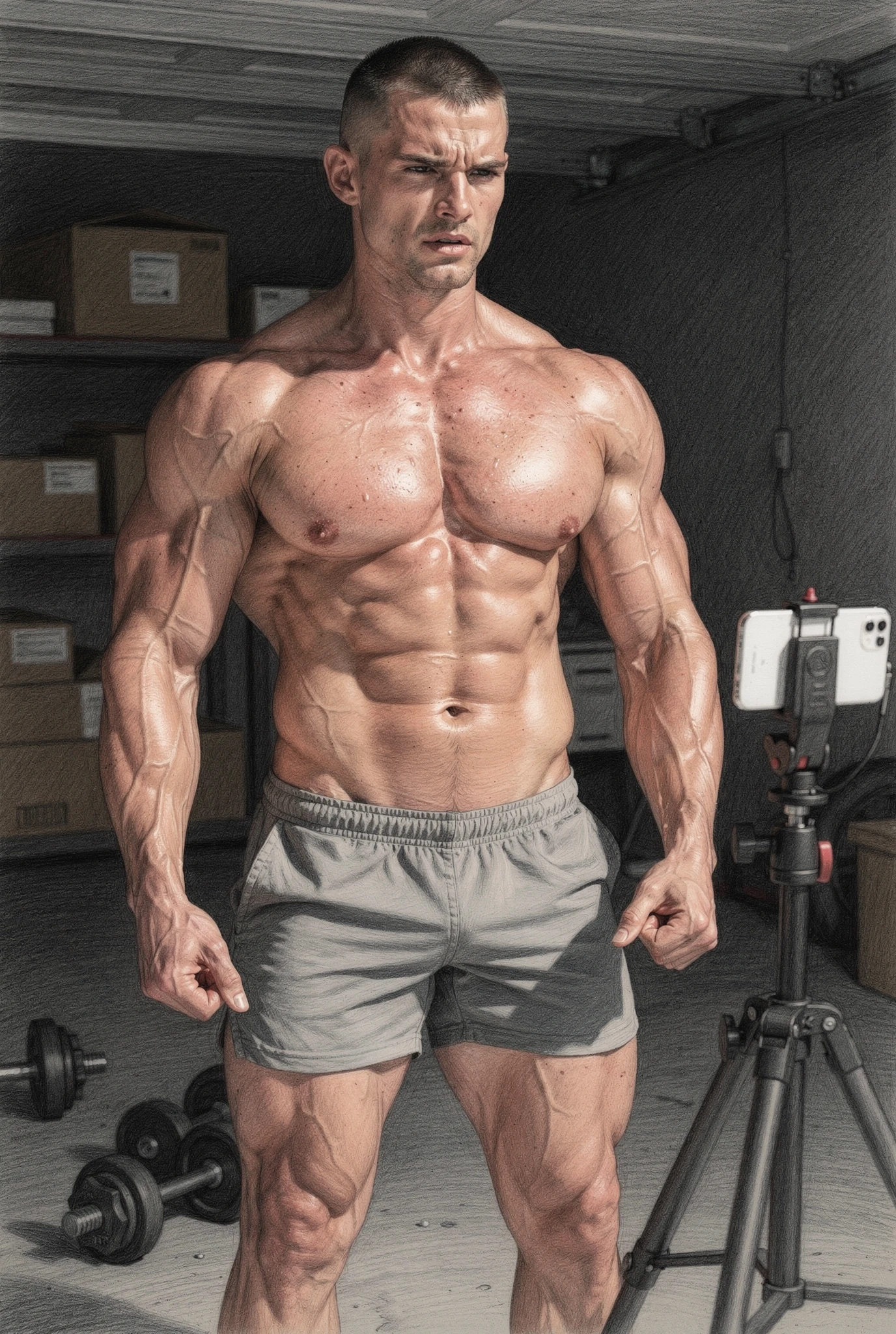
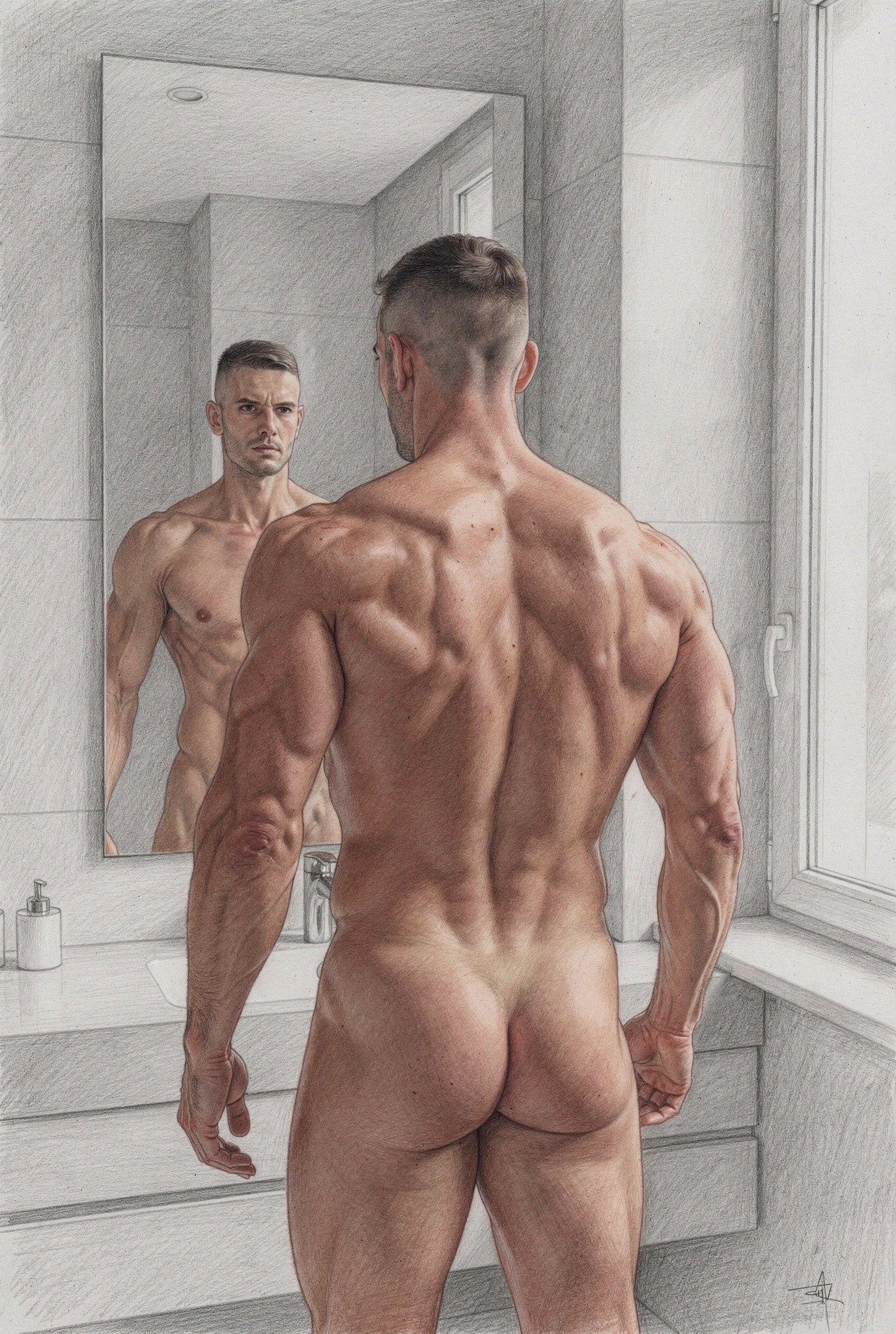
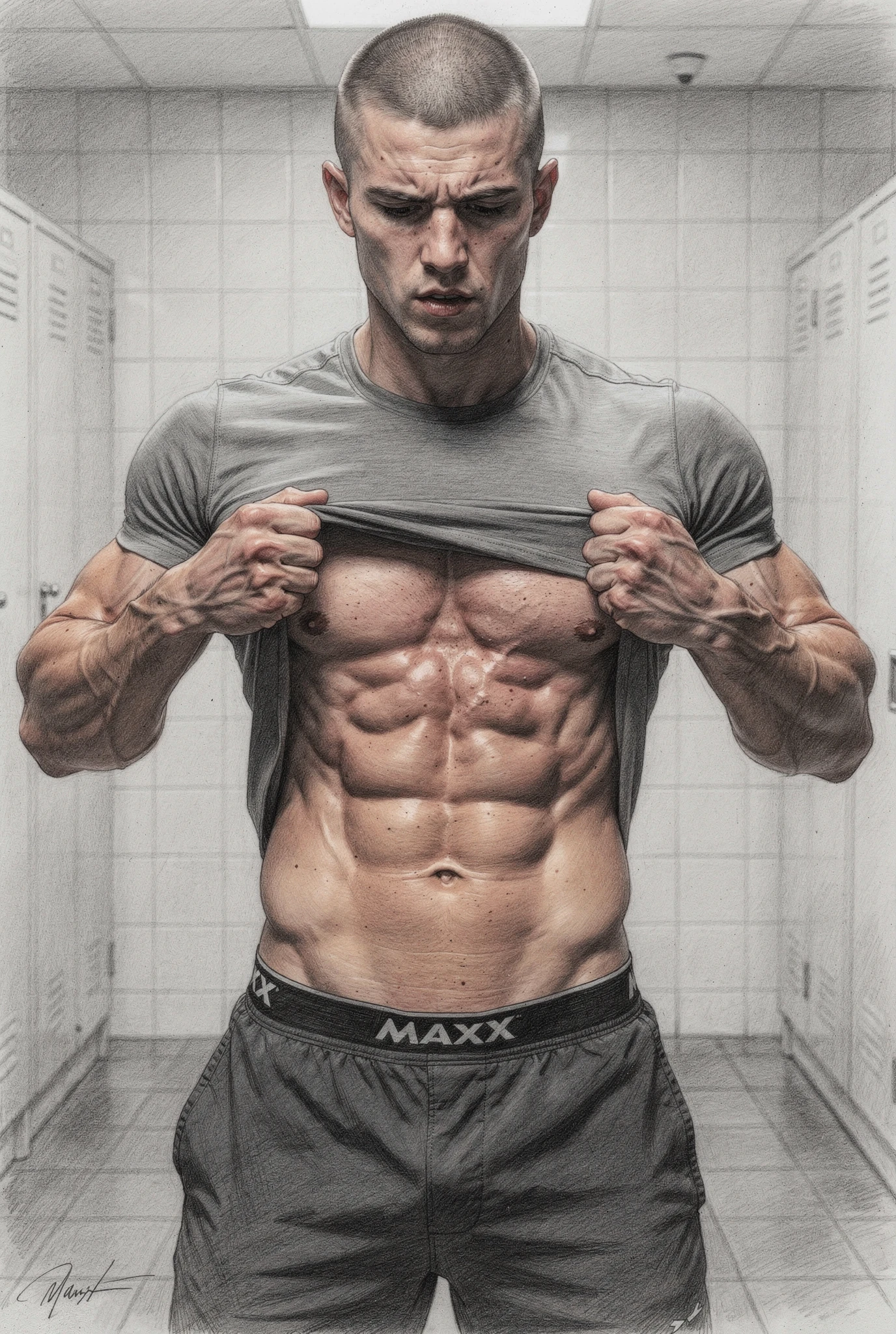
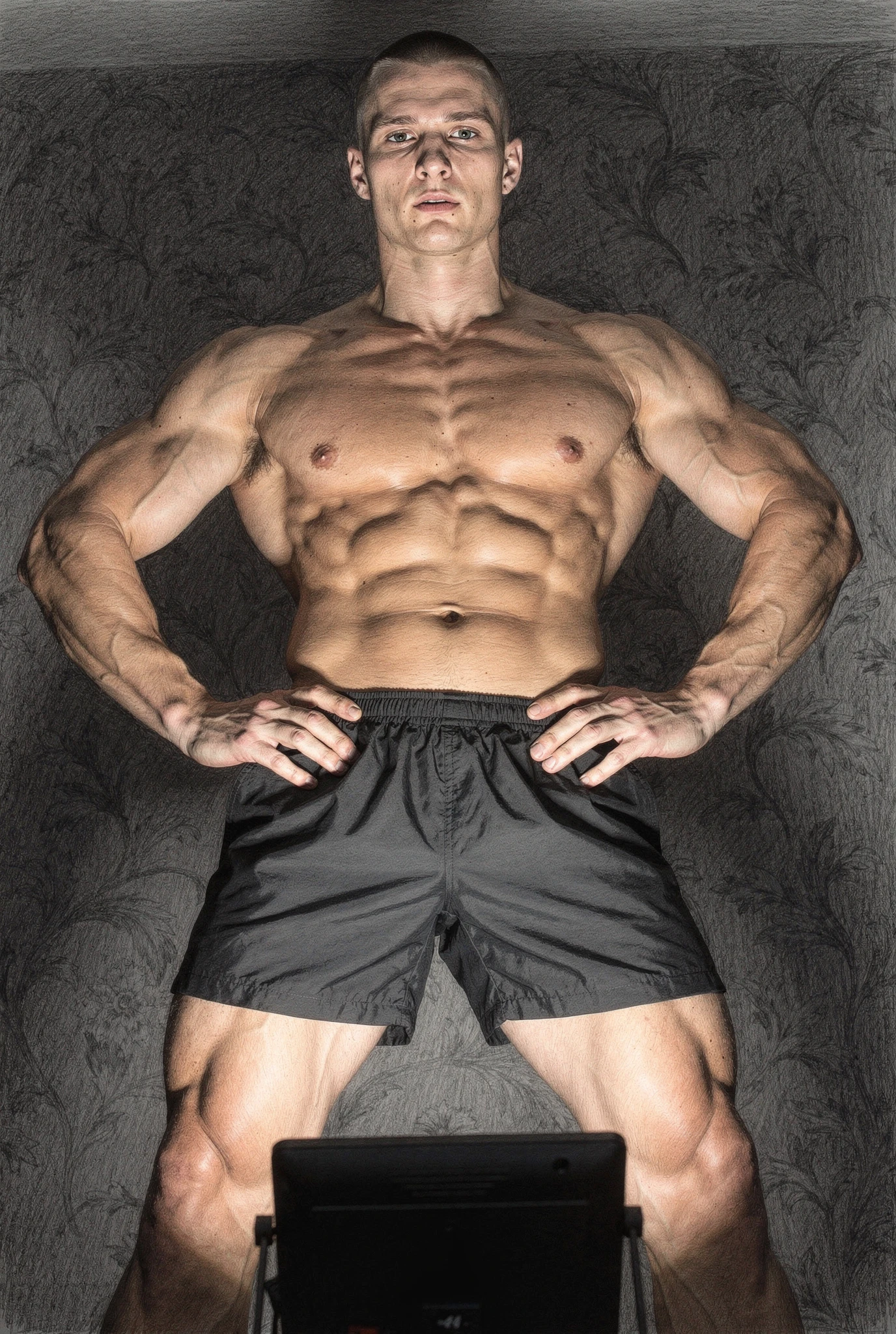
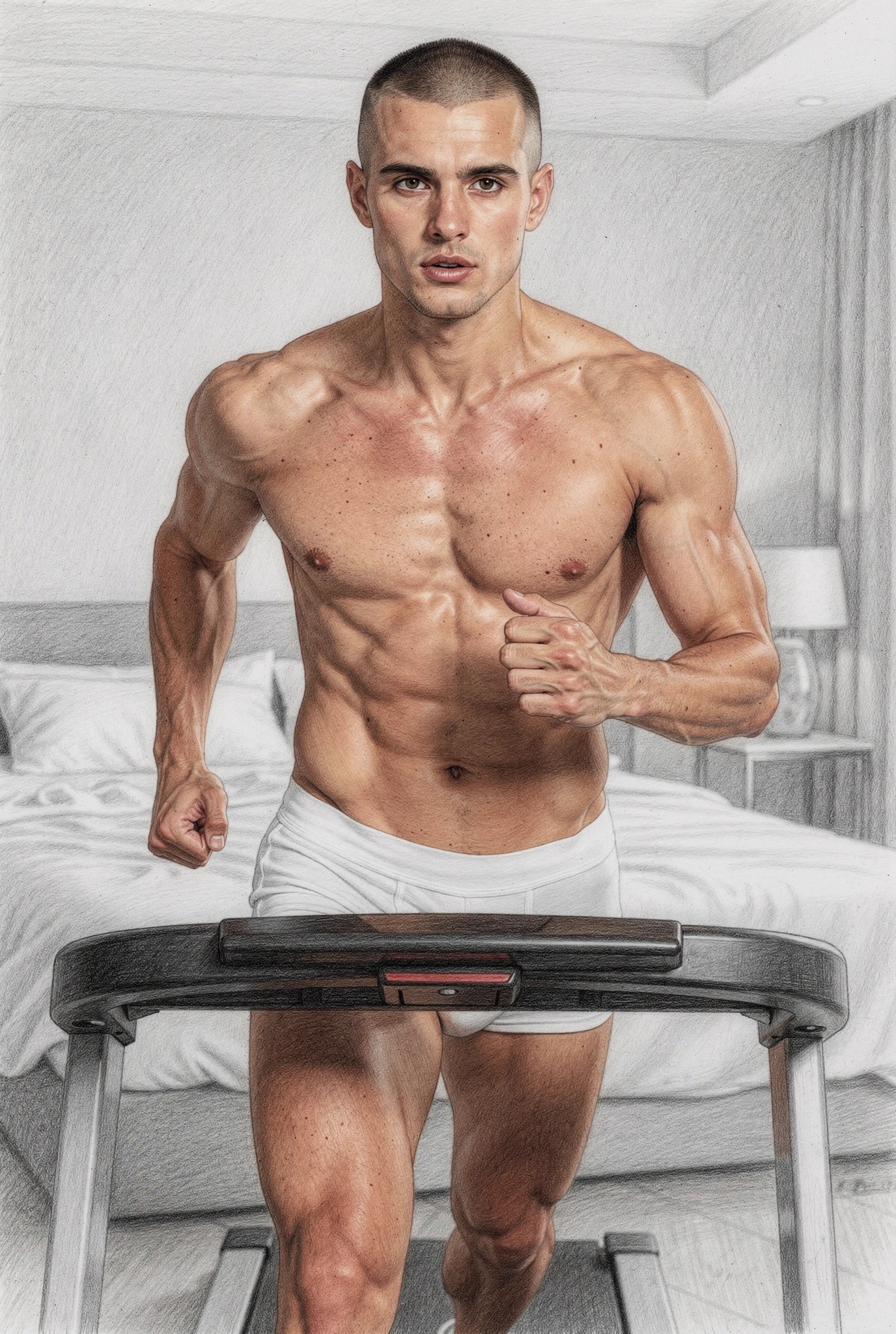
"Mogging" gives this comparison a sharper, more contemporary name. Gen Z and Alpha slang for dominating or outshining others, especially through physical appearance, fitness, or social confidence, it descends from the manosphere term AMOG: Alpha Male of the Group. To mog is to make someone else look inferior by comparison, whether through facial features, height, muscularity, lifestyle, or sheer command of the image. MAXX takes a playful look at this serious subject, and turns to the rituals that make such pressure visible. The bathroom, the bedroom, the gym, the mirror, the changing room: these spaces become small theatres of optimisation in which men rehearse themselves for an unseen audience. A waistband is lowered. A posture is corrected. A muscle is tested under light. Skin is examined, abs are tightened, the face is arranged into a practised expression of control. The self becomes both performer and spectator, sculptor and sculpture, product and advertisement.
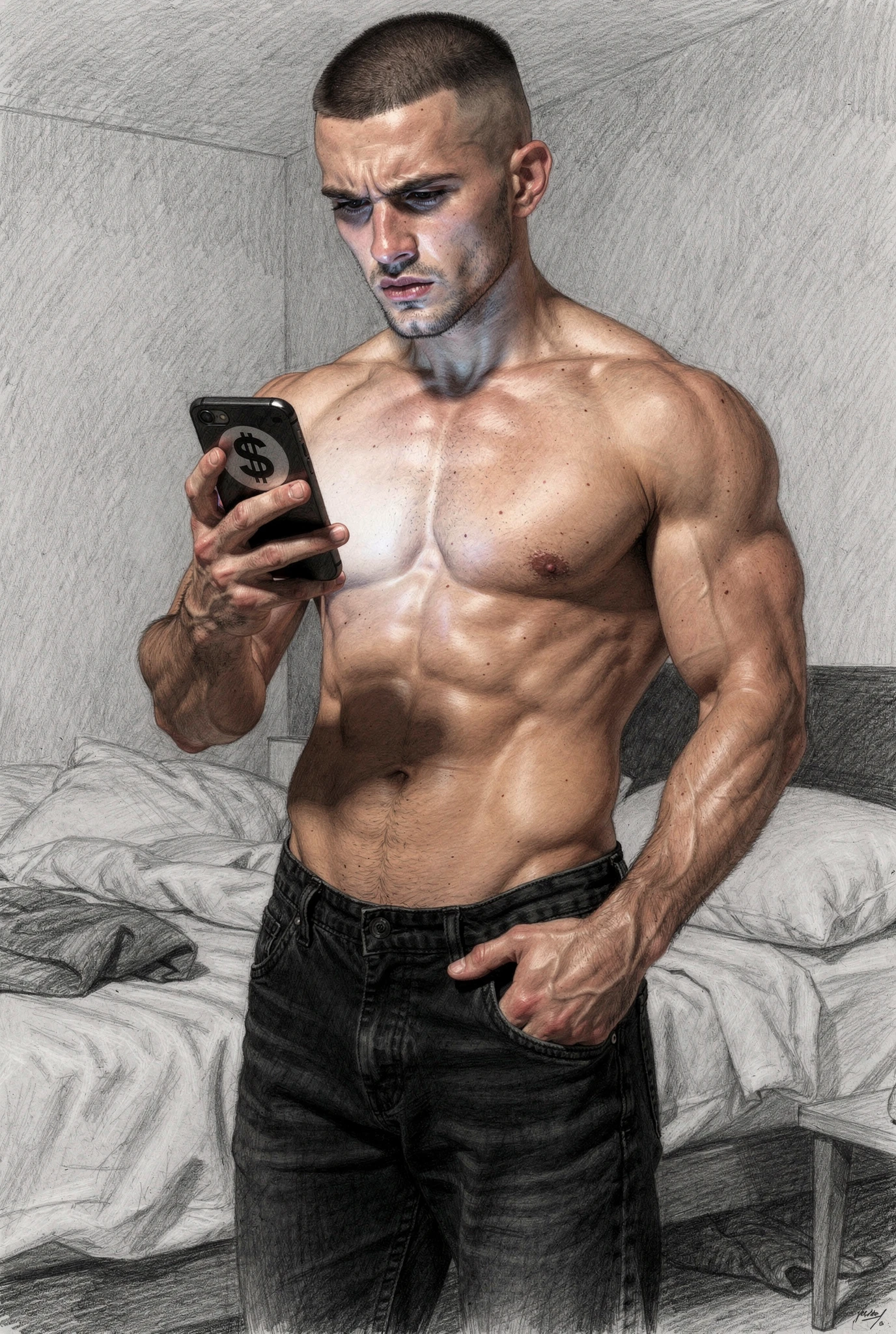
Beneath the language of self-improvement lies something more restless: vanity, comparison, erotic competition, the desire to be wanted. According to a 2024 BBC report, looksmaxxing protocols have been criticised for contributing to body dysmorphia, so it isn't all entirely innocent. The men in these images are not only trying to look healthy or attractive; they are learning to market themselves through the body, whether for admiration, intimacy, status, or money. For some, such habits are no longer casual but obsessive, shaped by hours of attention to minor or imagined flaws. Correction promises relief, yet satisfaction remains elusive; the flaw returns, or another takes its place. In an image economy increasingly shaped by filters, enhancement, and artificial intelligence, the idealised male form becomes harder to locate and harder to trust. What looks natural may already be edited; what looks achievable may be impossible. Rendered through a hybrid visual language of drawing, painting, and photographic realism, MAXX examines masculinity as an ongoing process of optimisation and display — not a stable ideal, but a body made restless by the pressure to be perfect.
Gallery

"Visibility is a trap." — Michel Foucault