TRACE: invented histories
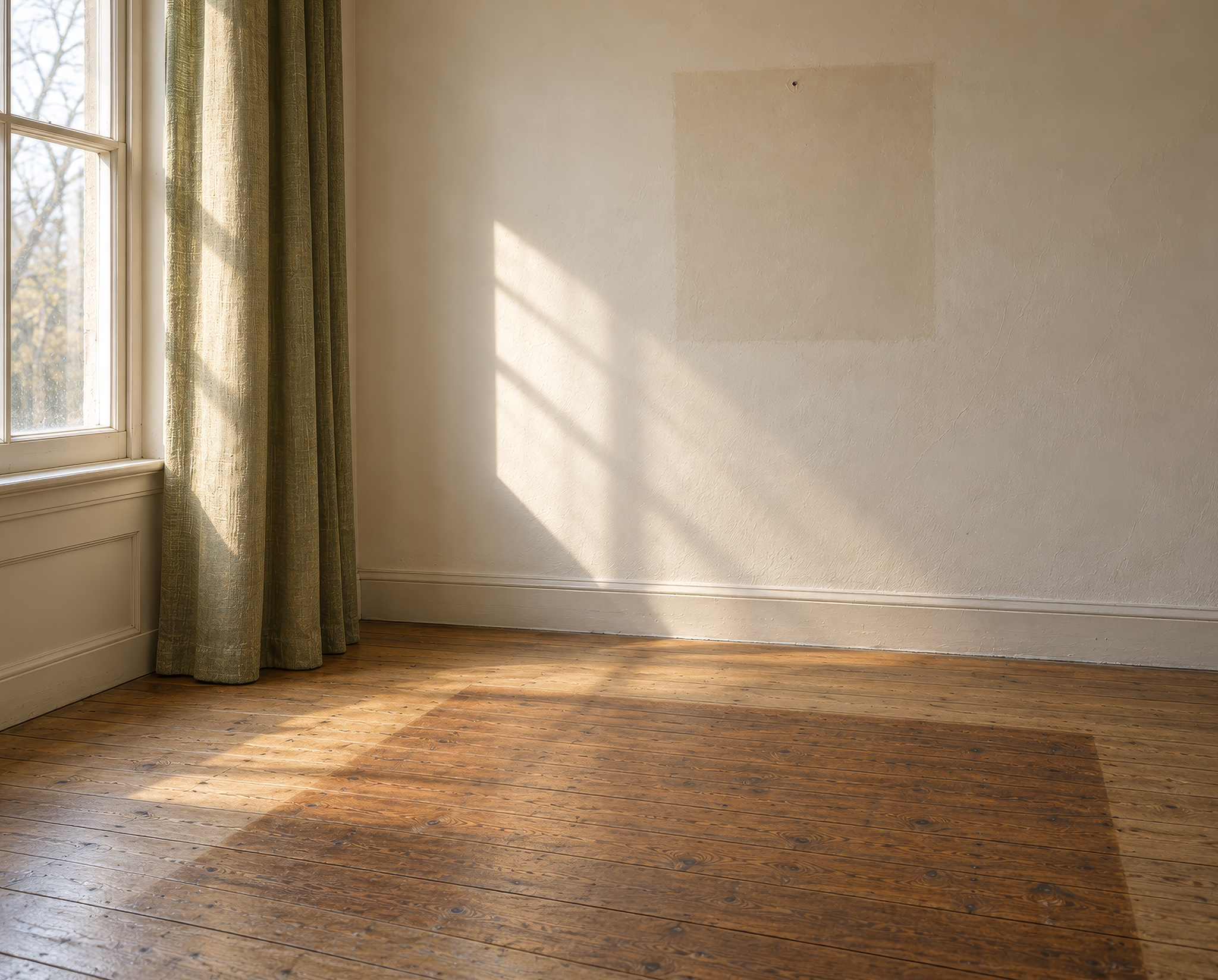
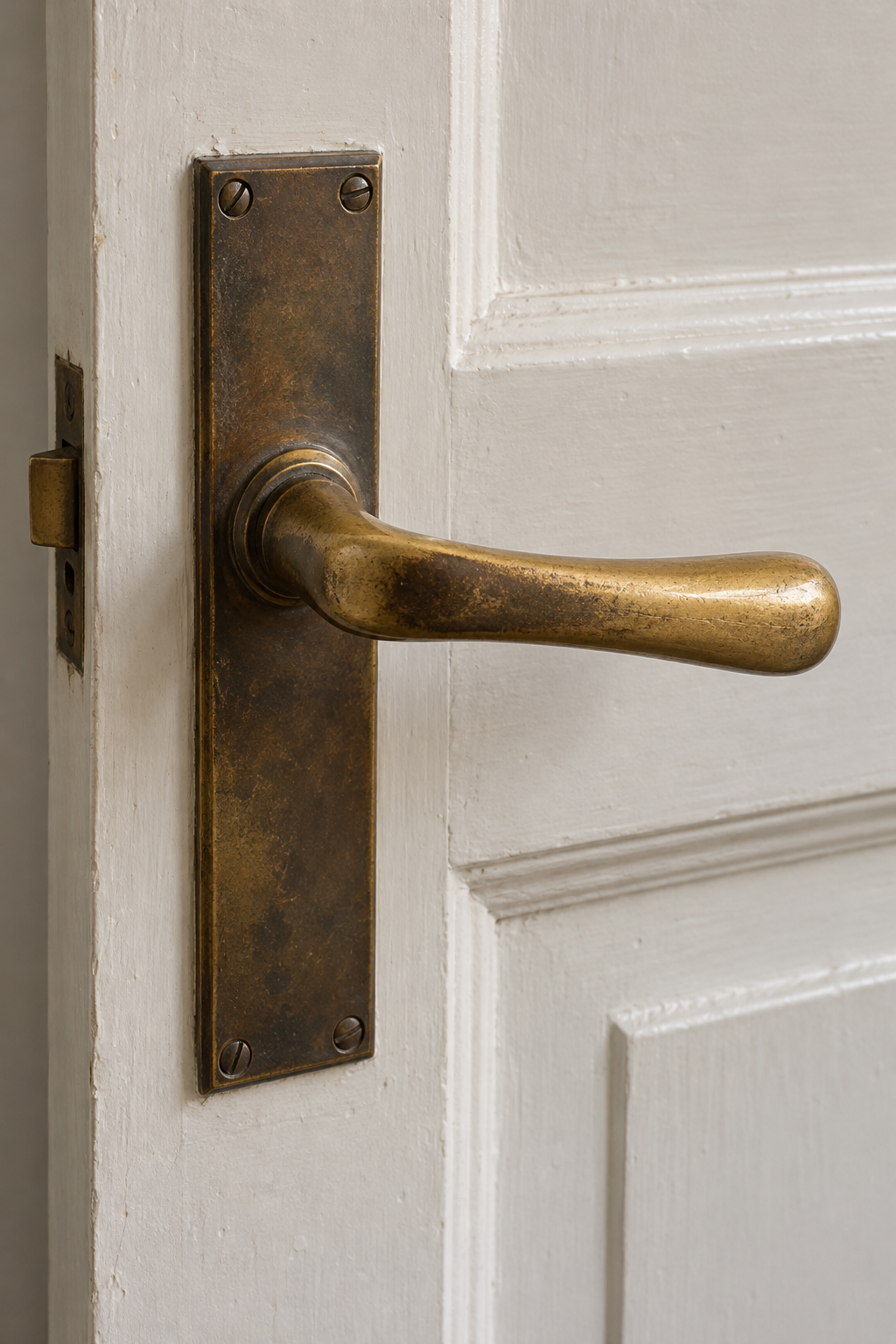
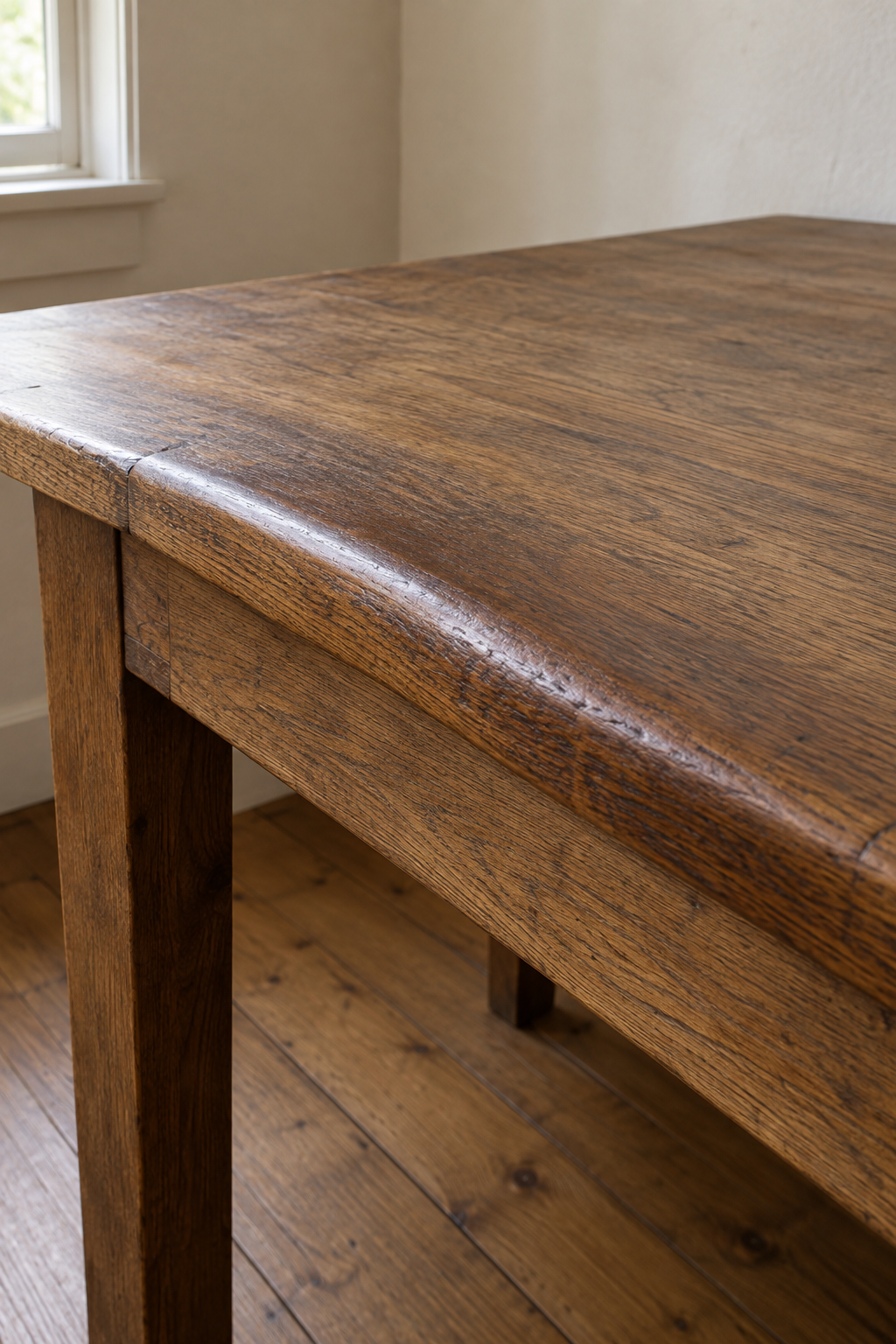
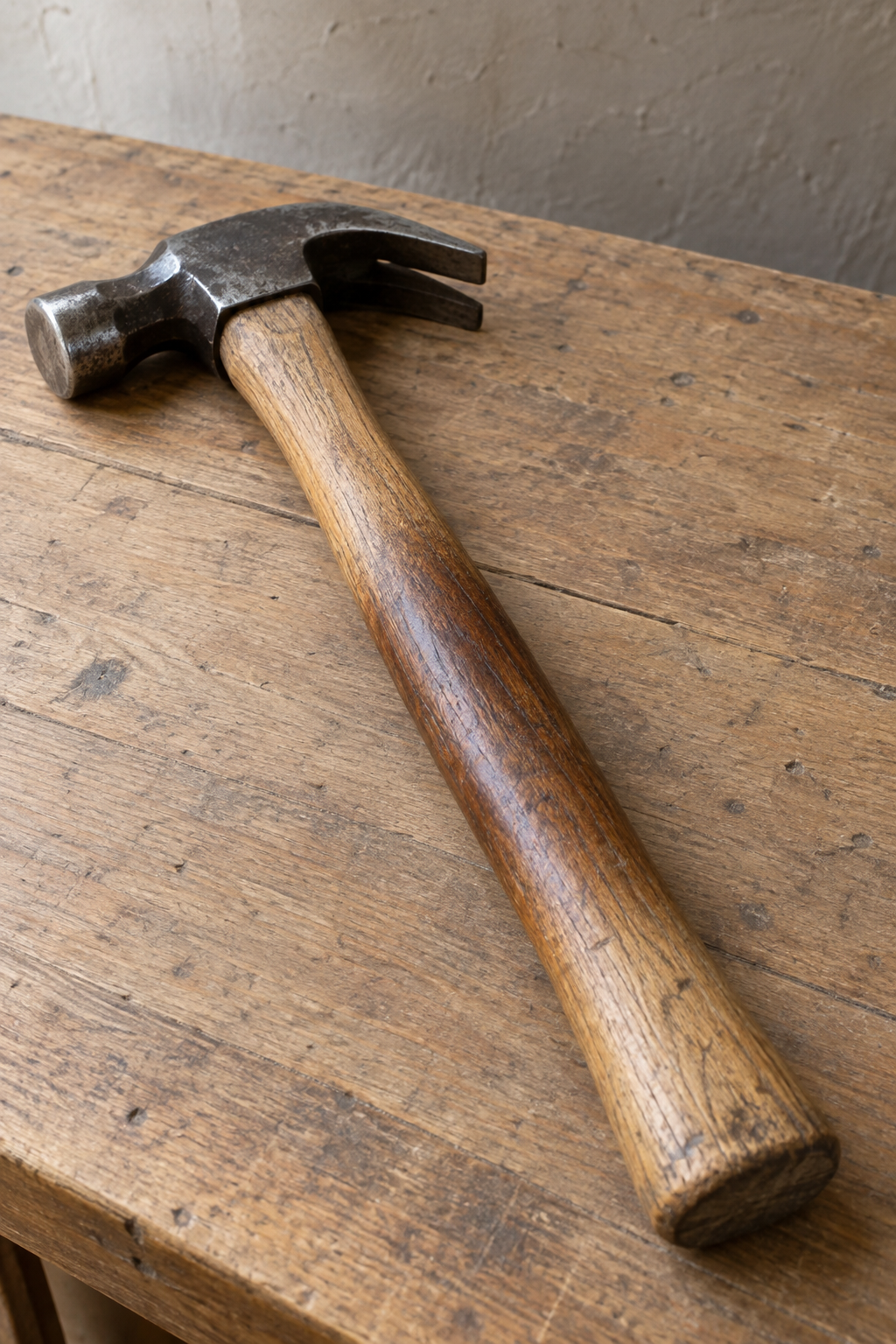
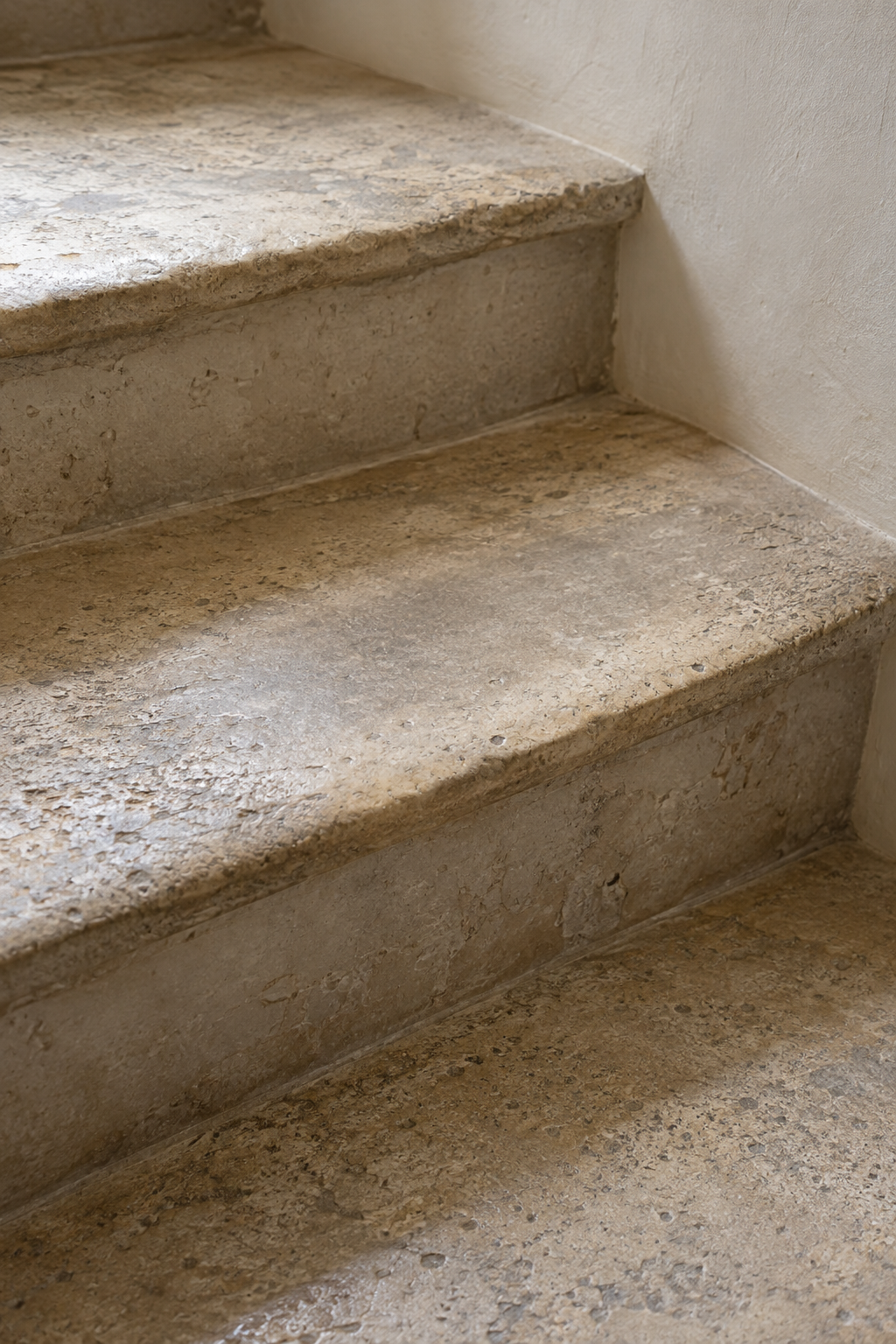
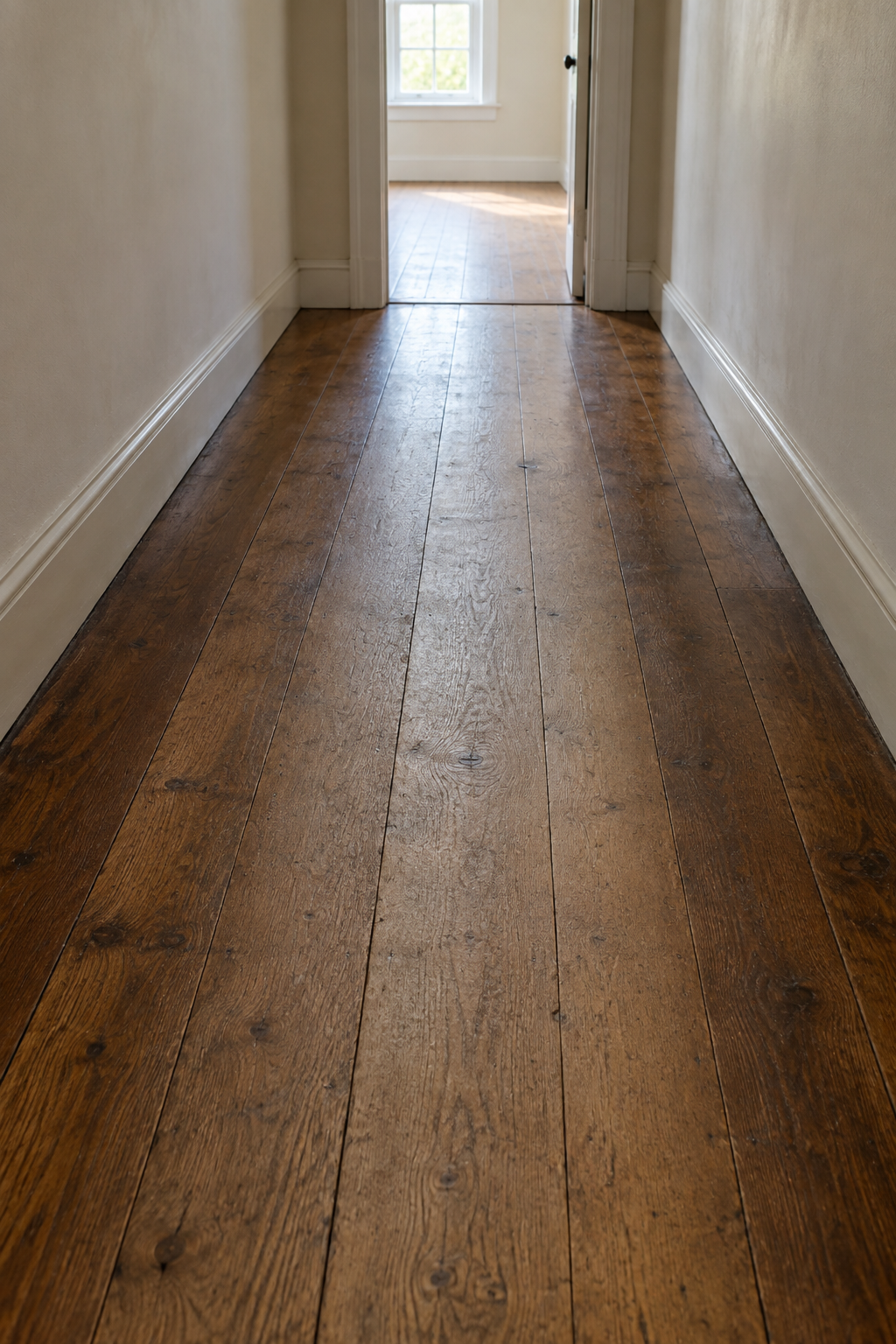
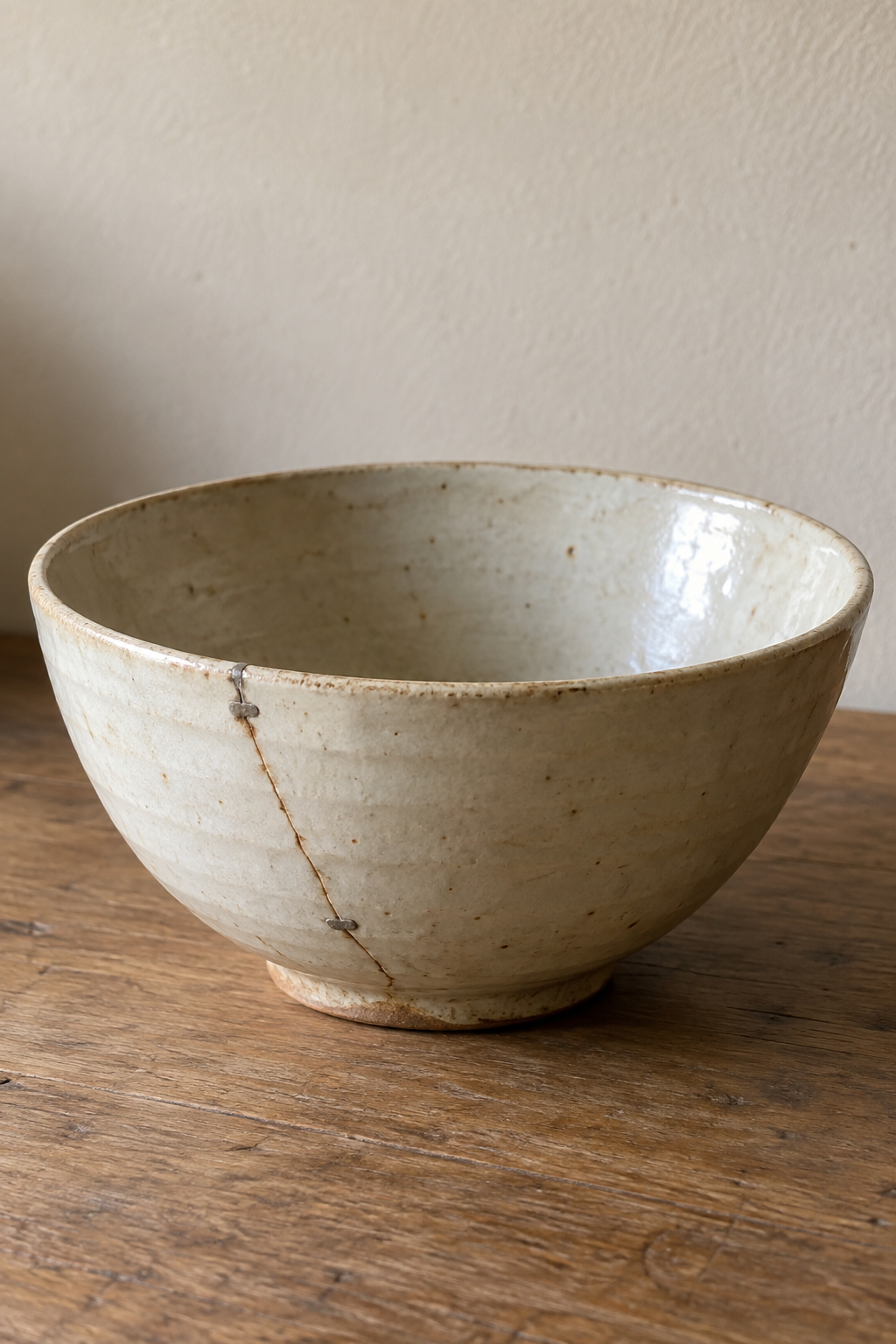
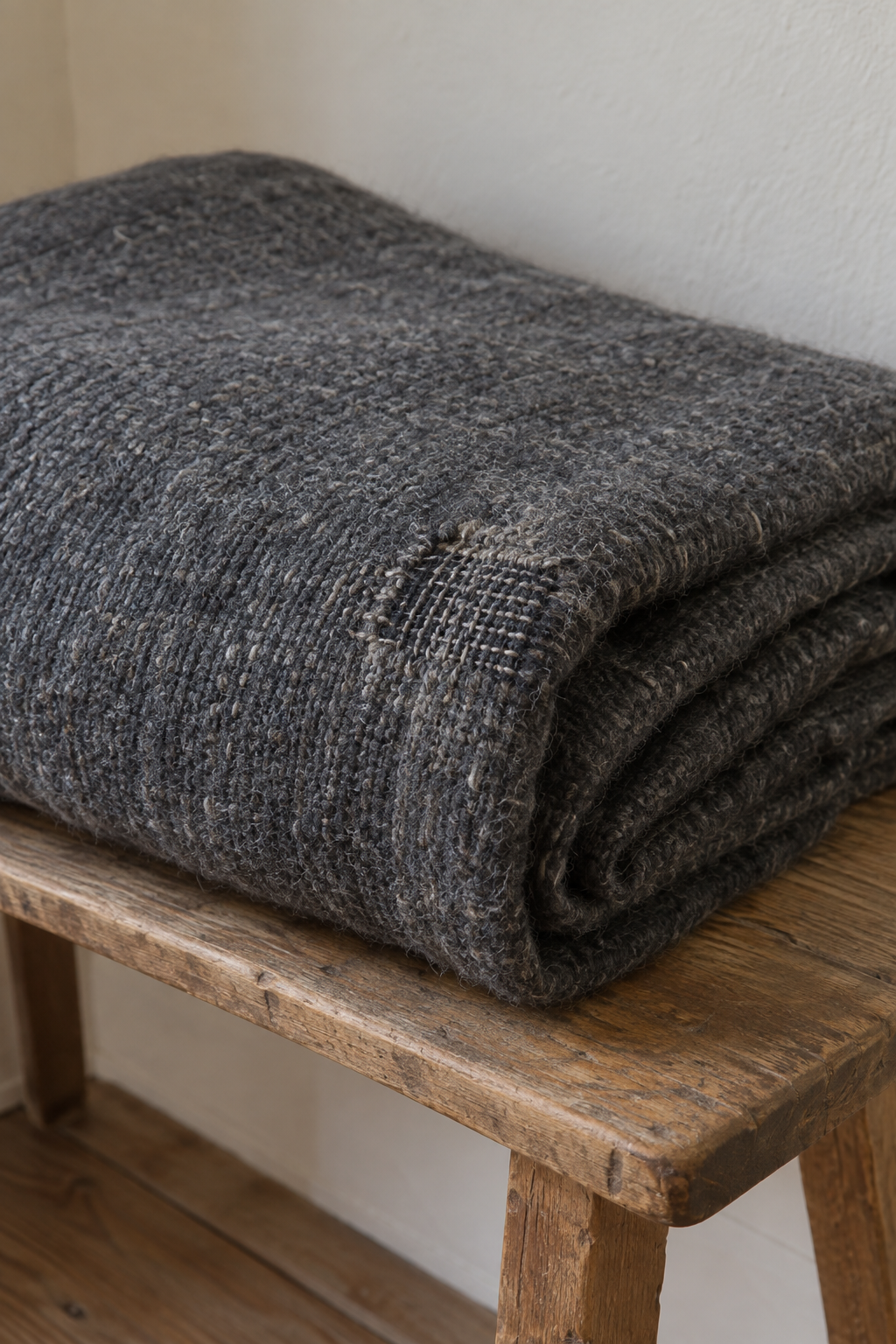
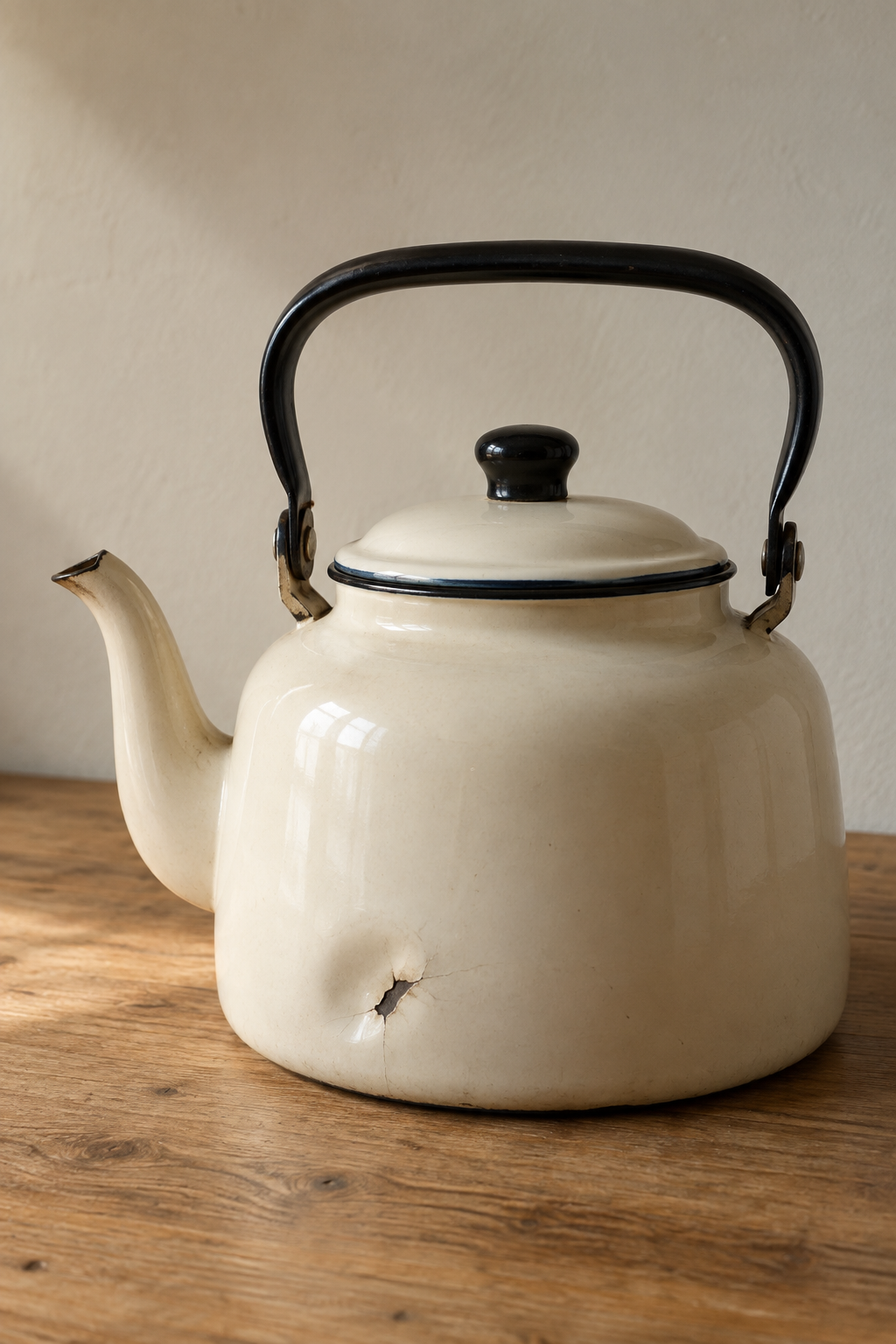
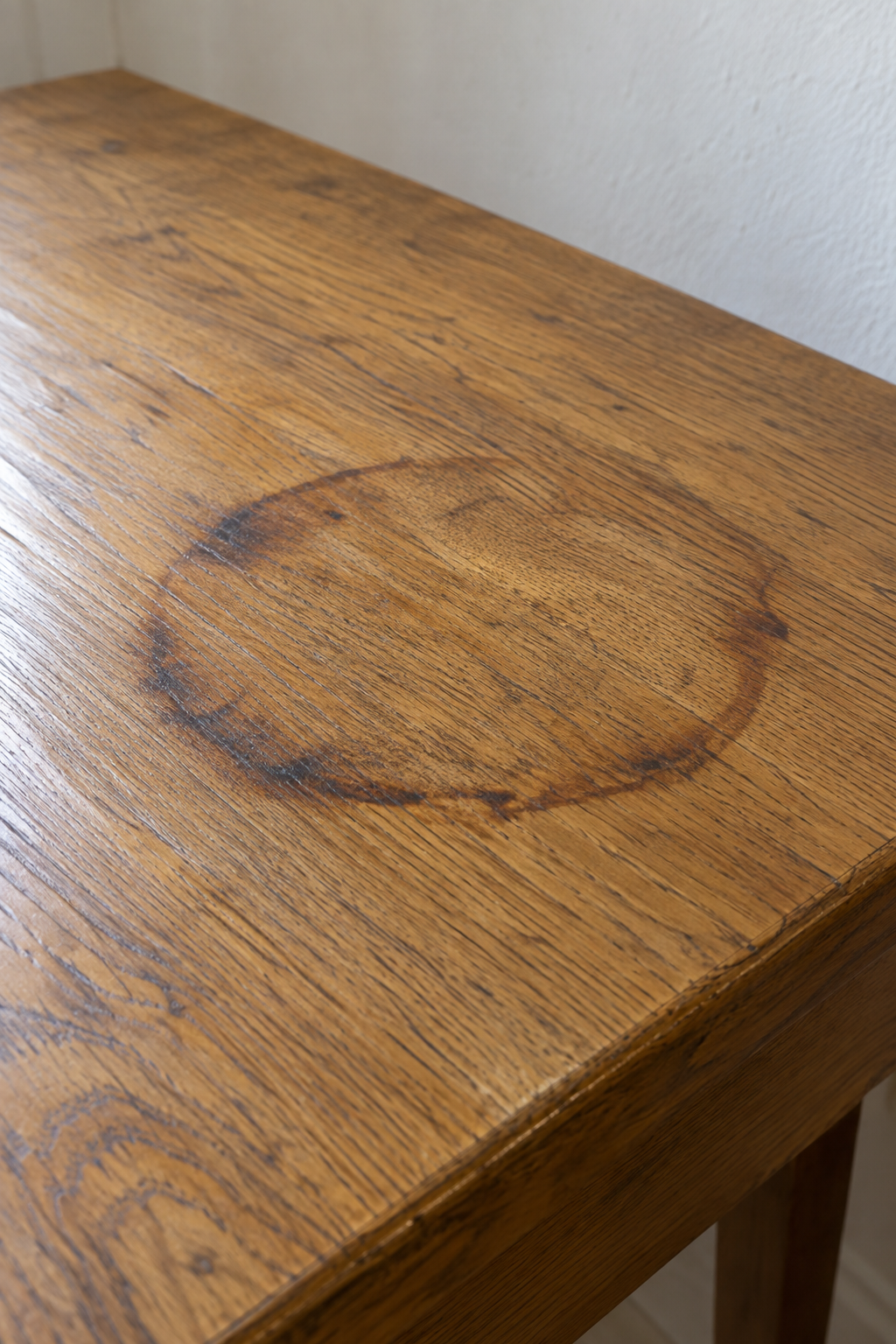
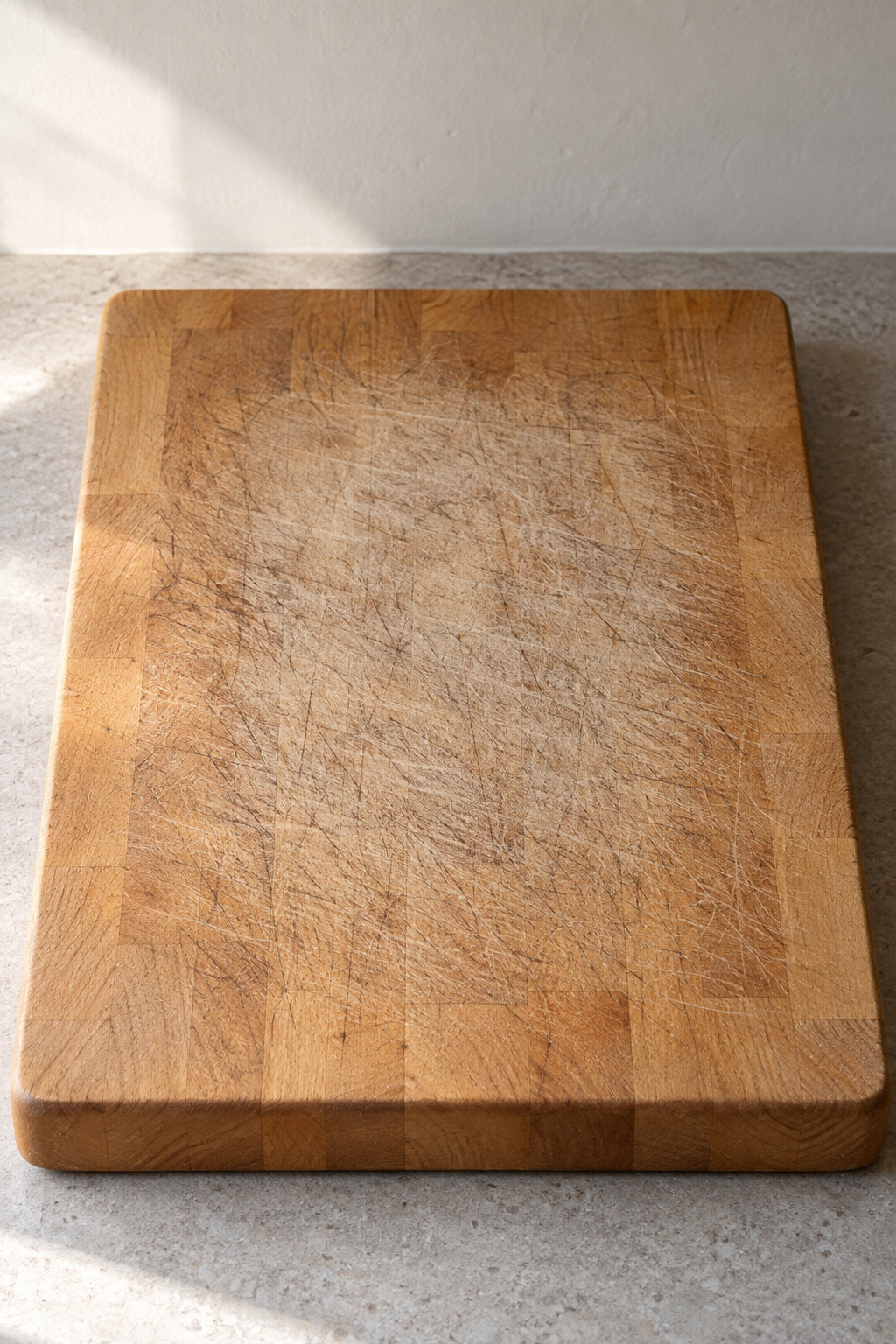
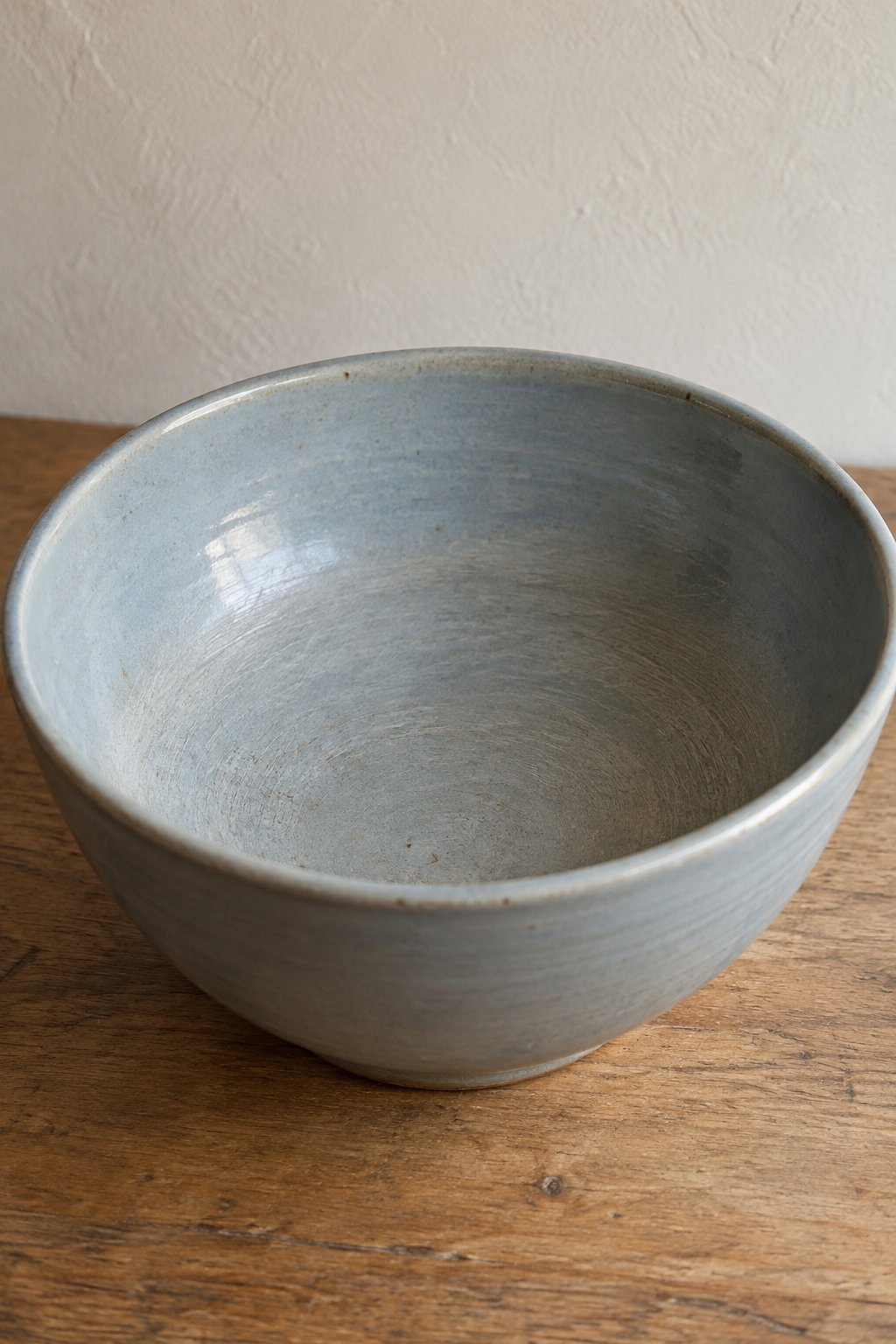
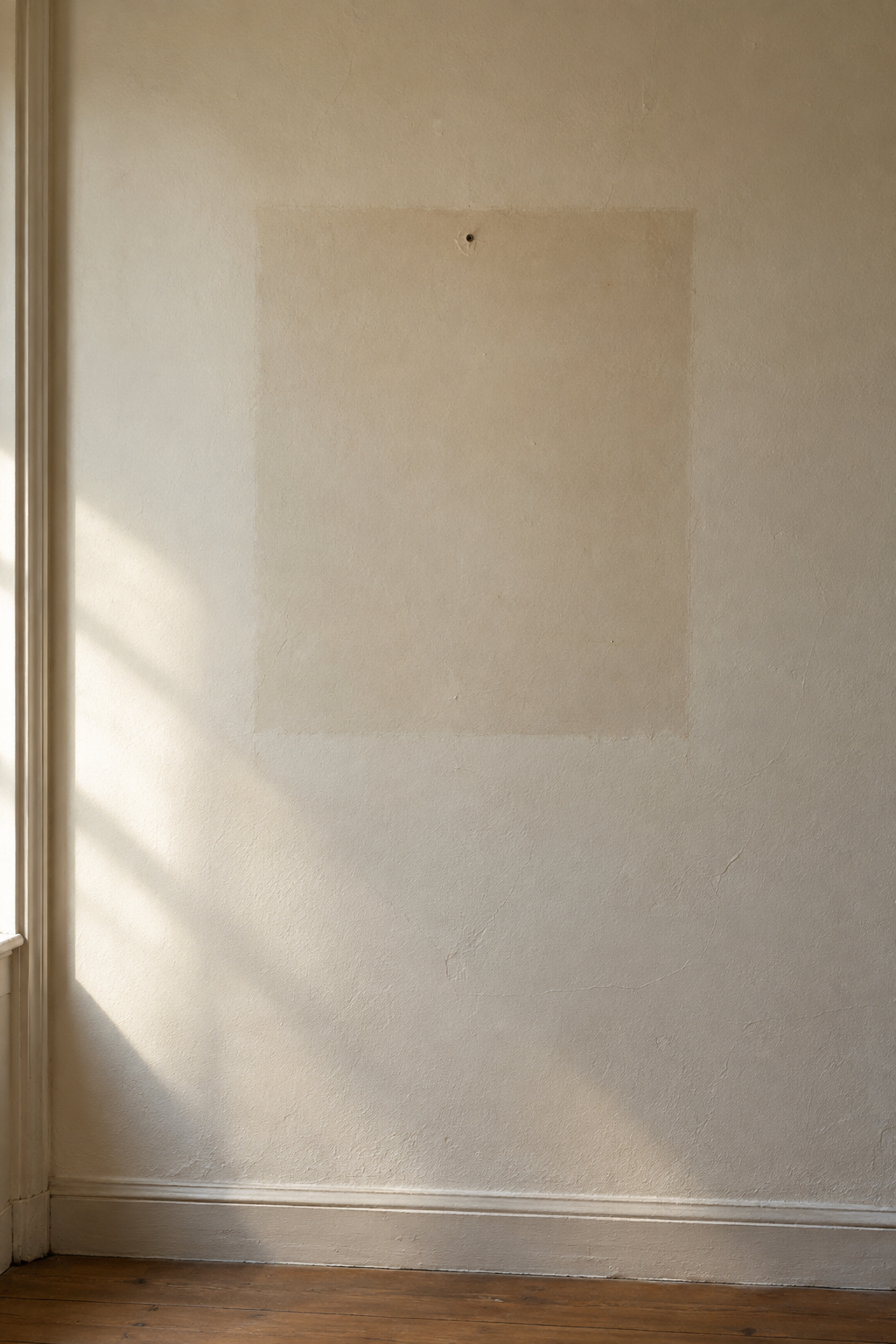
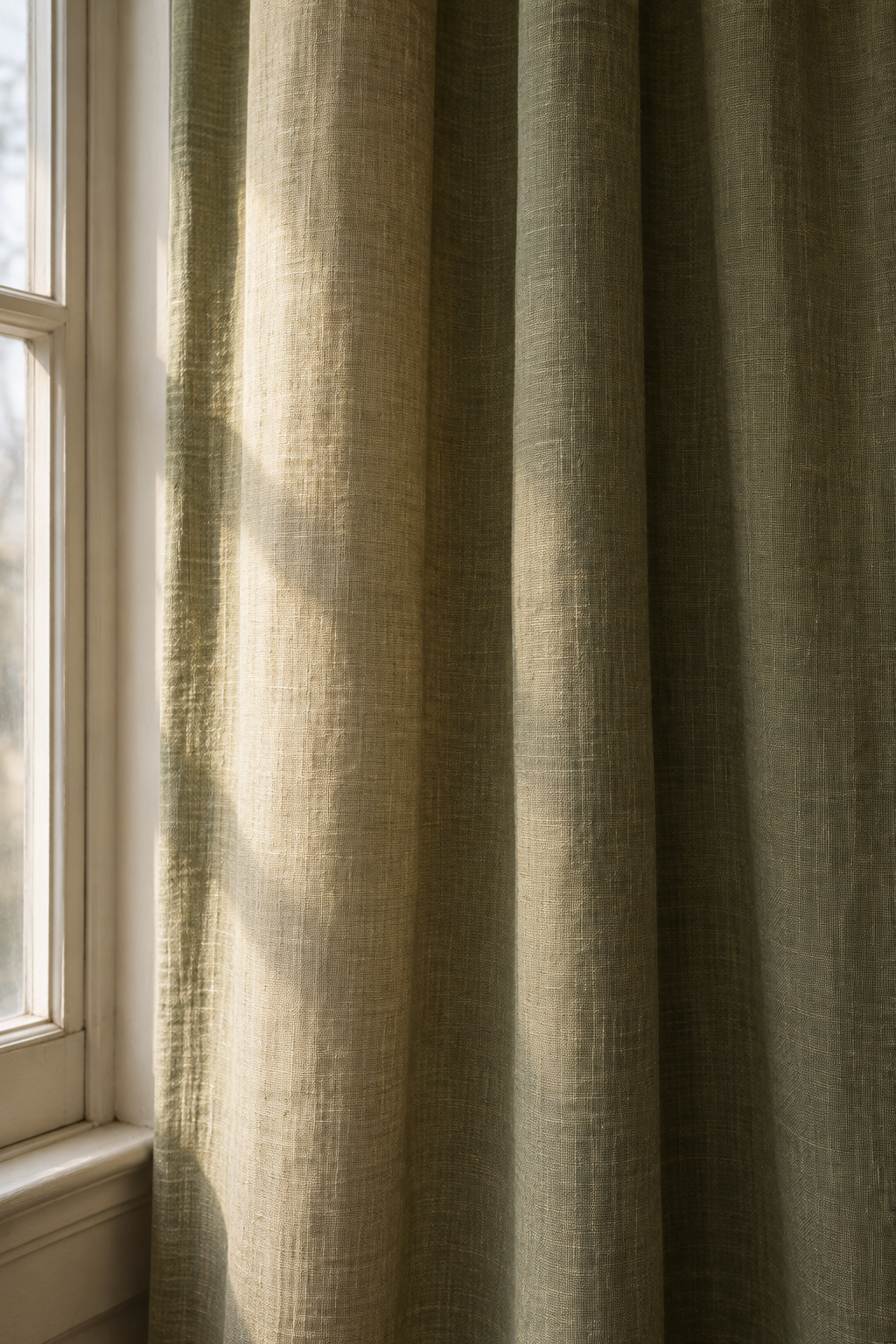
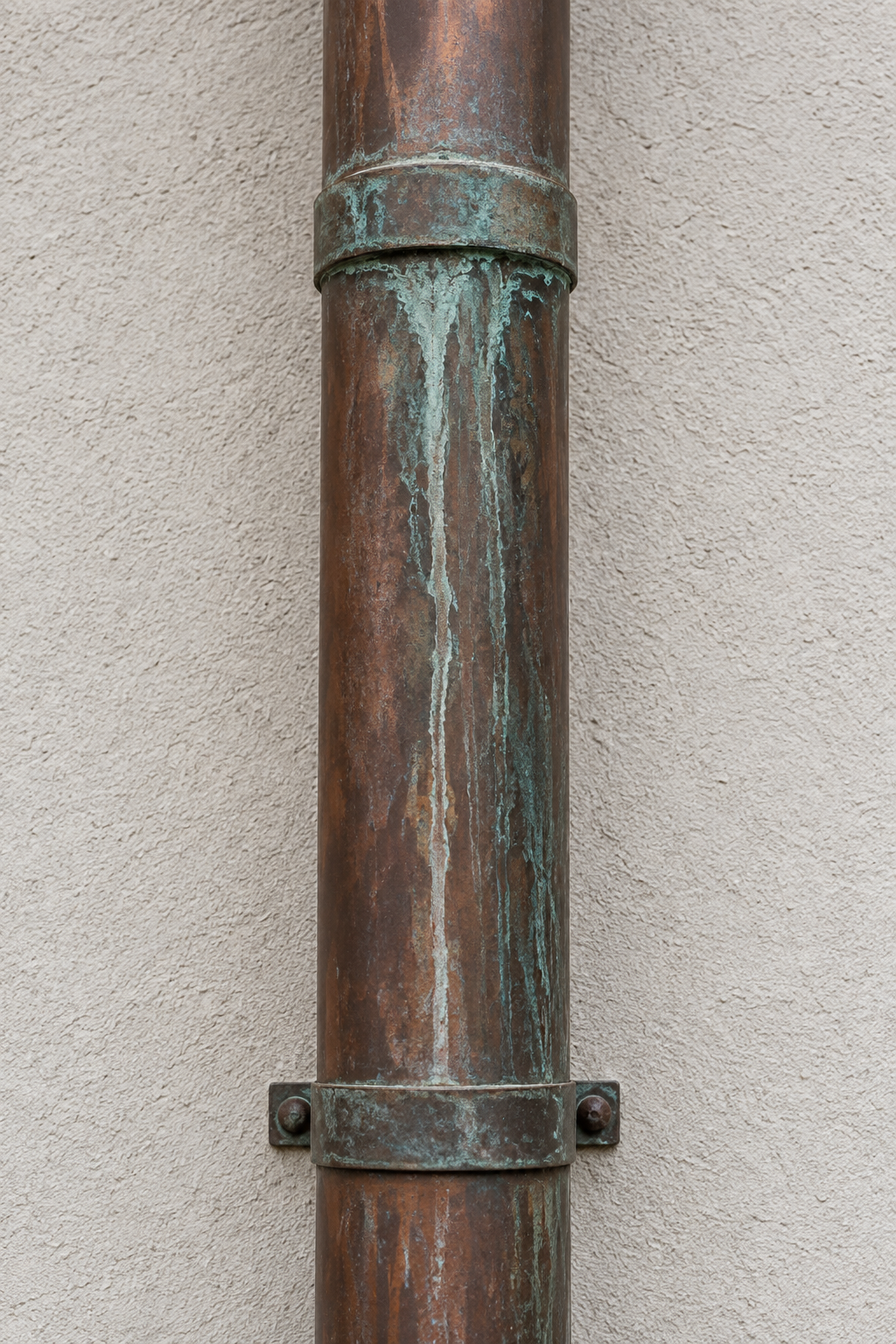
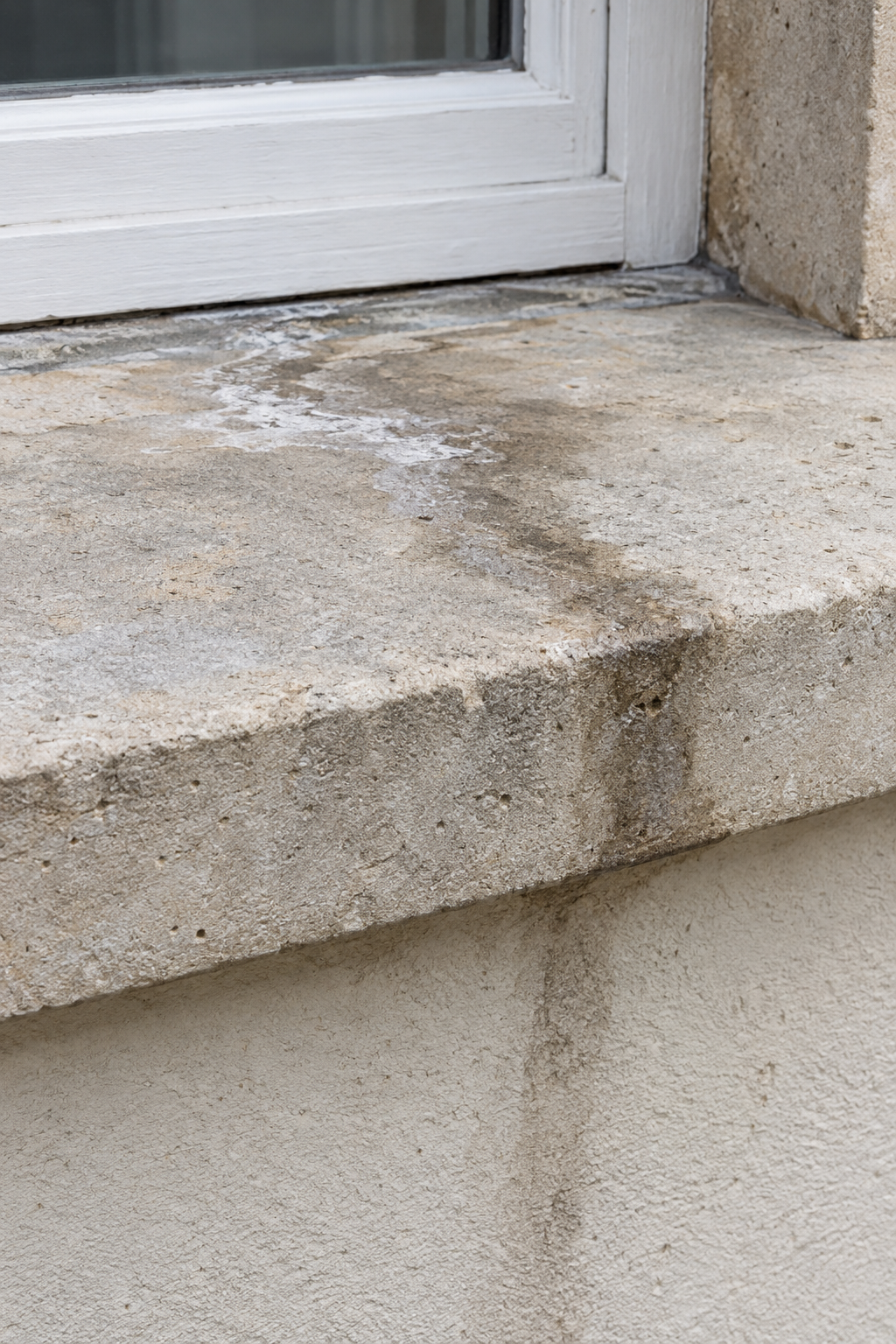
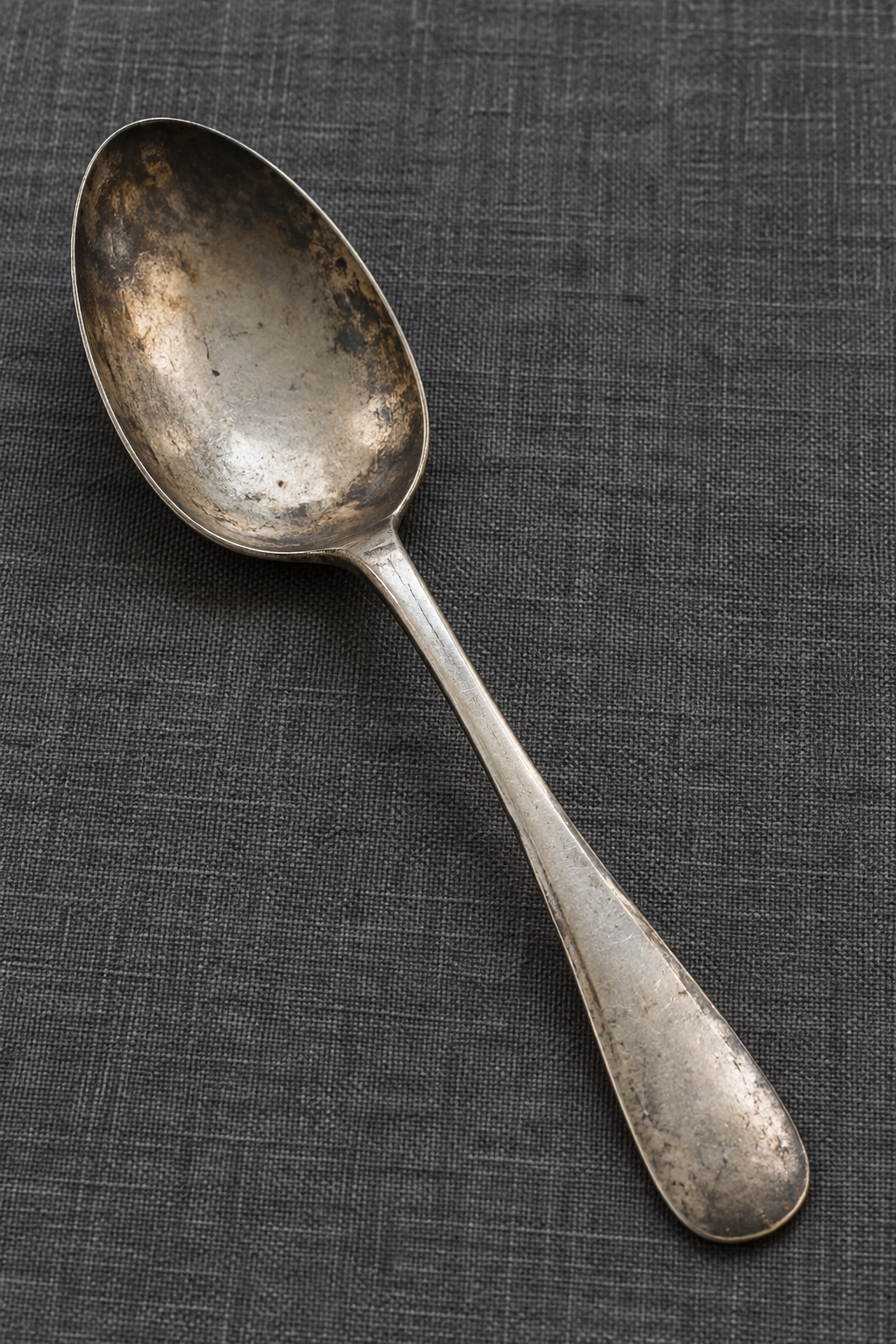
This project began with a simple question: what happens when a synthetic image carries the visible consequences of events that never occurred? The eighteen synthographs in this series show surfaces apparently altered by touch, pressure, abrasion, impact, repair, light, weather and time. Wood has been polished by hands that were never there. Stone appears worn by footsteps that were never taken. Fabric seems faded by years of sunlight, metal altered through handling, ceramic preserved after damage. None of these histories took place physically, yet their effects remain legible because we already understand how materials behave. The images depend upon that recognition. They are not concerned with spectacular impossibilities, but with ordinary evidence: the small changes through which objects and surfaces appear to acquire a past.
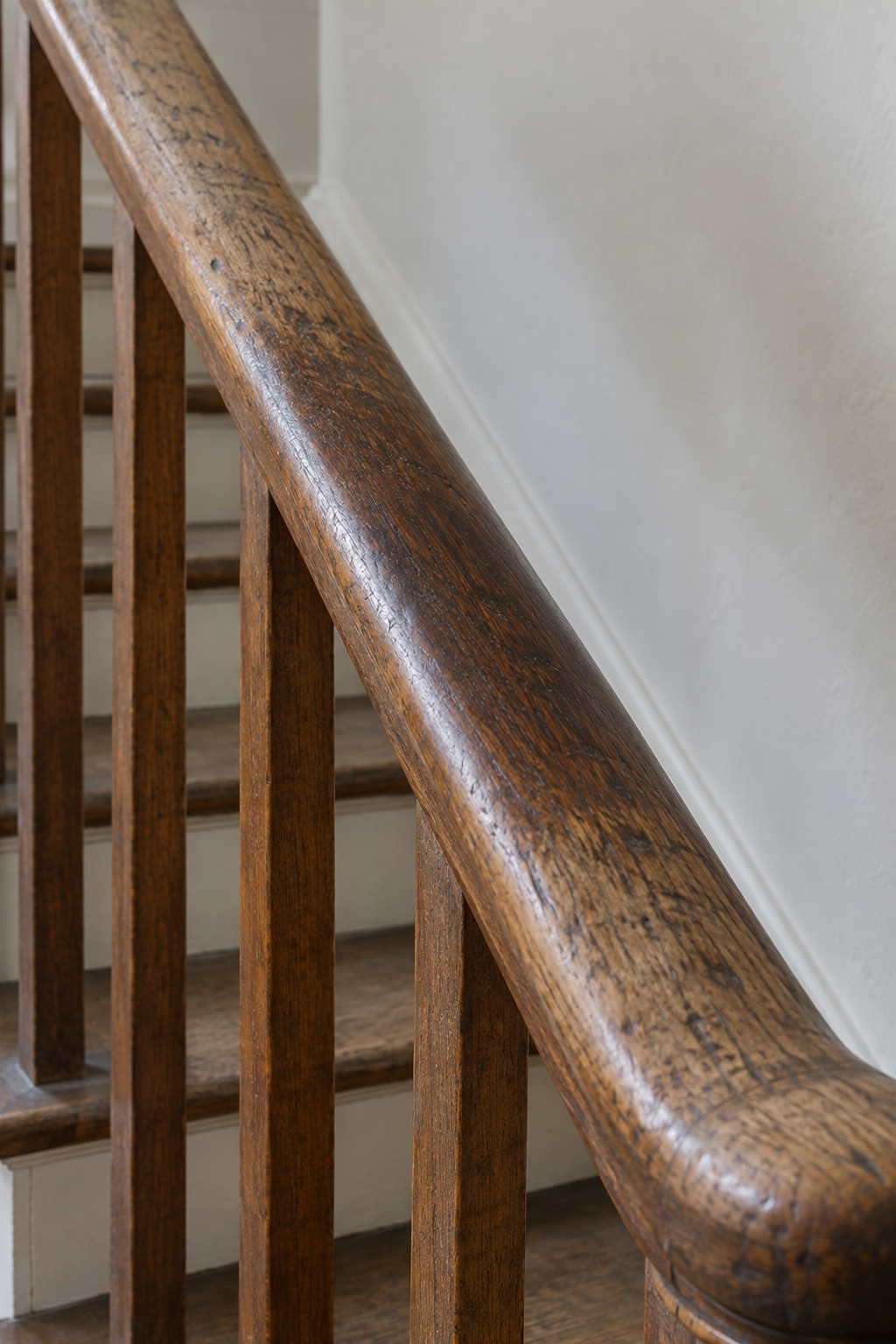
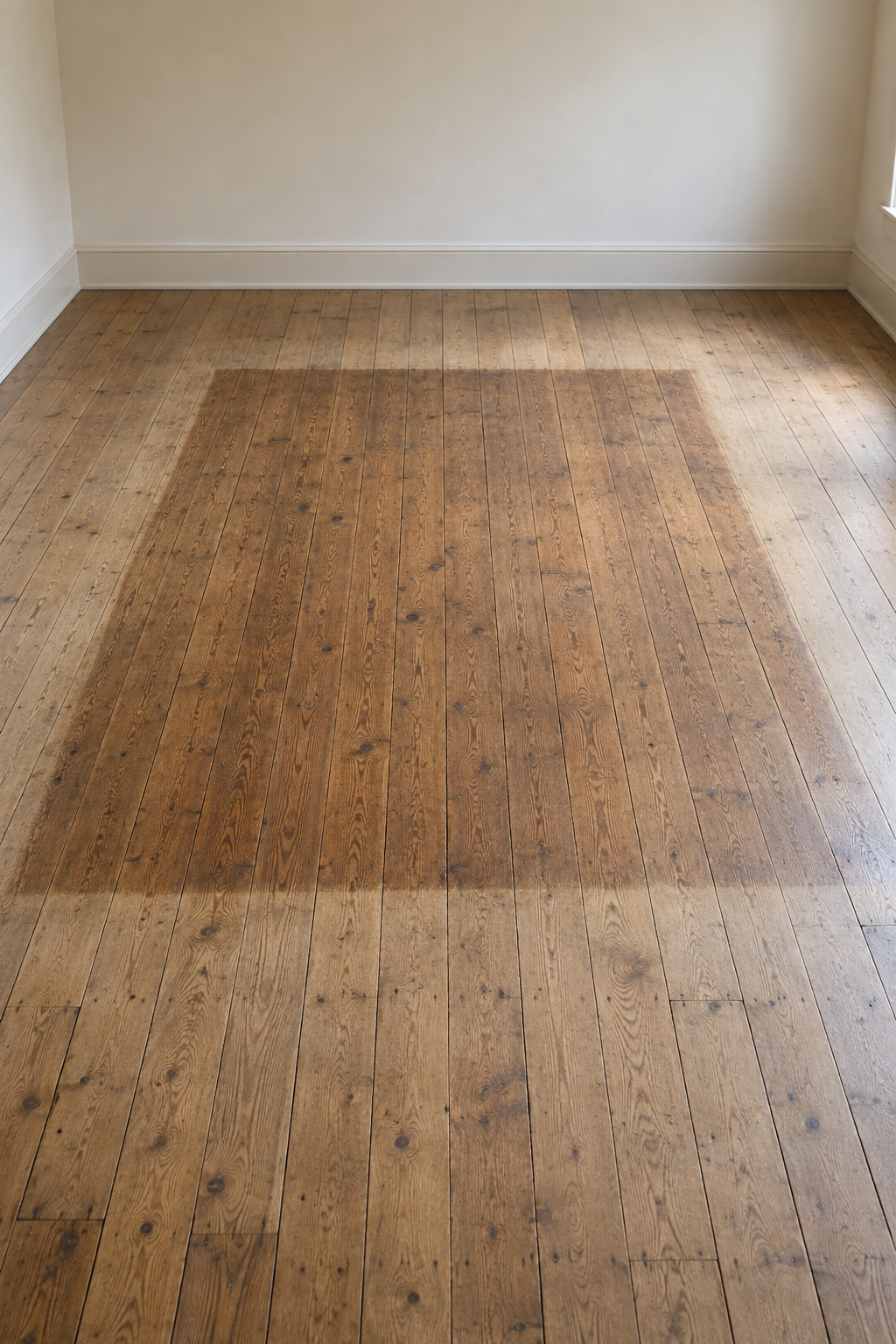
The series was made with ChatGPT and Images 2.5 by OpenAI, using a conversation-to-image process rather than conventional text-to-image prompting. The starting point for each synthograph was not simply an appearance, but an invented causal history. I described what had supposedly happened to a material, where it had happened, how long it had been happening, and how the resulting alteration should behave. An old handrail was not merely described as worn; particular areas had been smoothed through decades of repeated contact. A floor was not simply faded; one region had remained protected while the surrounding timber changed through prolonged exposure. Each result could then be examined, questioned and revised when its physical logic felt wrong. The process became less about styling objects than about constructing convincing relationships between an absent cause and its visible consequence.
Across the series, those invented causes move through contact, incident and duration, while the visual treatment remains deliberately restrained. The spaces are quiet, the light natural, and the compositions close and observational, borrowing the descriptive clarity of documentary photography without claiming its physical connection to an event. I wanted the surfaces to carry the work without theatrical ageing, picturesque ruin or exaggerated damage. What interests me is the point at which a synthograph can suggest not only what something appears to be made from, but what it appears to have endured. TRACE is therefore less a collection of worn objects than a study of fictional histories embedded in matter. The actions are absent, the bodies are absent, and sometimes even the objects responsible for the marks have disappeared. What remains is the trace itself: plausible, readable and entirely synthetic.
Gallery
"Memory is the diary that we all carry about with us." — Oscar Wilde