OMENS: a symbolic bestiary of simulated hand-pulled relief posters
OMENS begins with relief printing: one of the oldest and most direct methods of making an image repeatable. In woodcut, linocut and letterpress, ink is applied to the uncut surface of a block or typeform, while the carved-away areas remain unprinted, appearing as the colour of the paper. The process depends on reversal, pressure and subtraction: what is left standing receives ink; what is removed becomes light. Woodcut has deep histories in China, Japan and Europe; linocut, softer and more graphic, became a modern tool for bold silhouettes and simplified forms; letterpress gave printed language its physical weight. This project draws from those traditions without entering them. There is no block, gouge, brayer, baren or press here — only the simulation of their effects.
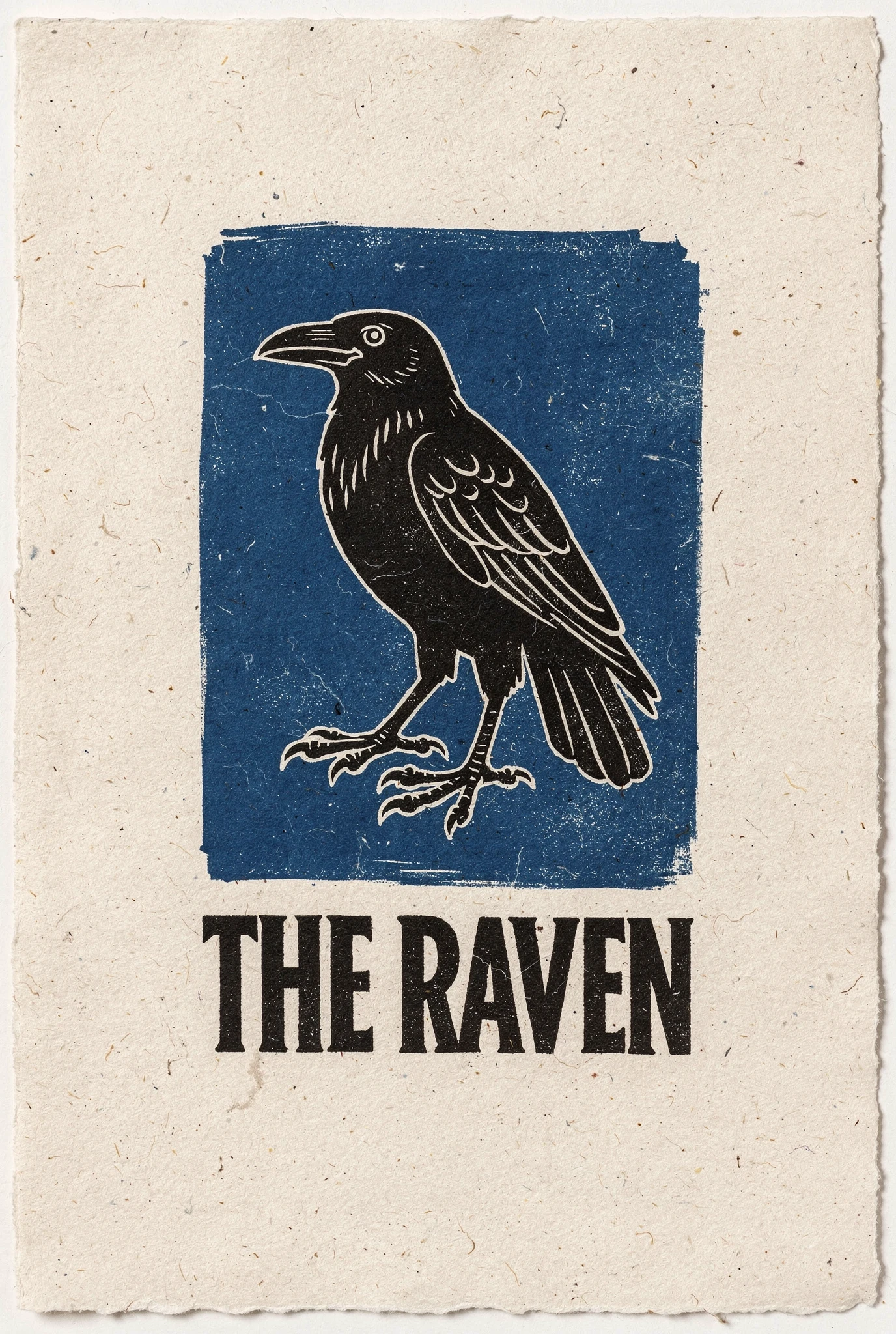
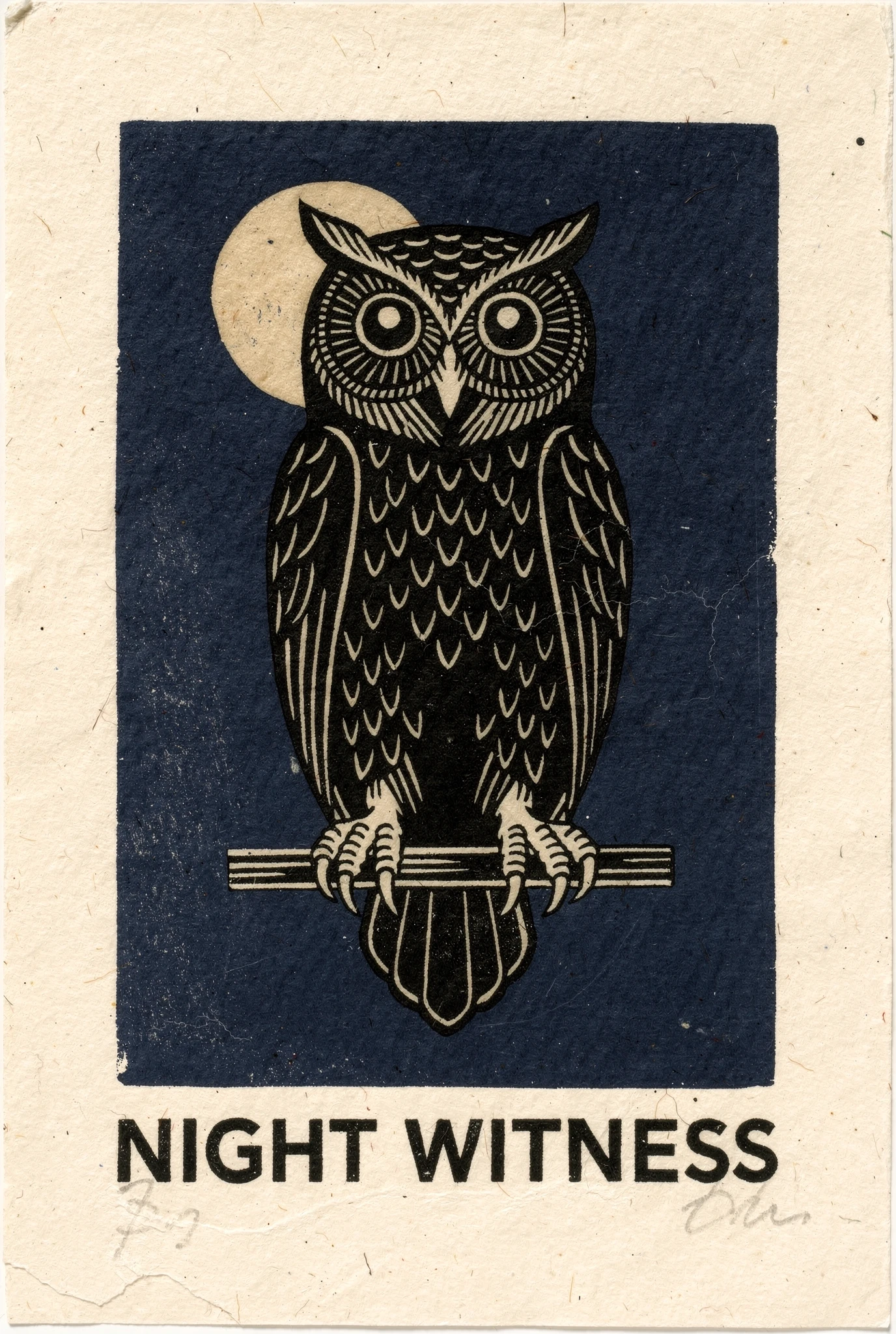
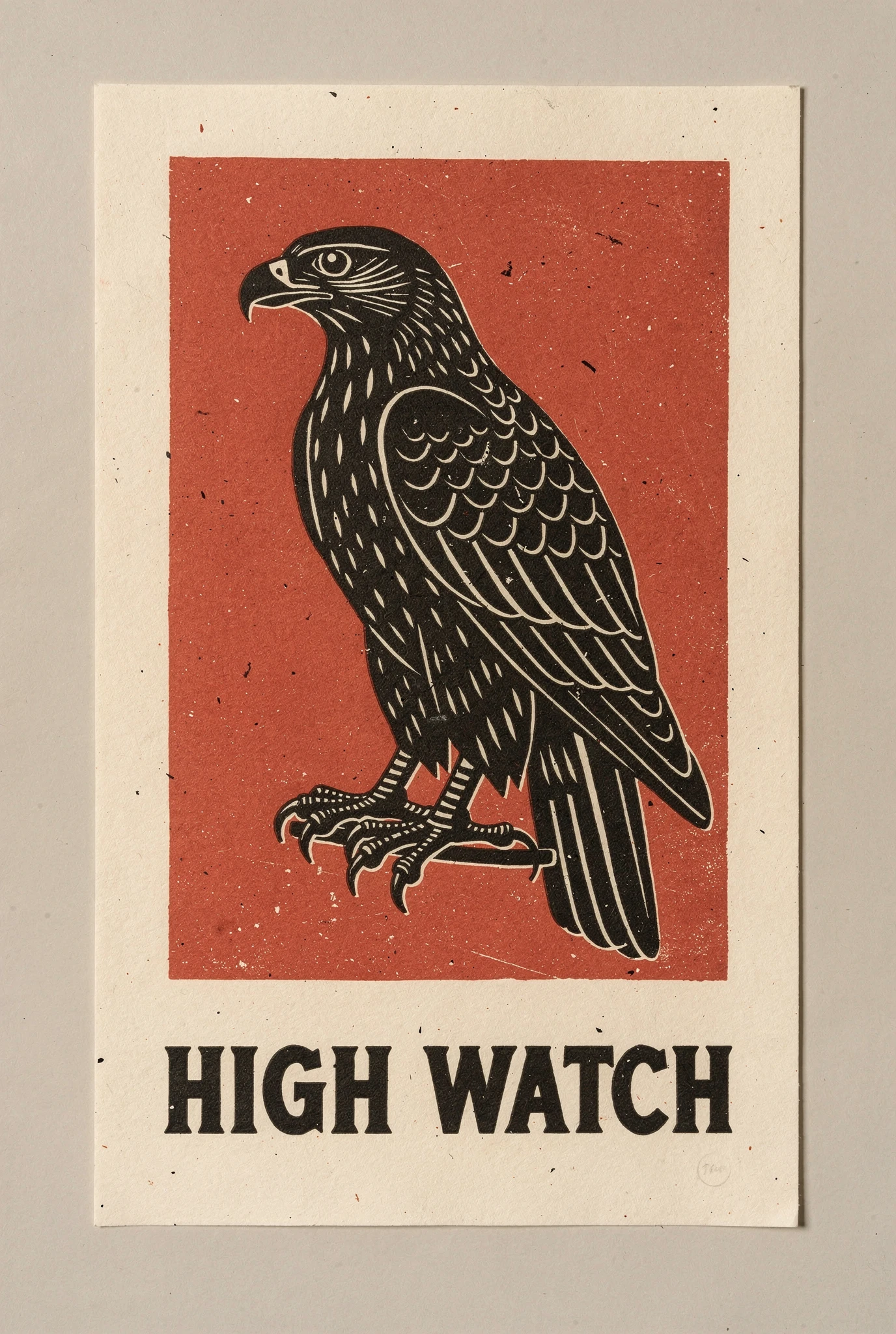
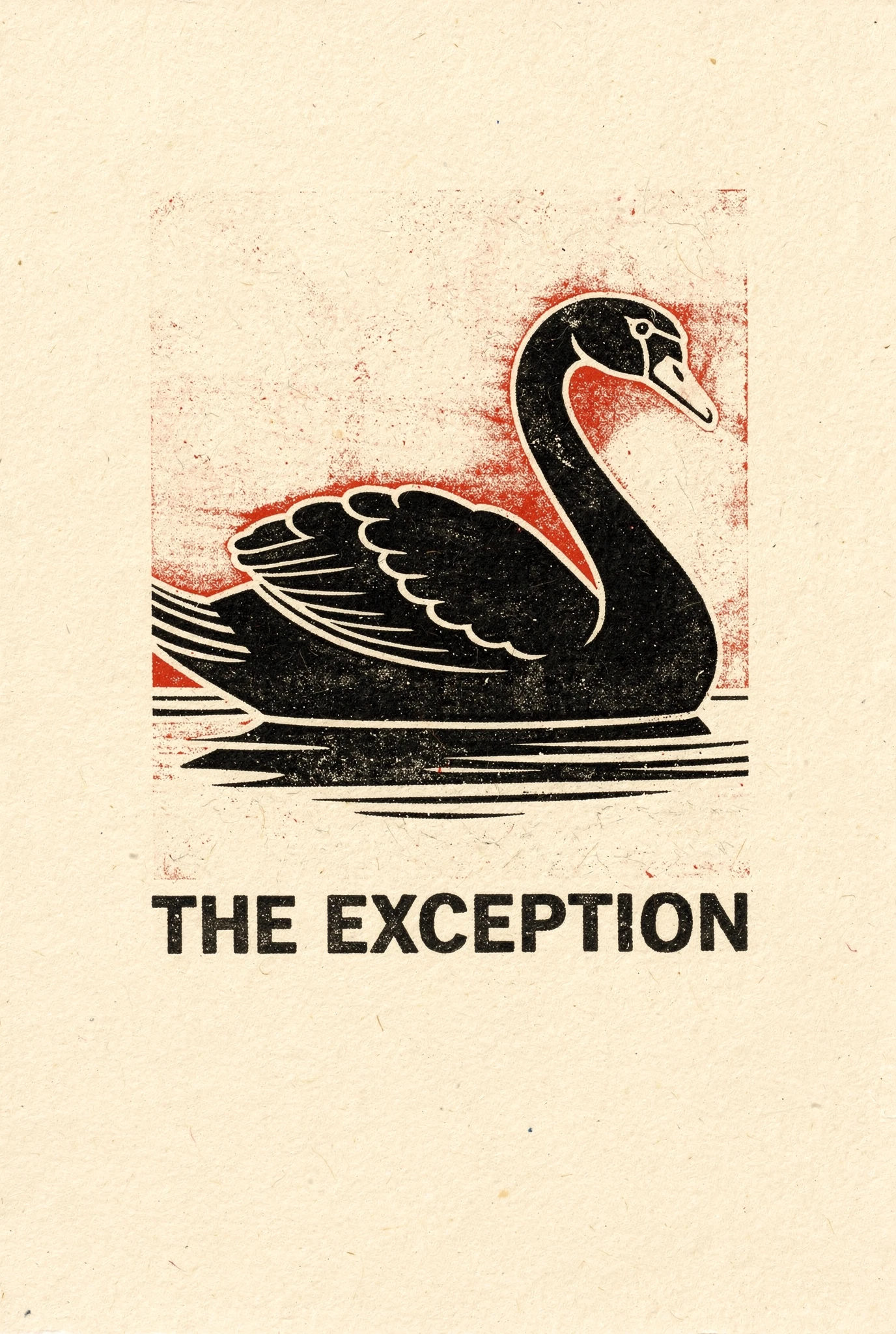
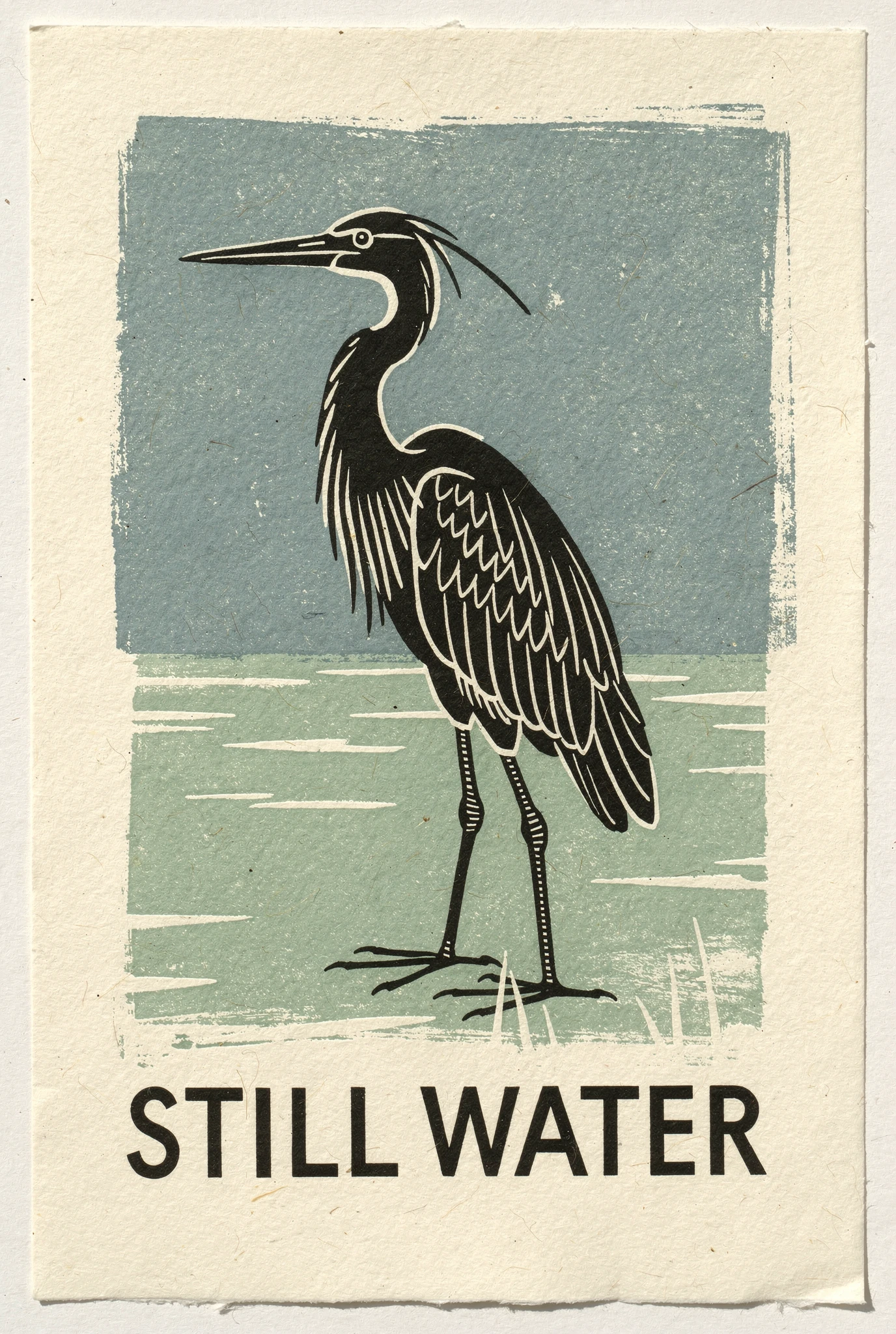
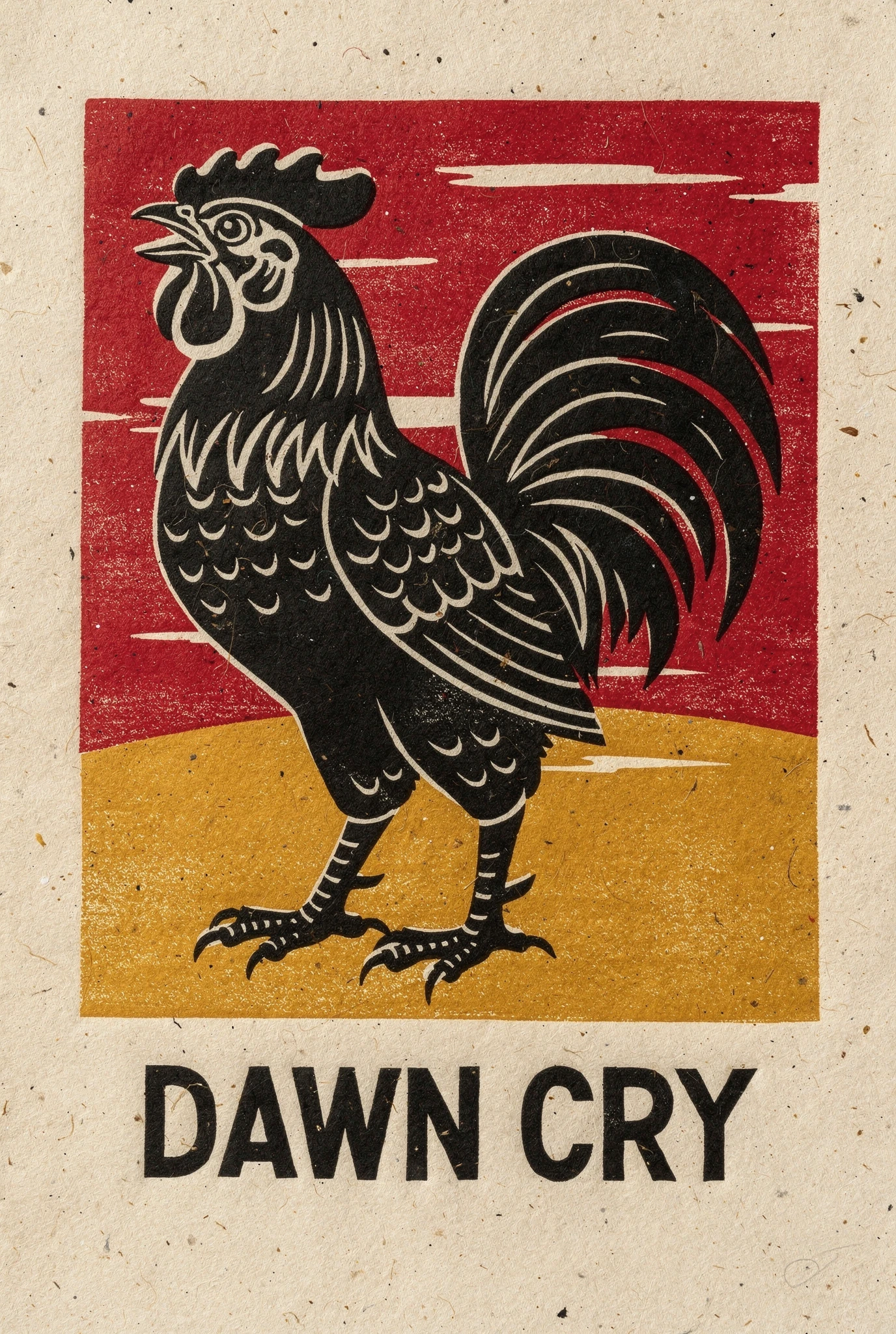
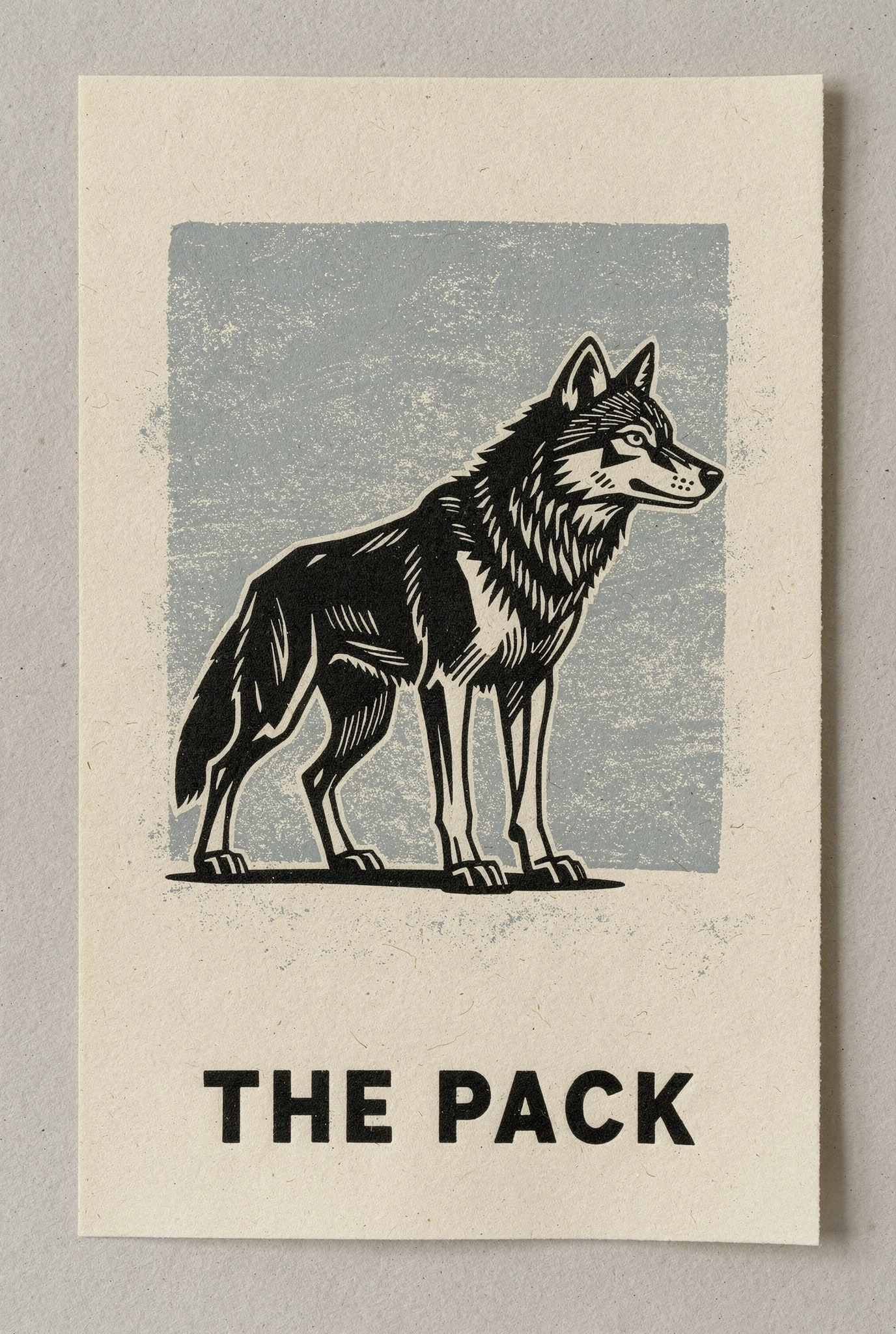
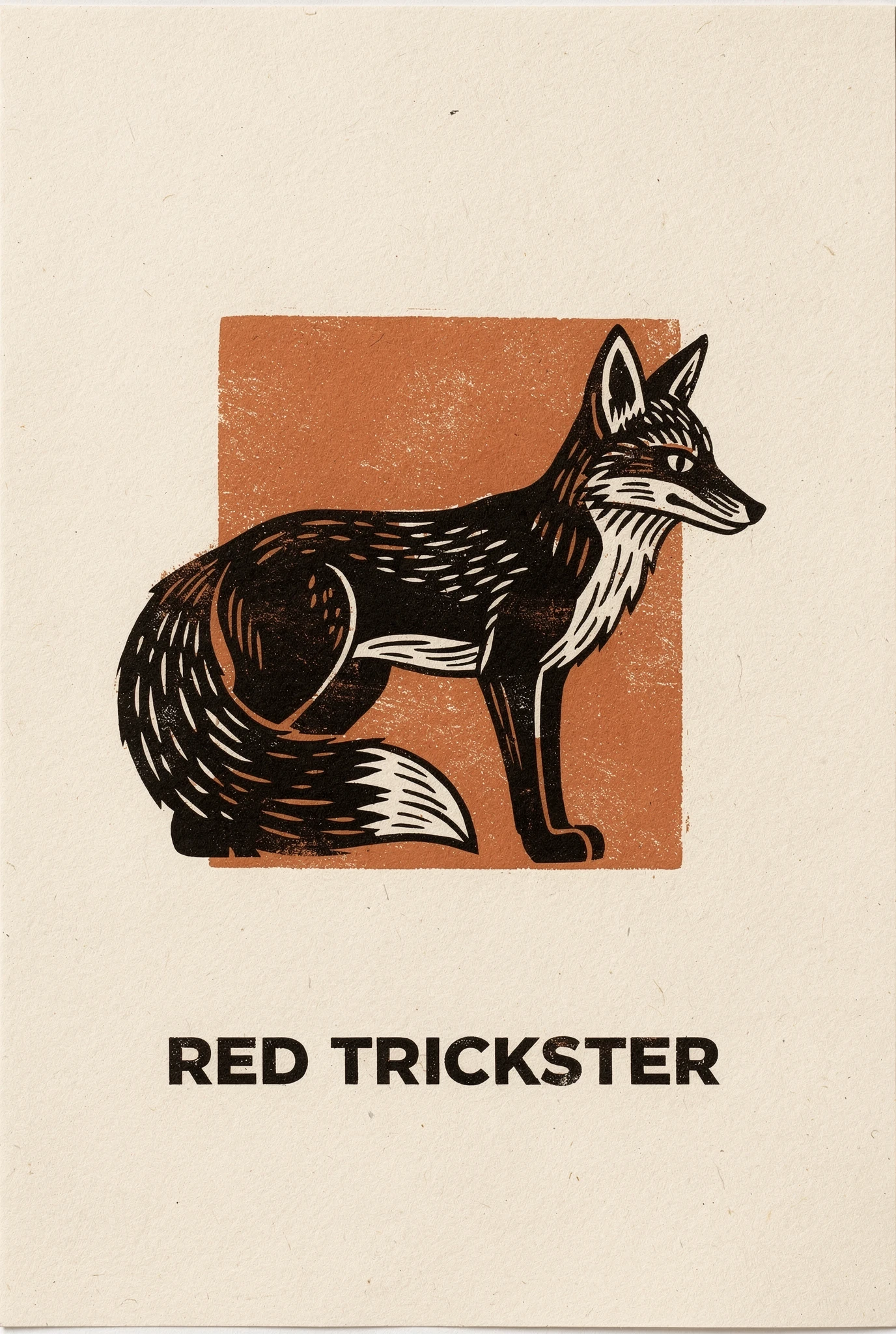
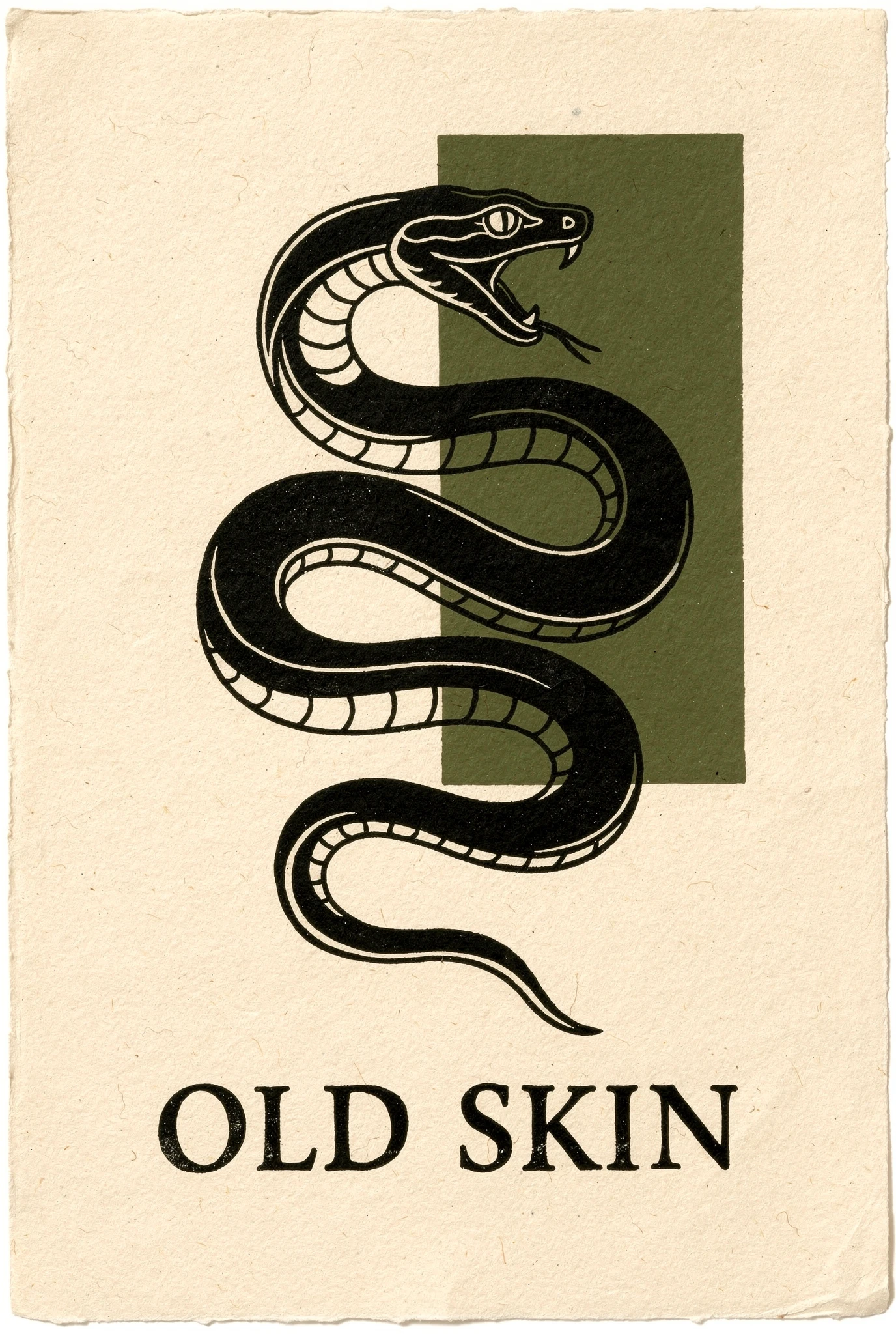
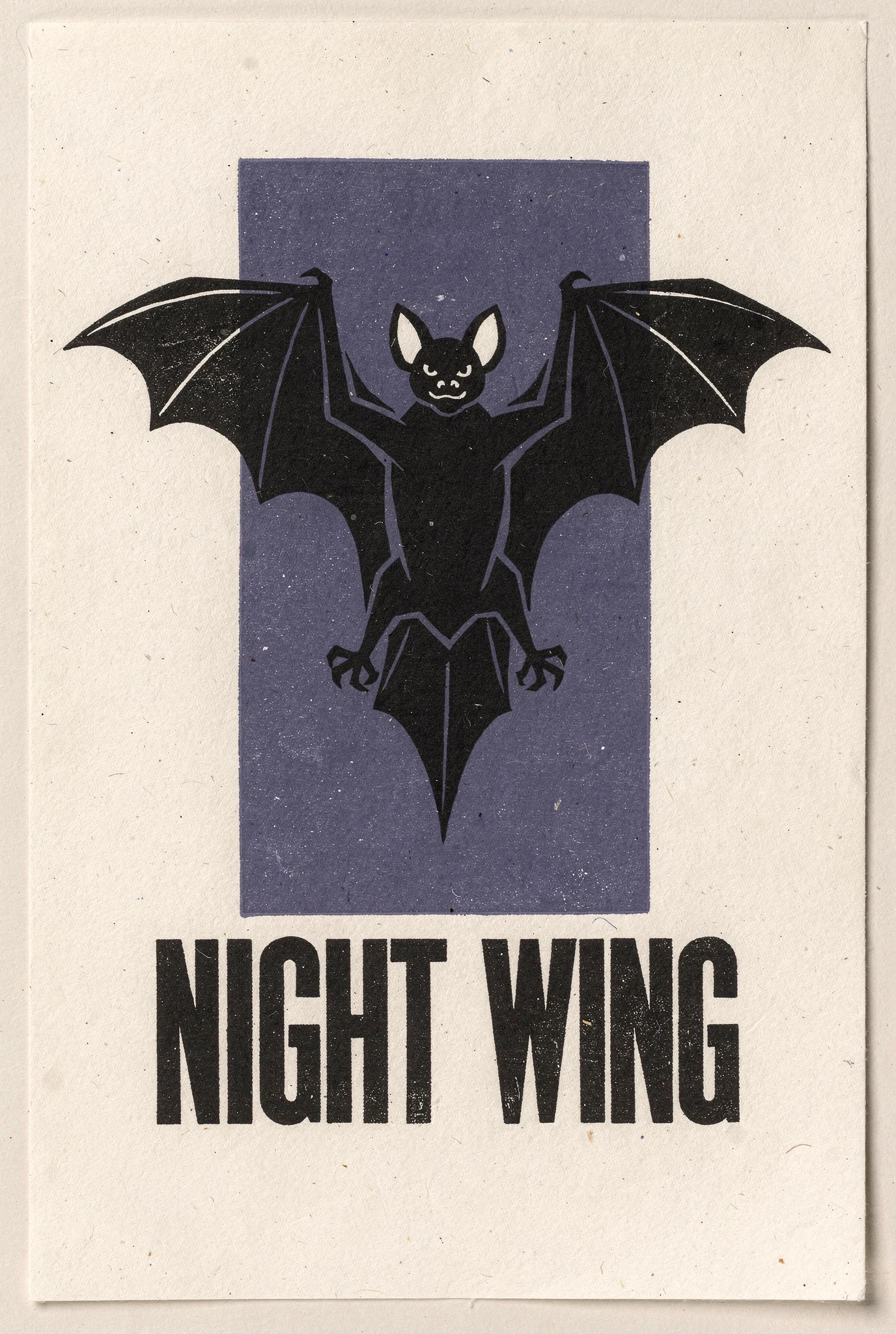
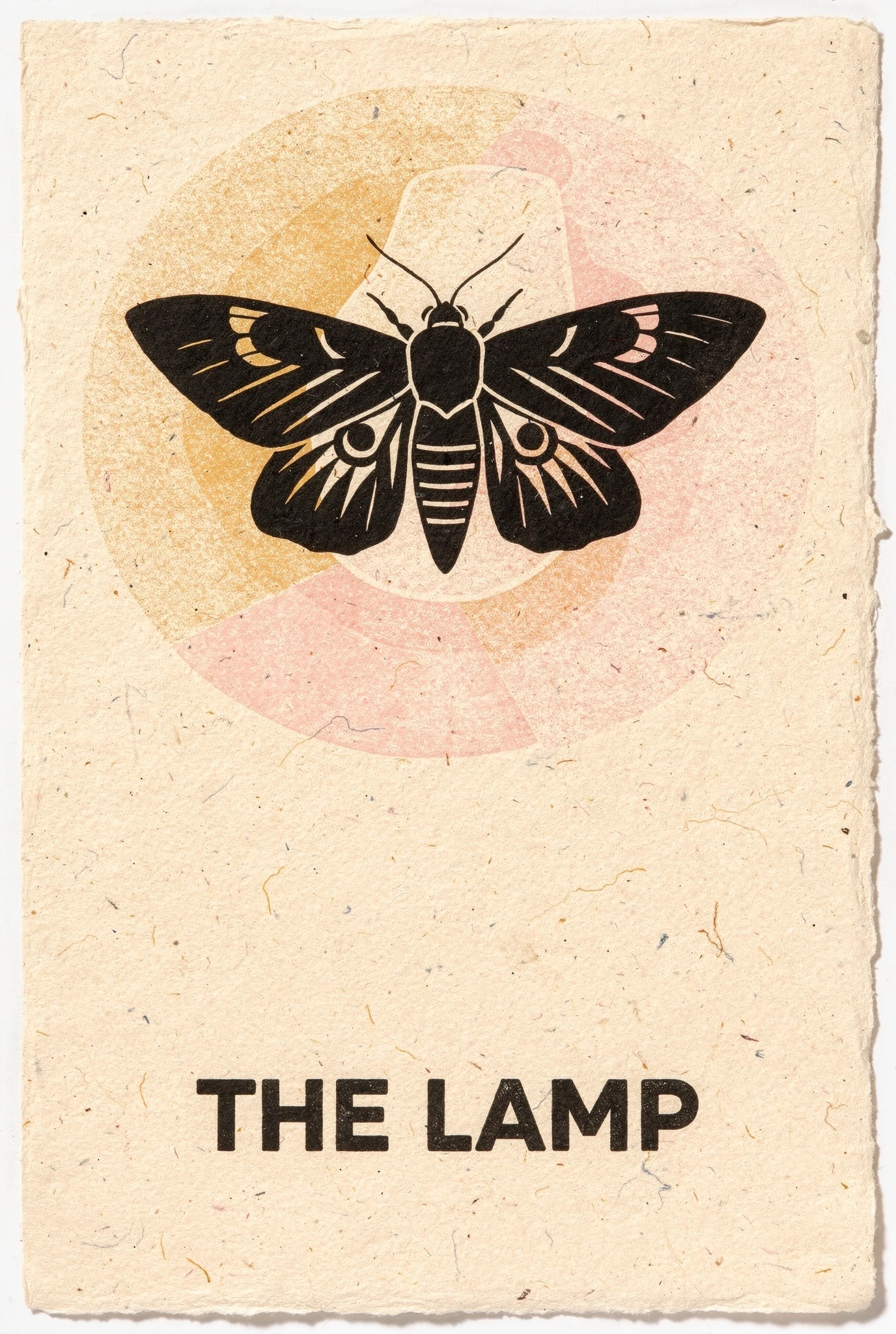
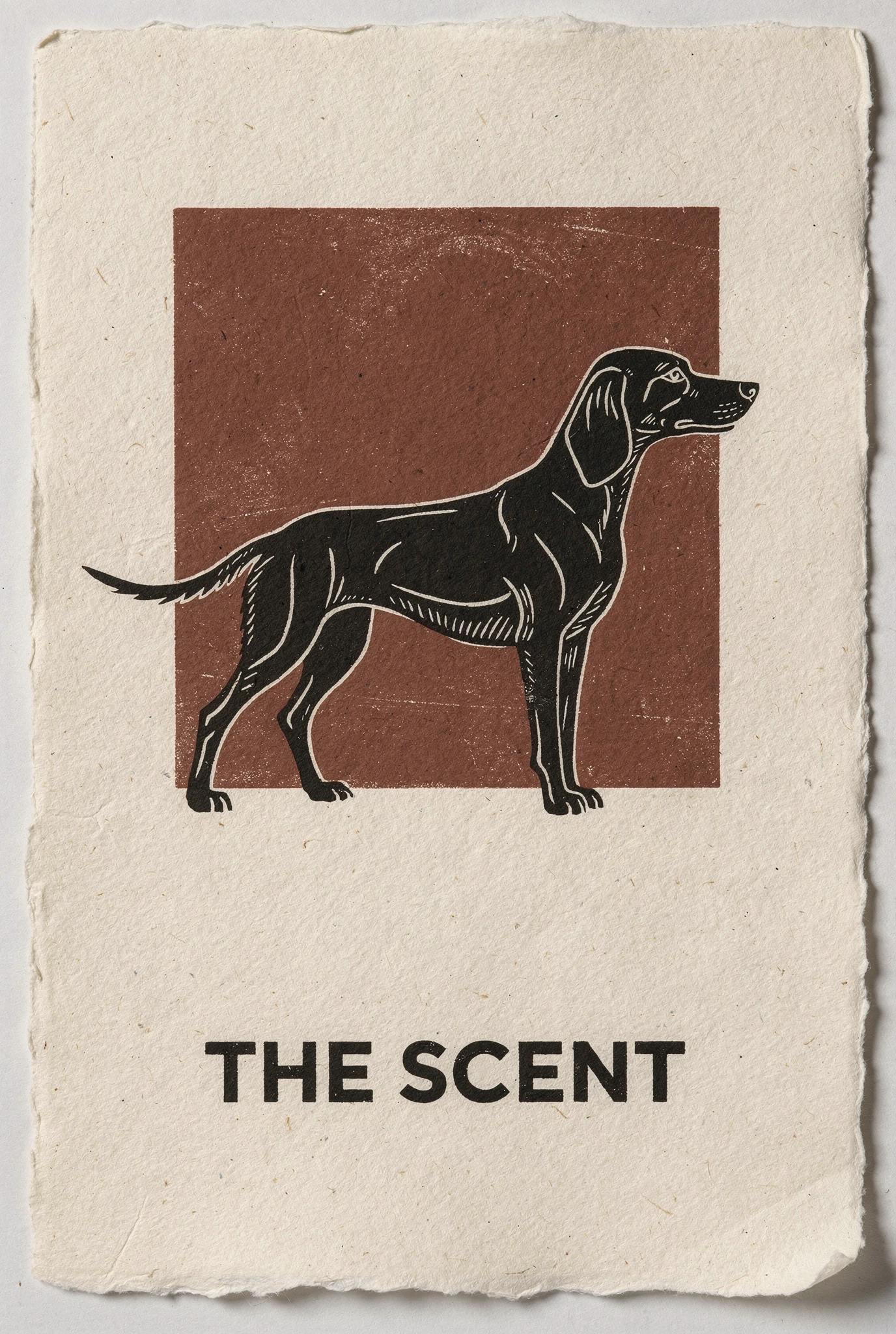
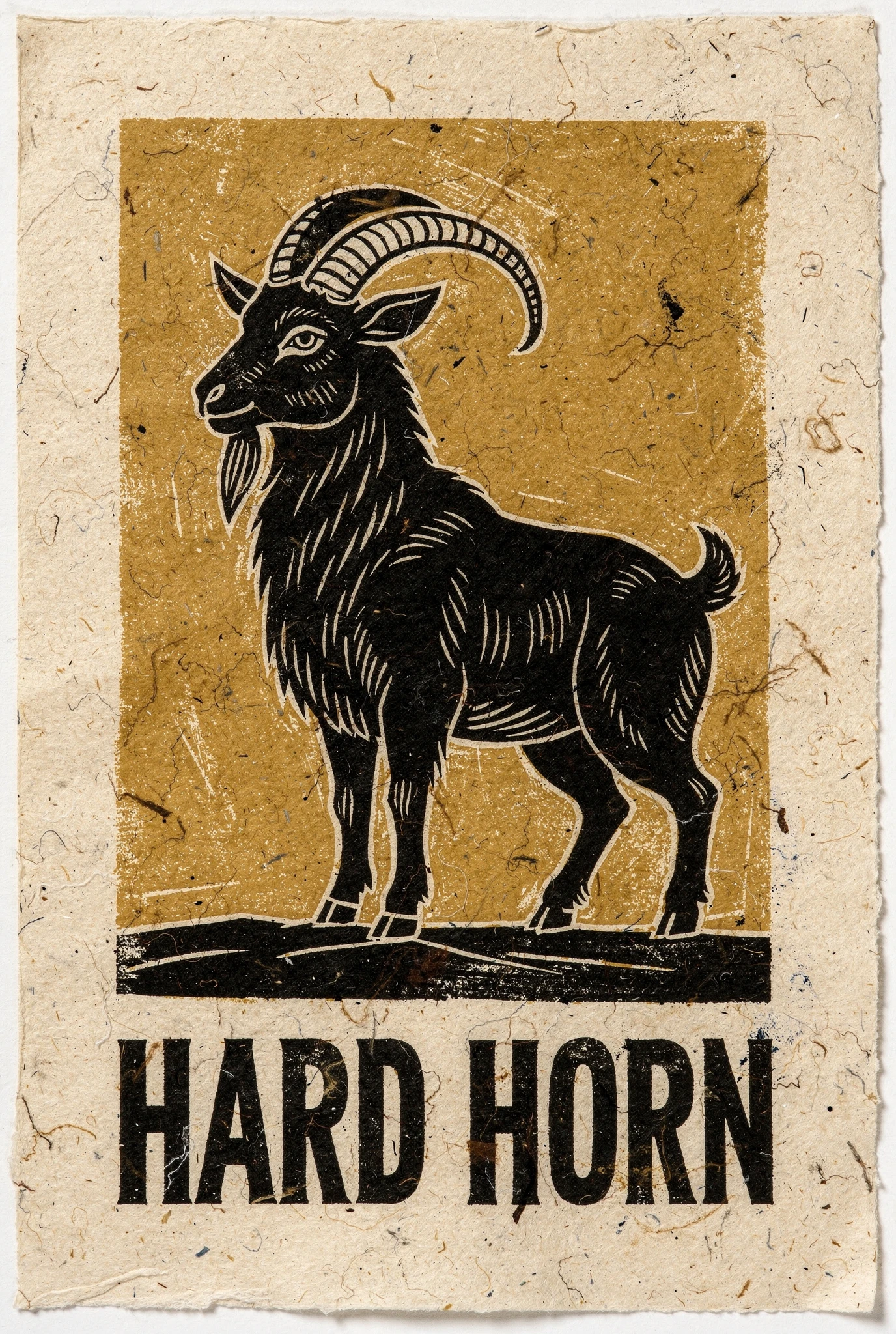
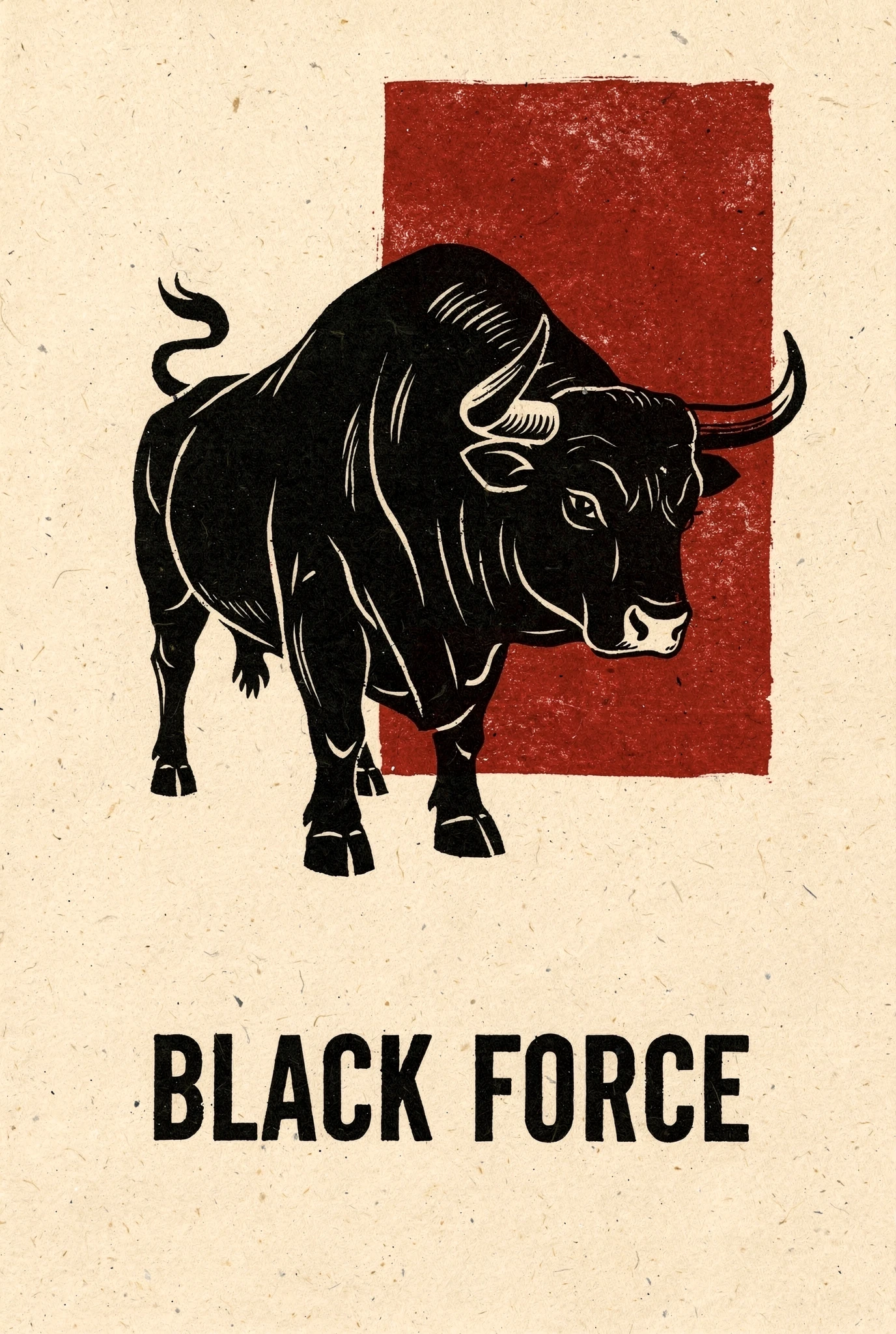
The series takes the form of a symbolic bestiary: eighteen birds and animals rendered as imagined hand-pulled posters. The creatures are not natural-history studies, nor are they simply labelled illustrations. Each one appears as an emblem carrying a particular force: the raven as prophecy and transformation, the owl as nocturnal witness, the swan as exception, the fox as trickster, the snake as renewal and danger, the bull as mass, endurance and black force. Their printed titles turn them into signs rather than specimens. Limited colour, black silhouettes, carved white marks and broad paper margins give the images the authority of public notices, folk posters, warning symbols and fictional civic emblems. They feel as though they belong to a portfolio of prints that never existed.
The making of the work also exposed the difficulty of asking artificial intelligence to simulate a physical process. Relief printing is flat, but not entirely flat: real ink leaves a faint skin, a pressure trace, a slight disturbance where paper and pigment meet. Flux.2 sometimes misunderstood that language, treating "relief" as dimensional build-up rather than printed transfer. The prompts had to be tuned carefully towards flat ink, paper-coloured cut marks, subtle registration and controlled texture. These images are therefore not relief prints, but synthographs pretending to remember them. OMENS sits inside that contradiction: the block without the block, the hand without the hand, the animal as signal, and language itself acting as the invisible tool that cuts the image into being.
Gallery
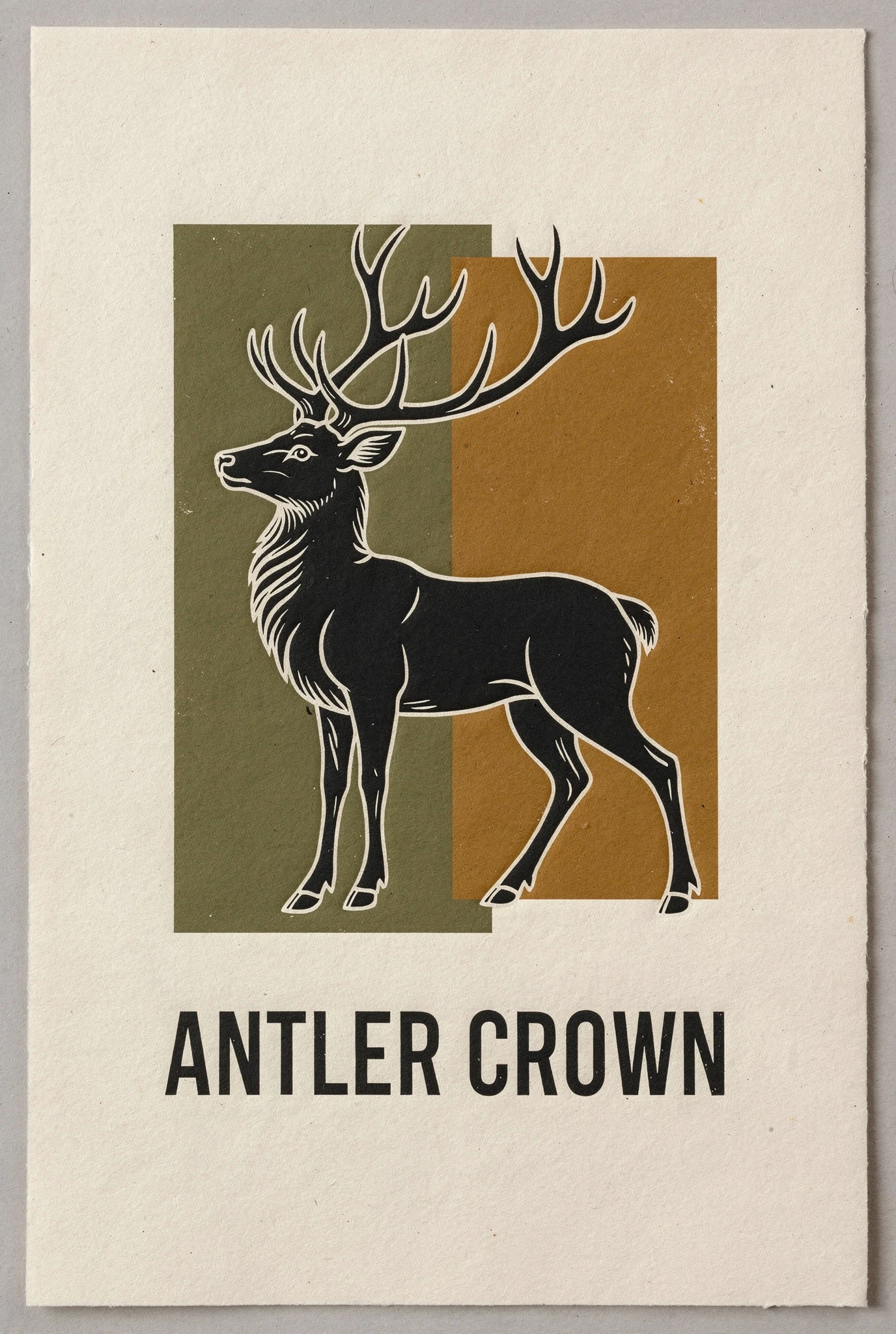
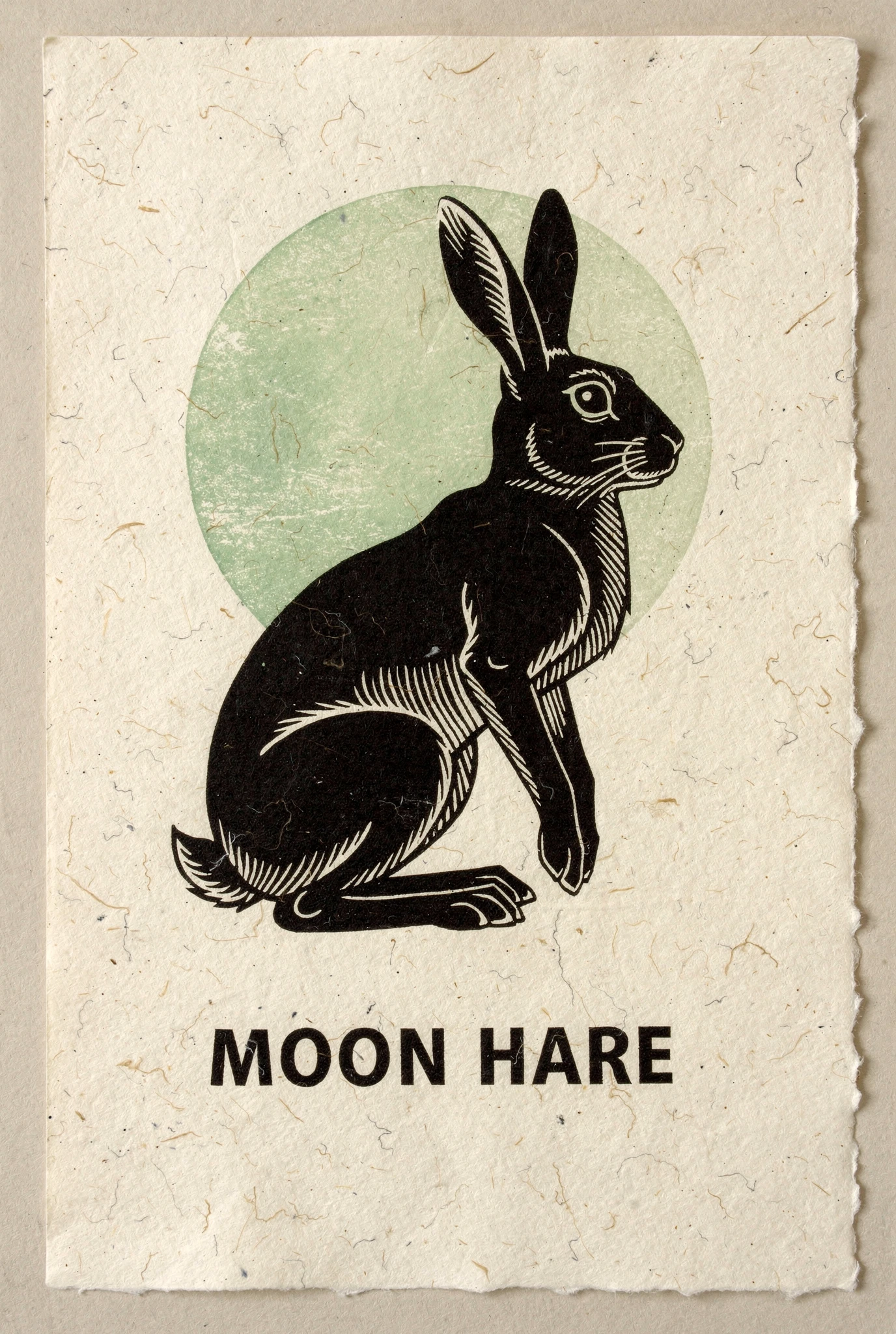
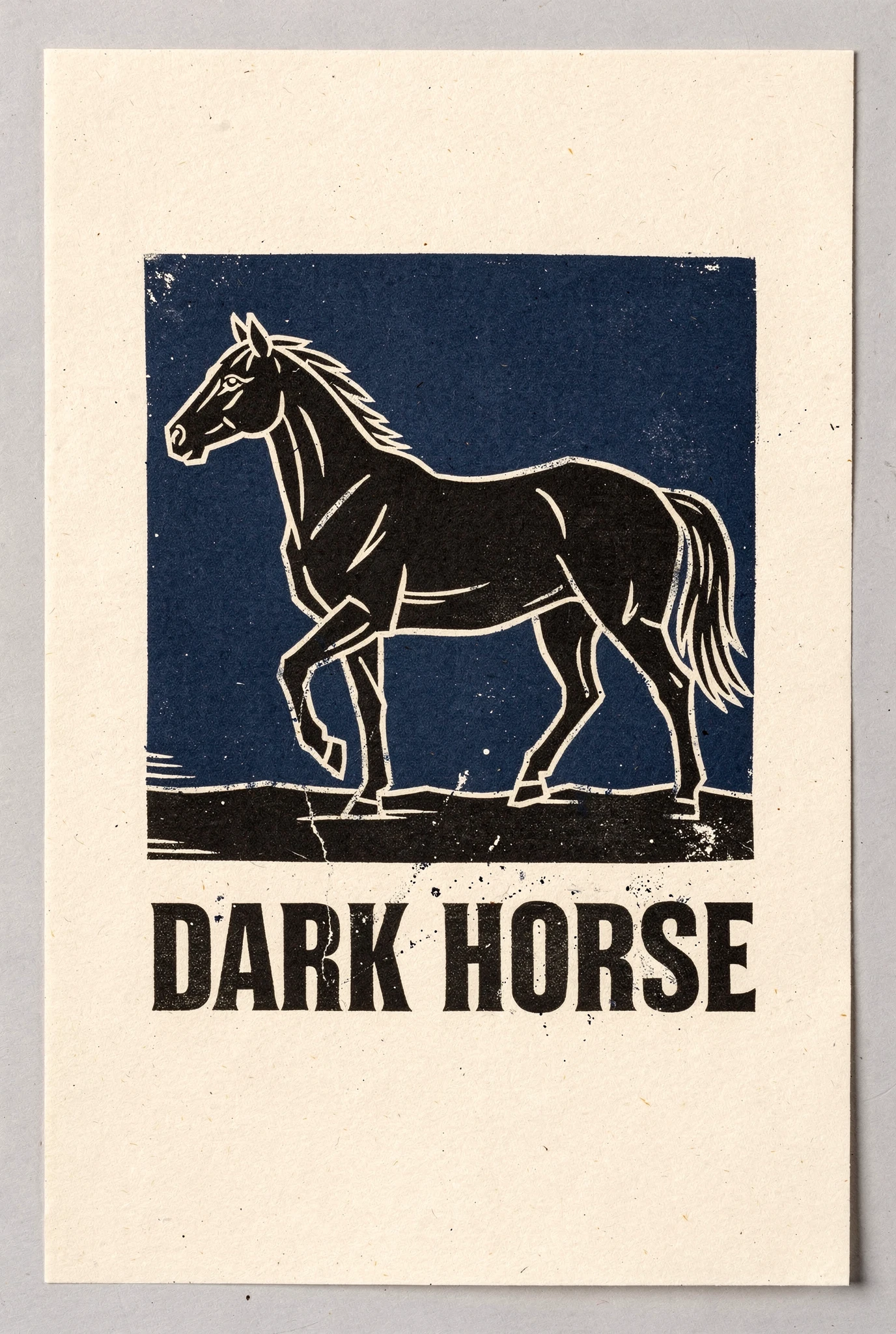
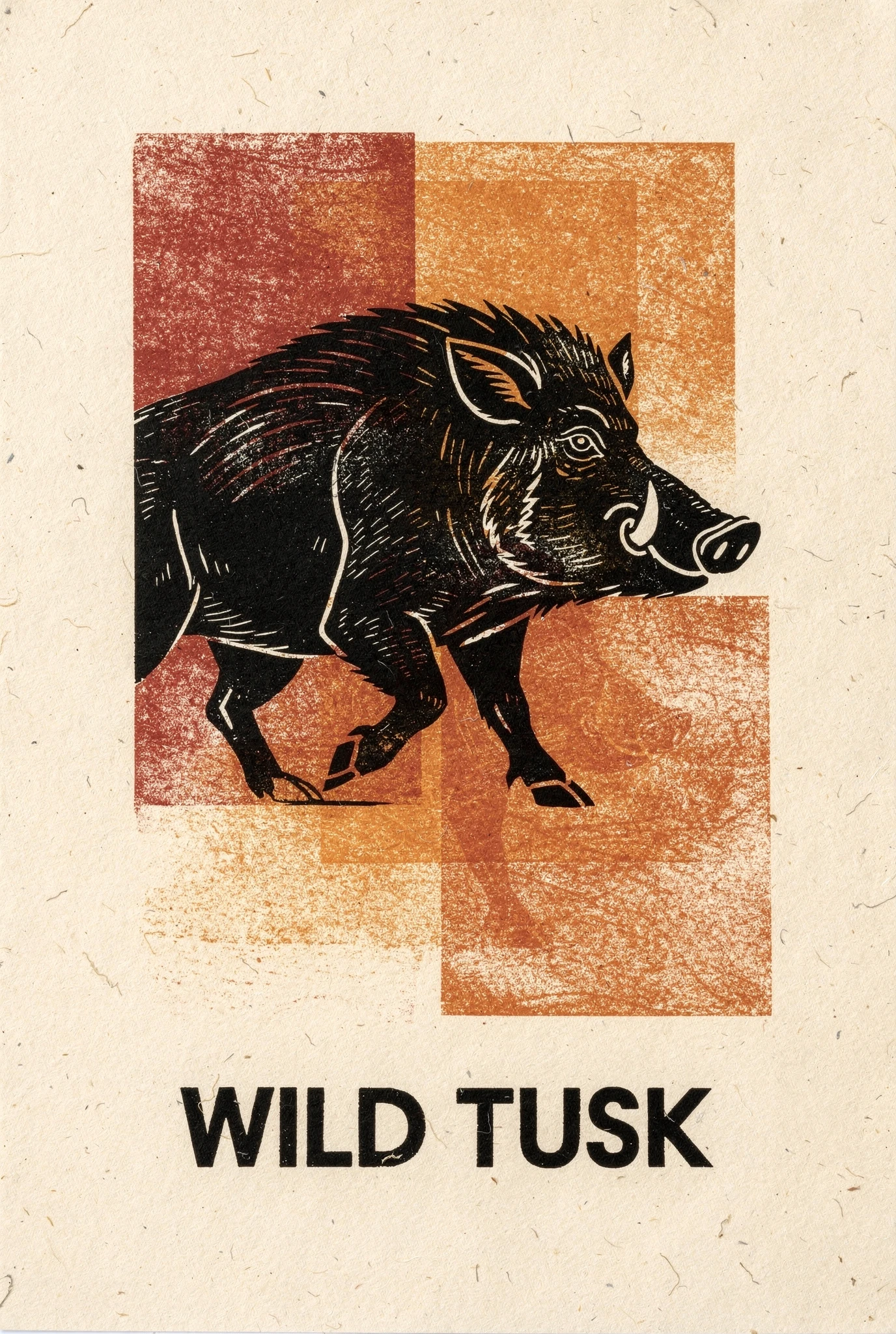
"Perhaps the greatest gift an animal has to offer is a permanent reminder of who we really are." — Nick Trout