Mezzo: flowers released from darkness
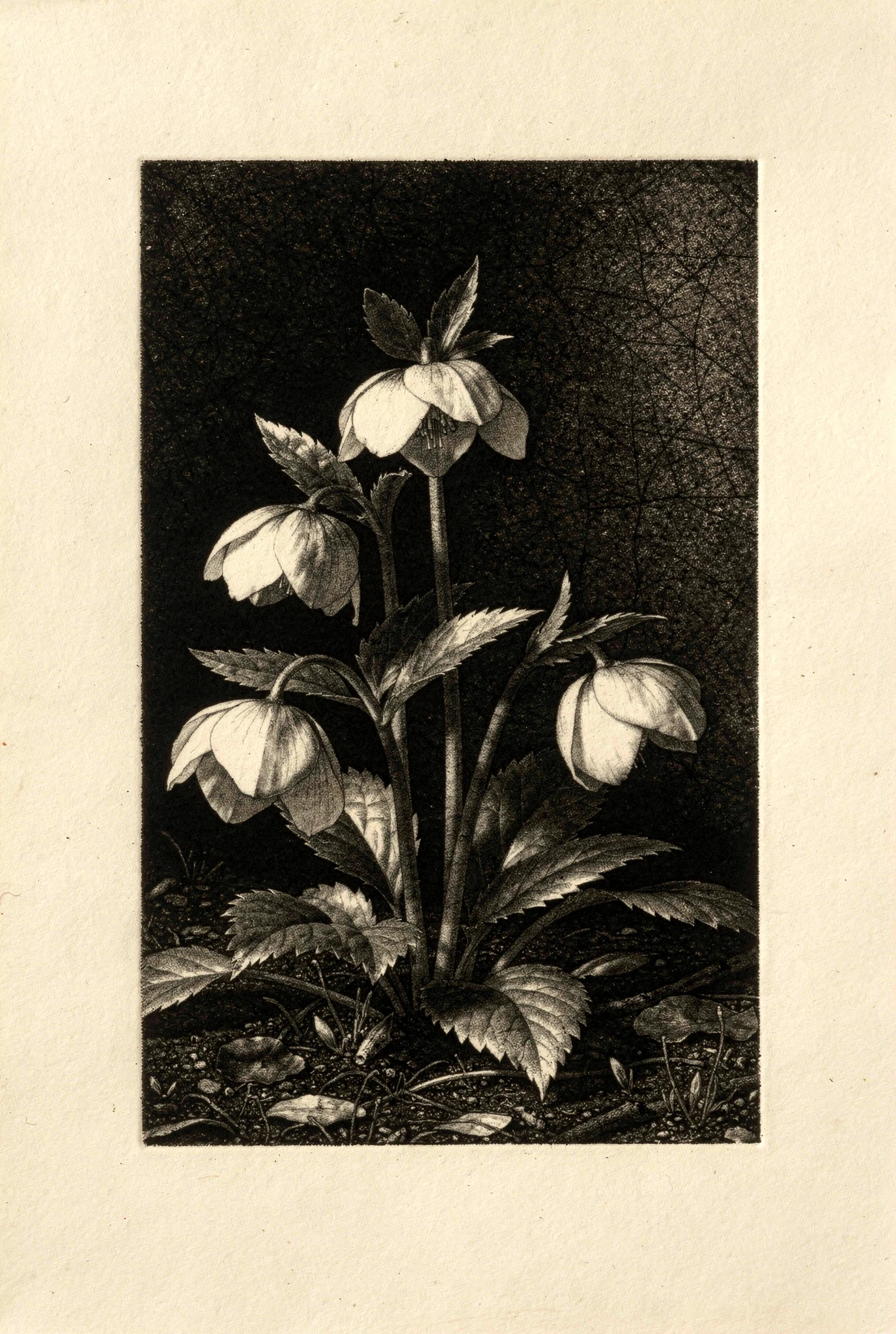
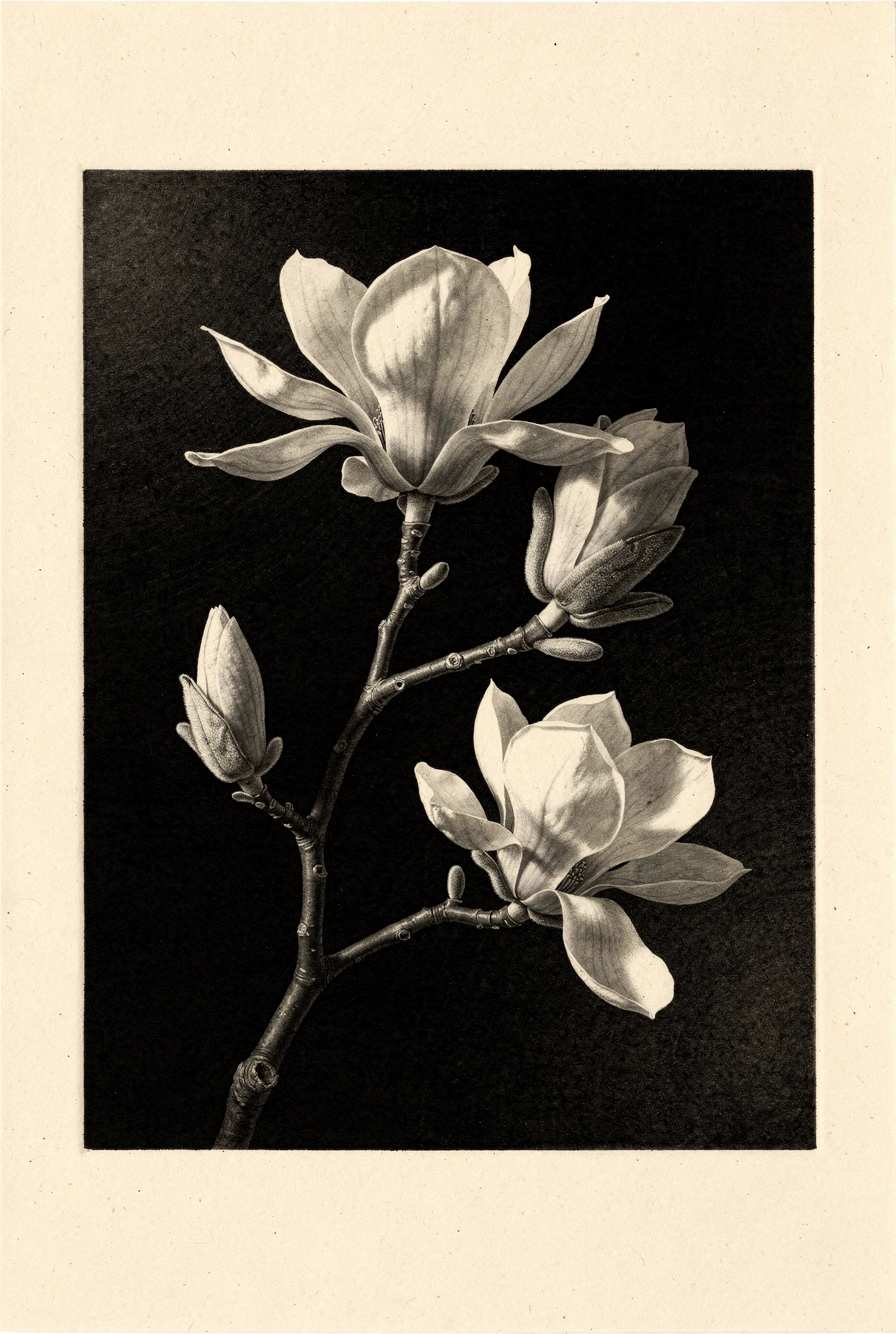
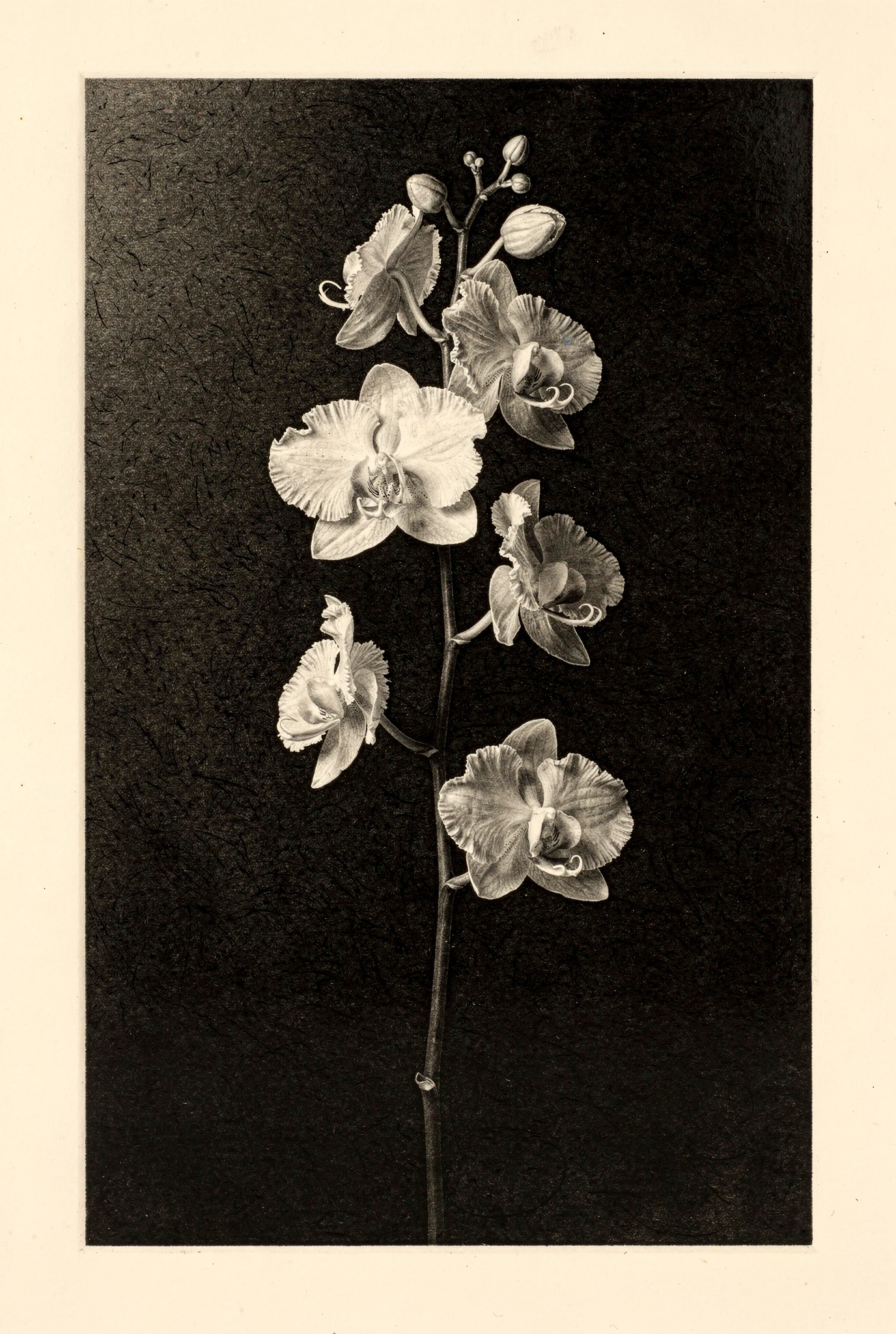
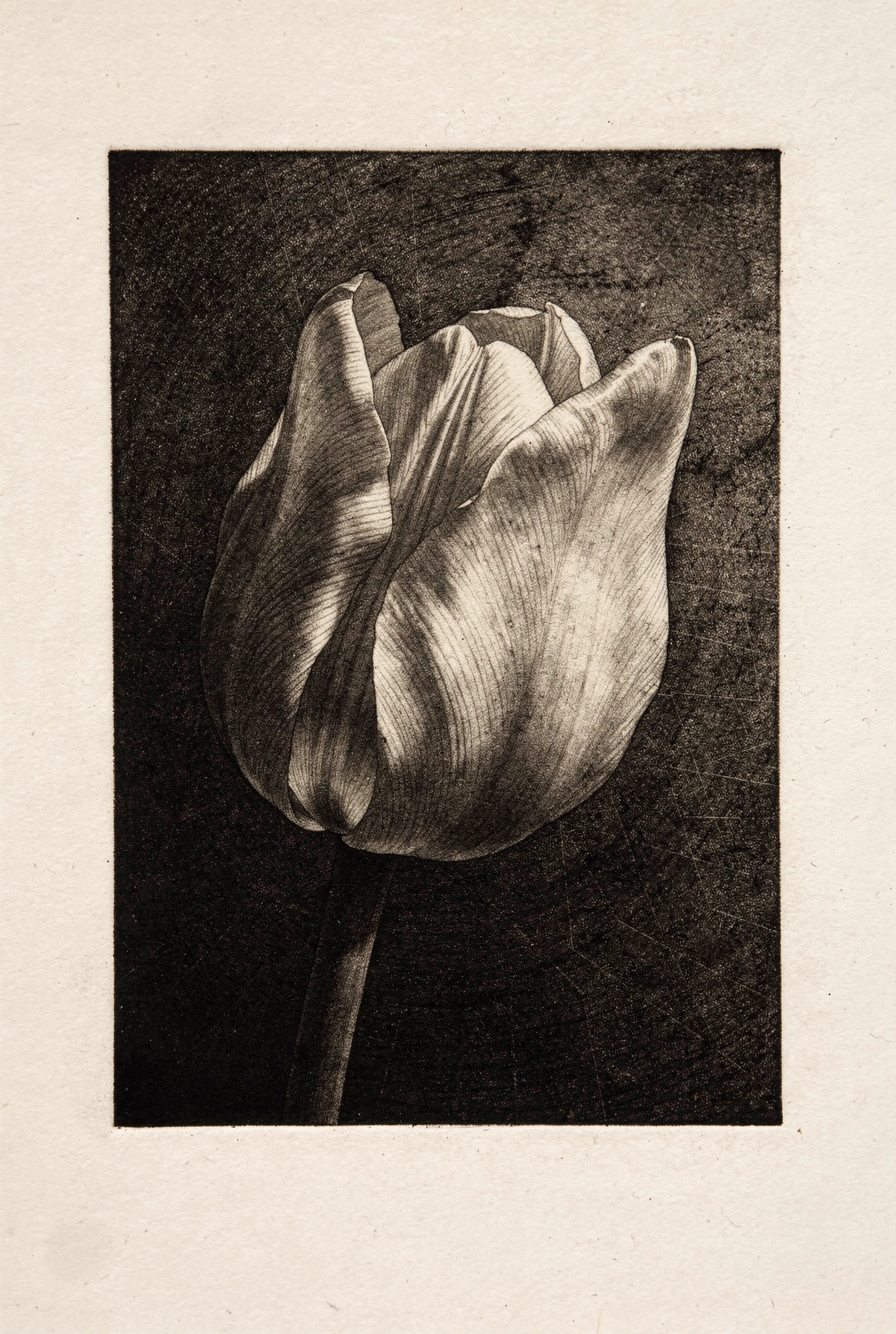
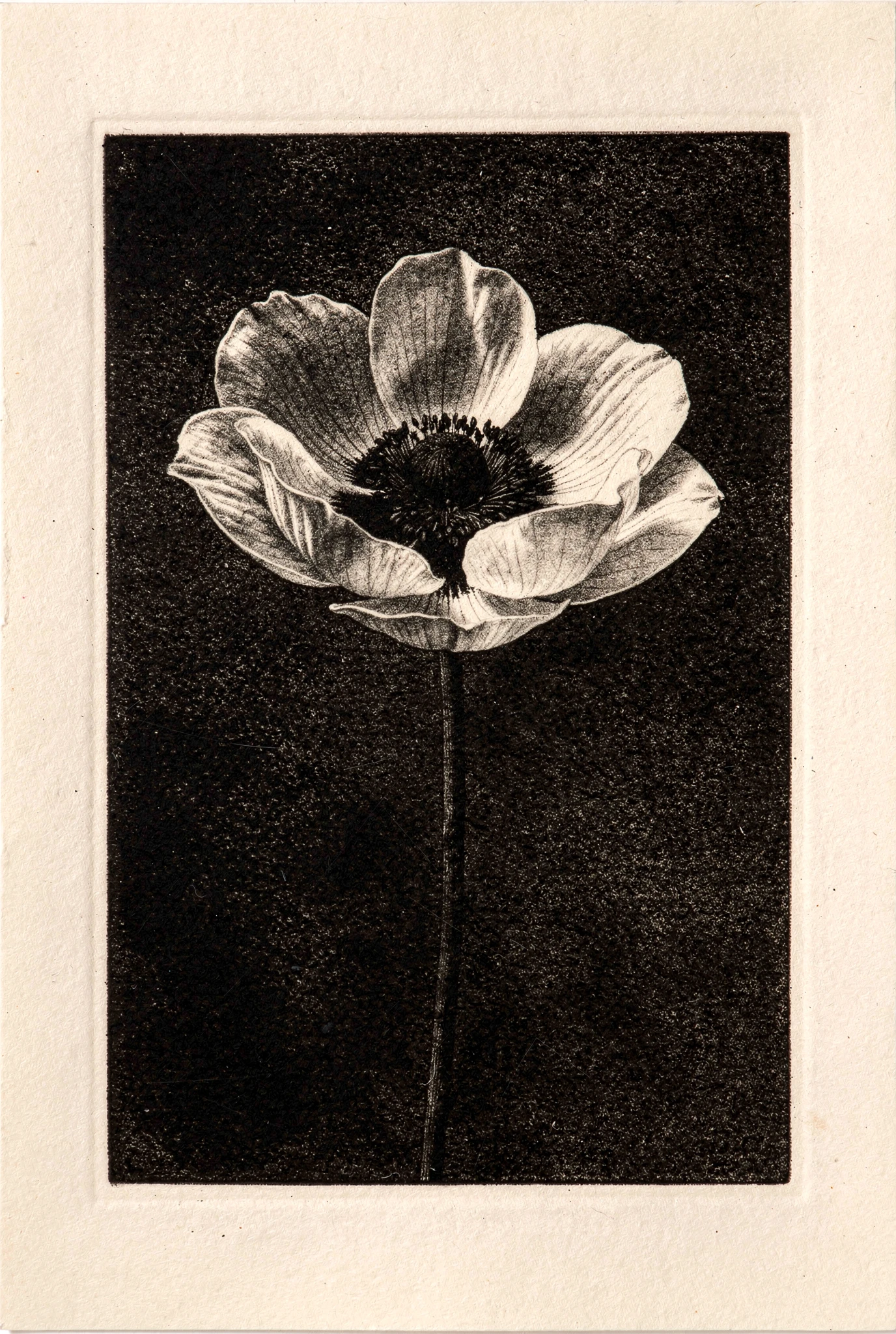
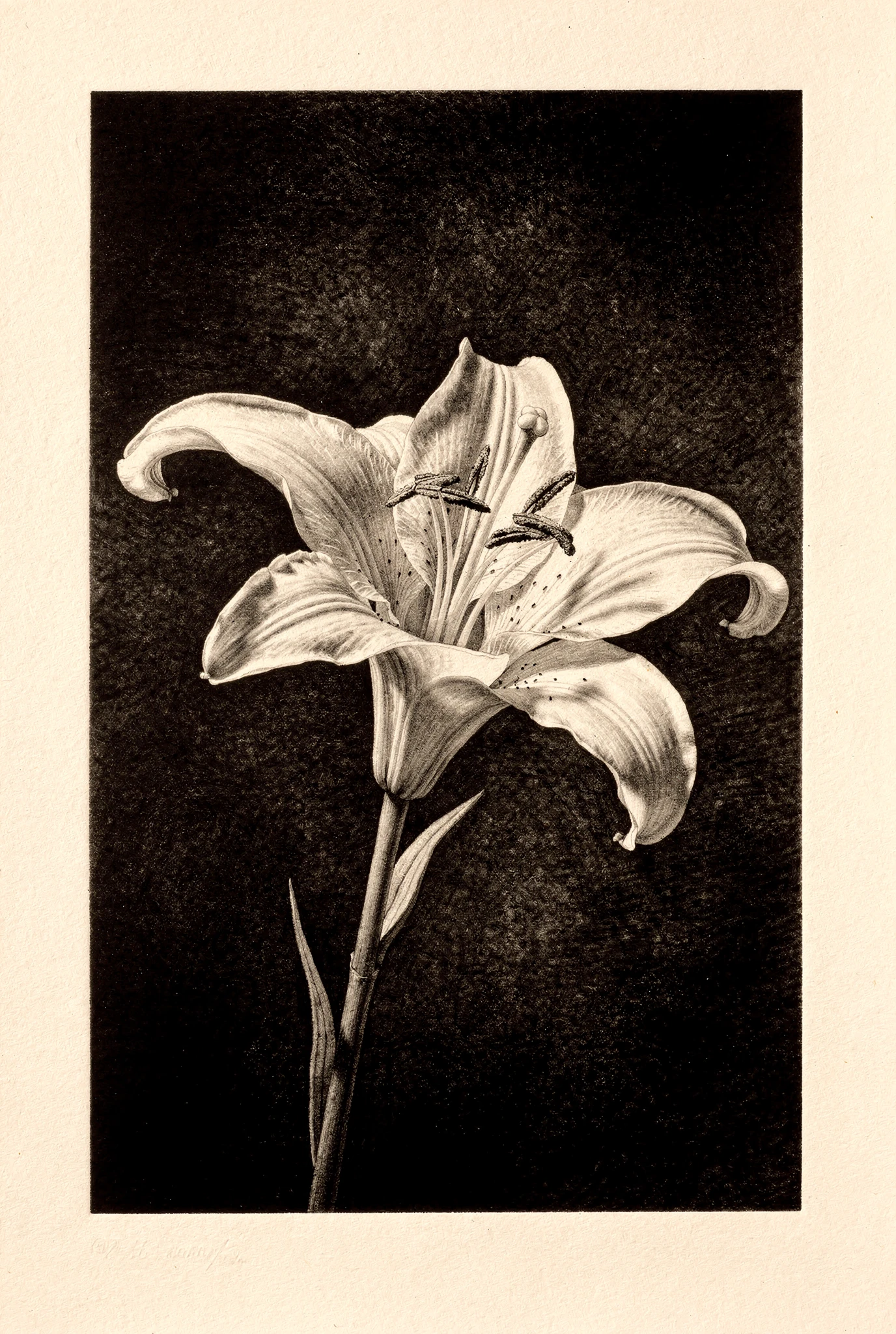
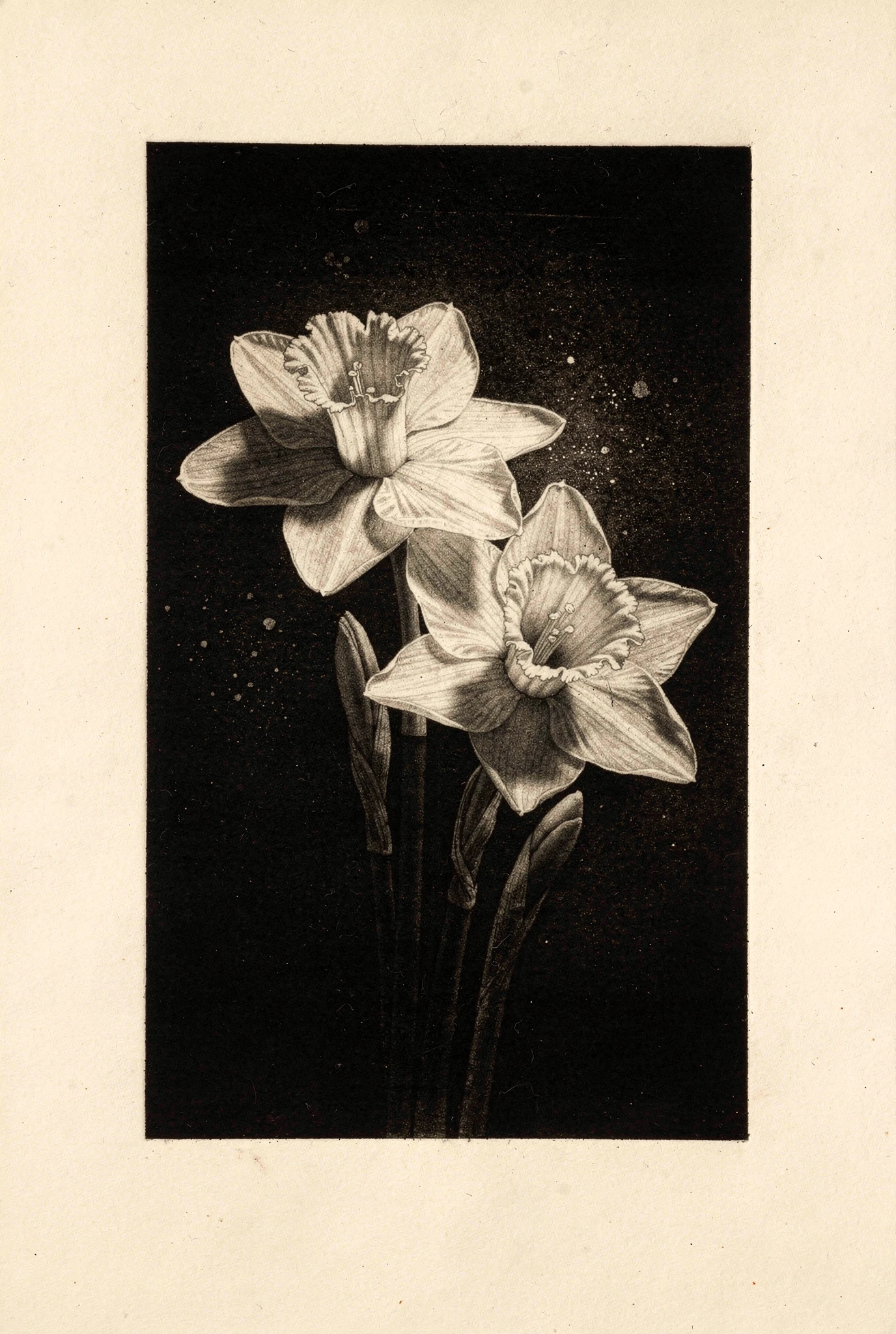
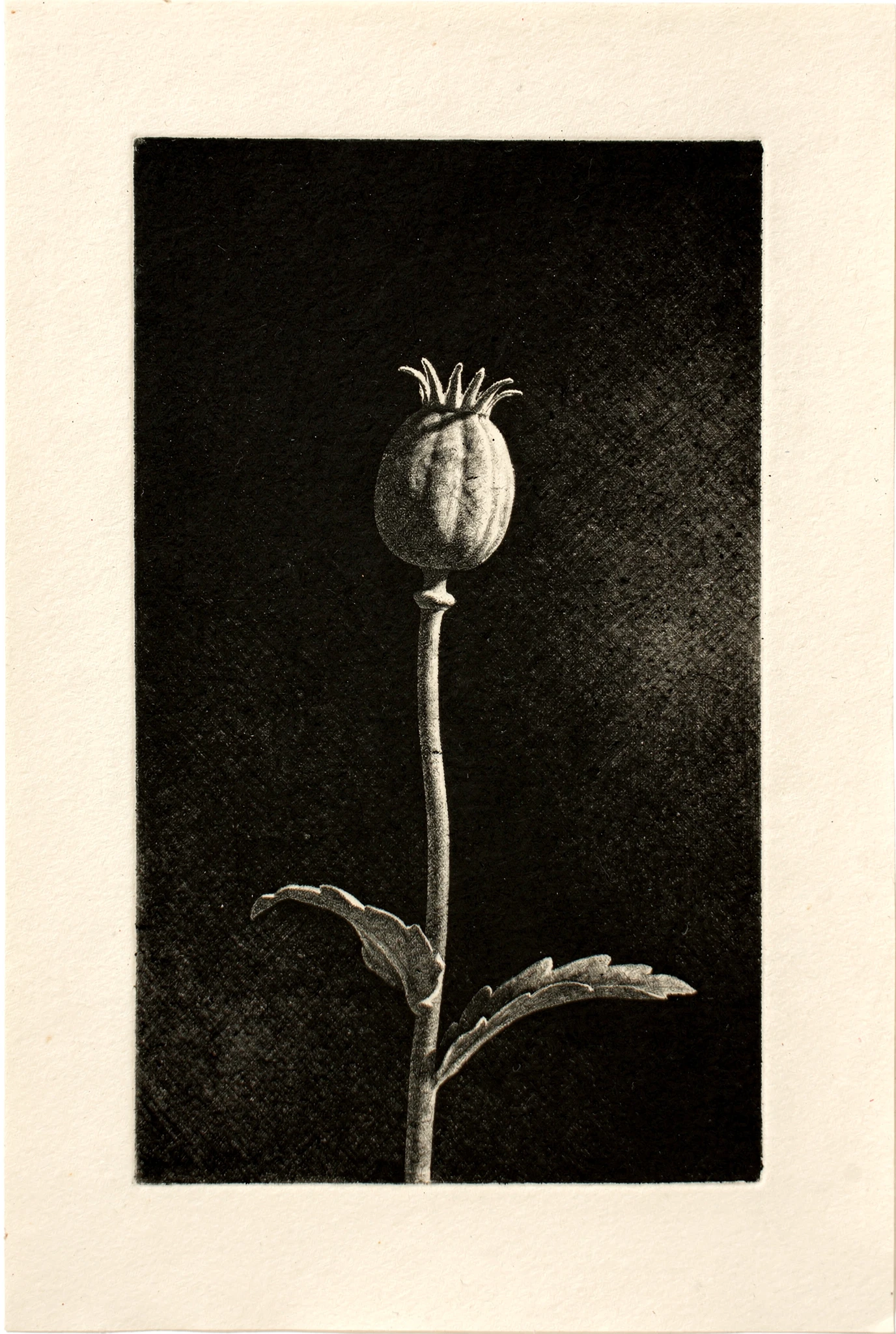
Mezzo takes its title from mezzotint, a seventeenth-century intaglio printmaking process also known as manière noire, or the dark manner. Unlike line-based engraving or etching, mezzotint is built from tone. A metal plate is first roughened so that, if printed, it would produce a dense field of black. The image is then brought out by scraping and burnishing selected areas until they hold less ink and print as greys, half-lights, and whites. It is a process that begins in darkness and works slowly towards illumination.
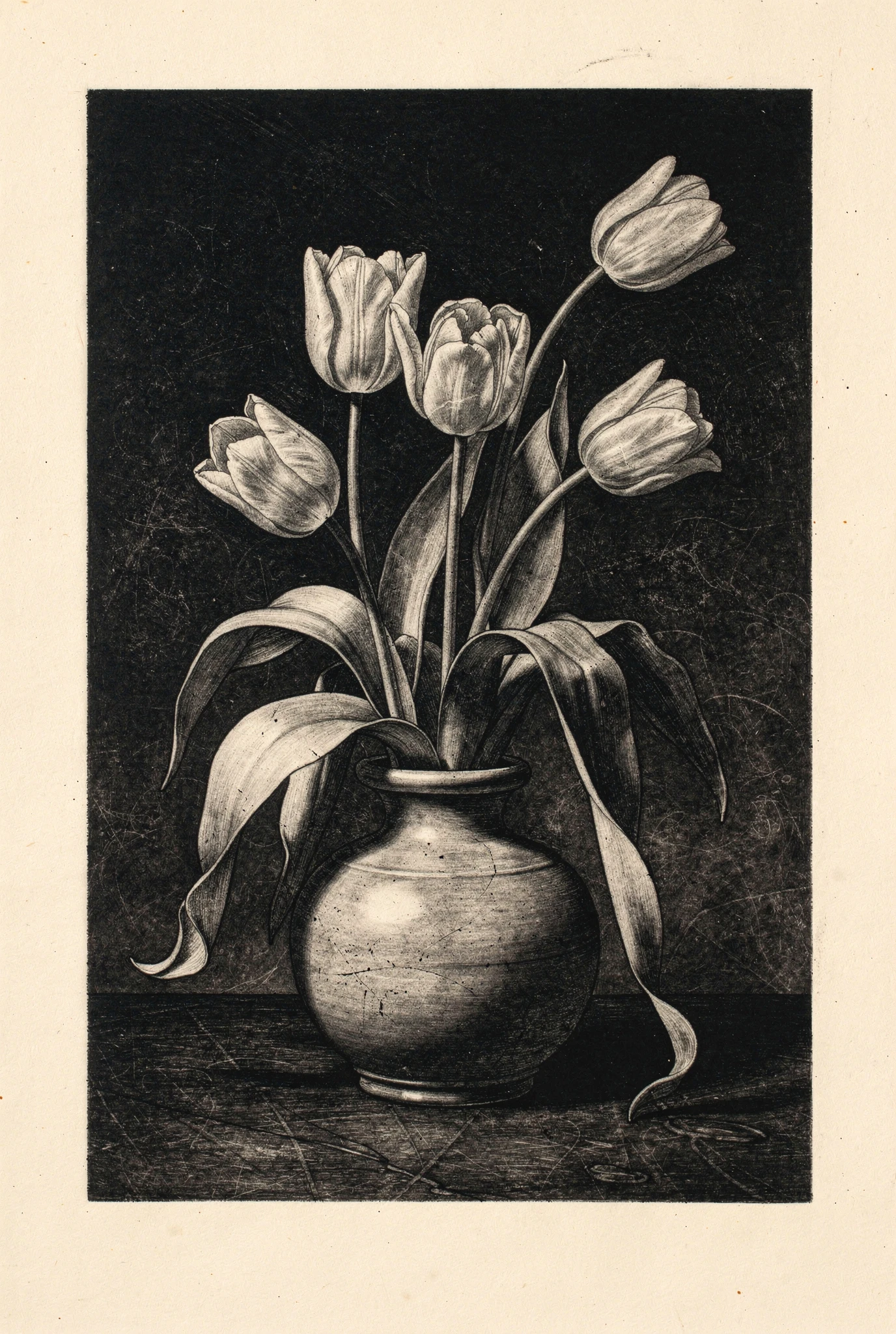
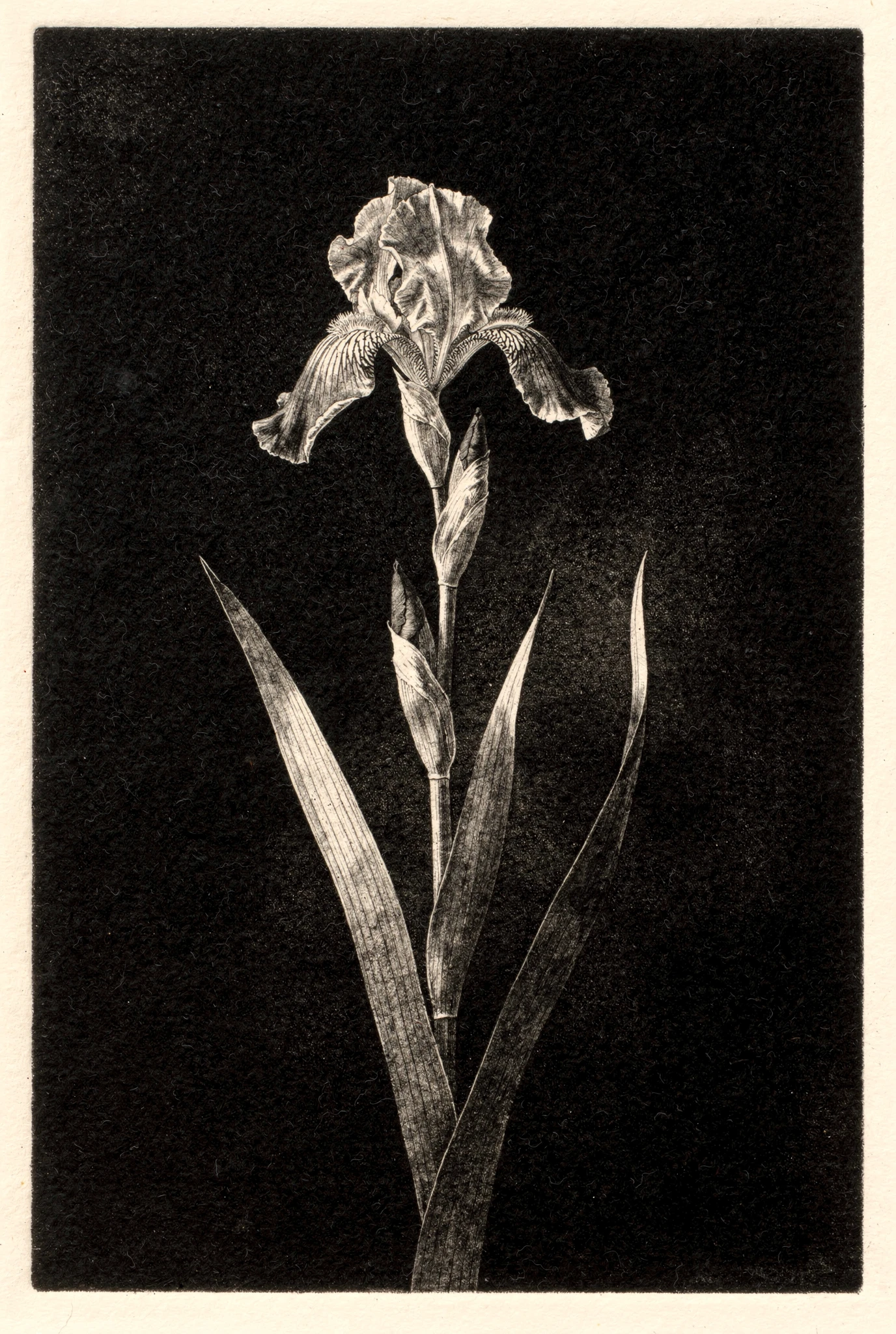
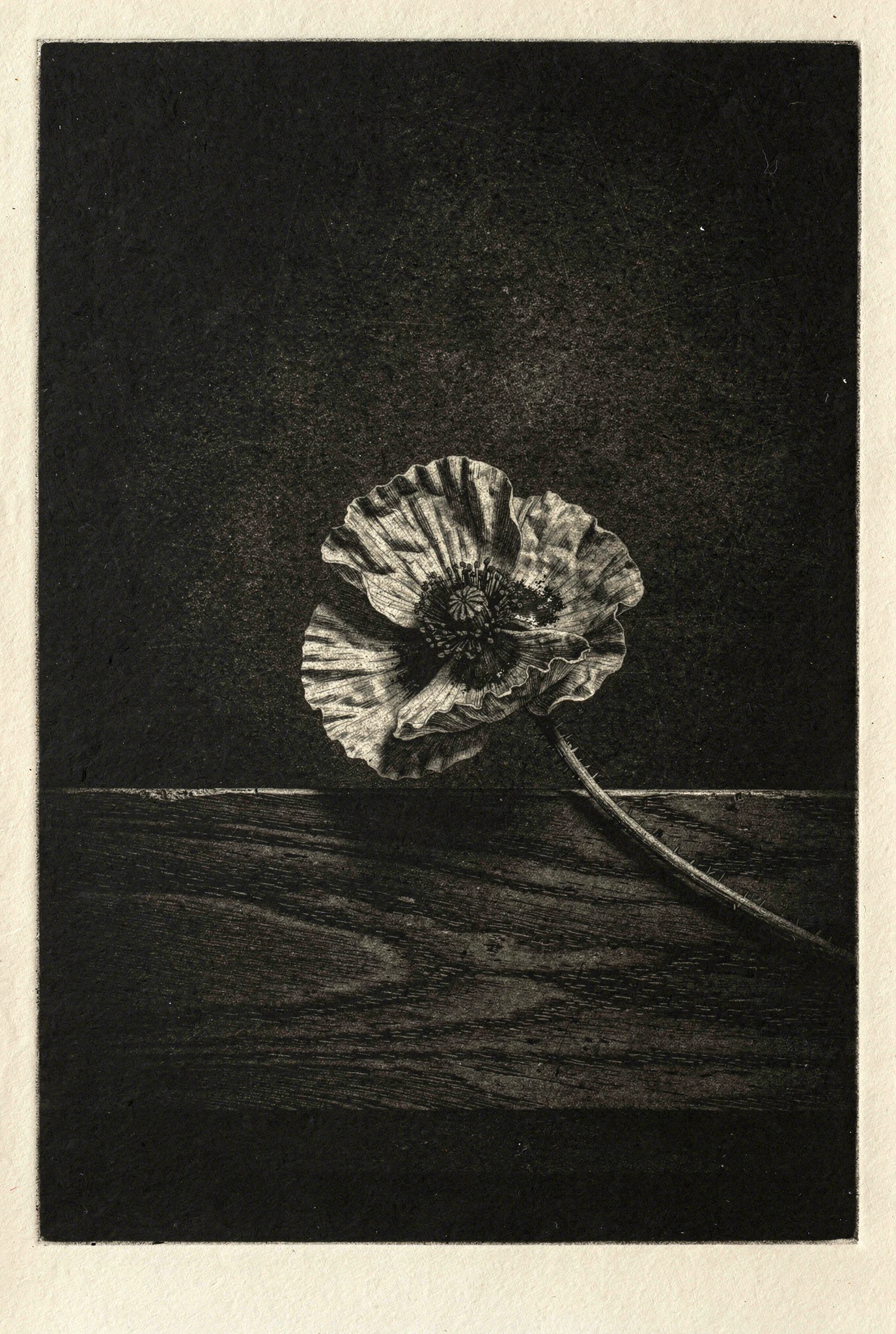
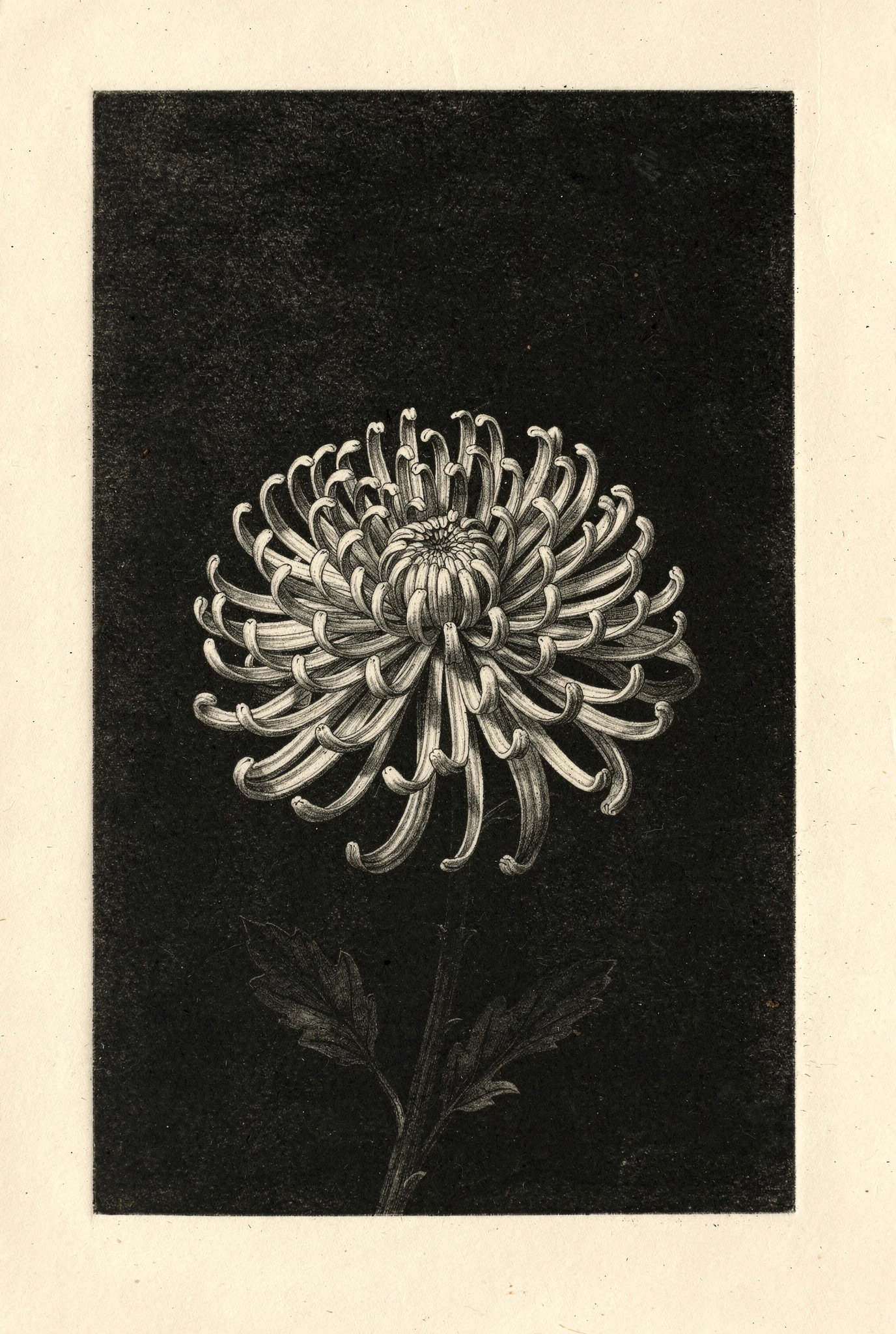
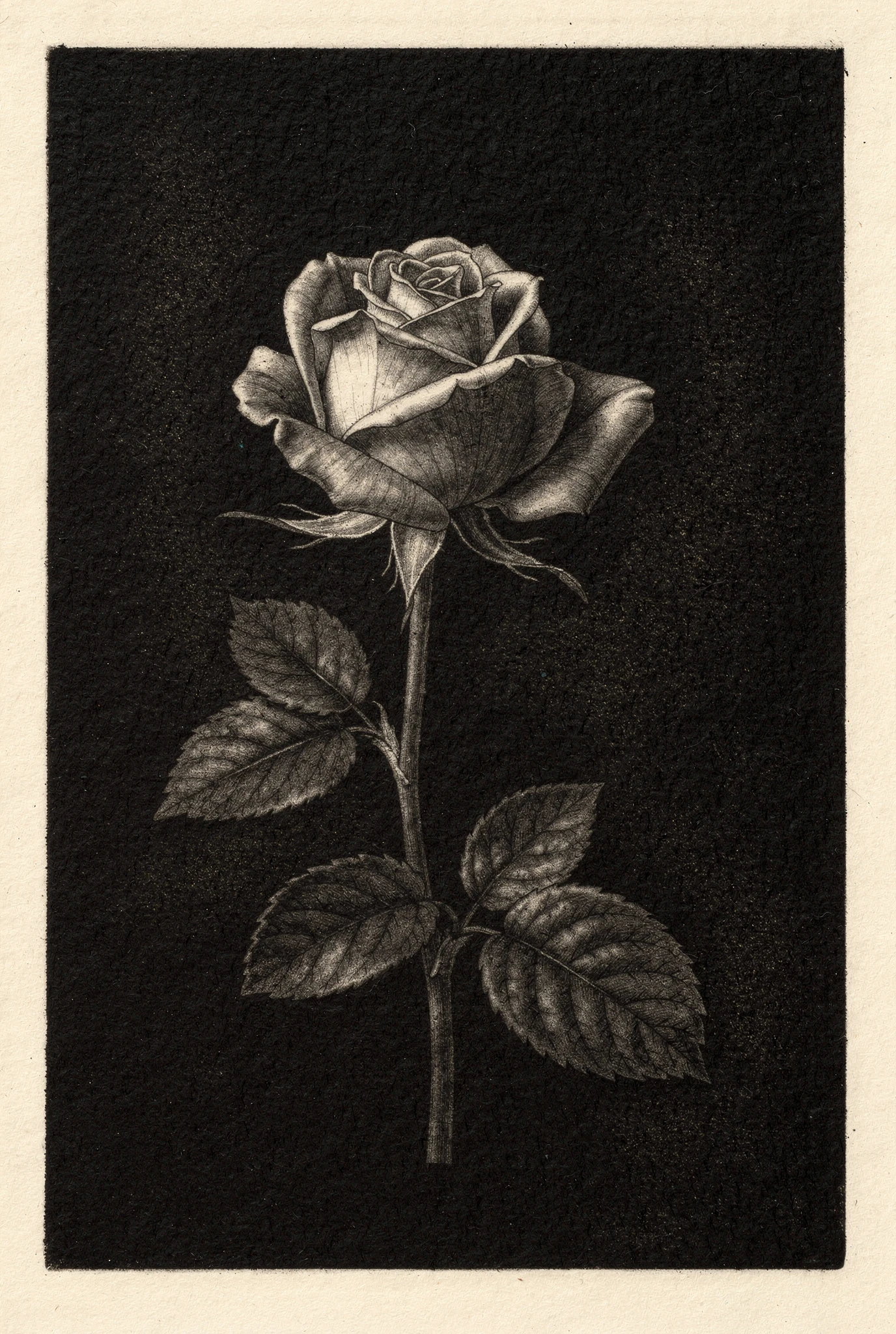
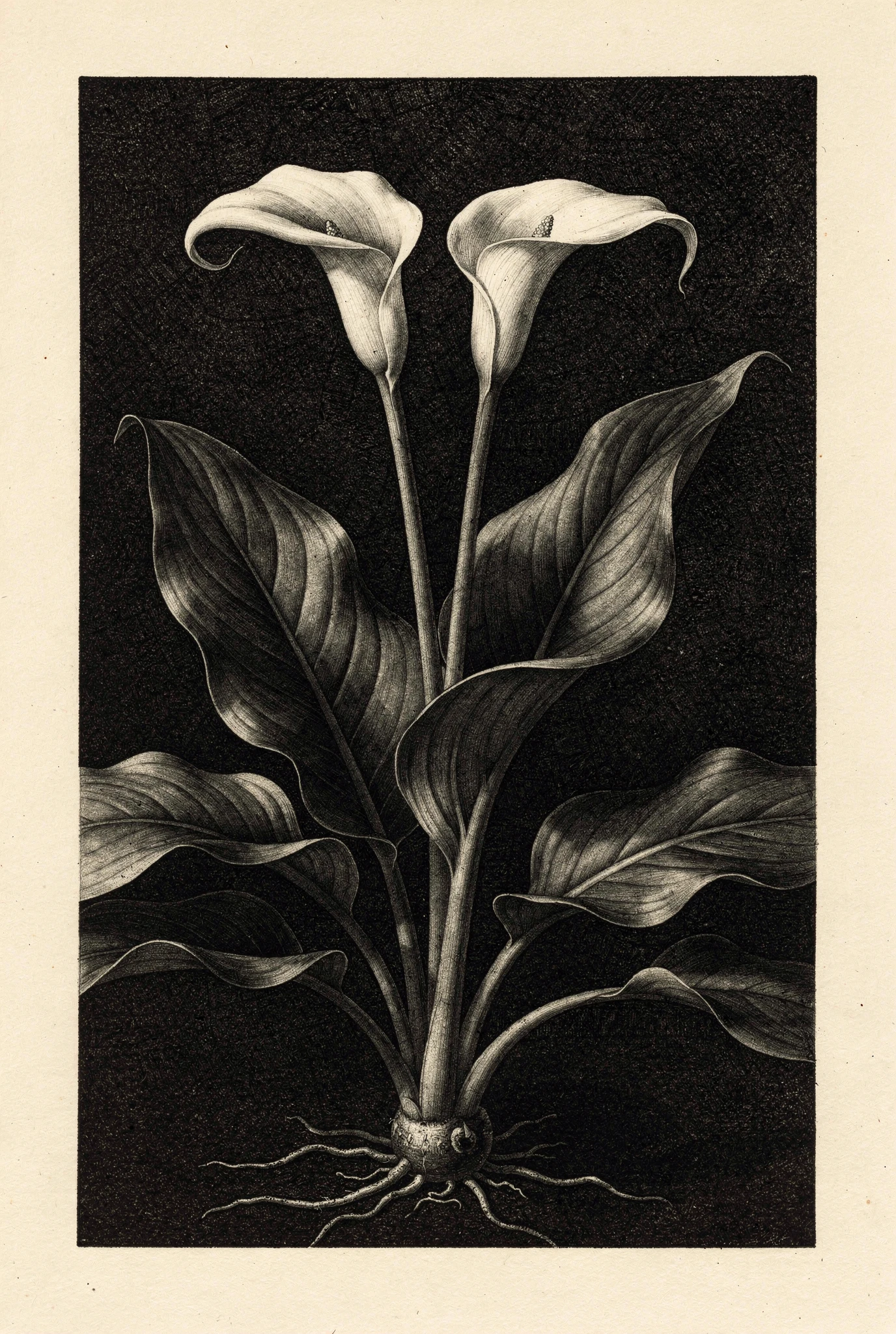
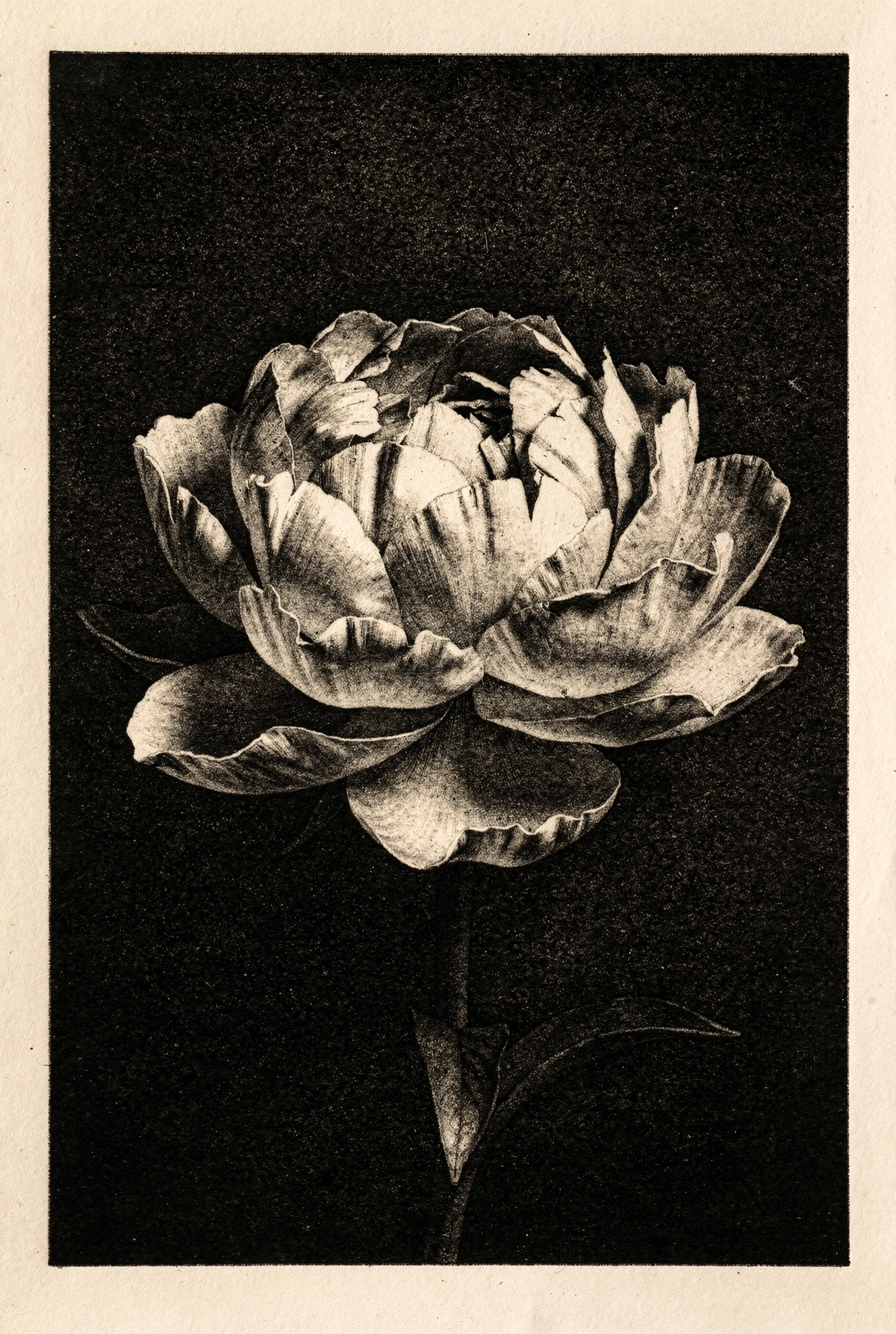
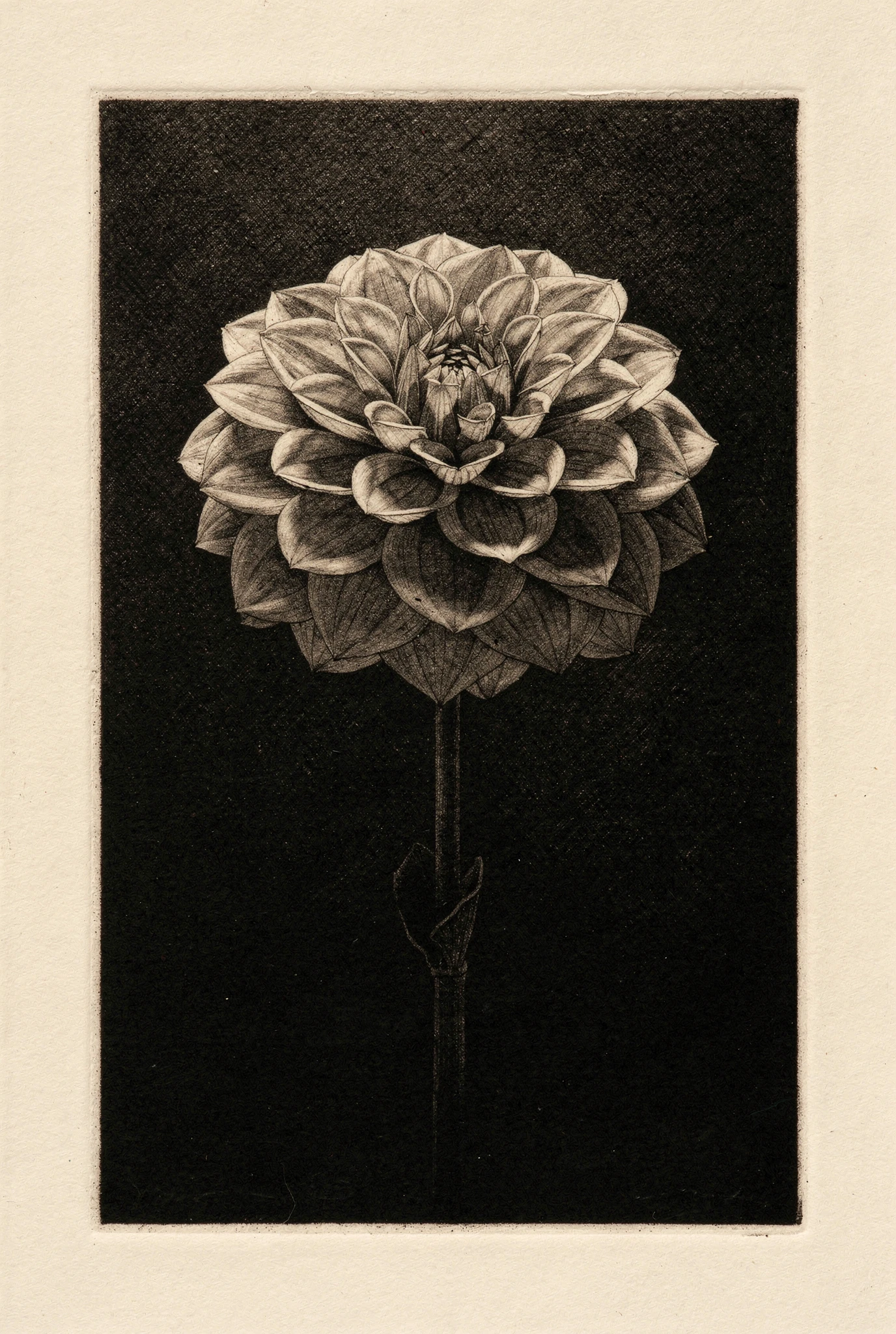
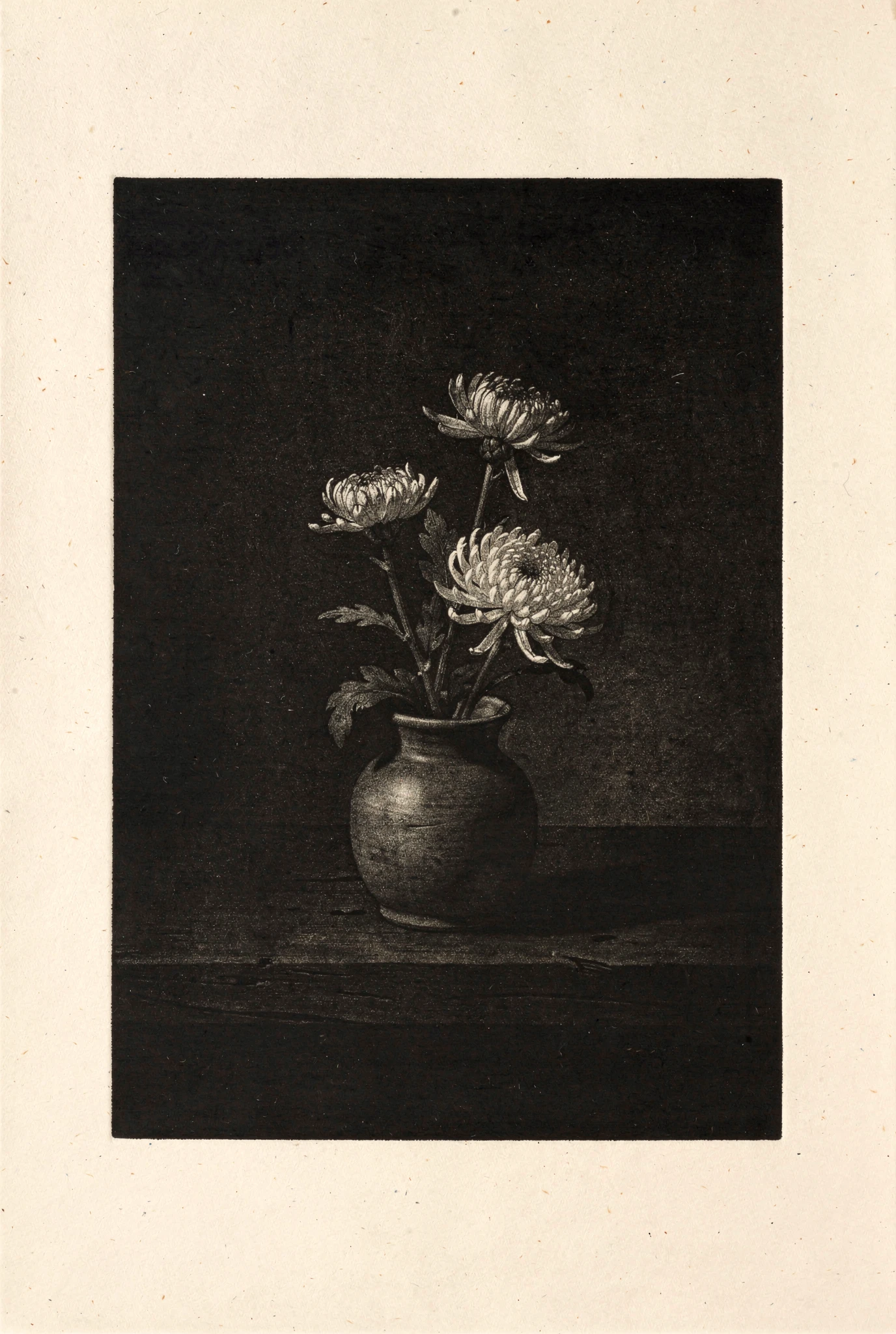
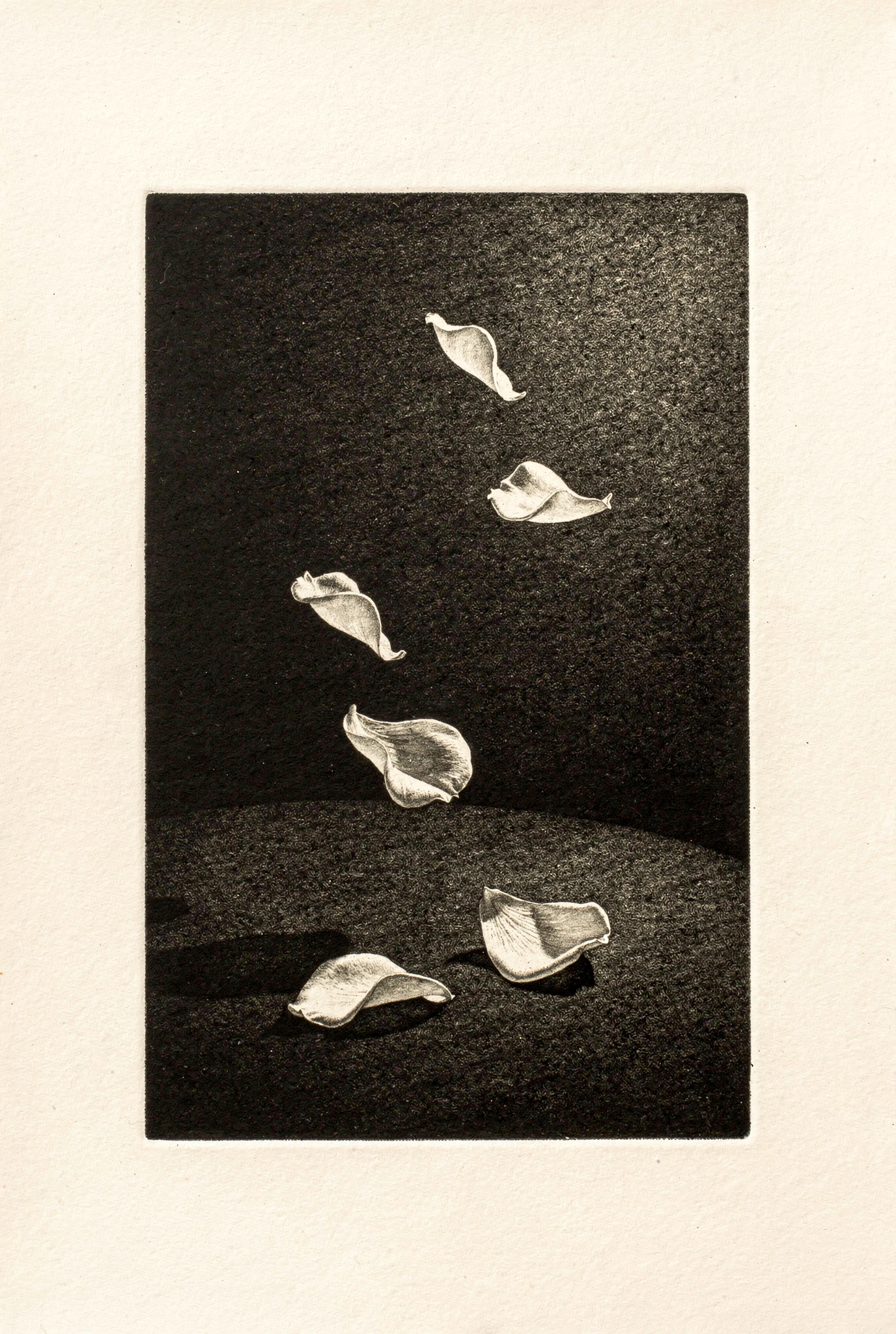
These eighteen synthographs translate that logic into artificial image-making. They are not mezzotints in the material sense: no copper plate has been rocked, no ink has been wiped, no paper has passed through a press. Instead, generative AI is used to simulate the visual intelligence of the process — velvety blacks, smoky greys, plate tone, burr-like texture, pale paper margins, and the feeling of light polished out of shadow. Flowers appear not as colourful arrangements, but as monochrome apparitions held between concealment and revelation.
The word mezzo also means middle, half, or interval. That sense of in-betweenness gives the project its emotional register. These flowers occupy a space between black and white, silence and bloom, historical print and synthetic image, and between flat surface and emergent form. They are not lit so much as uncovered. Petals, stems, leaves, seed heads, and vases emerge through half-tone and pressure, as though released from a dark ground that still wants to reclaim them. Mezzo is a garden of half-light: flowers drawn from darkness by a hand that does not exist.
Gallery
"White and black, day and night, the graphic artist lives on these." — M.C. Escher