16,777,216: colour as conversation
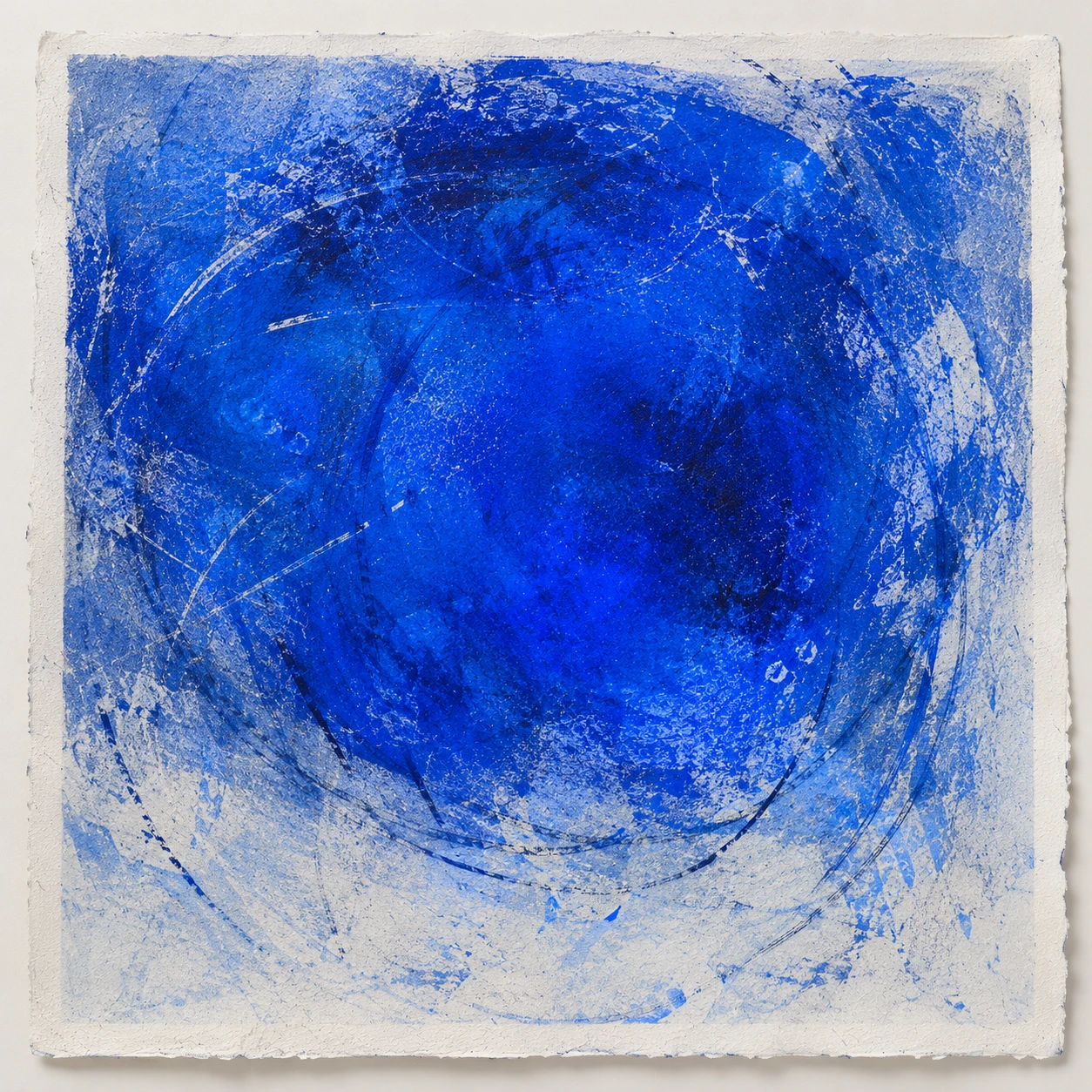
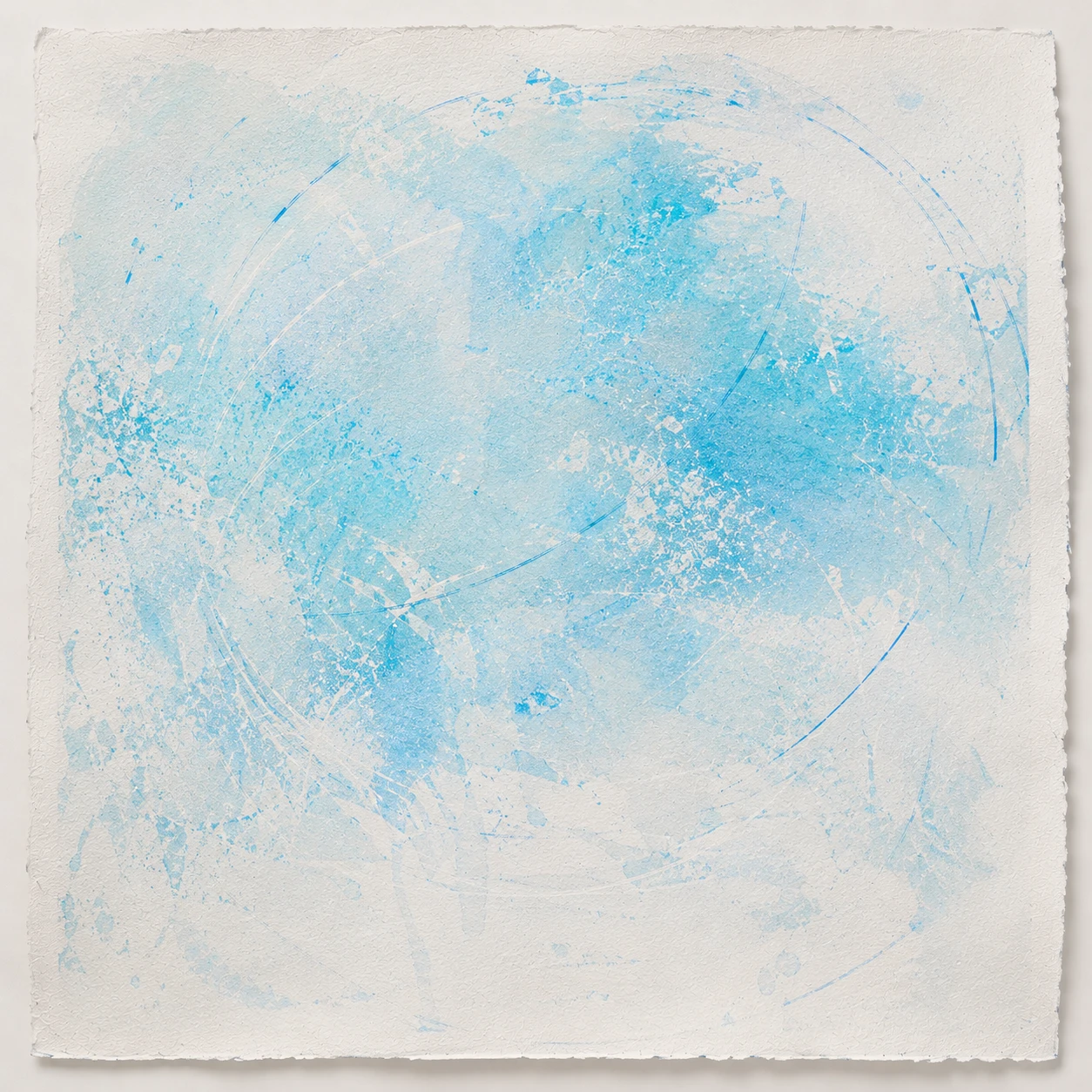
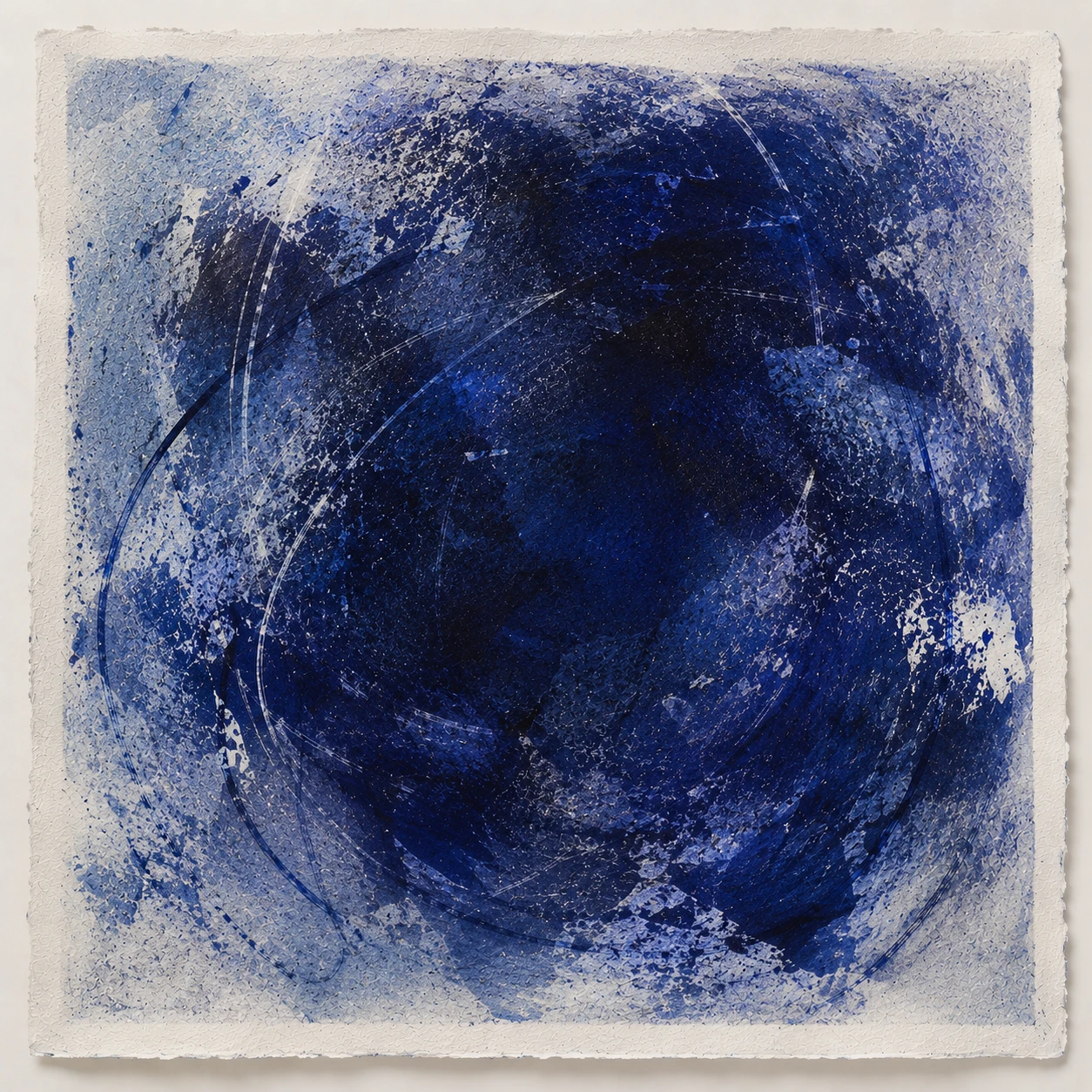
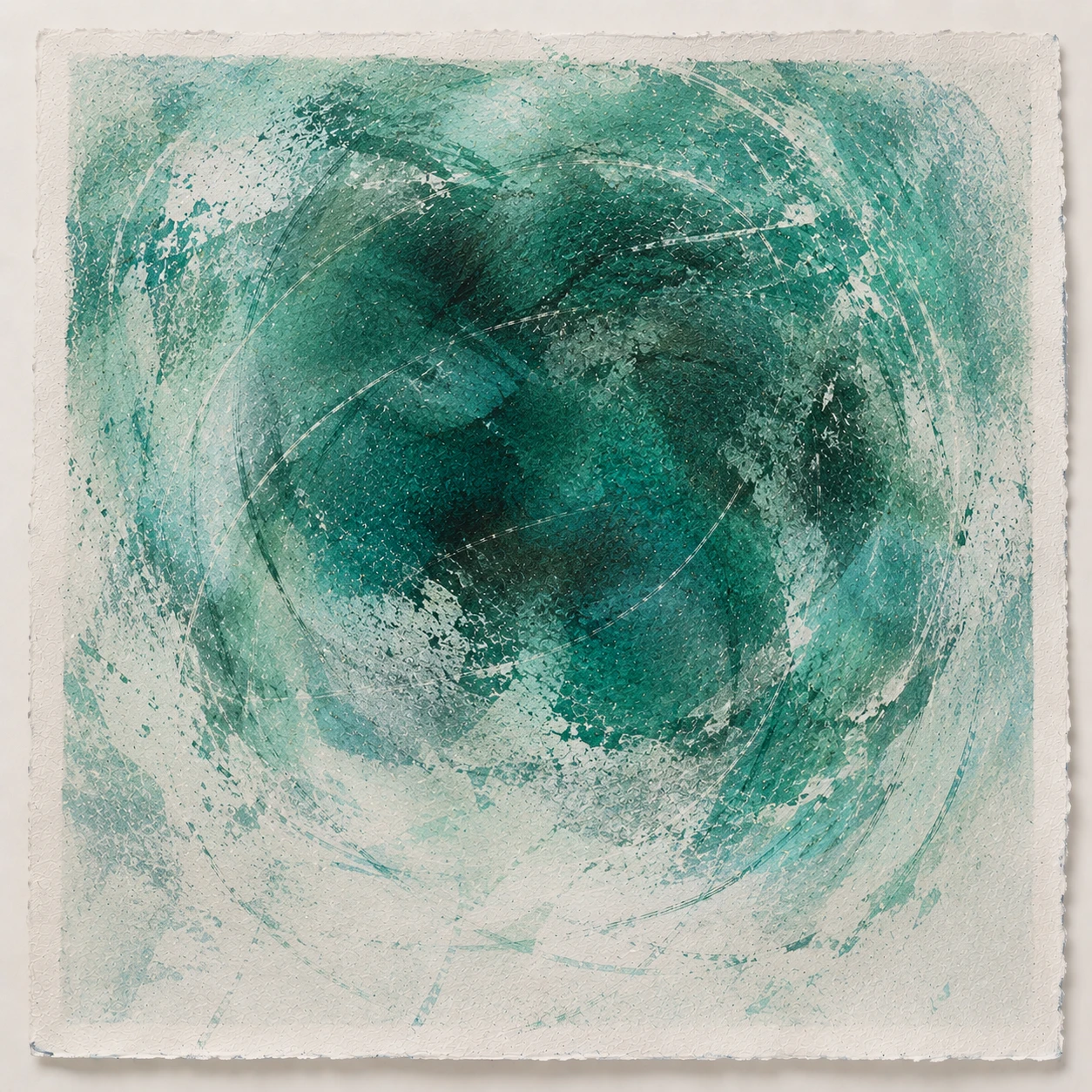
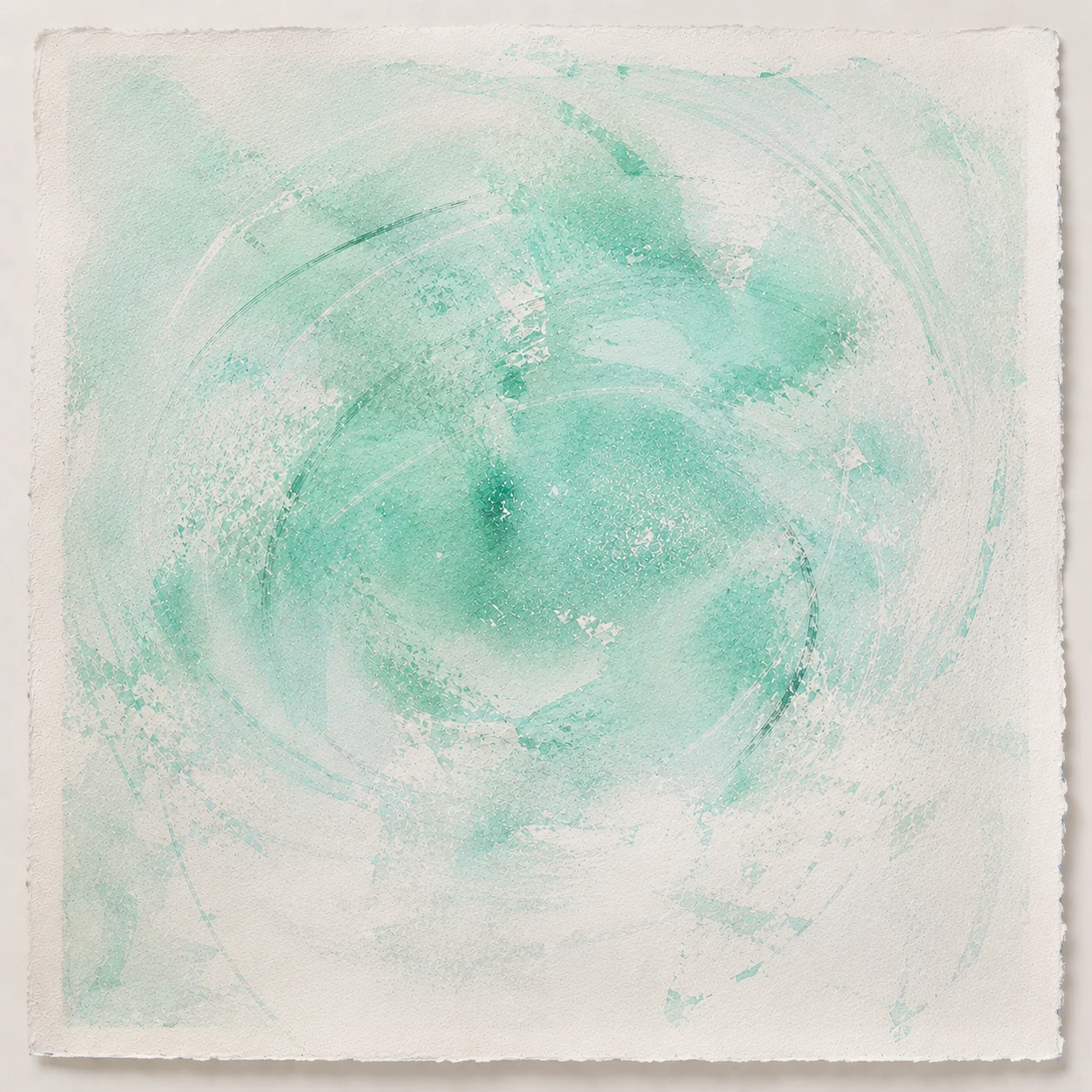
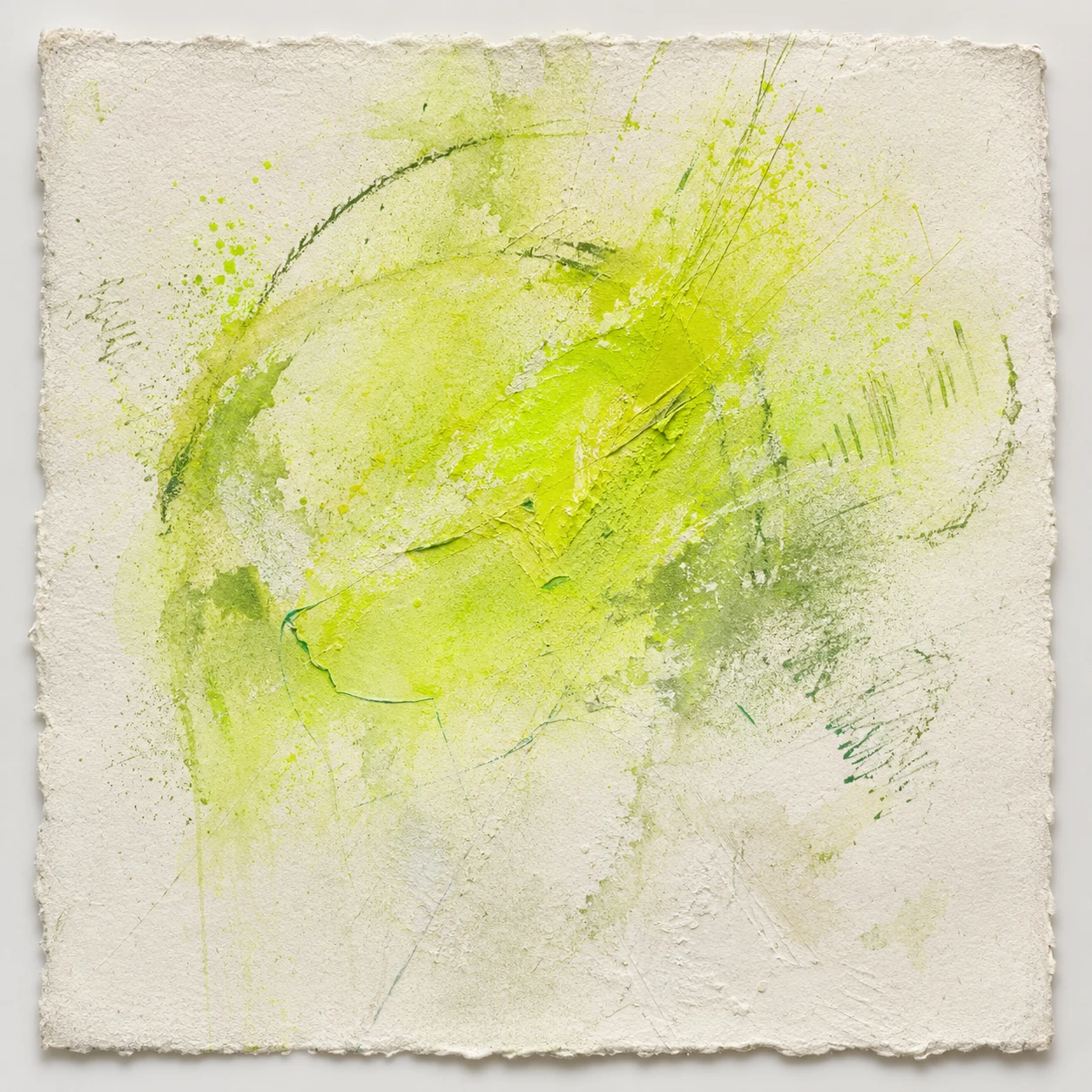
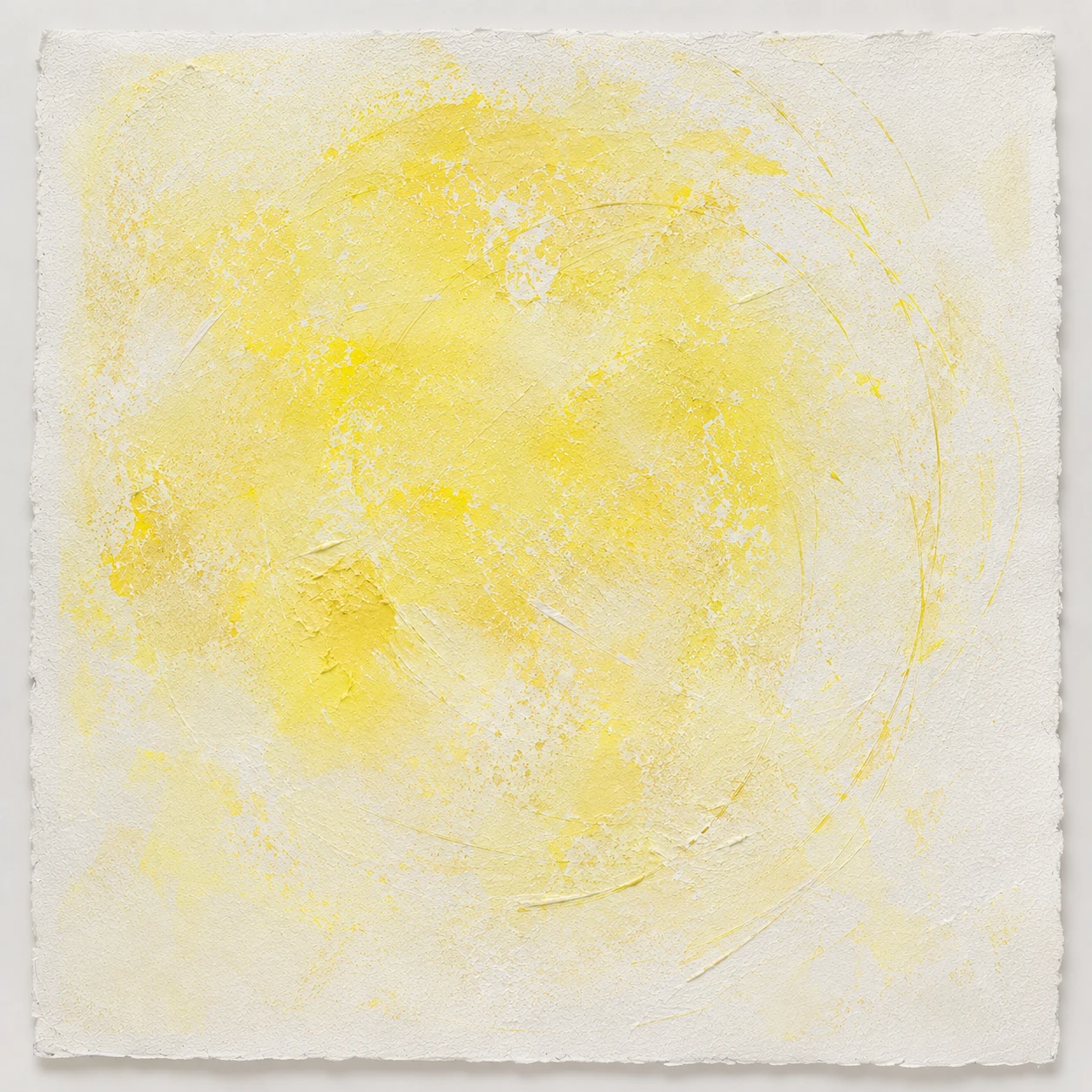
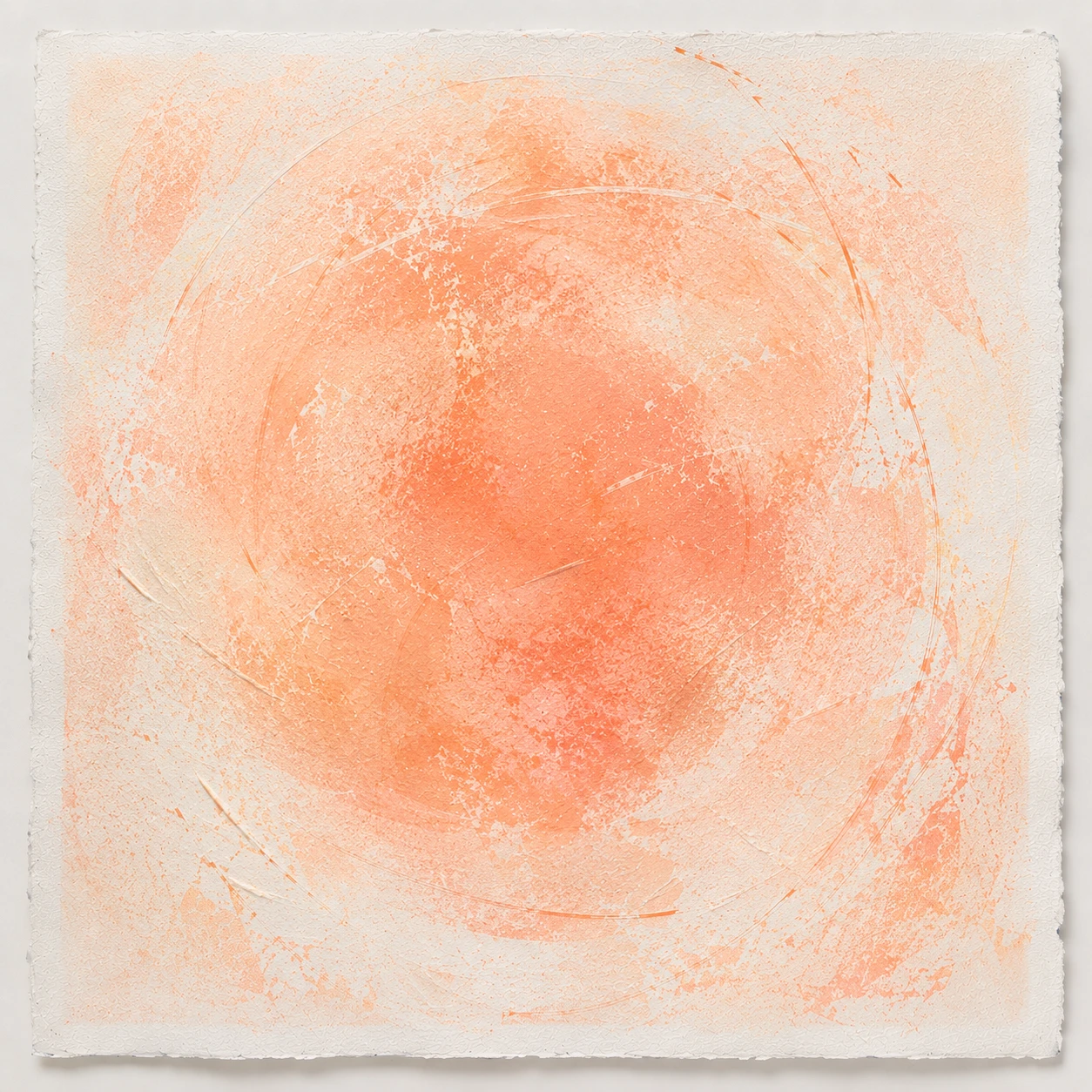
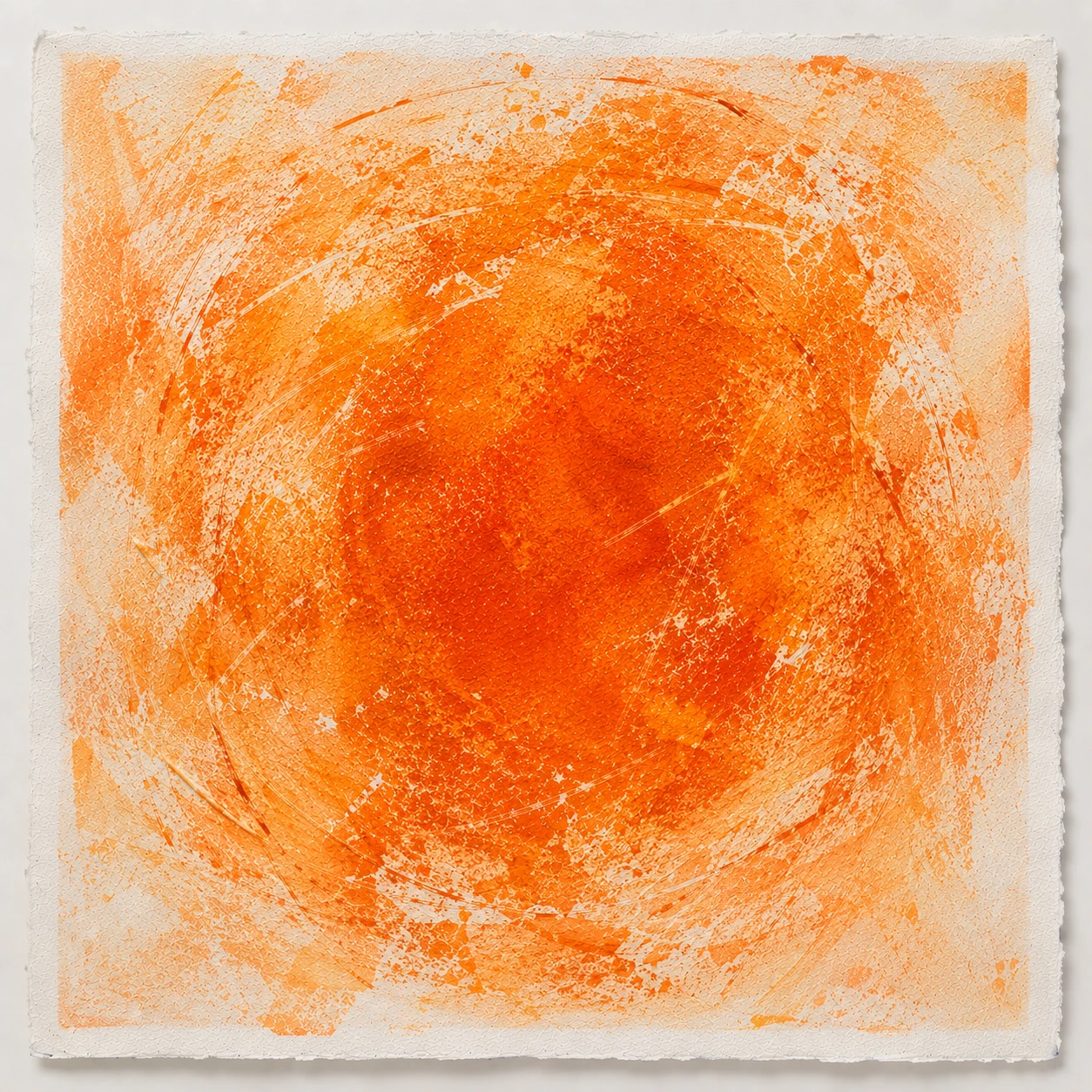
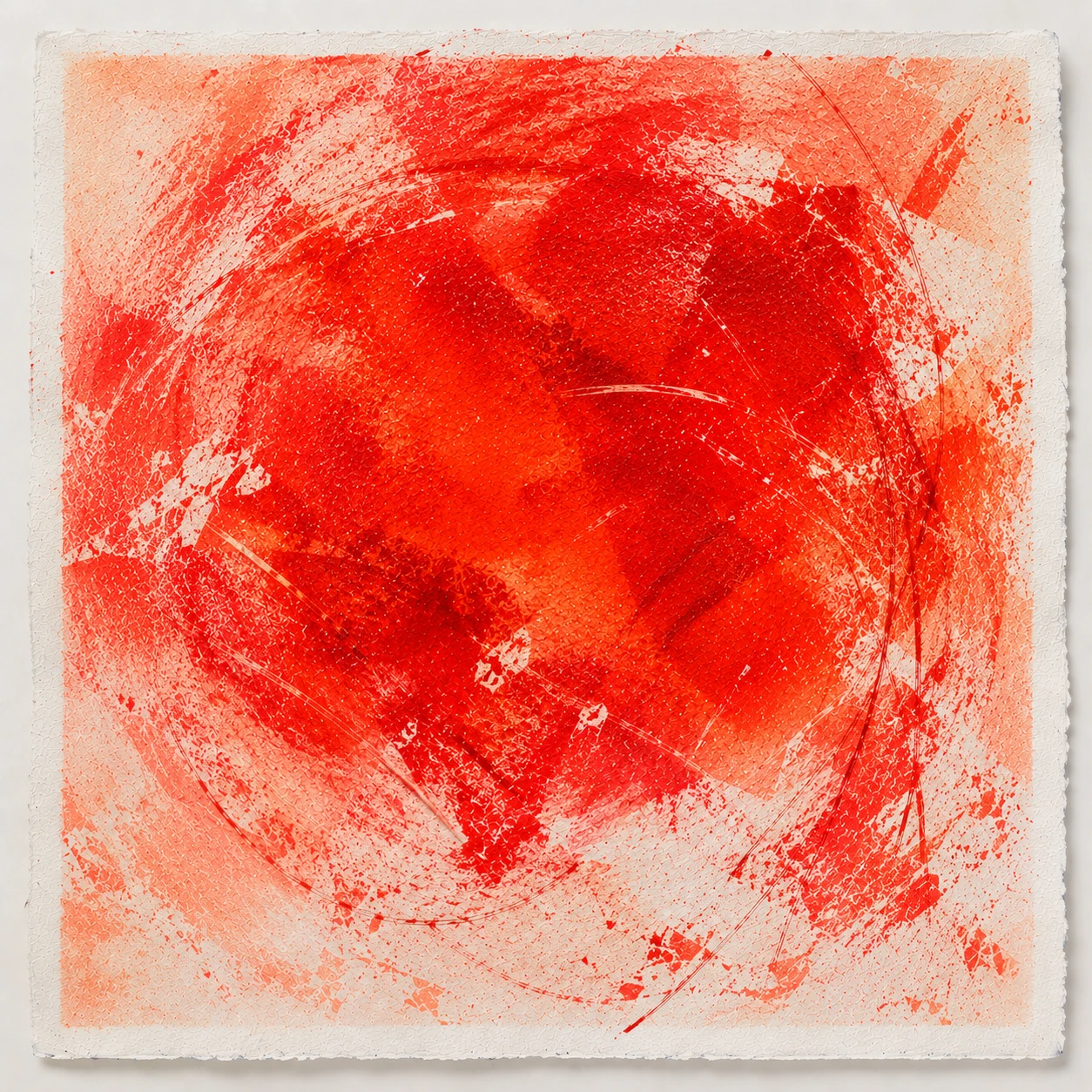
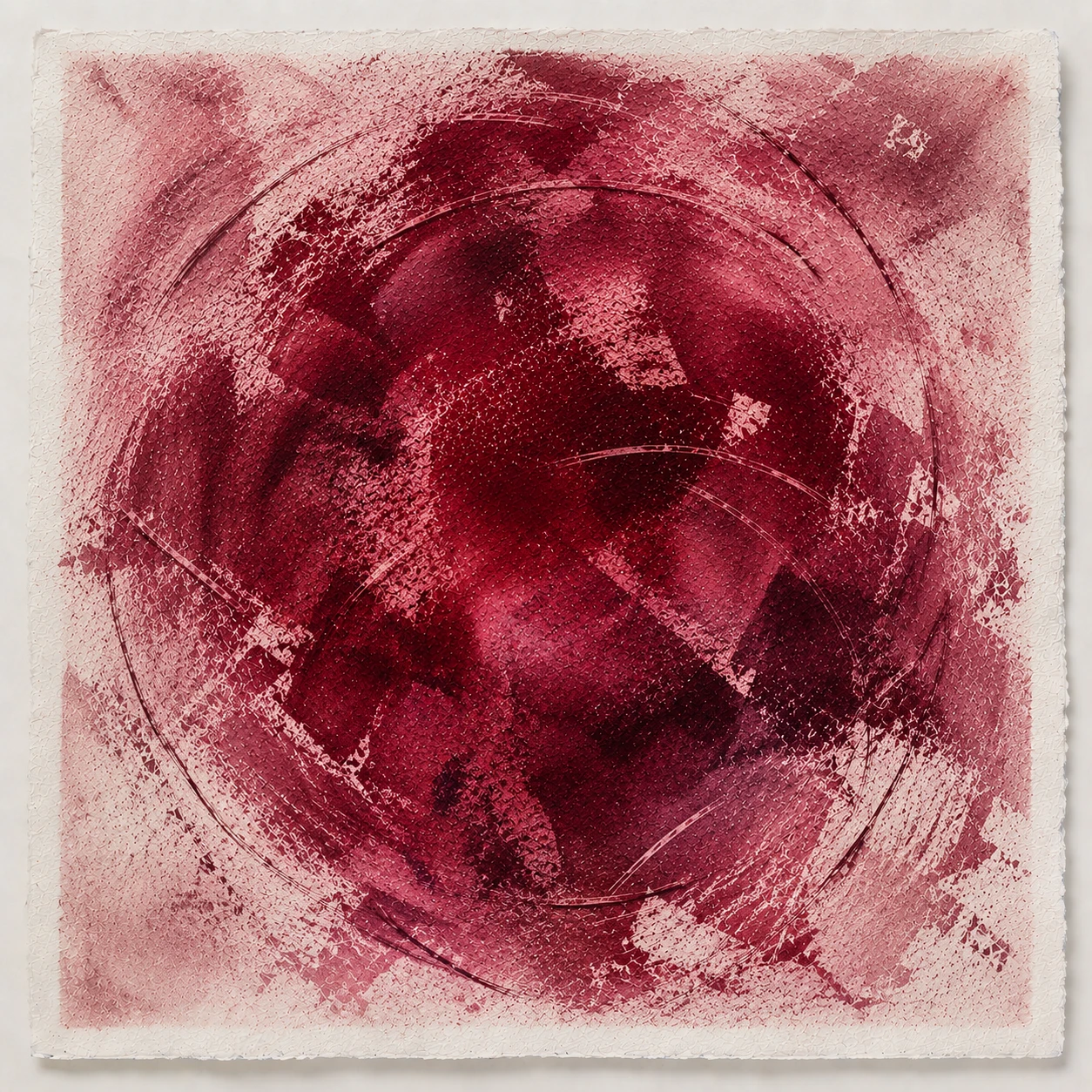
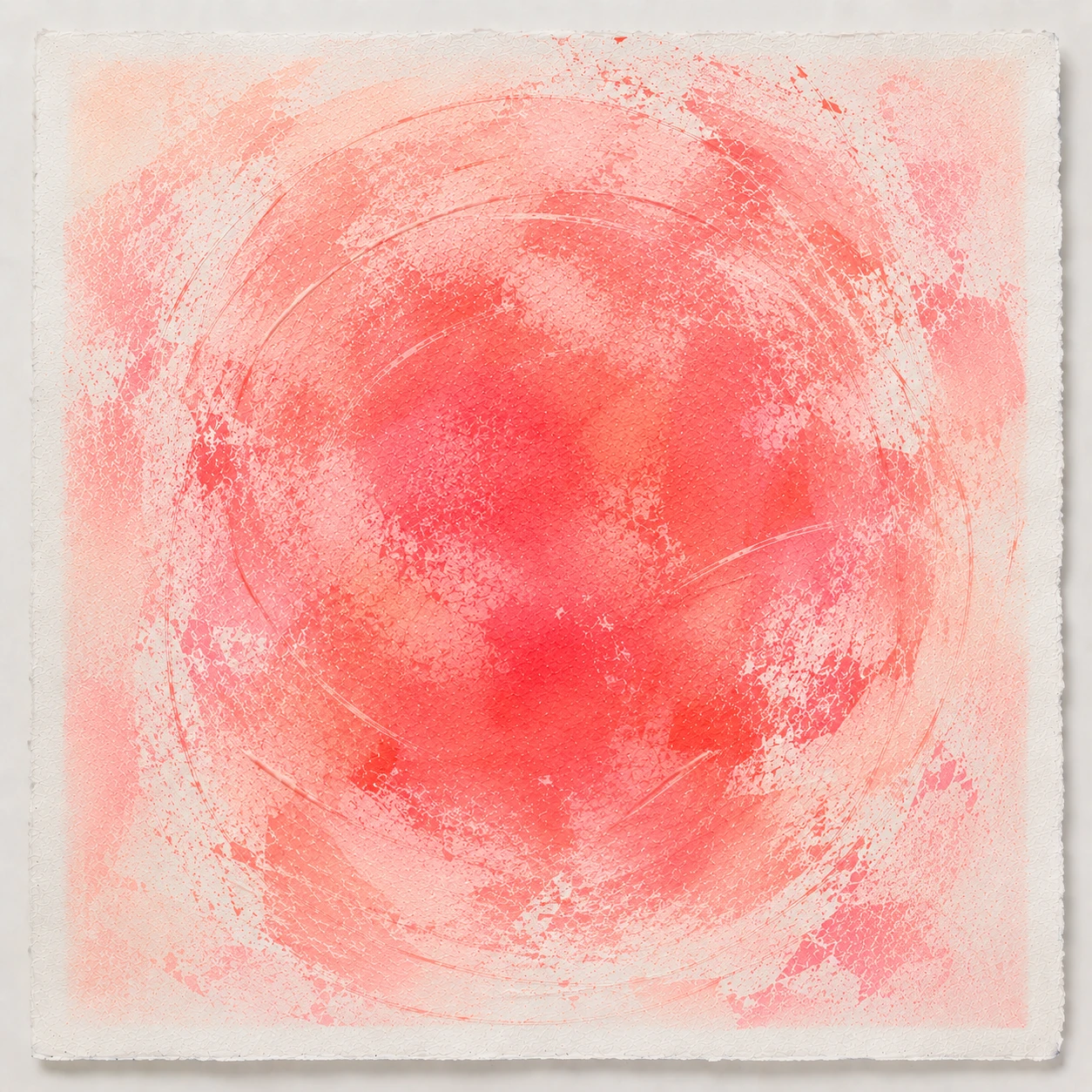
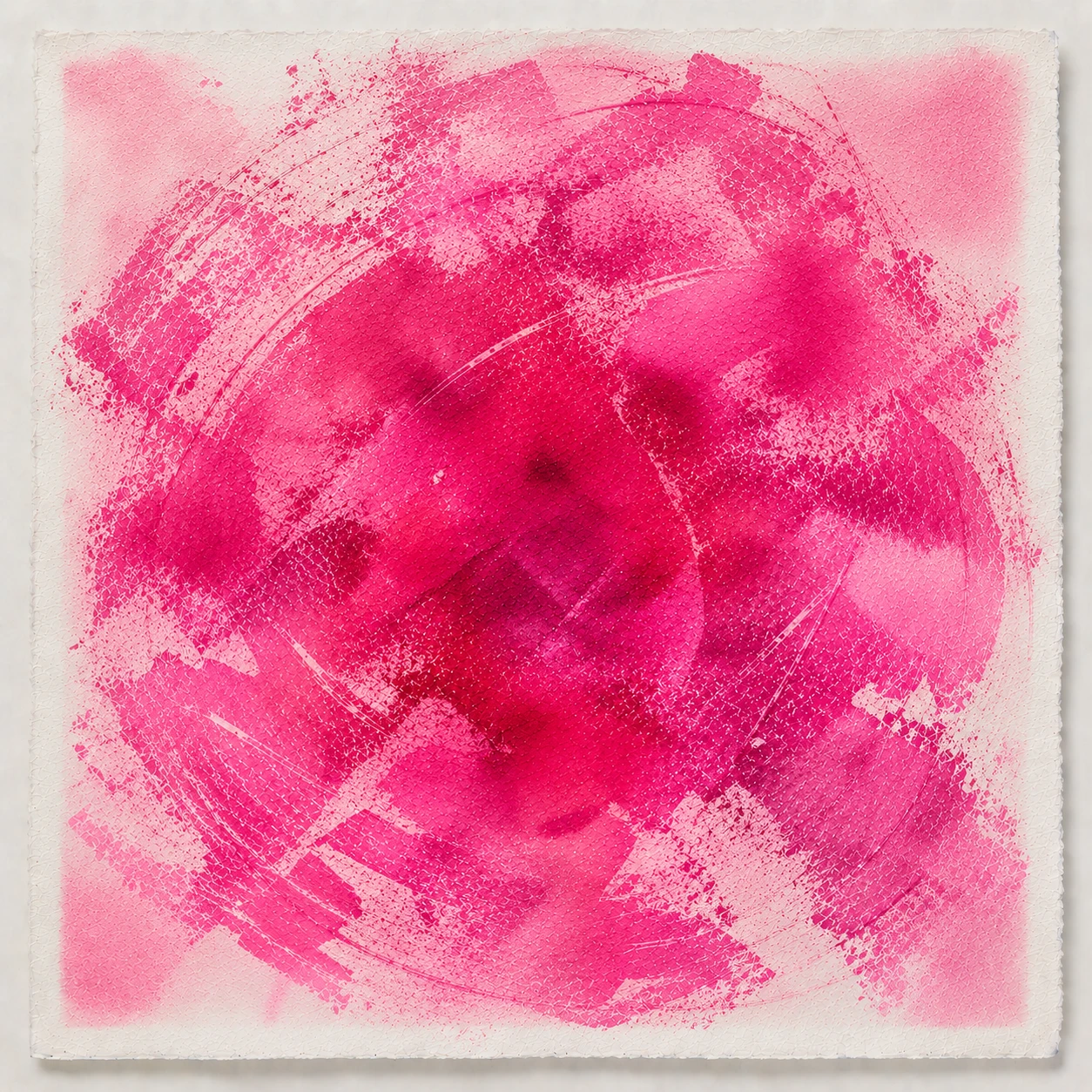
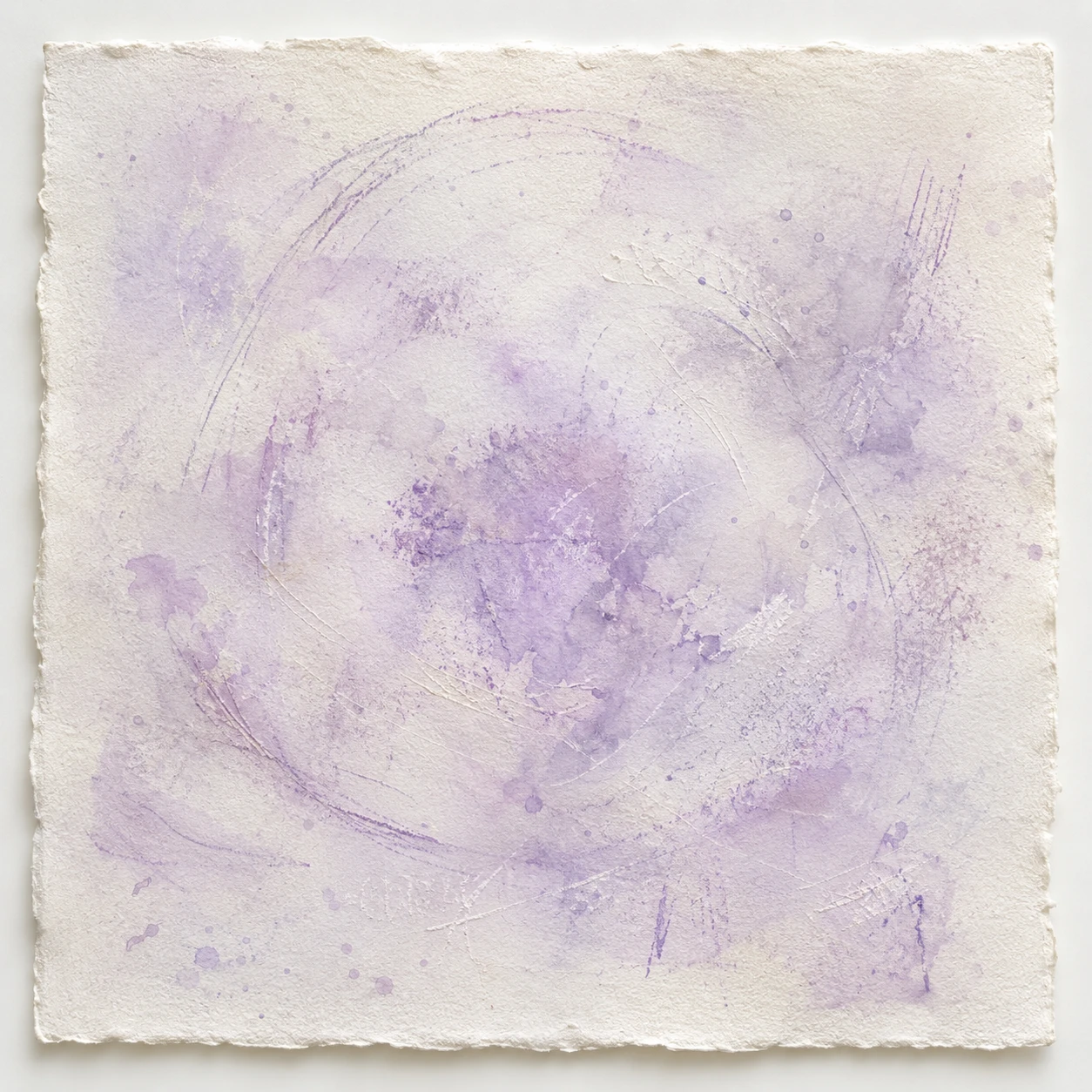
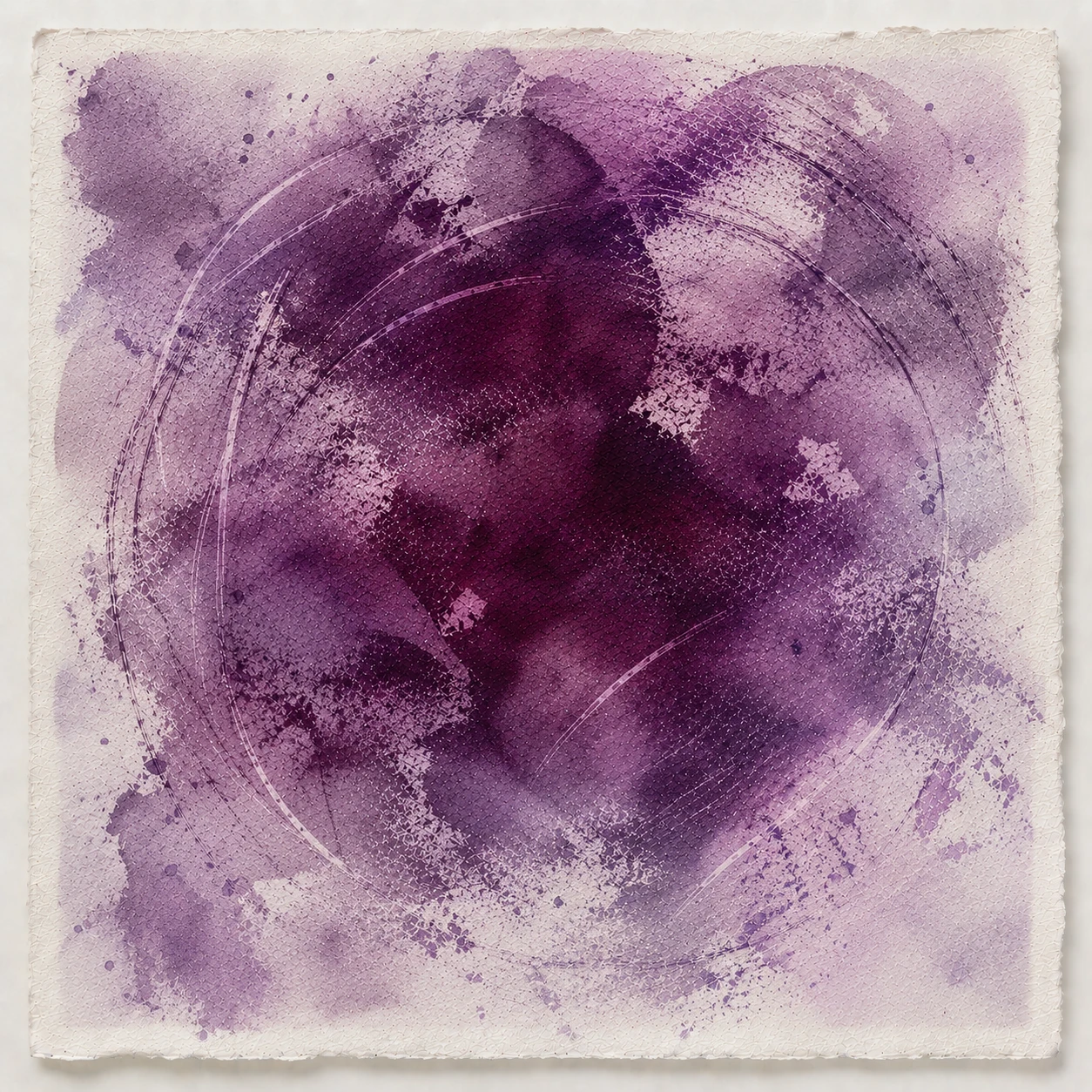
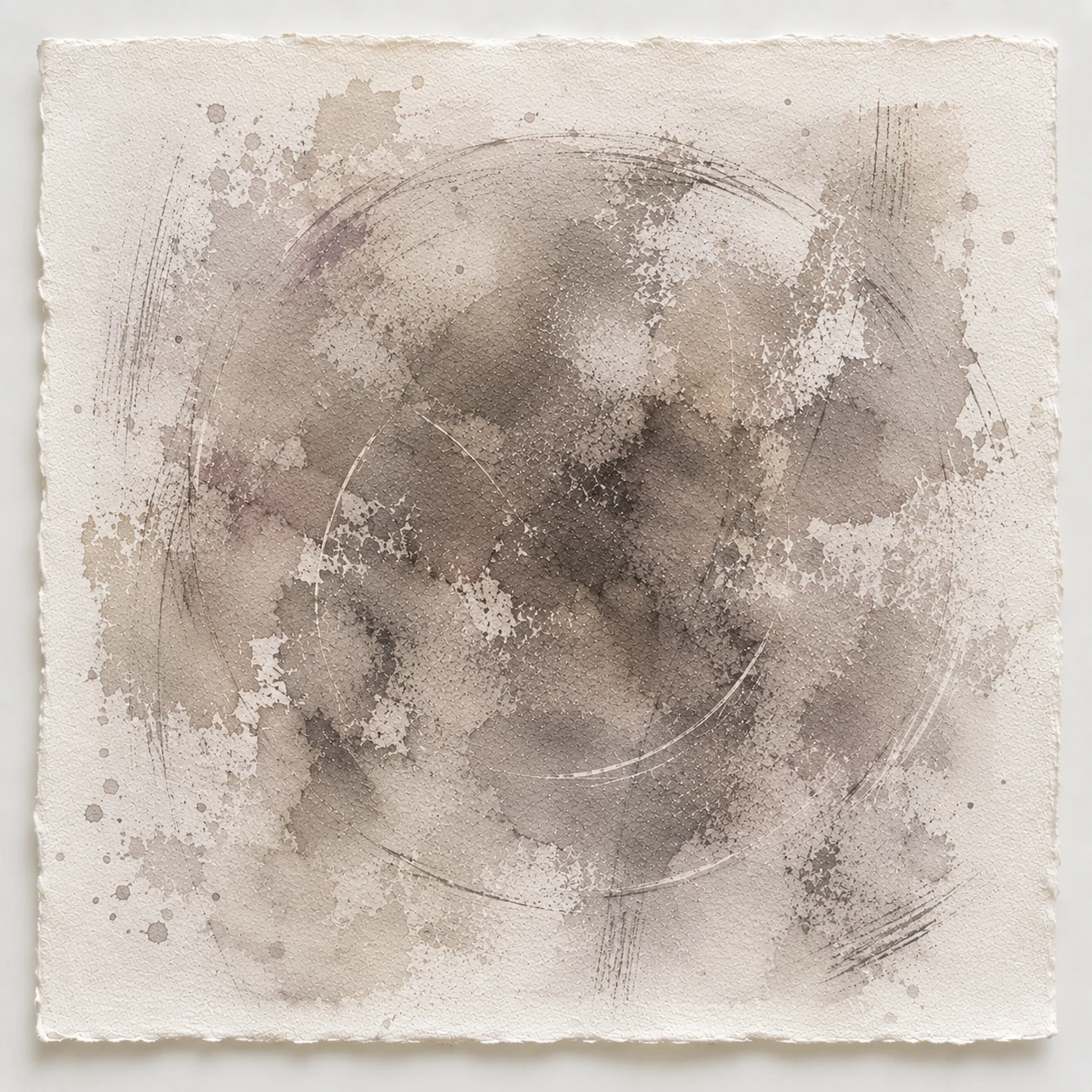
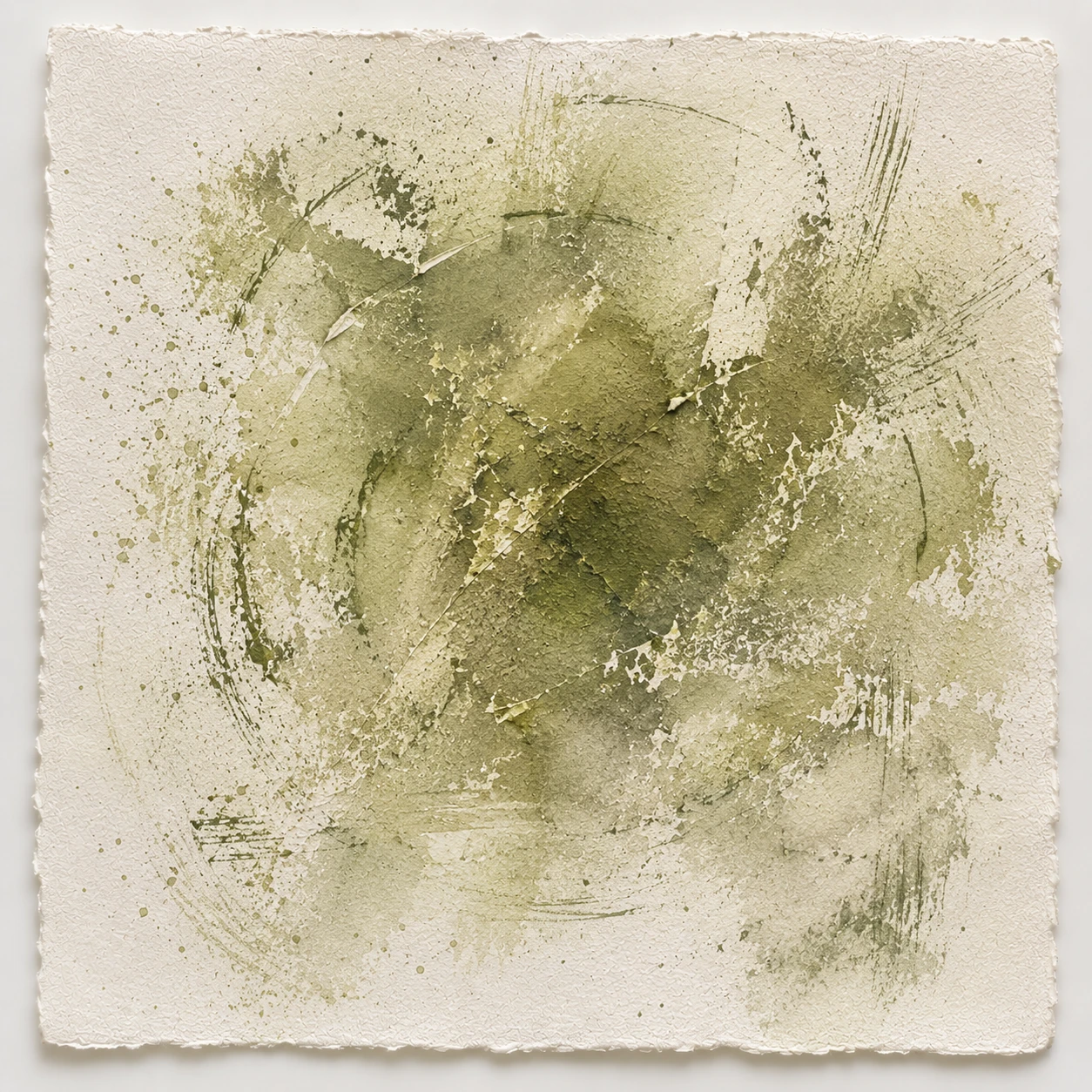
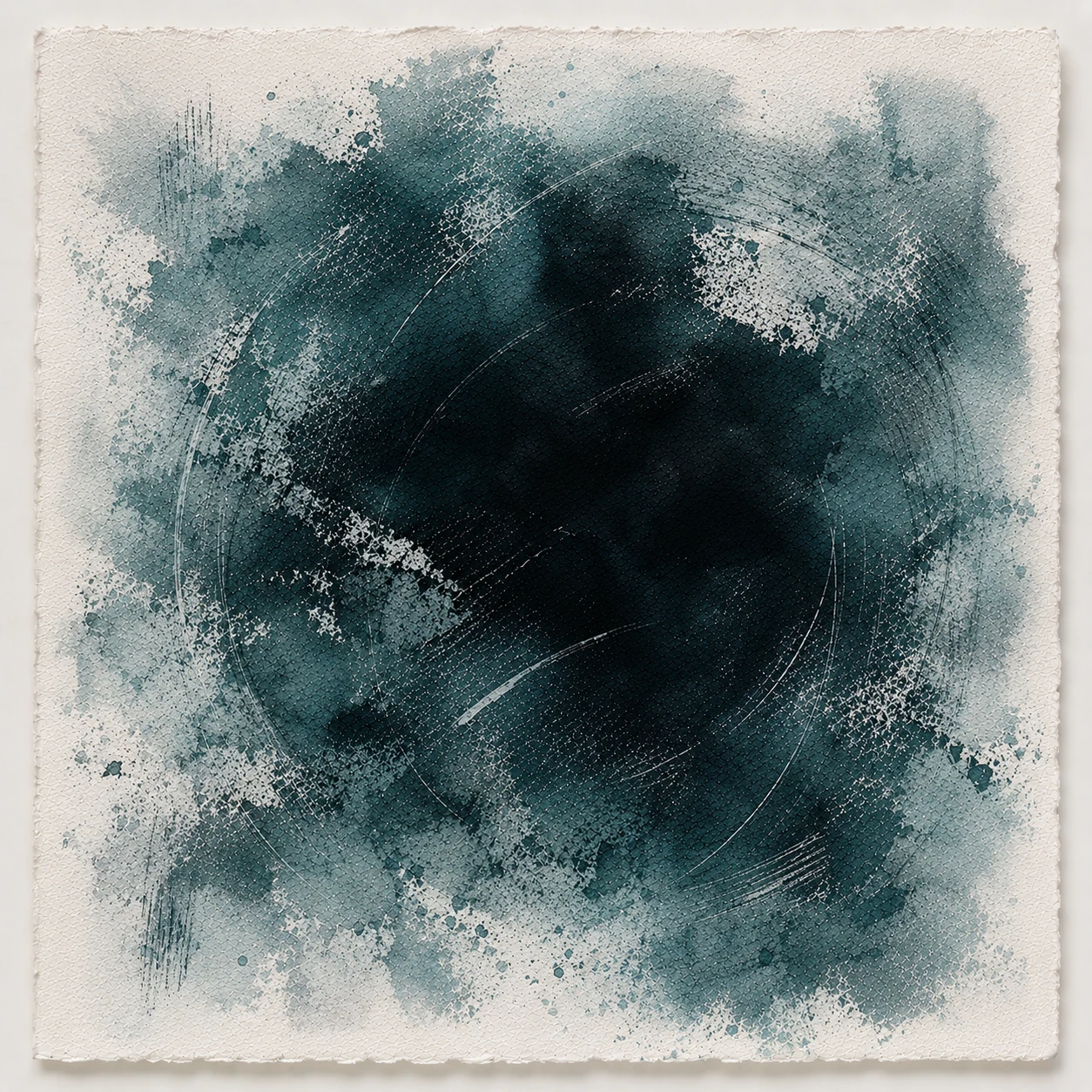
16,777,216 takes its title from the number of distinct colours available in 24-bit “True Colour” digital space. It is a technical fact that behaves like a metaphor: too large to exhaust, too vast for the eye to hold at once. Every digital image is drawn from this field of possibility, where colour exists before pigment, paper or touch. The images appear to be handmade works on paper, suggesting chalk, pastel, ink wash, watercolour, wax crayon, rubbed pigment and scratched marks. Their surfaces seem stained, scuffed, powdered, erased and handled. They have borders, fibres, residues and accidents. They appear to remember a hand, but there is no hand, no paper and no pigment: only colour behaving as if it had weight.
At first, the project seemed to be about chromatic range: eighteen specimens drawn from a vast digital spectrum. Cobalt, cyan, indigo, viridian, mint, chartreuse, lemon, apricot, vermilion, oxblood, coral, magenta, lavender, plum, taupe, olive and petrol became a small map of possibility. As the work developed, however, another subject appeared. 16,777,216 became less about colour alone and more about the way colour was found, tested, revised and held in continuity through conversation. The series was made with OpenAI's ChatGPT 5.5 + Images 2.0, using the exchange itself as a working surface. Instead of eighteen isolated prompts, the project became a thread for paper, texture, chromatic sequence, consistency, difference and the overall shape of the series.
That process made the work feel like a discovery. The model was responsive to context, correction, rhythm and intention. It could continue a visual language without flattening it into repetition, treat each colour as an event rather than a label, and help restore balance when one image weakened the sequence. This is not the same as pressing a button. It is closer to collaboration, though not in the sentimental sense. The model does not feel or understand as a person does, but it can participate in structure and make decisions visible sooner, faster and sometimes more strangely than expected. The number in the title promises millions of colours. The project offers only eighteen. That is the point. Art is not abundance; it is selection.
Gallery
"Computers are useless. They can only give you answers." — Pablo Picasso