FEED ME: an authored response to AI slop
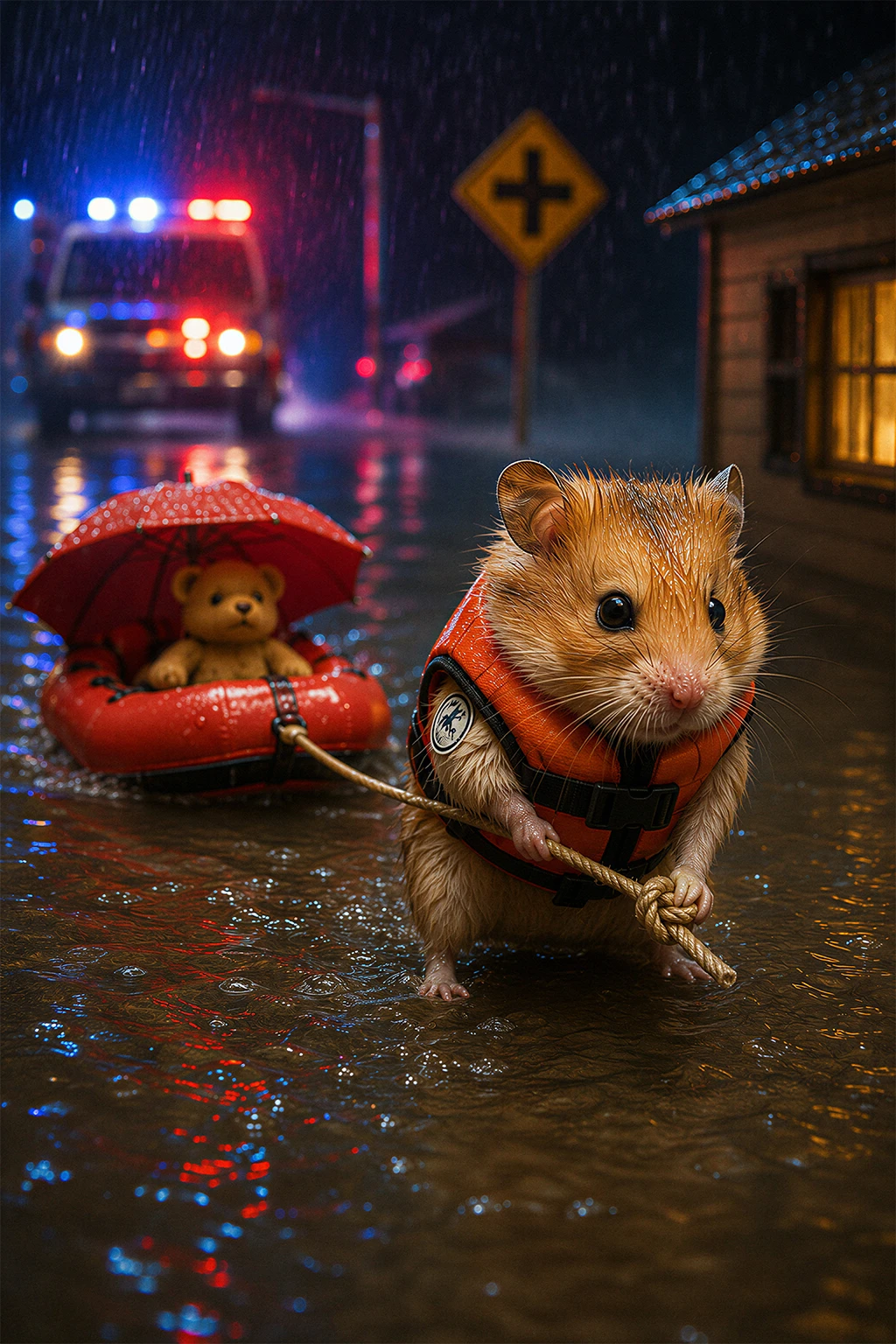
FEED ME is an authored response to the phenomenon now widely described as AI slop: the endless stream of synthetic images and videos made for attention rather than meaning. Dancing animals, miracle products, impossible rescues, sentimental bait, fake spectacles and visual misinformation have become part of the daily weather of the feed. These images often borrow the authority of photography while asking for something cruder: a click, a share, a moment of belief. Rather than refuse the absurdity, FEED ME begins inside it. The project accepts that the feed is already strange, comic, theatrical and untrustworthy, then asks what happens when its visual language is slowed down, refined, and deliberately handled.
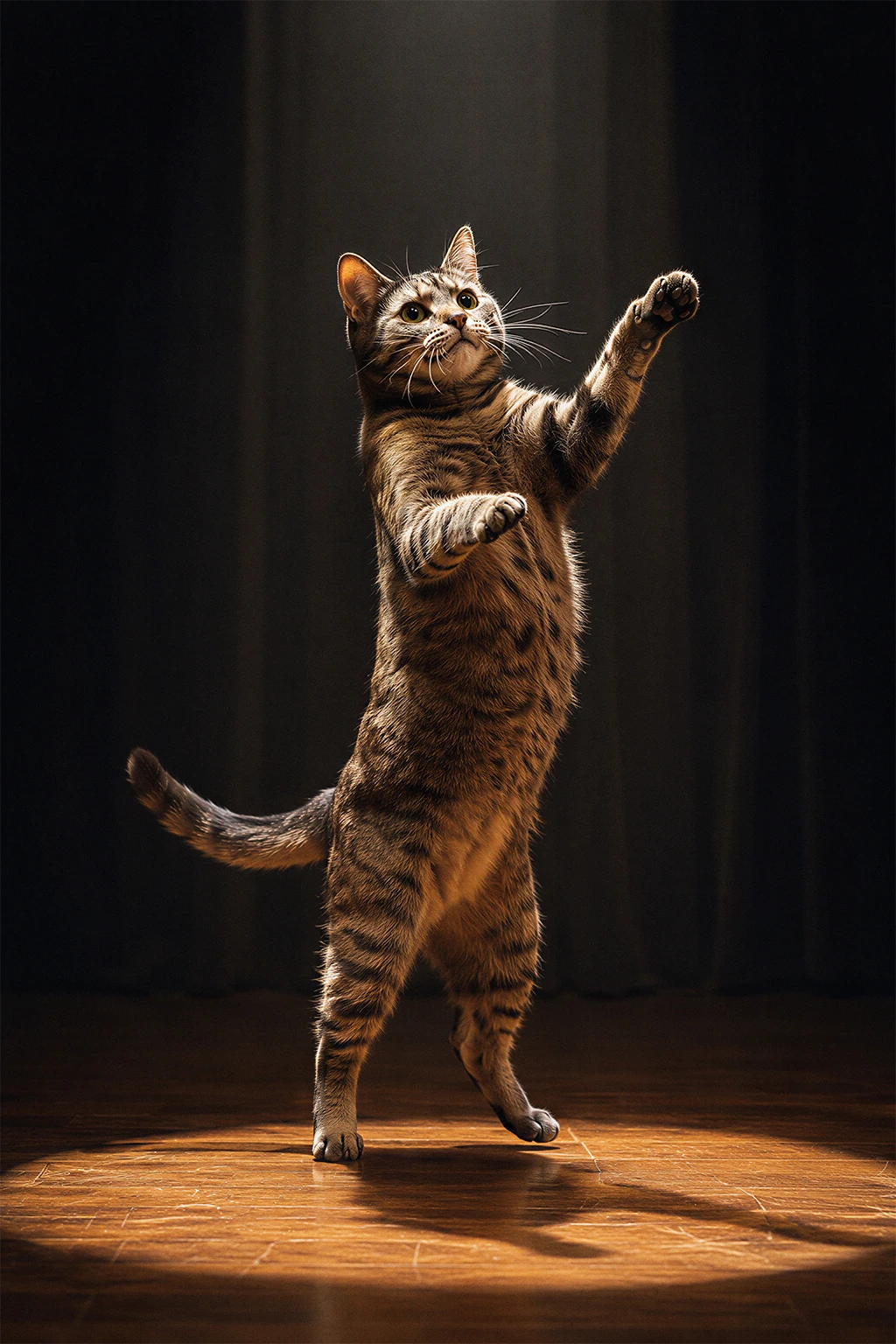
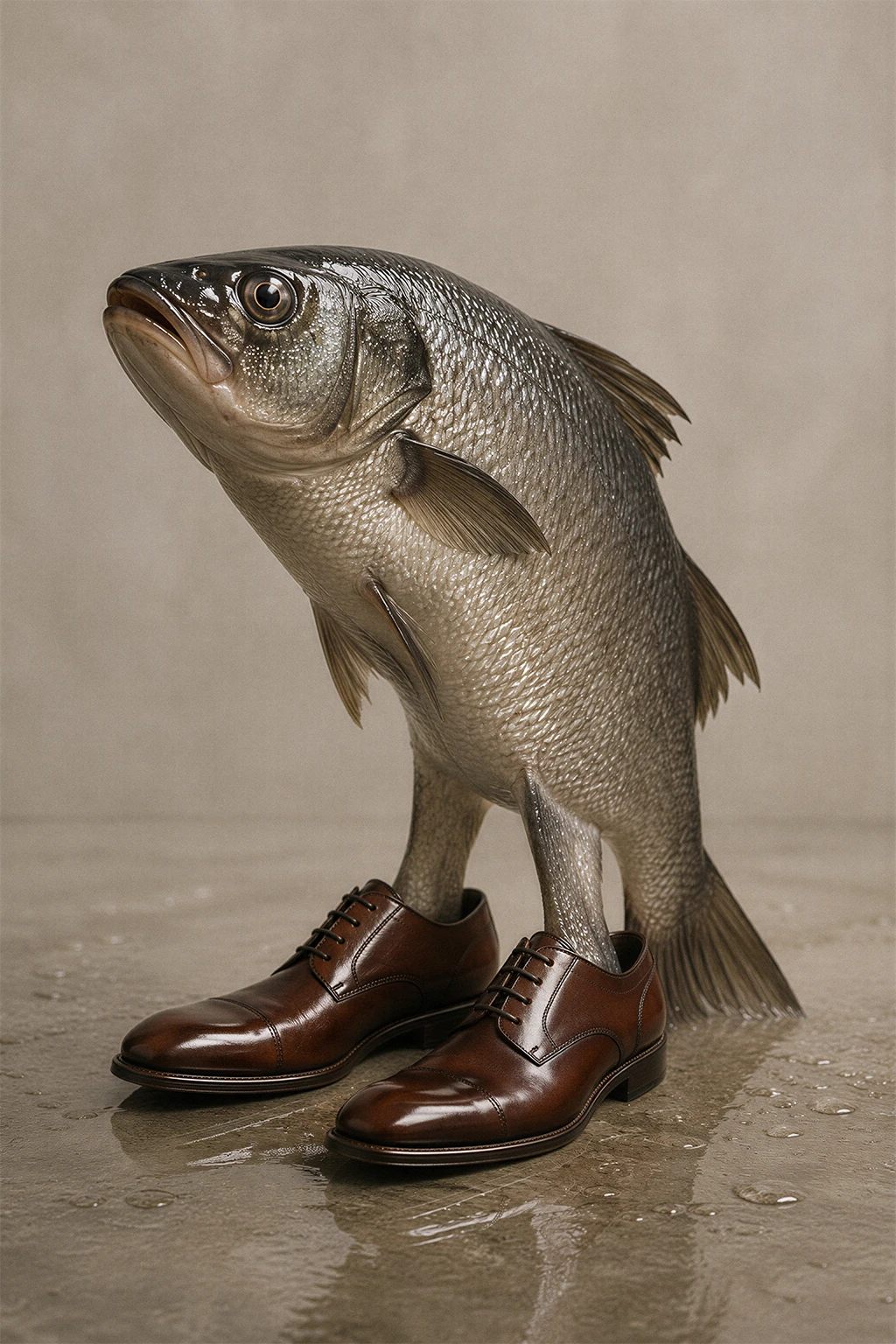
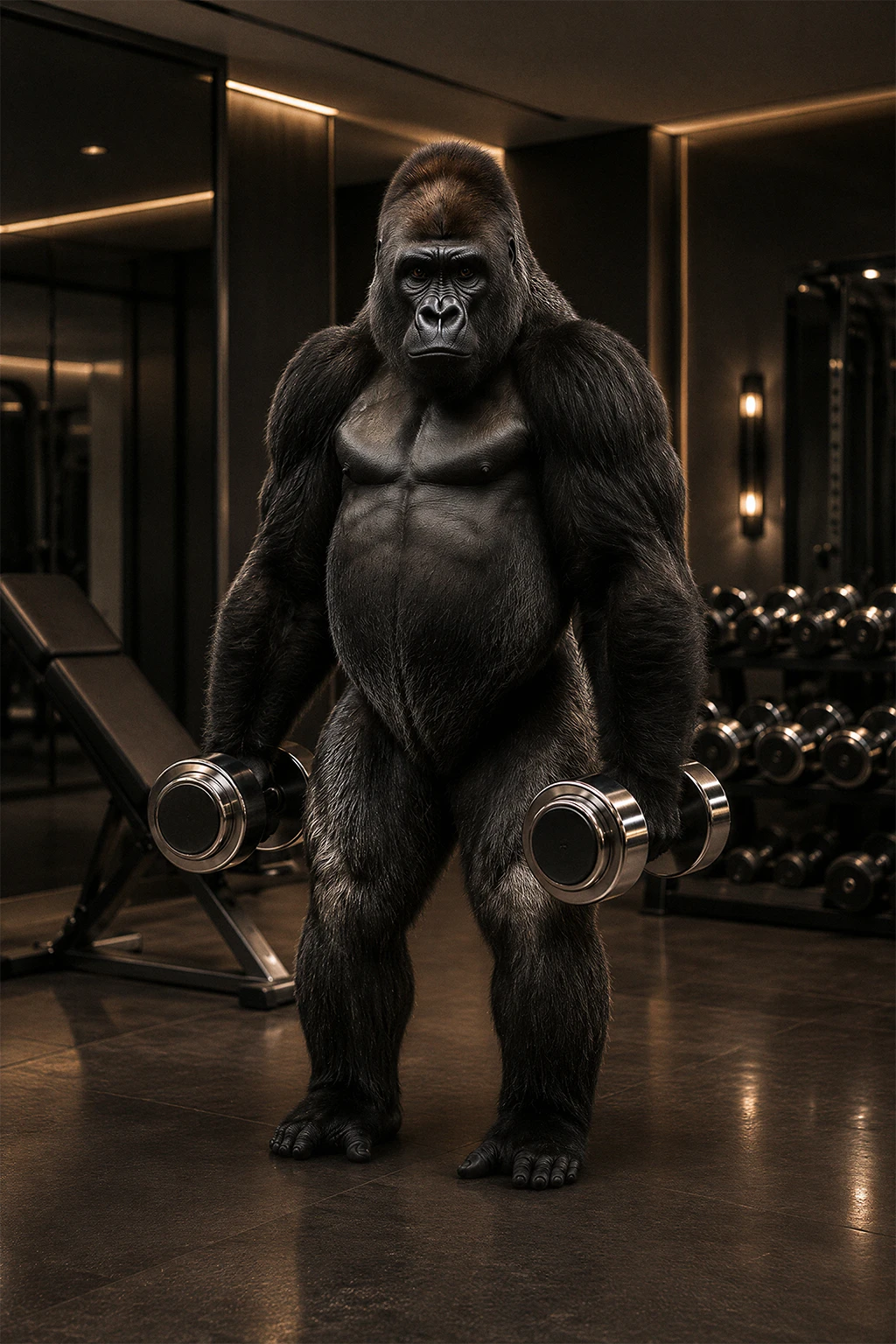
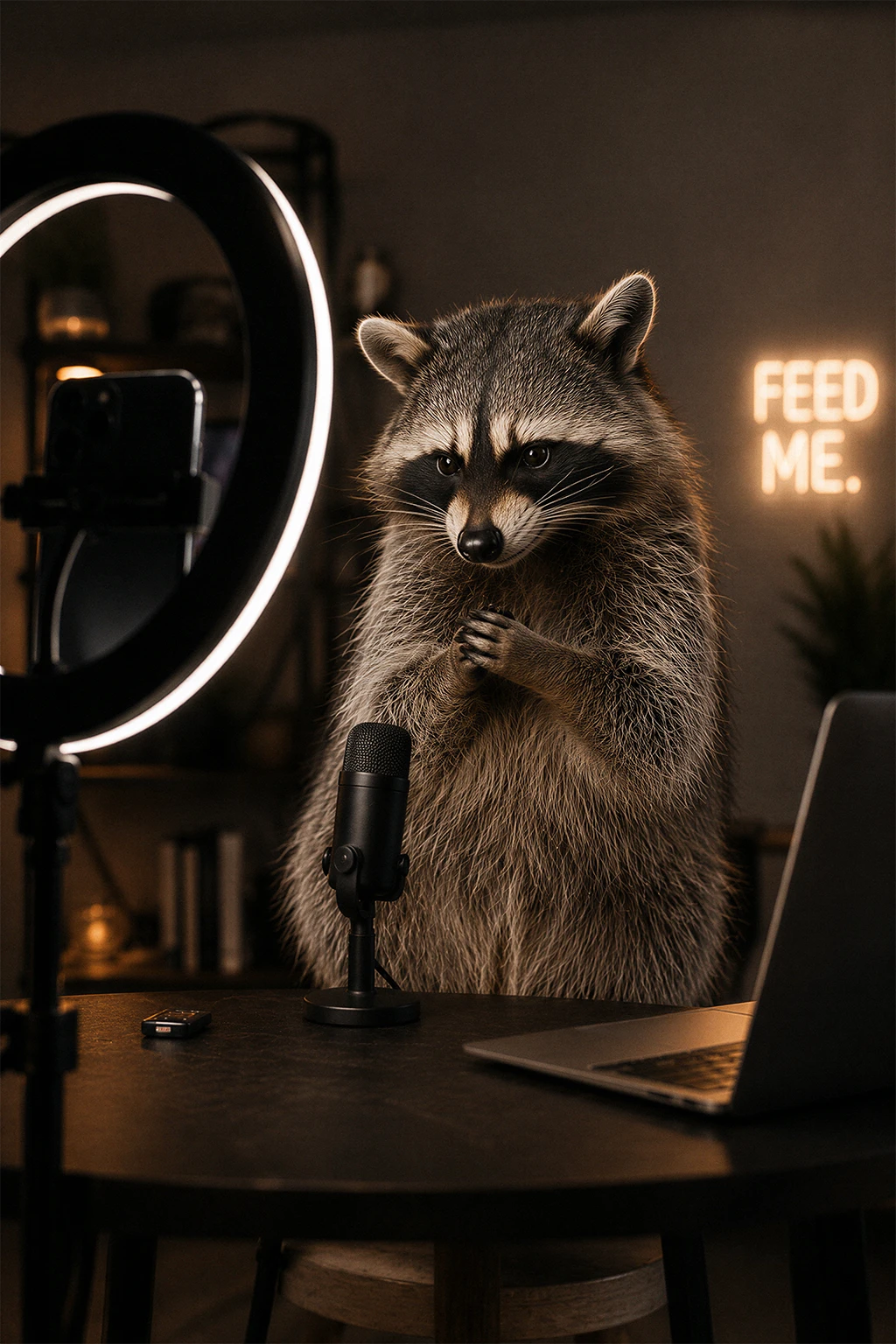
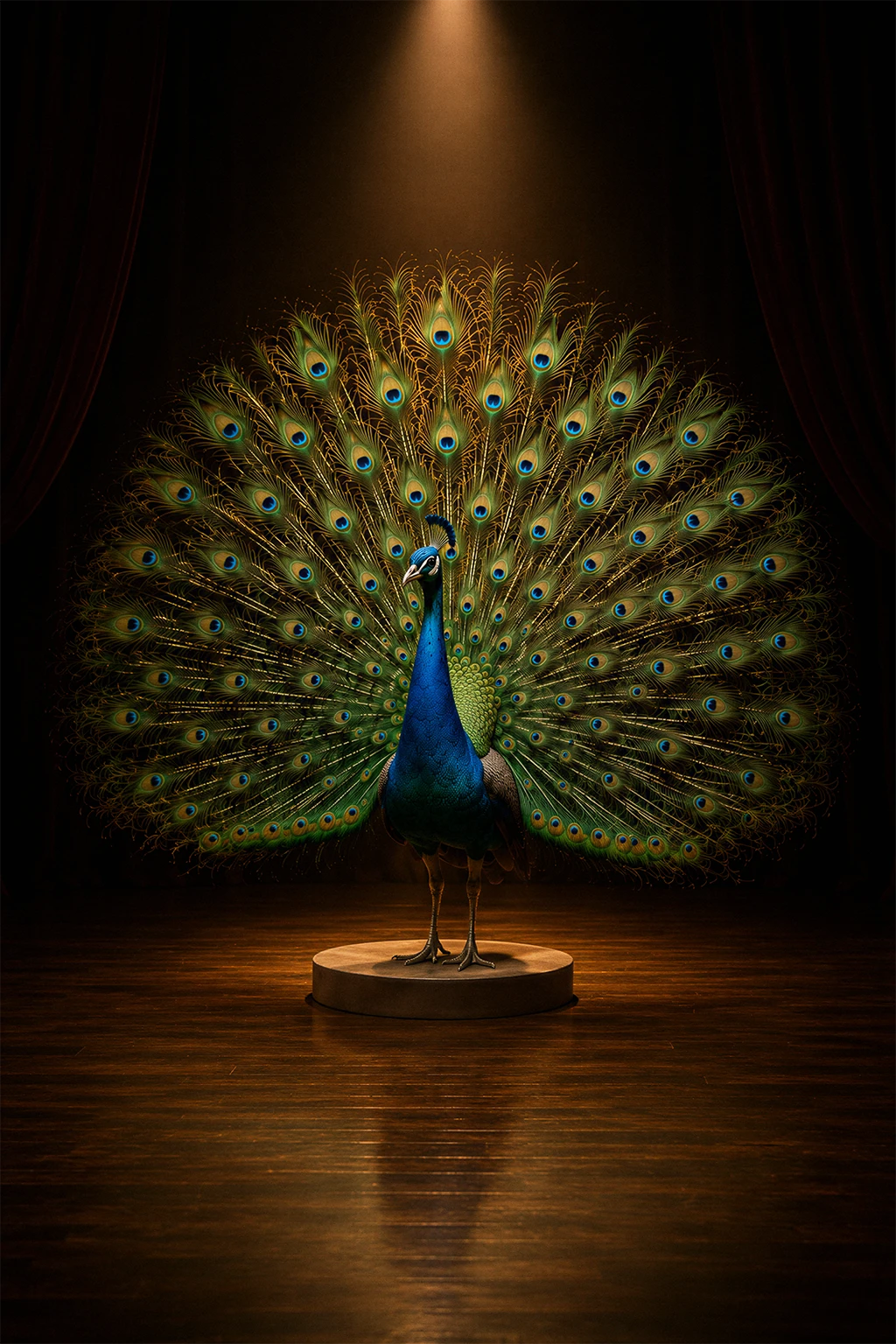
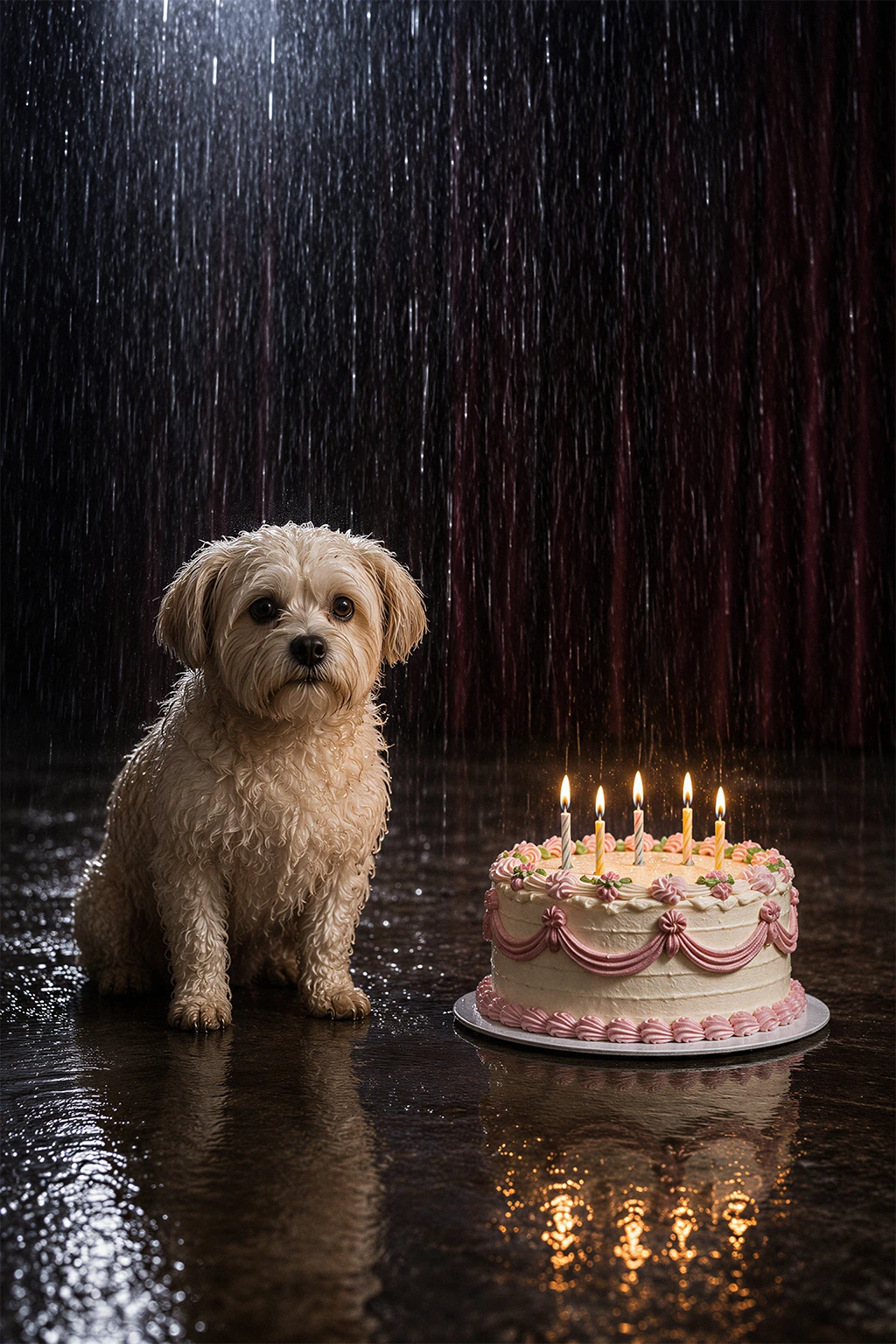
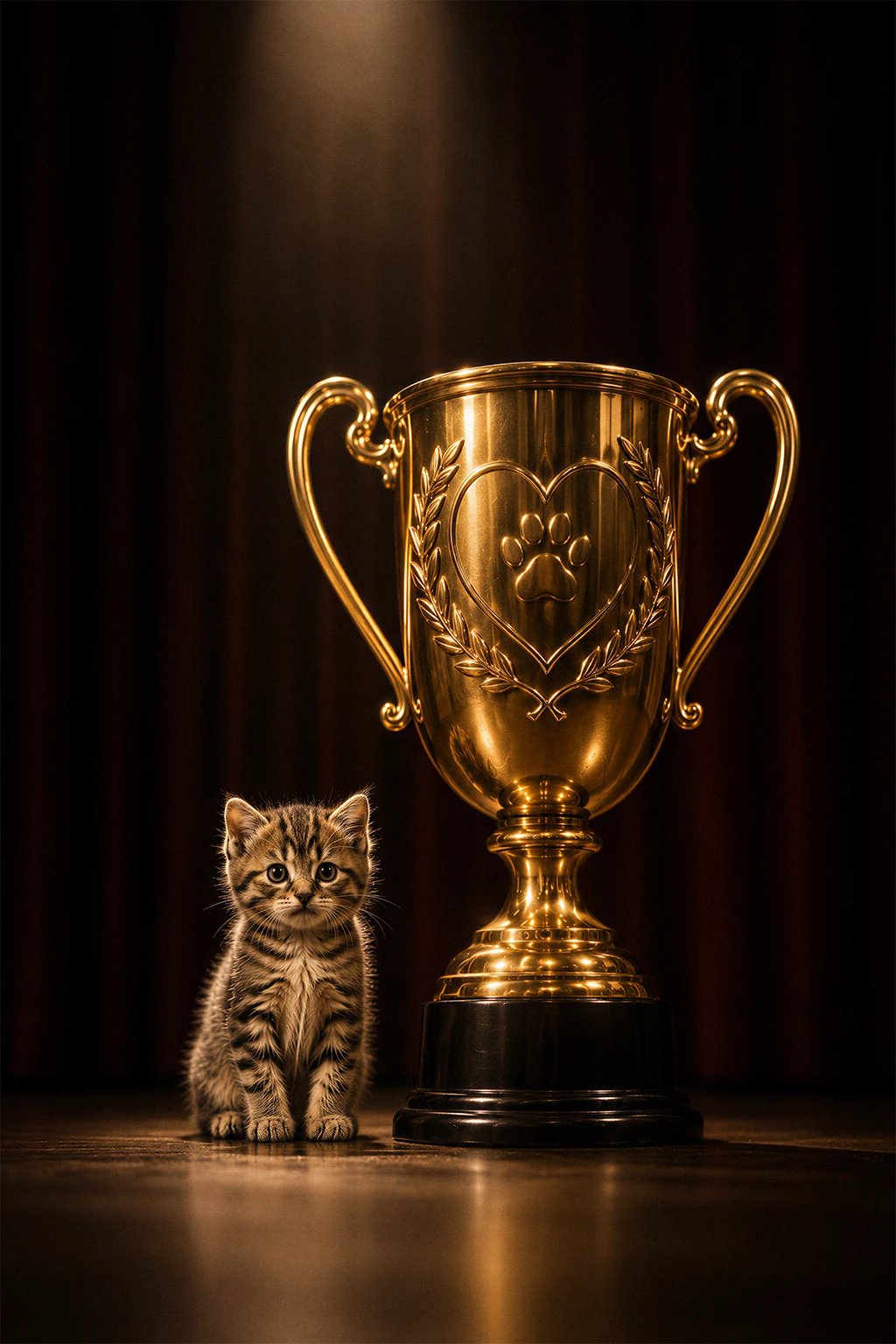
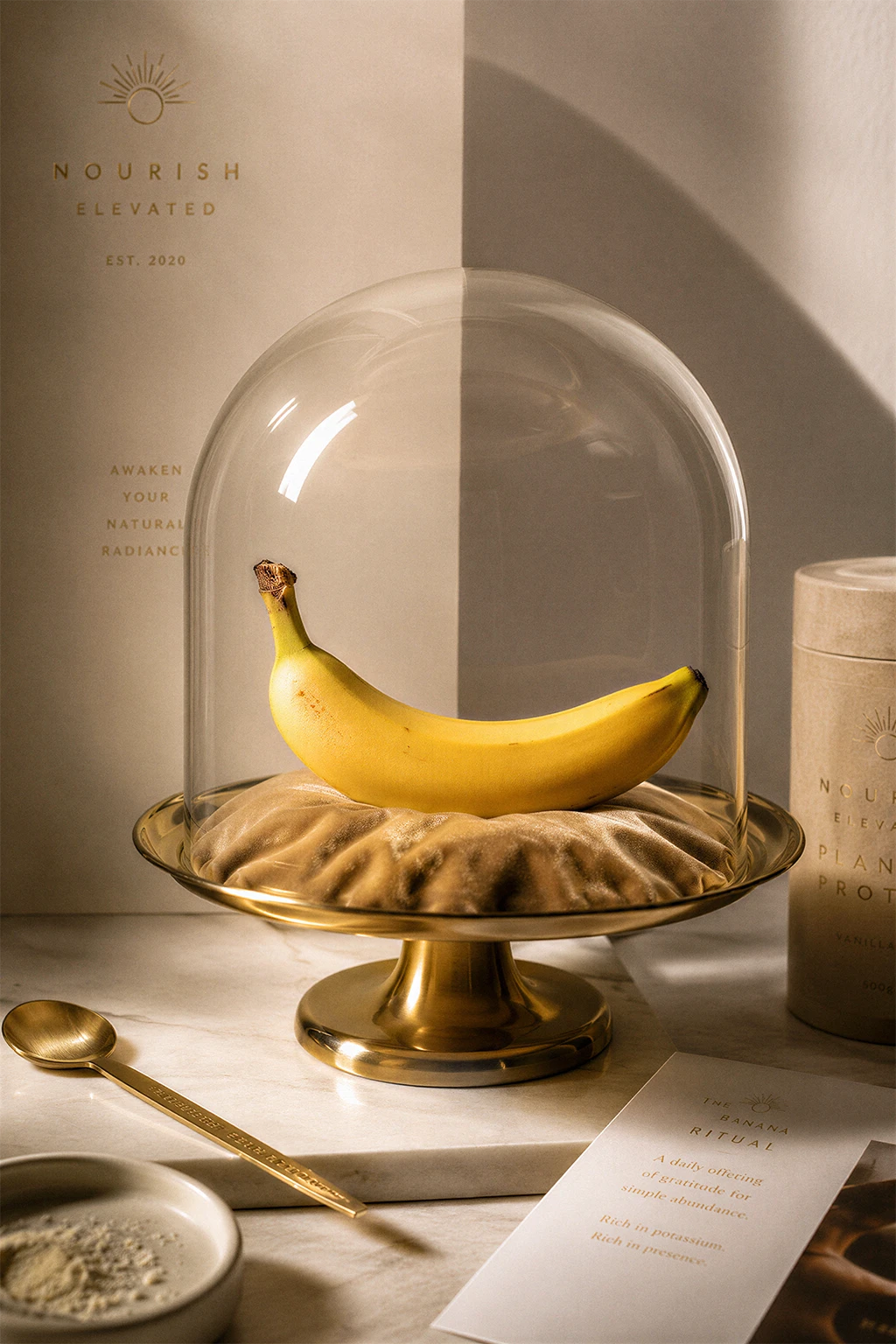
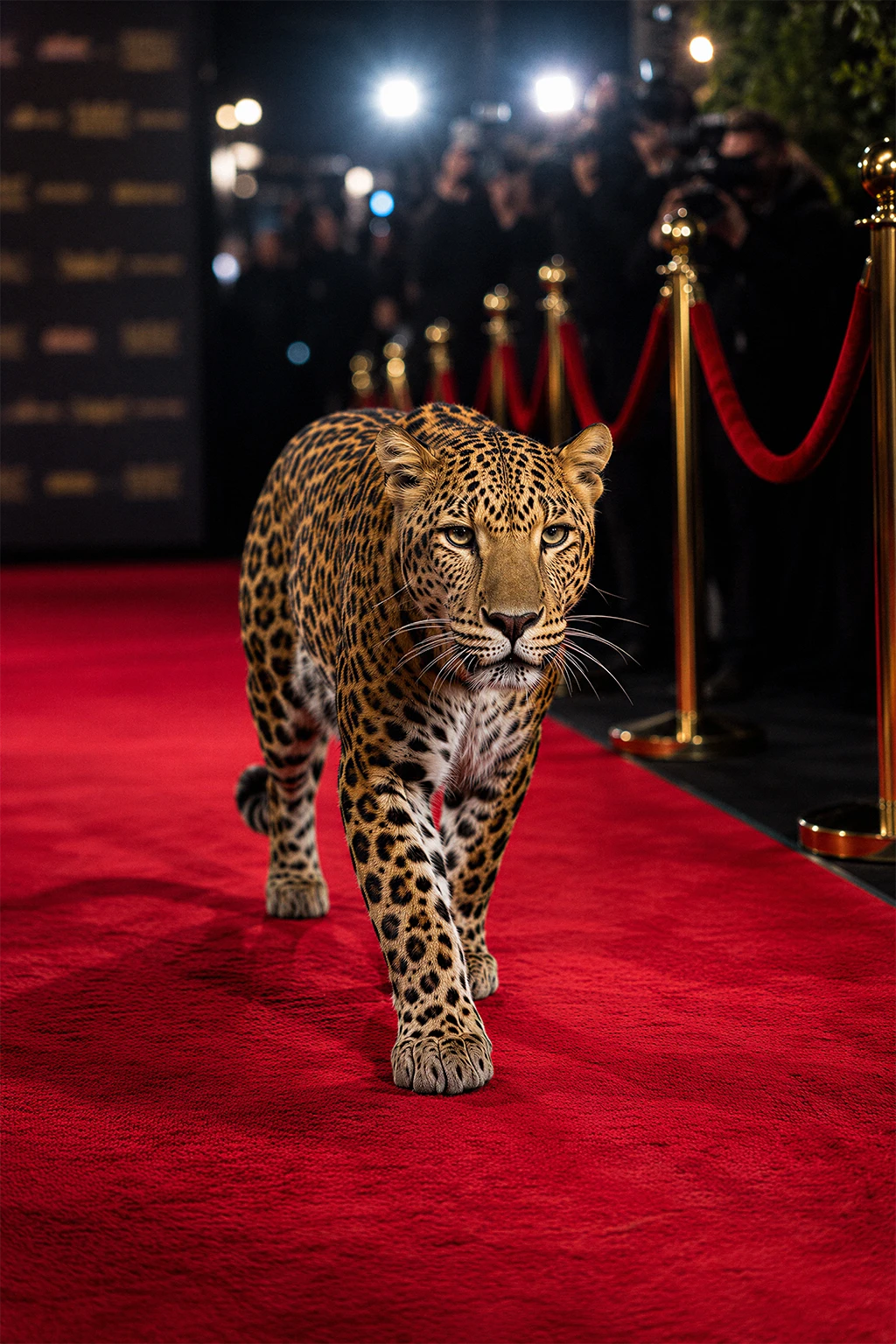
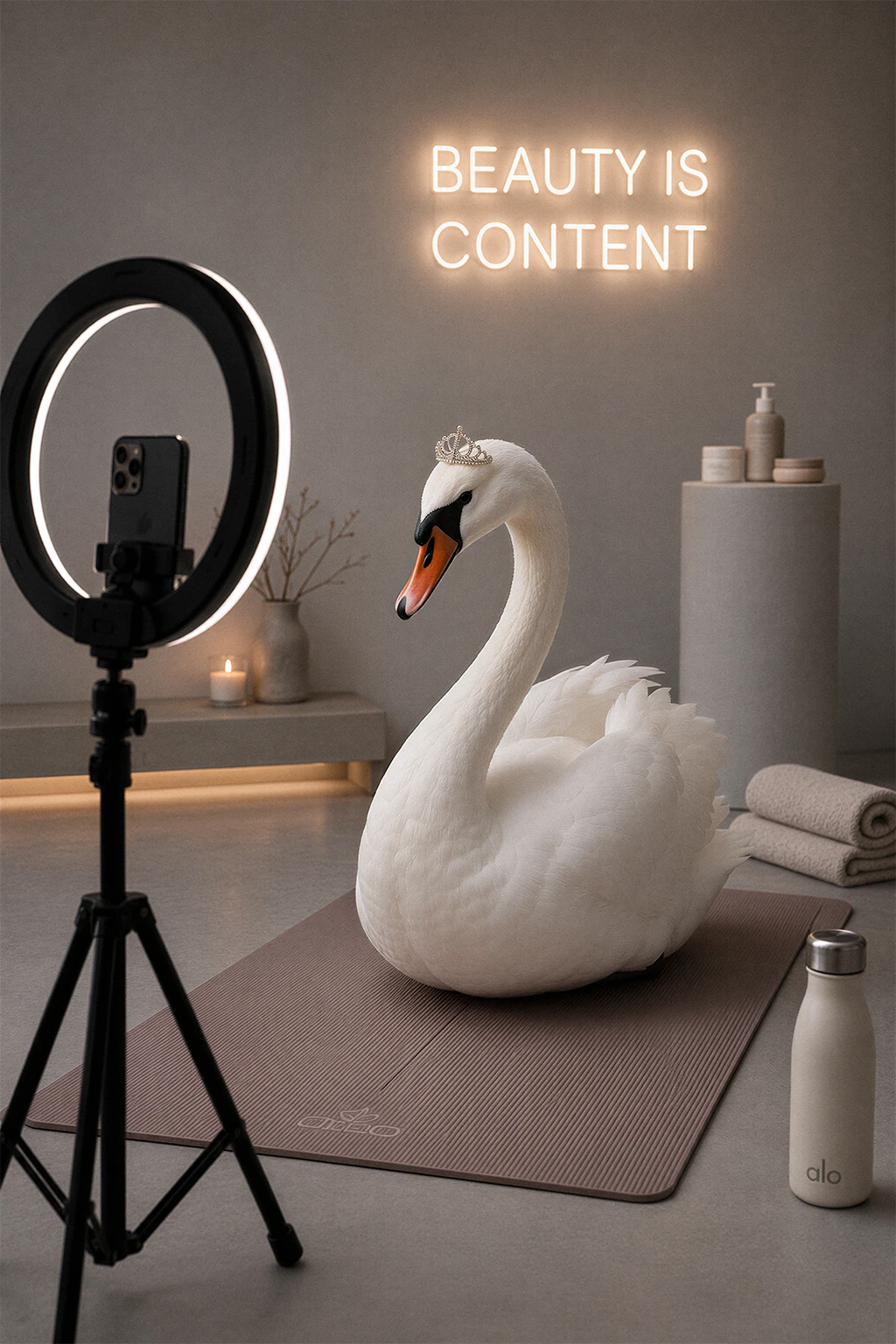
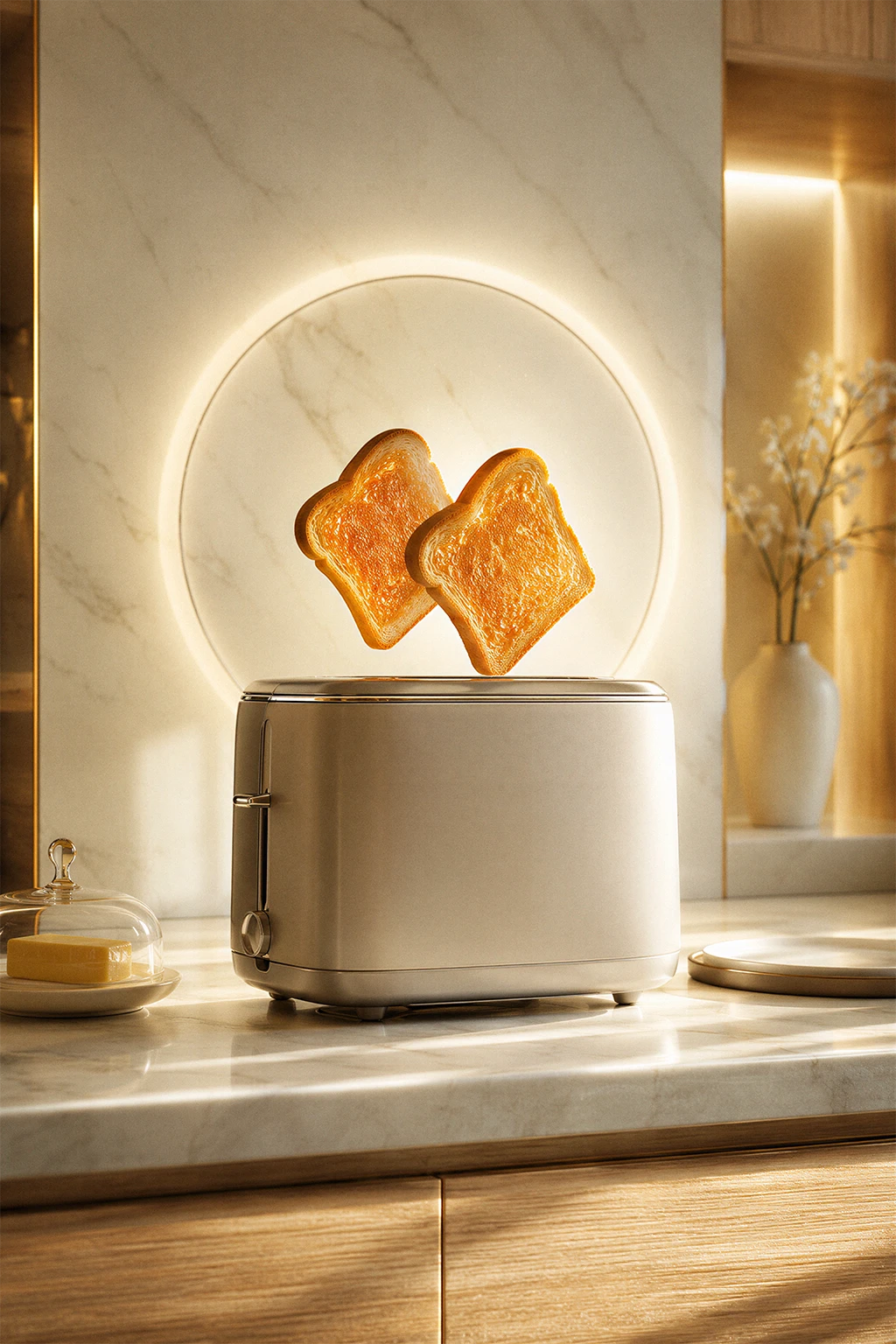
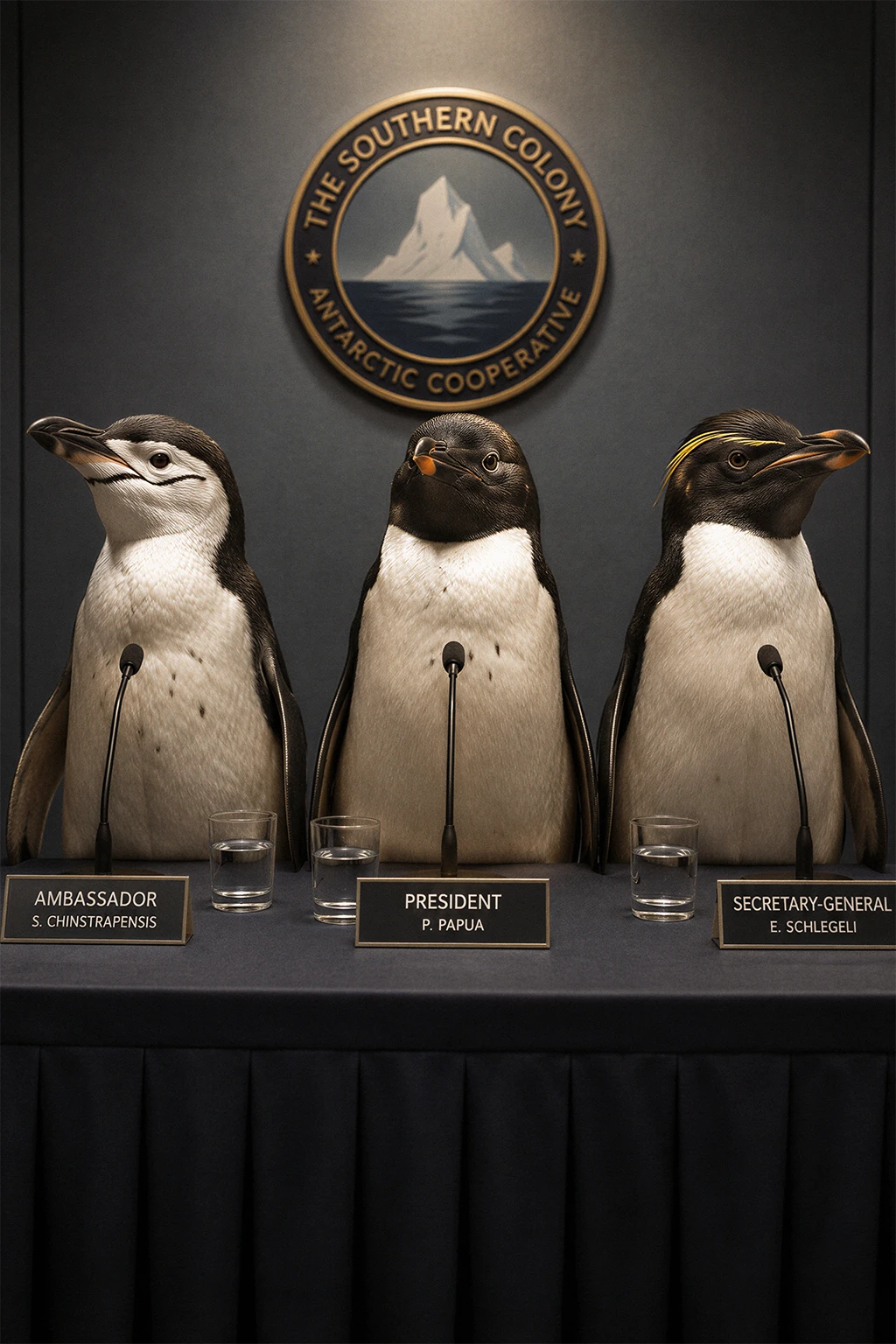
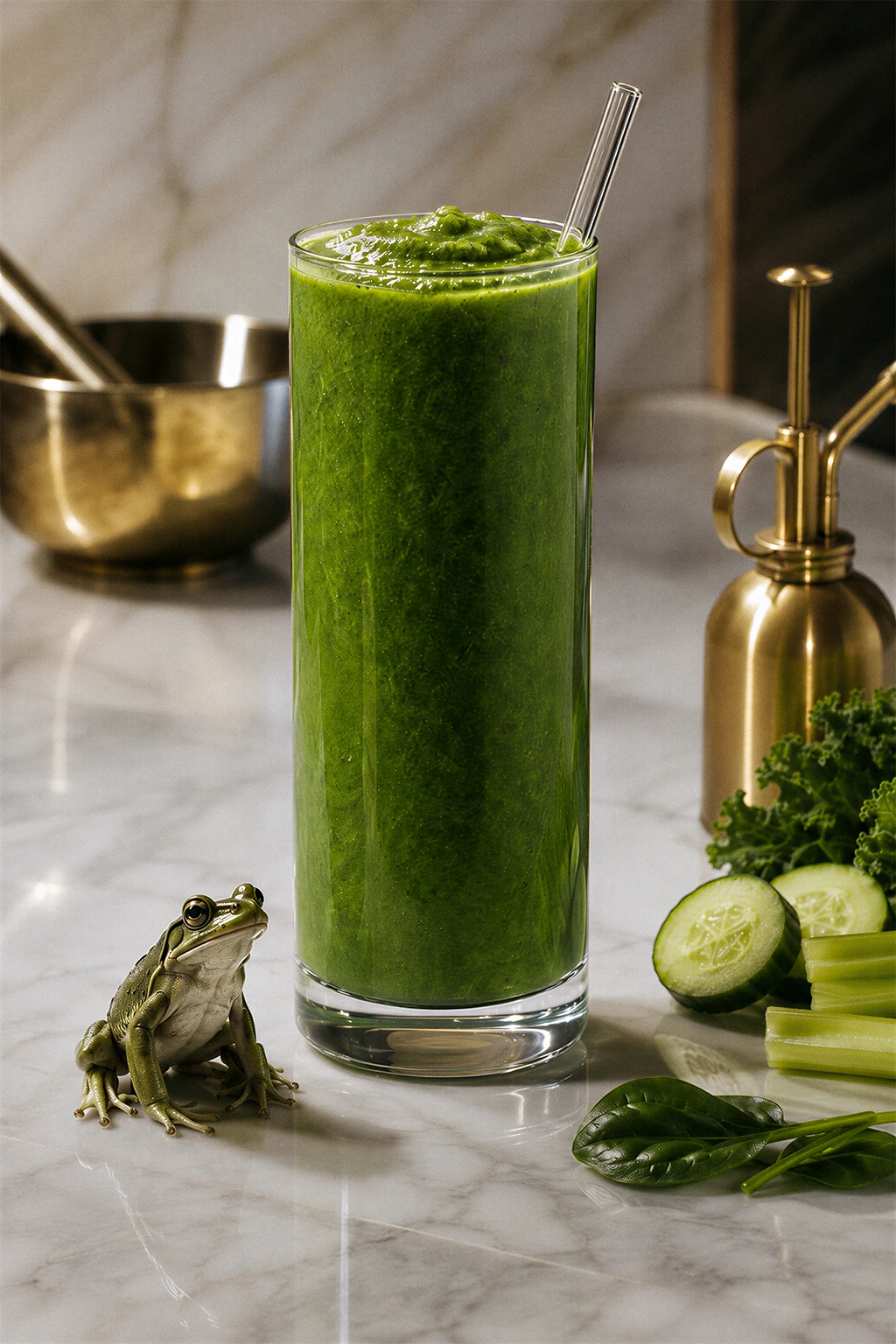
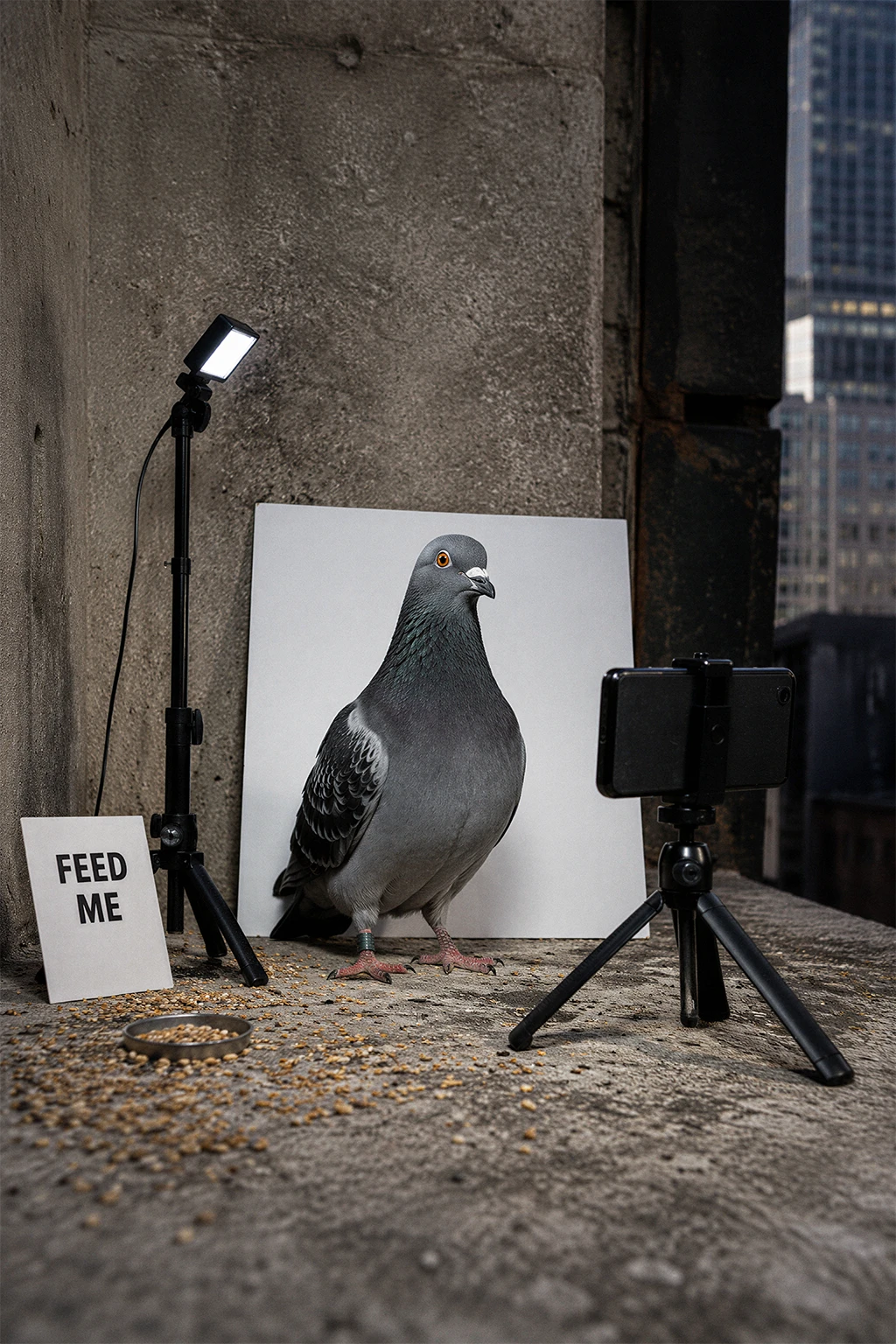
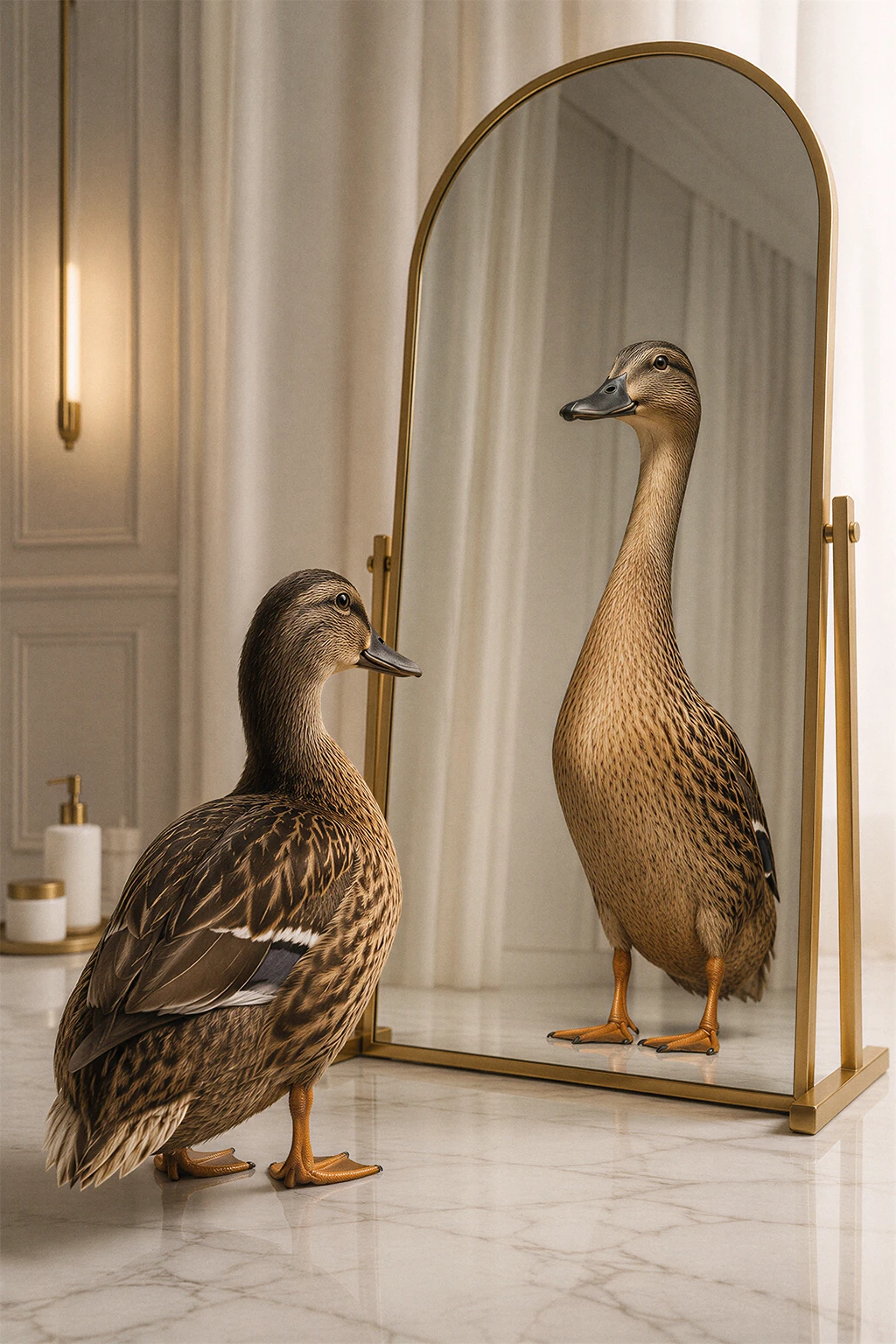
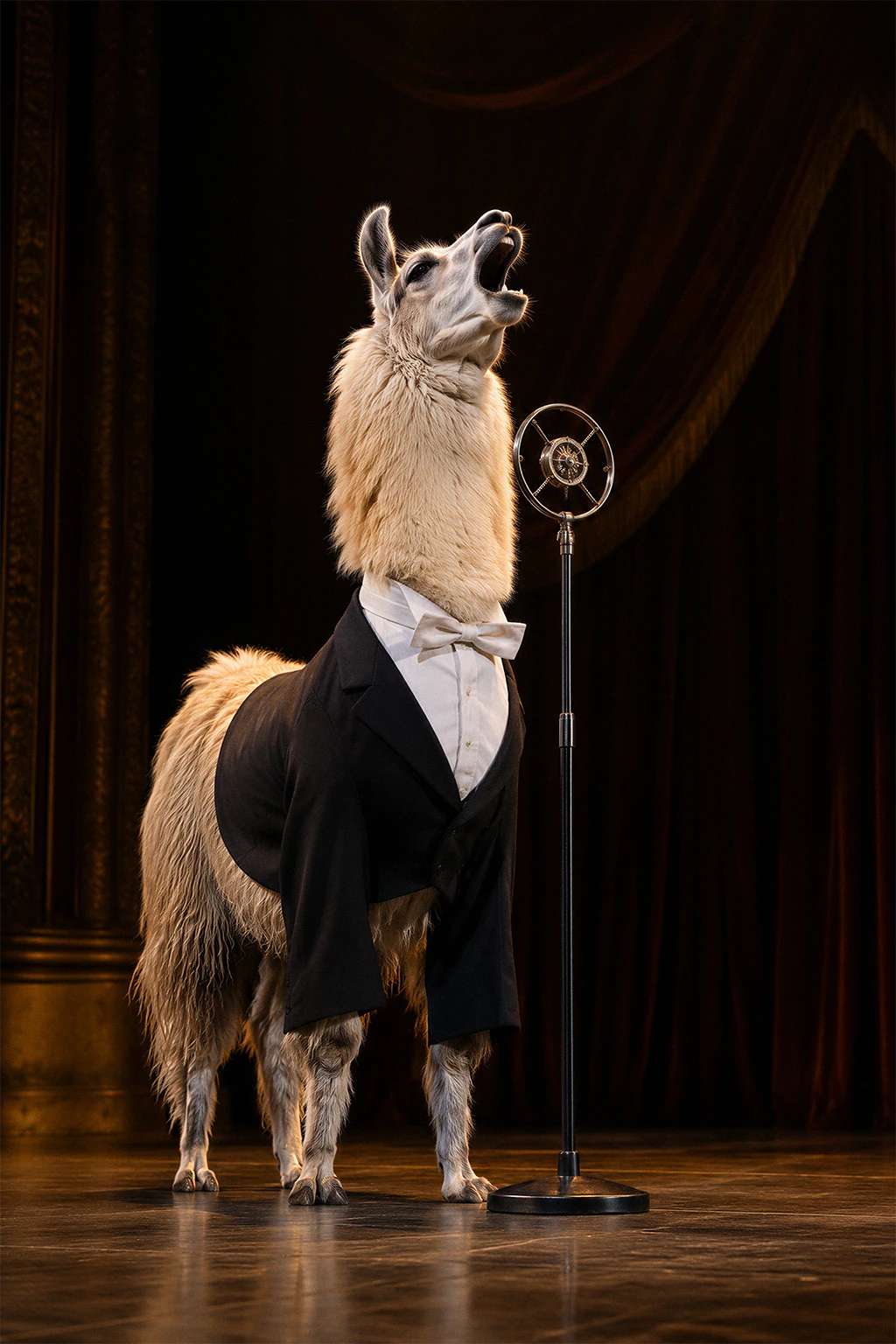
The eighteen images use the grammar of viral artificial content while removing the sloppiness from the slop. A cat dances under a stage light. A gorilla poses in a luxury gym. A fish wears polished shoes. A banana becomes a wellness relic; a toaster performs a domestic miracle; a frog attends a green smoothie with absolute seriousness. Each scene is impossible, but the image-making is controlled: photographic lighting, coherent space, realistic texture, clean composition, and a careful refusal of chaos. The humour comes from that friction. These are not attempts to deceive, nor are they cartoons. They are plausible photographs of implausible events, staged with enough conviction to expose how easily visual authority can be borrowed.
At its centre, FEED ME is about appetite. The feed wants images constantly: cute, shocking, funny, devotional, enraging, sentimental, optimised, shareable. Artificial intelligence can satisfy that hunger almost instantly, but speed is not the same as authorship. The difference lies in intention, structure and responsibility. FEED ME does not defend every synthetic image; it makes a distinction between content produced as waste and images made as work. Its absurdity is deliberate, its comedy controlled, and its artificiality undisguised. In the age of the manufactured image, the question is no longer simply whether something is real, but what it is asking us to believe, consume, and become. The project was built conversationally with ChatGPT 5.5 and Images 2.0 by OpenAI, using the exchange itself as part of the creative process.
Gallery
"The man who cannot visualise a horse galloping on a tomato is an idiot." — André Breton