Twitch: one man, one face — changing like the weather
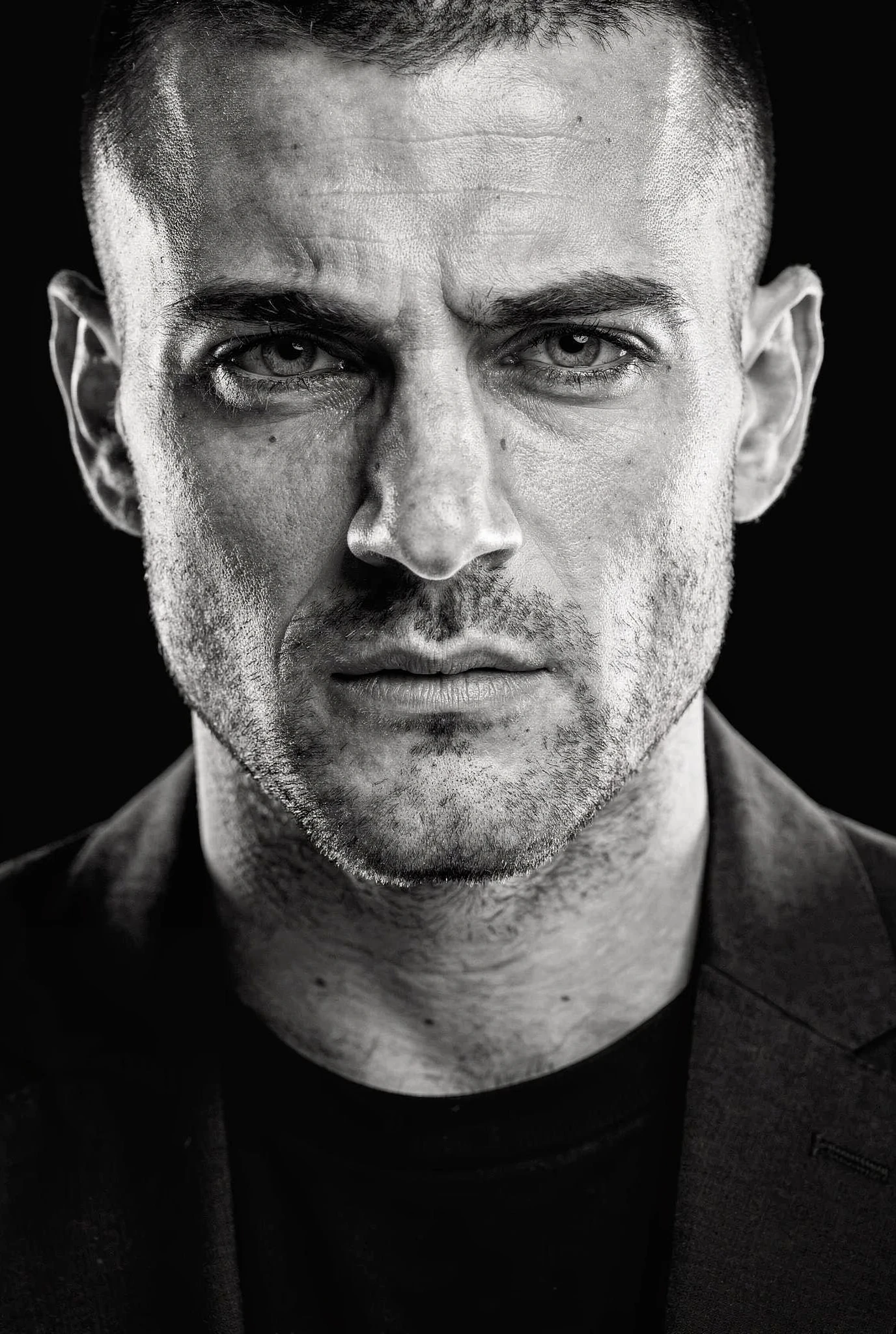
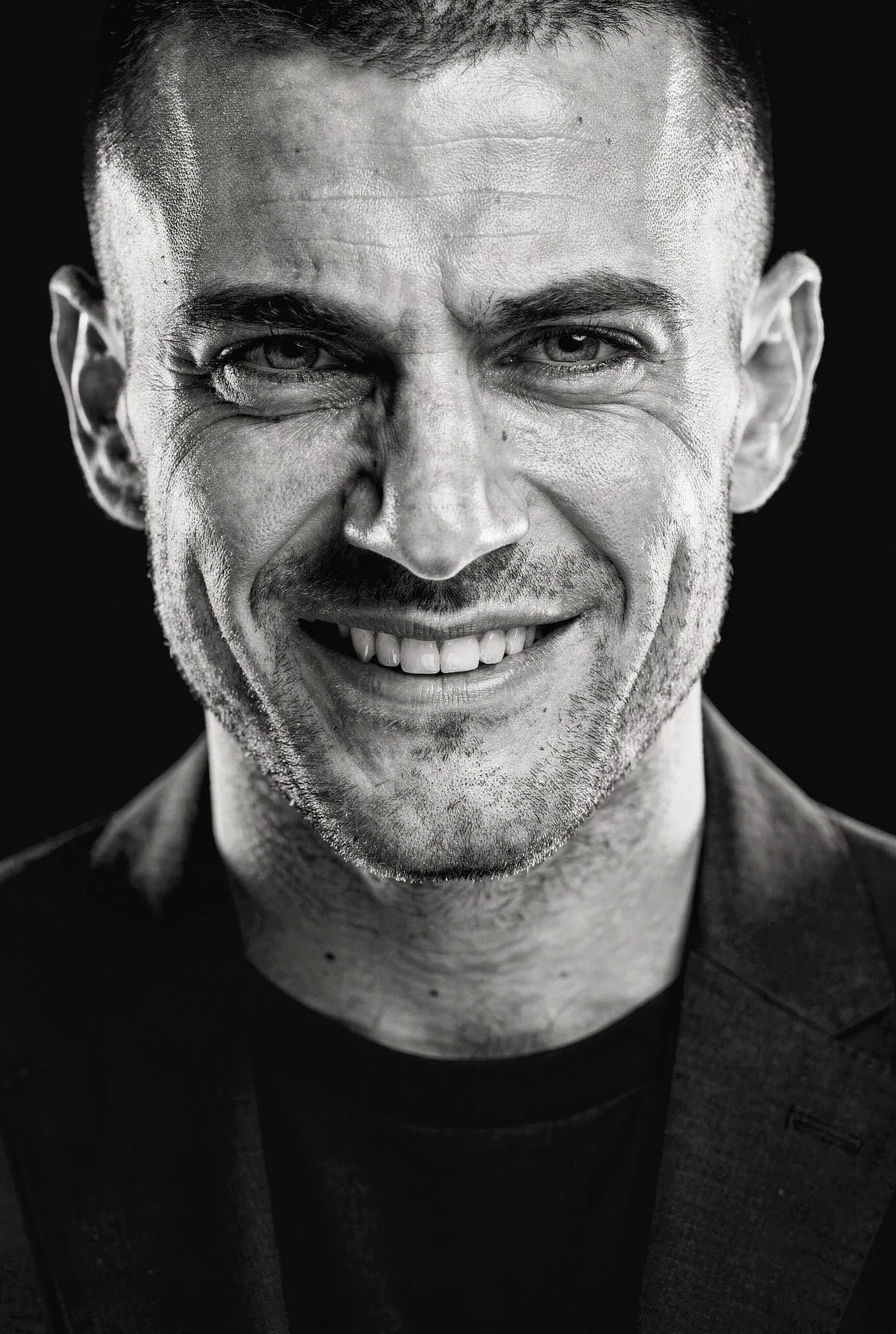
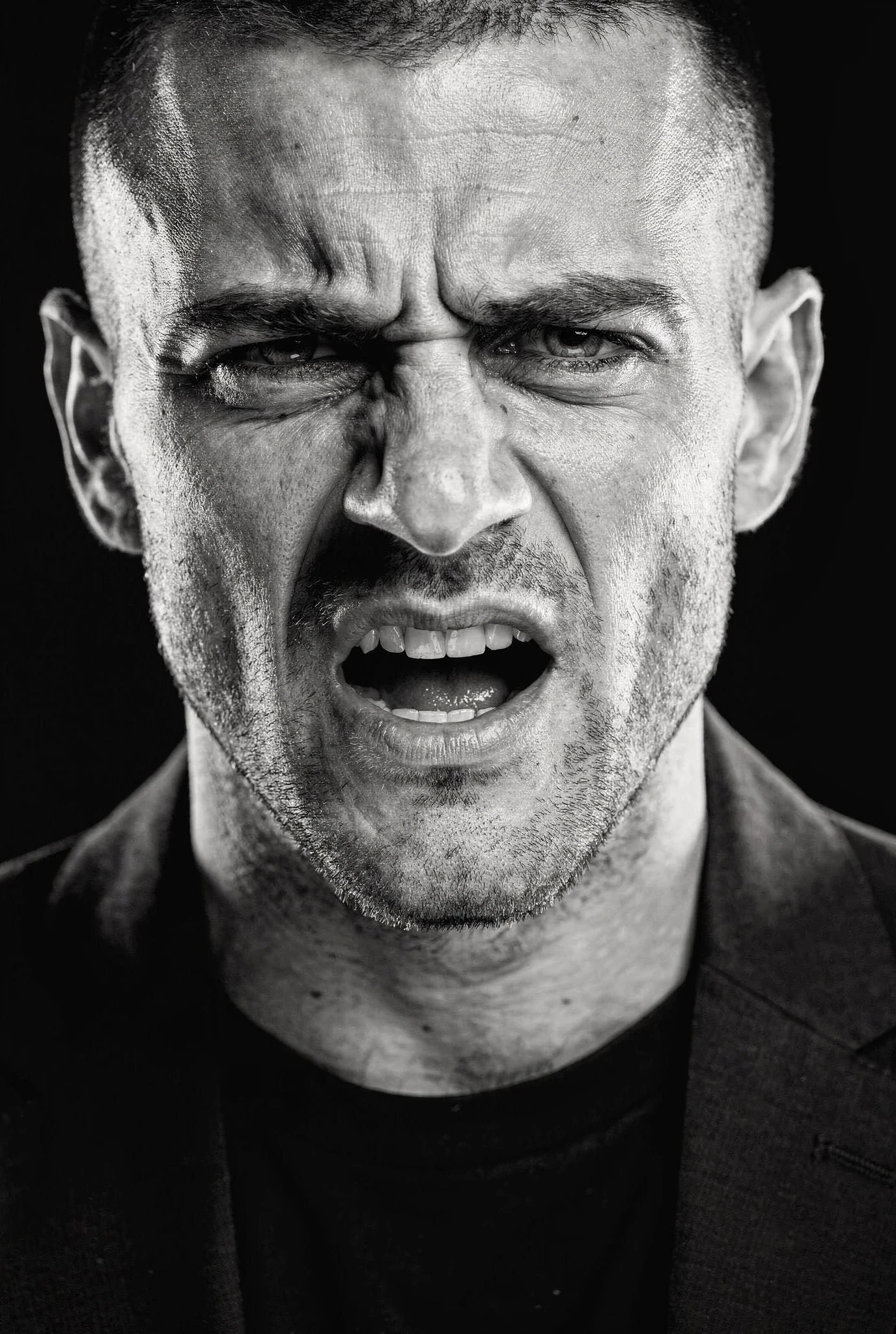
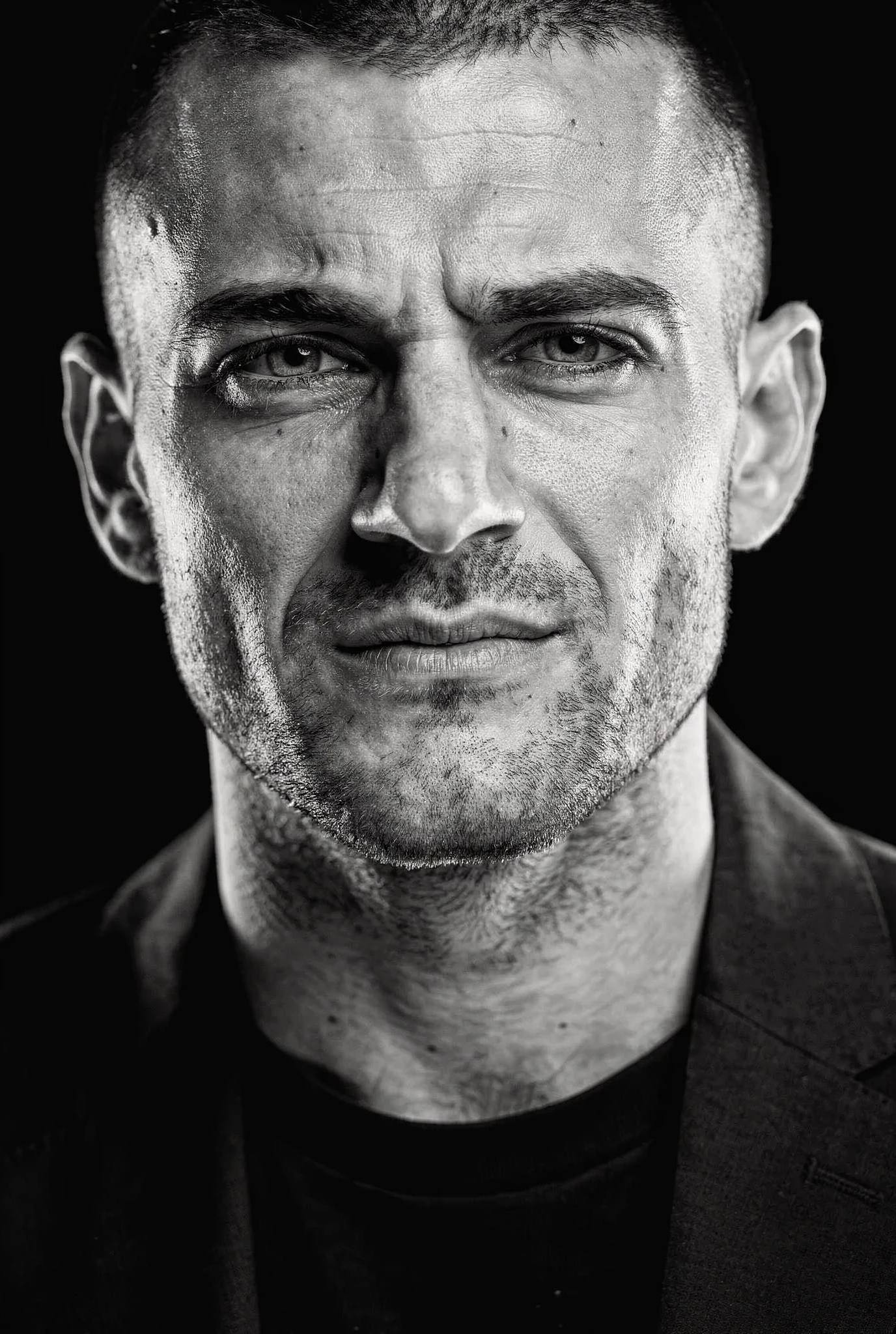
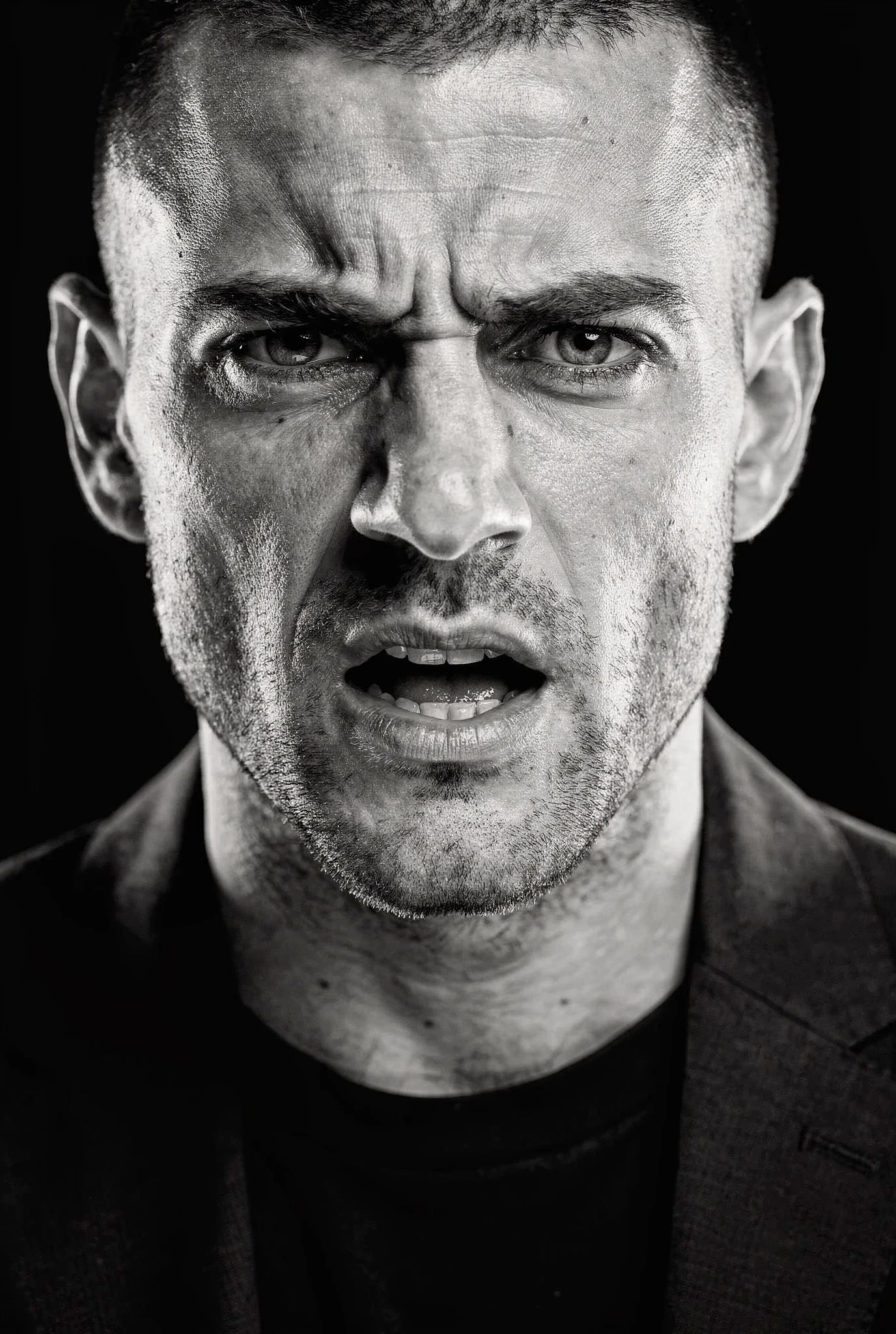
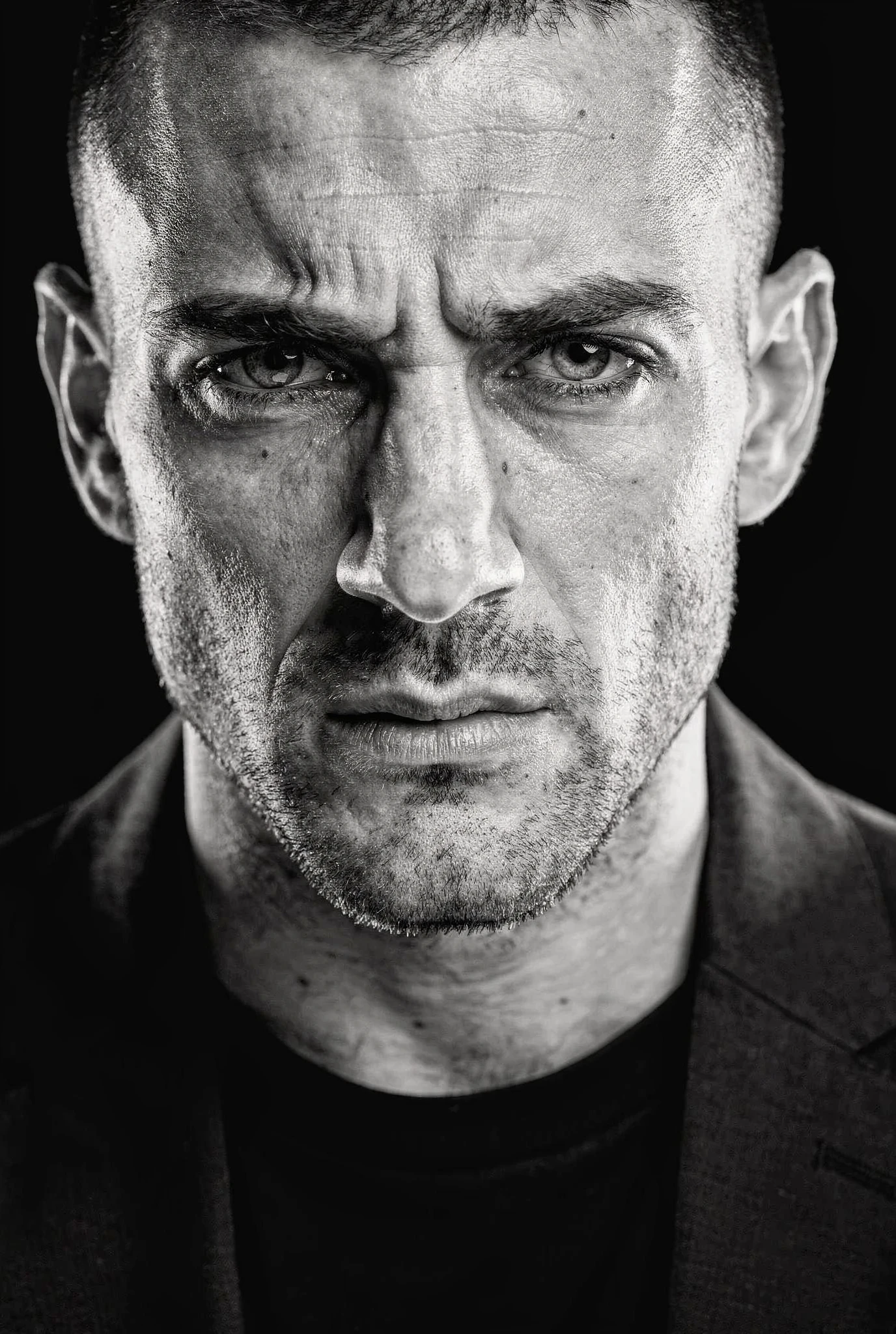
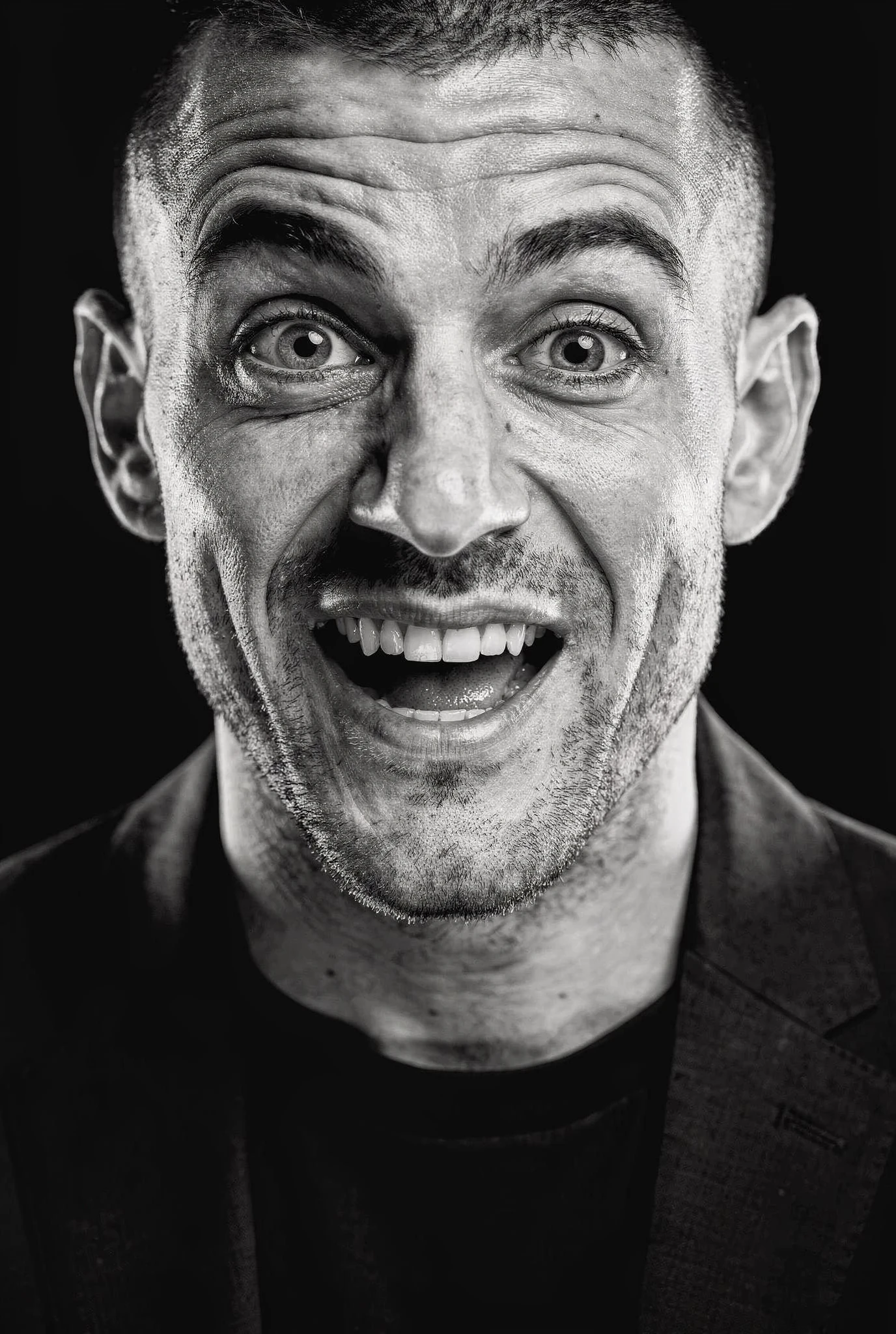
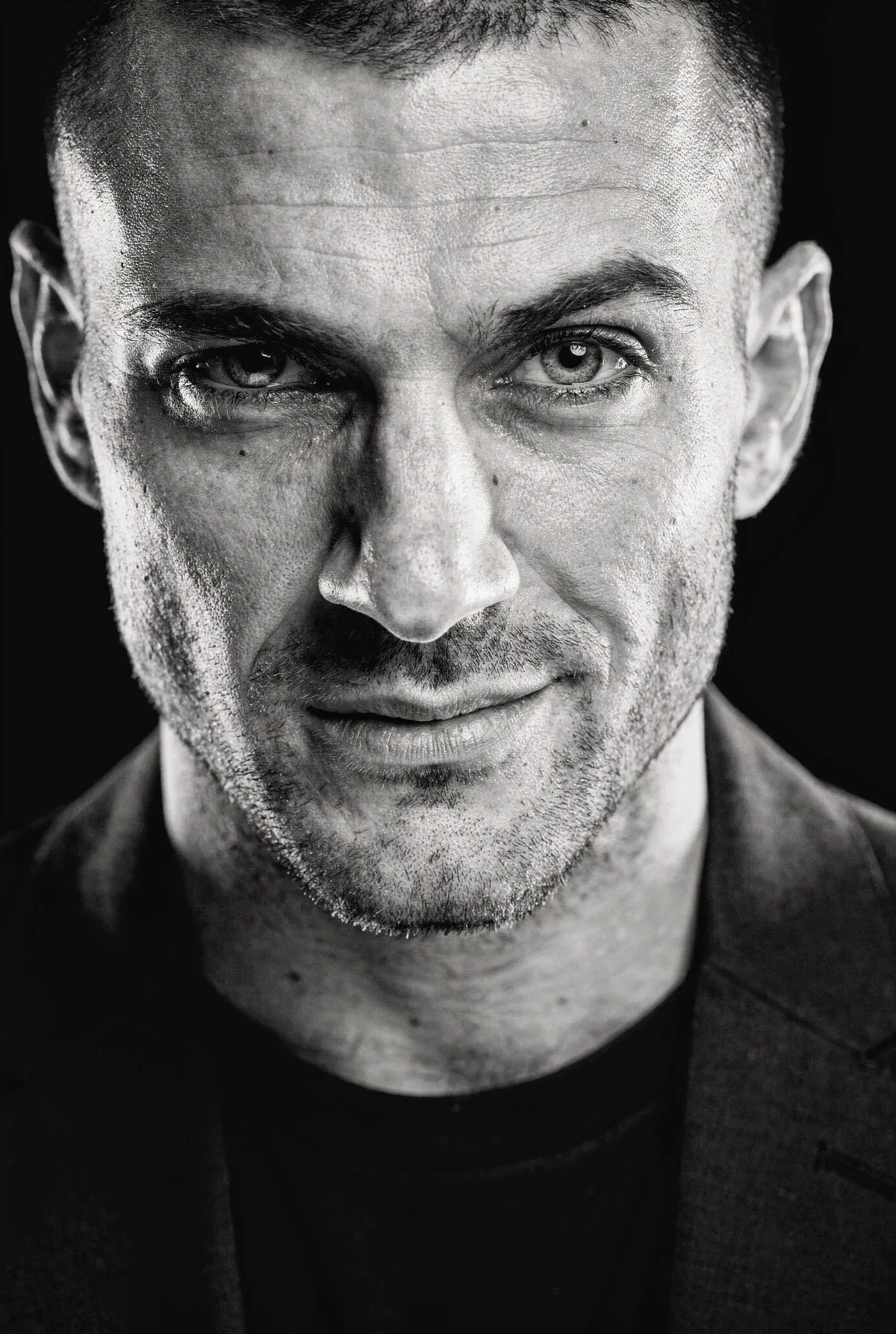
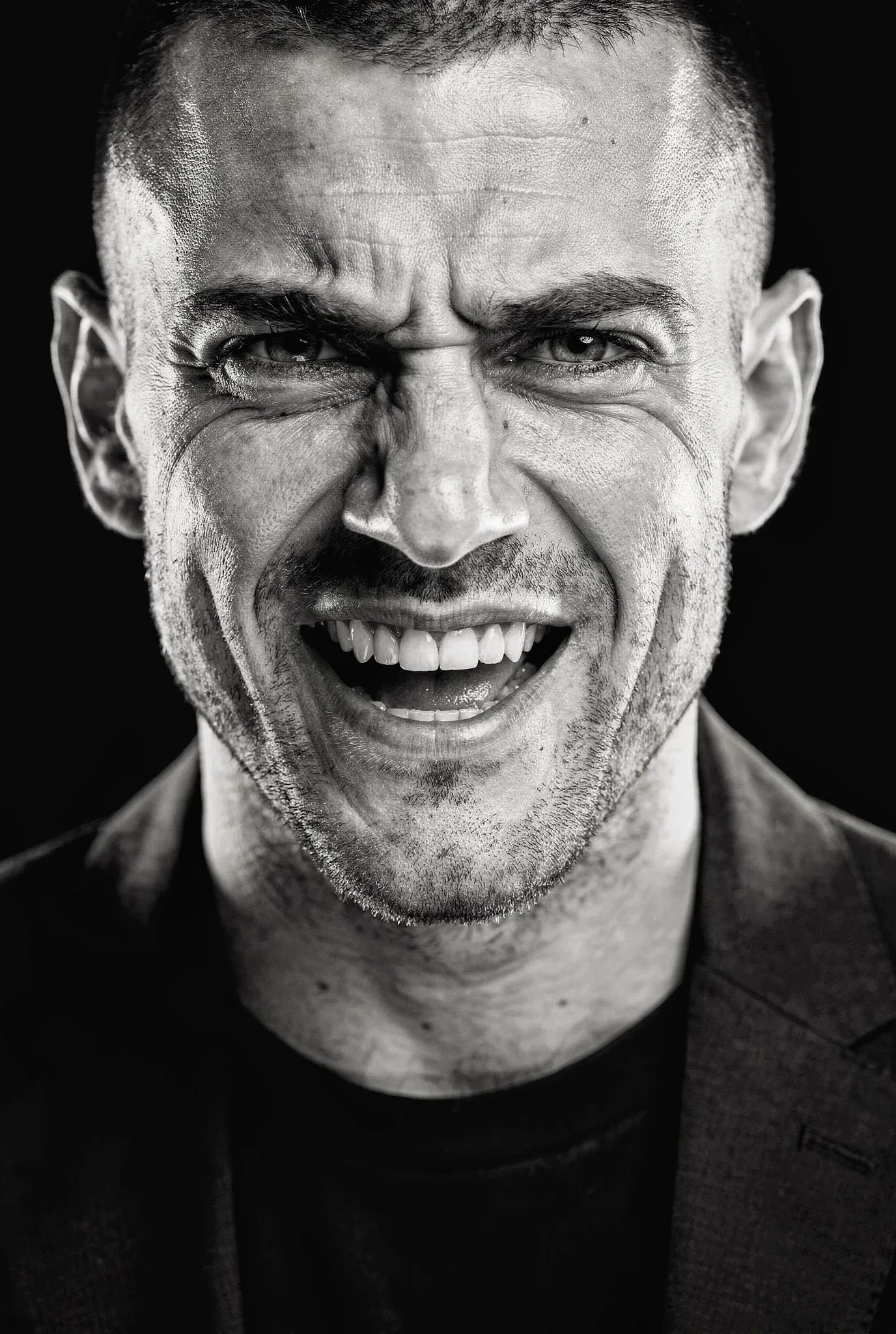
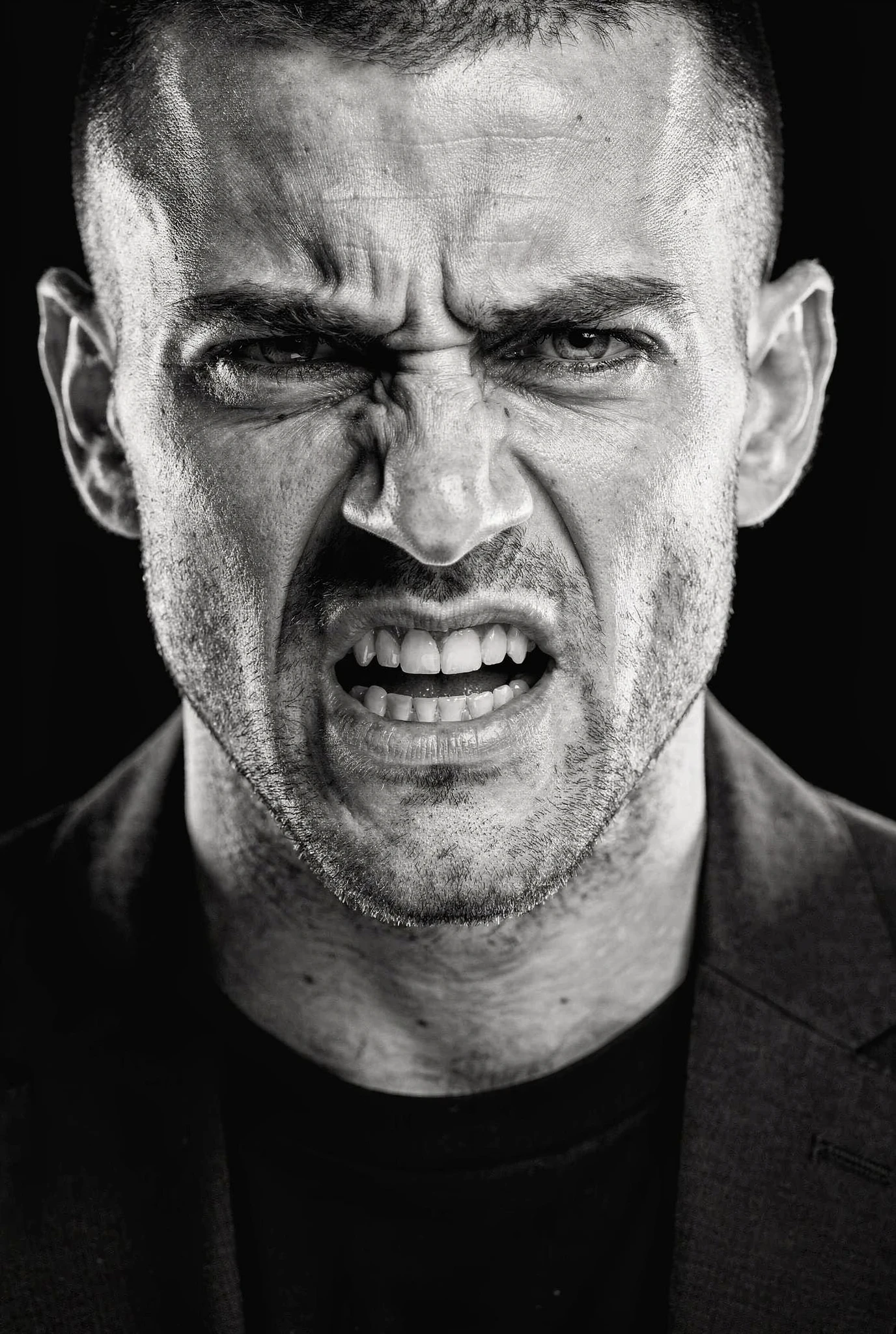
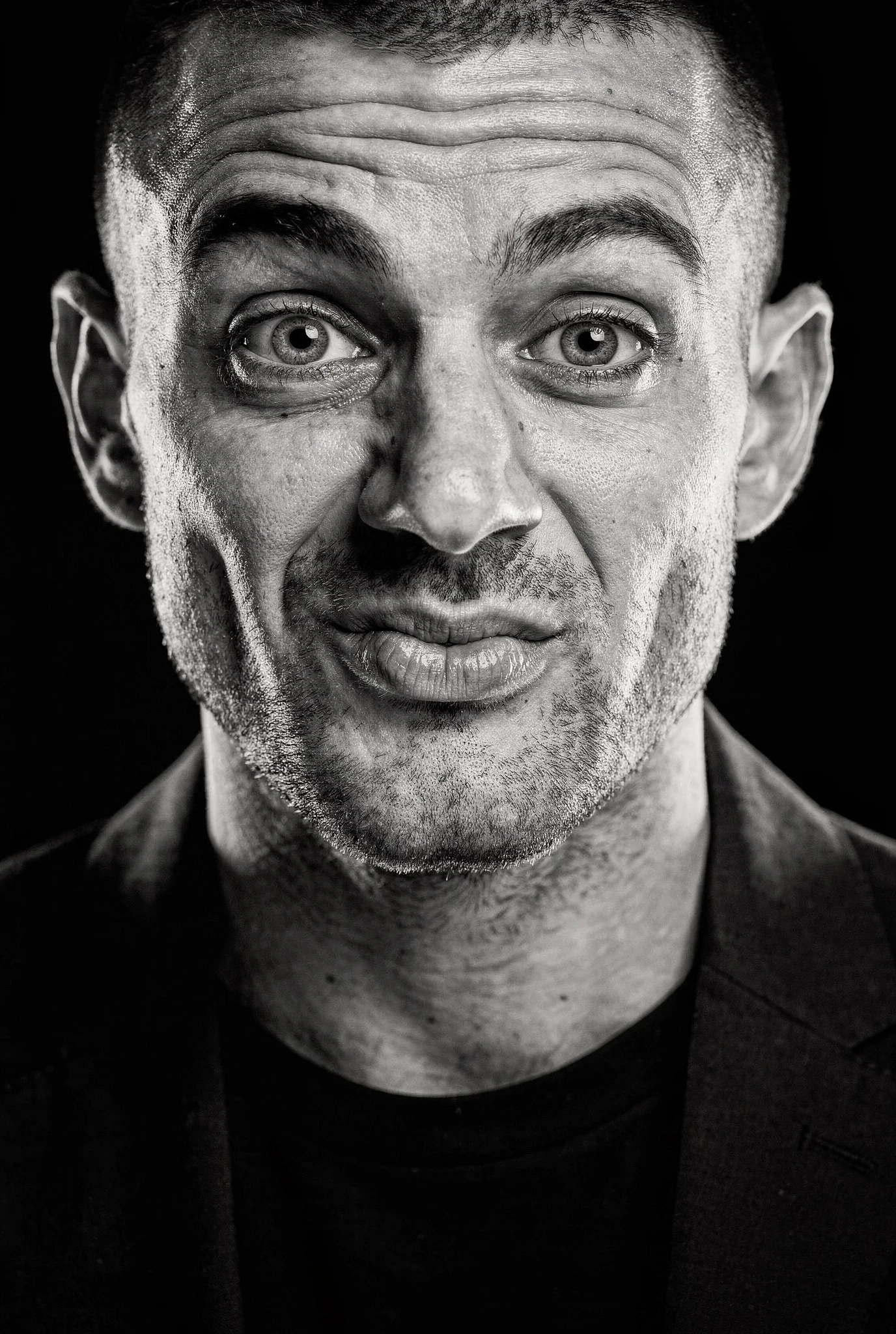
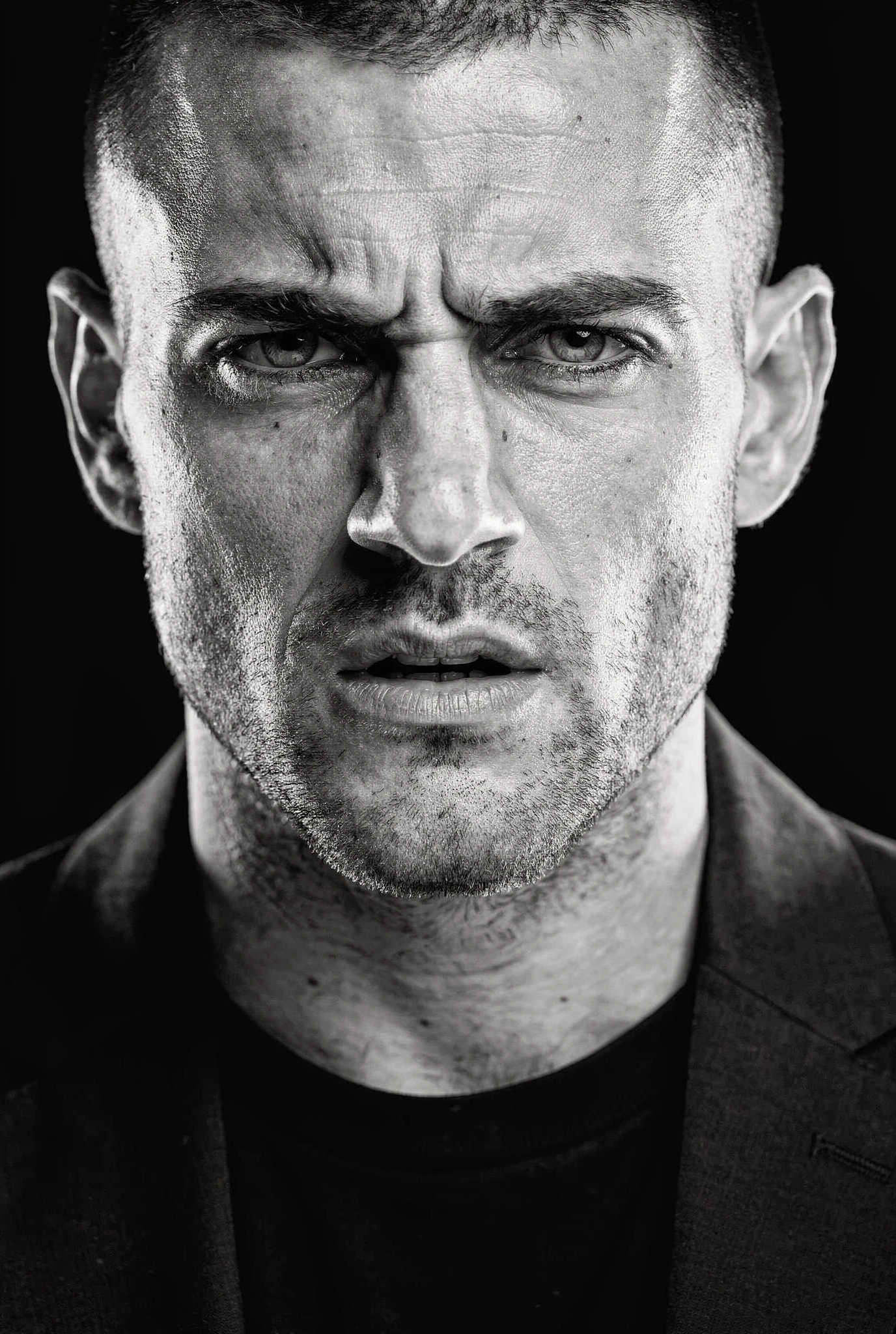
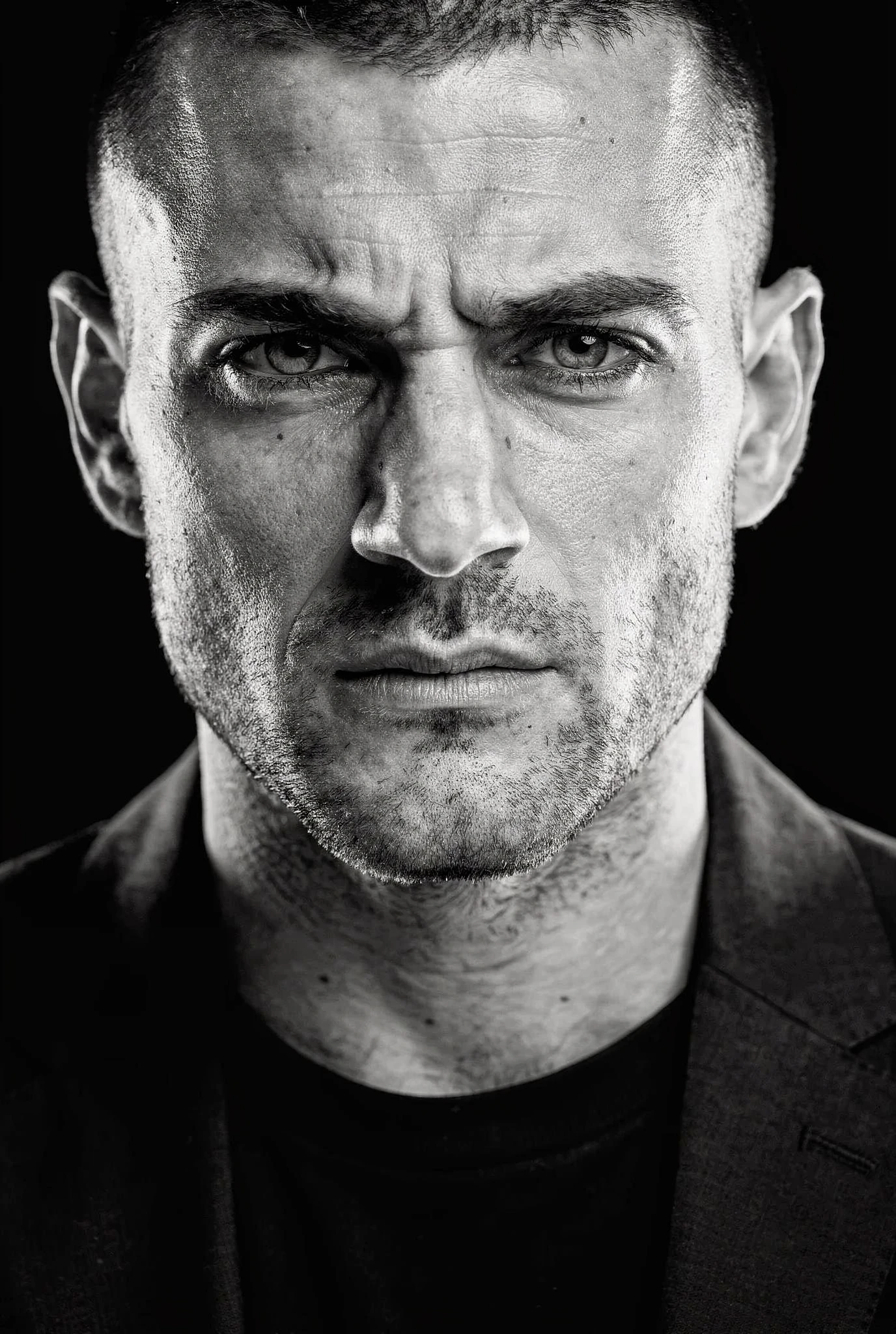
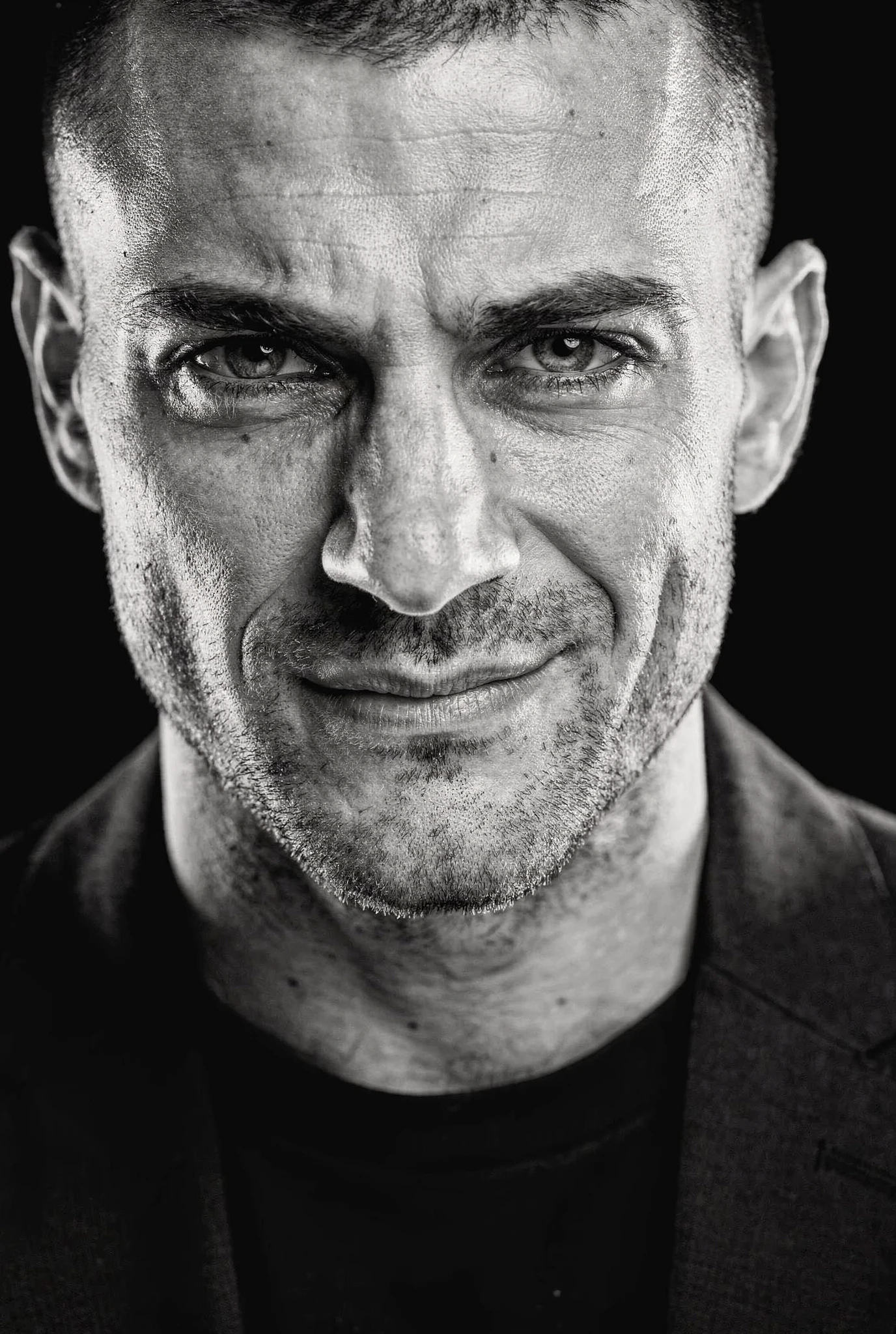
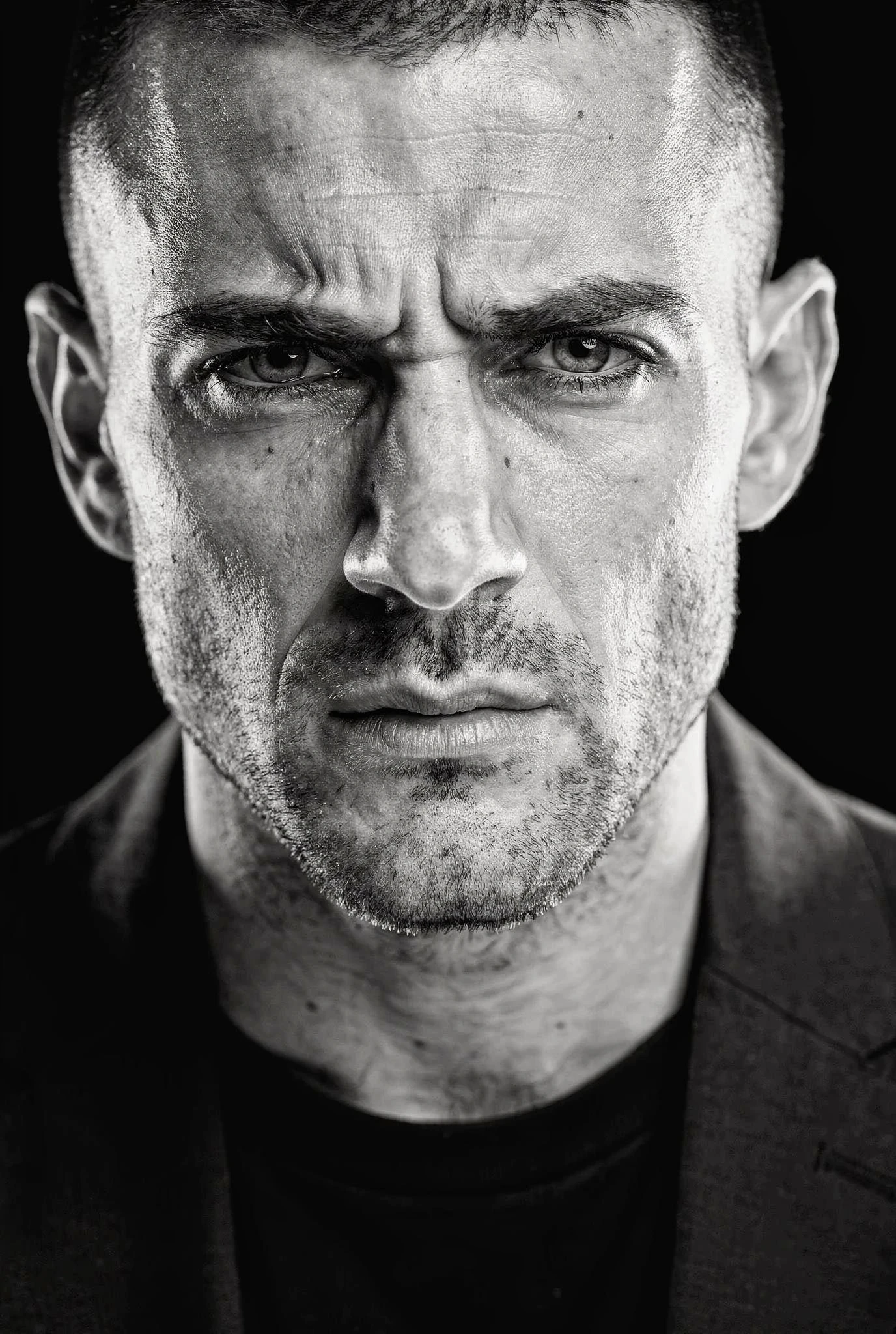
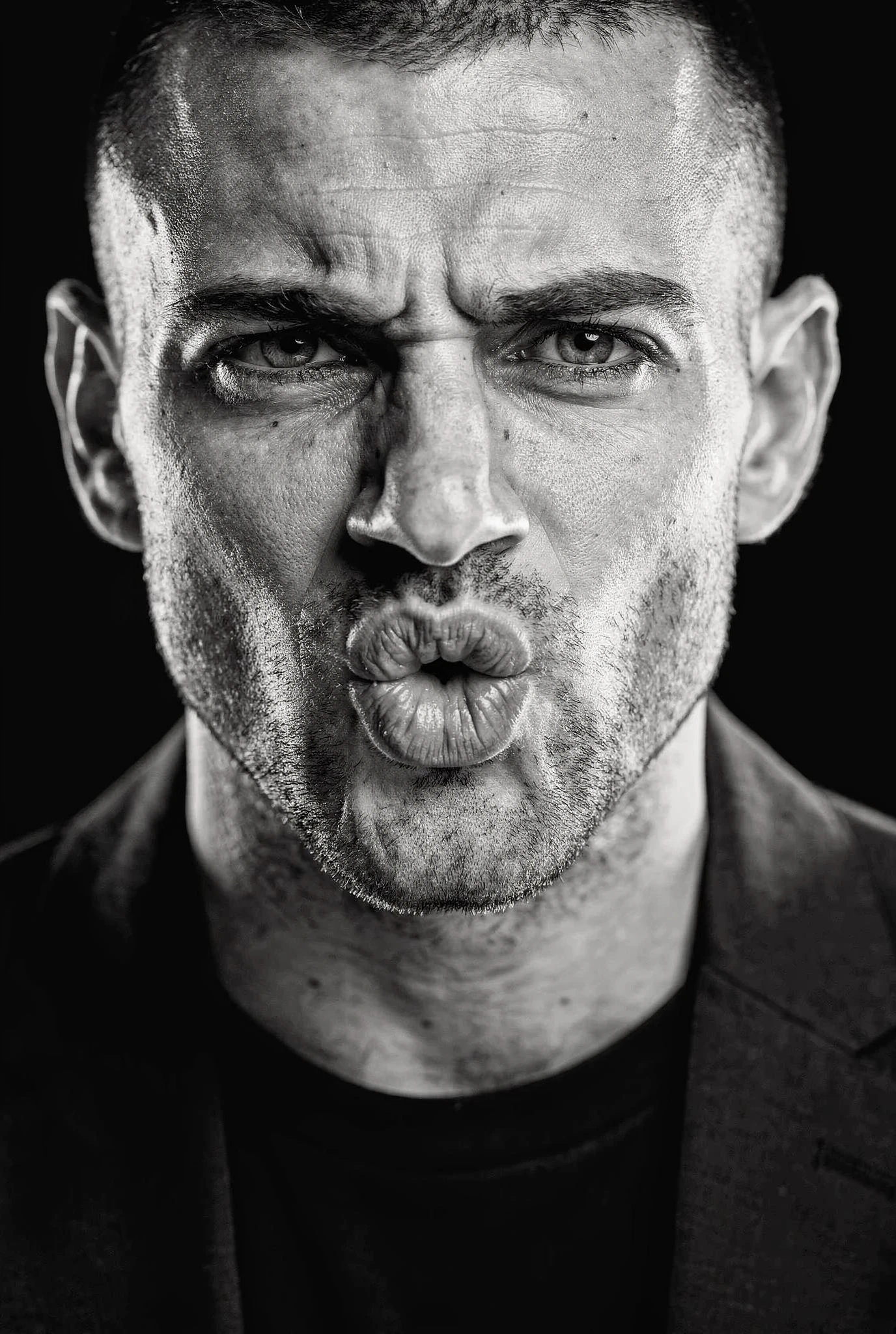
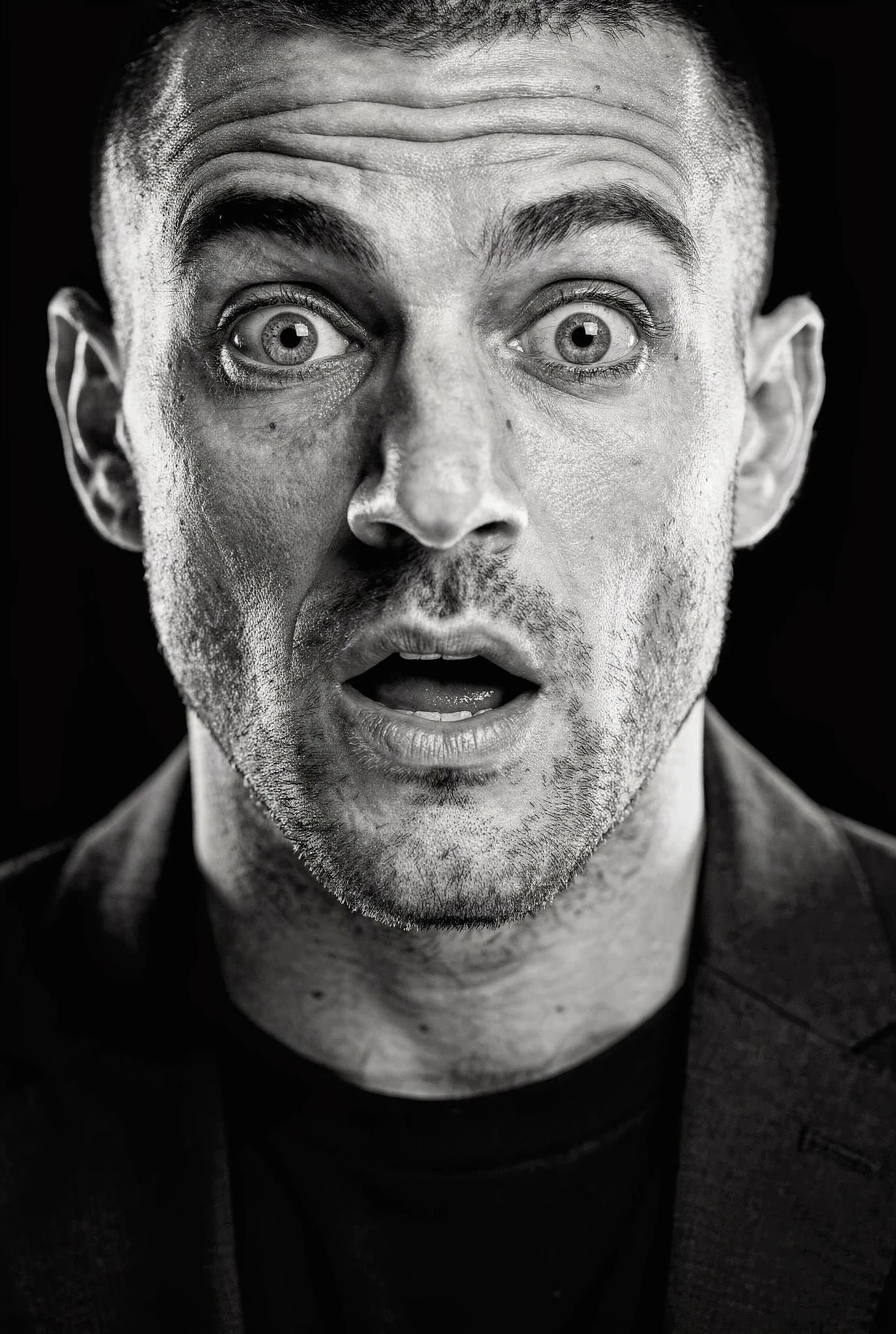
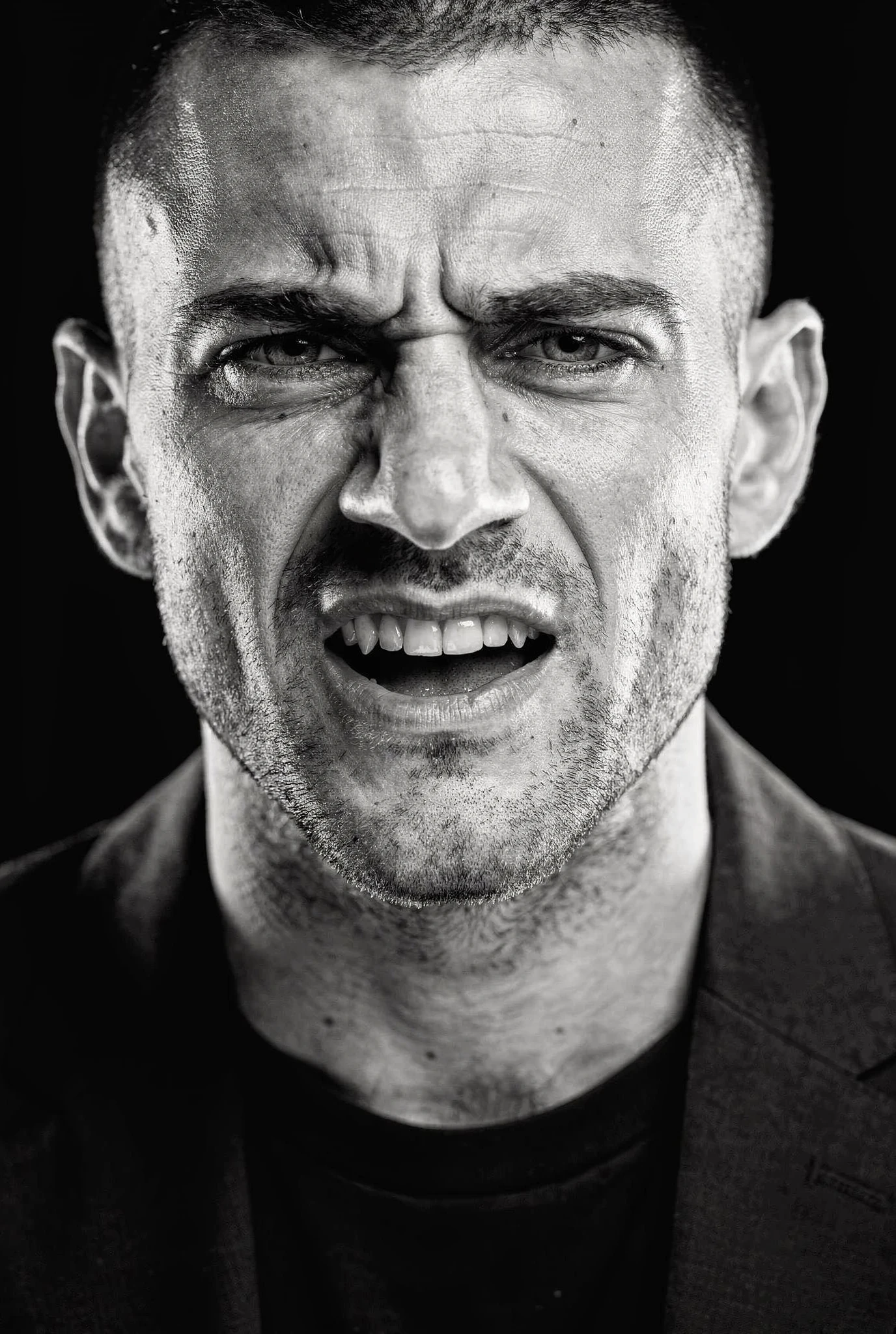
Twitch features one synthetic male face as it changes under different emotional conditions. The man appears eighteen times, always recognisably the same, yet never quite identical to himself. His face becomes a small weather system: calm, brightness, pressure, disturbance, storm. A smile opens it; anger hardens it; doubt pulls it slightly out of alignment; sadness draws weight into the eyes. This is not a conventional portrait series, because there is no sitter behind the images, no biography, mood, feeling, or human emotion. There is not even a camera. There is only the face, returning again and again, altered by expression and written into being through a precise nano-prompting technique.
The human face is animated by a complex arrangement of muscles capable of producing thousands of visible combinations. We read these movements constantly, often before we know we are doing it. A raised eyebrow, relaxed mouth, softened eye or tightened jaw can suggest happiness, fear, contempt, pain, desire, confusion or ecstasy. Researchers often describe seven broadly recognisable expressions — happiness, sadness, fear, disgust, anger, contempt and surprise — but the face is never a simple code. Expression can be clear and sustained, like a macro-expression; it can flash almost invisibly, like a micro-expression; or it can be masked, rehearsed, involuntary or misunderstood. Twitch studies this expressive range: the face as signal, surface, performance and event. The same synthetic man is asked to perform a sequence of readable states, each one suspended between facial fact and emotional fiction. In that sense, we can read him like a book, even though there is no inner life behind the page.
The result is a study of simulated aliveness. These portraits appear to show feeling, but no feeling has taken place. No one has laughed, suffered, recoiled, desired or been overcome by anything. Their conviction comes from borrowed human grammar: skin, light, tension, asymmetry, gaze. In the gallery, the faces sit in an orderly grid until the cursor hovers over them; then they lift, tilt and come briefly alive. This small movement echoes the project itself. A twitch is a minor muscular event, almost nothing, yet it can alter an entire face. Twitch is about the persuasive surface of expression, the way pixels can seem inhabited when arranged into the grammar of emotion, and the strange pleasure of reading weather in a man who was never there. Or maybe he was, and we just did not see him.
Gallery
"Who sees the human face correctly: the photographer, the mirror, or the painter?" — Pablo Picasso