Menagerie: studies of animal presence
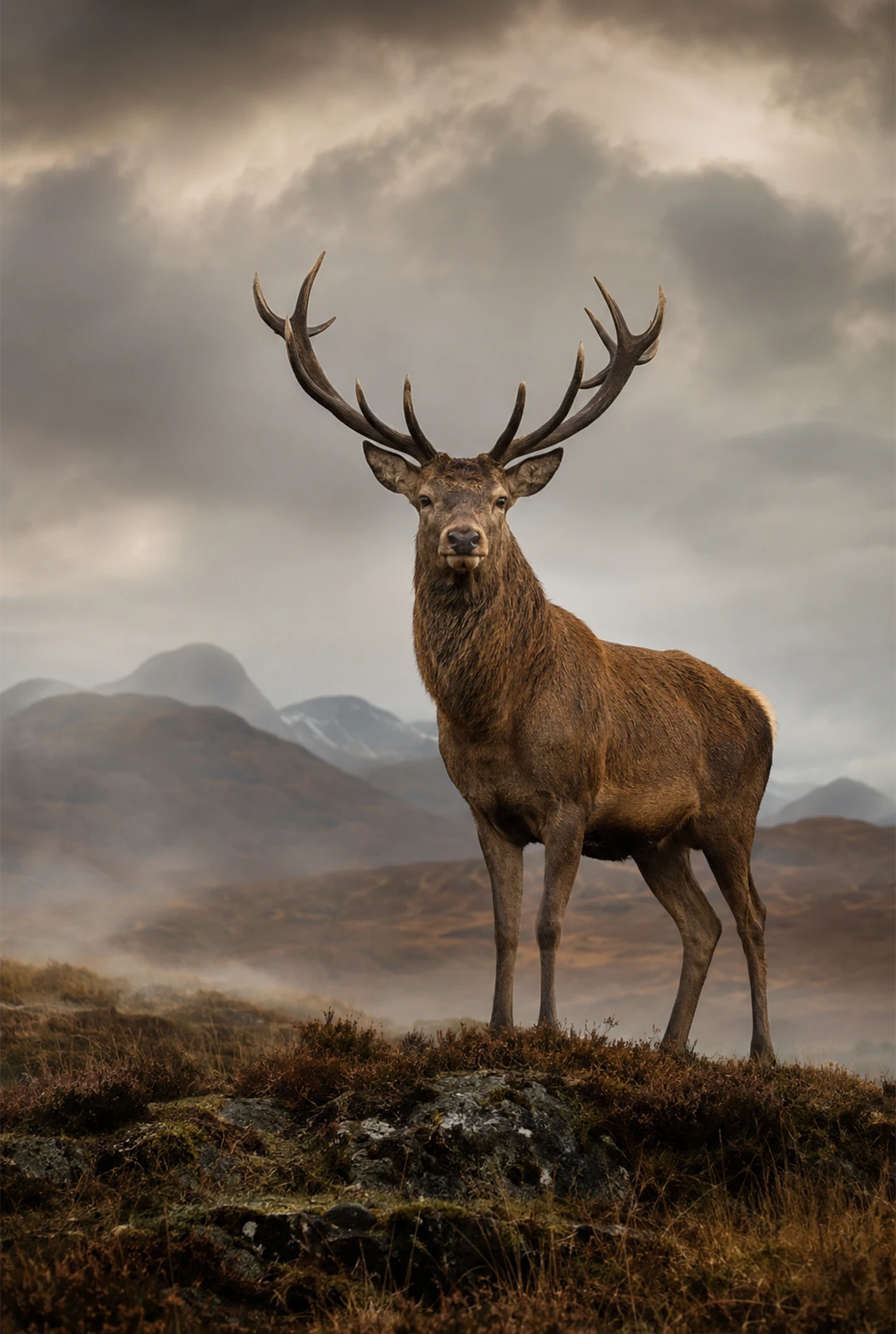
This project begins in the nineteenth century, with Sir Edwin Landseer and the grand seriousness he brought to animal painting. Landseer was Queen Victoria's favourite artist, and made animals into subjects of drama, status, sentiment and national imagination: dogs, horses, lions and stags were not incidental creatures in his work, but commanding presences. His most famous painting, The Monarch of the Glen, fixed the Highland stag in British visual memory, while his lions still guard Trafalgar Square in bronze. Landseer's animals were built through observation, sketching, anatomy, studio invention and theatrical composition. They belonged to a world of oil paint, patronage, engraving, empire, hunting, sentiment and public taste.
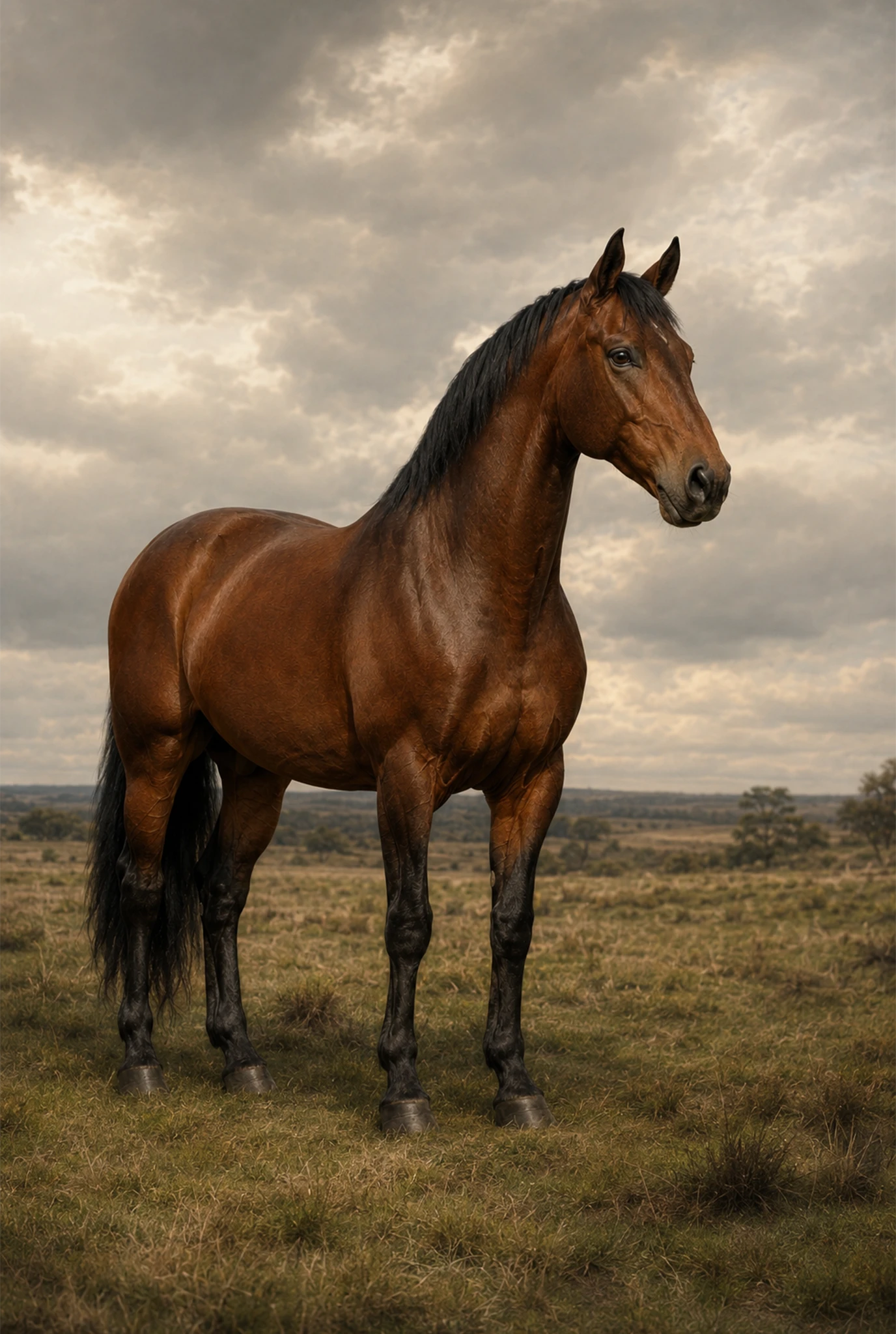
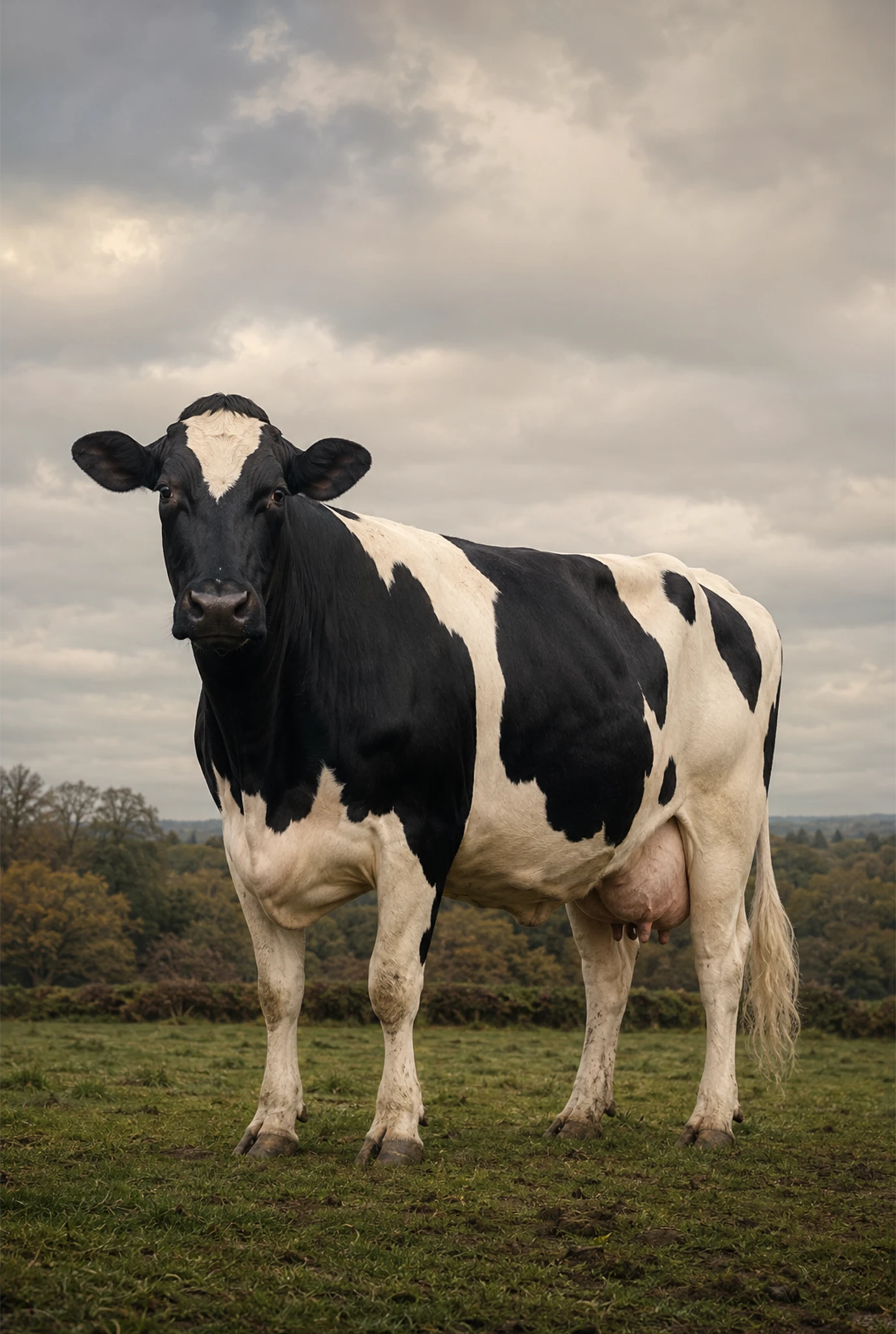
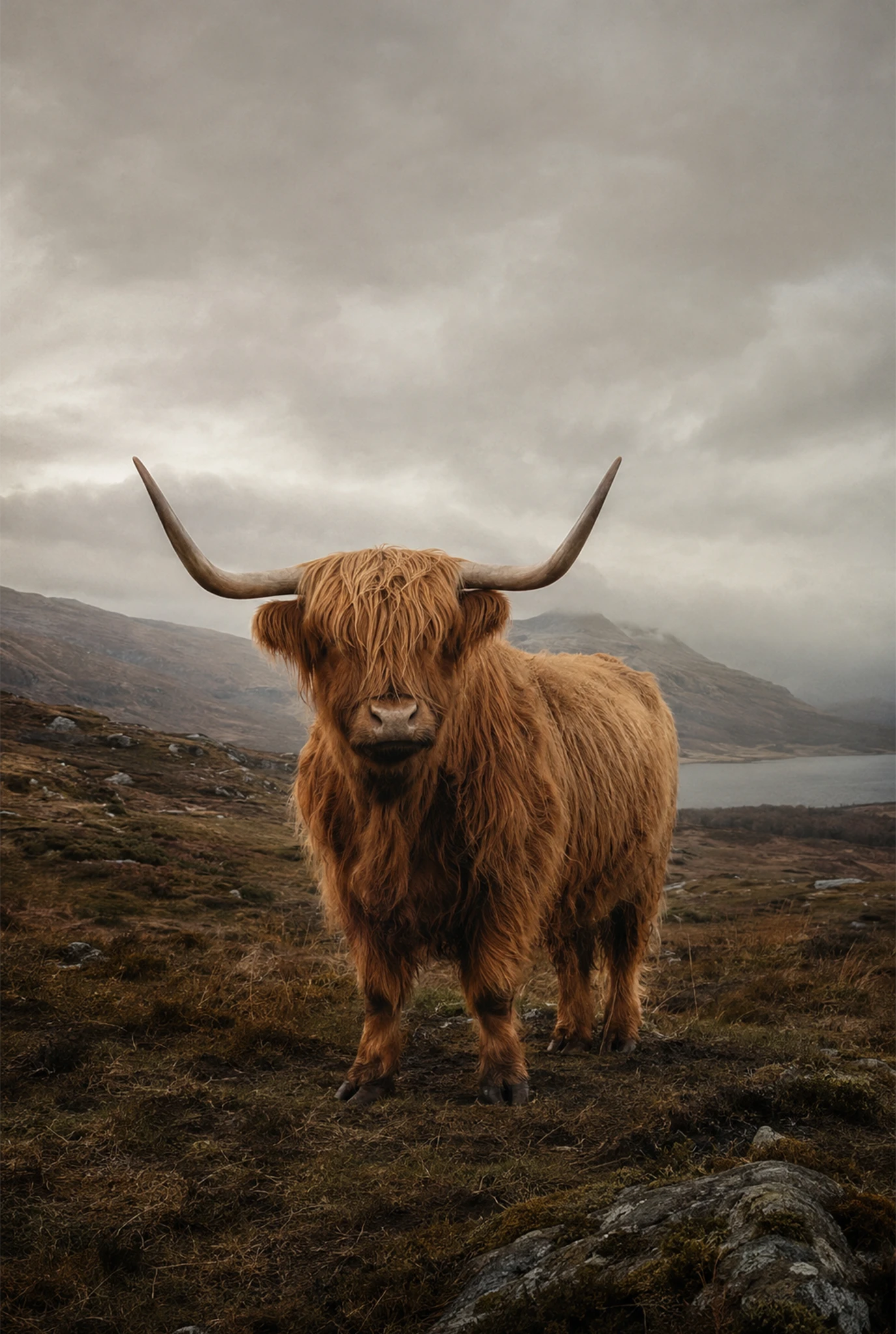
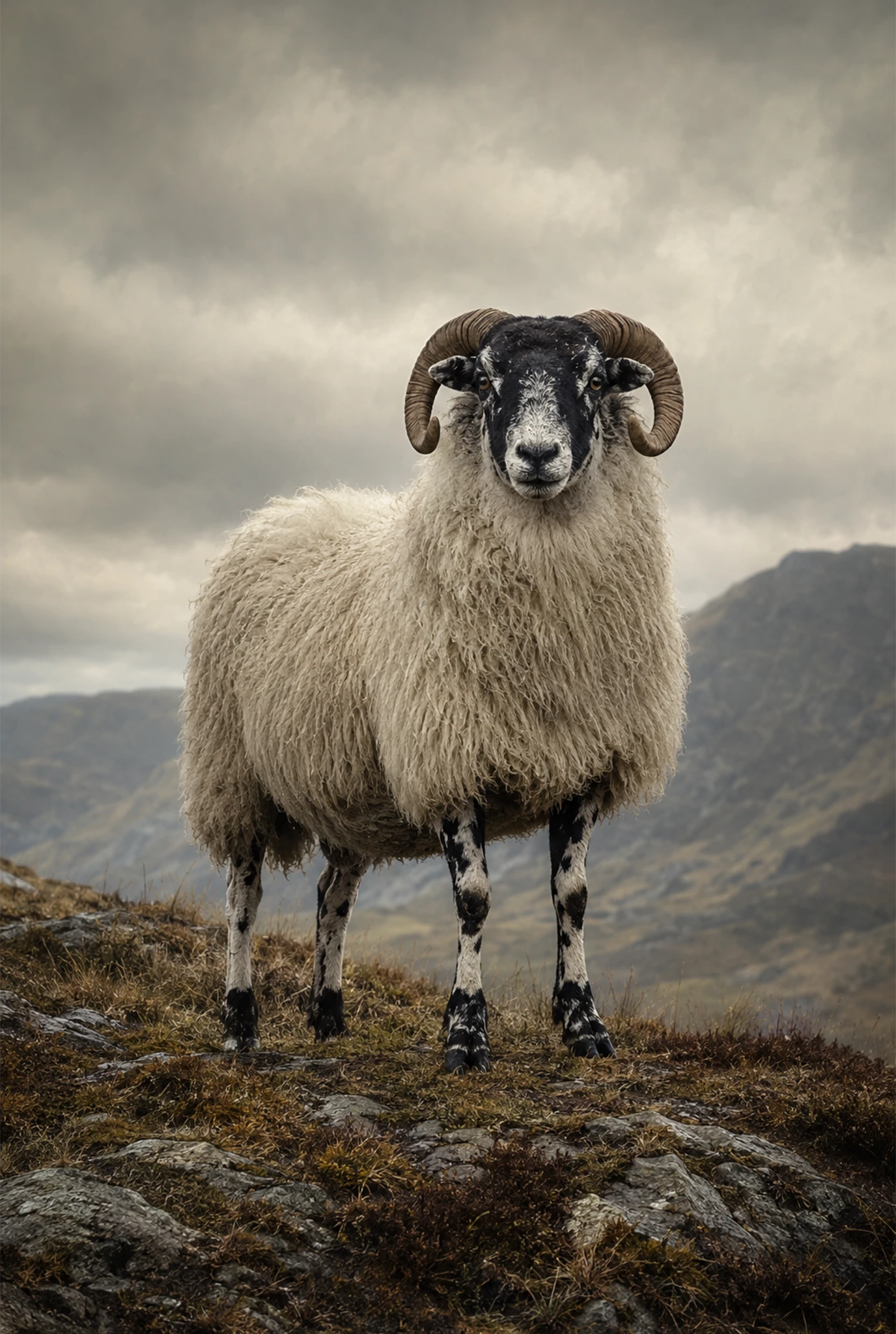
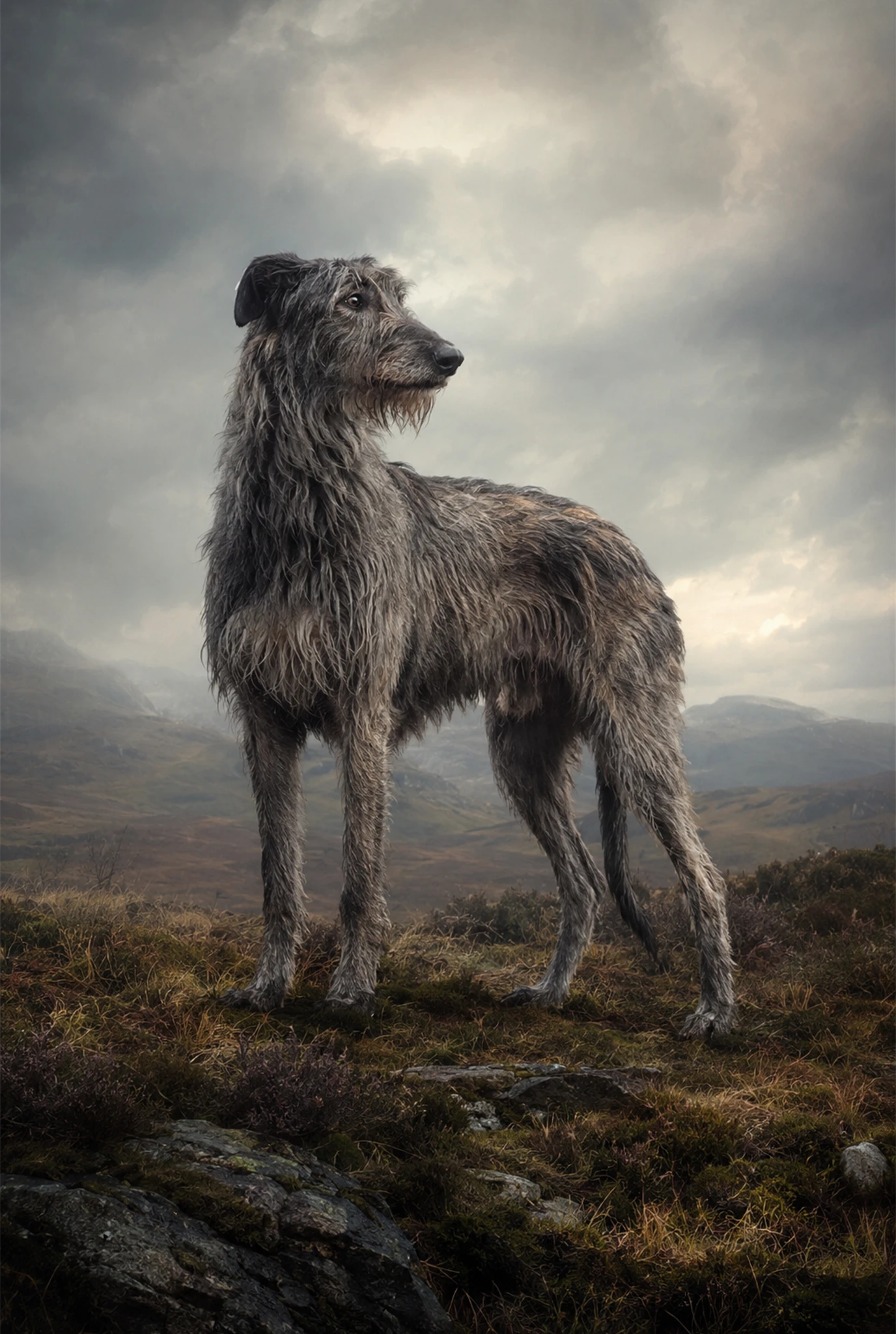
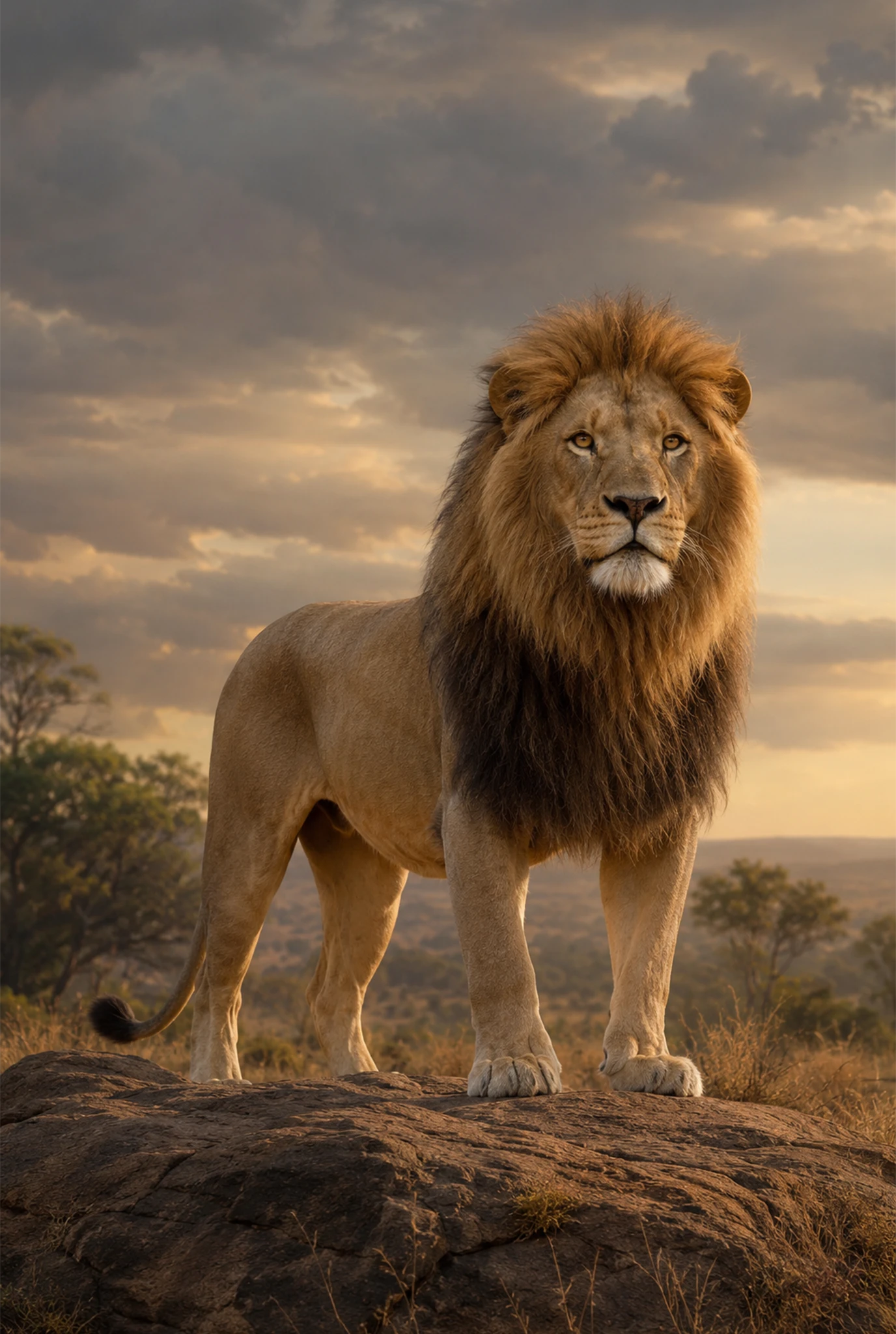
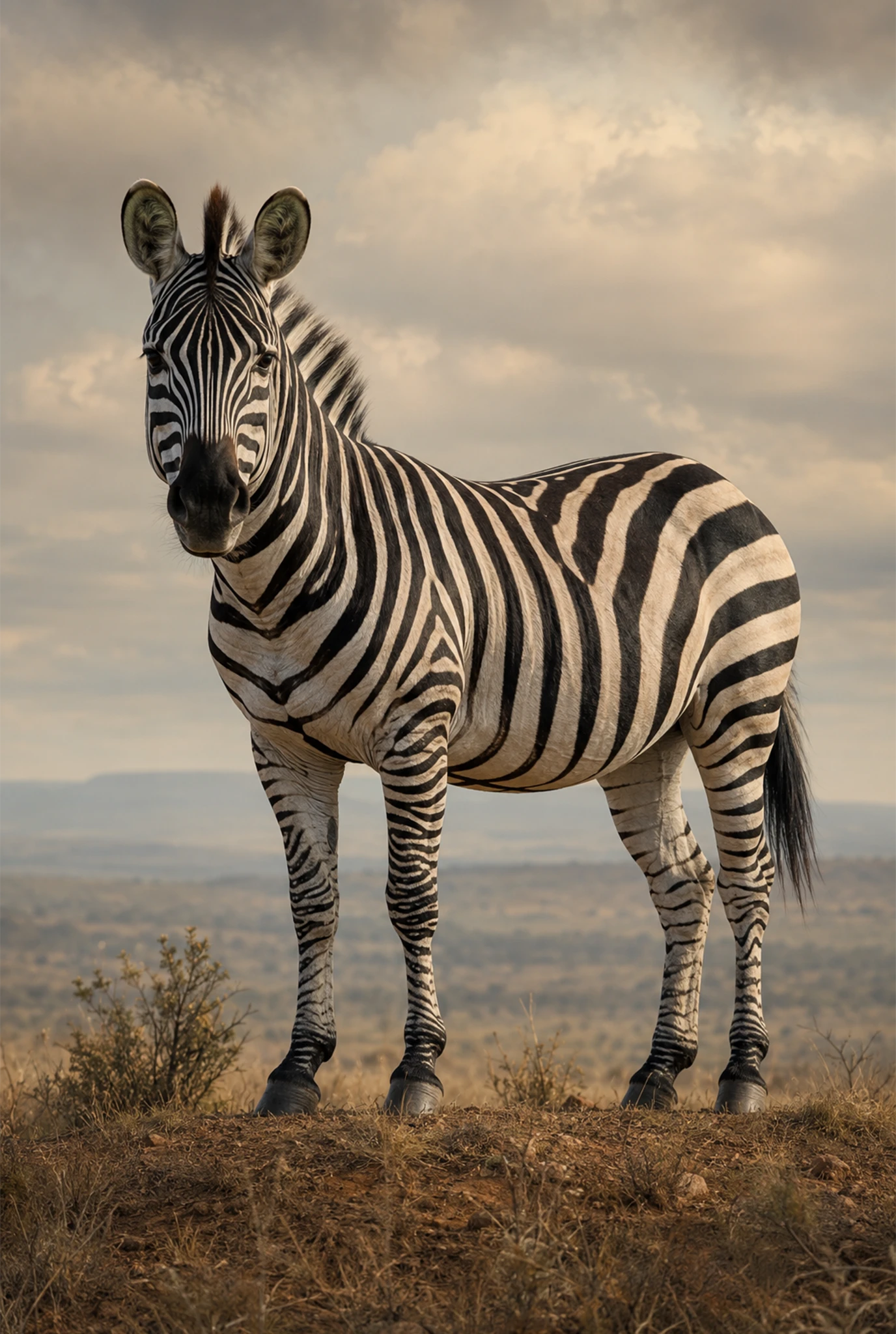
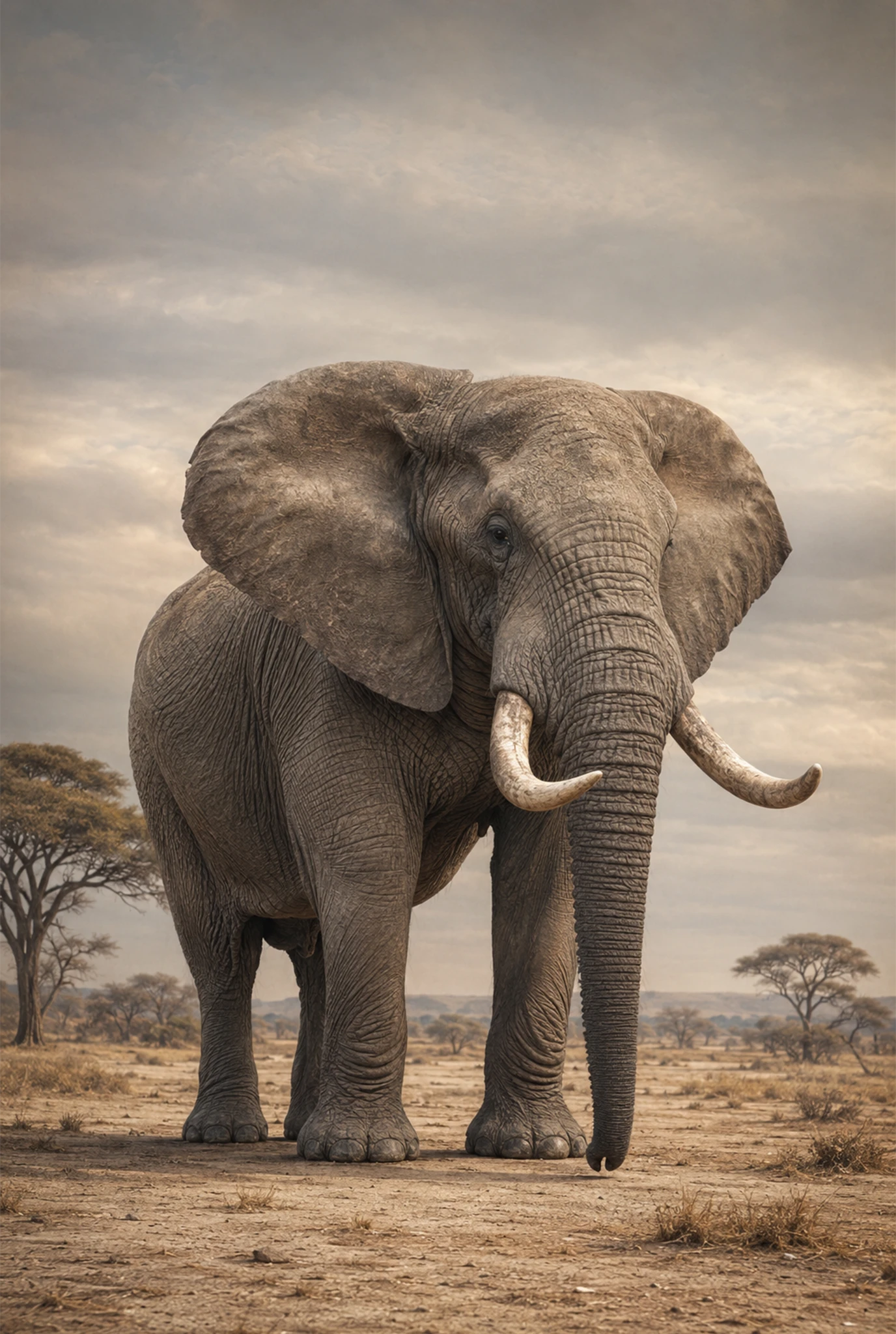
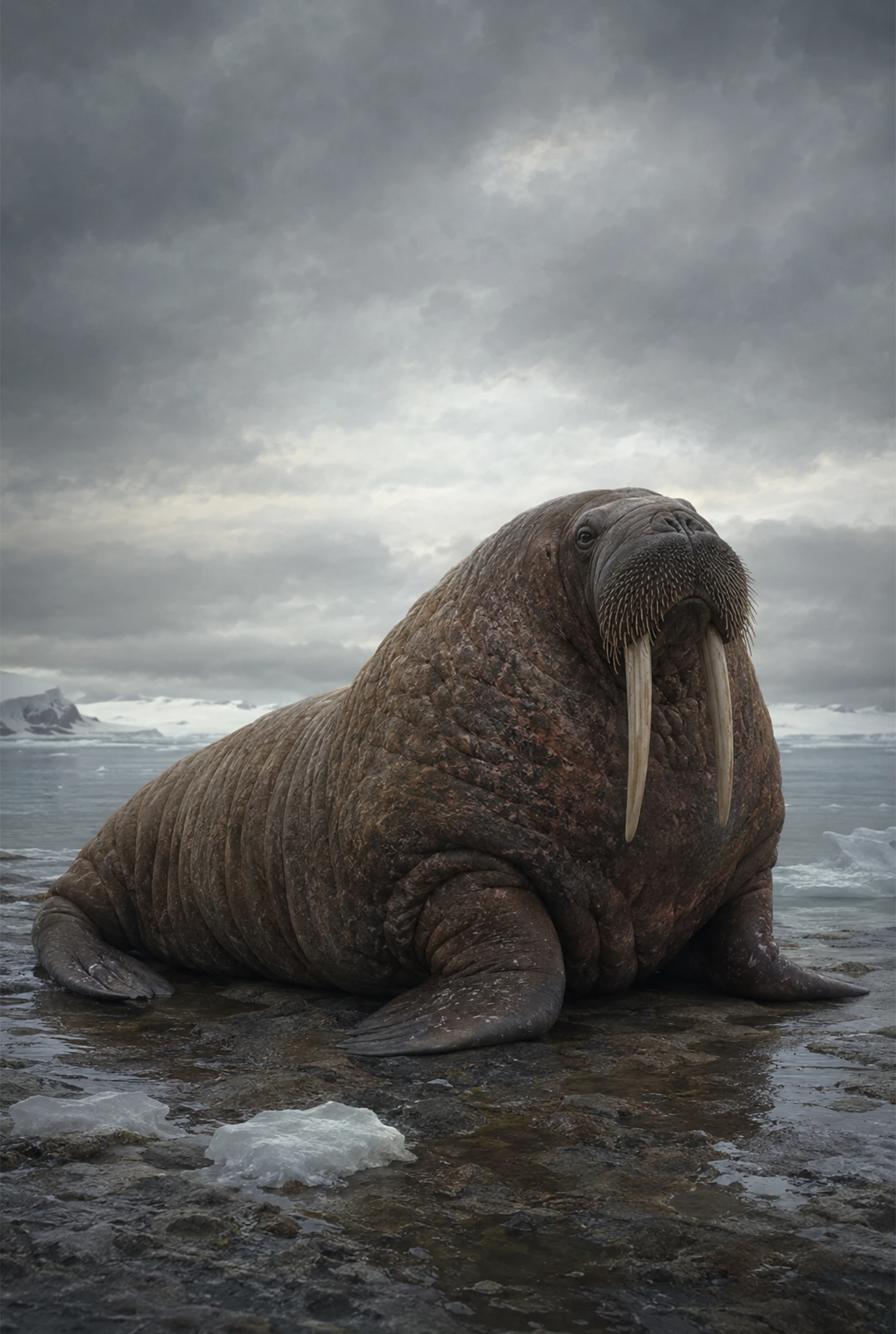
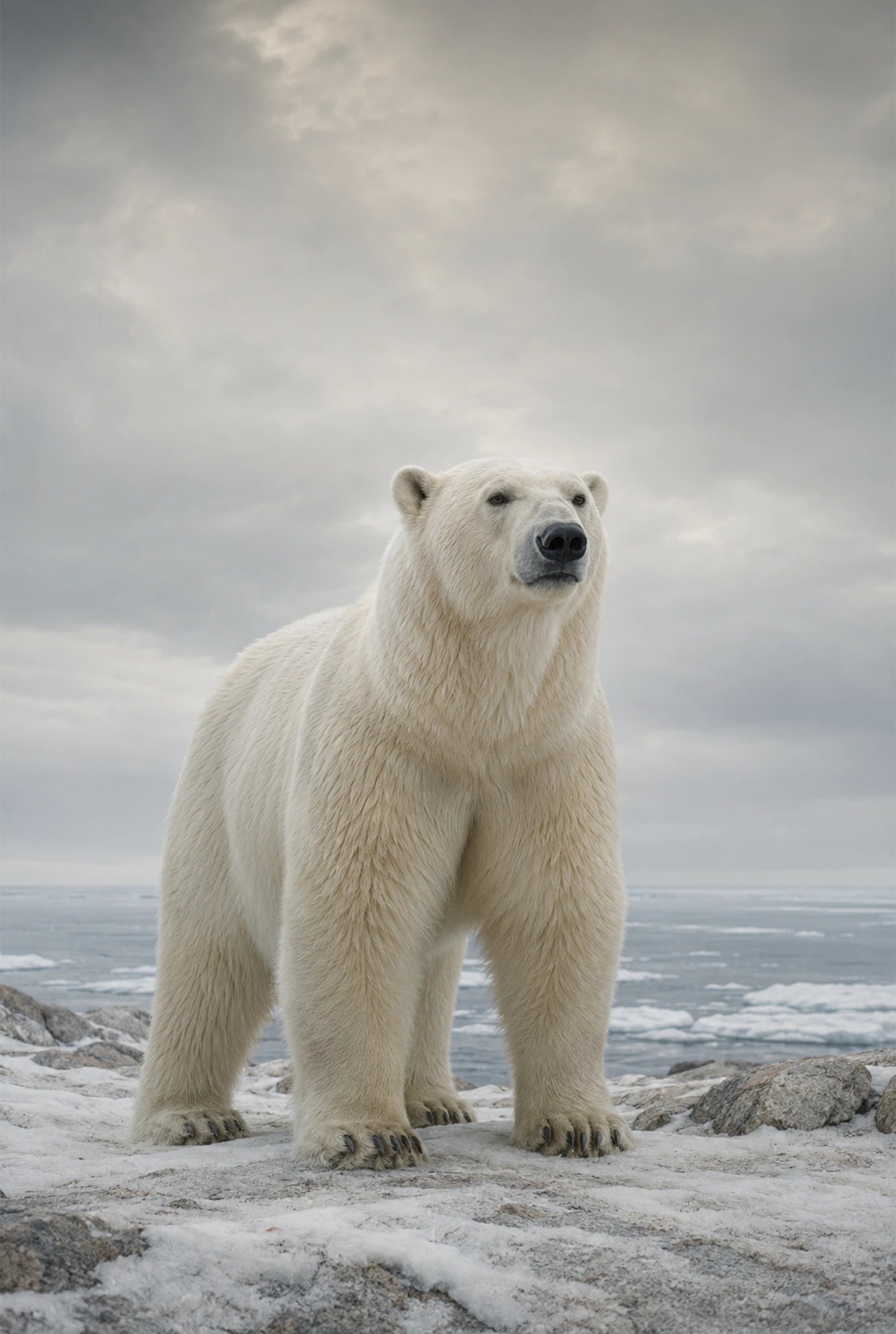
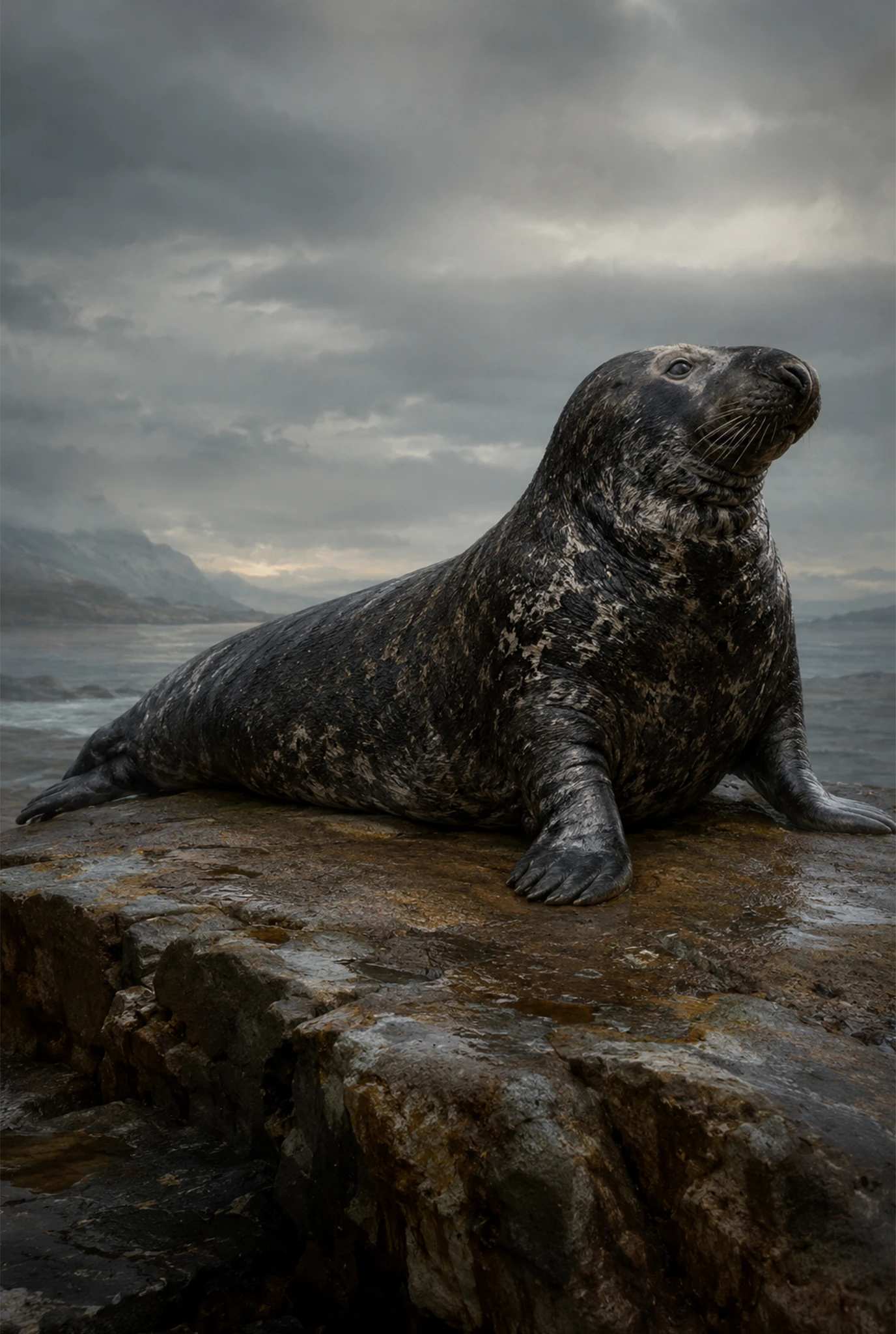
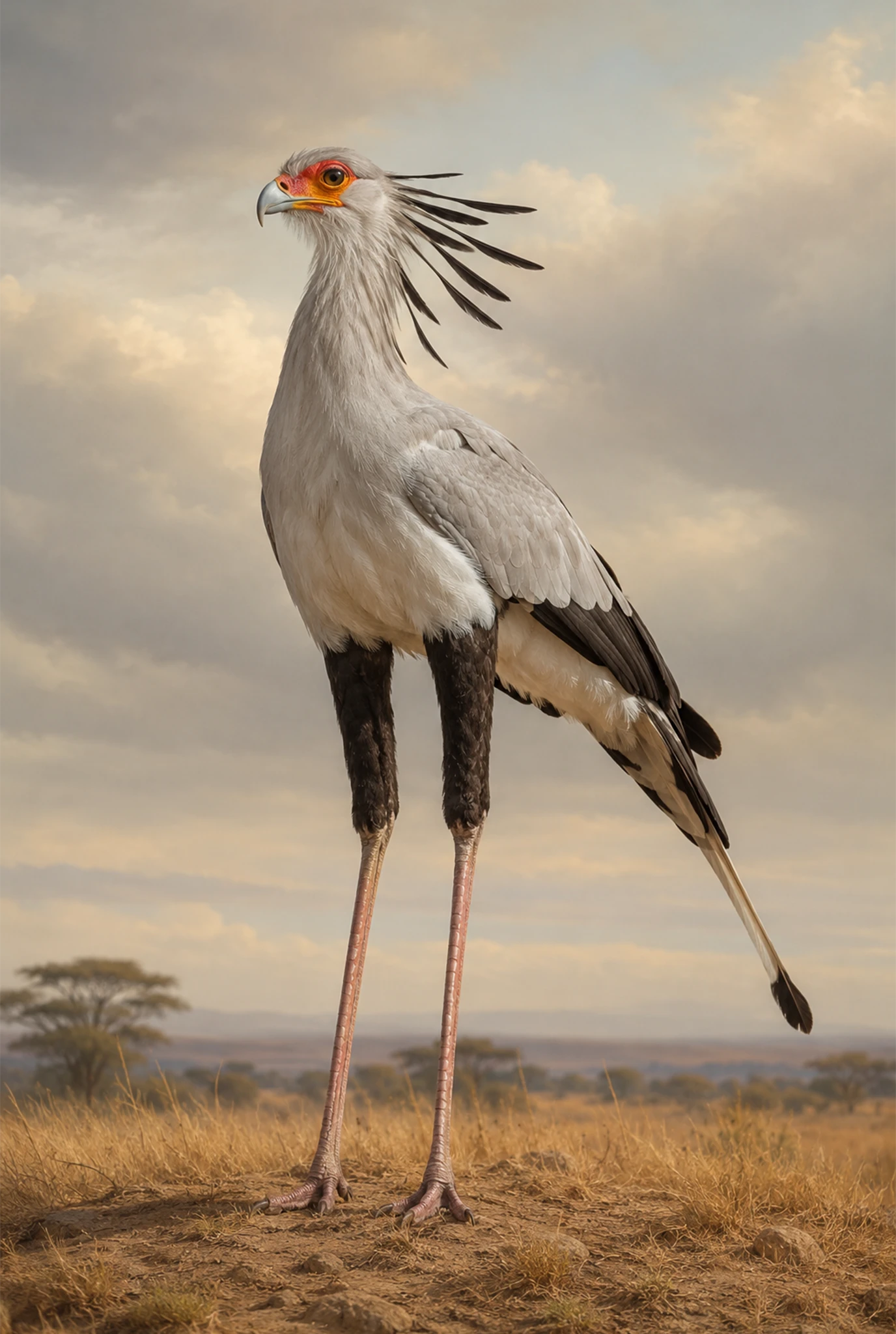
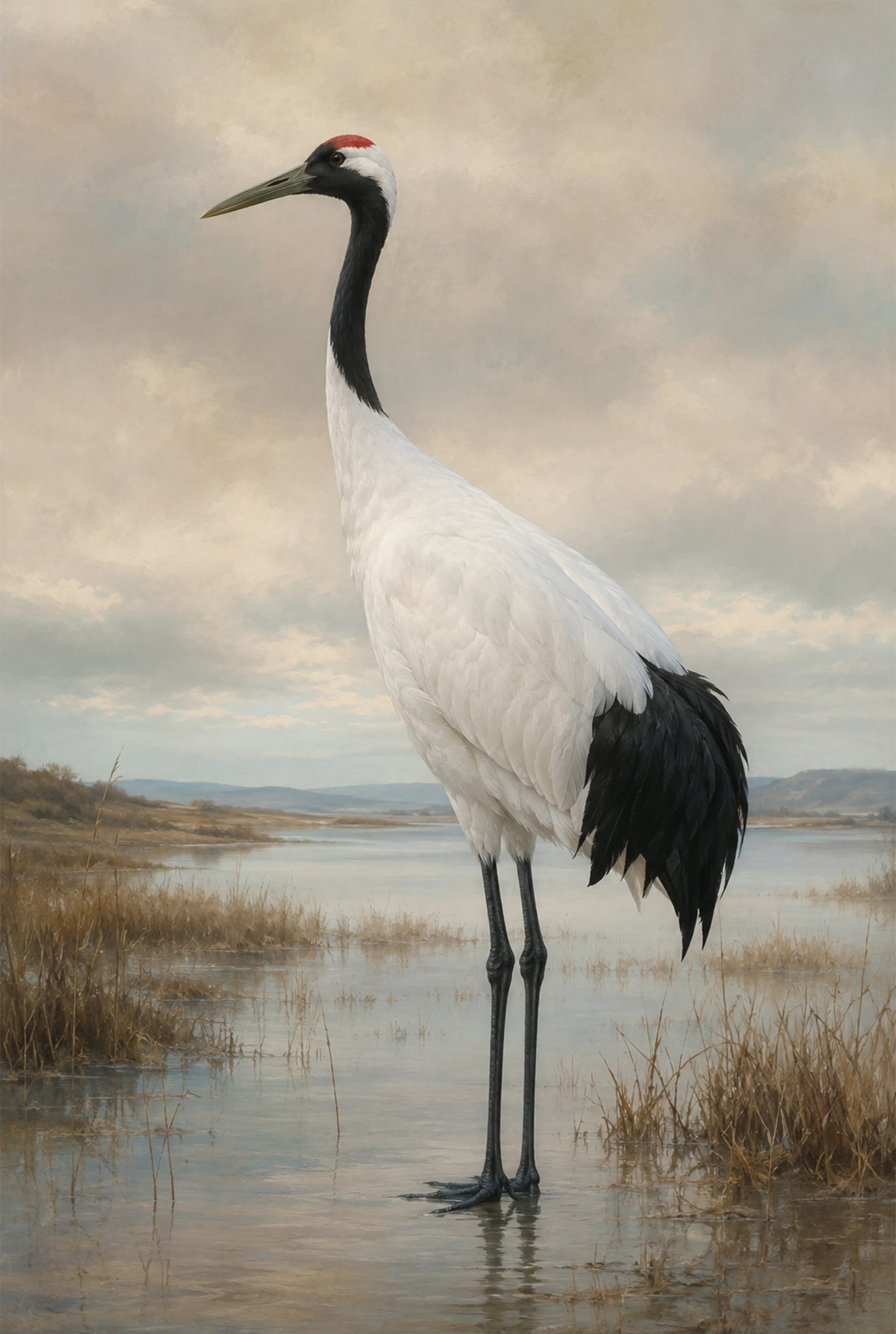
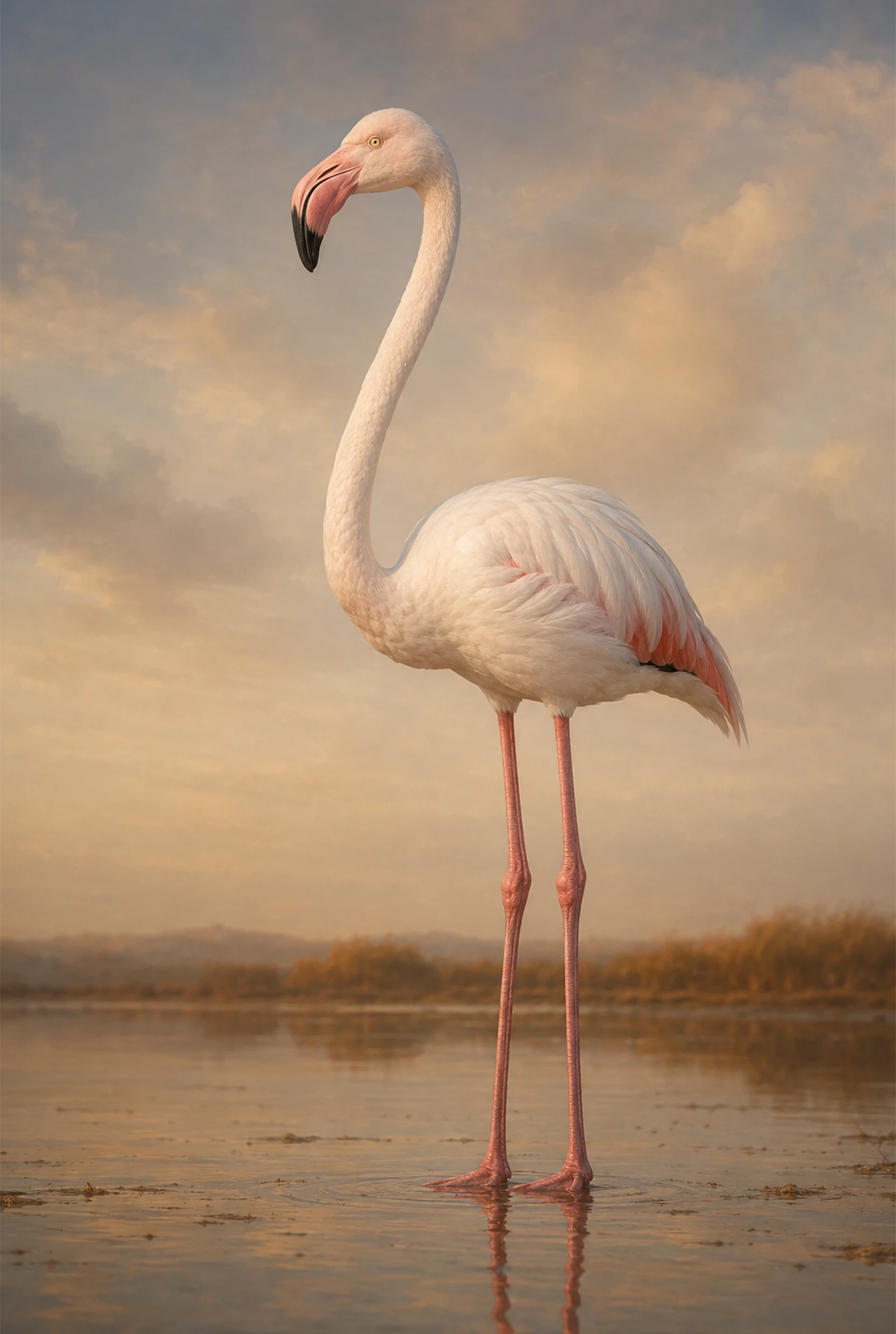
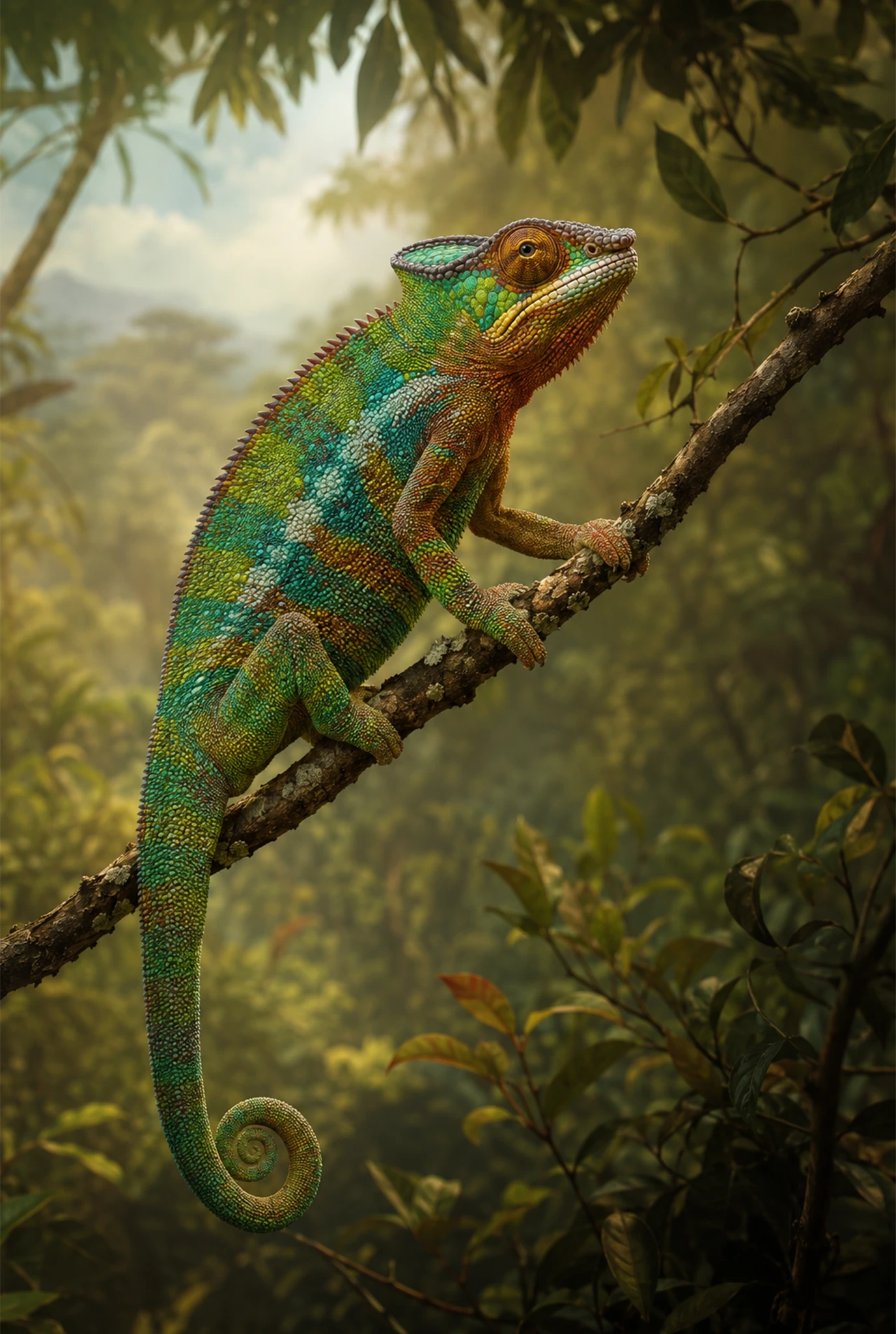
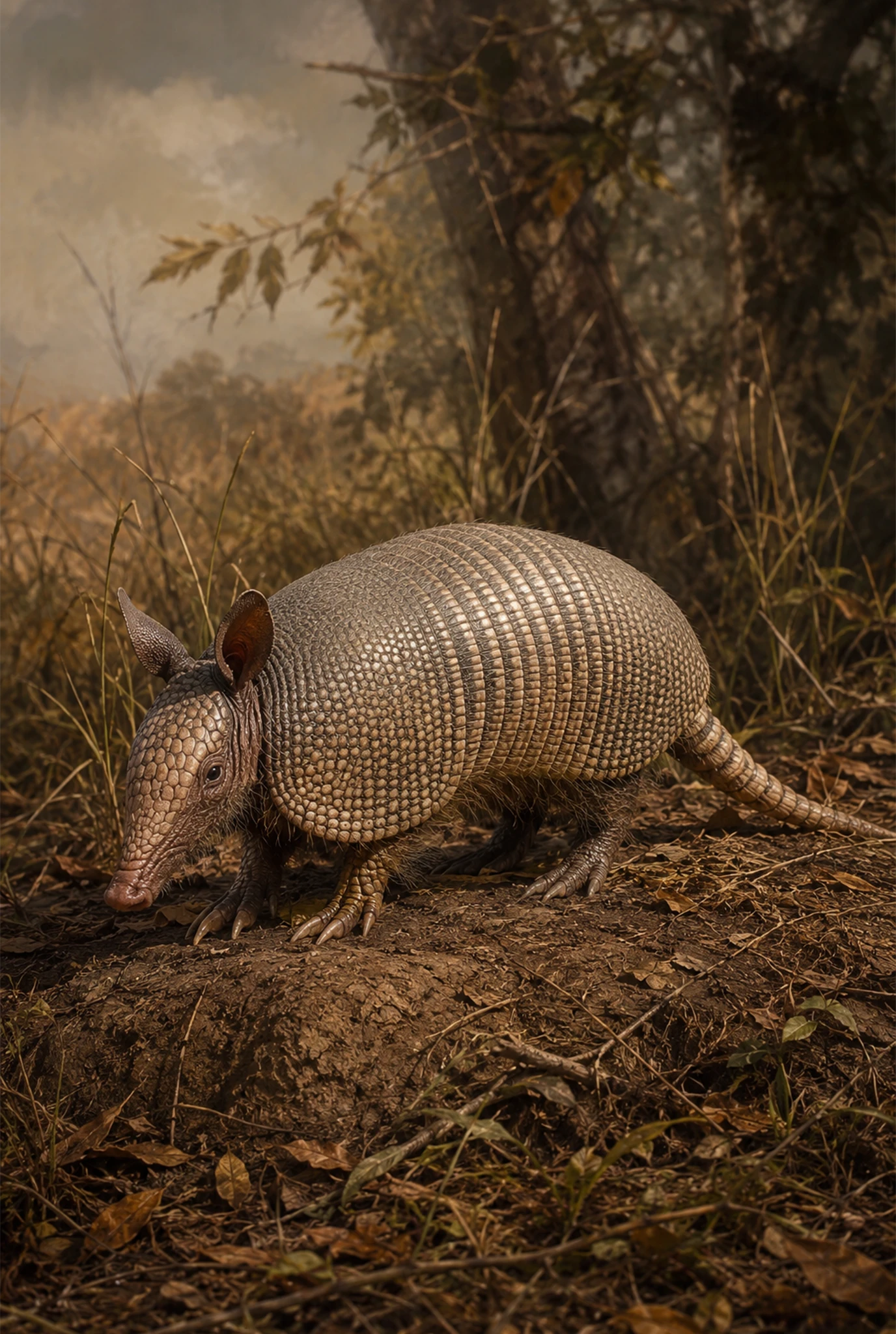
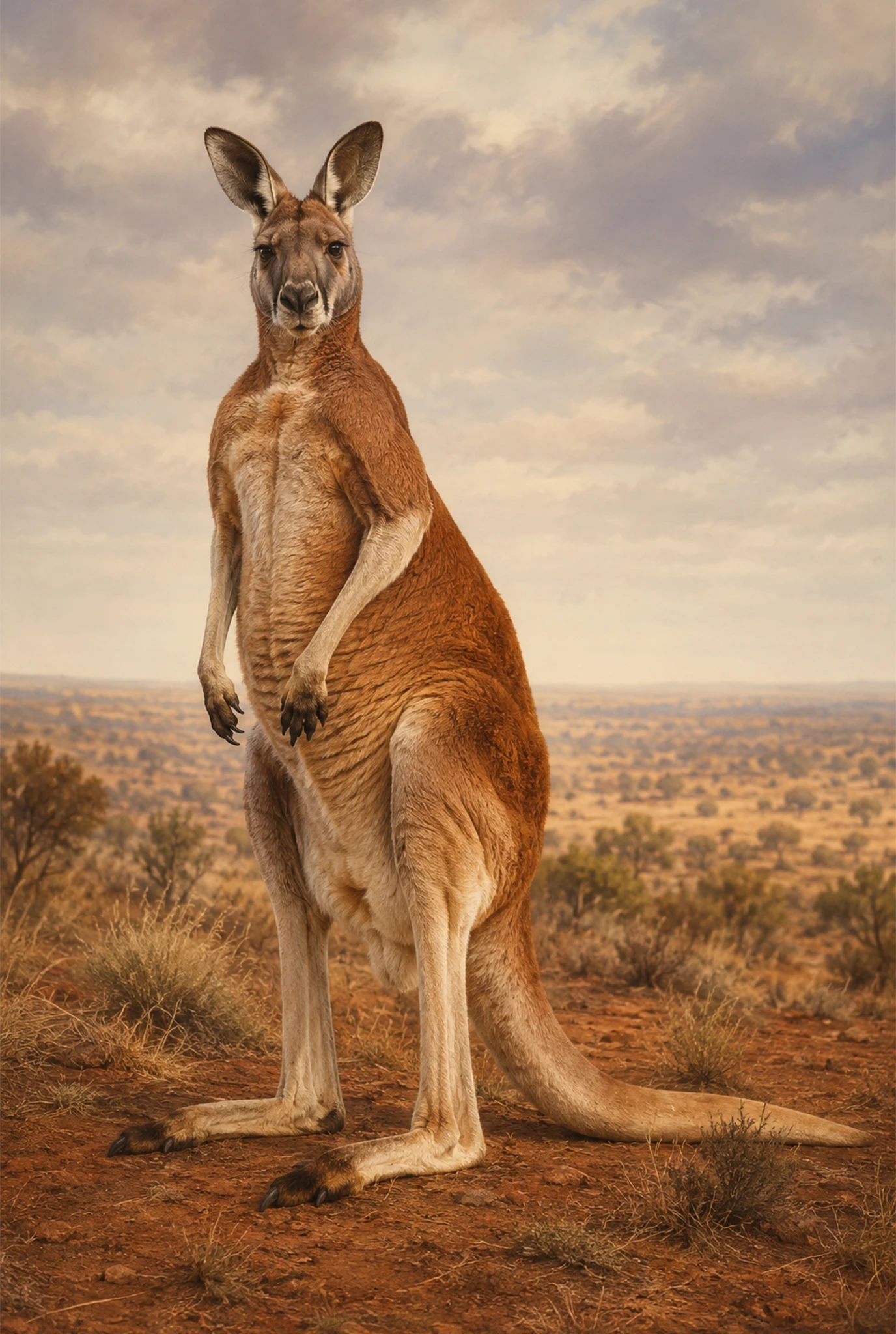
Menagerie steps from that world into the twenty-first century. The images in this project were created through a conversation-to-image process using ChatGPT 5.5 + Images.2 by OpenAI. They are not photographs taken from National Geographic; they are synthographs. They are not paintings, and they do not pretend to carry the same evidence of hand, labour, material craft or historical training. Instead, I've used a contemporary tool to return to an old pictorial problem: how to make an animal appear with dignity, weight and presence. Each image was developed through research, prompting, revision and judgement, with photographic realism held in tension against a quieter painterly atmosphere of light, weather, distance and staged stillness.
The result is not a zoo, a field guide or a nostalgic revival of animal portraiture. Each creature stands alone, removed from spectacle but not from meaning. A stag, horse, cow, sheep, lion, crane or seal is allowed to be itself, while also carrying the human projections that have always gathered around animals: nobility, labour, wildness, beauty, utility, danger, innocence, endurance. Menagerie asks what happens when those projections are rebuilt by artificial intelligence, and whether a synthetic image can still hold a moment of genuine attention. Between Landseer's brush and the generated pixel, the animals remain both seen and imagined, even though the means of making them could hardly be more different.
Gallery
"The love for all living creatures is the most noble attribute of man." — Charles Darwin