Simulacra: paintings without paint
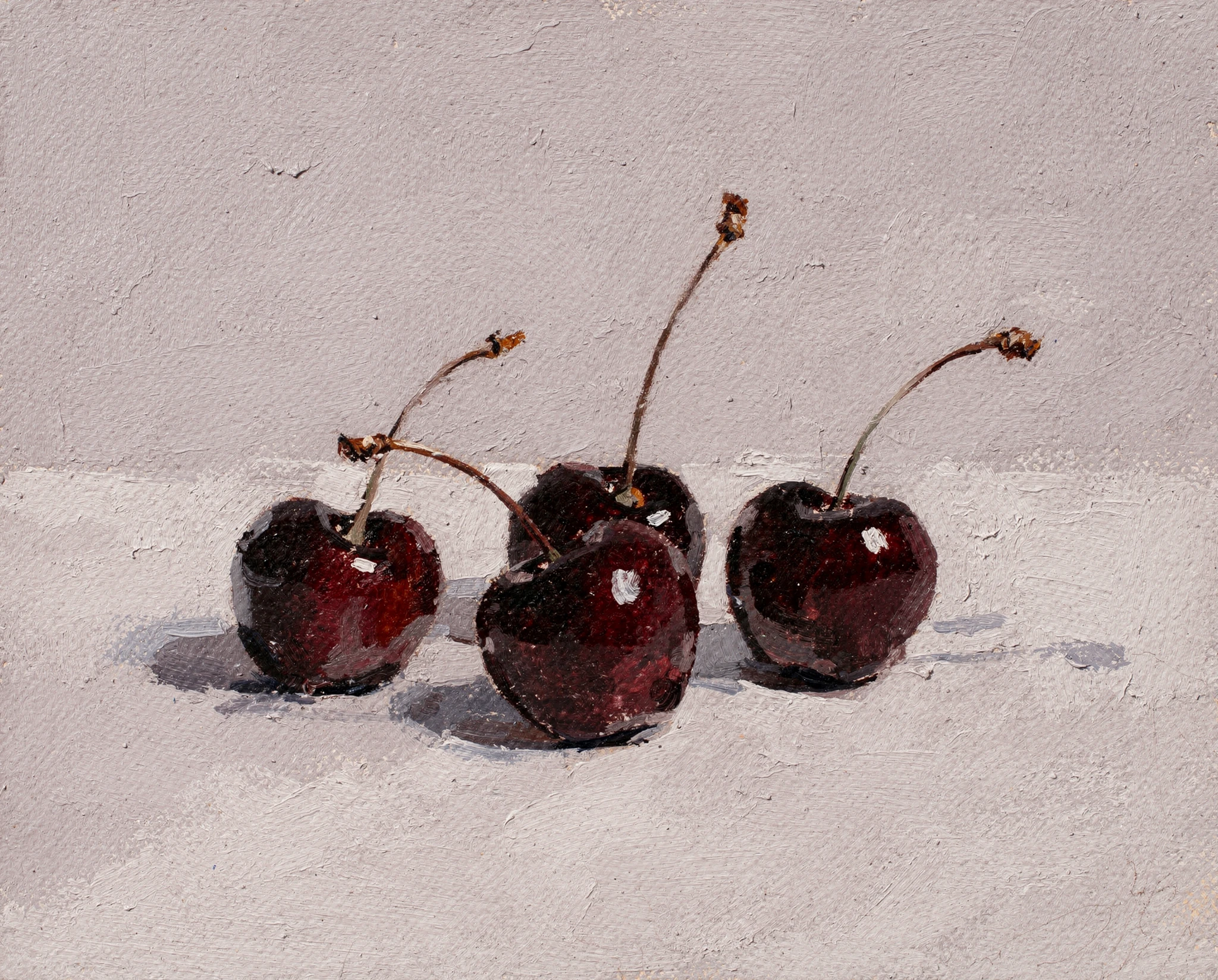
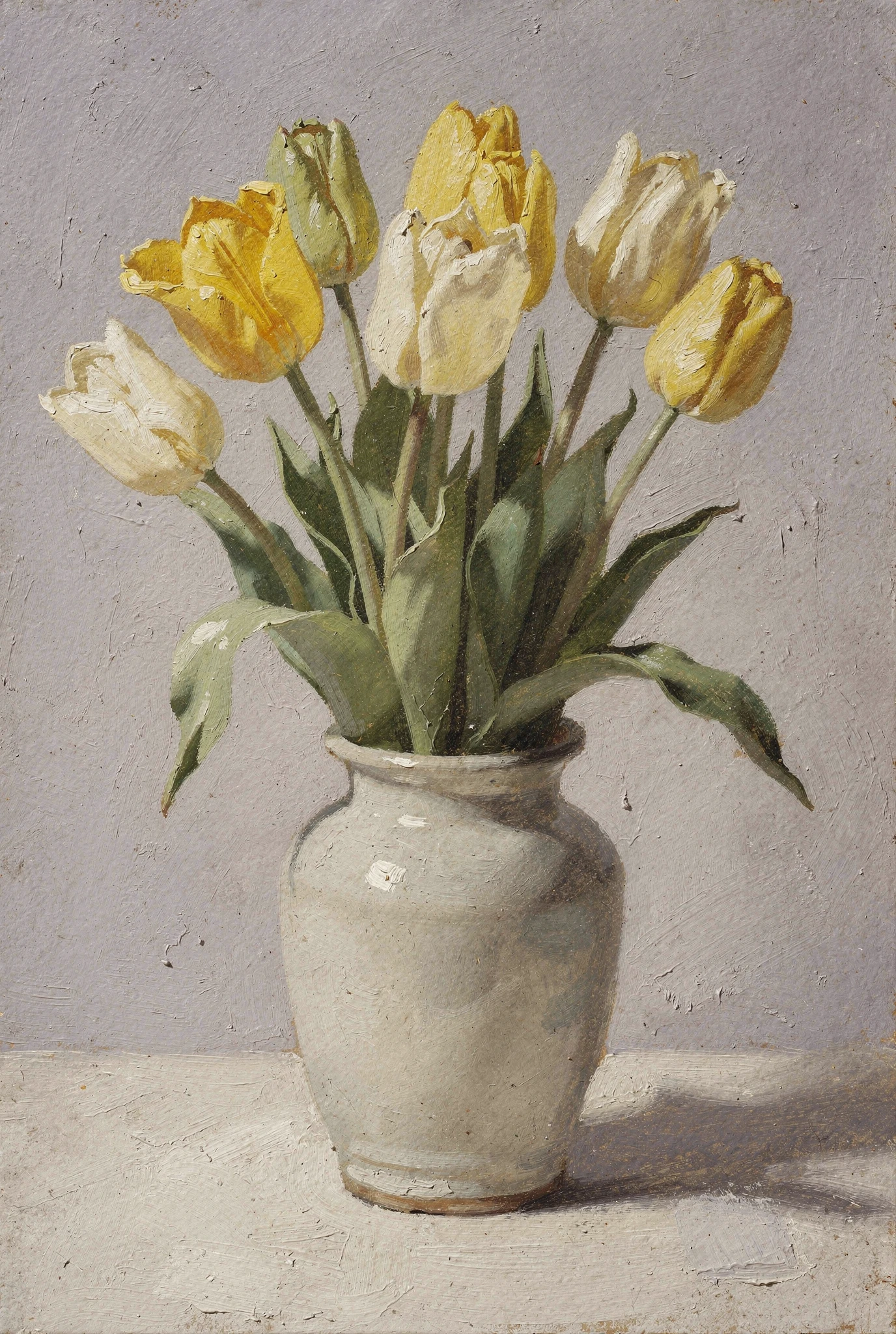
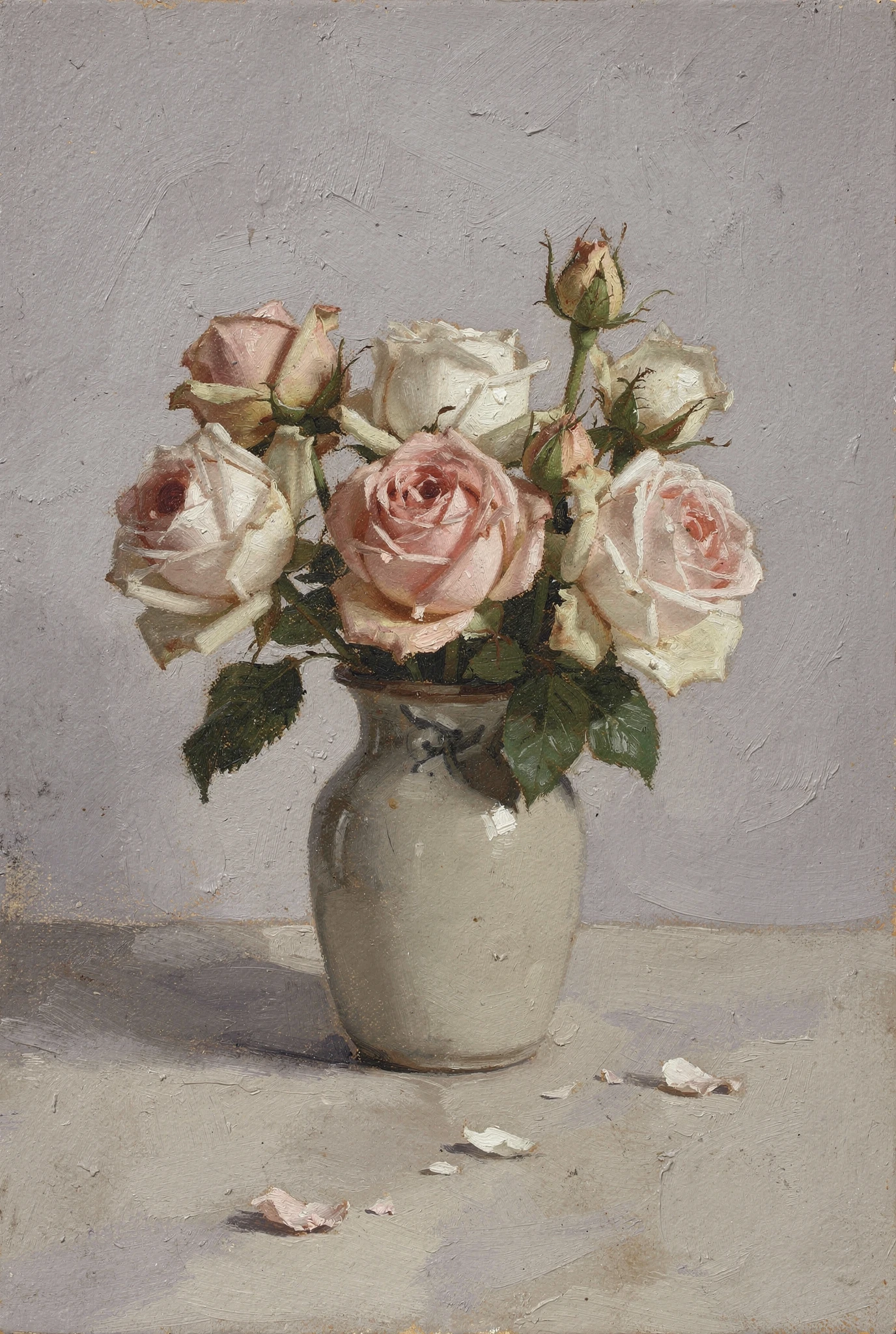
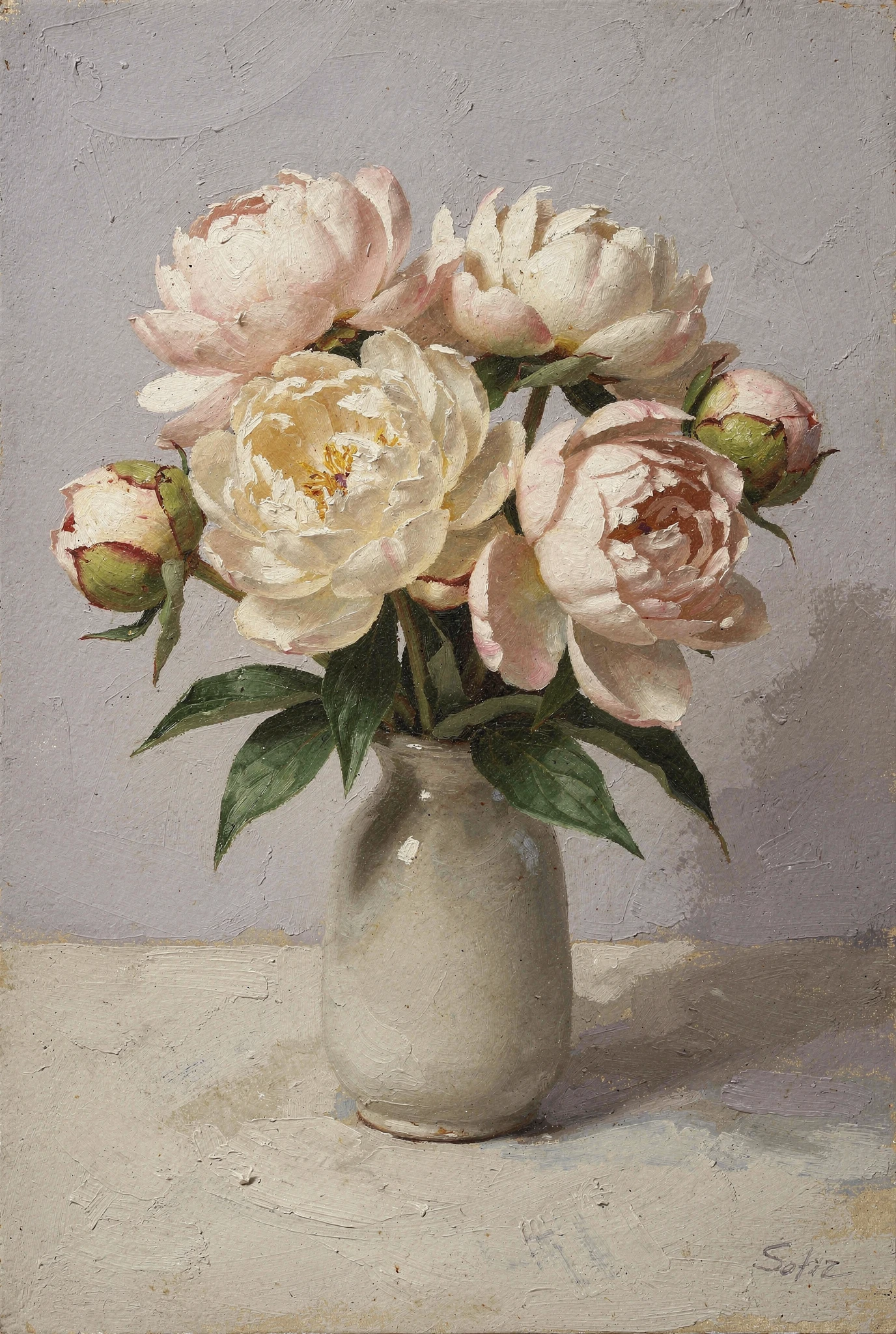
Simulacra begins with two of still life's most familiar subjects: fruit and flowers. Cherries, pears, apples, tulips, roses and peonies belong to a long pictorial history in which ordinary natural forms are translated into paint, light, surface and composition. A traditional still life is already a kind of simulation: the pear is not a pear, but oil behaving as skin, weight and bruise; the flower is not a flower, but pigment holding the idea of bloom. Jean Baudrillard's Simulacra and Simulation gives the project its conceptual pressure. In his account, modern culture produces so many signs, images and copies that the original no longer holds authority. Reality is displaced by representation, and the copy begins to behave as reality itself. These works occupy that strange space deliberately: they are copies of copies, artificial images of painted simulations.
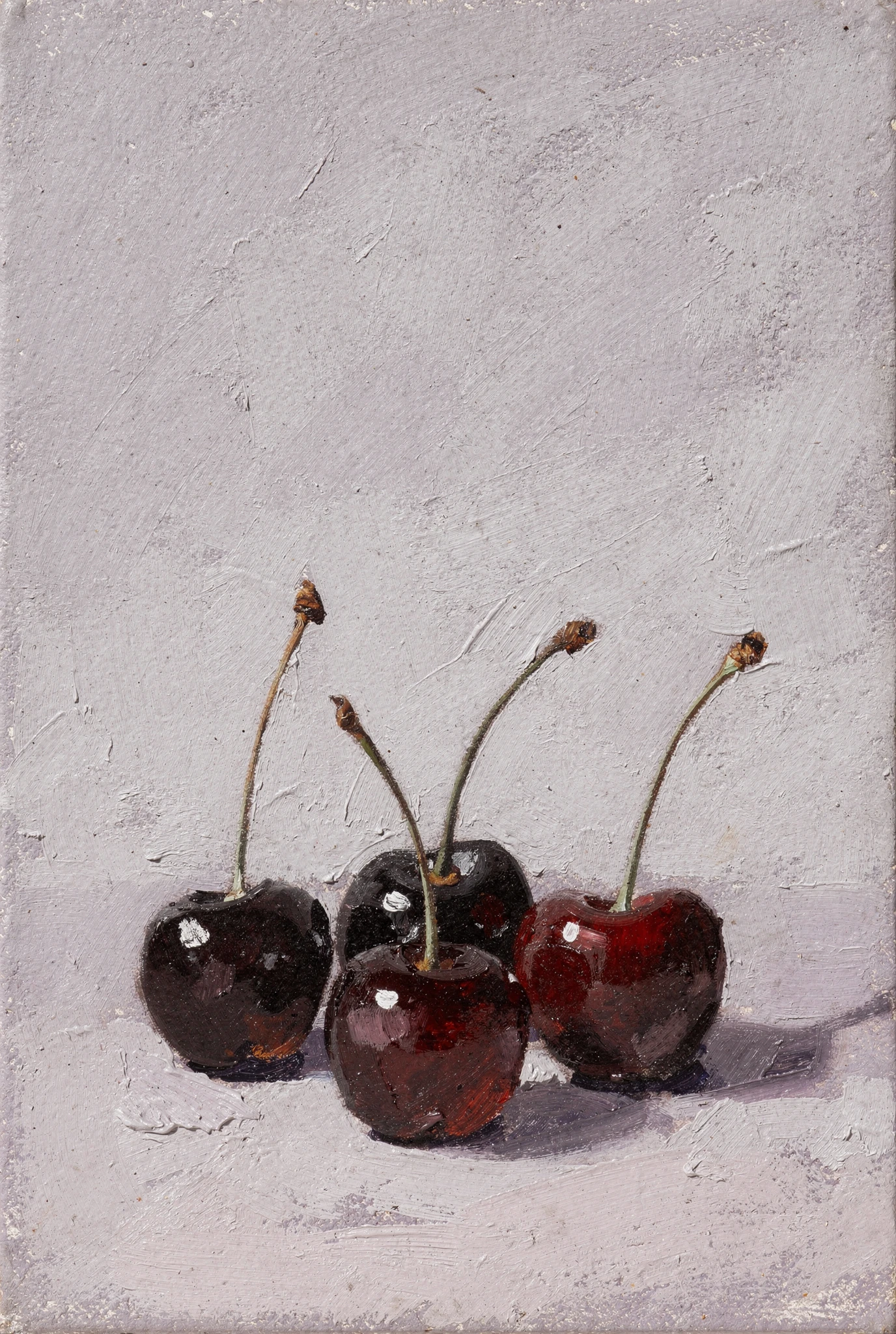
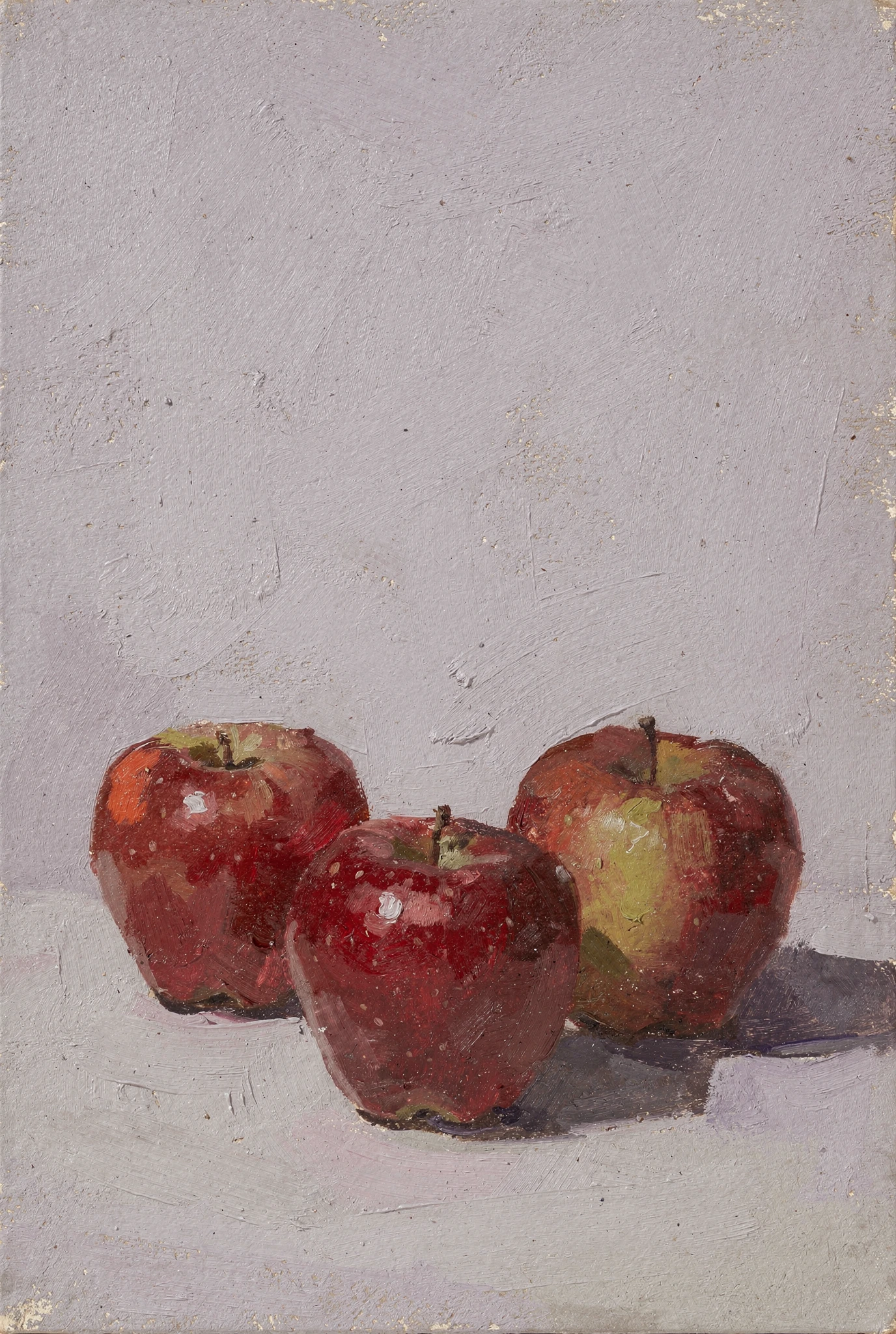
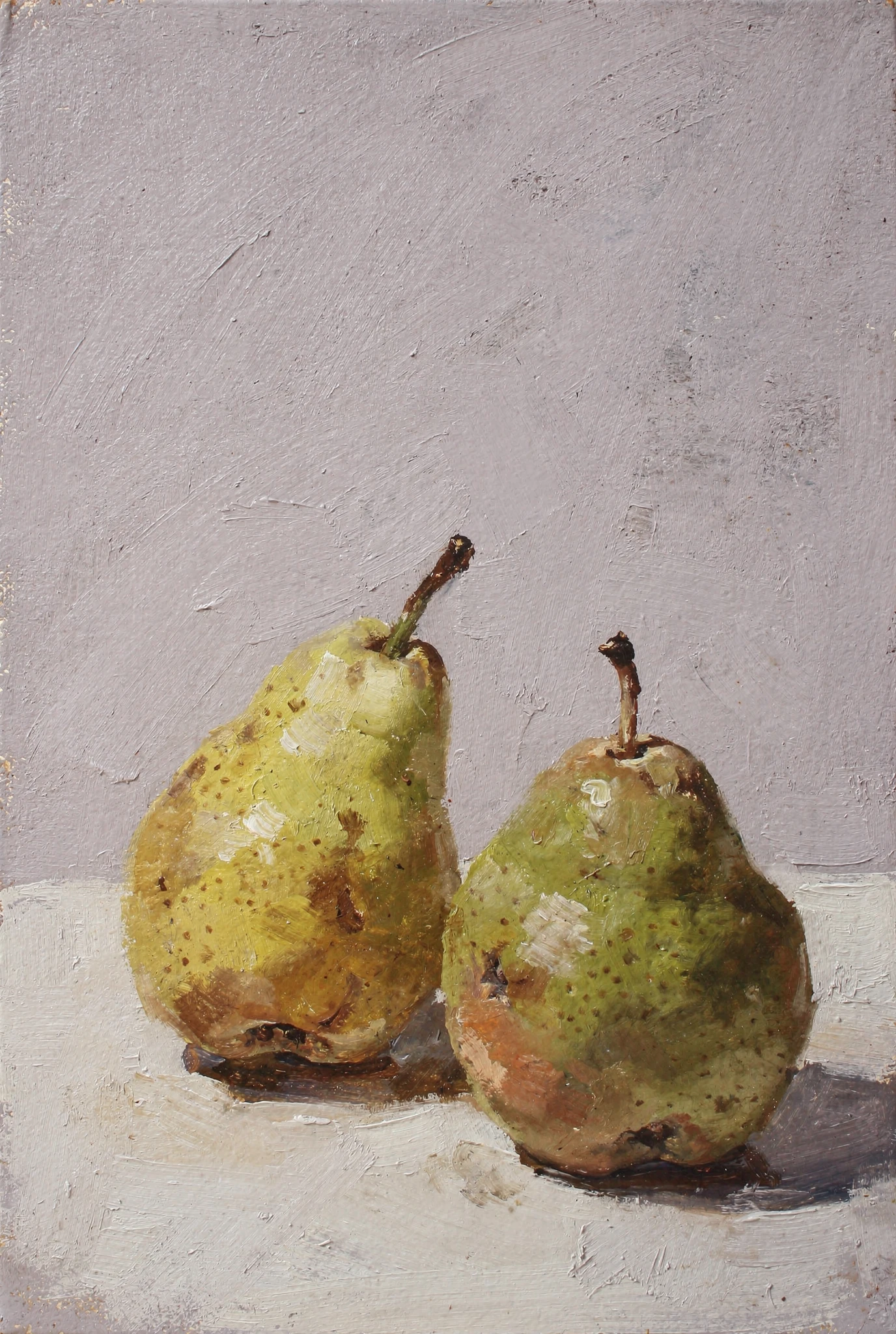
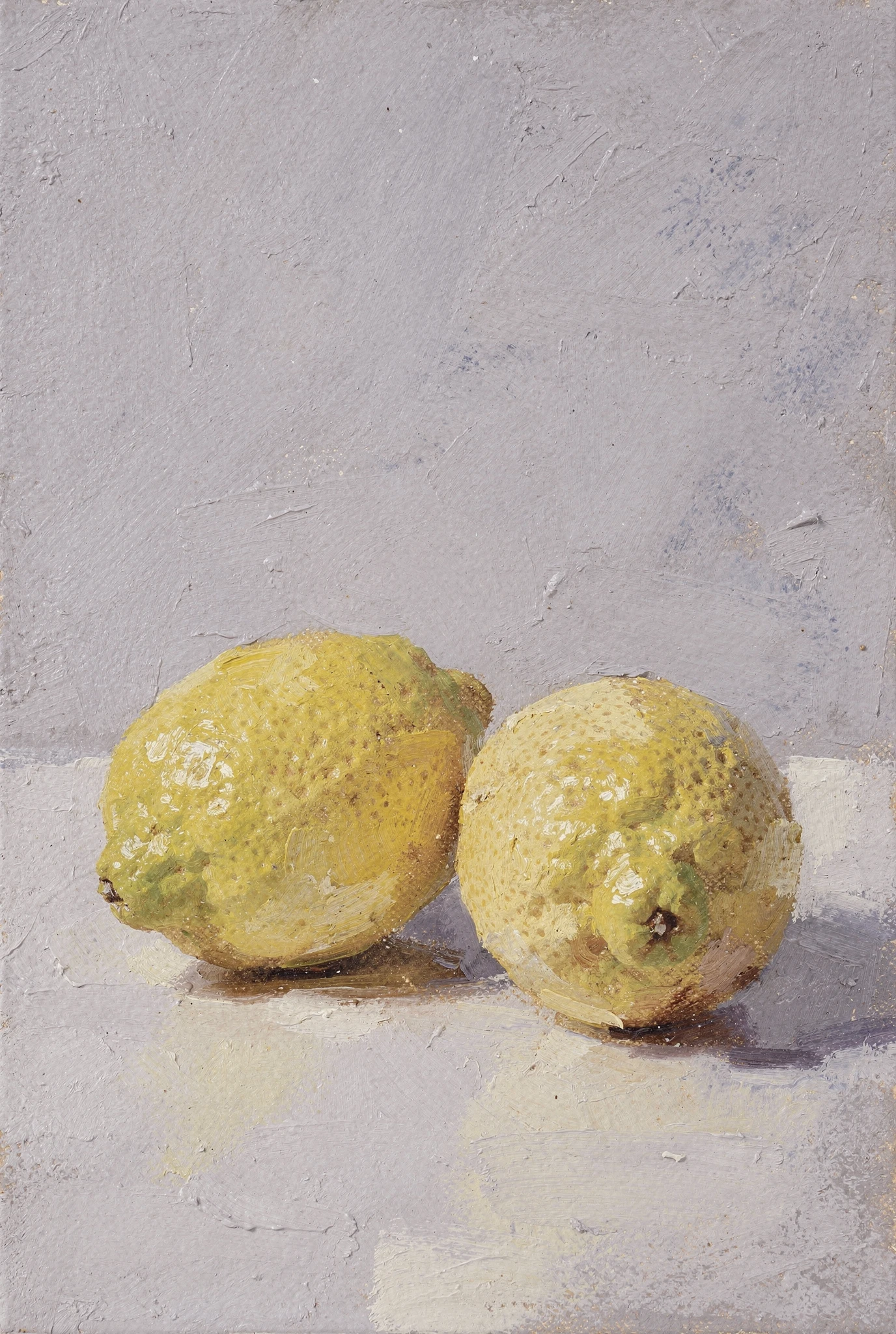
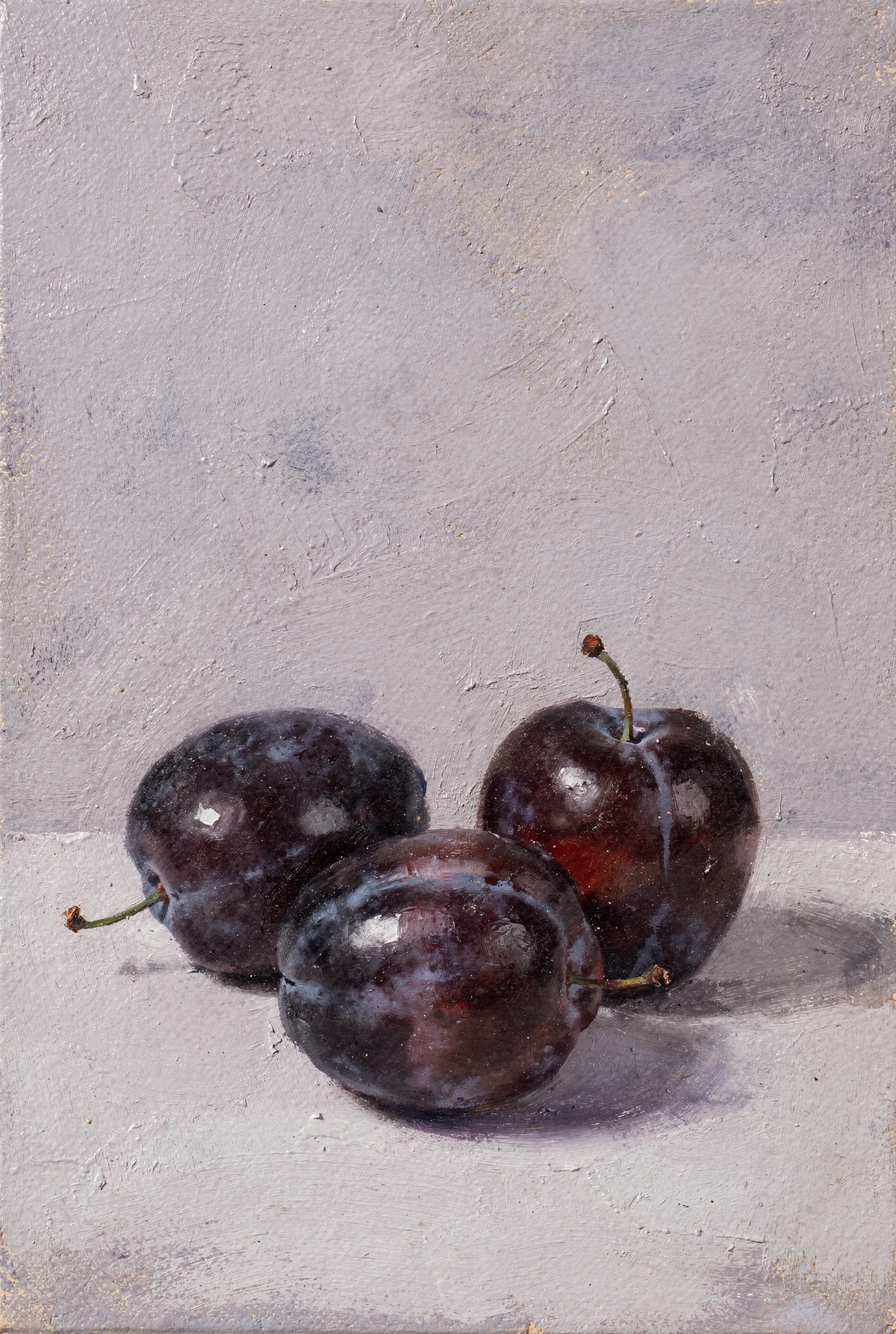
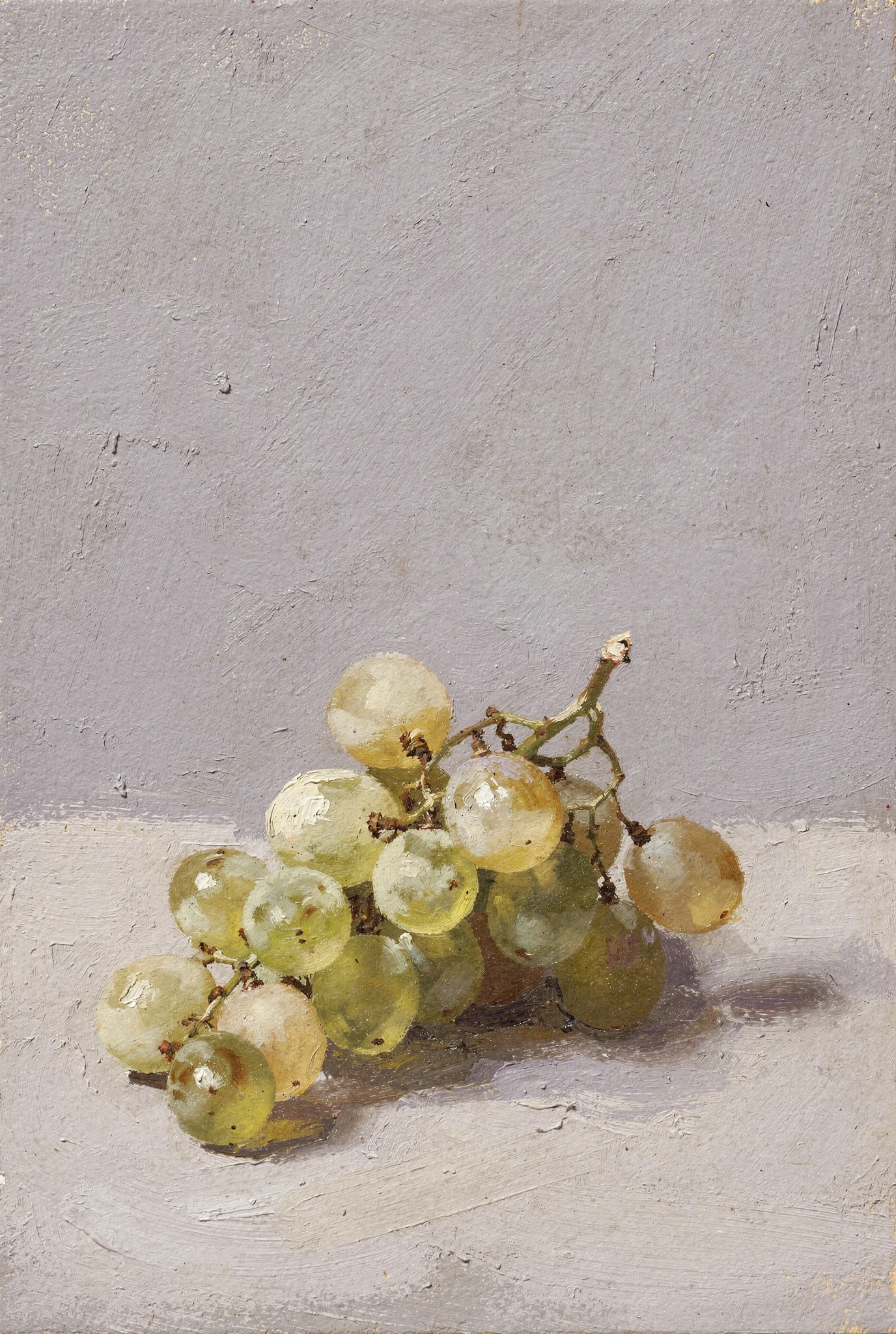
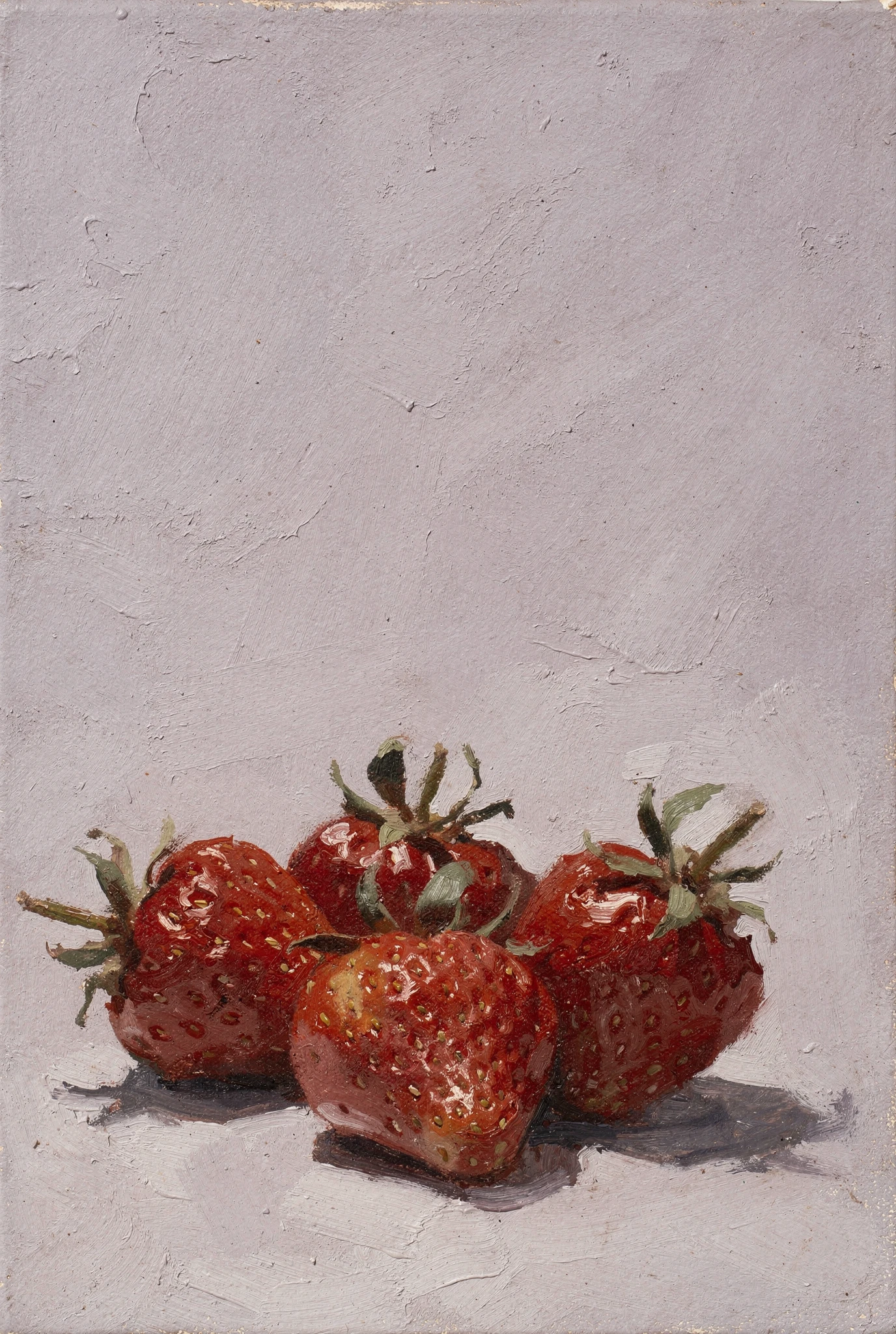
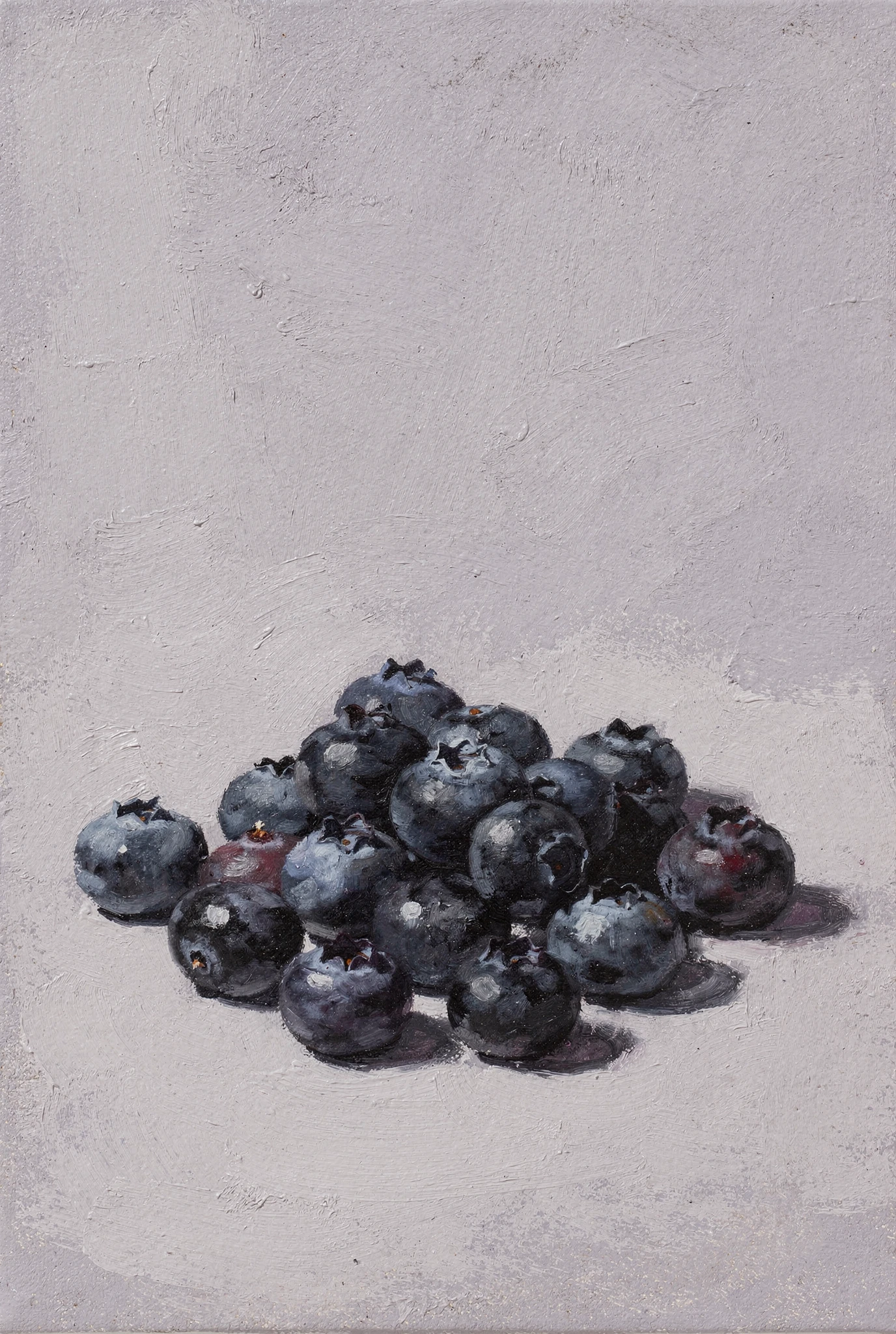
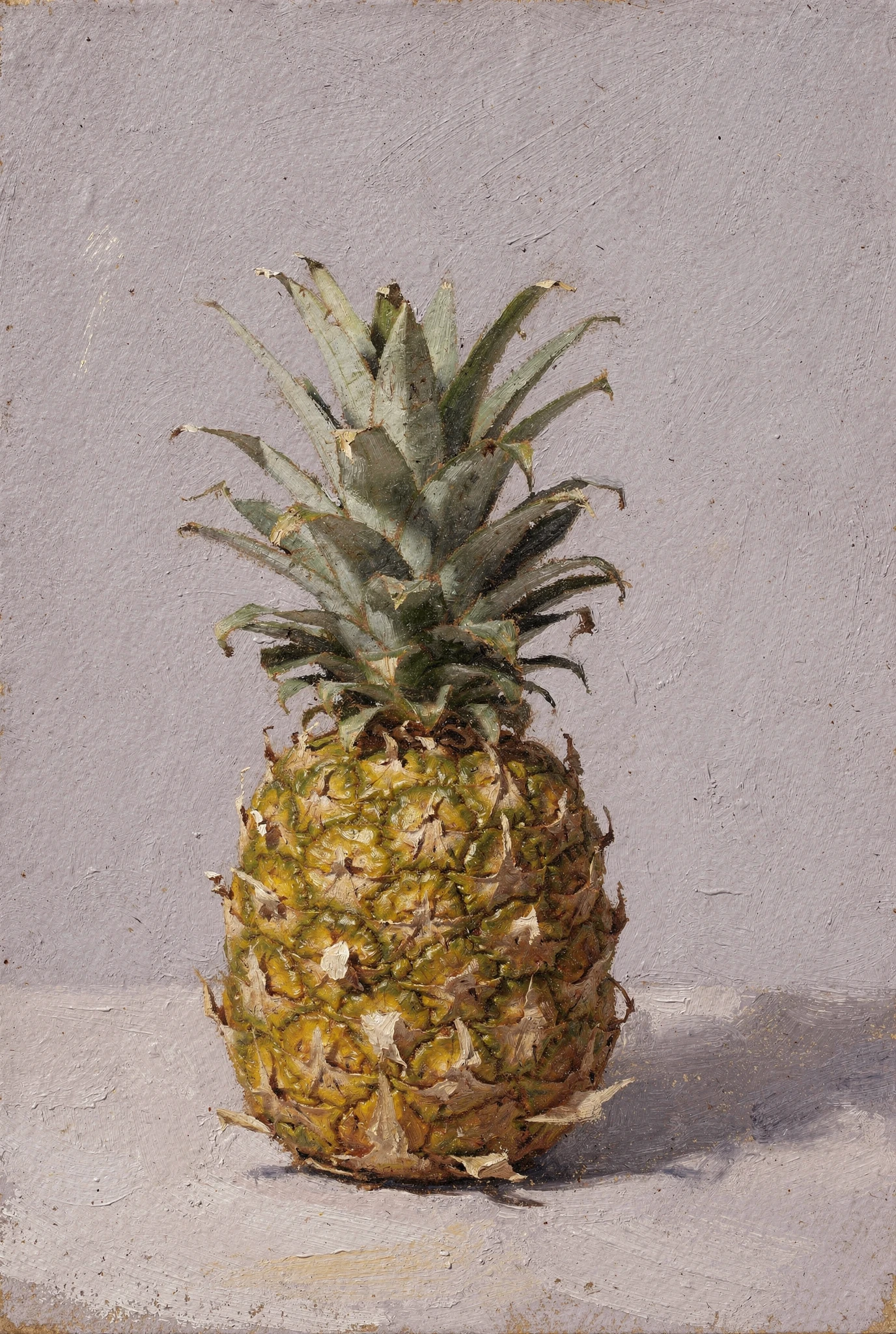
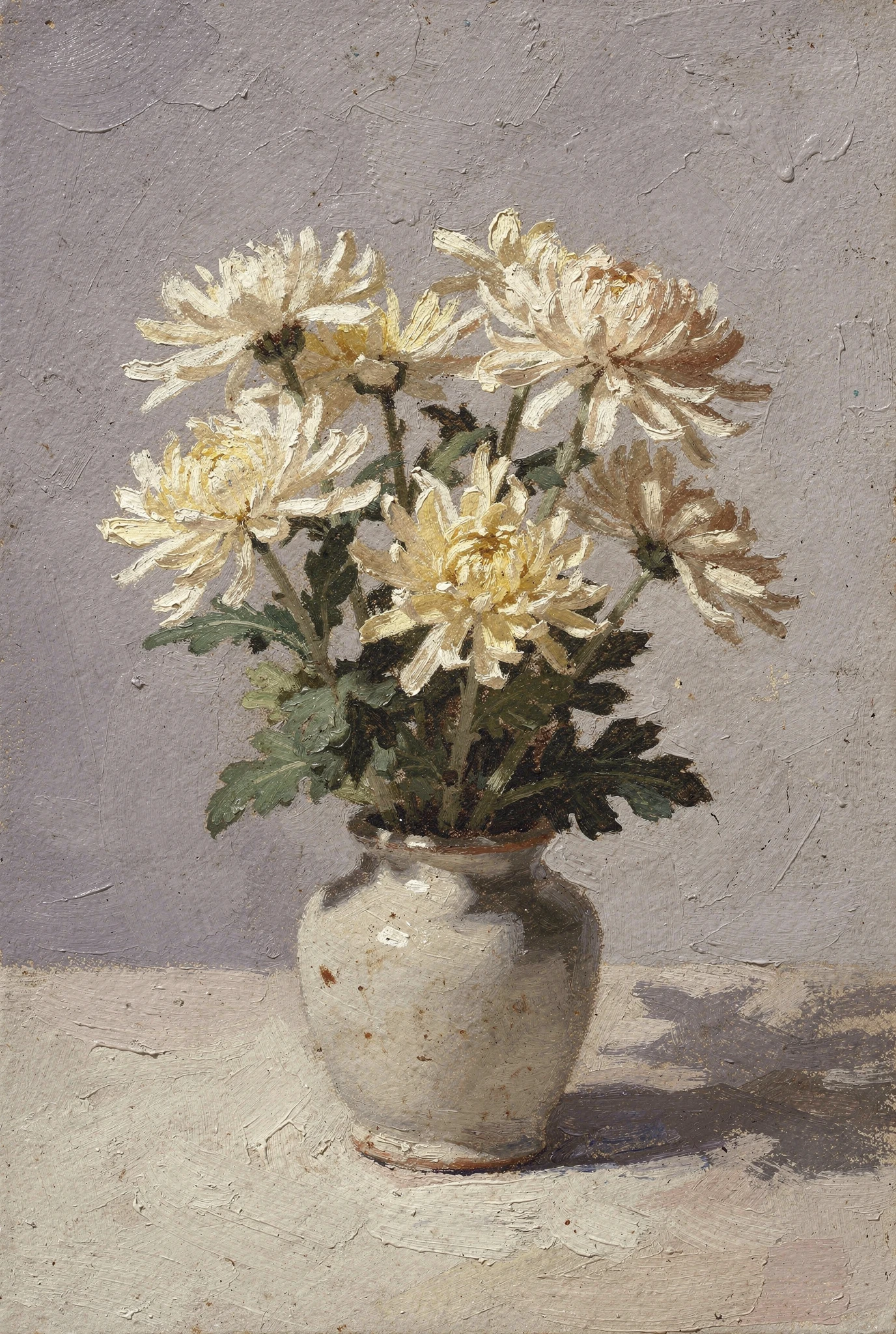
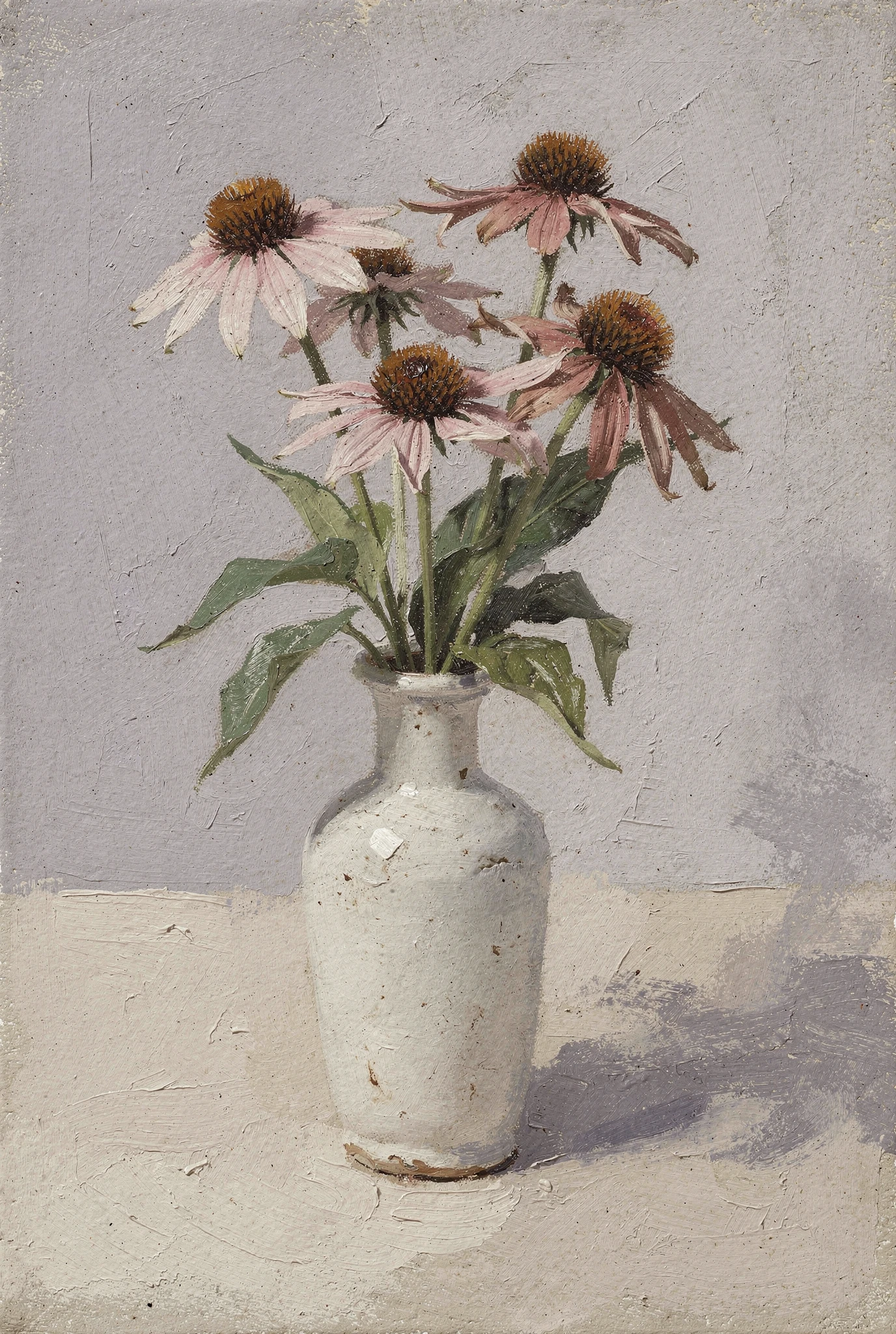
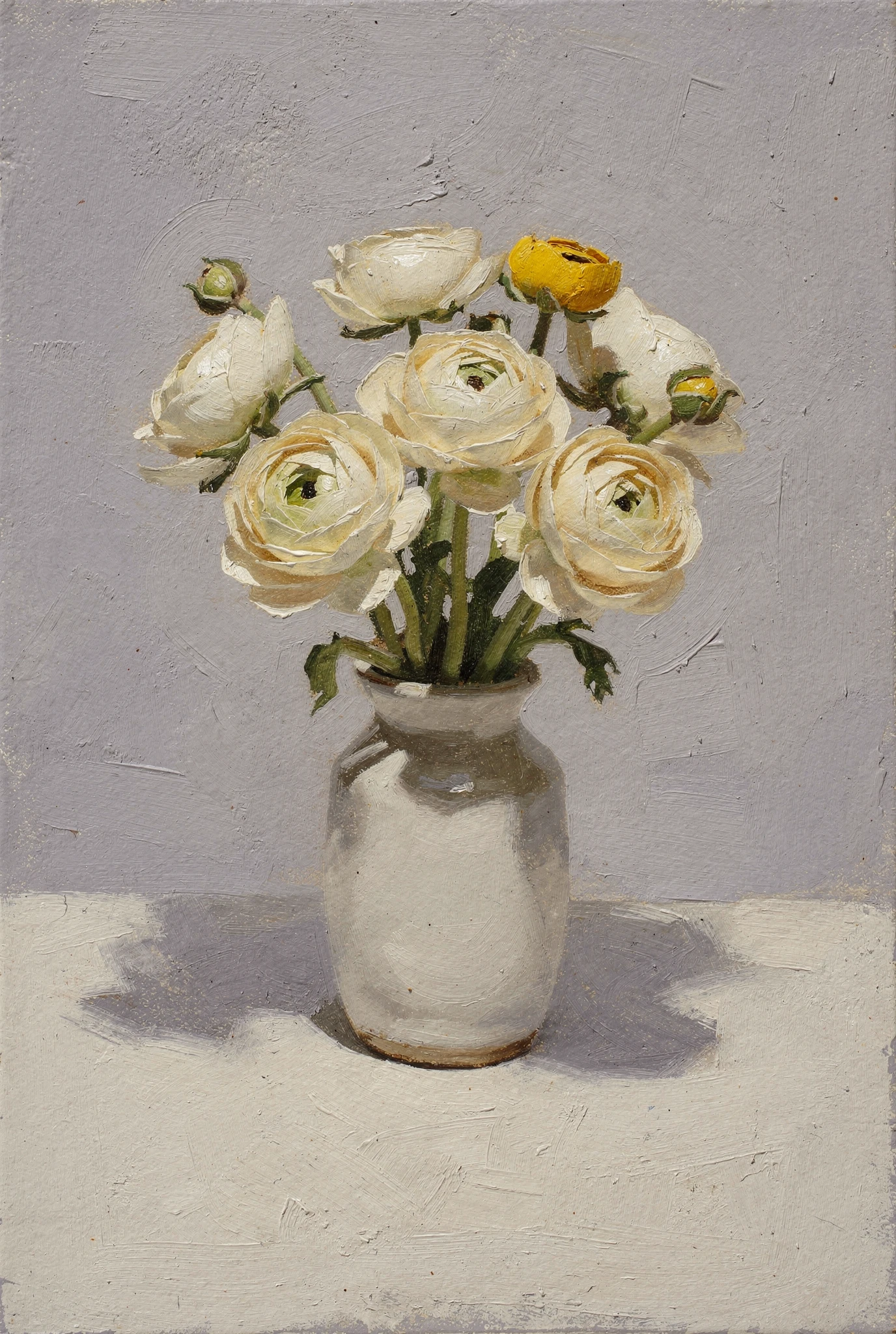
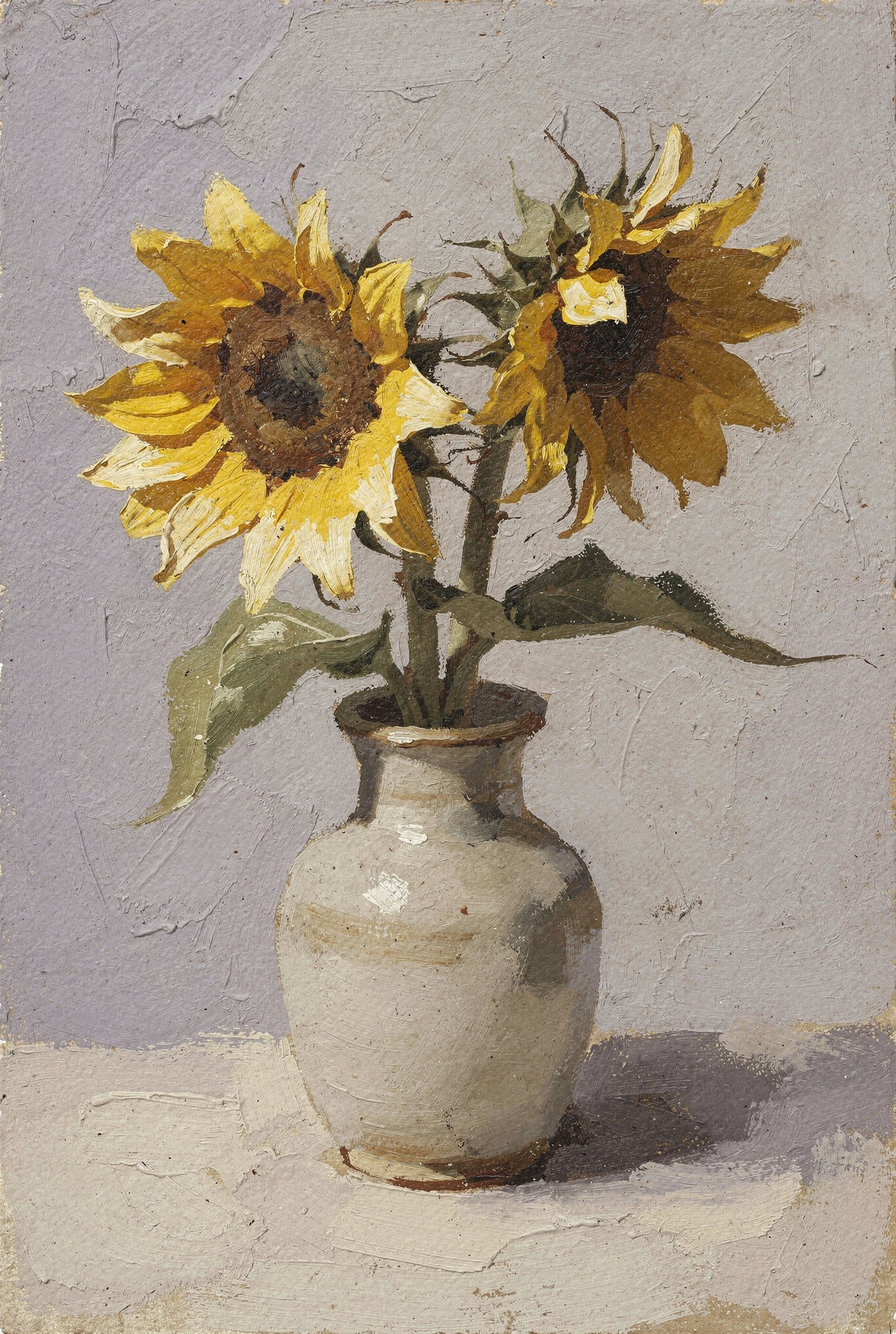
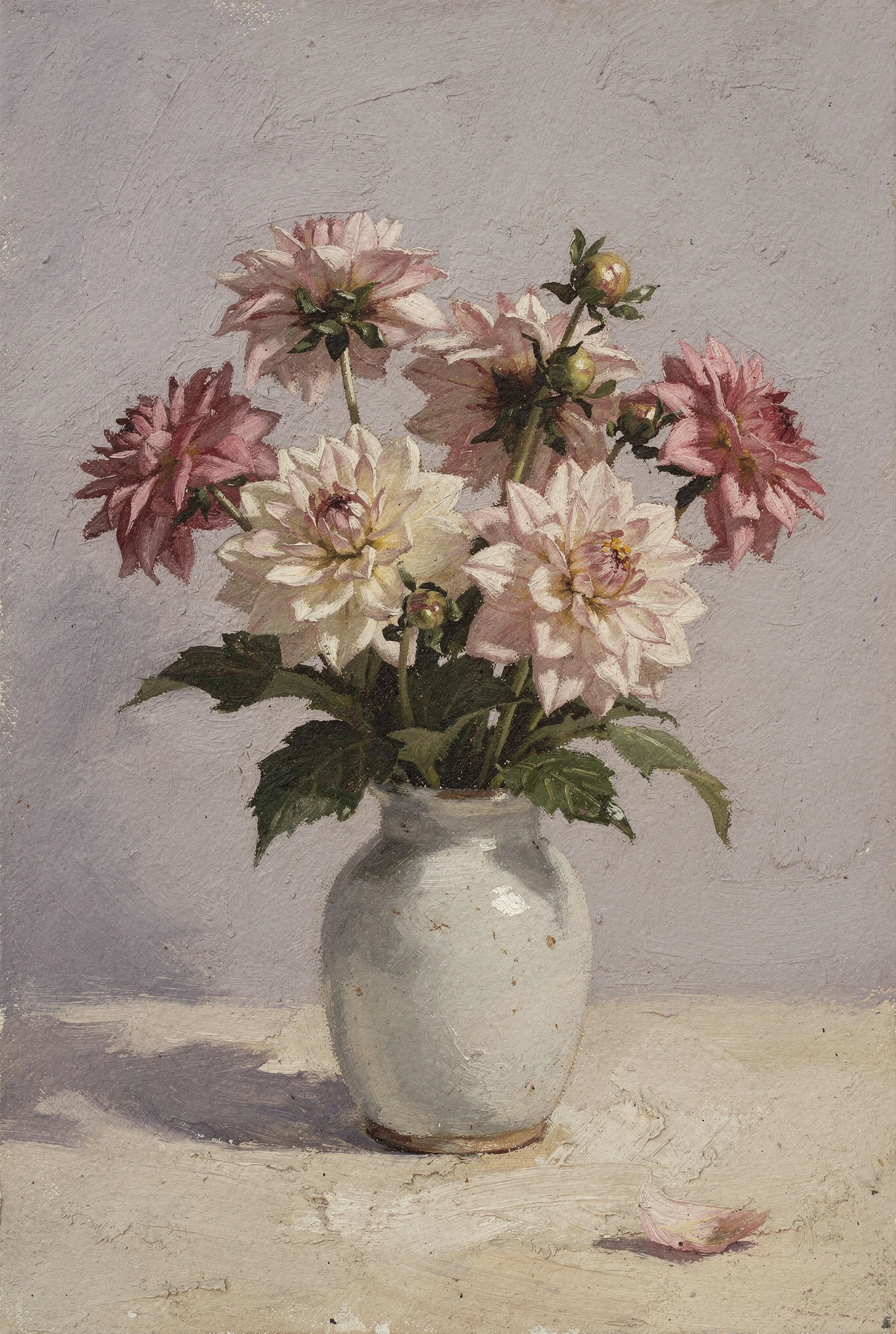
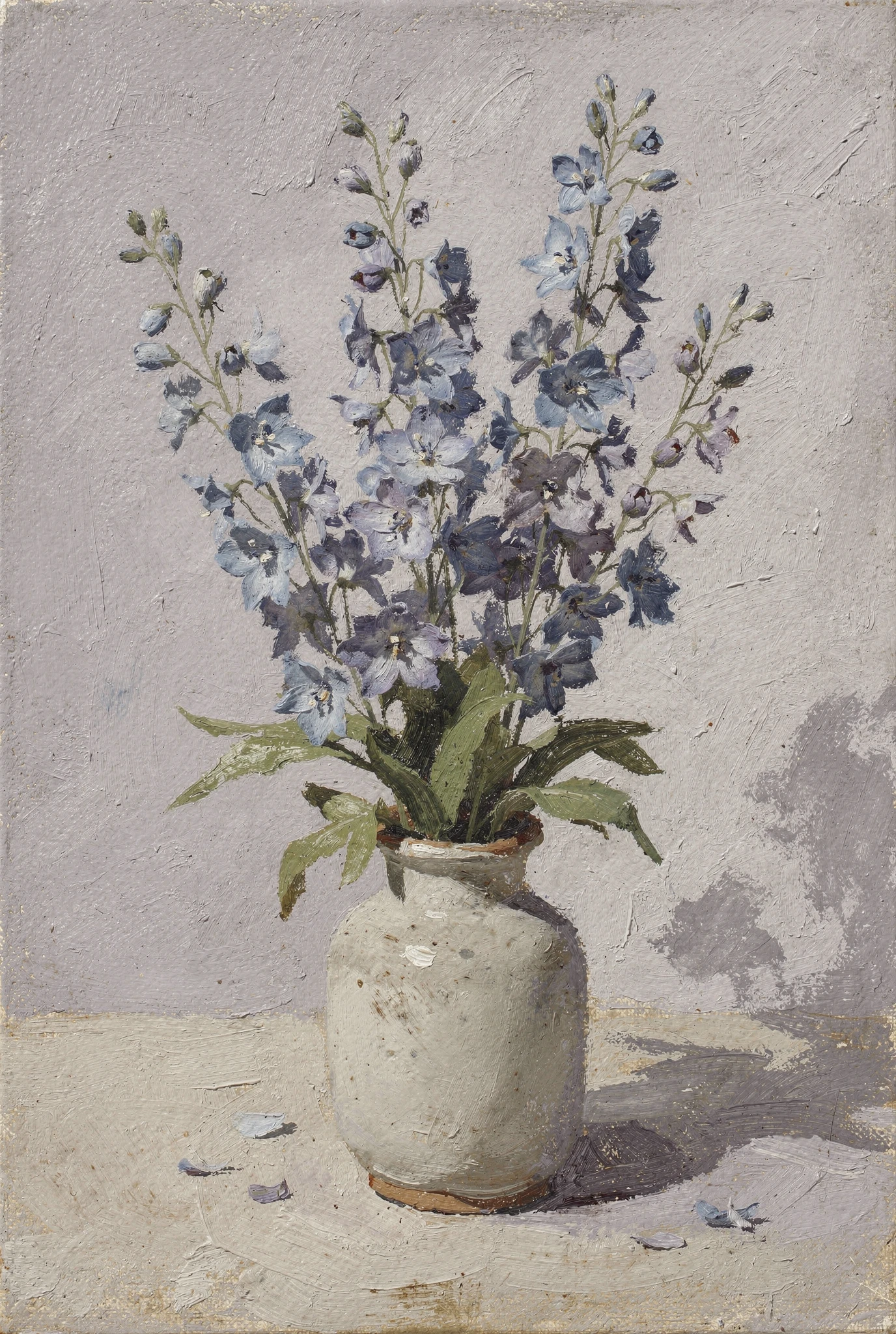
The works do not attempt to simulate nature directly. They simulate the historical behaviour of painting: the scumbled ground, the modest arrangement, the visible brushstroke, the small theatre of shadow and reflected light. Each image appears as a small oil study on board, yet no board has been prepared, no fruit has been placed, no flowers have been cut, and no hand has moved paint across a surface. The images borrow the signs of observation while removing observation from the process. Their simplicity is therefore deliberate. The fewer the objects, the stranger the mechanism becomes. A bunch of grapes, two pears, a vase of flowers: familiar motifs become quiet tests of belief. The surface remembers a painter, but the painter is absent. What remains is not nature, but the memory of nature passing through the language of paint.
In this sense, Simulacra is a series of still lifes without life, and paintings without paint. The project keeps the tenderness of the genre while emptying it of origin. Fruit appears as colour, weight and ripeness; flowers appear as bloom, fragility and arrangement; the ceramic vase becomes a small stabilising fiction. Everything behaves as though it has passed through a studio, a brush and an attentive eye, yet everything has been generated from language. Baudrillard's famous claim that the simulacrum does not conceal the truth, but conceals that there is no truth left, resonates here quietly. These images do not hide their artificiality; they reveal how persuasively artificiality can inherit the authority of tradition. The answer arrives in skin, petal, shadow and light: simulations of simulations, asking how little reality an image needs before the eye begins to grant it truth.
Gallery
"Illusion is the first of all pleasures." — Voltaire