Cover: simulated comics illustrated by machine
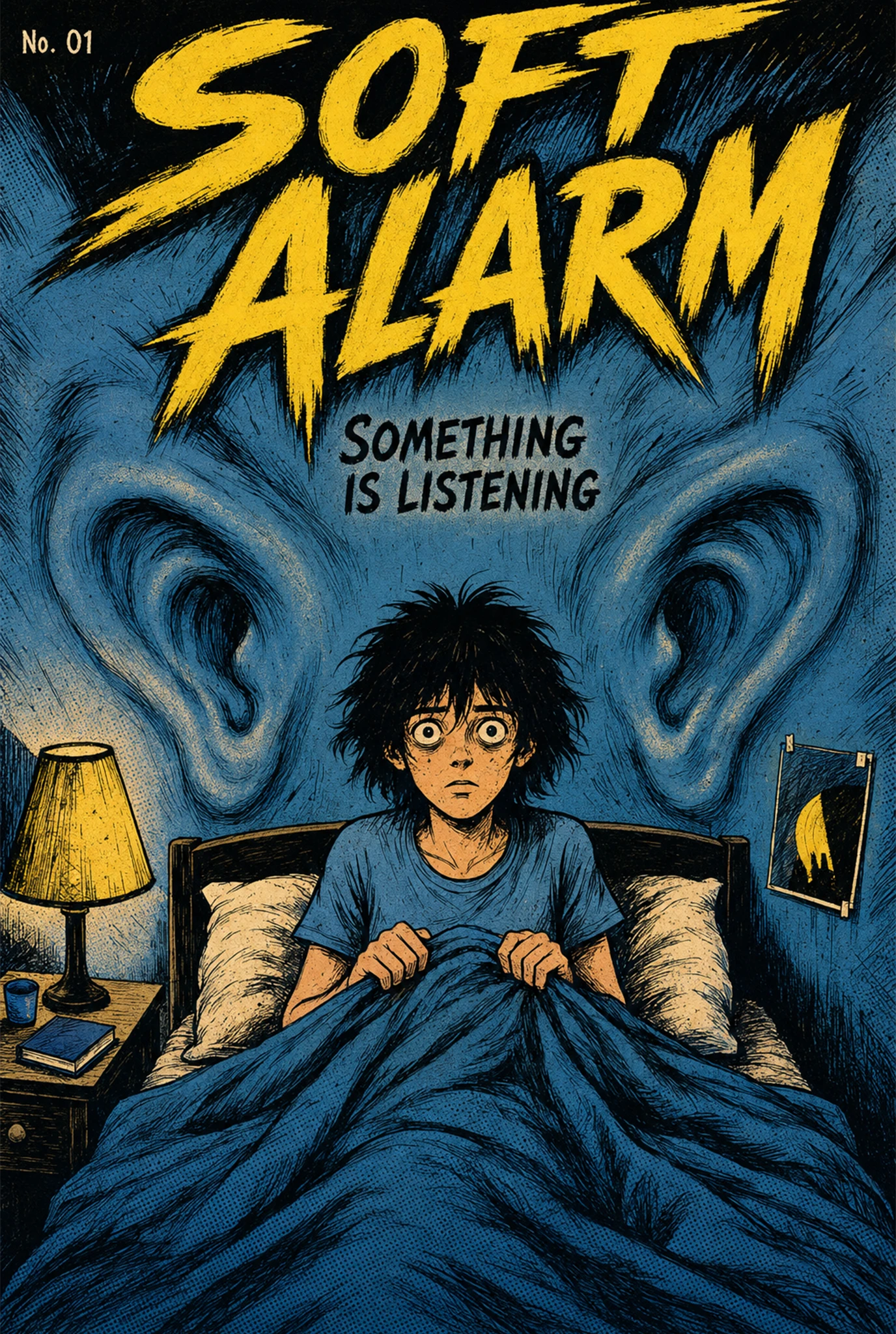
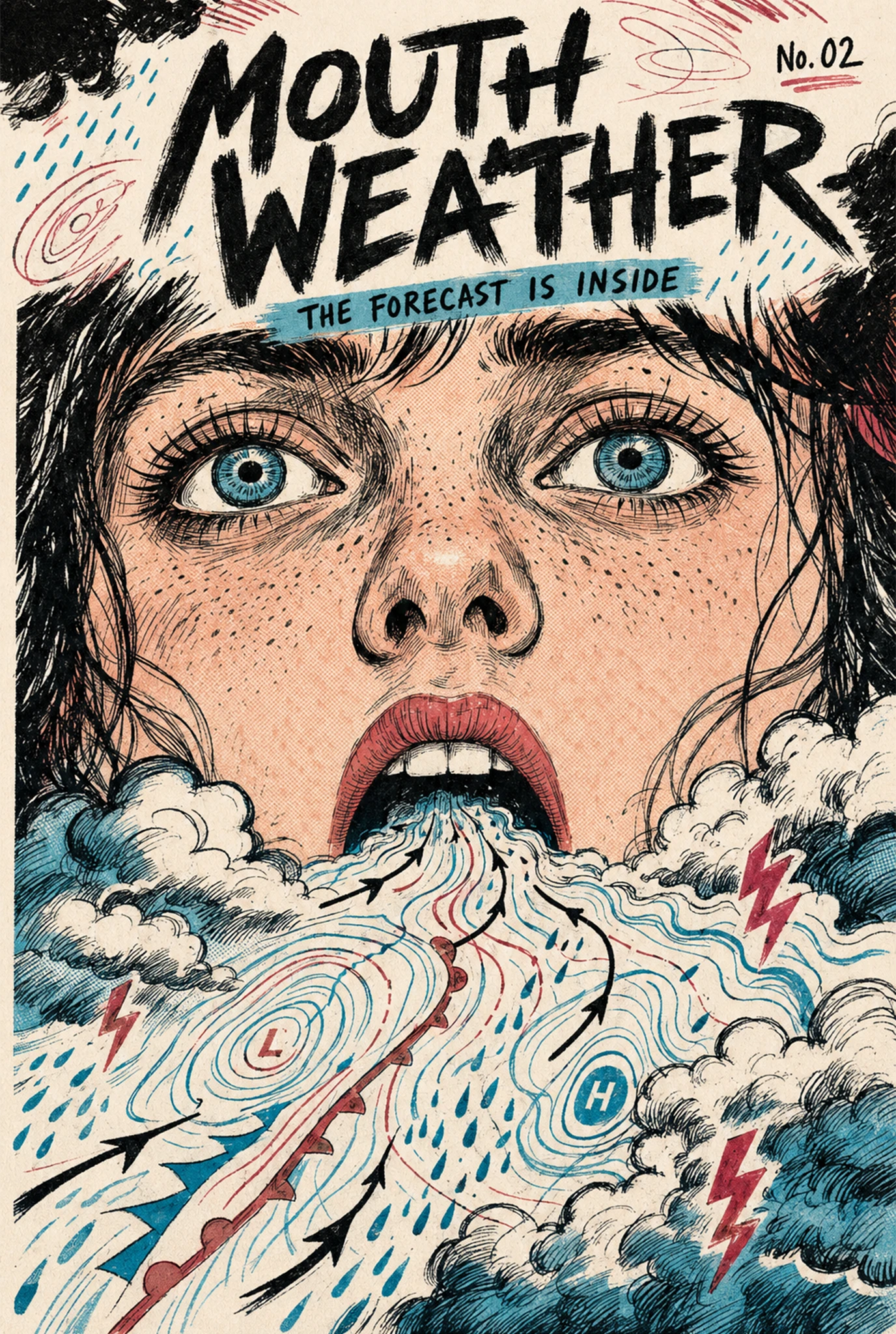
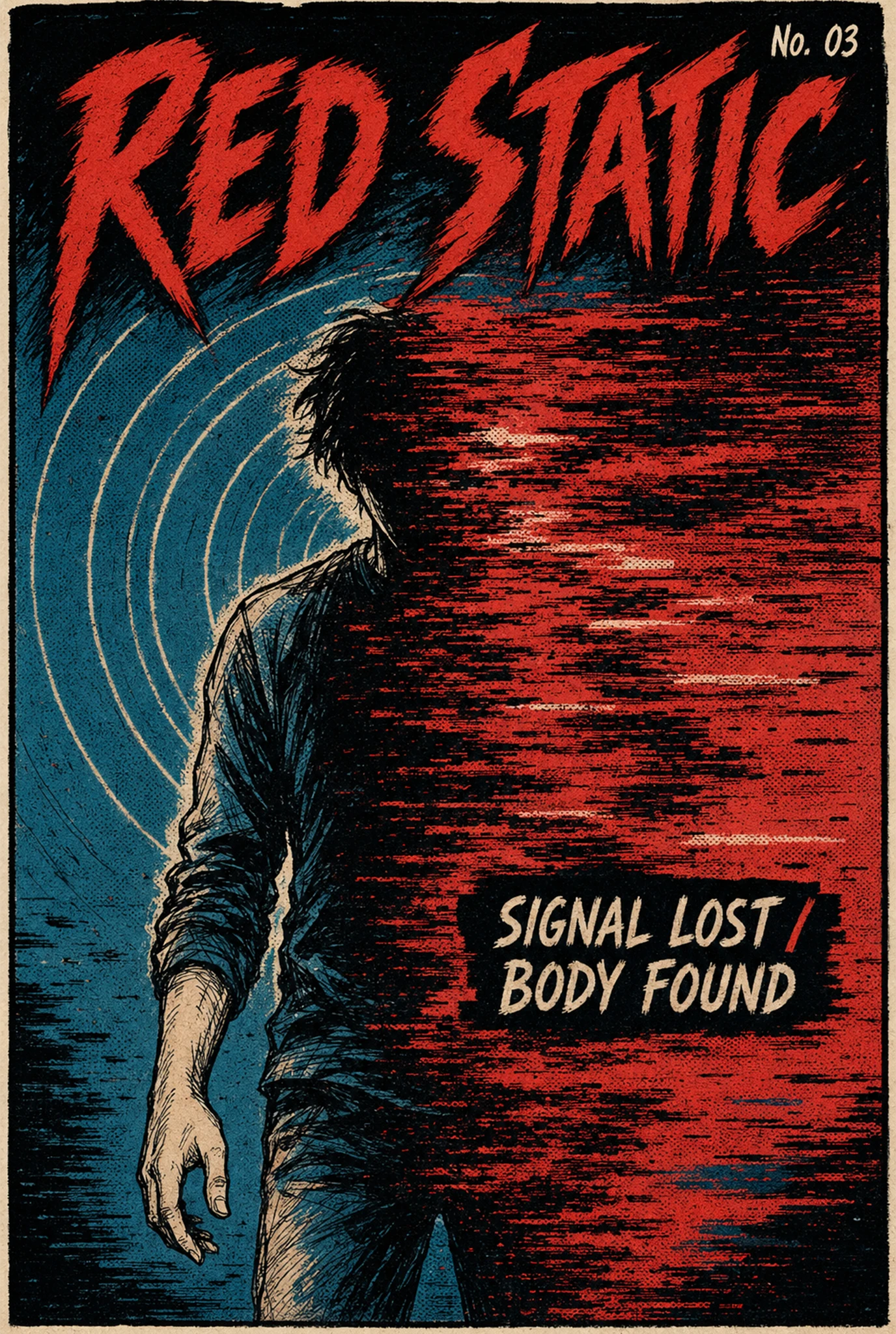
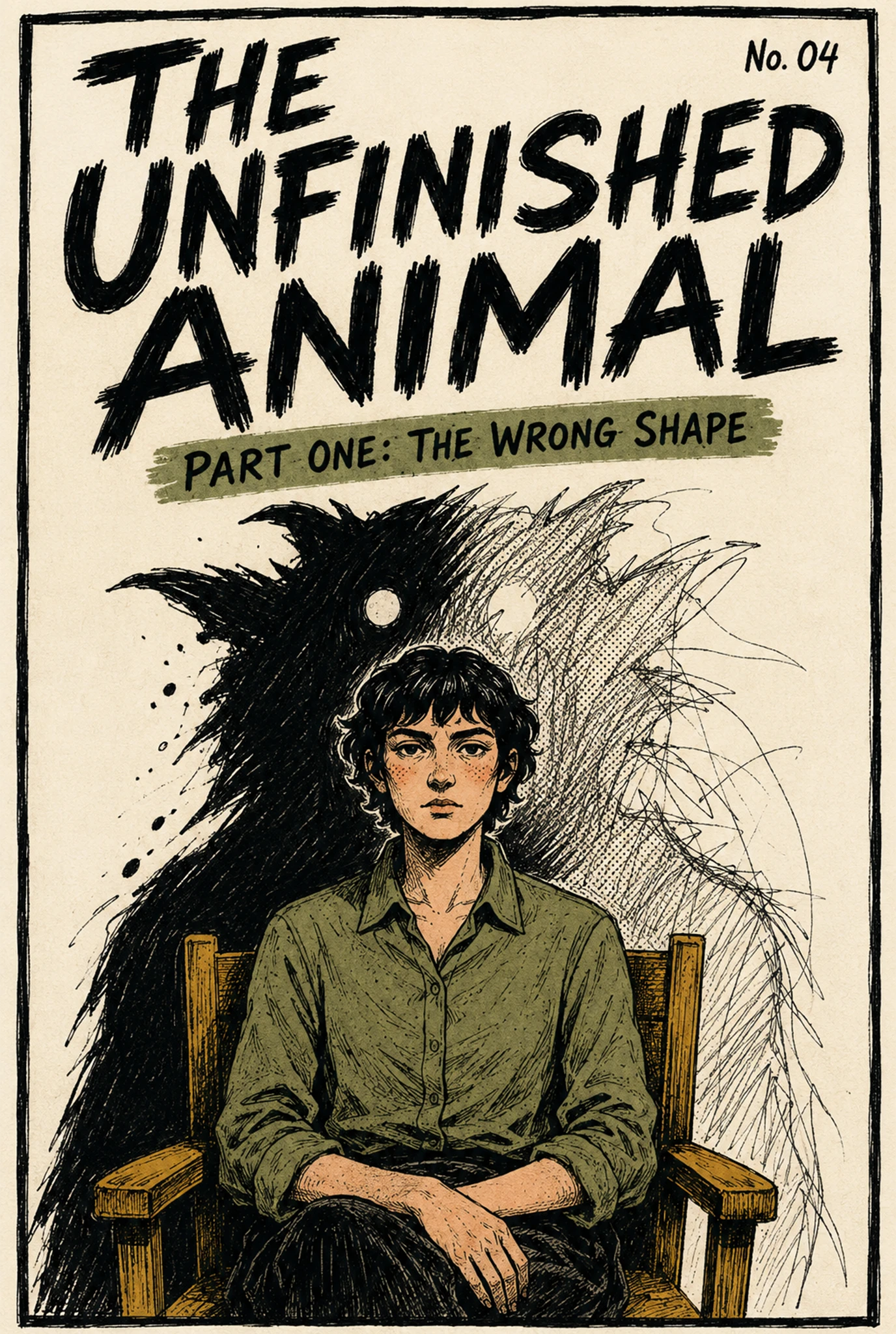
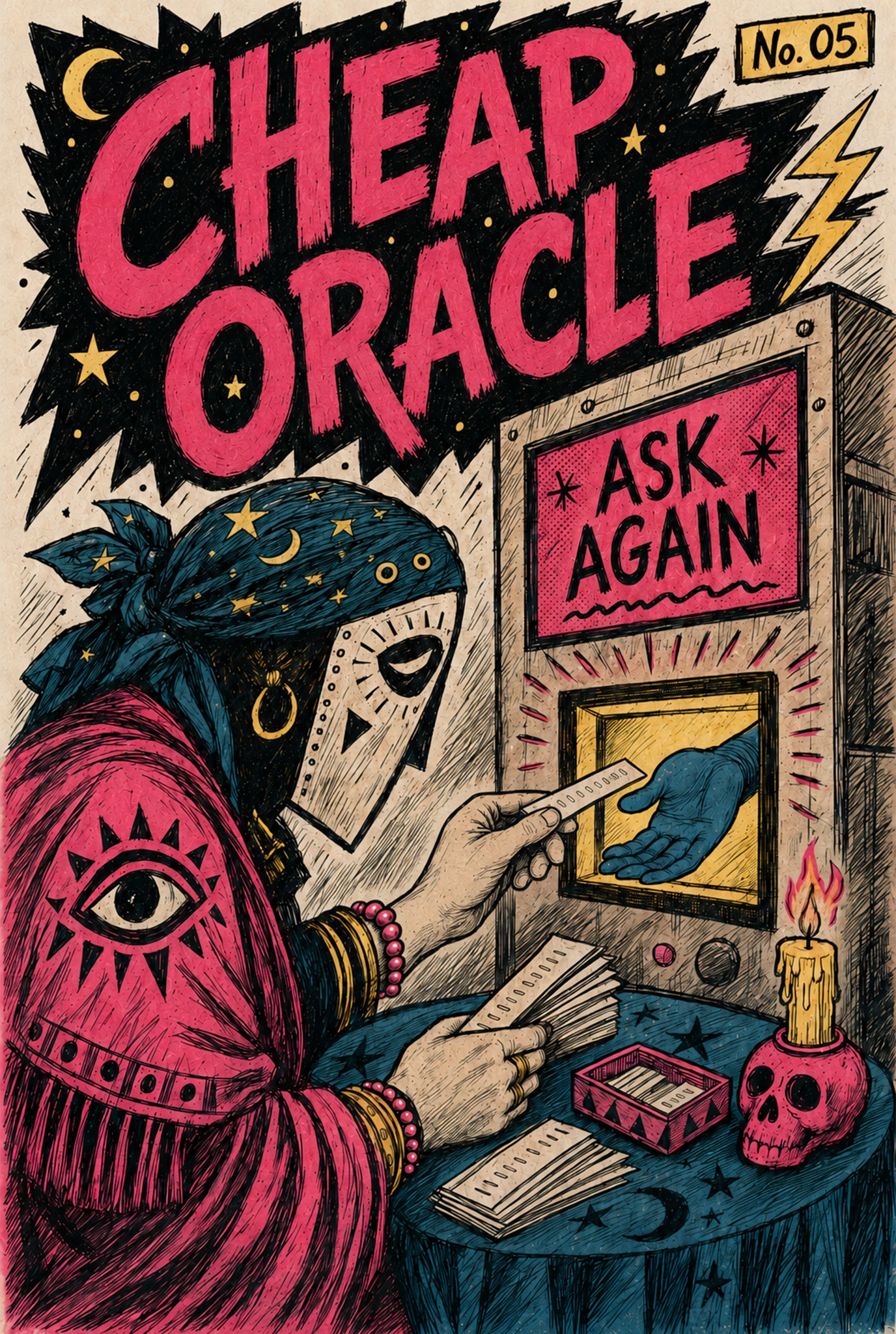
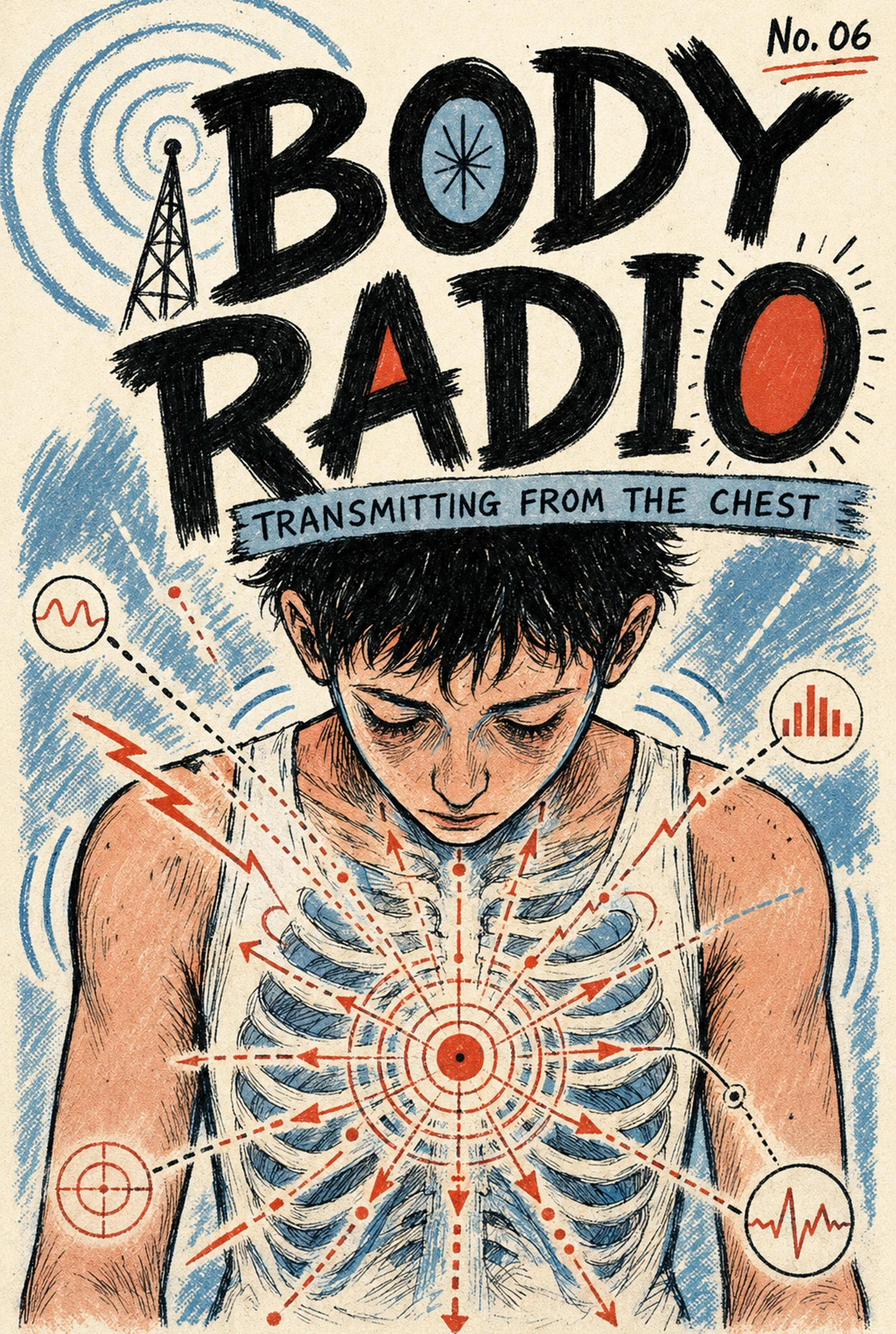
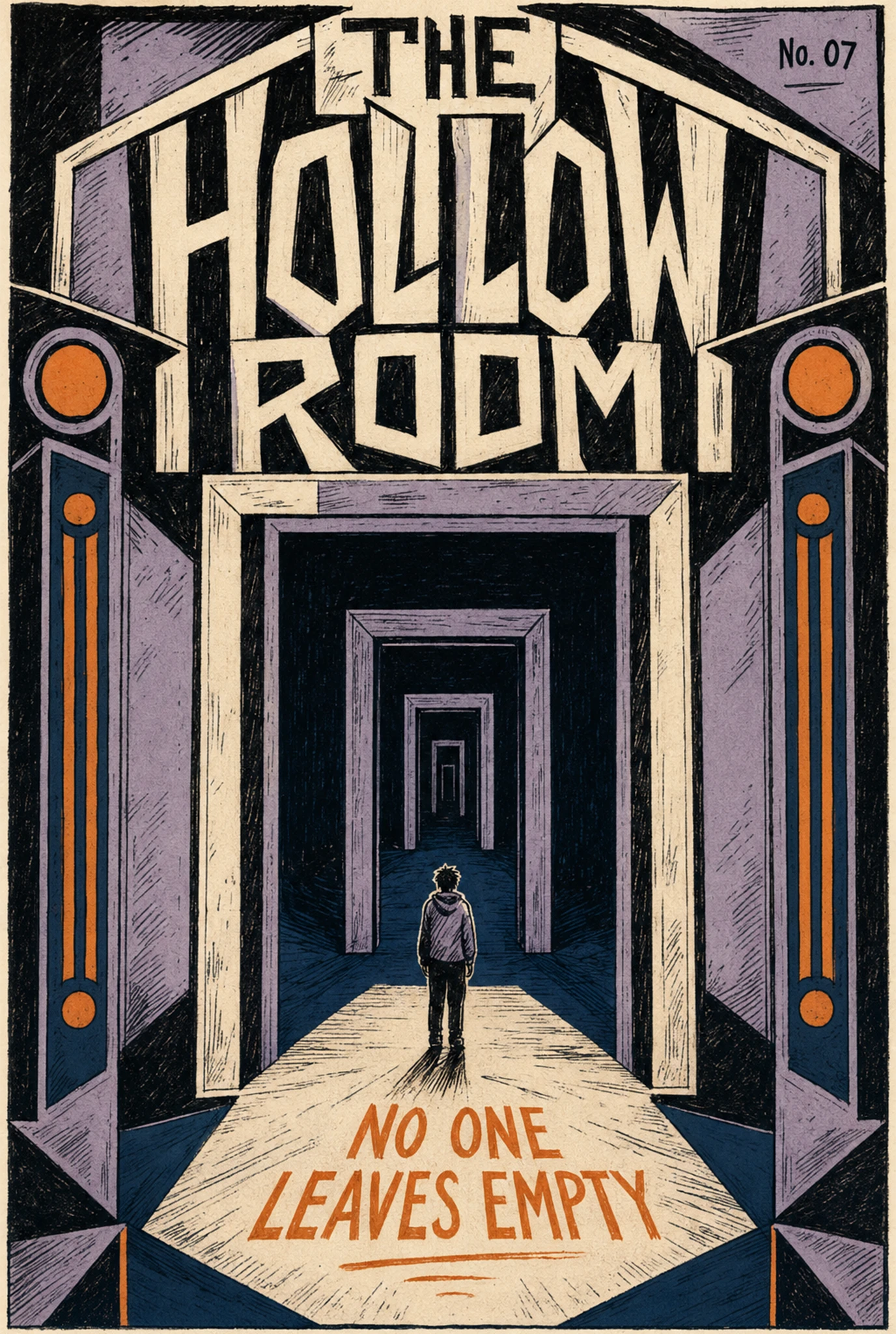
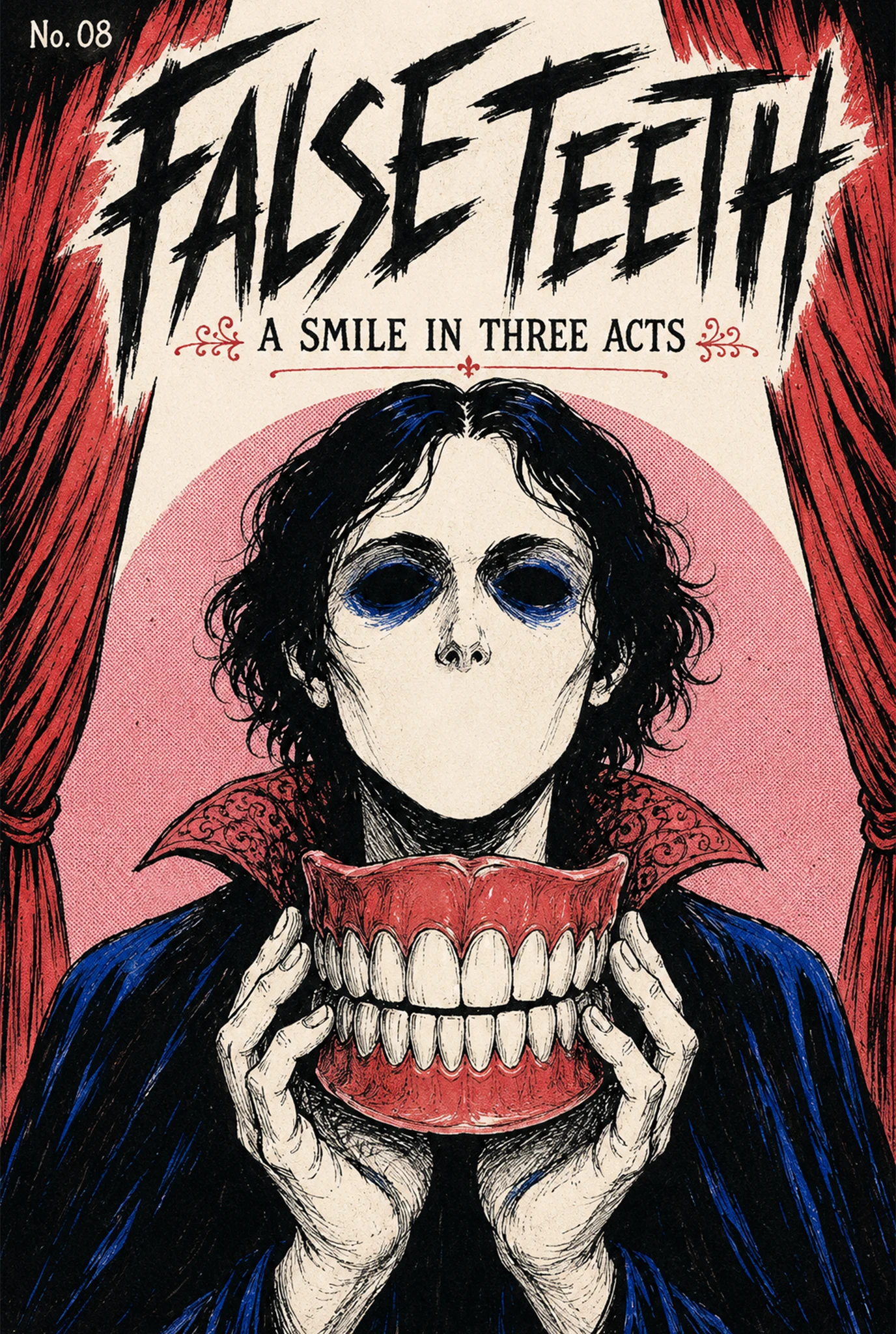
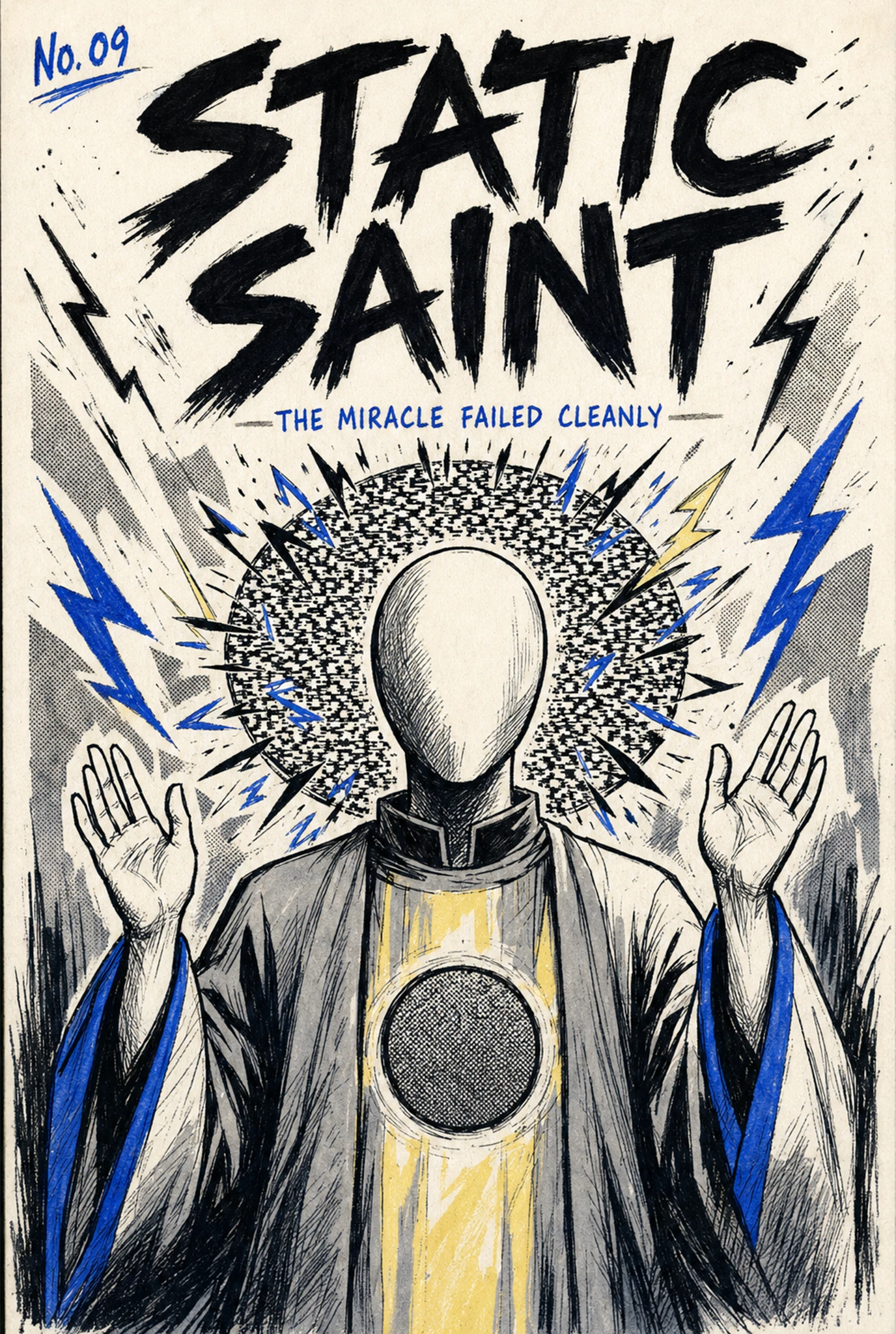
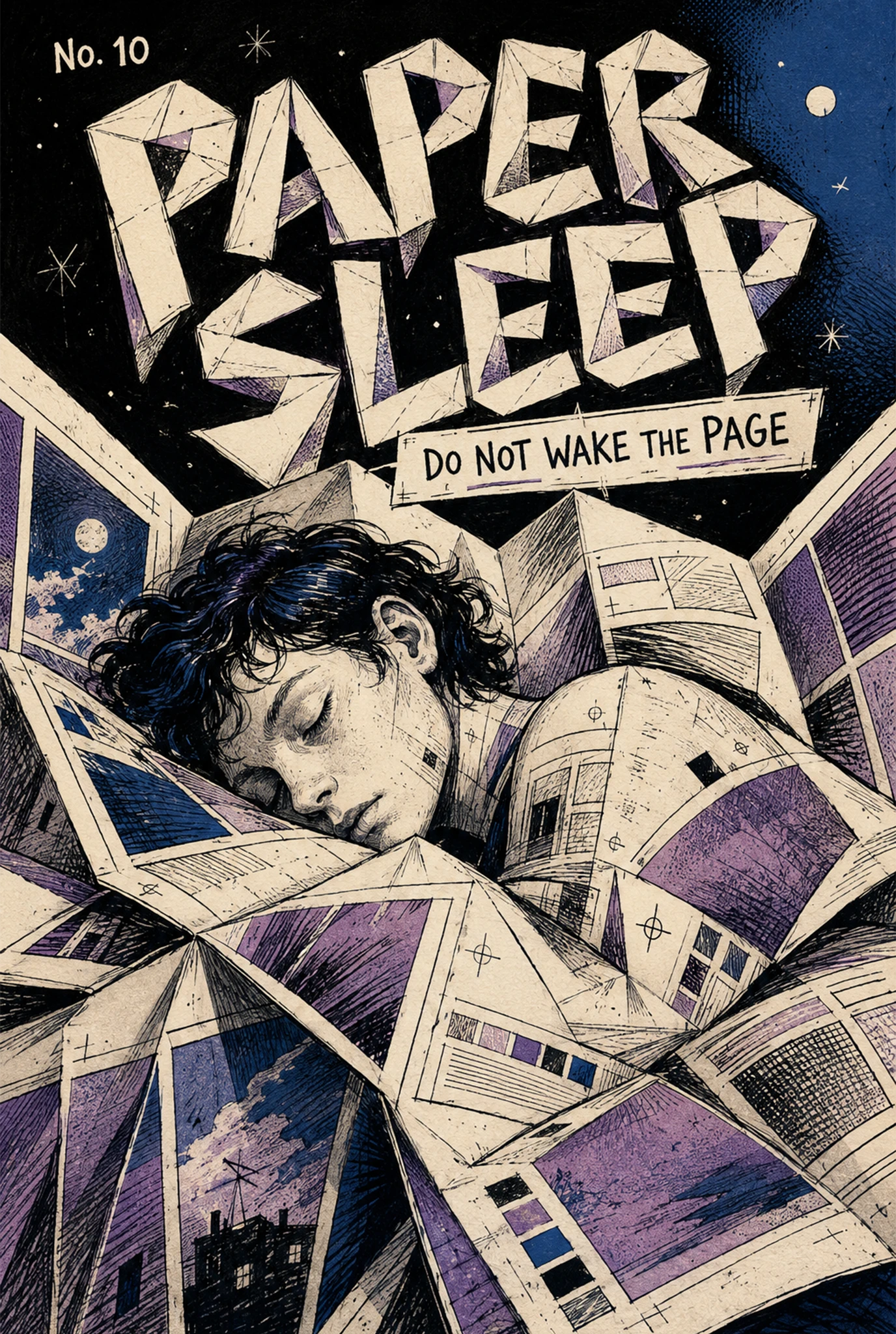
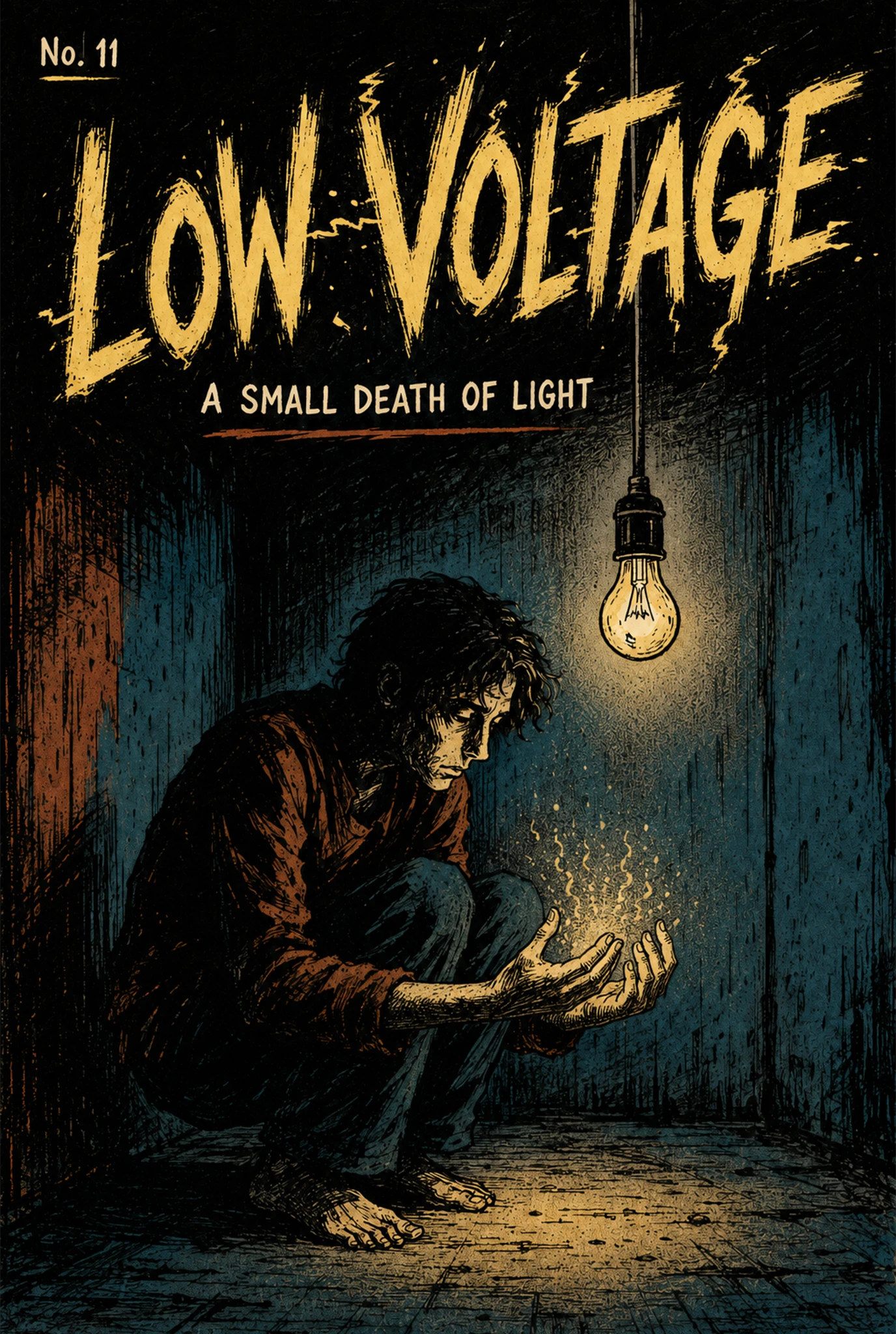
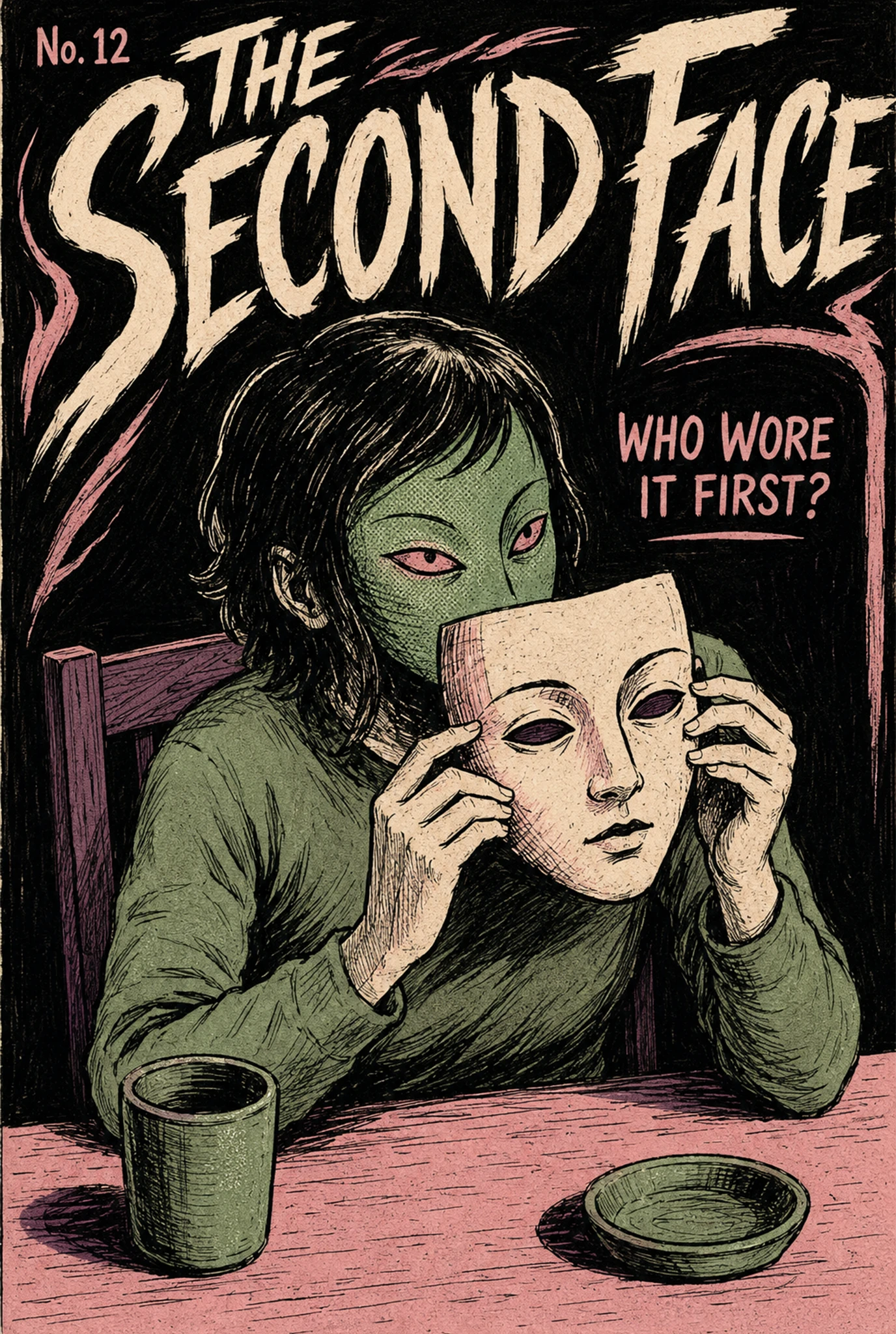
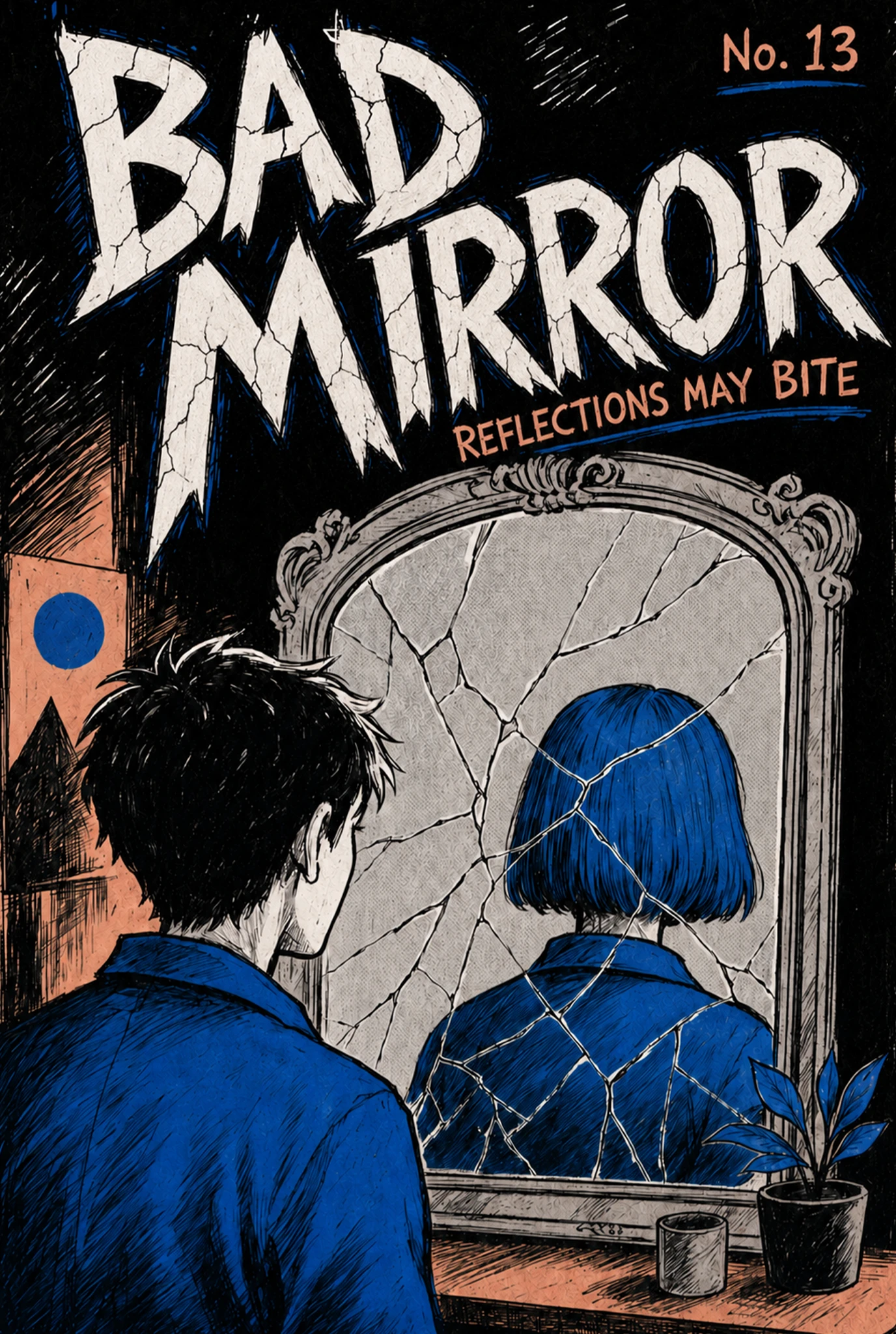
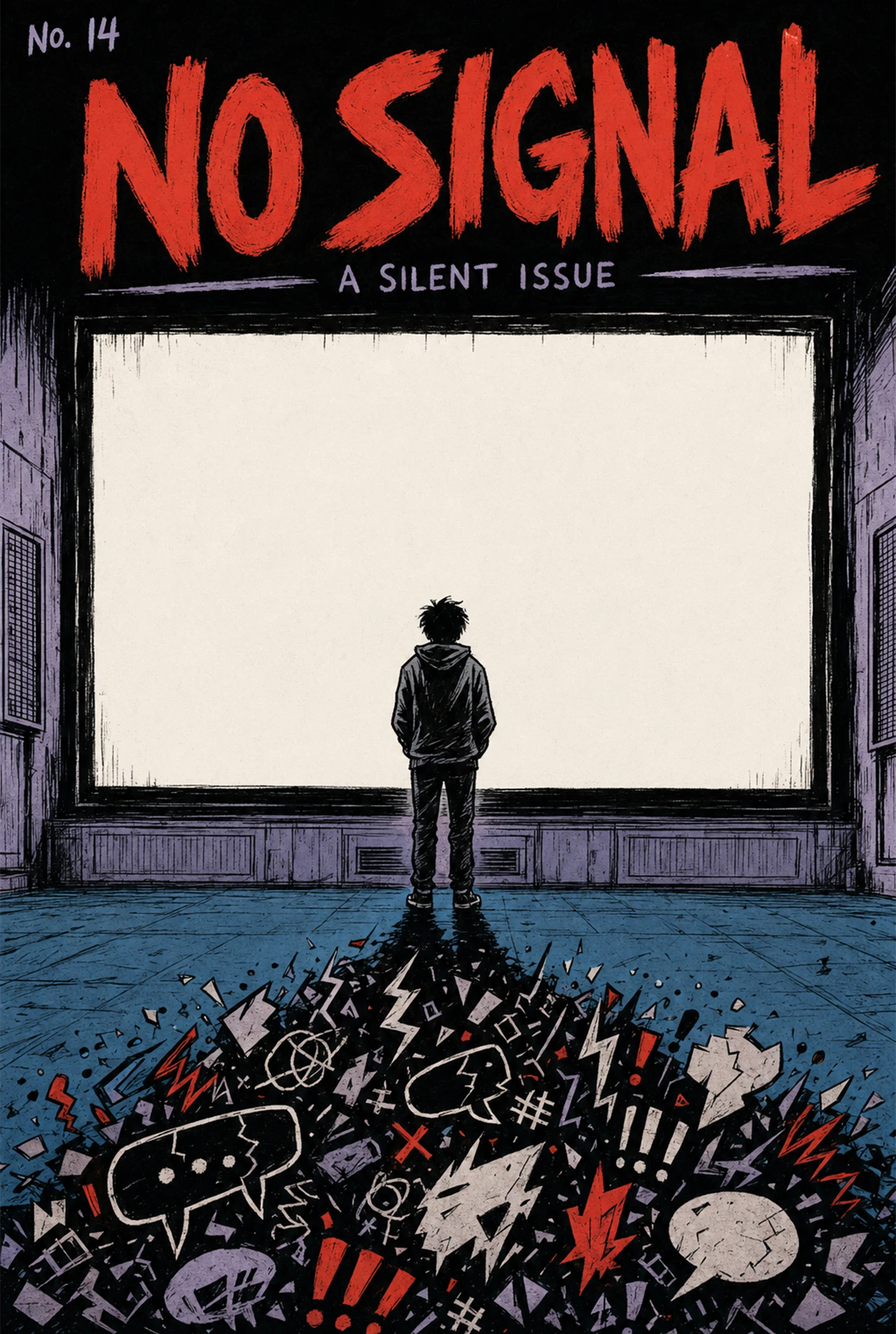
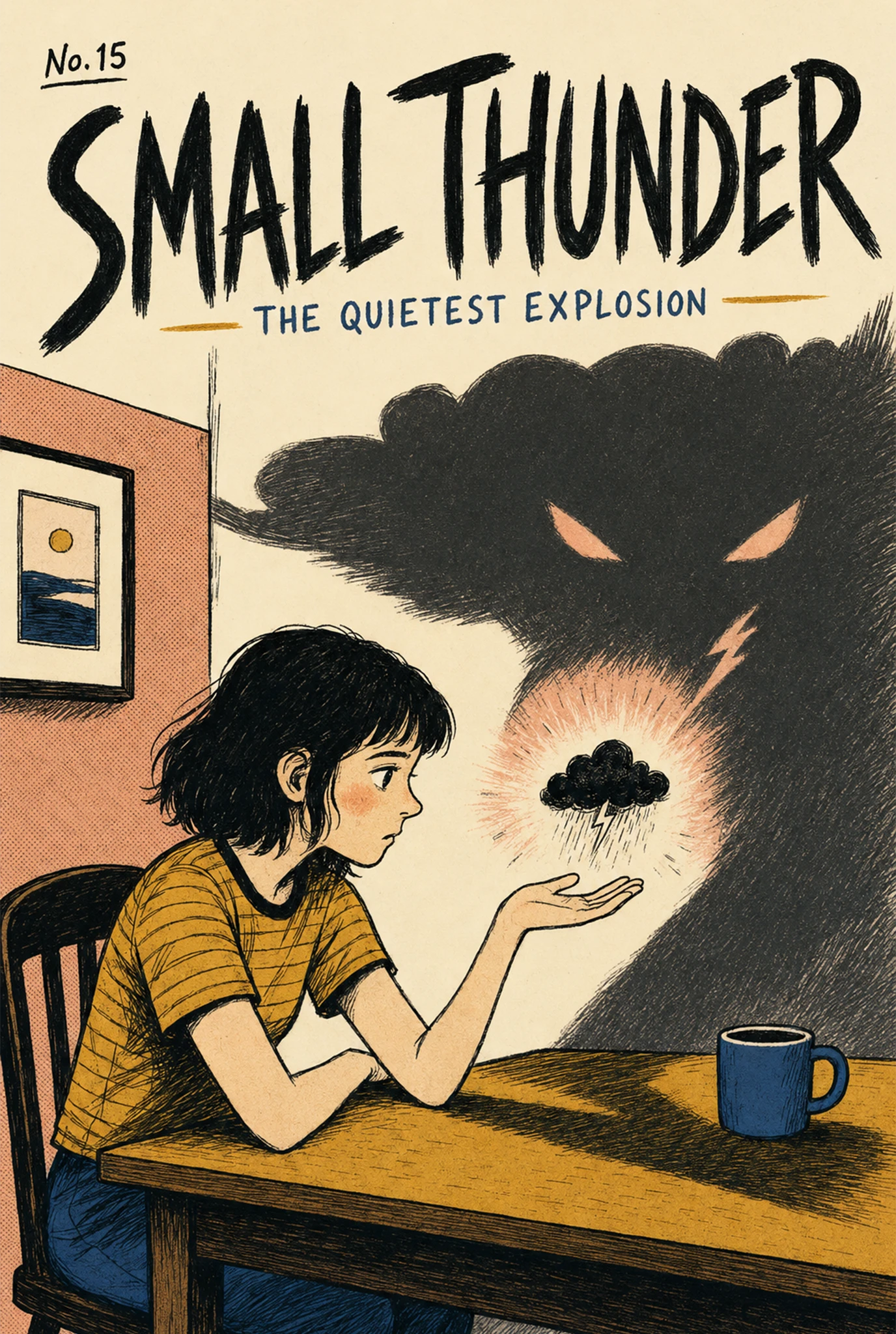
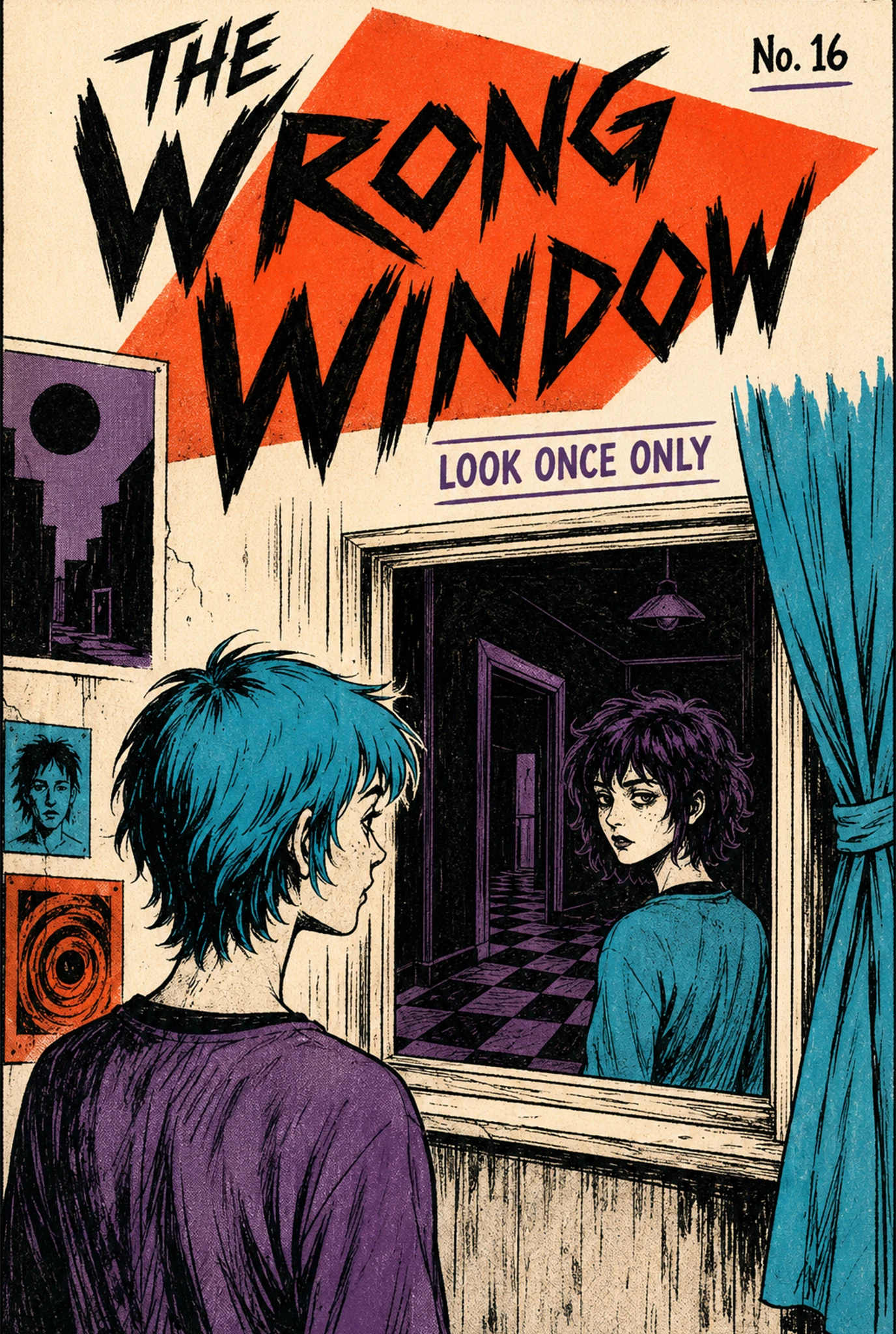
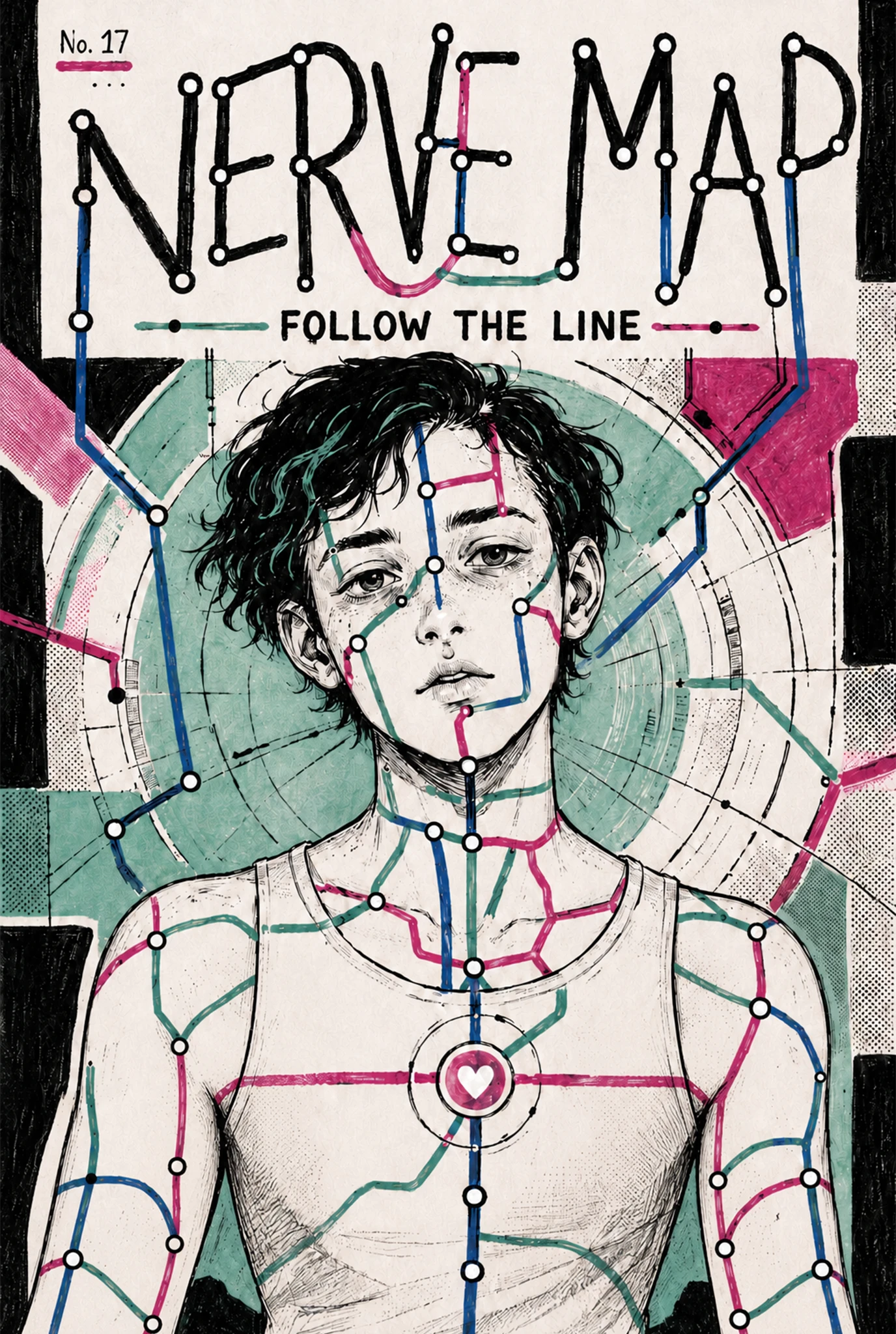
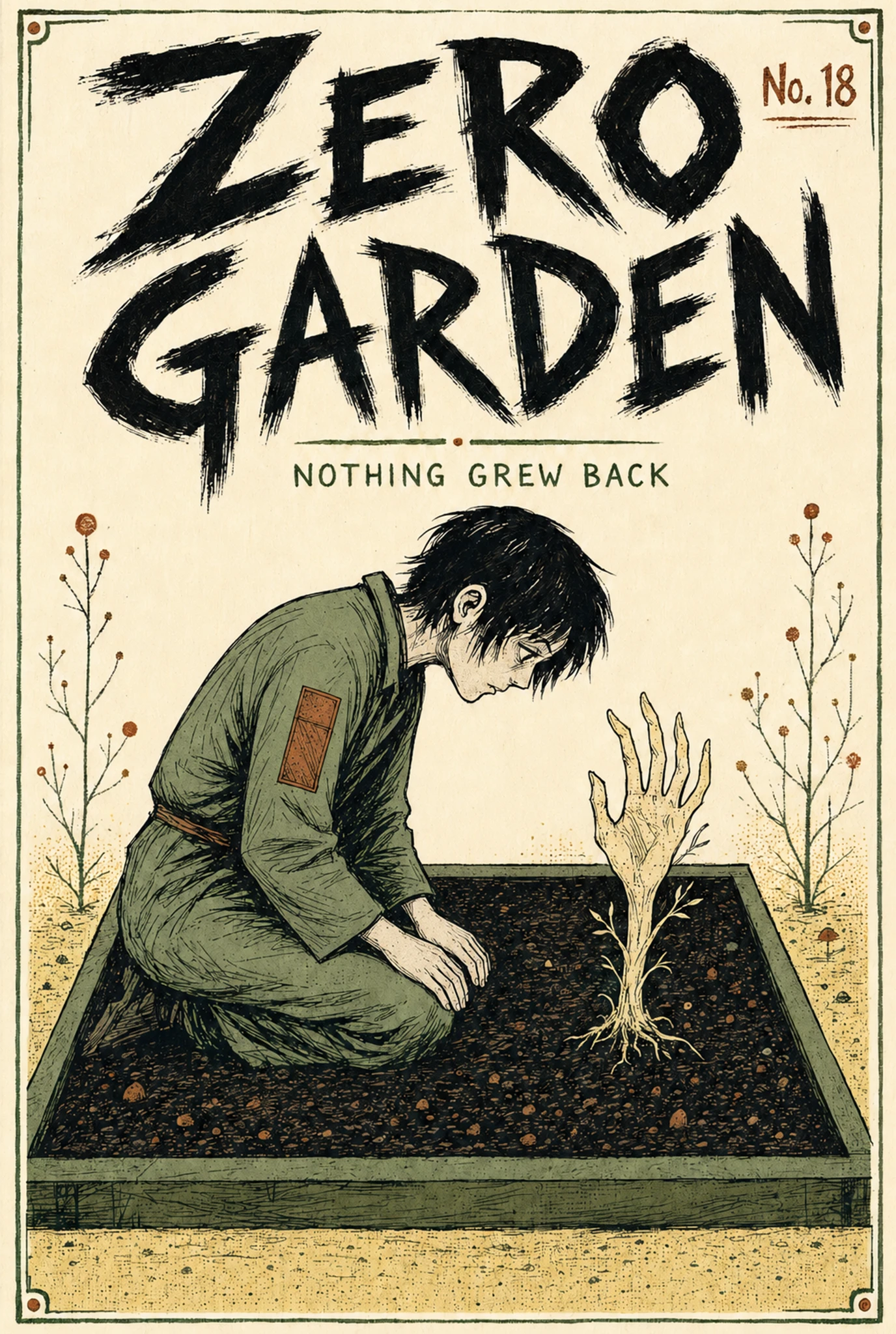
This project imagines a collection of fictional comics that never got printed. Comics first exploded into mainstream popularity in the 1930s and 1940s, a period known as the Golden Age of Comic Books. The introduction of Superman in 1938 transformed comics into a cultural juggernaut, with the superhero archetype creating a massive boom. Comic covers serve as the primary marketing tool, designed to grab a reader's attention on the shelf. Here, each image offers only the front cover: a title, an issue number, a short line of text and a single charged illustration. There are no pages to turn, no plot to confirm, no story beyond the one implied by the cover. The project is interested in the moment a comic announces itself through colour, lettering, composition and style. A cover does not need to explain everything. It only needs to make the viewer believe there is something waiting behind it.
Comic front covers have always carried this peculiar burden. From early newspaper strips and pulp adventure magazines to superhero comics and contemporary graphic novels, the cover has acted as advertisement, invitation and compressed narrative. It must be legible at a glance, but memorable enough to linger. A face, a body, a monster, a room, a gesture, a fragment of text: all can become the seed of an imagined story. In Cover, the commercial furniture of comics has been stripped away. There are no barcodes, prices, publisher logos or dates. What remains is the graphic spell of the form itself: hand-lettered titles, limited colour, dramatic ink, and images that suggest rather than explain.
The synthographs were made with ChatGPT 5.5, using prompts to simulate hand-drawn comic illustration and analogue print. The process is fast, but not automatic. Each image had to be invented, directed, assessed and often corrected, especially where text and composition mattered. AI offers illustrators and image-makers a new way of working at speed, producing visual possibilities that can be tested, rejected, refined and developed in rapid succession. Here, that speed is used not to make something slick or futuristic, but to imagine a lost shelf of fictional comics: newly made covers for publications that never existed, but somehow feel as if they might. The covers are also deliberately unaffiliated with existing comics, publishers or characters. They borrow from the visual language of comic-book cover design, but every title, figure and imagined story is invented.
Gallery
"A book cover is a distillation. It is a haiku of the story." — Chip Kidd