Vitrum: flowers after the furnace
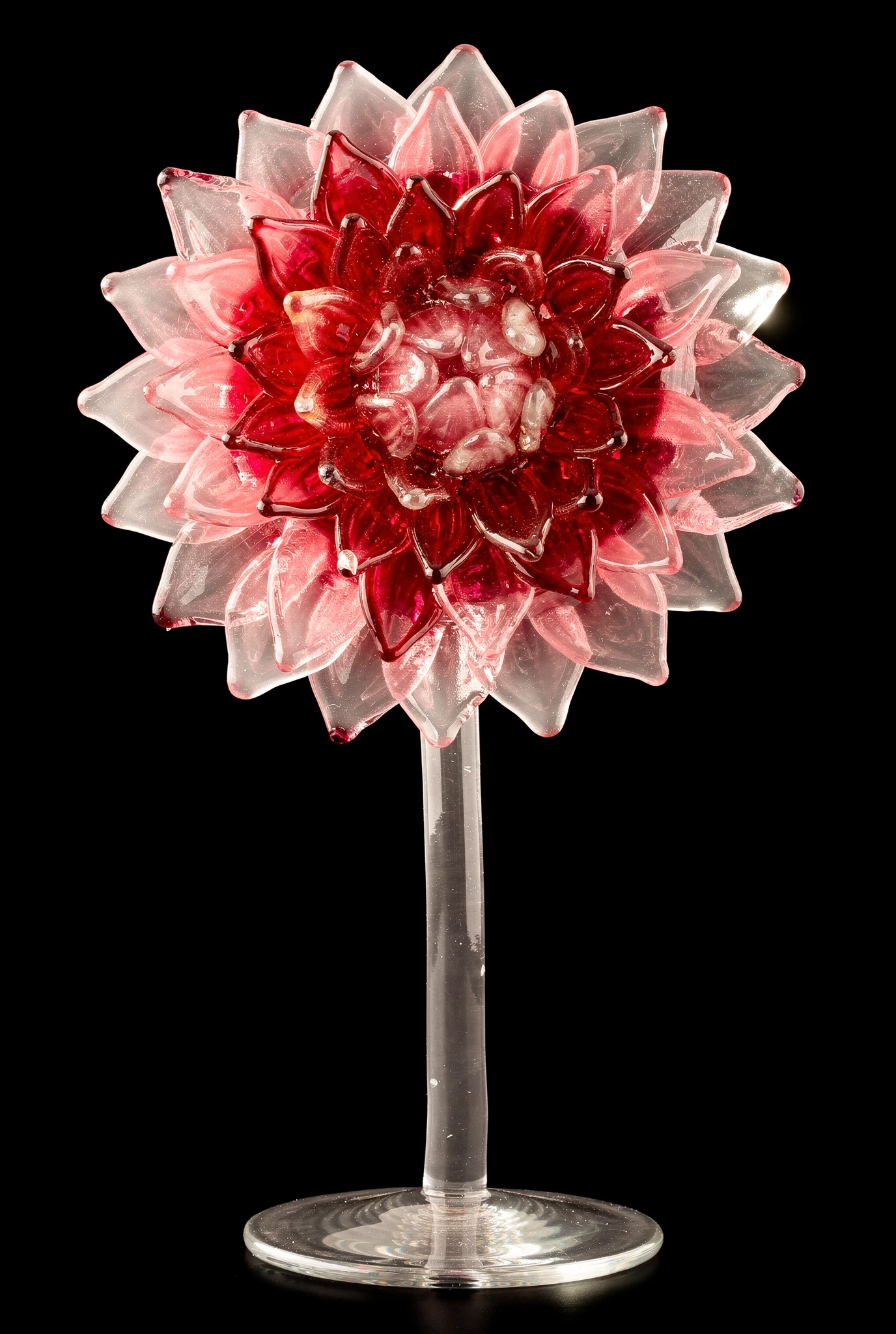
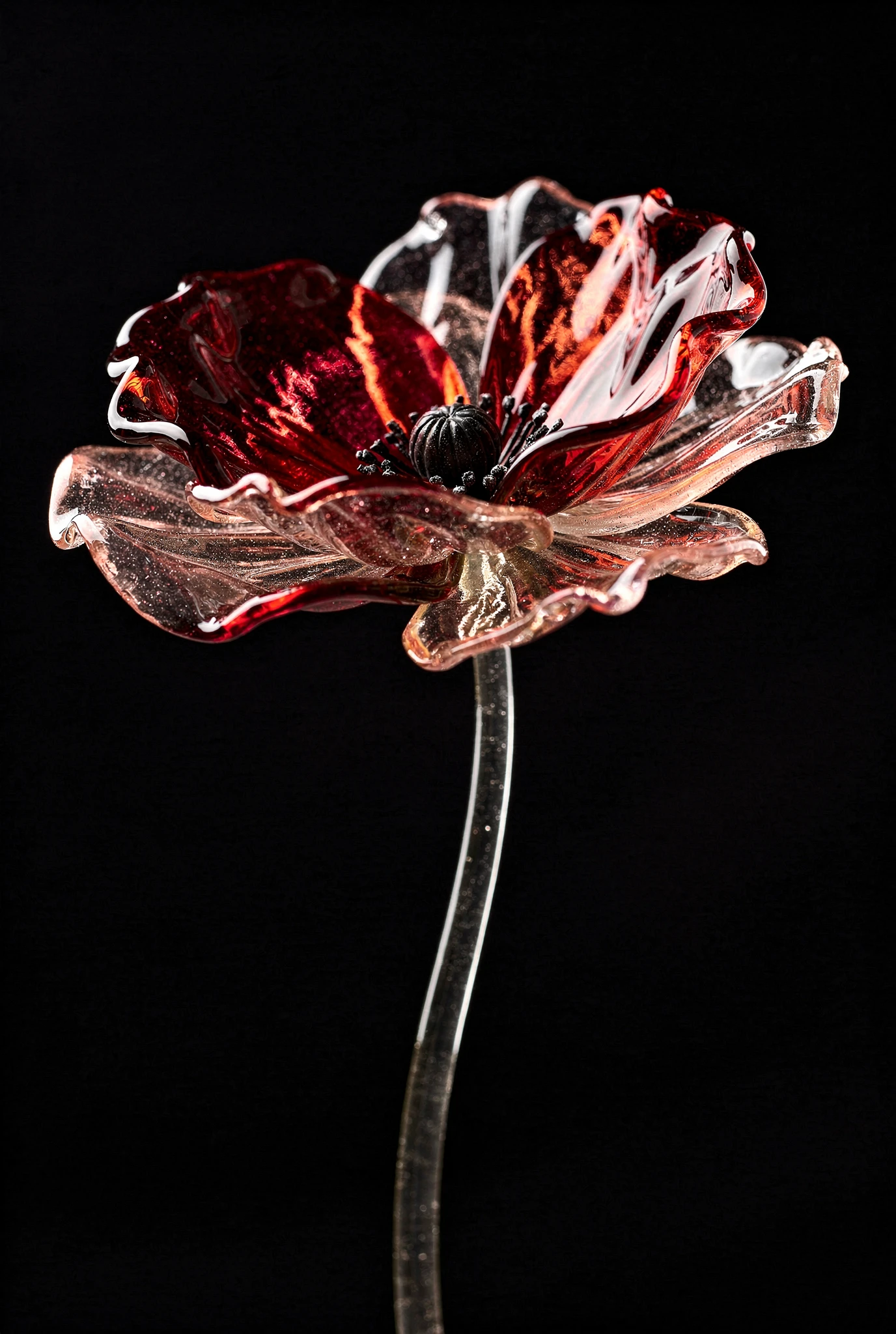
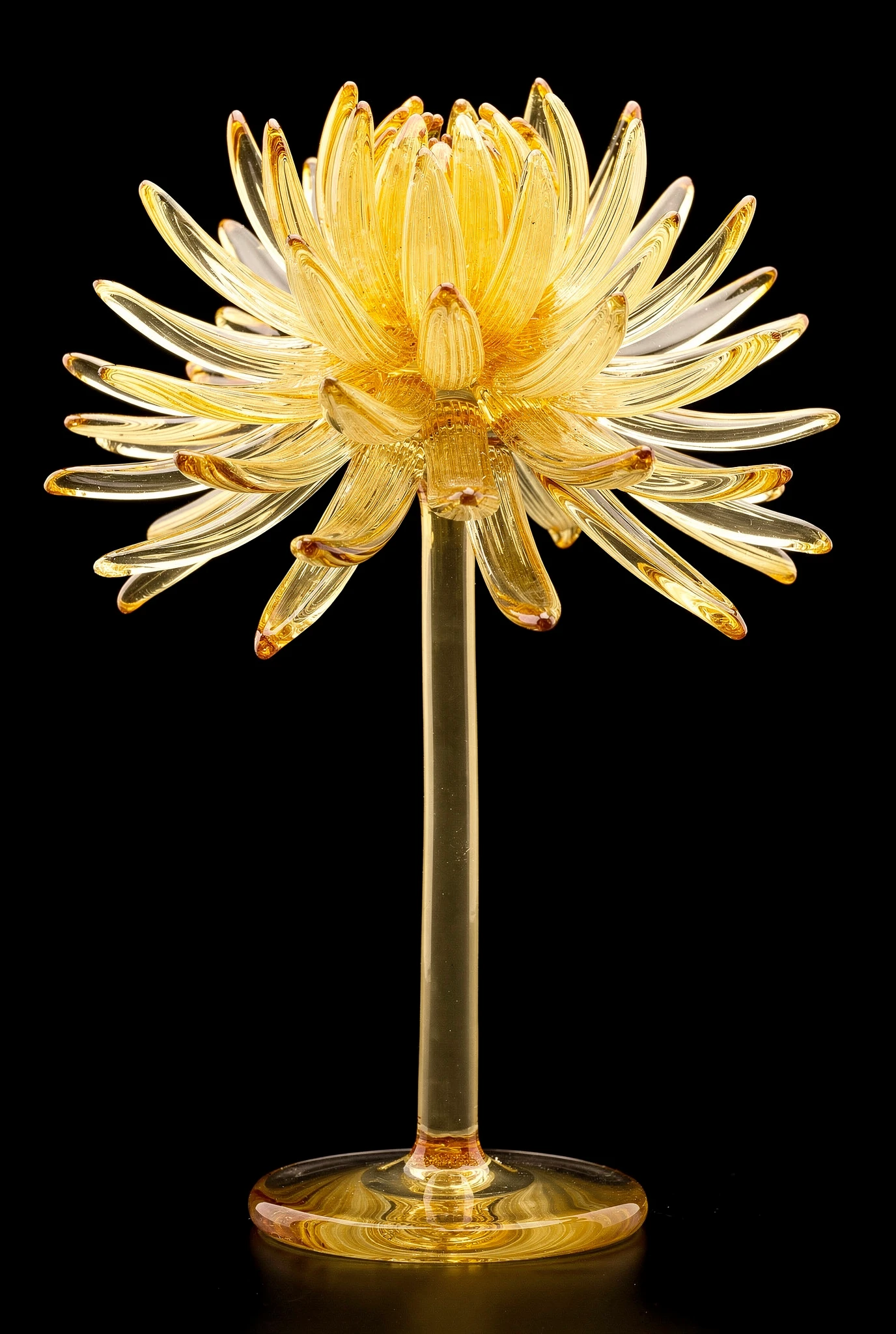
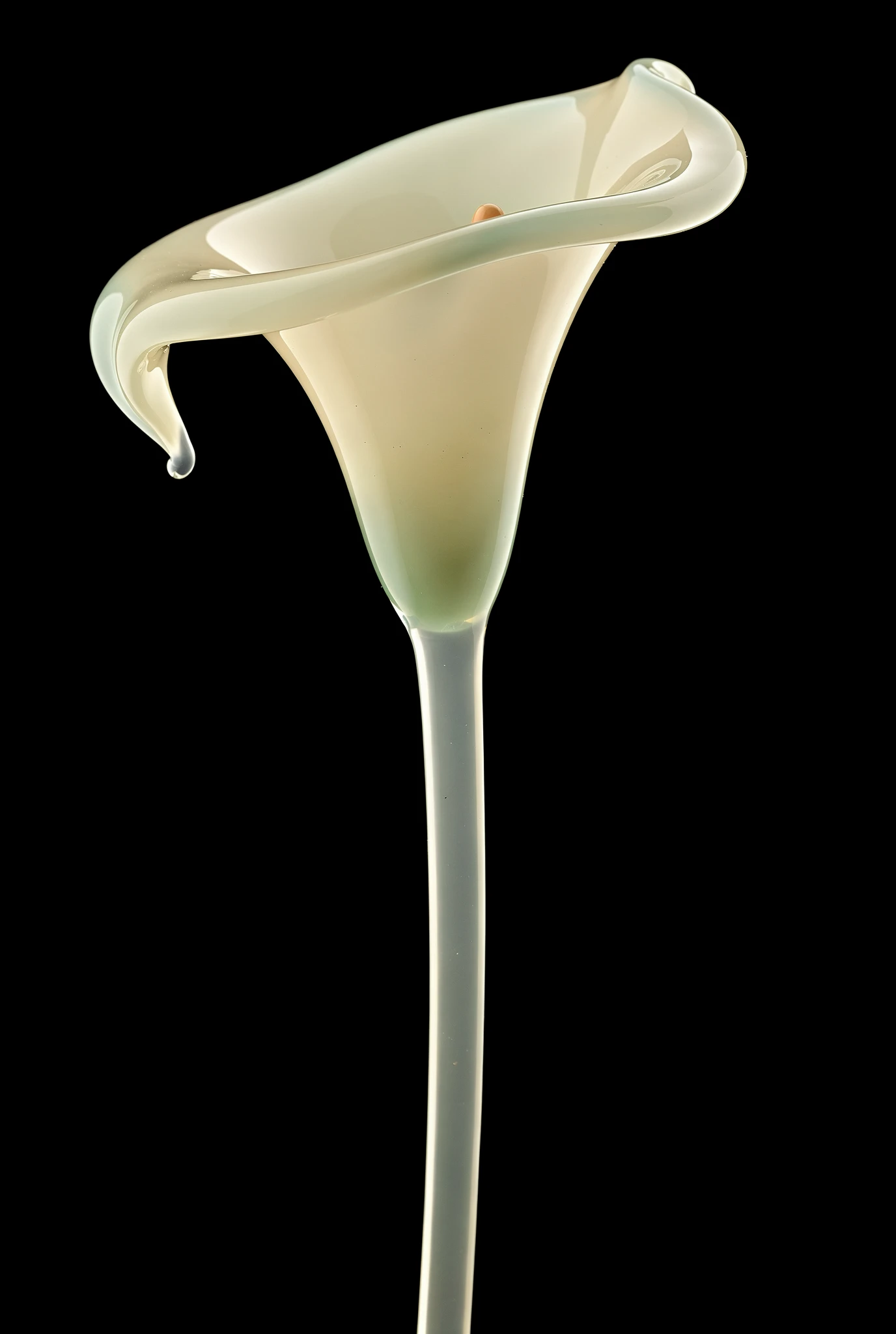
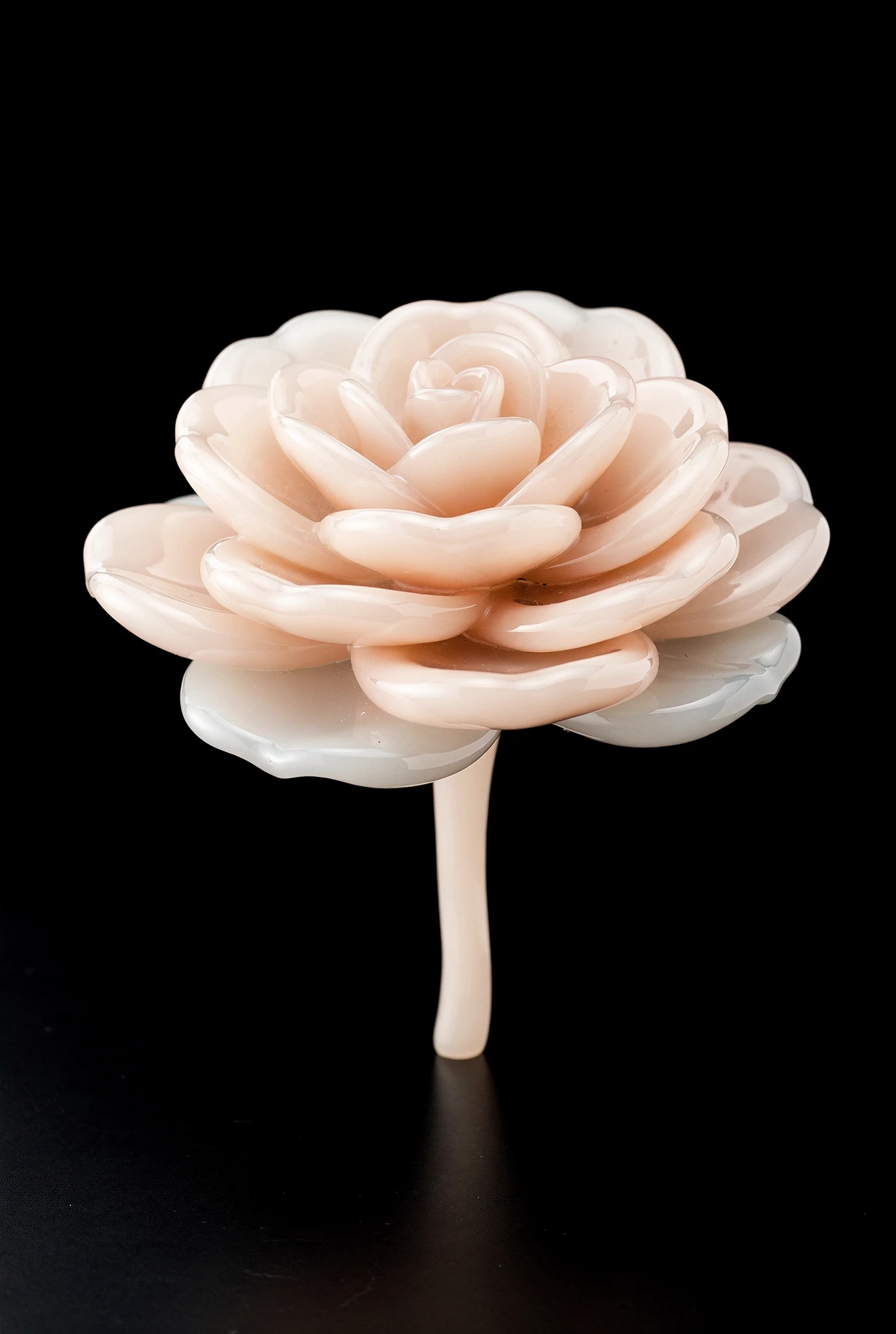
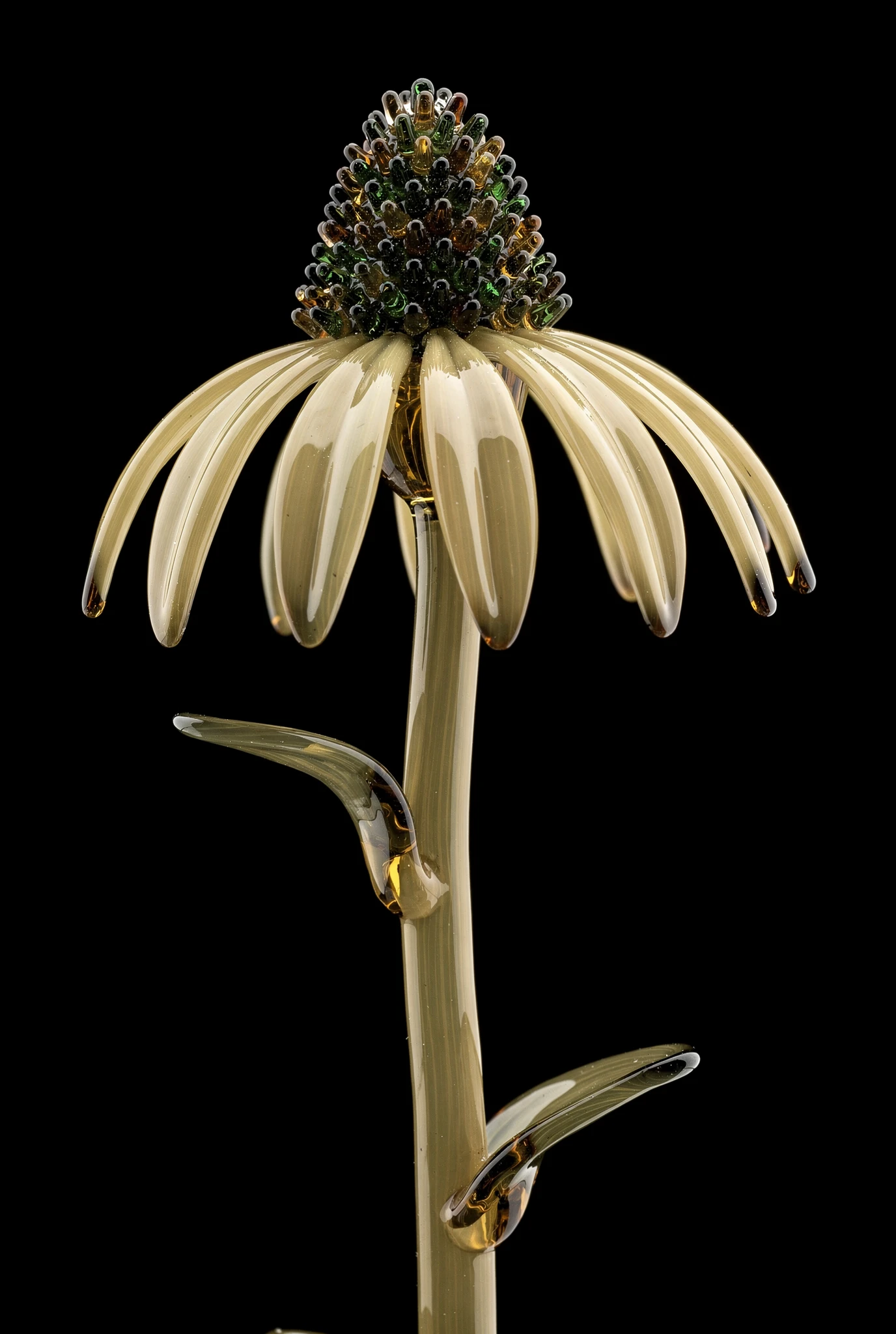
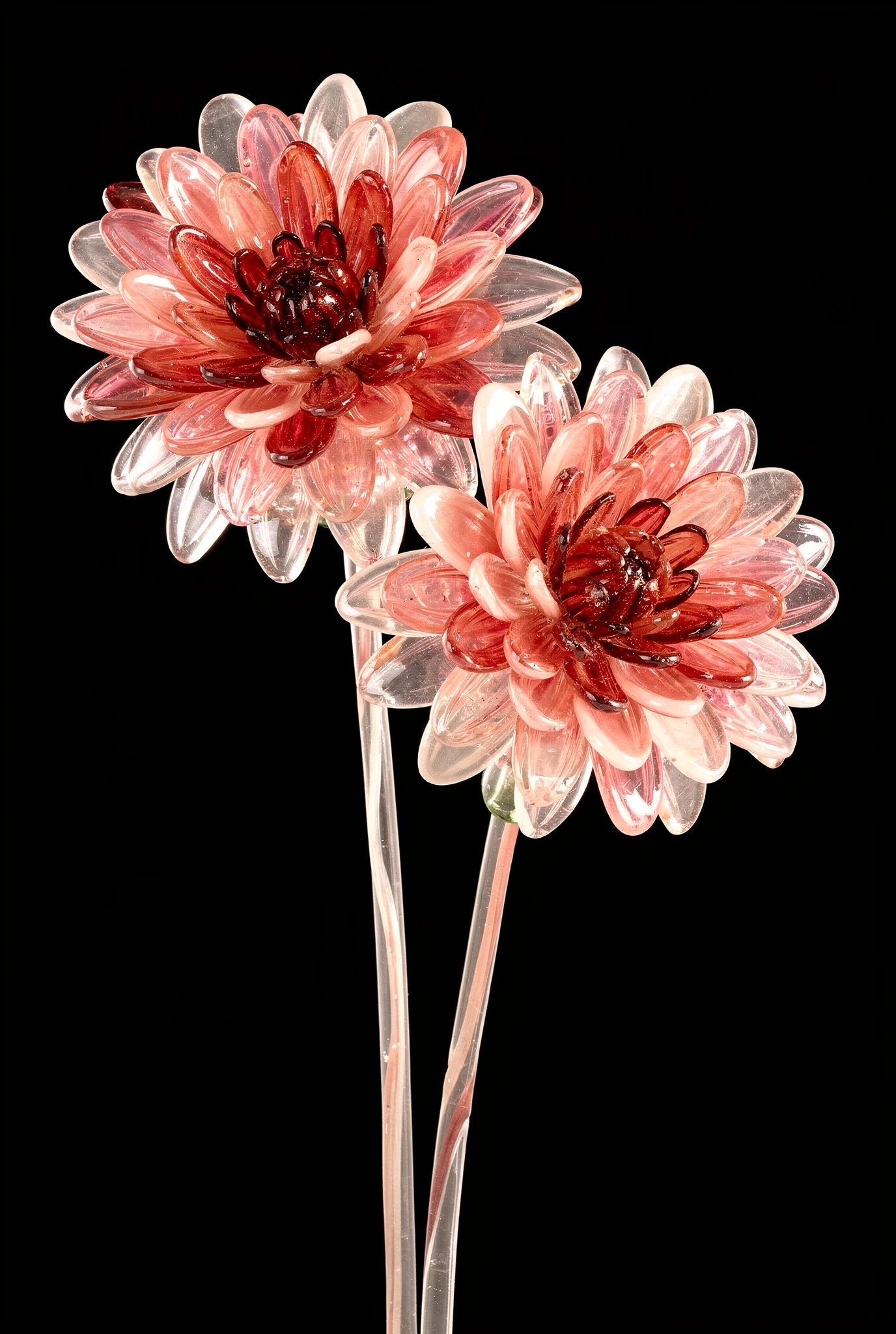
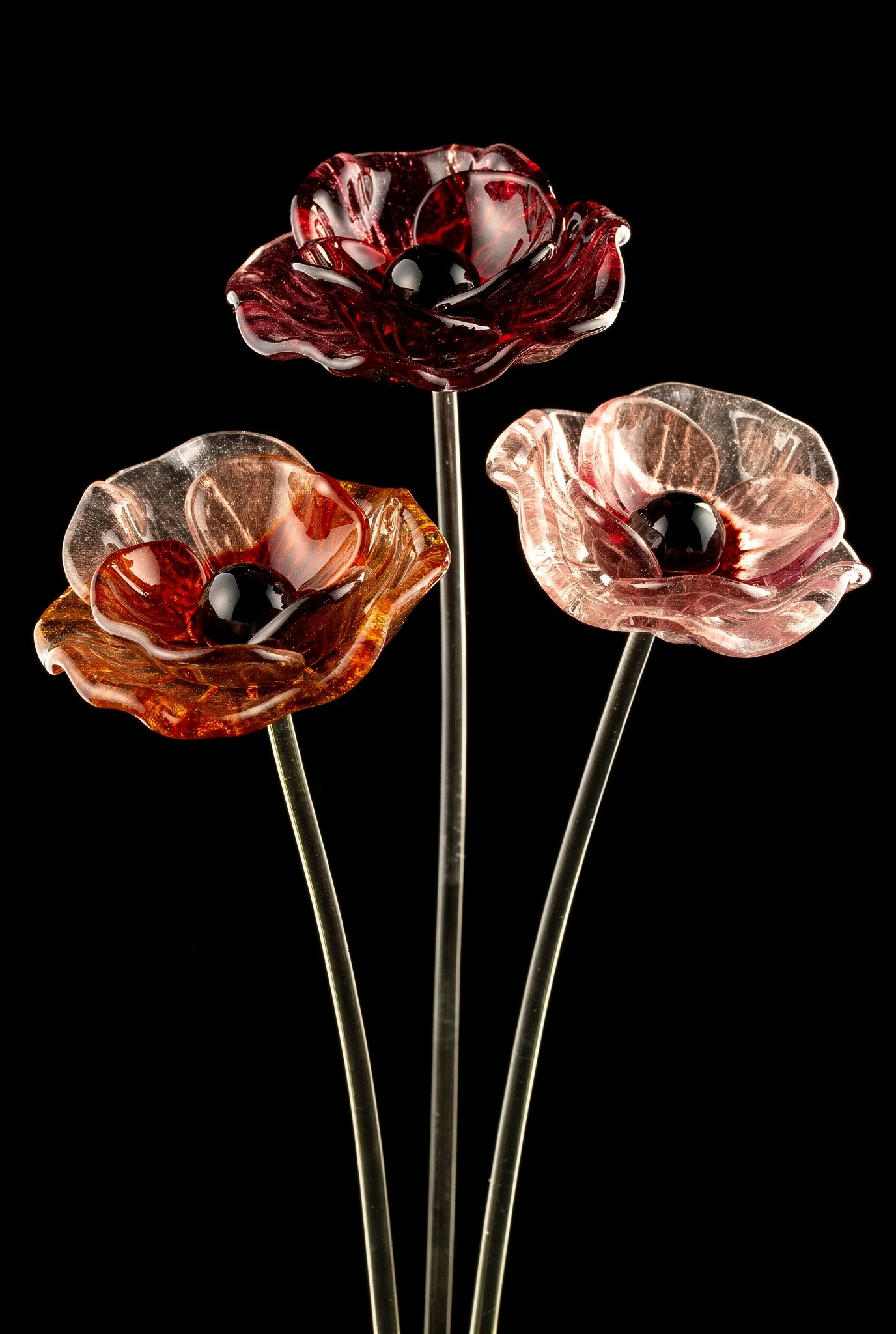
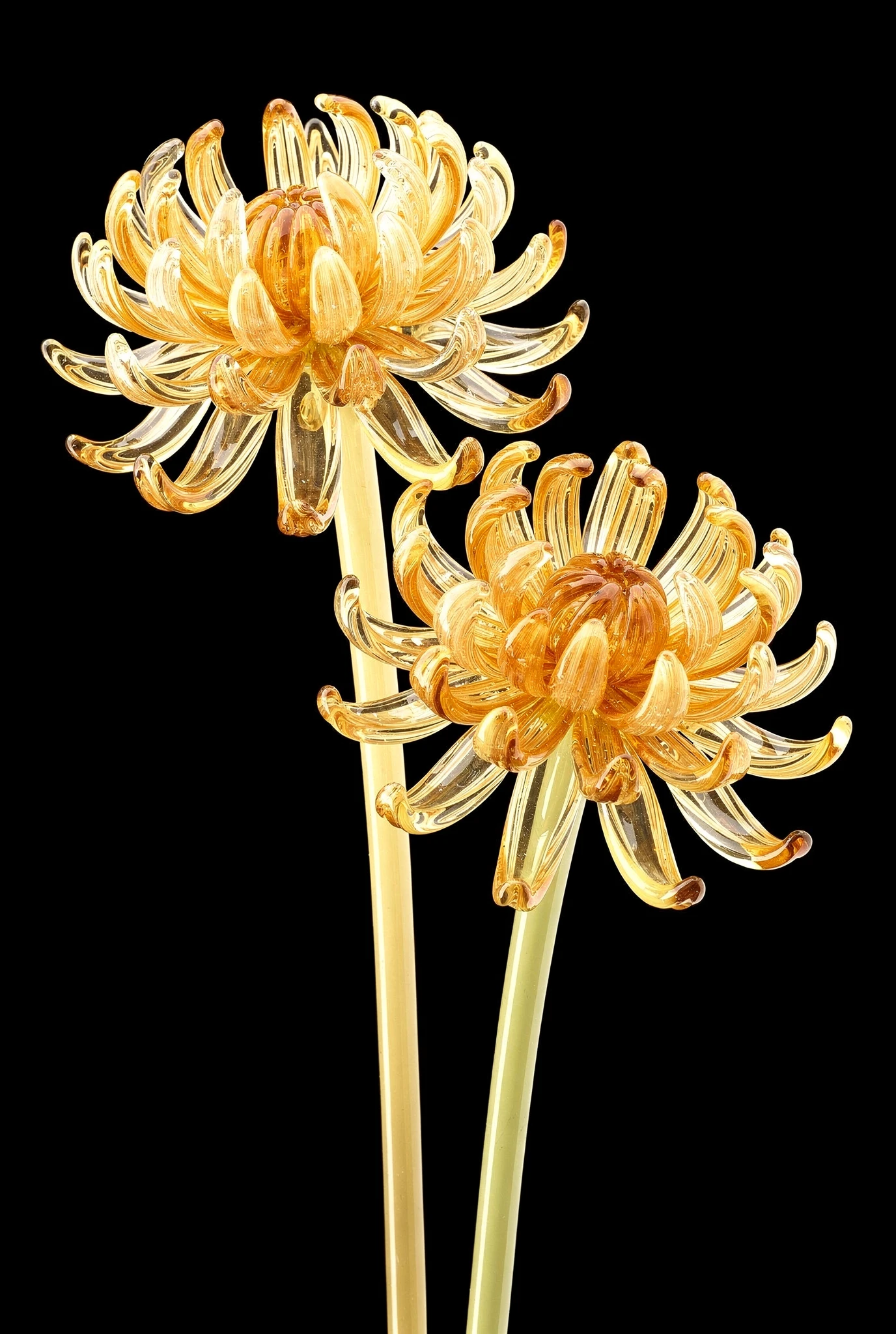
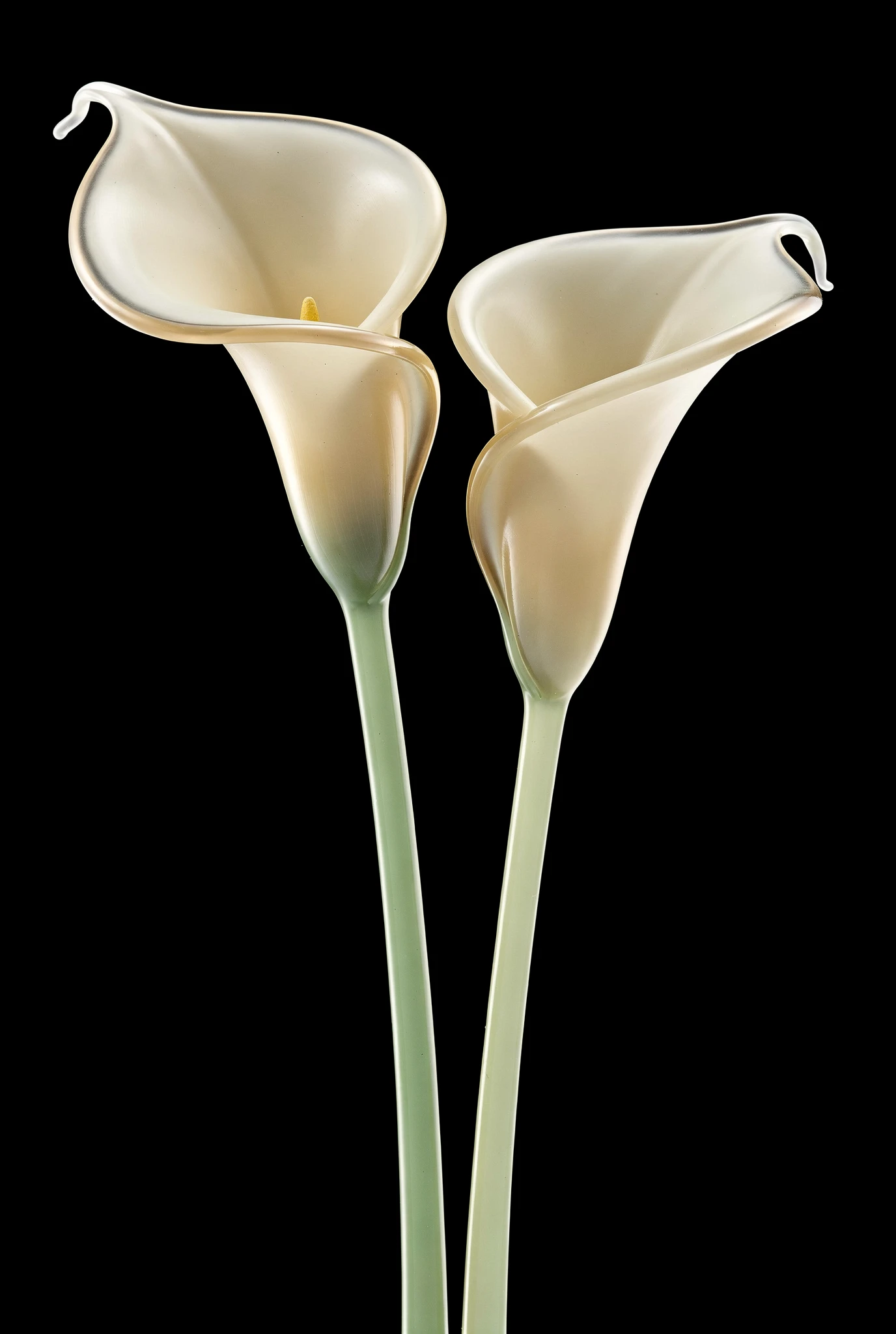
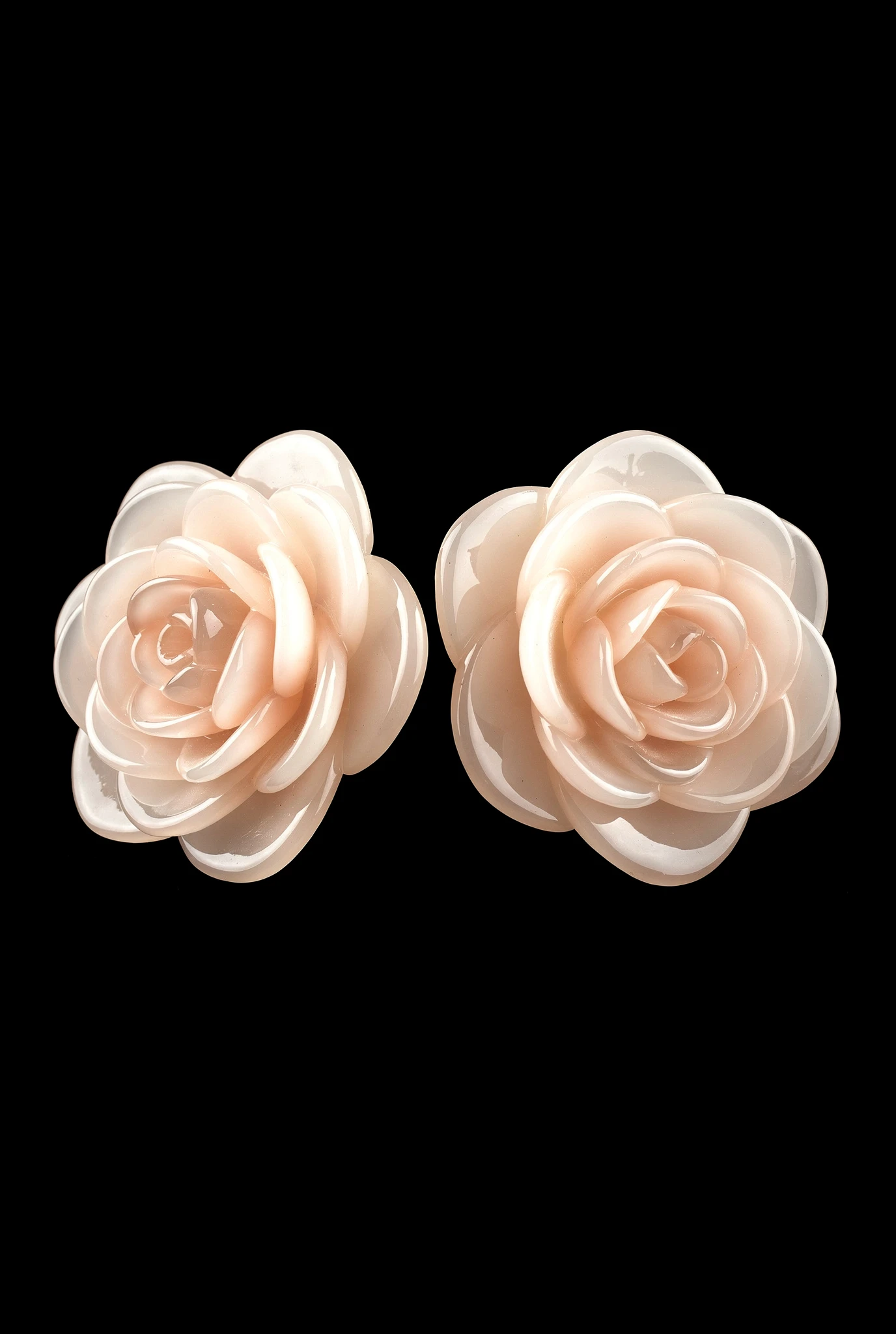
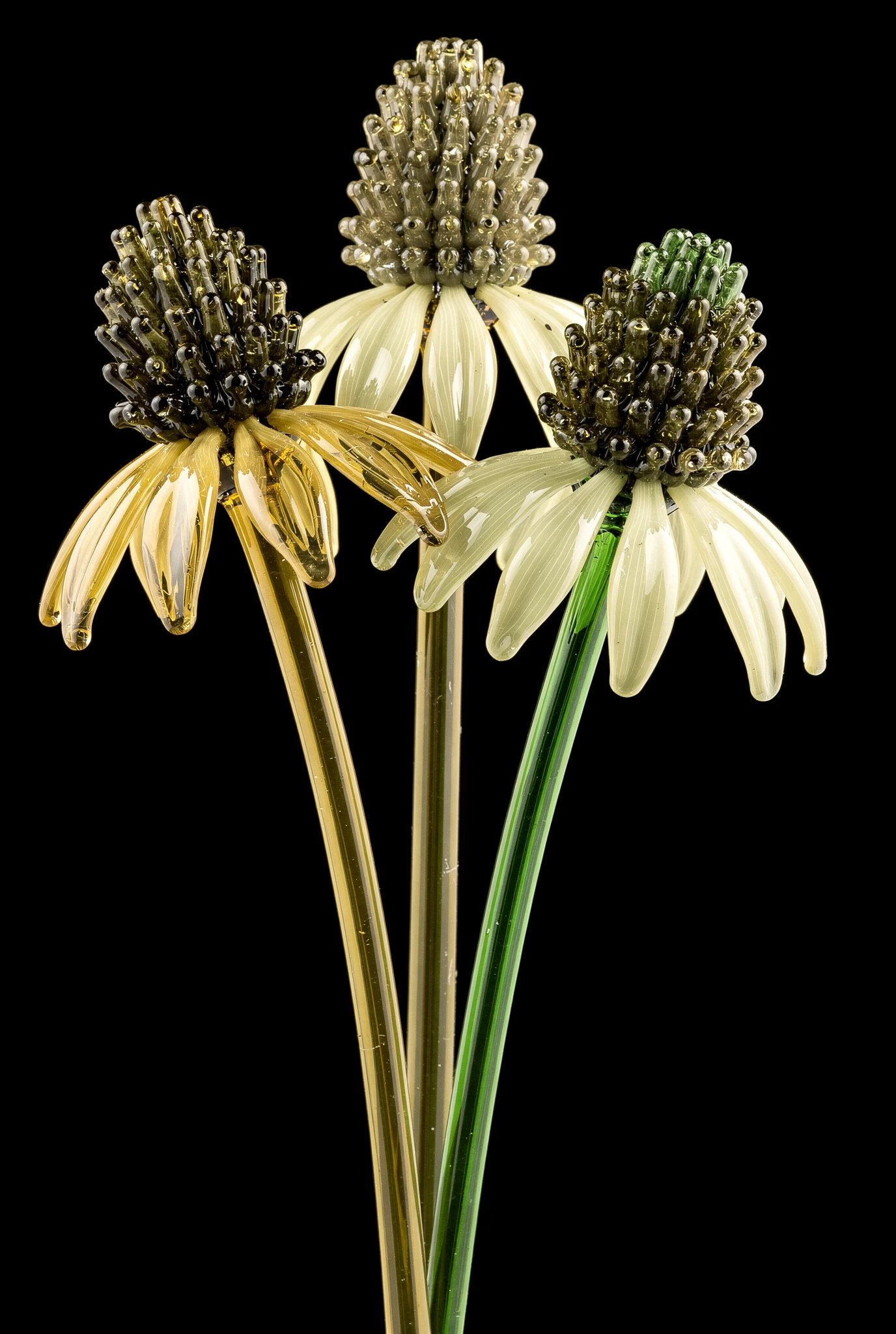
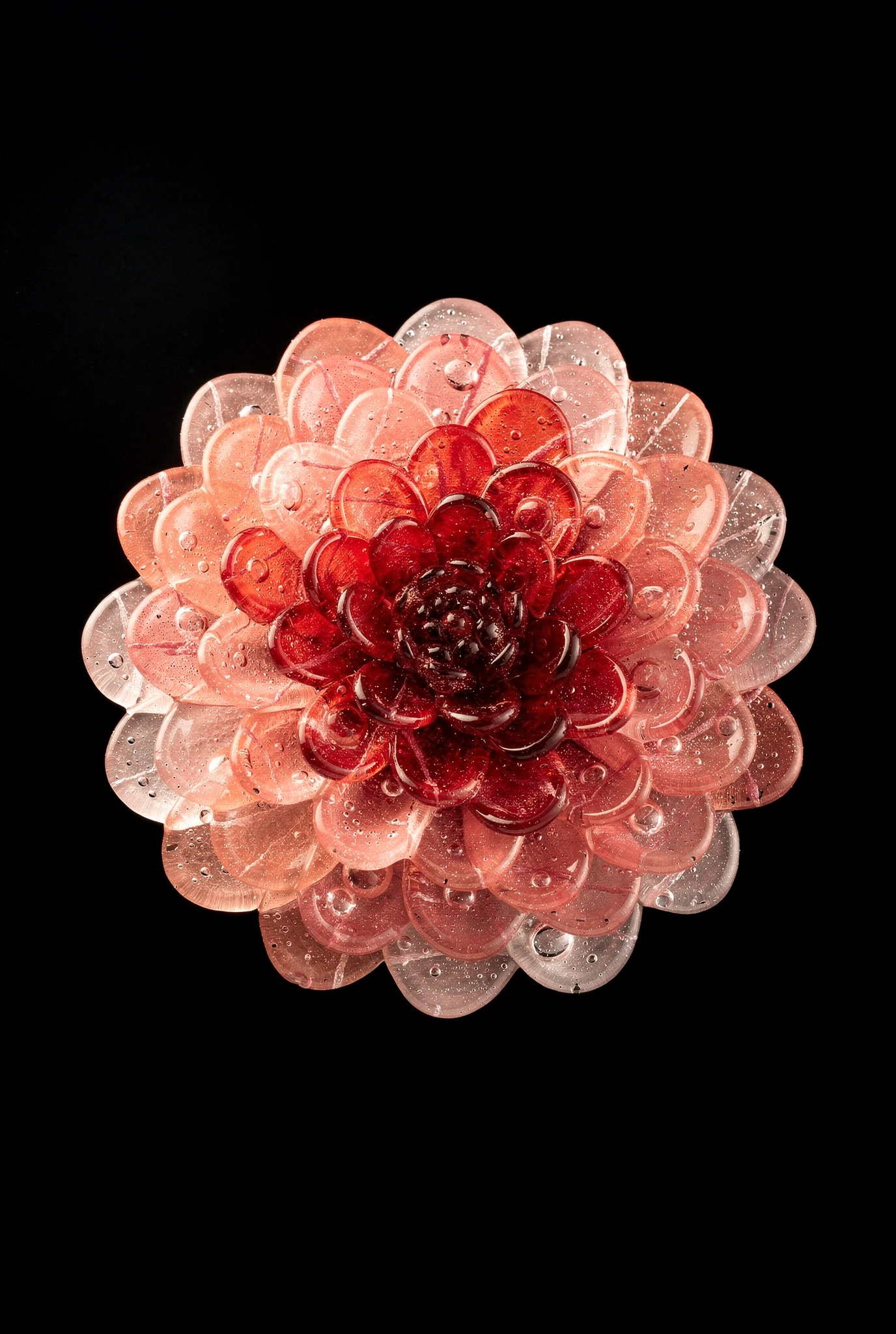
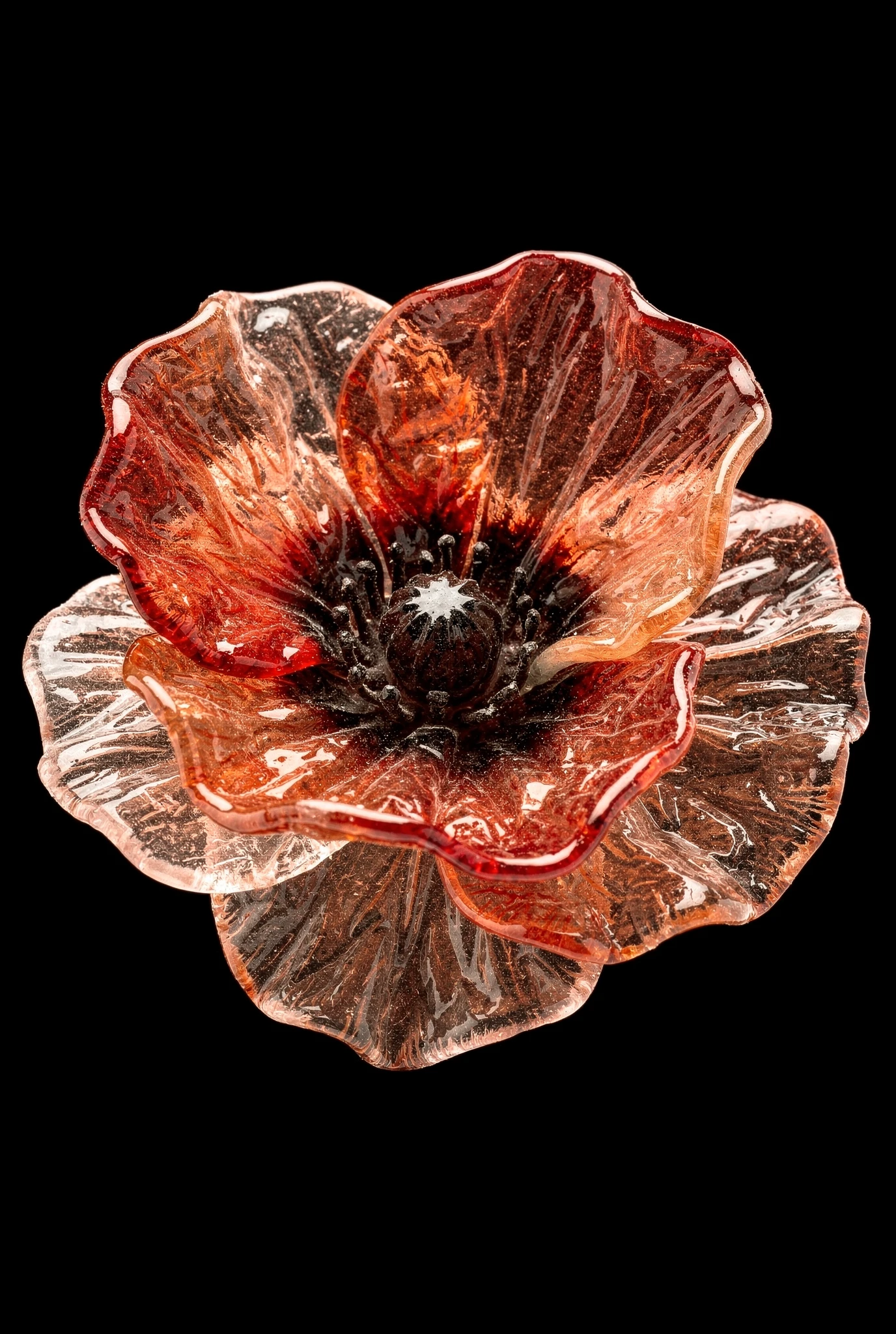
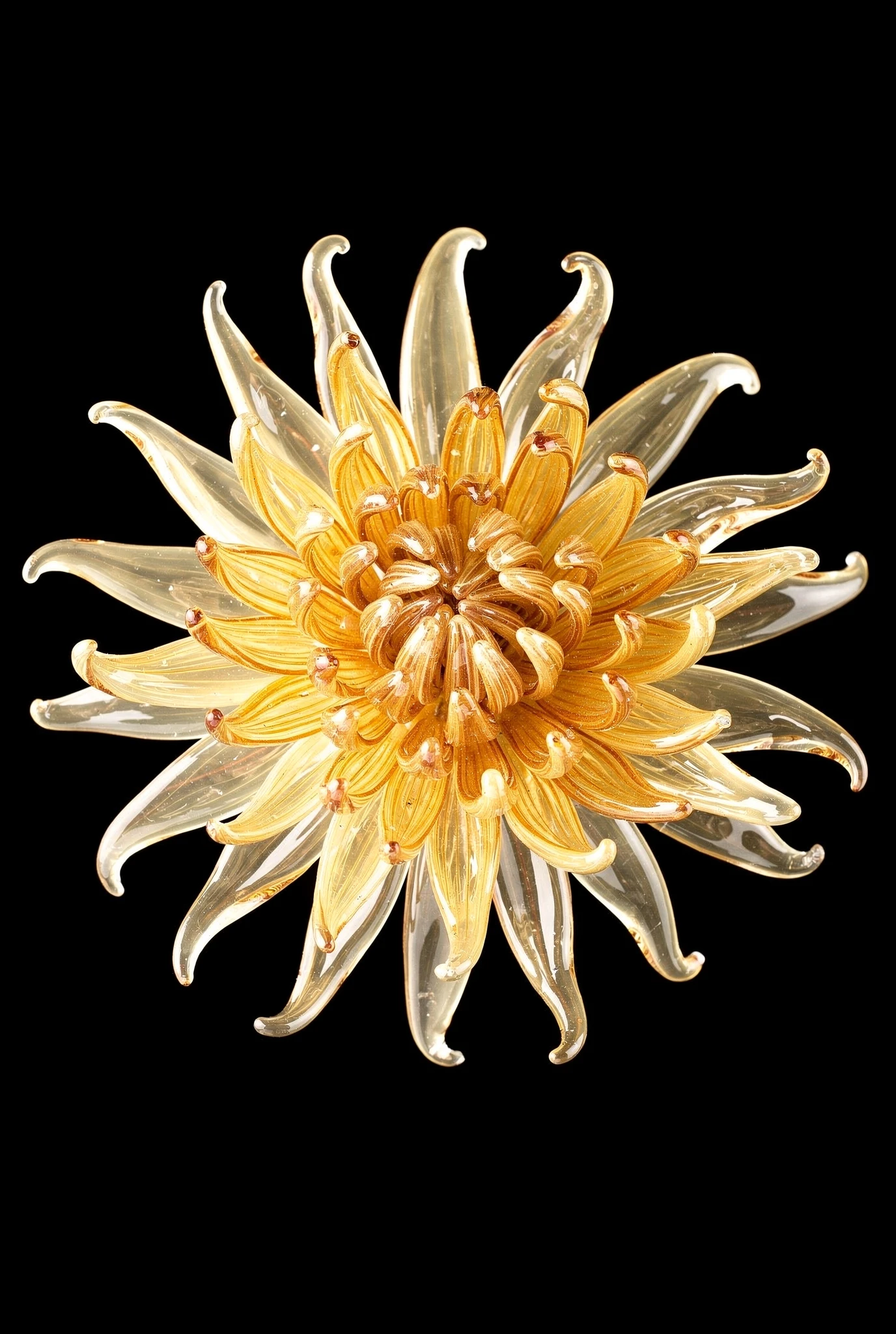
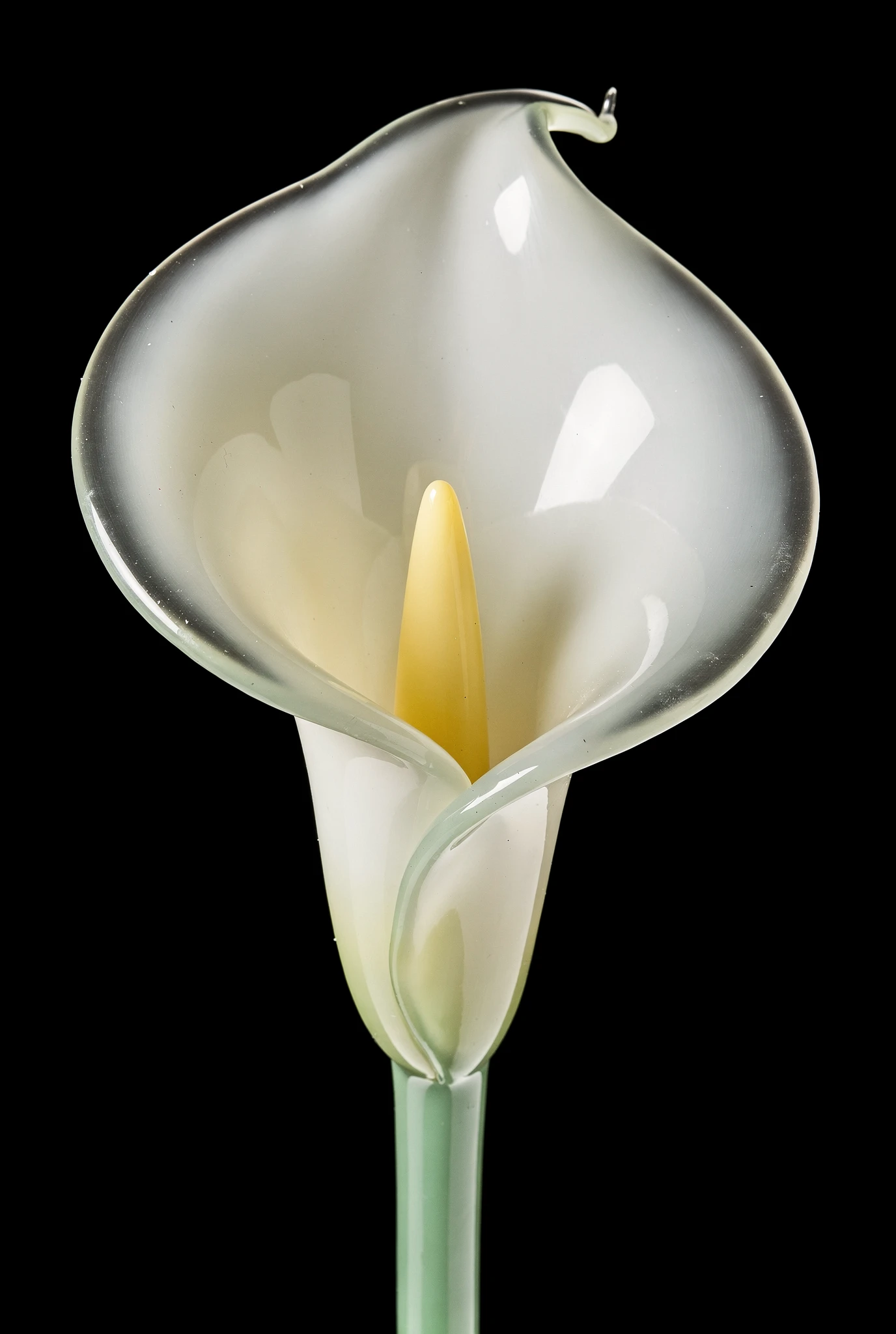
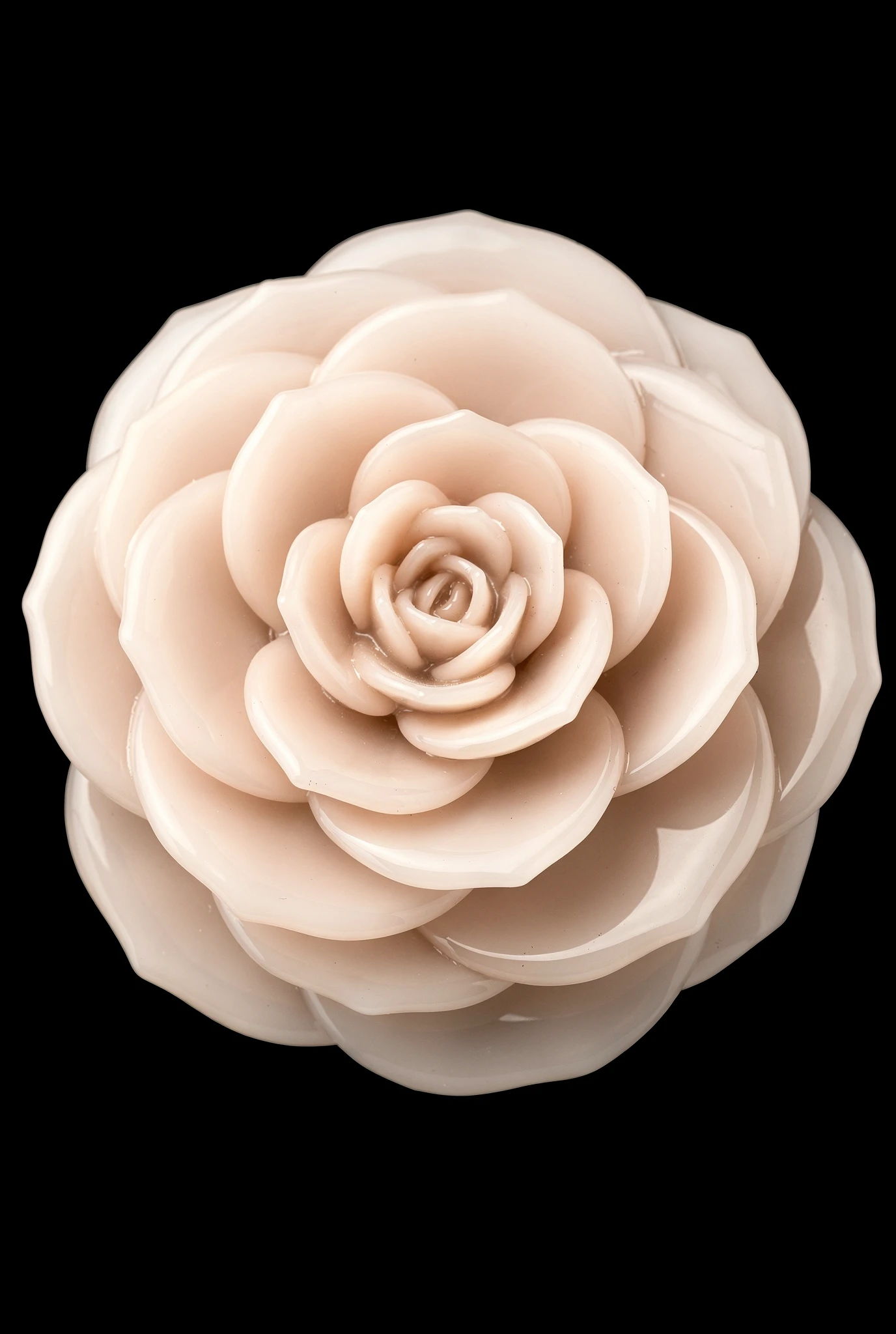
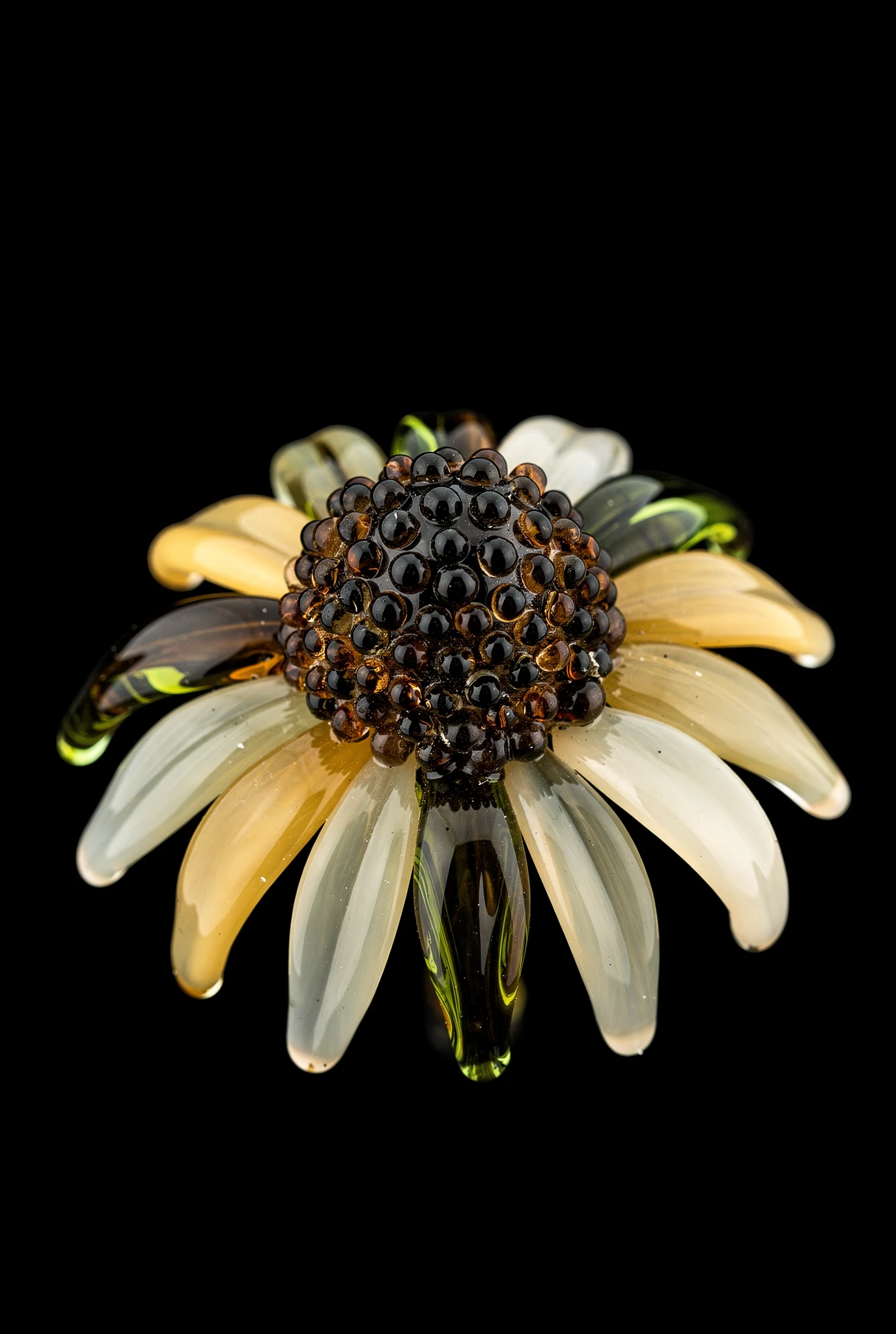
Vitrum presents six kinds of flower translated into simulated glass: dahlia, poppy, chrysanthemum, calla lily, camellia and echinacea. Each bloom is treated not as botanical subject alone, but as a proposal for an object that might have passed through heat, pressure, breath and hand. Petals appear fused, pulled, blown, moulded, joined and polished; stems carry improbable weight; rims catch light as if they had cooled from a softened edge. The images ask for belief in objects that were never made, yet they are built around the logic of making. Their fiction depends on craftsmanship.
Glass is unstable in these works, not because it breaks, but because it changes what colour can be. Pink becomes depth rather than surface; yellow becomes transmission; ivory becomes thickness; red darkens where the material gathers and thins where the edge begins to glow. The flowers do not imitate nature's colours exactly. Instead, they behave like studio glass: colour held inside matter, intensified by refraction, scattered by curves, and sharpened by contact with darkness. Light is not merely falling on the objects; it seems to move through them, exposing their seams, edges, bubbles and internal weather.
Although the flowers are generated with AI, they are not imagined as weightless digital ornaments. Vitrum is concerned with physical conviction: the point at which an artificial object begins to feel handled, manufactured and materially possible. A dahlia becomes a radial construction of separate petals; a calla lily becomes one continuous molten sweep; an echinacea becomes a specimen of beads, blades and joins. These works occupy a space between product photograph, sculptural object, botanical study and invented craft. They do not record glass artistry, but simulate its authority. What remains is an artificial glasshouse of impossible flowers, made from language, light and probability, each one pretending to have survived a furnace that never existed.
Gallery
"Glass is performance art." — Thomas Phifer