RED: a study in urgency and desire
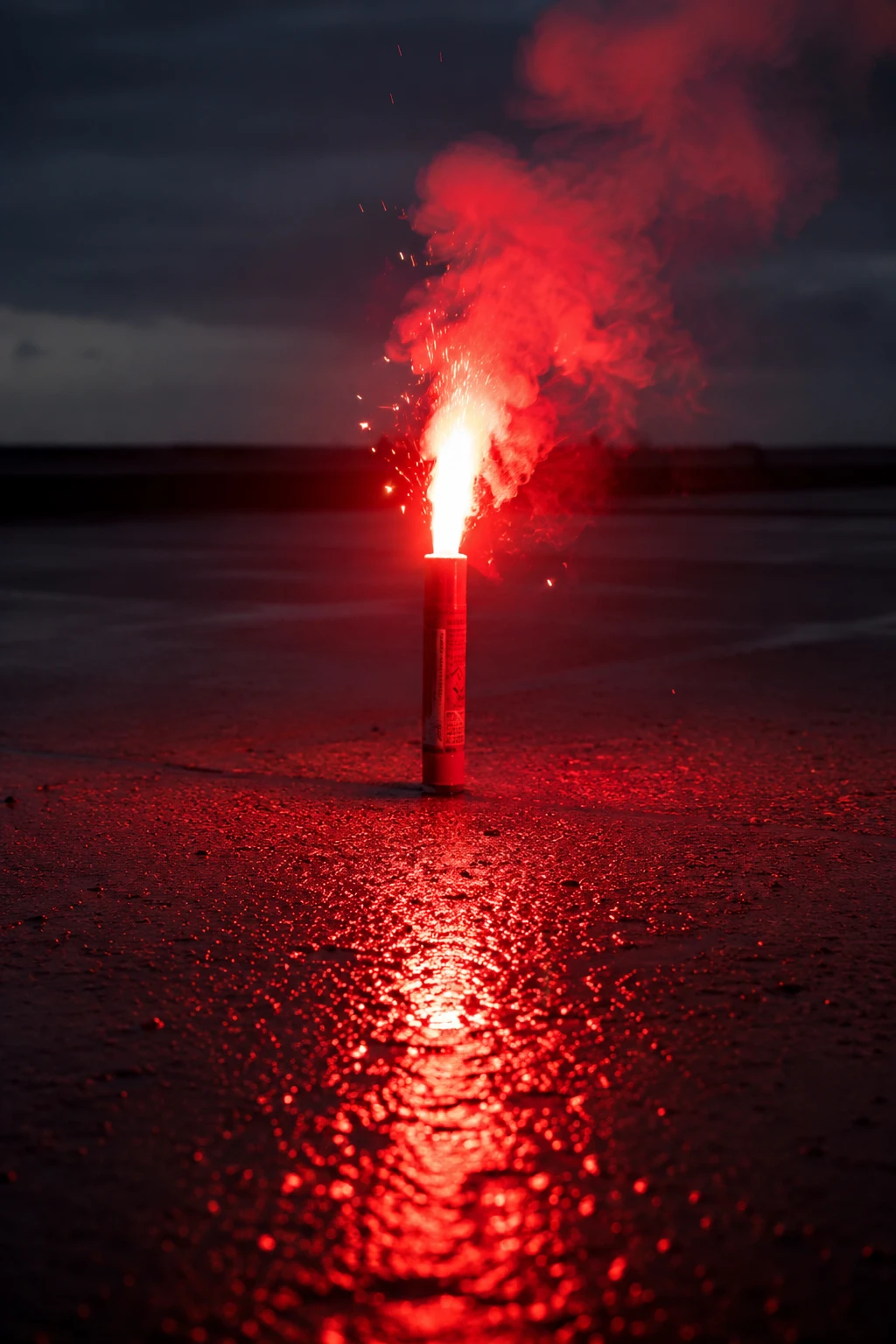
Red does not wait politely to be noticed. It announces itself, advances, warns, seduces, interrupts and insists. It is the colour of passion and strong emotion, and one of the oldest colours used in art. It is the colour of command and appetite, of theatre curtains and traffic lights, lipstick and sirens, ceremony and alarm. If green often reassures, red unsettles. It can mean stop, danger, desire, blood, heat, shame, glamour, victory or debt. It is rarely neutral. Even when used decoratively, red carries the memory of urgency. The project begins with this charged colour and follows it through the objects and signs that use it most confidently: the signal, the surface, the costume, the warning, the promise, the body. Red holds so many meanings partly because it has been with us for so long: one of the first pigments humans learned to recognise, use and transform into image.
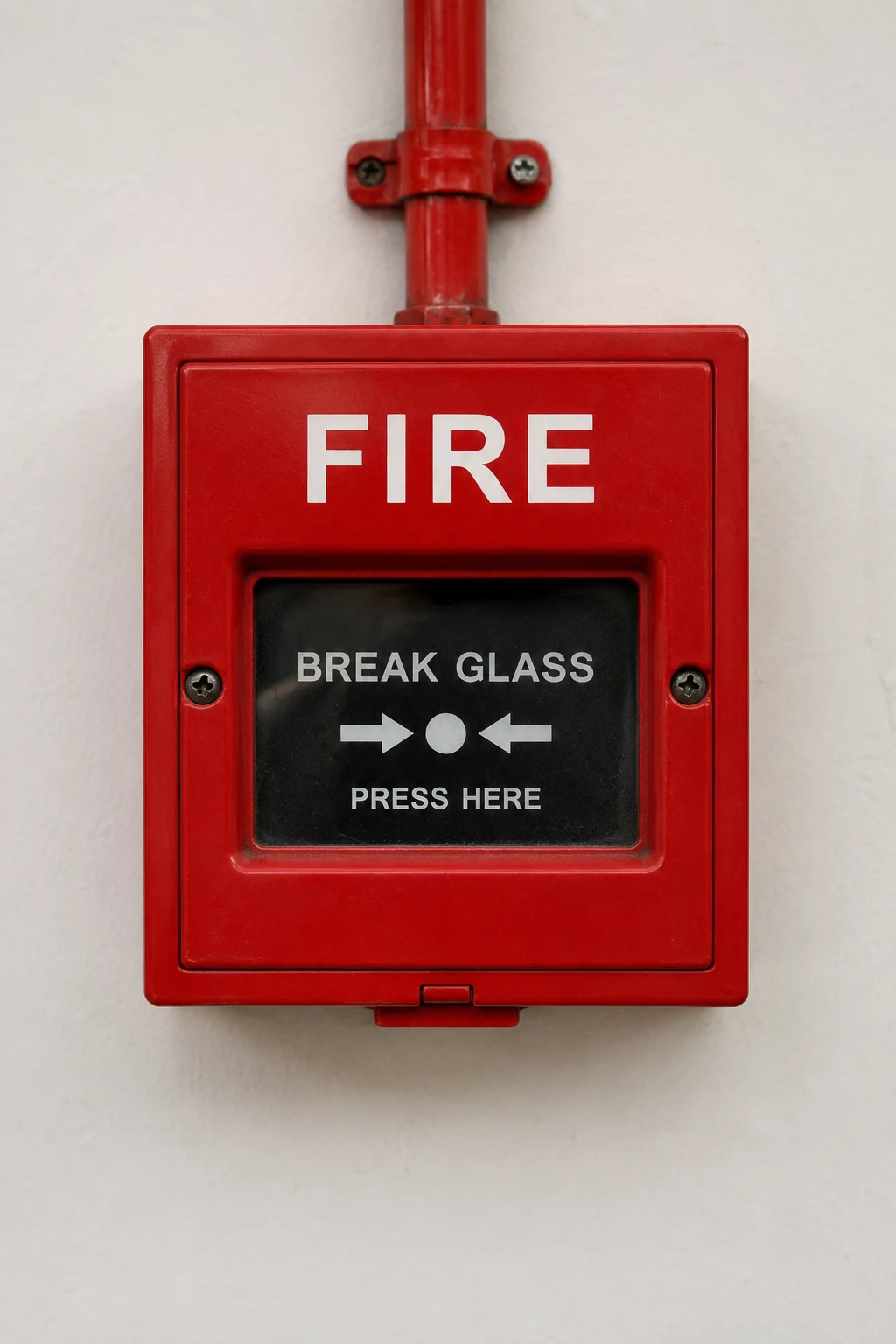
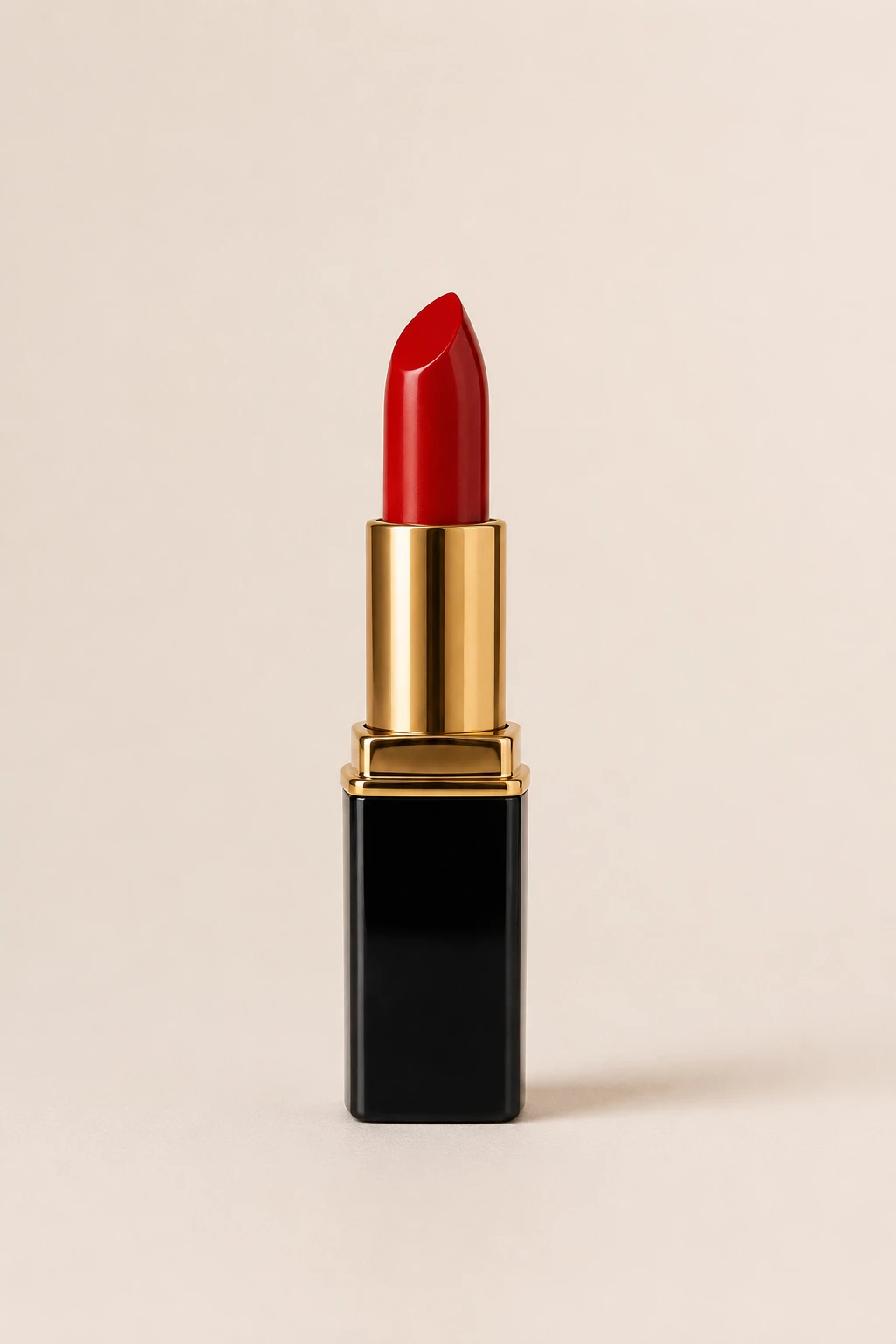
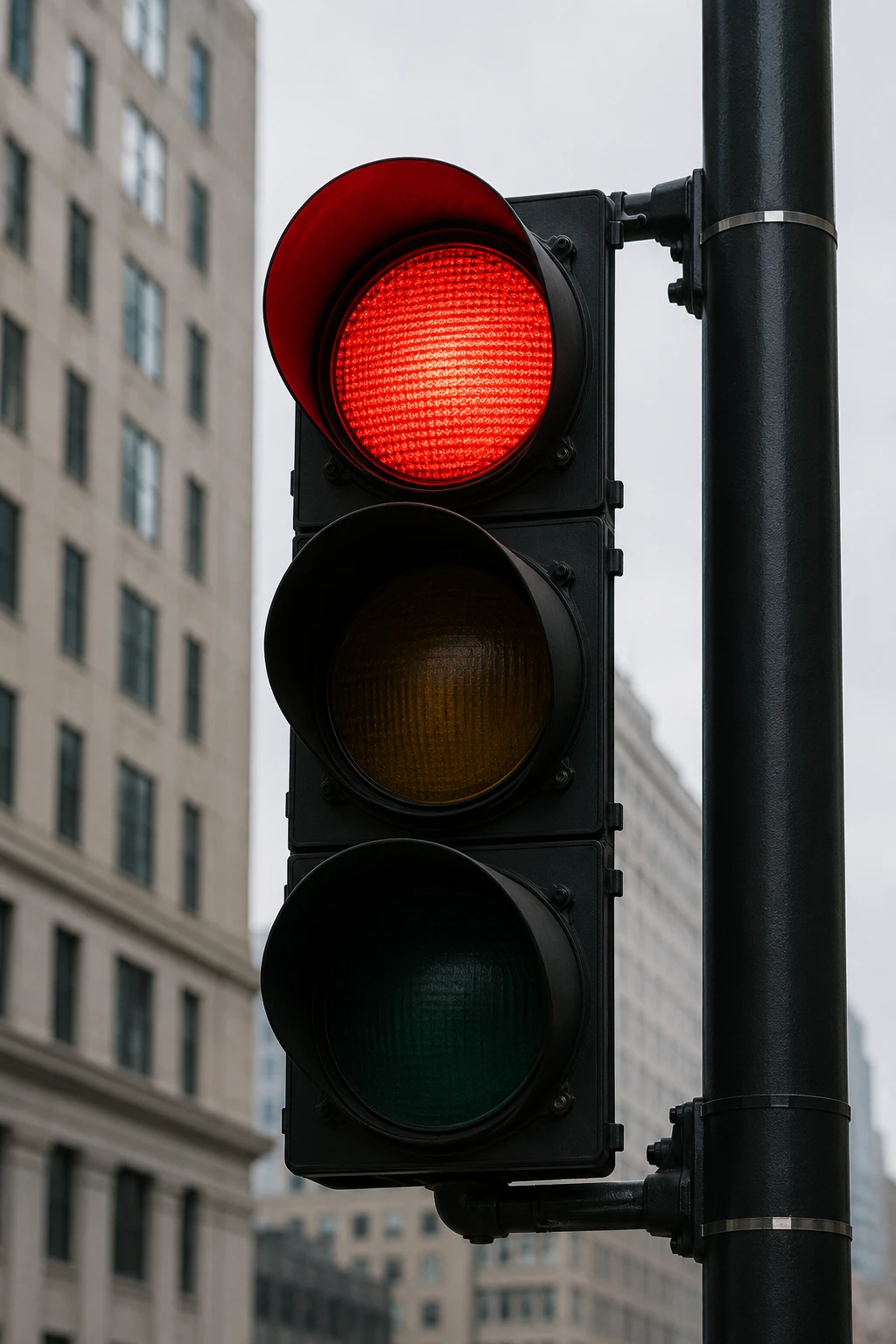
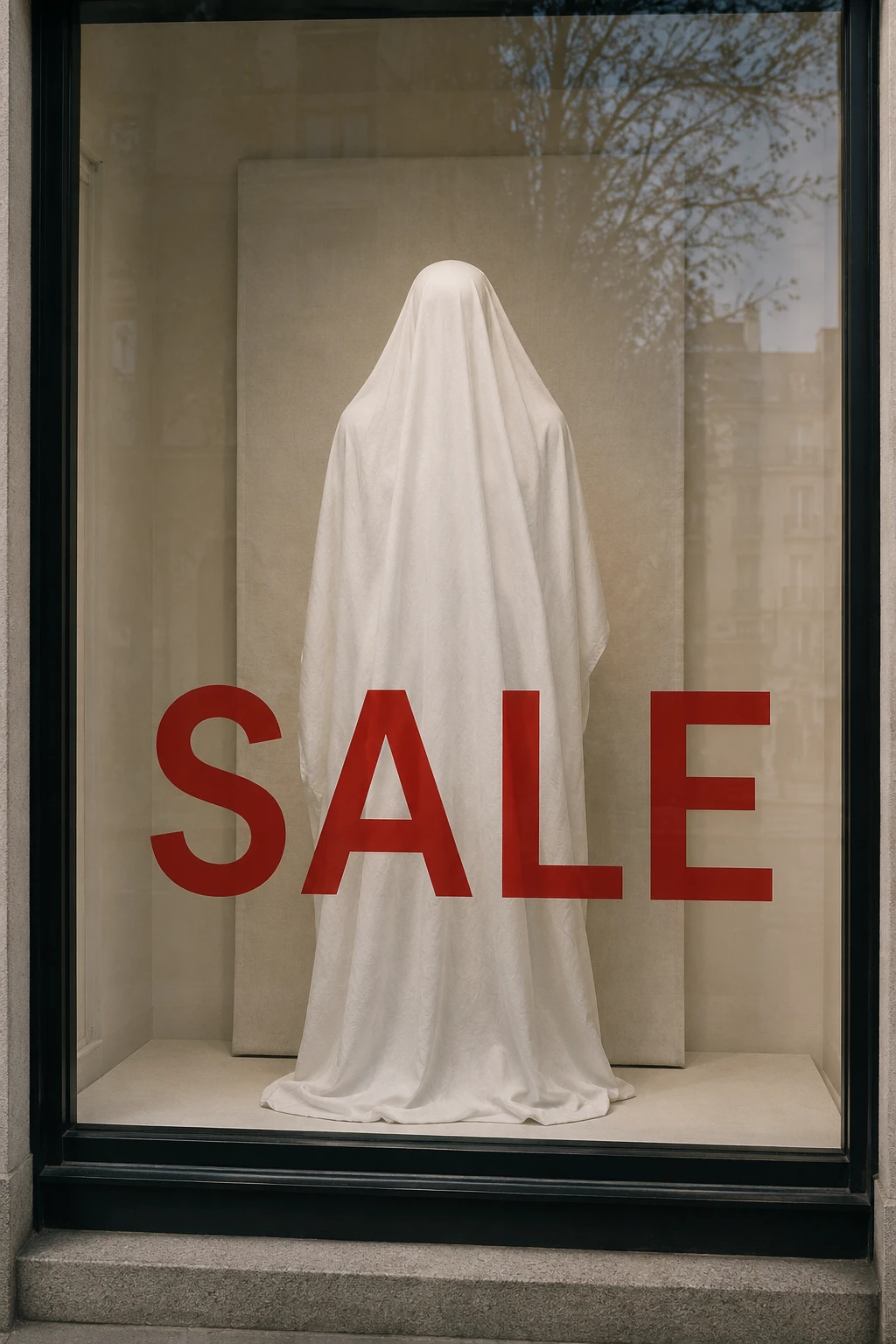
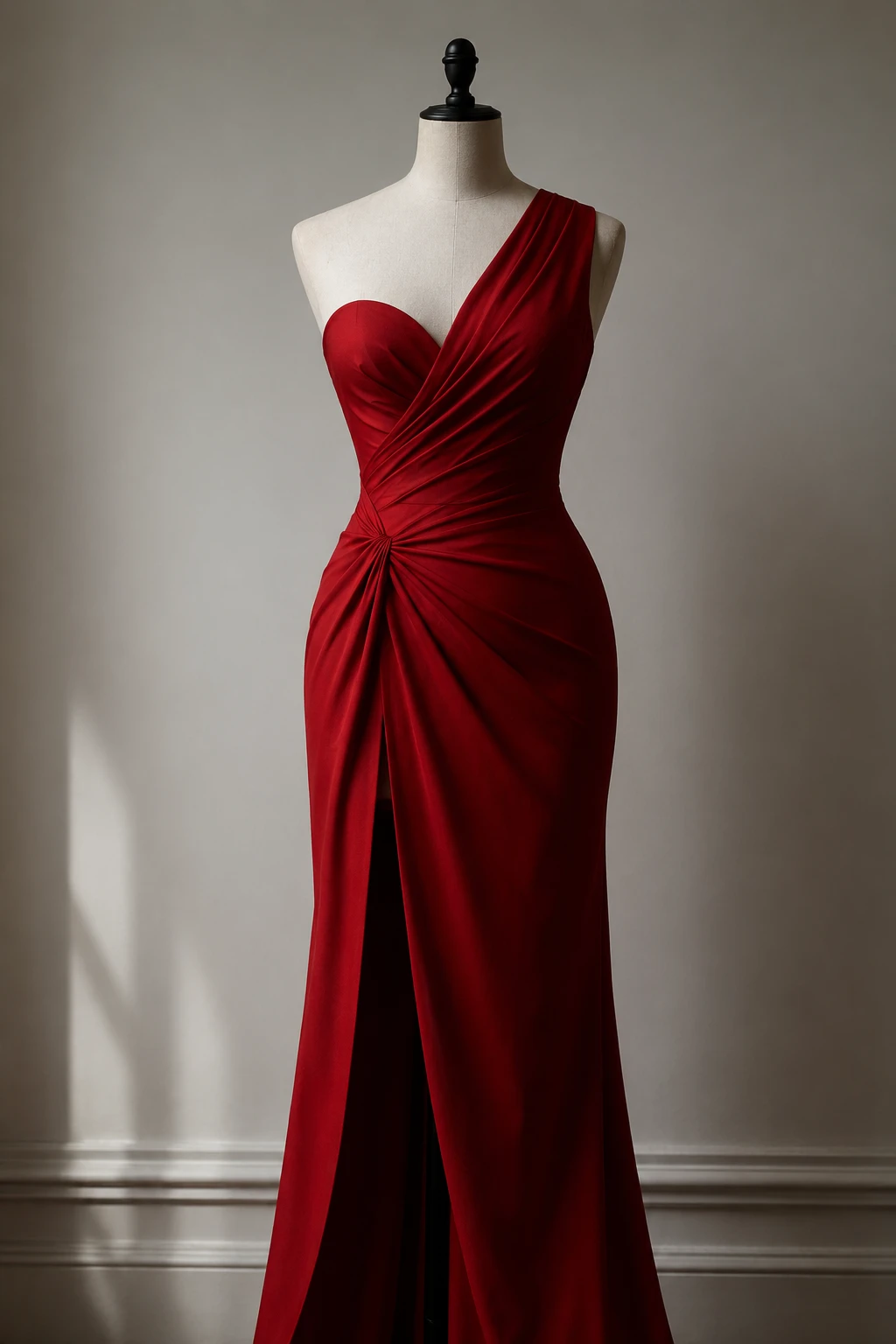
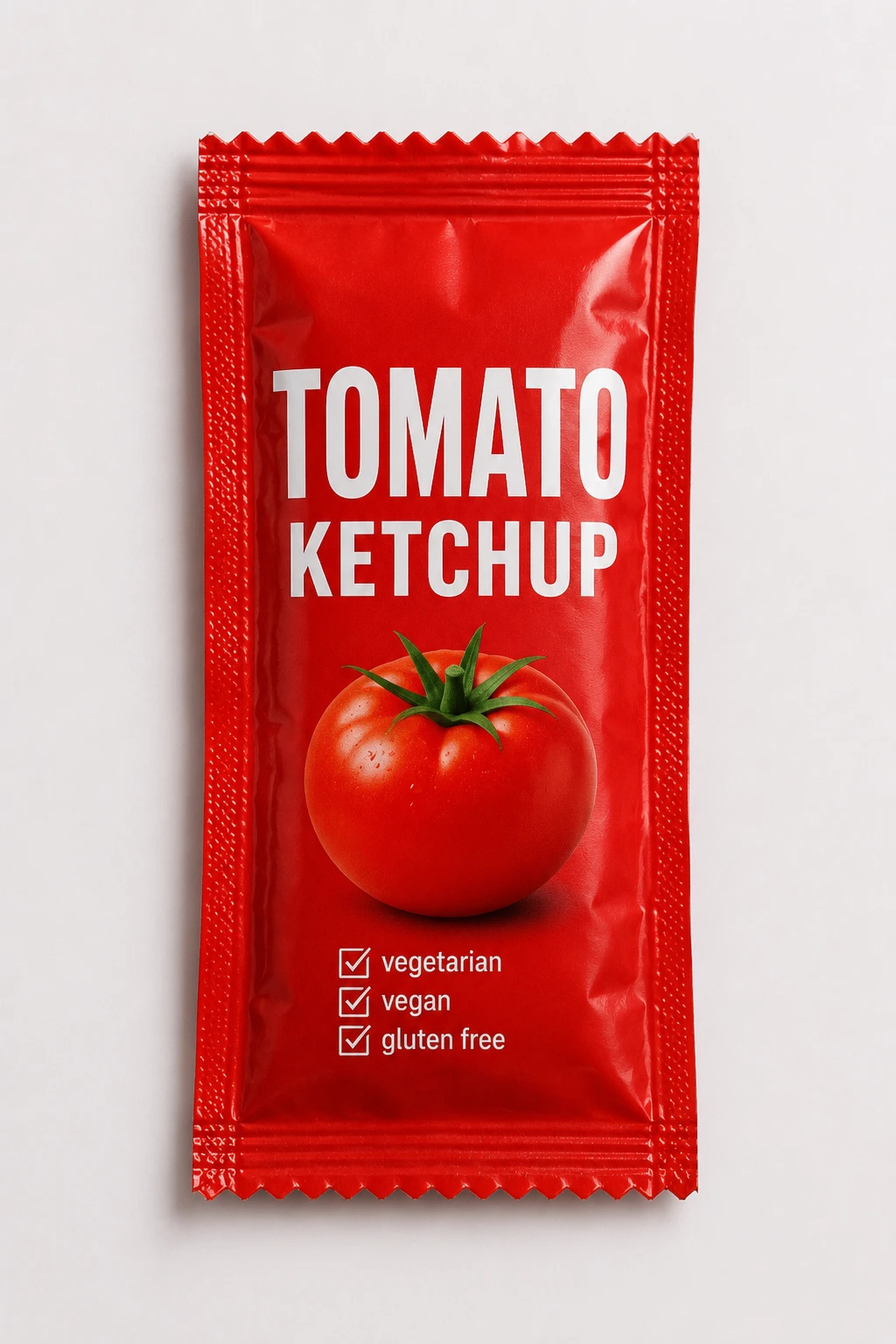
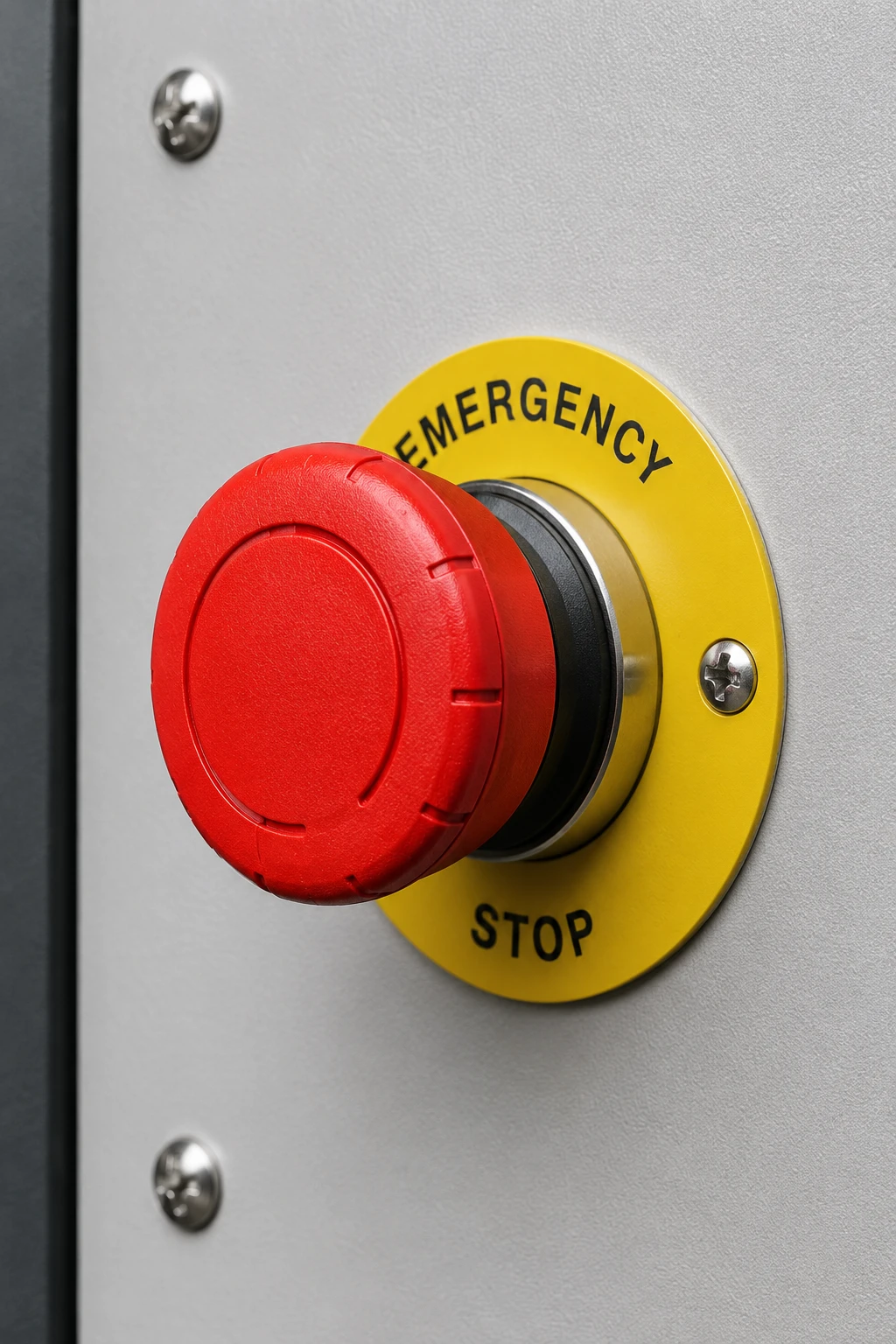
Made through a conversation-to-image process with ChatGPT 5.5 and Images.2 by OpenAI, the project is concerned with red as a visual command system. A fire alarm waits behind glass. A traffic light holds the city in place. A warning label turns danger into typography. A final notice makes bureaucracy feel physical. These images are calm, but their calmness is deceptive; each one contains a small act of pressure. Red makes the ordinary more forceful. It gives a sticker authority, a button consequence, a document threat. It also makes desire legible: a lipstick becomes a tool of performance, a red dress becomes a body without a body, a shop window turns absence into invitation. Red sells, stages, restricts and exposes.
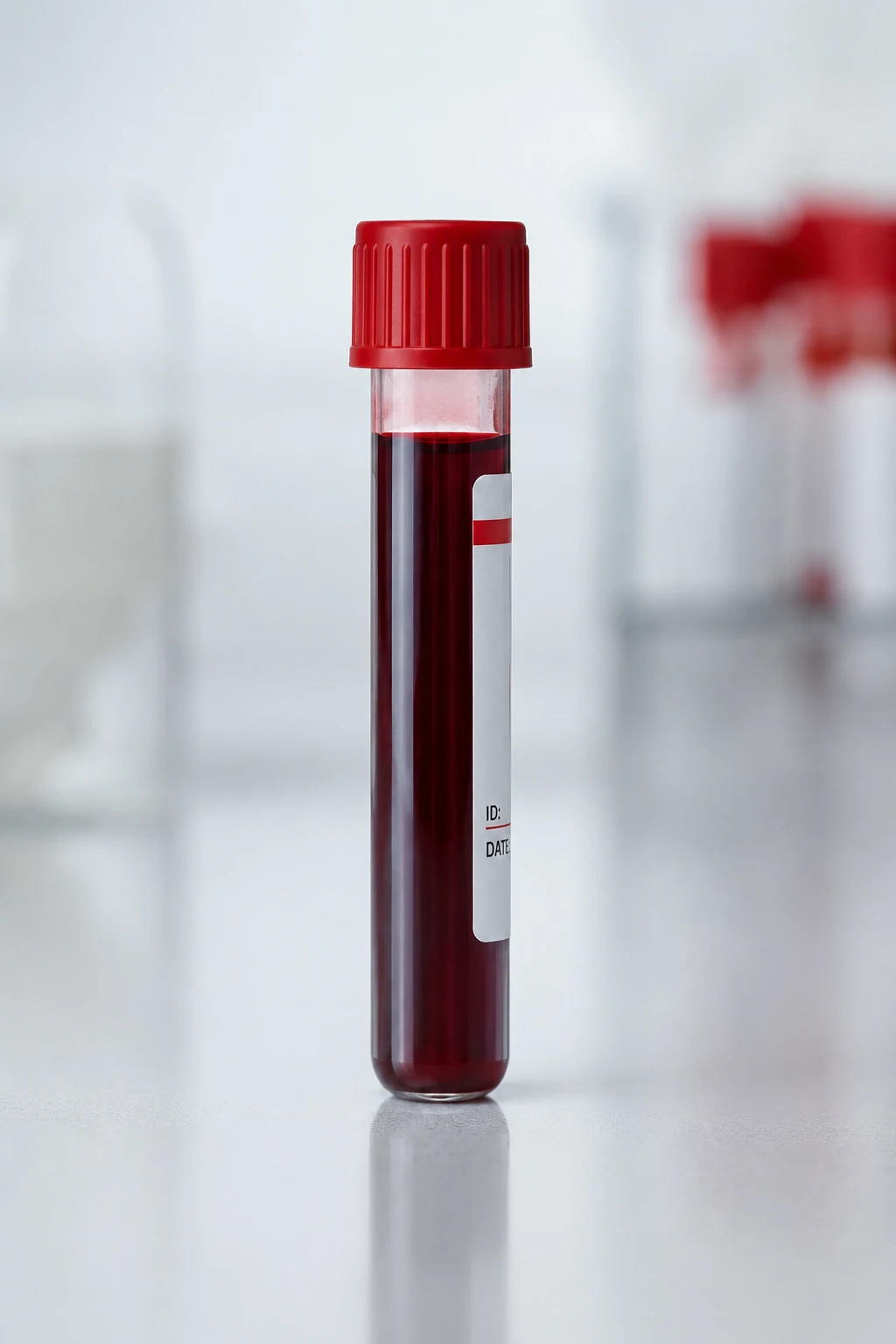
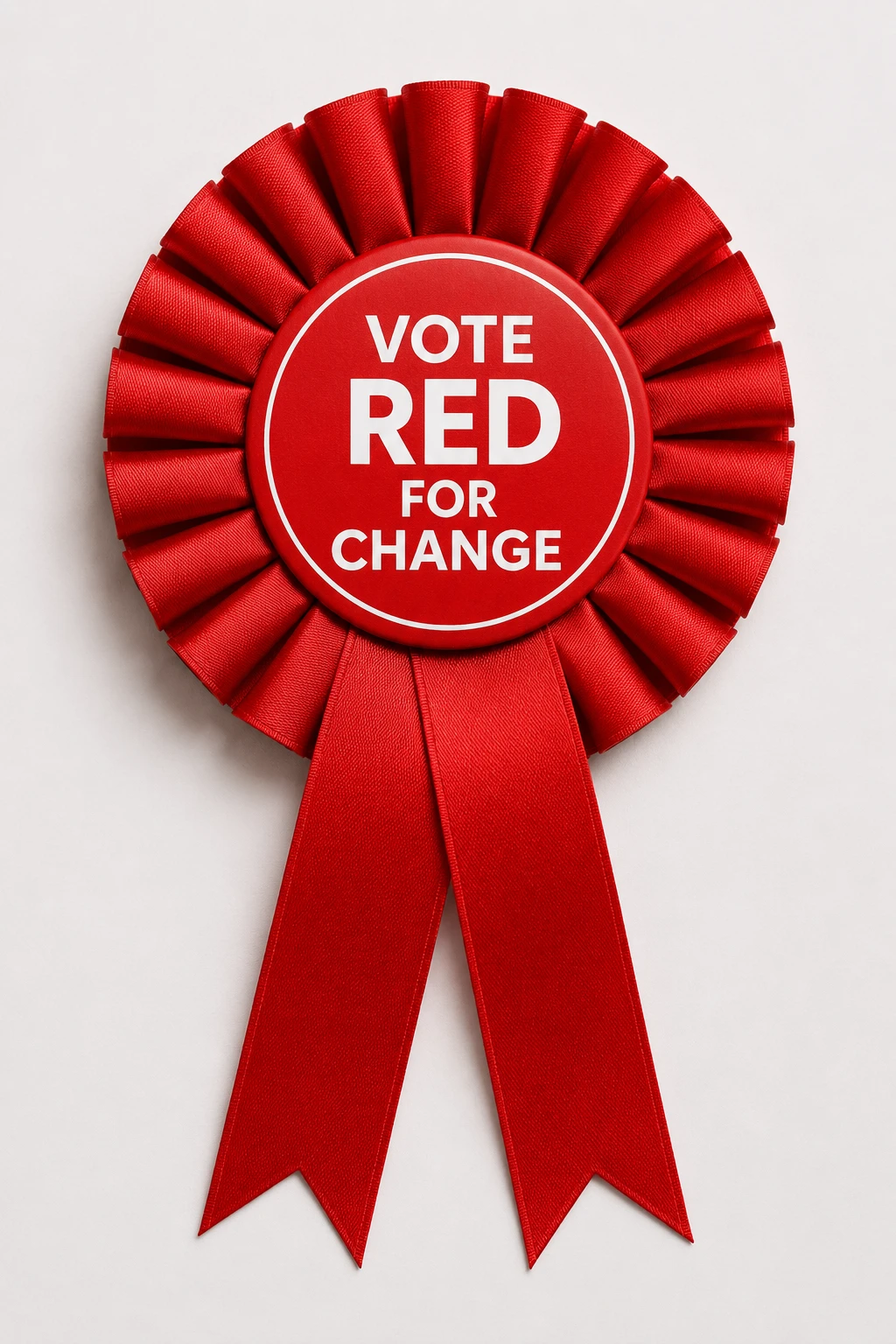
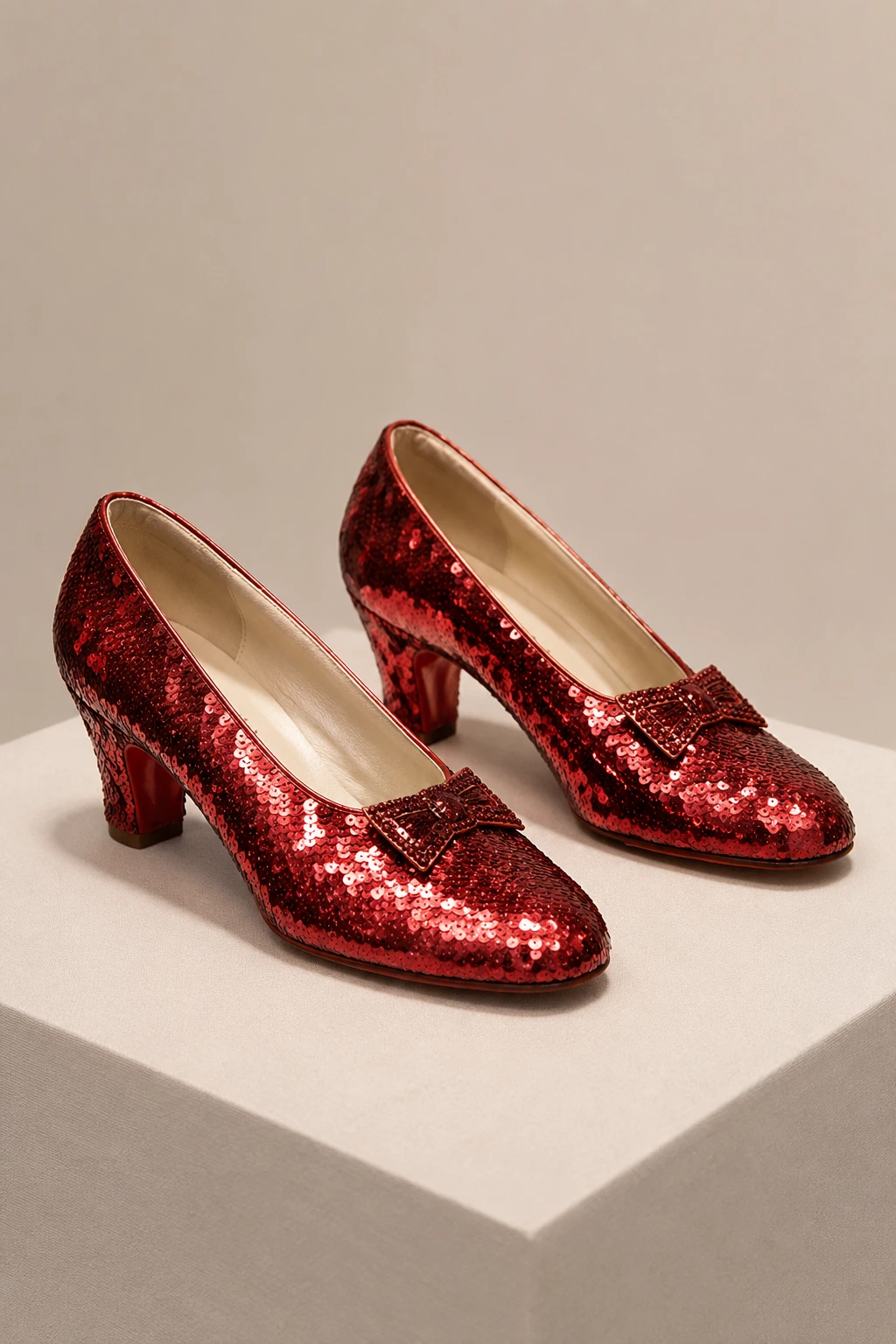
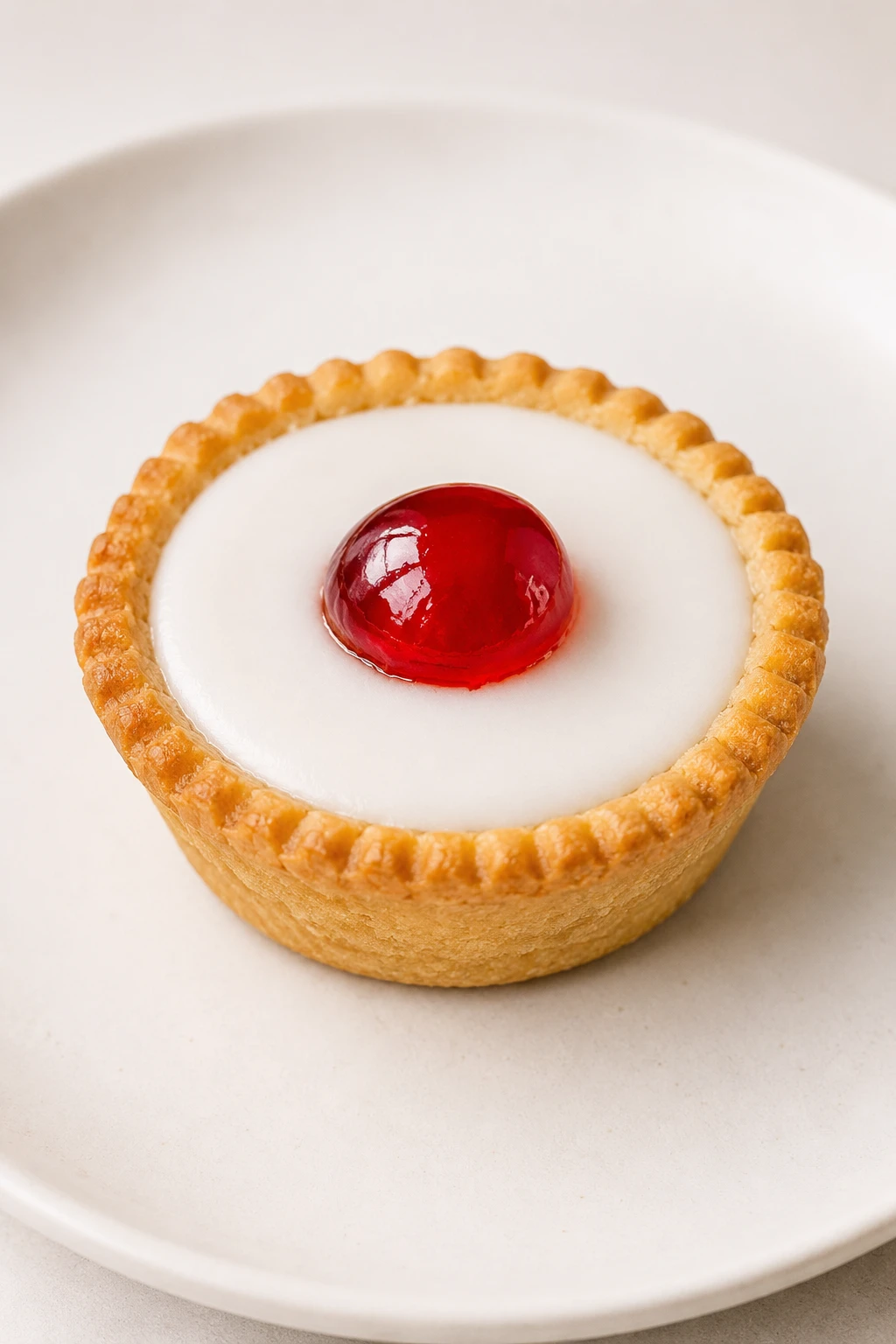
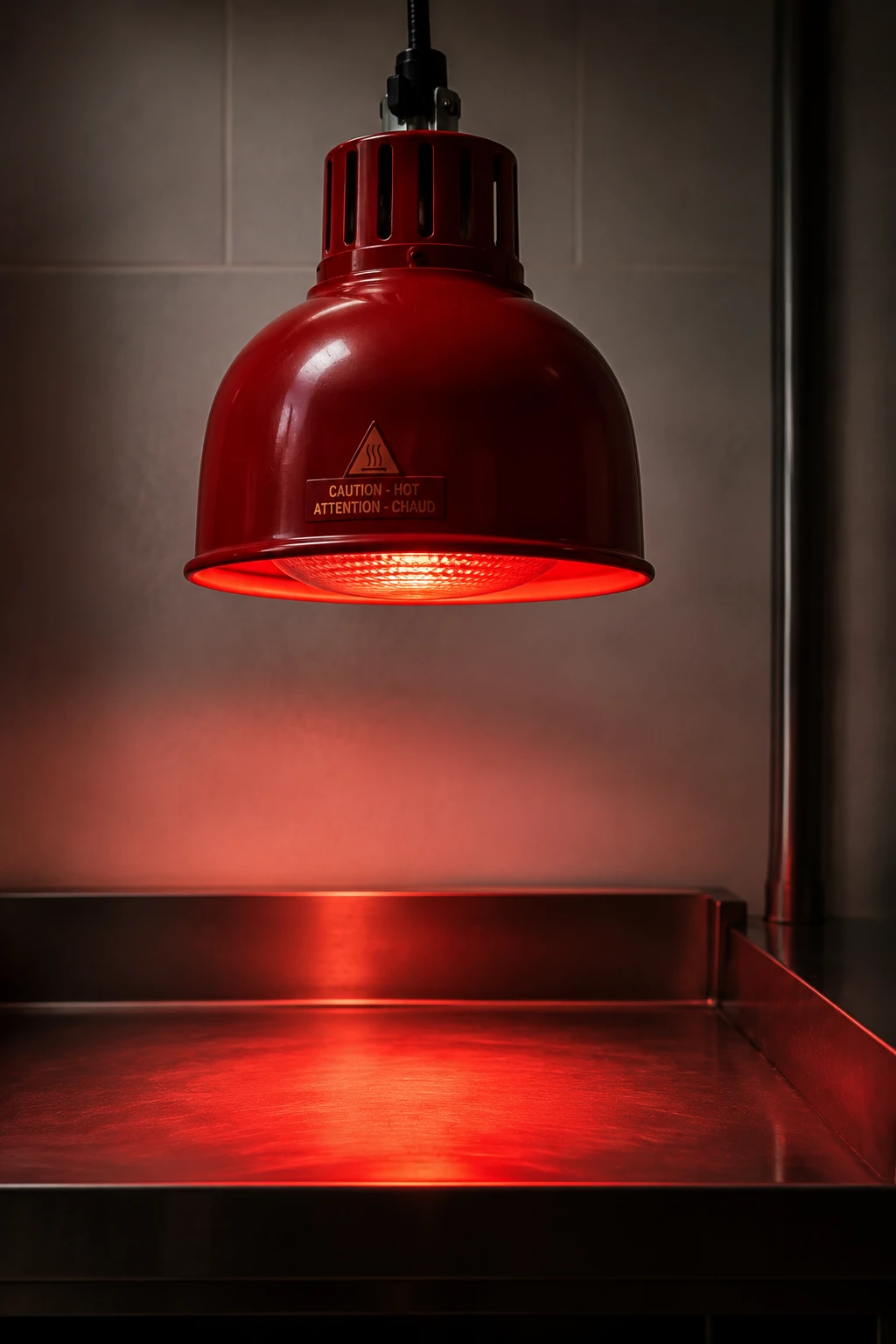
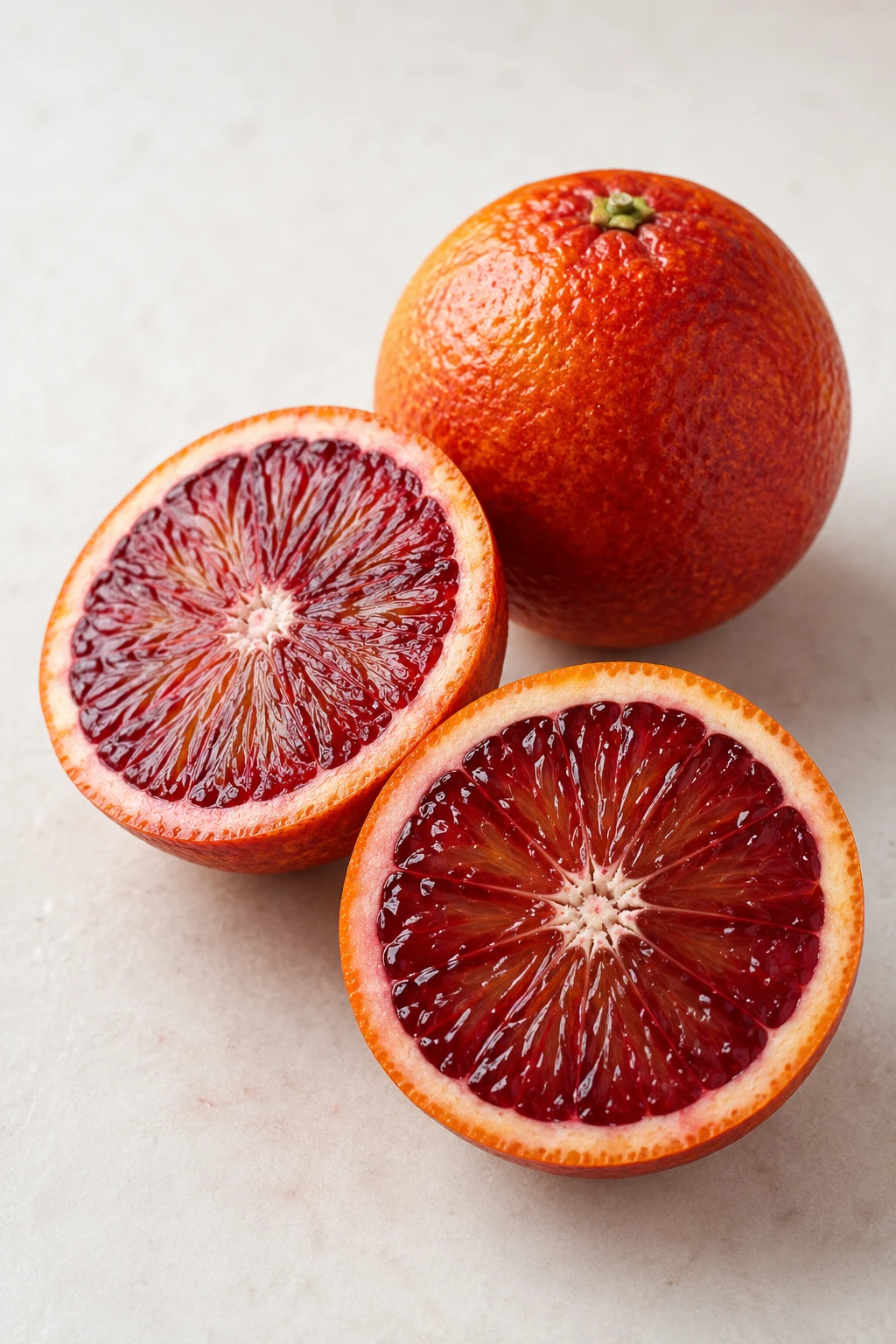
Across the series of eighteen synthographs, red moves between control and excess. It appears as flesh in butchered meat and blood in a clinical tube, as sweetness in a Cherry Bakewell and ripeness in a cut blood orange. It becomes political ceremony in a rosette, cinematic myth in a pair of glittering shoes, and artificial heat beneath a catering lamp. The colour keeps shifting, but it never quite becomes harmless. It is too old, too bodily, too theatrical for that. RED treats the familiar colour as a form of heightened attention: a way of making things urgent, edible, desirable, forbidden or official. It is not simply seen; it is obeyed, consumed, performed, feared and remembered.
Gallery




"A thimbleful of red is redder than a bucketful." — Henri Matisse