TRASH: what we throw away and the value of waste
Trash begins with a simple proposition: nothing is born trash. An object becomes trash when its value is withdrawn, usefulness ends, desire fades or attention moves elsewhere. The material may remain unchanged, but its status is transformed by human judgement. Something becomes refuse not because it has ceased to exist, but because we have decided it no longer matters. In that sense, trash is matter after rejection. It occupies the space between possession and abandonment, value and worthlessness, visibility and disappearance. To throw something away is not to make it vanish, but to move it beyond immediate concern. The object persists, carrying the consequences of use long after its social meaning has collapsed. There is no true "away" — only a point at which responsibility, attention and ownership have moved elsewhere.
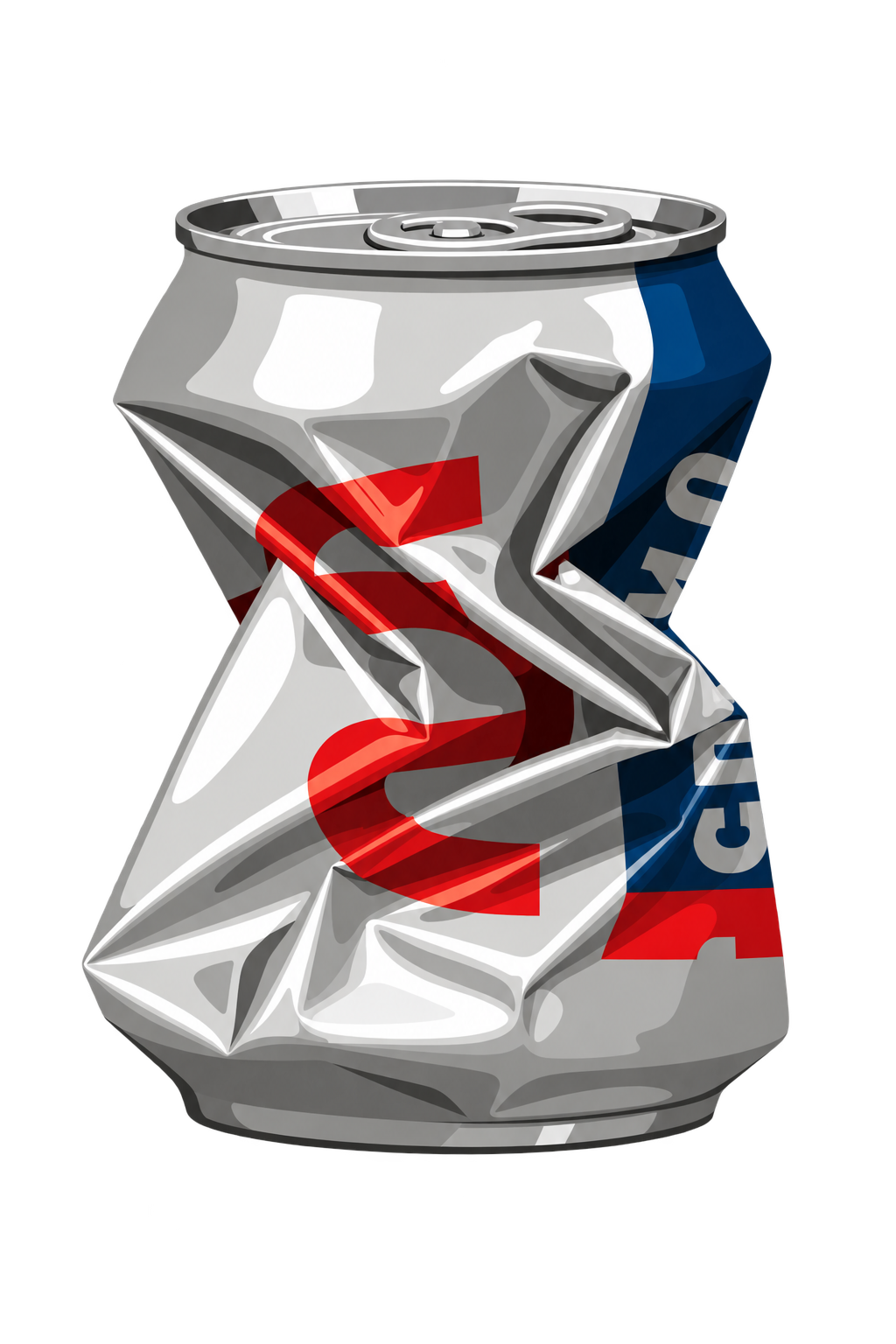
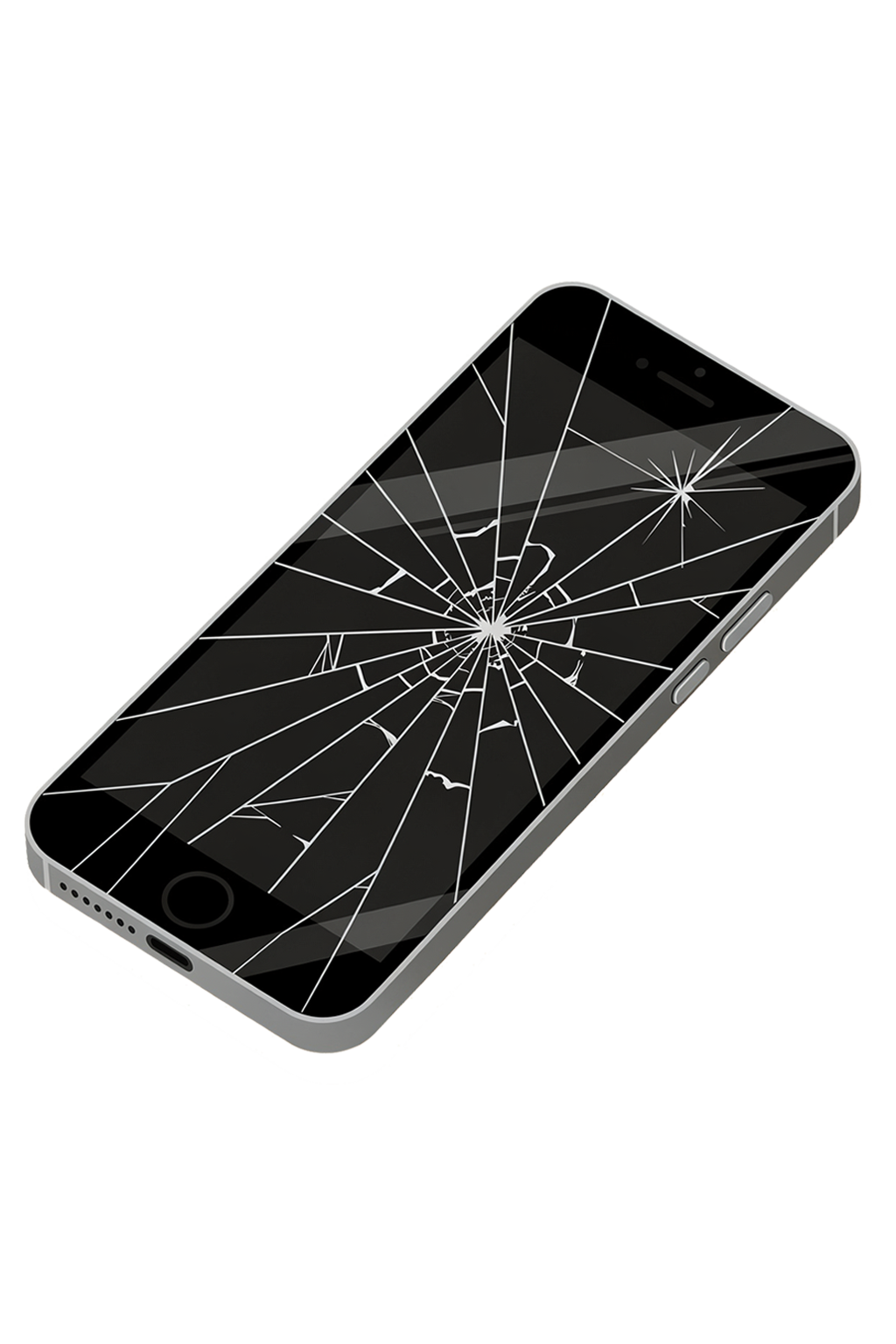
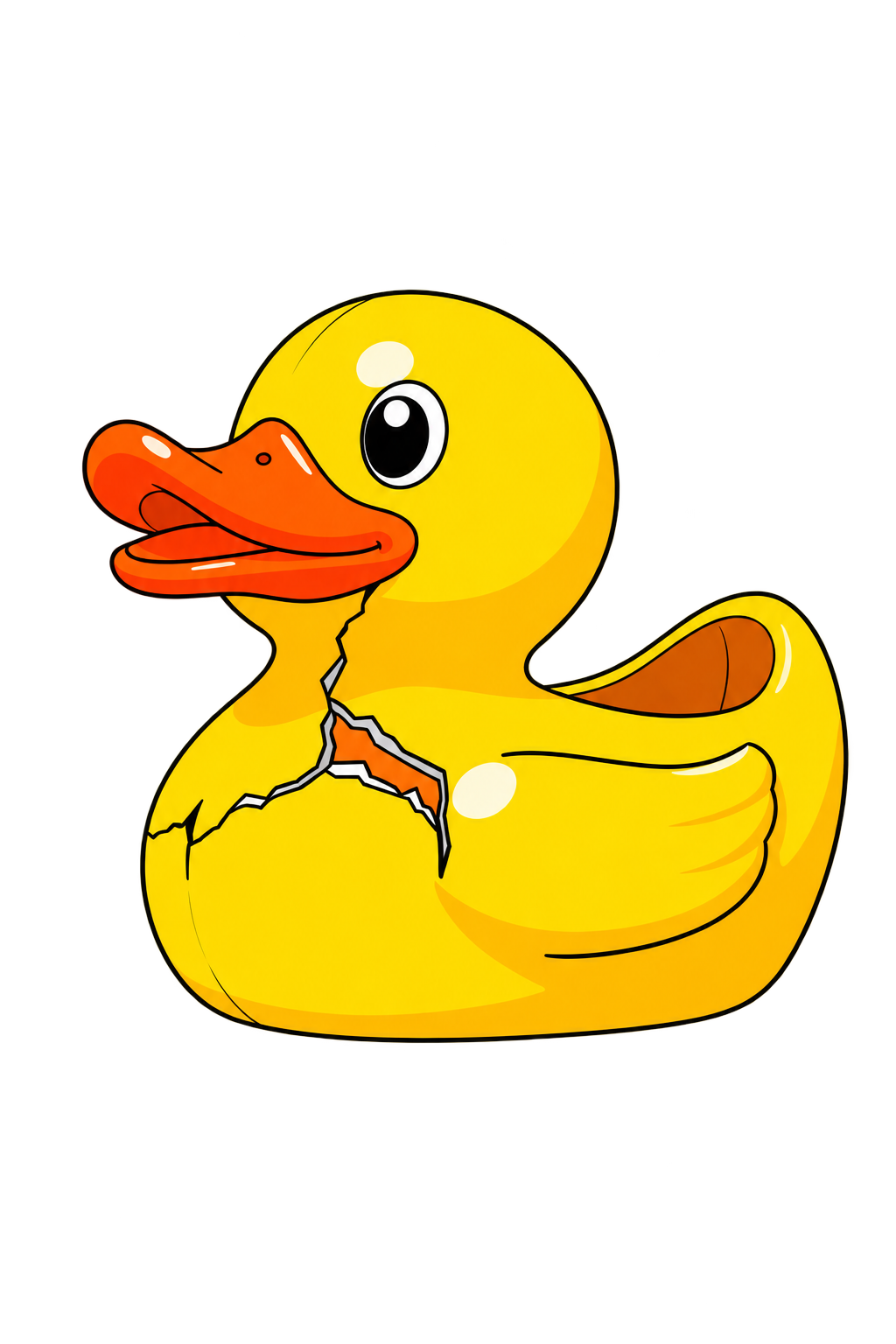
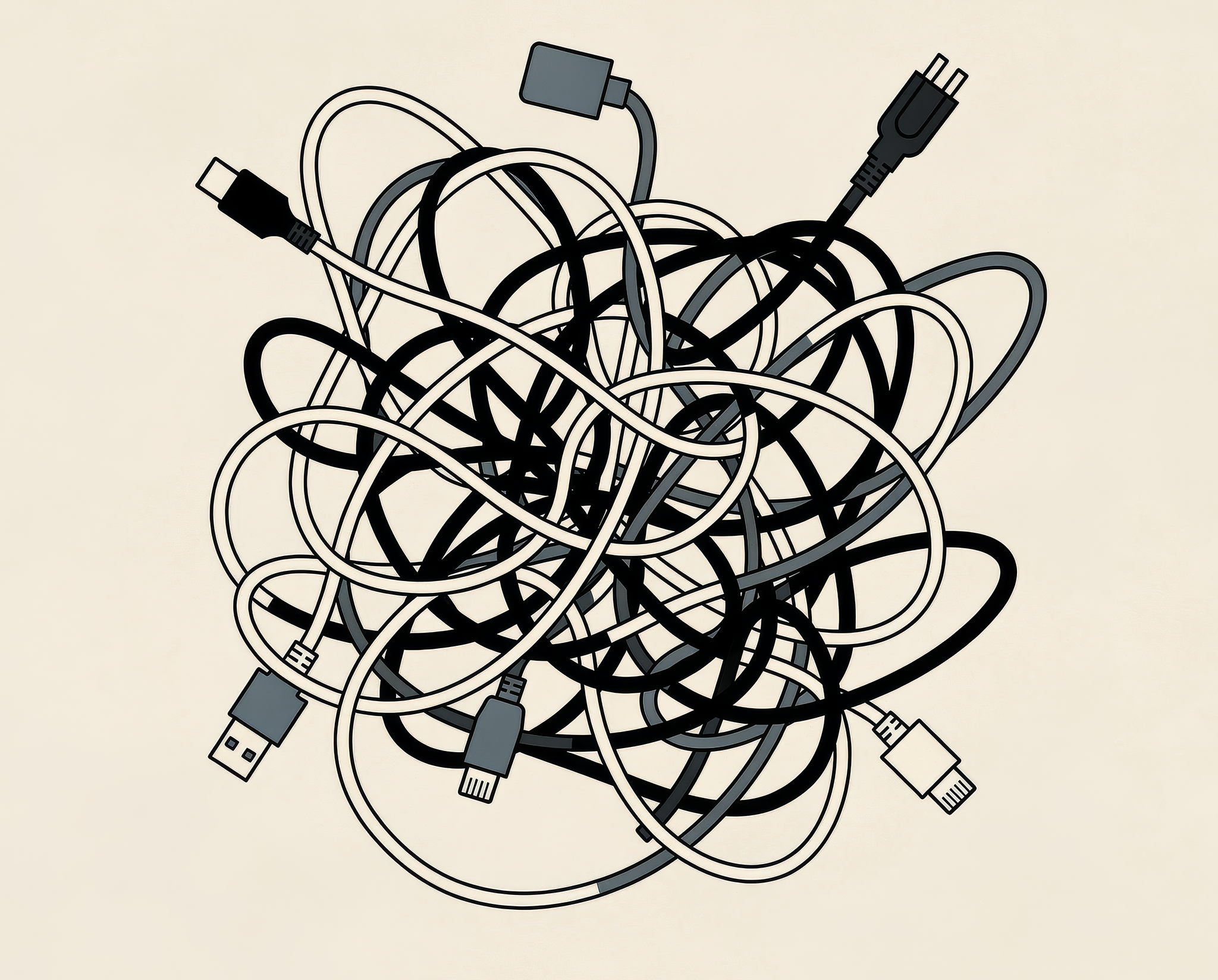
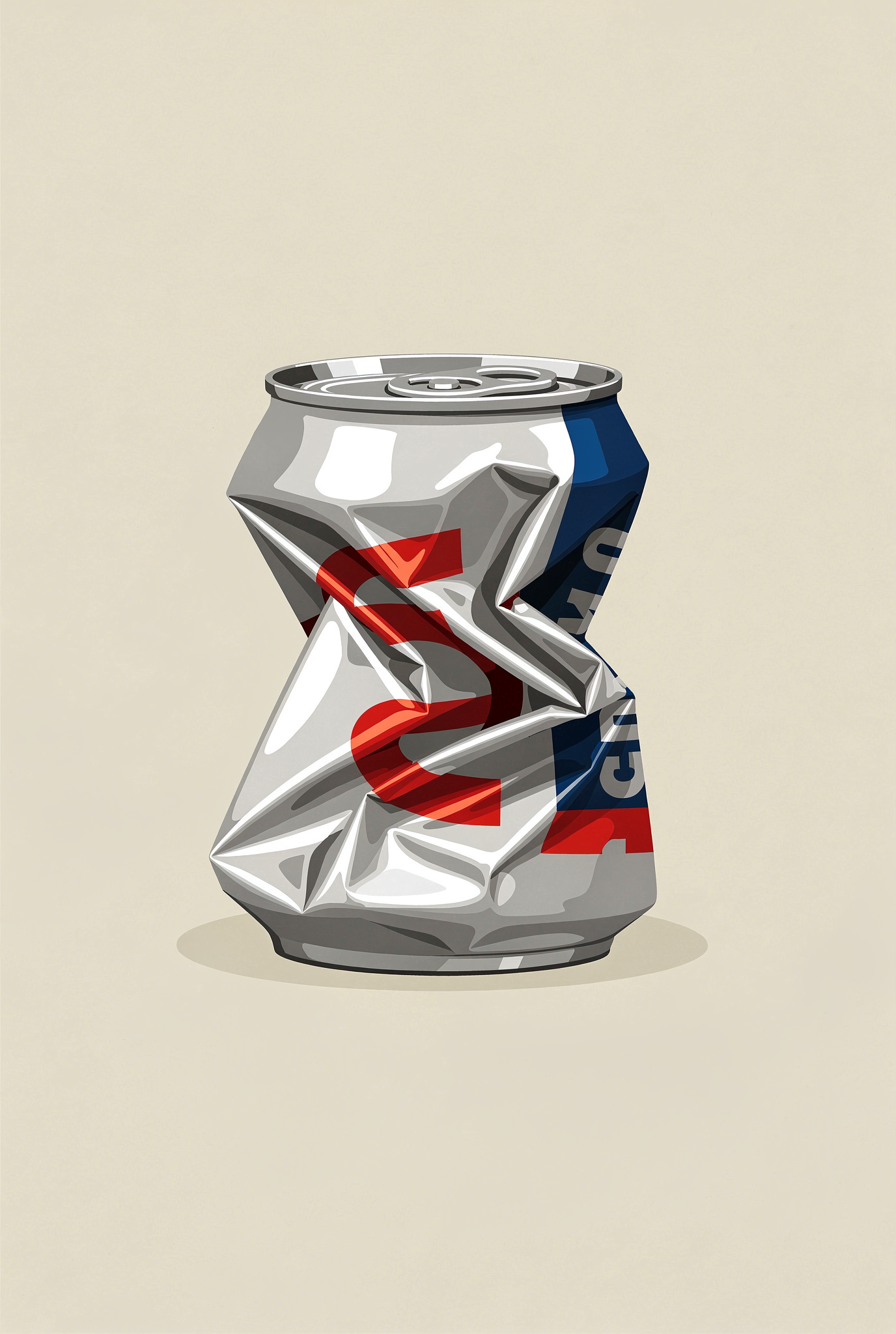
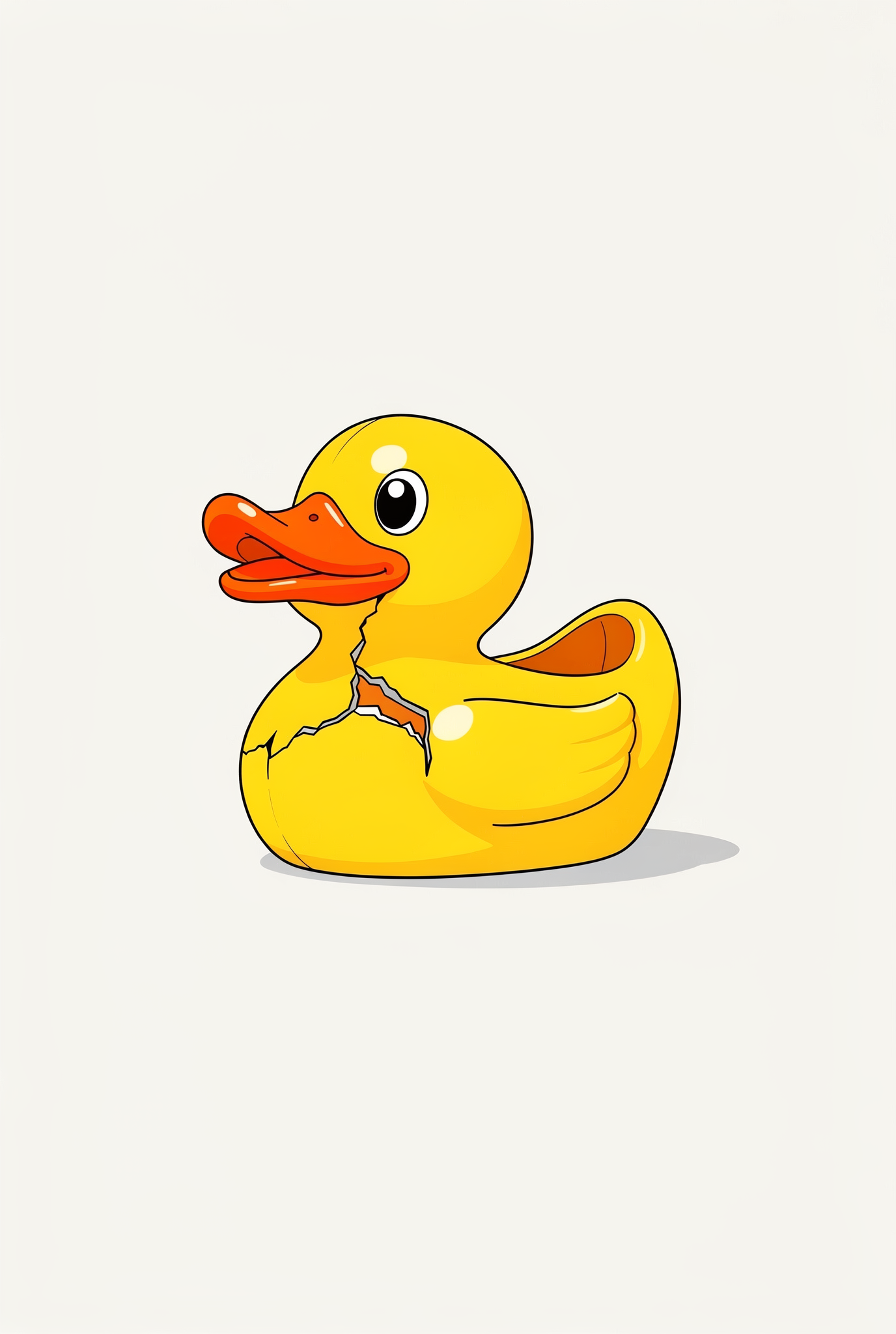
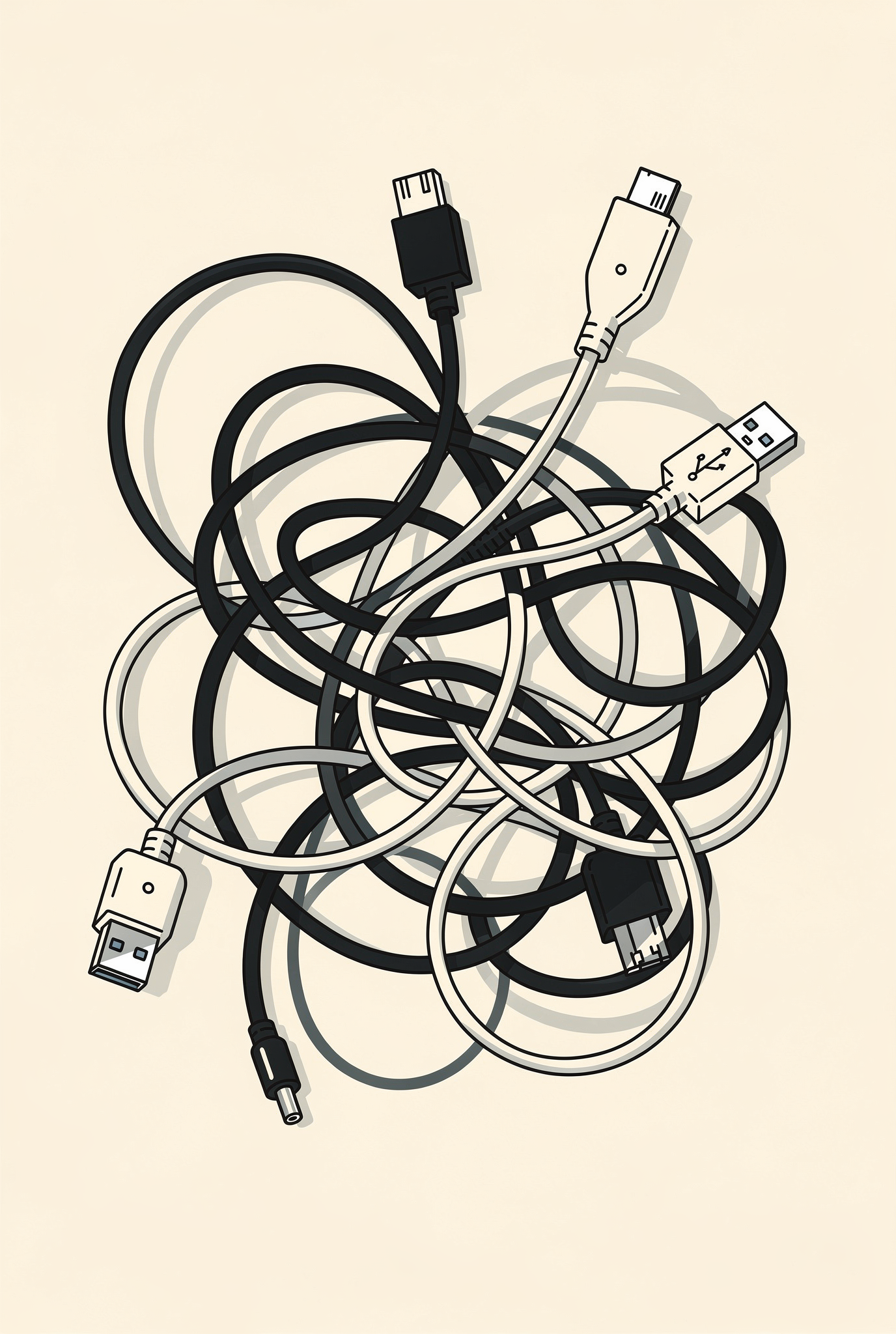
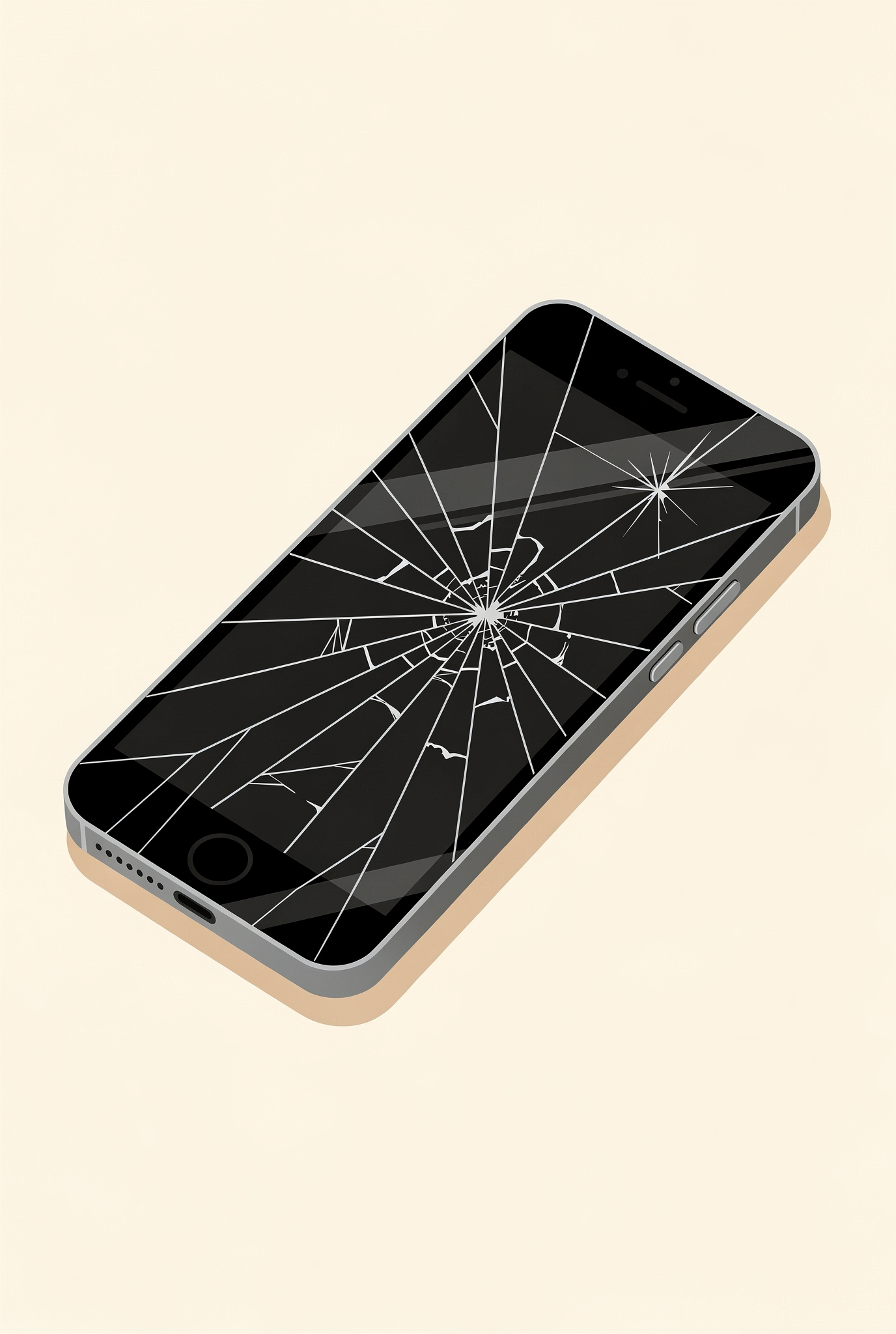
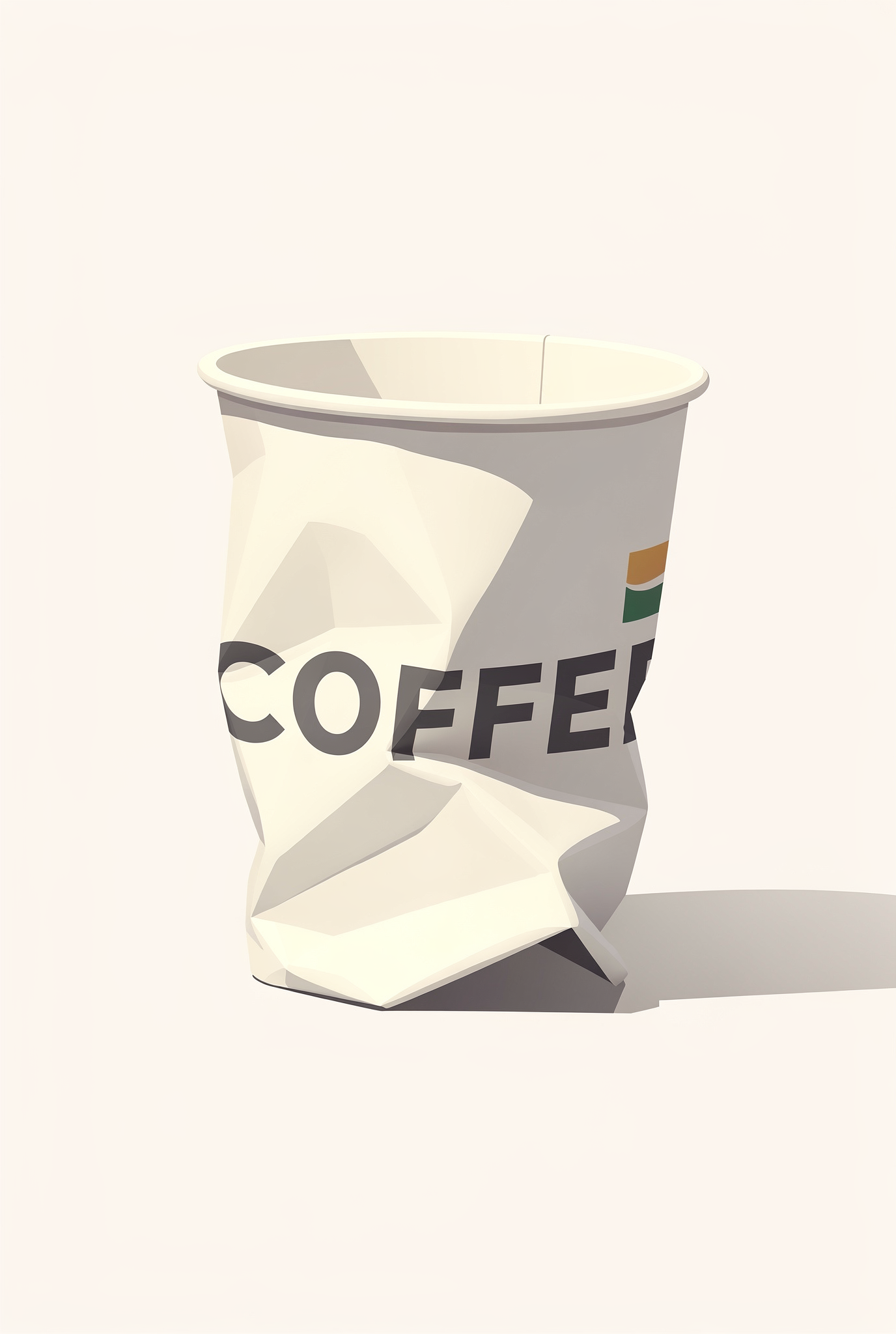
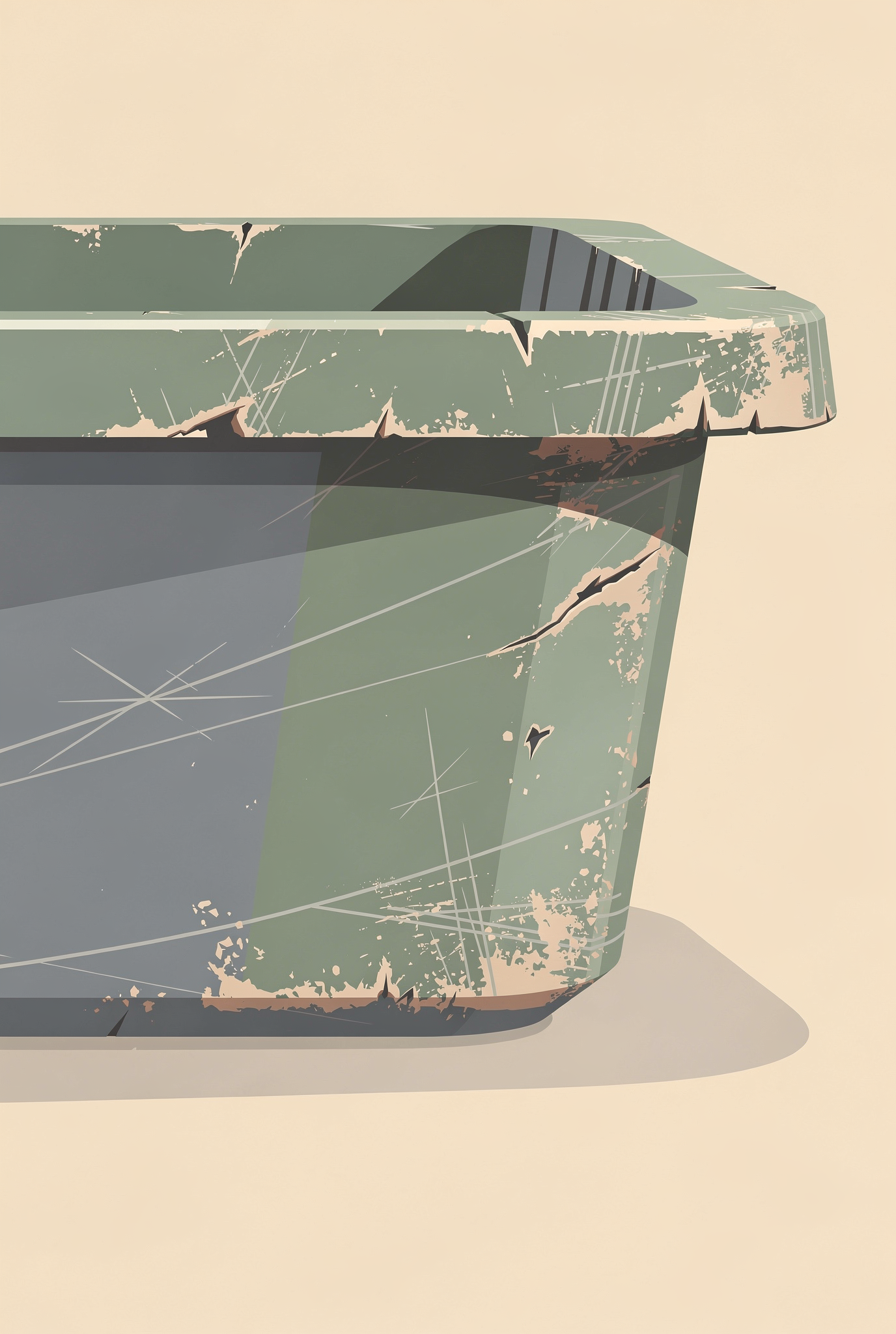
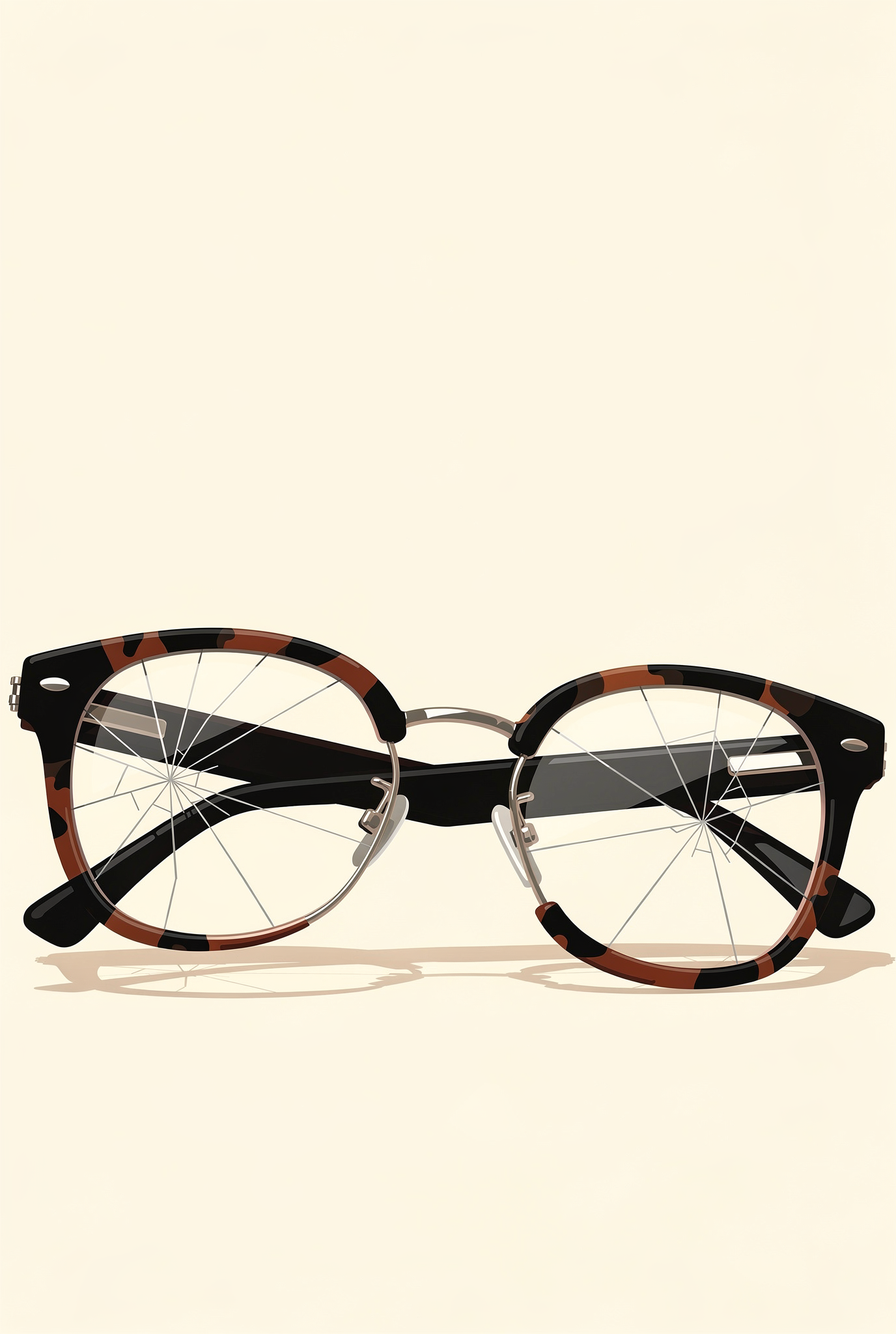
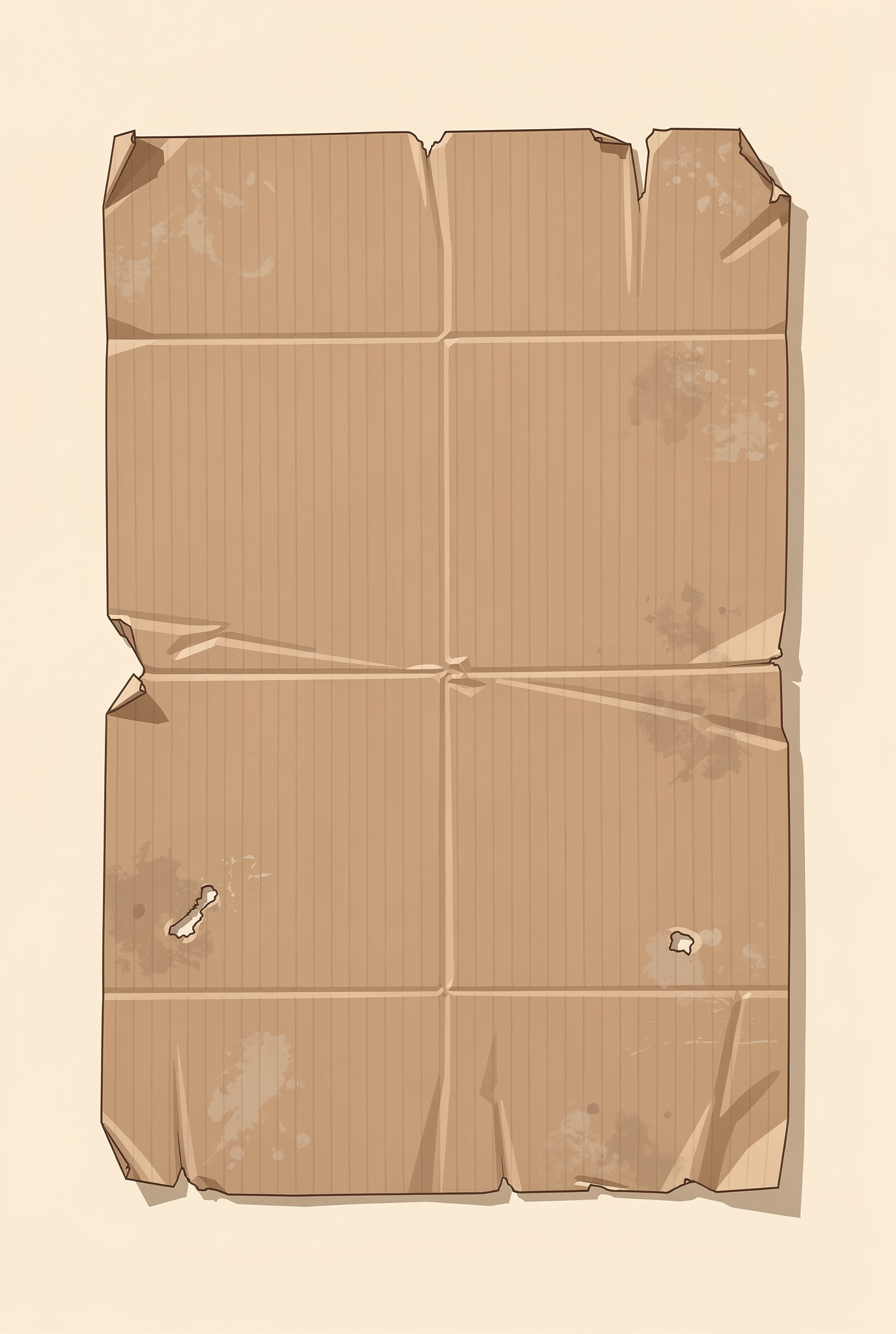
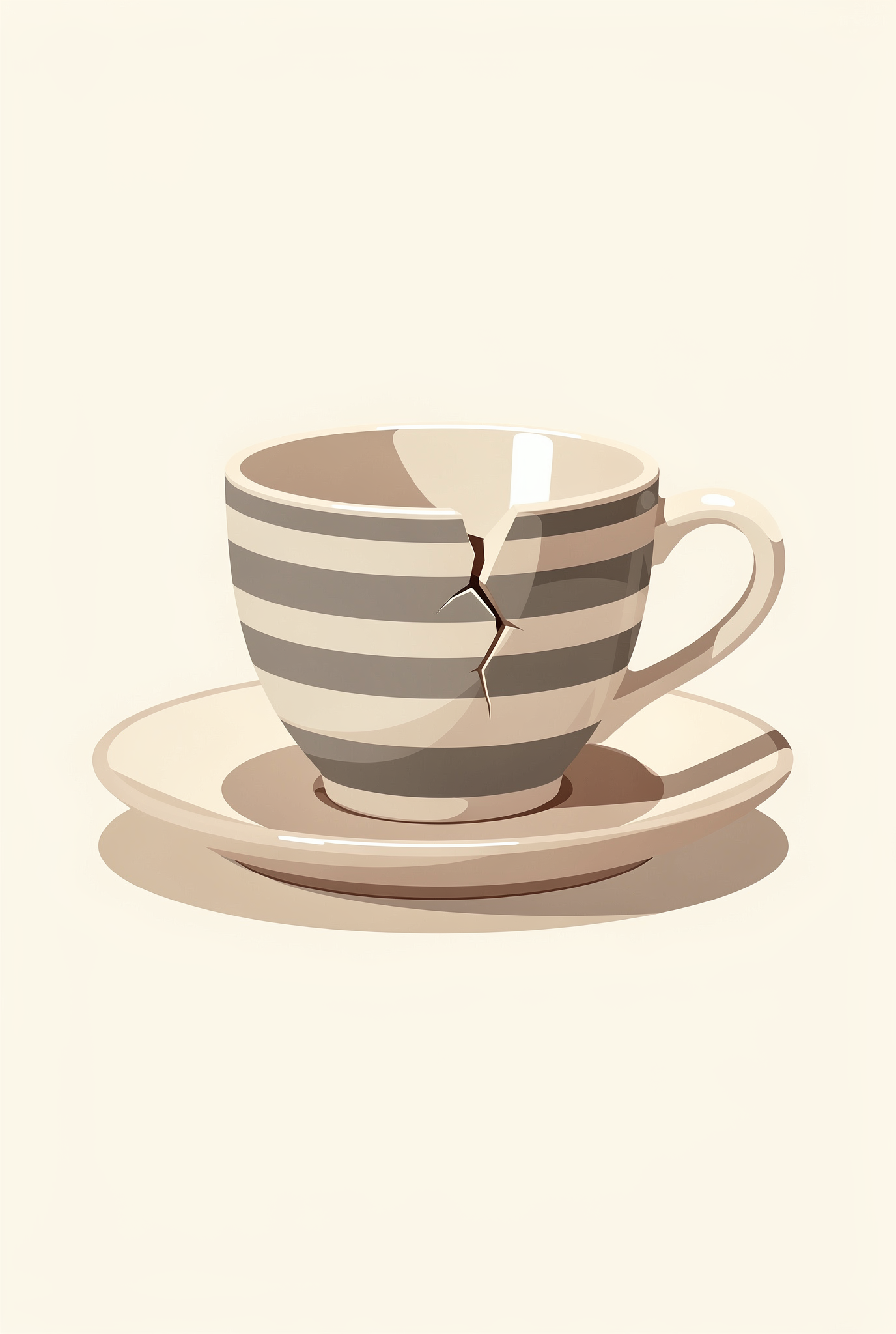
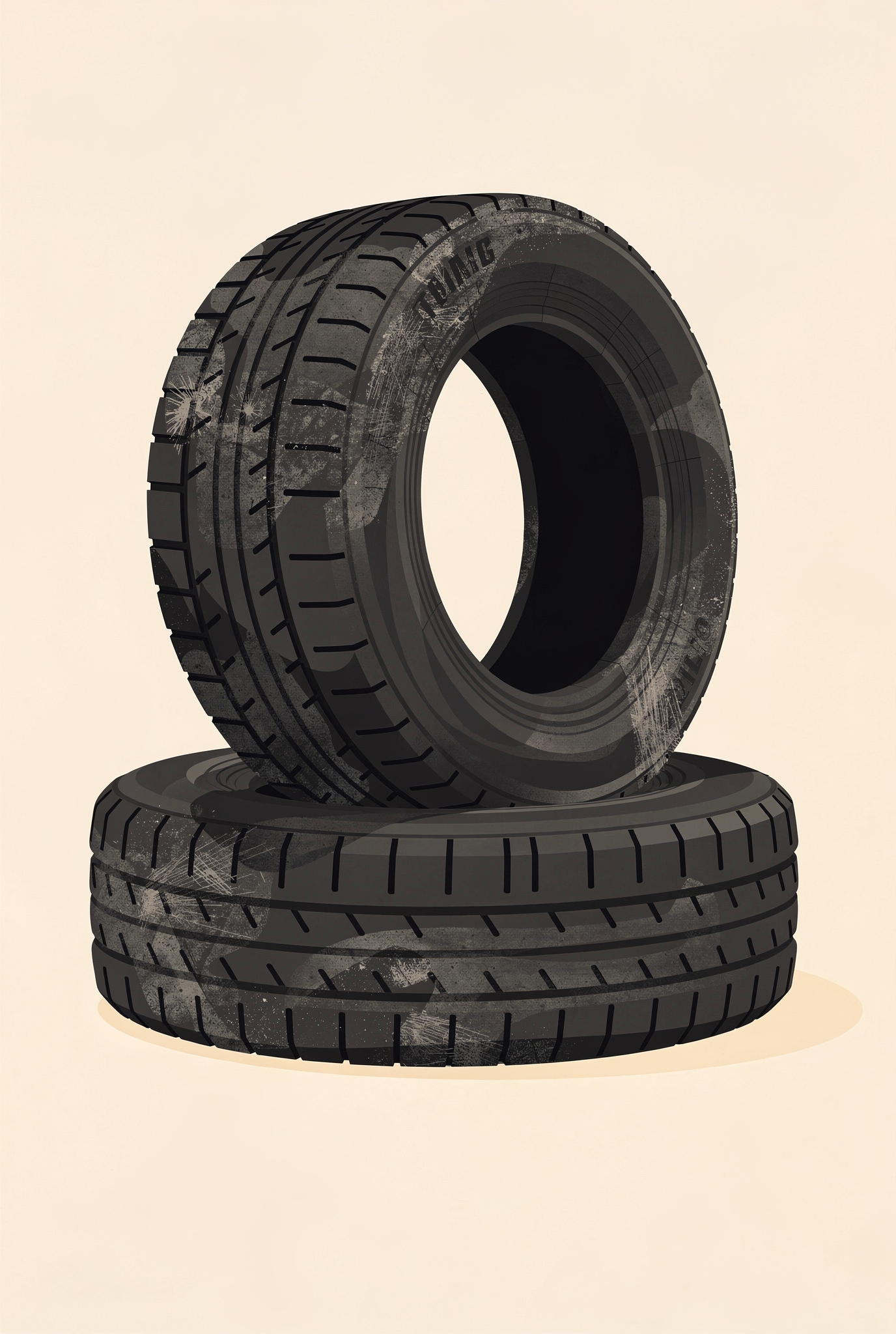
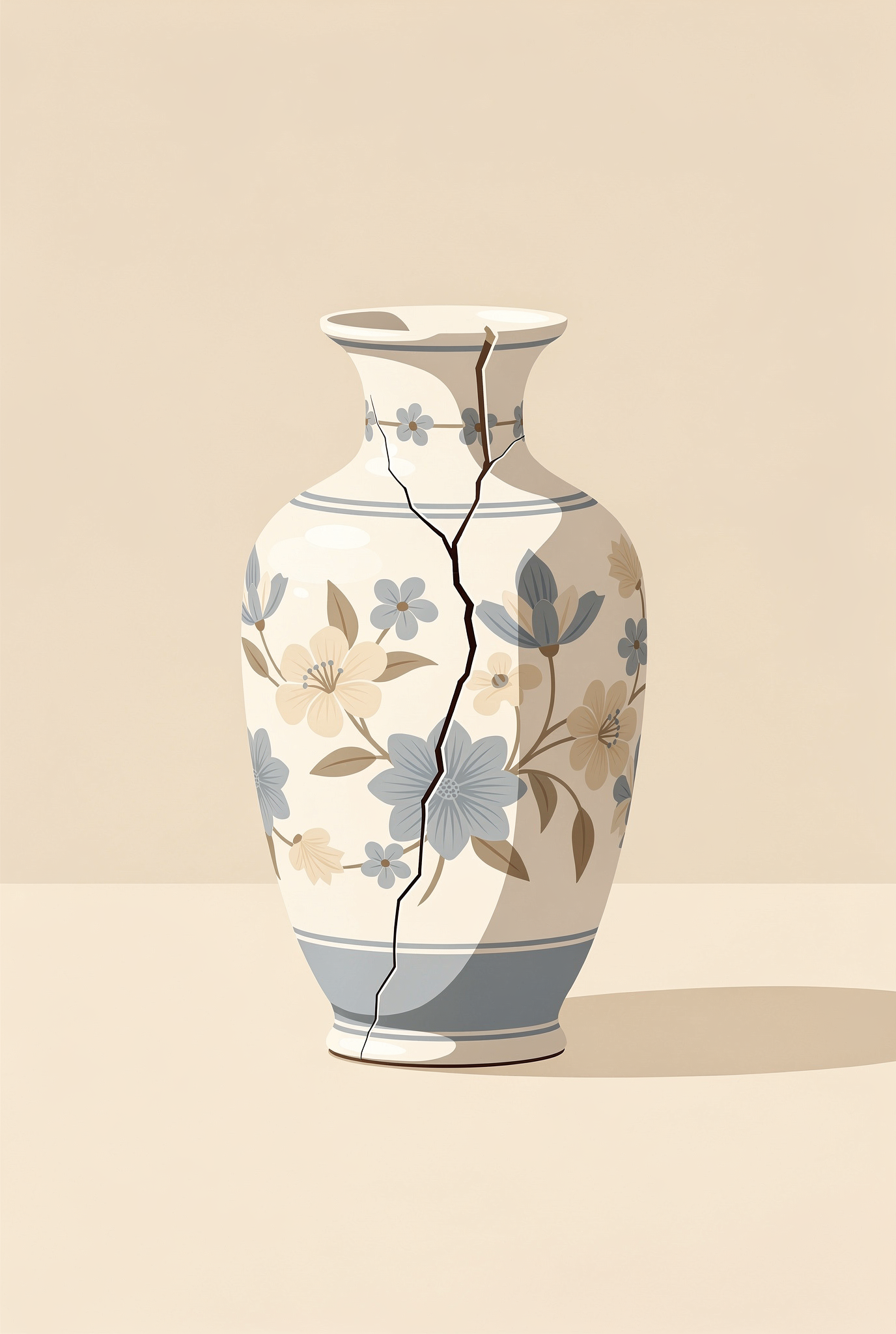
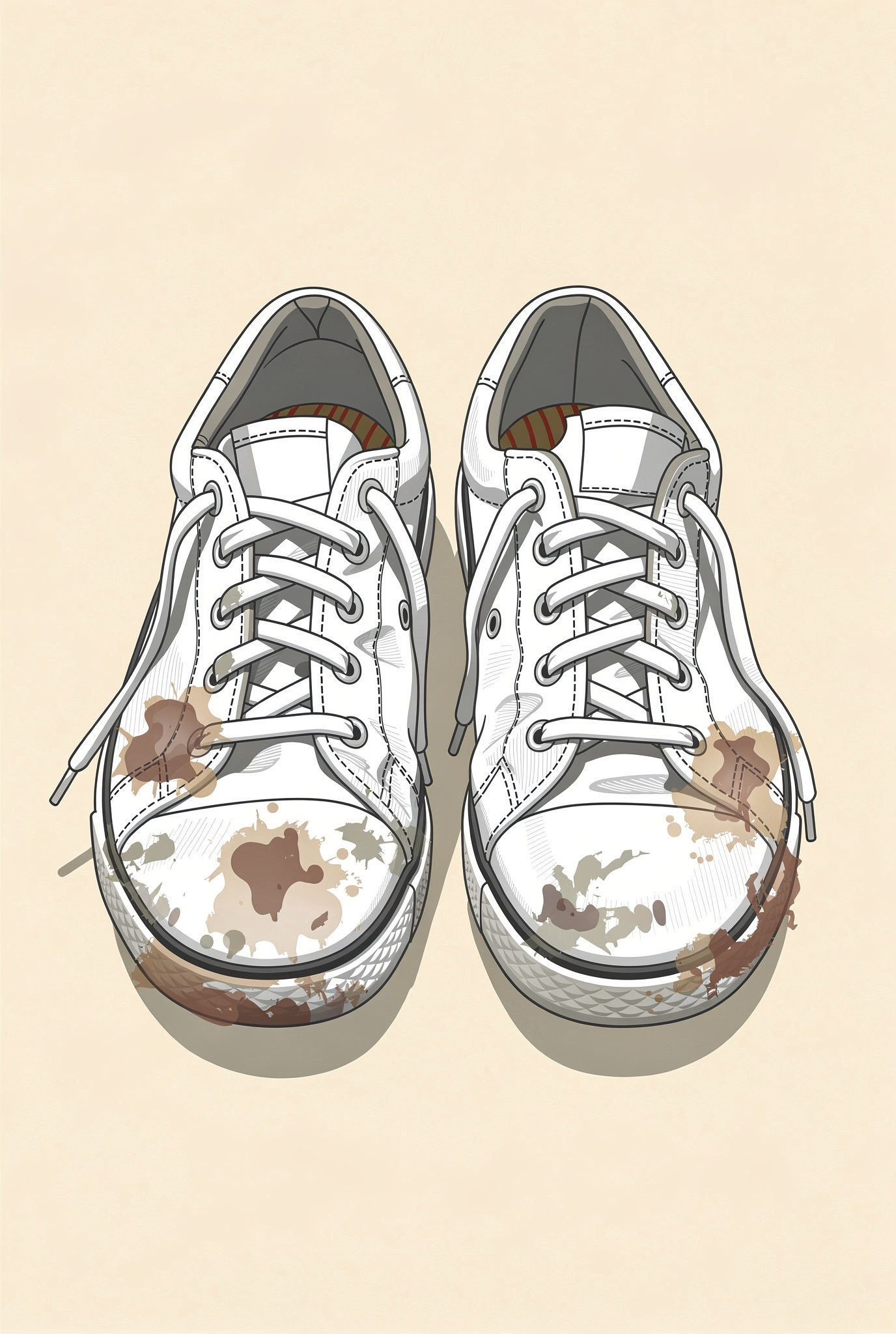
This series approaches discarded objects through the logic of looking again. David Hockney's emphasis on looking becomes useful here not as a slogan but as a method. Looking again is more than reconsideration: it asks what becomes visible when judgement is suspended. Shape, surface, fracture, wear, repetition, compression and colour can re-emerge once something is no longer seen simply as useless. Trash therefore becomes a test of attention. The images do not rescue discarded things through sentimentality, nor turn them into symbols of environmental catastrophe. Instead, they grant sustained visual attention to things normally passed over, overlooked or removed from sight. What changes is not the object, but the quality of regard brought to it — the decision that something dismissed as worthless might still deserve to be seen.
Rendered as graphic illustrations with Flux.2 Pro by Black Forest Labs, Trash also turns quietly towards the conditions of image-making. Generative culture has made visual production faster, easier and more abundant, while attention remains focused and finite. Images, like consumer objects, can be produced, consumed and discarded at speed. The question is not simply whether an image can be made, but whether it deserves to be kept. Here, value lies less in production than in selection, judgement, editing and care. Trash occupies that tension deliberately. It takes rejection as its subject while the act of making does the opposite: to choose, refine, sequence and preserve is to assign value. The project asks what happens when things declared unworthy of attention are looked at closely, and whether looking can alter what we believe is worth keeping.
Gallery
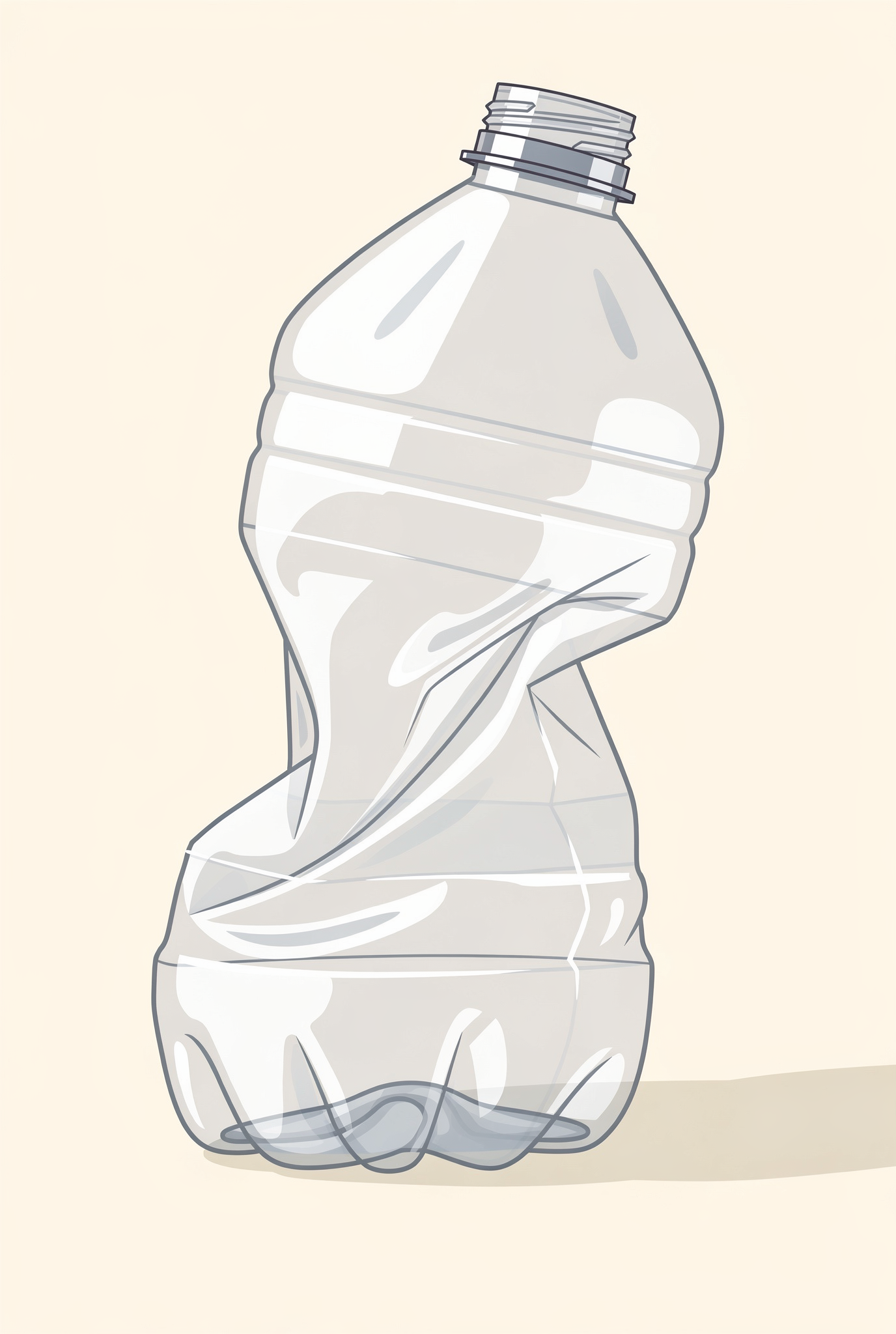
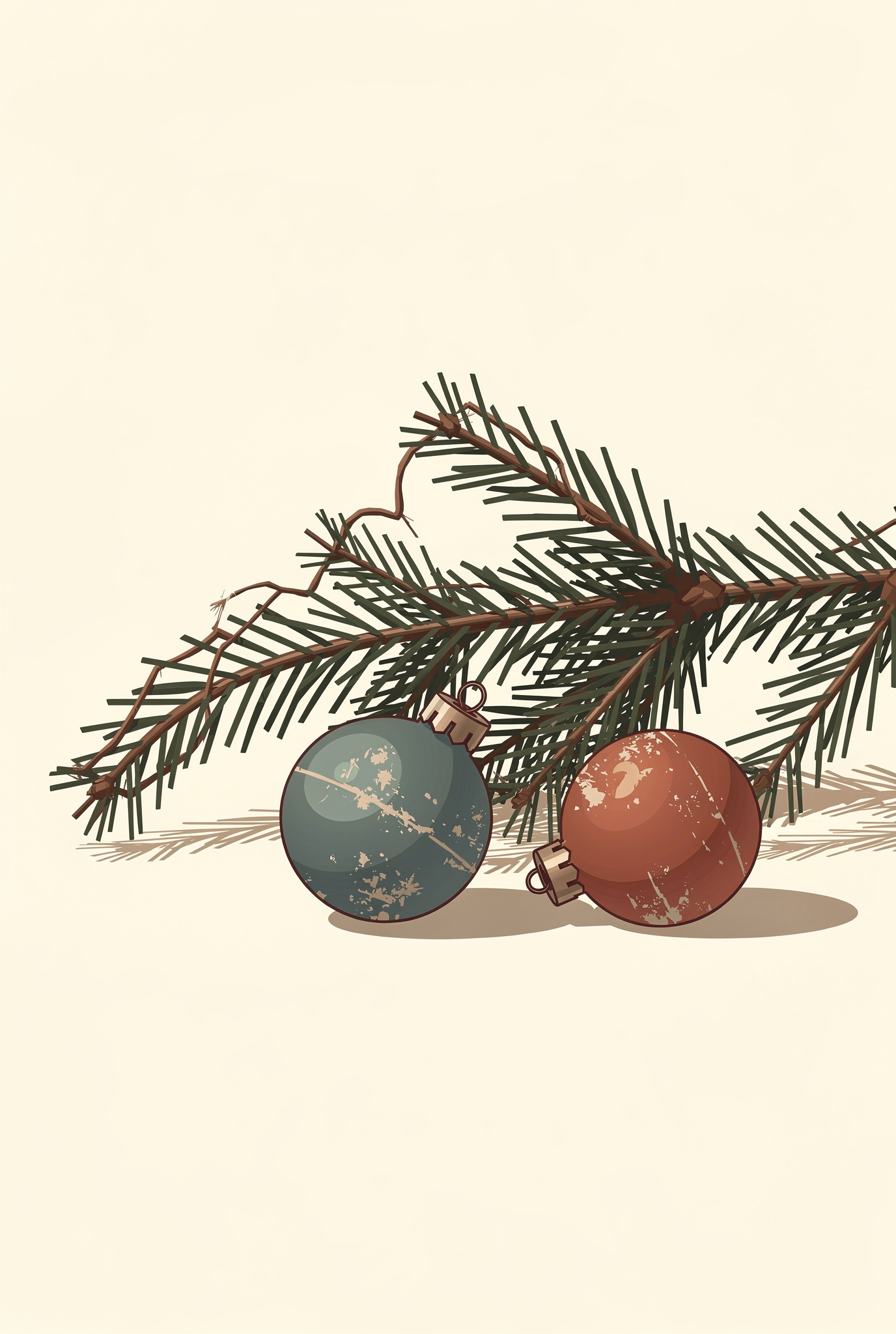
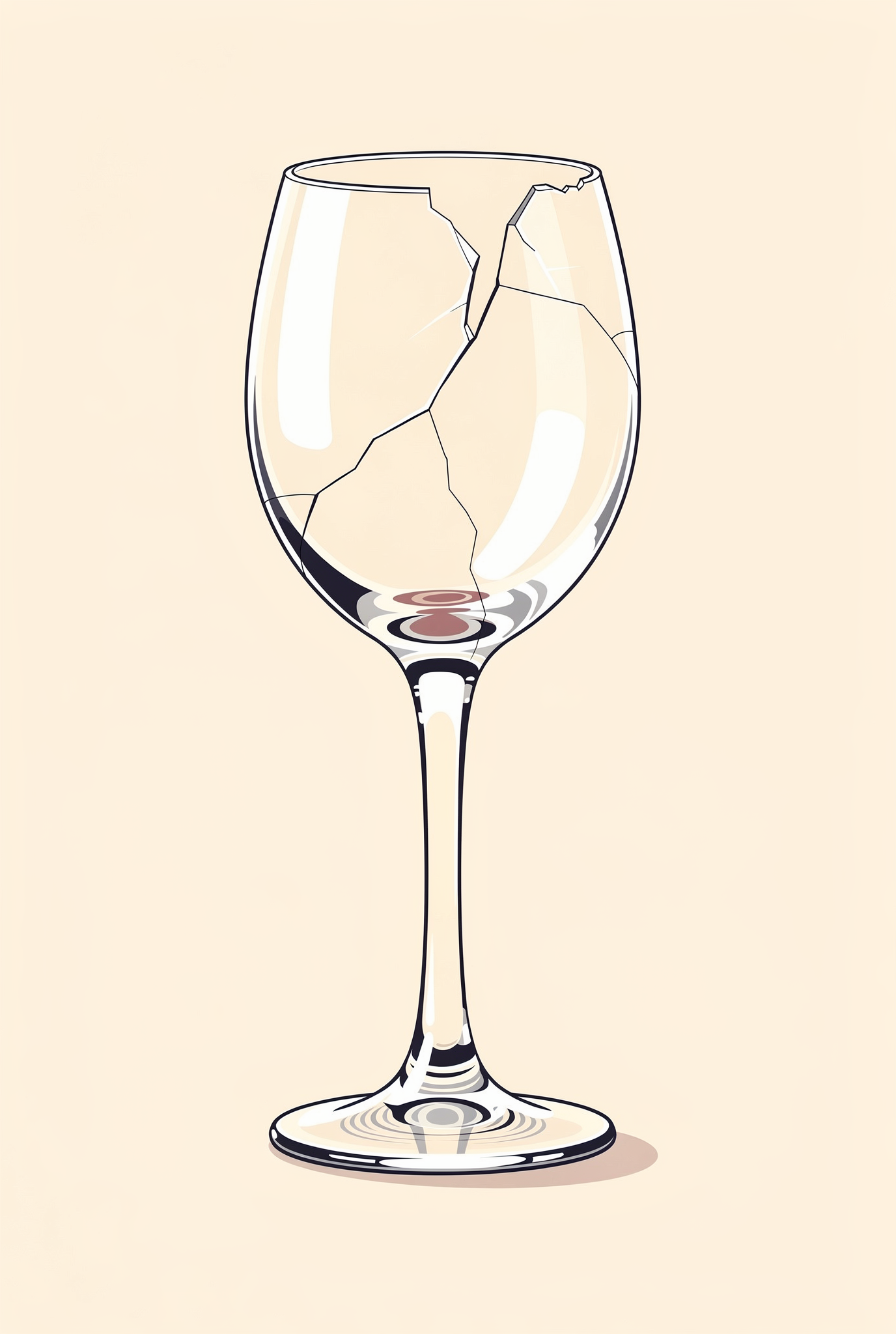
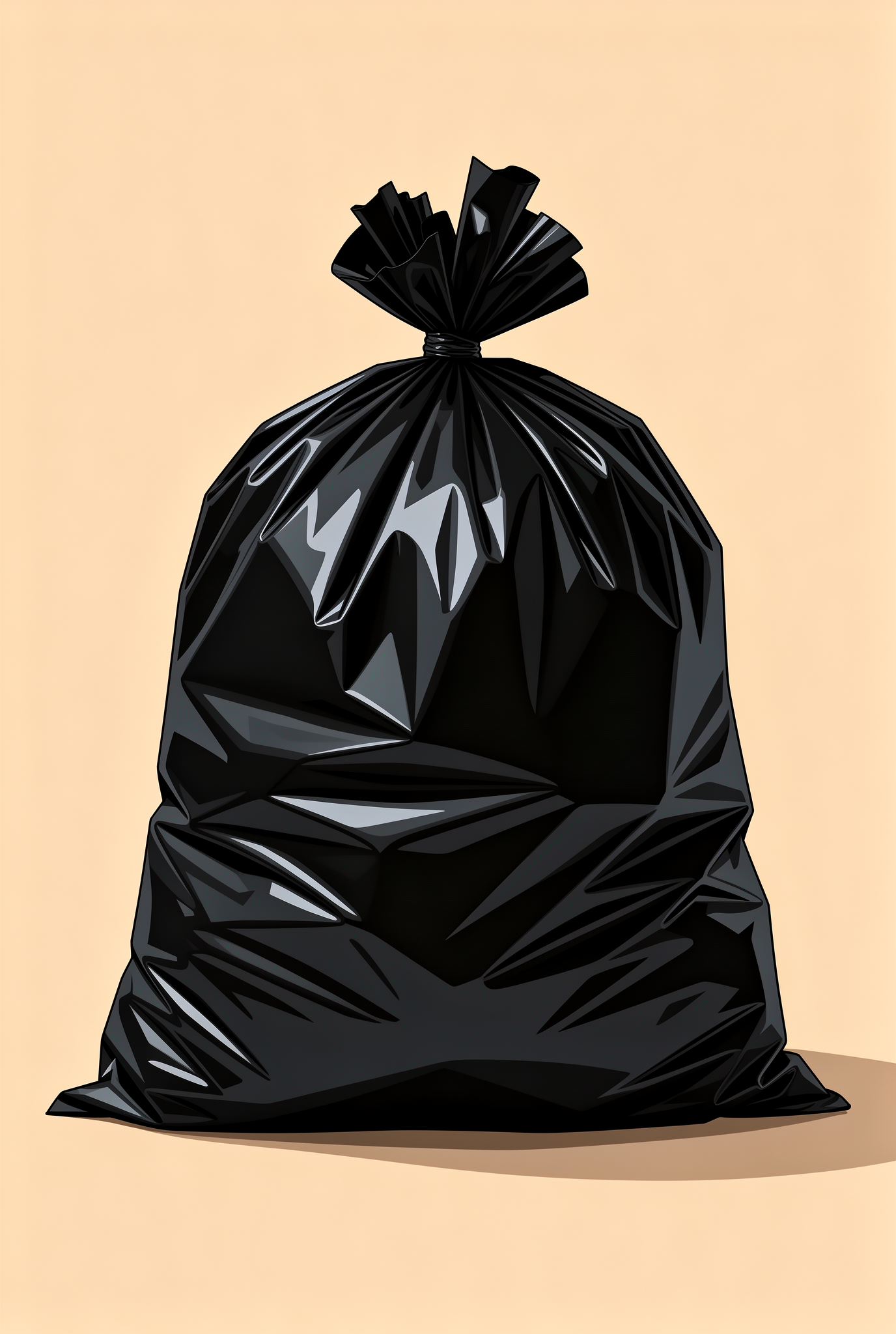
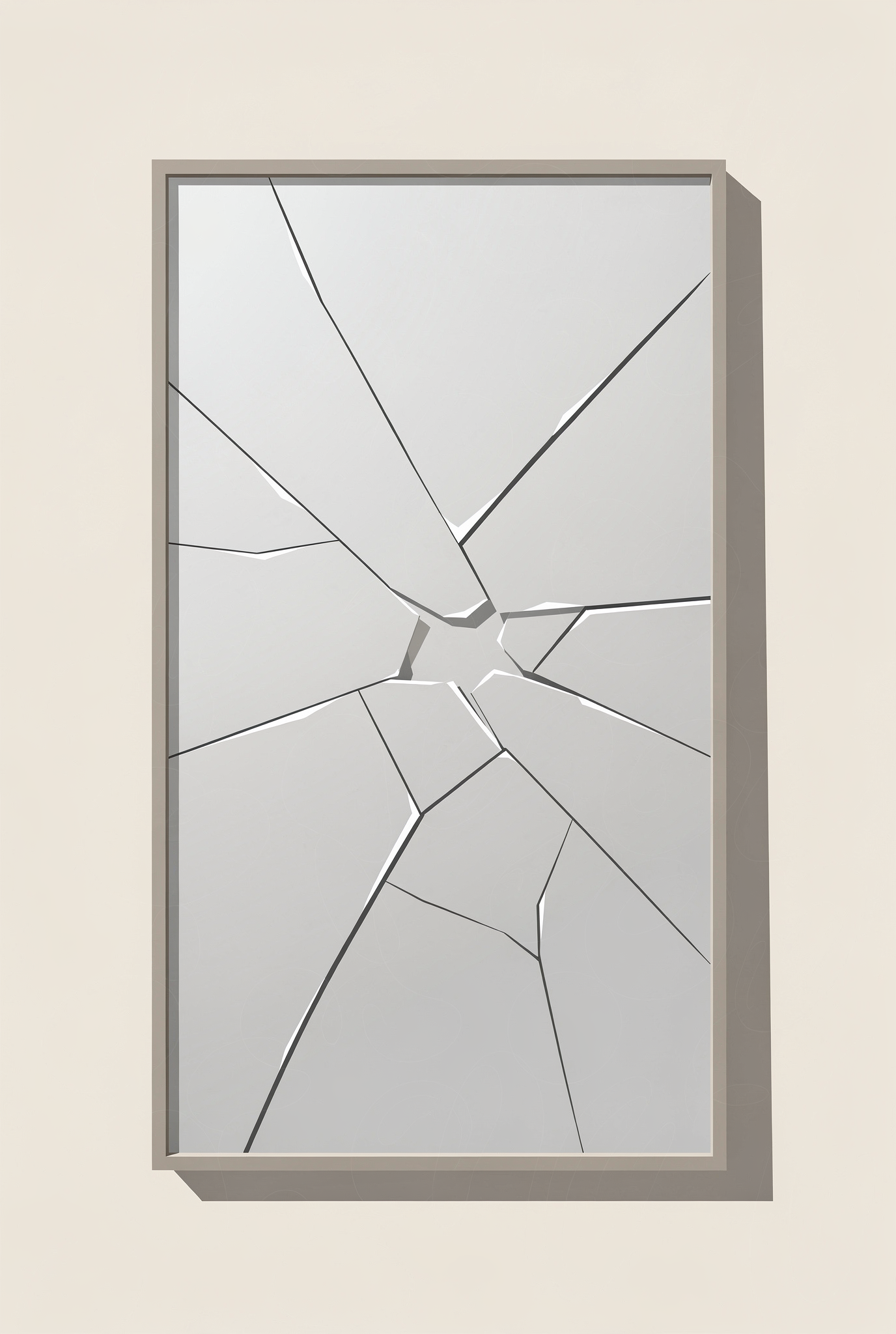
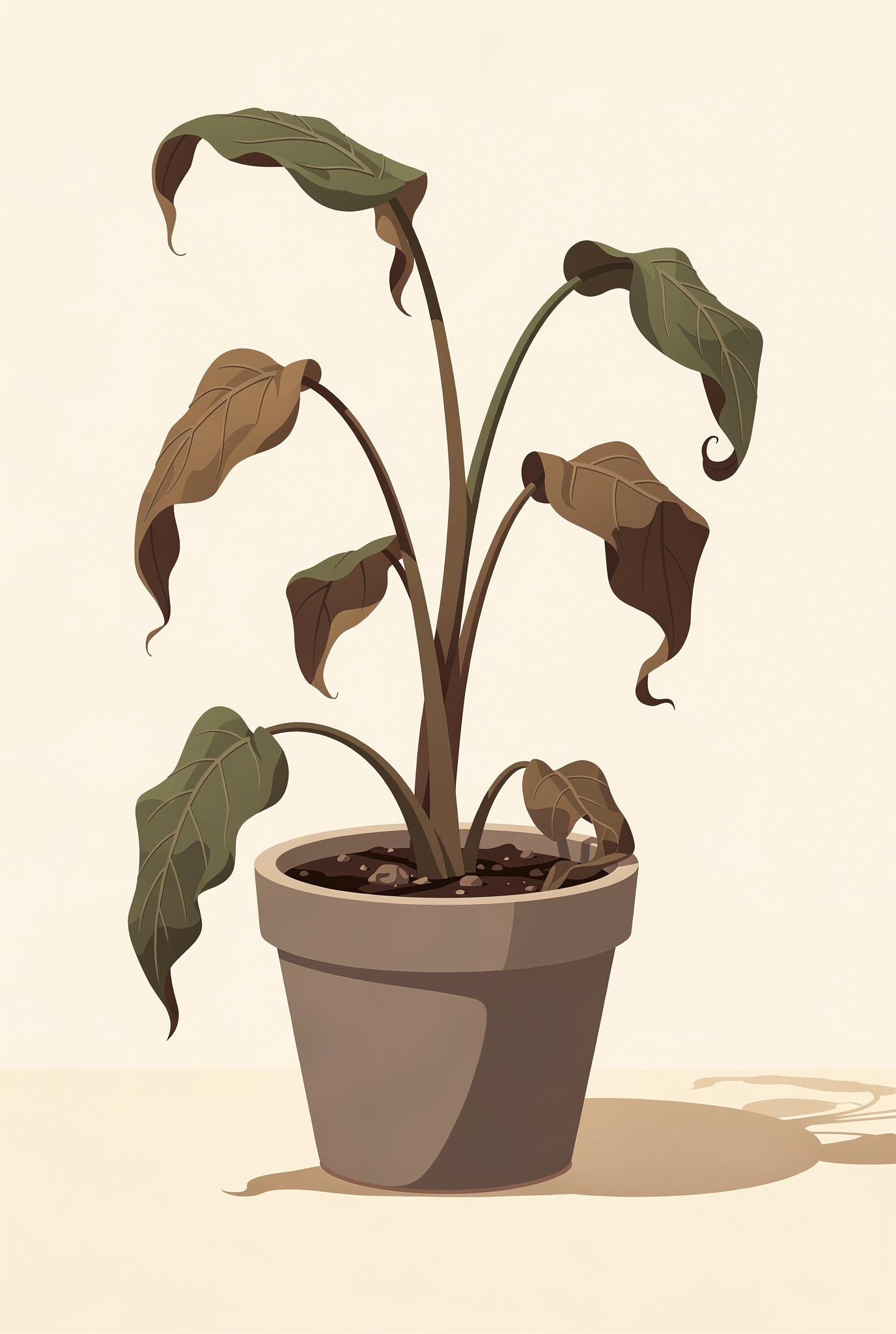
"I believe that the very process of looking can make a thing beautiful." — David Hockney