Produce: speed, simplicity, and efficiency
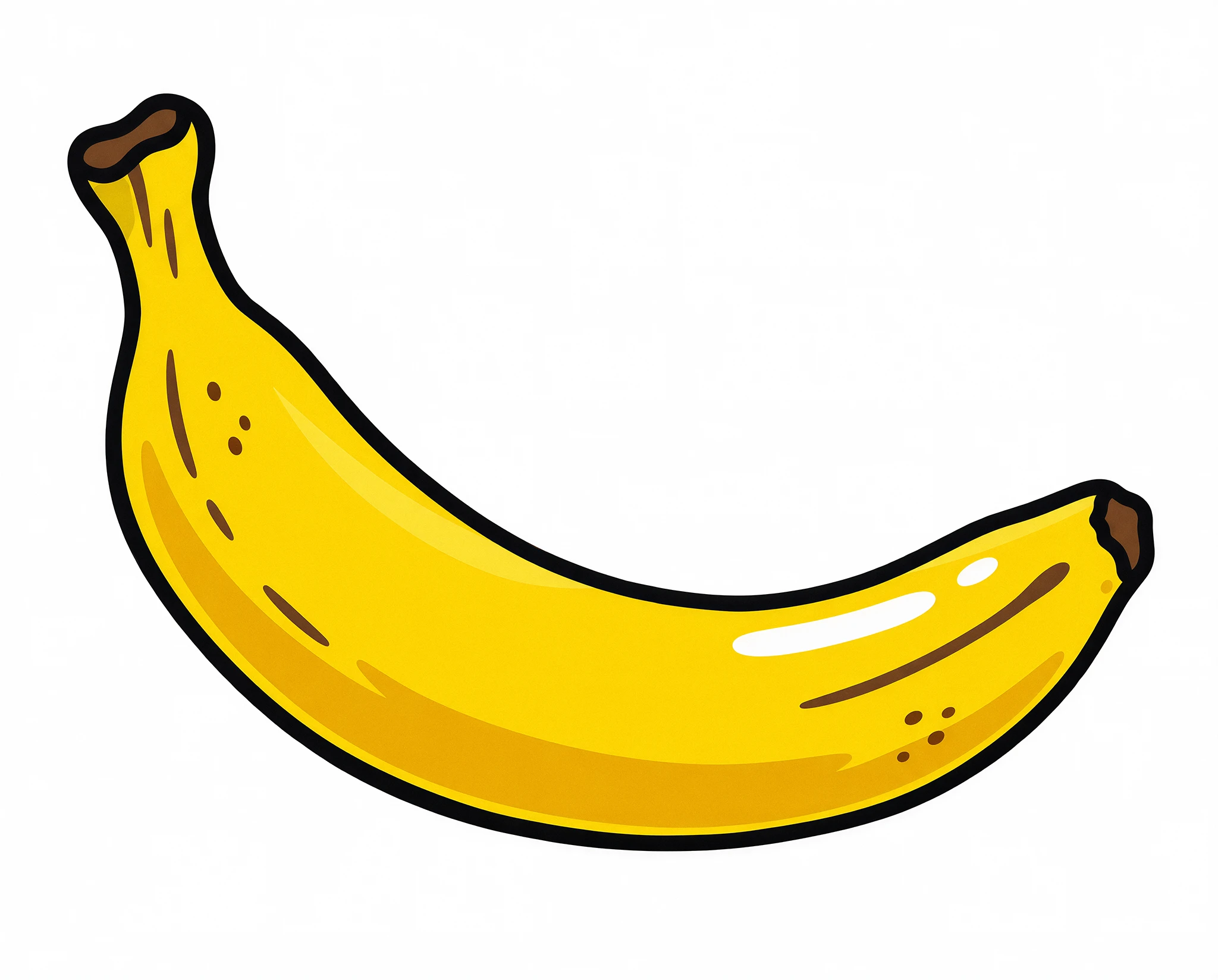
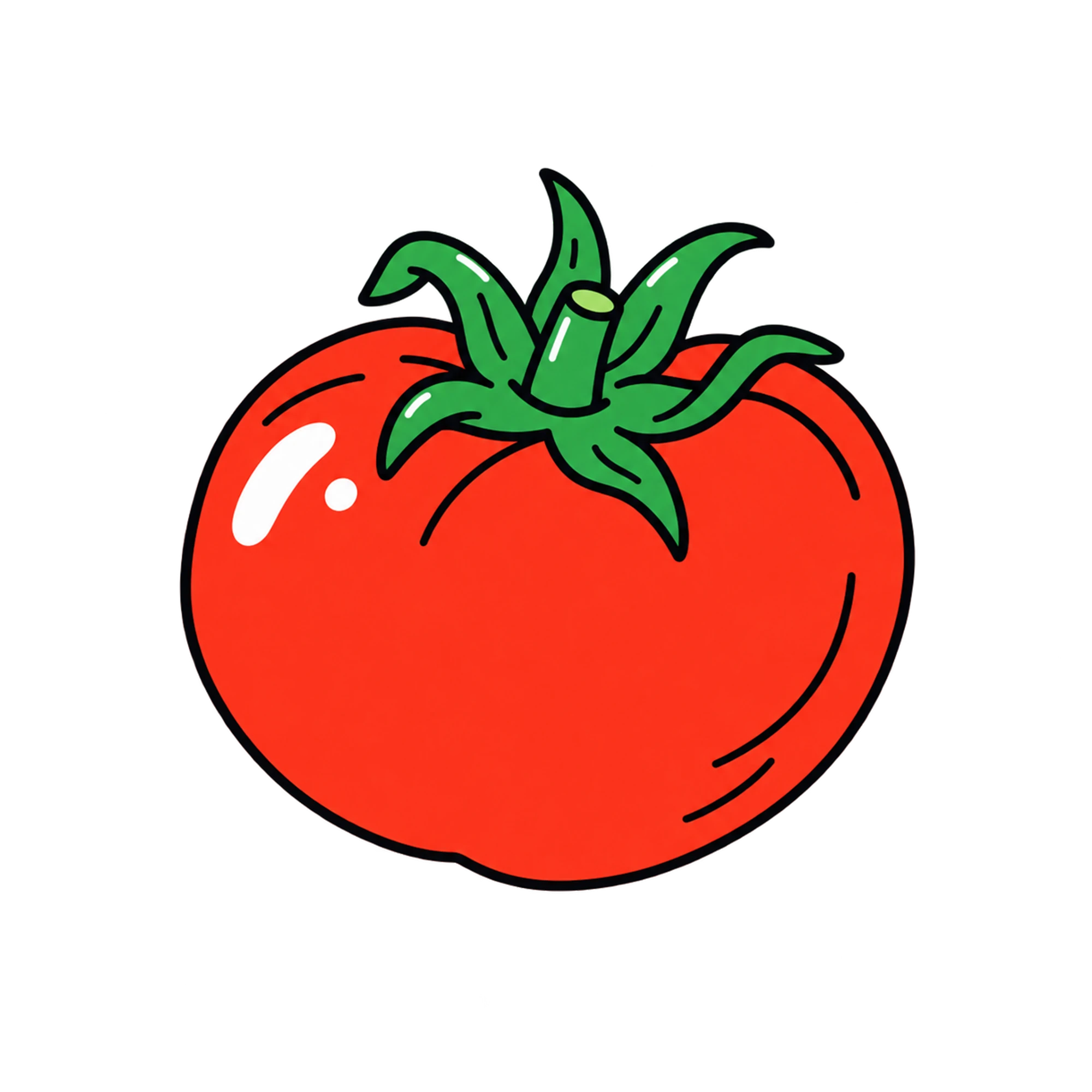
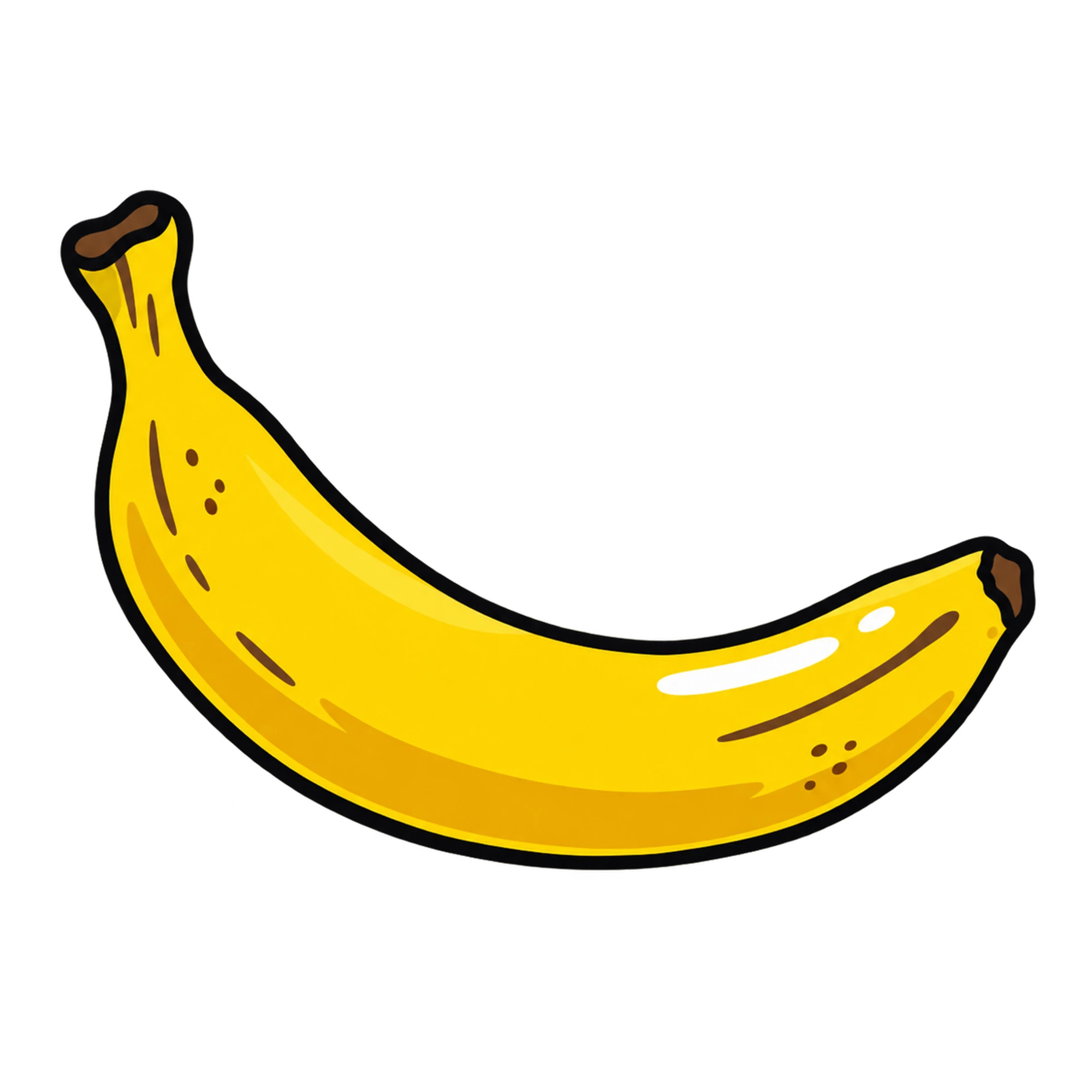
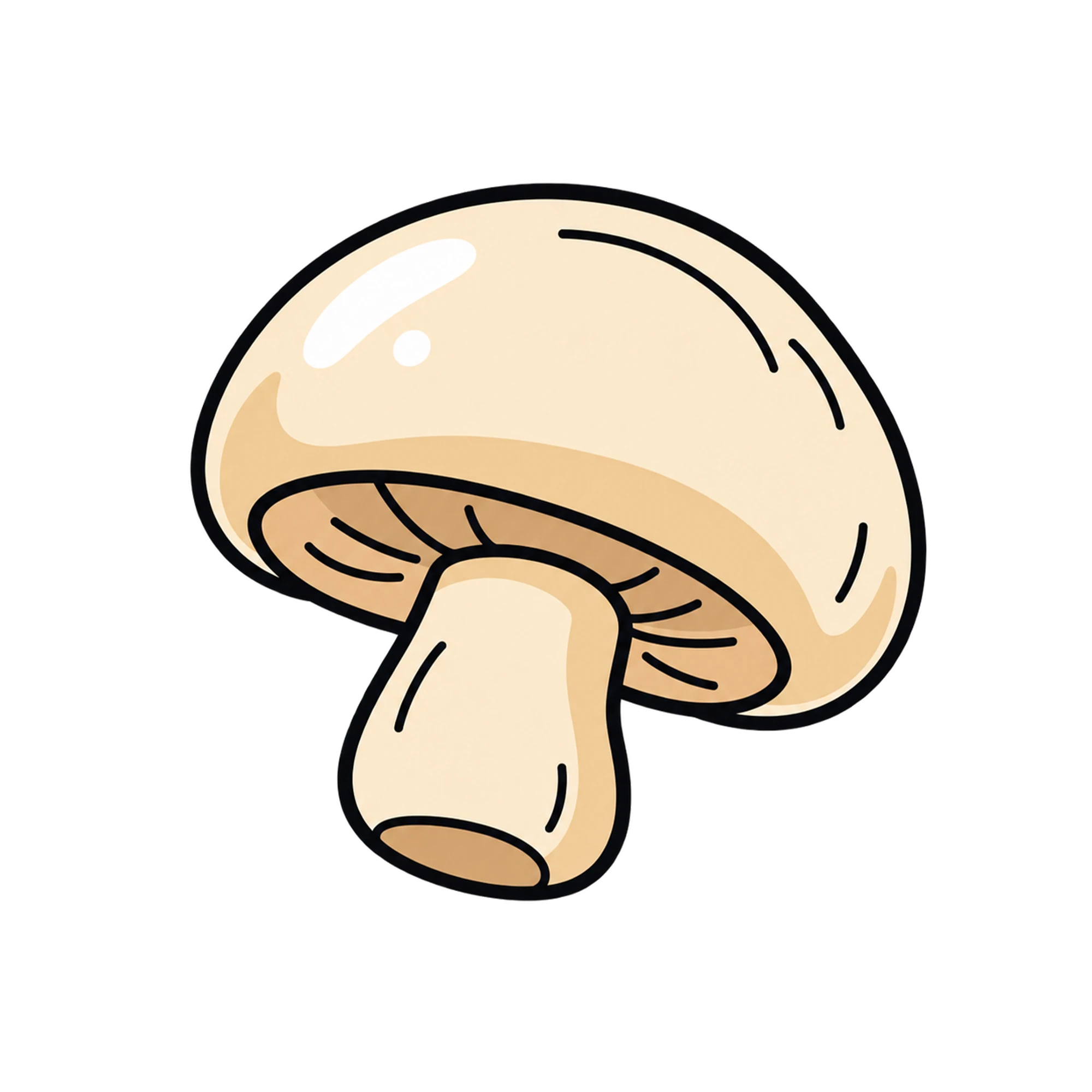
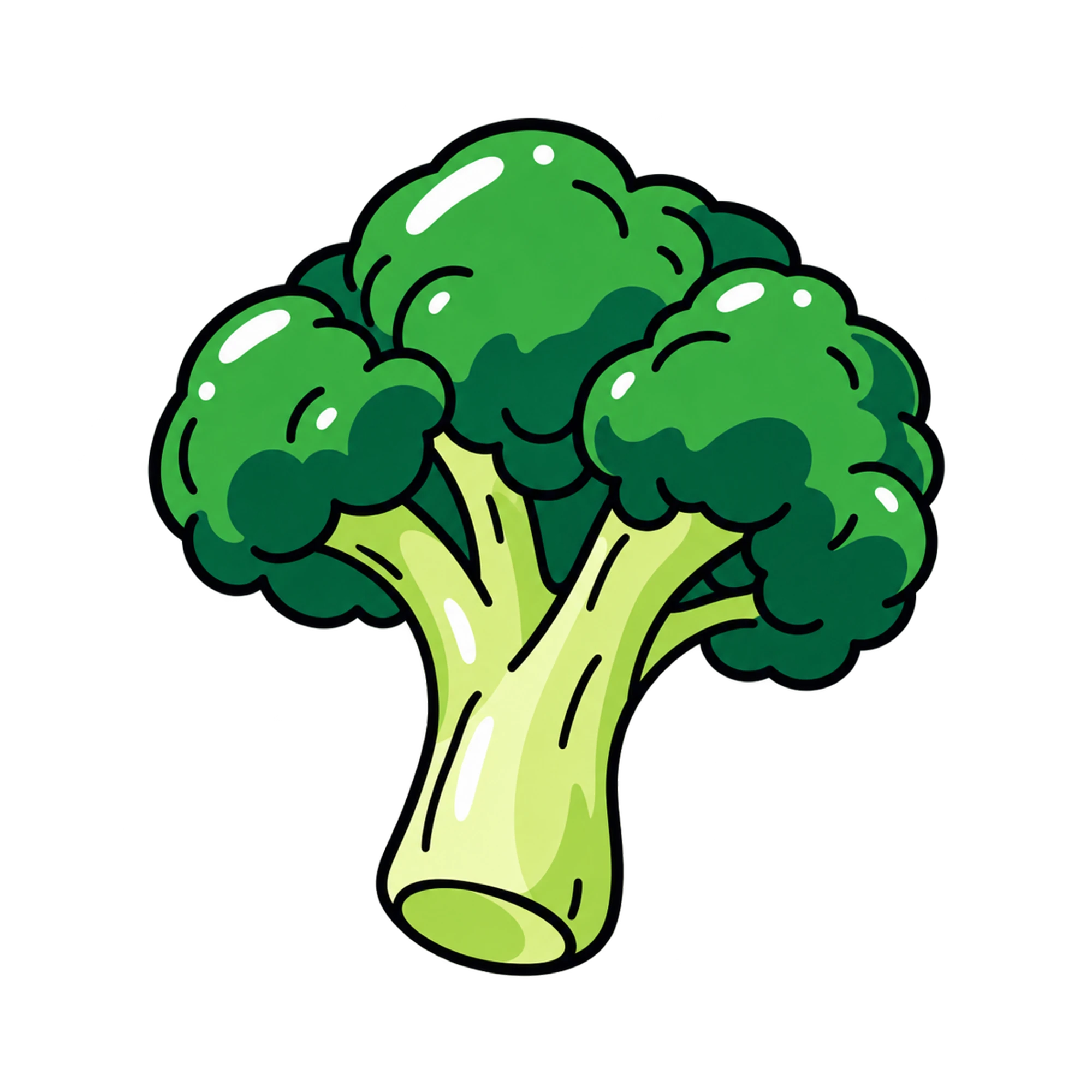
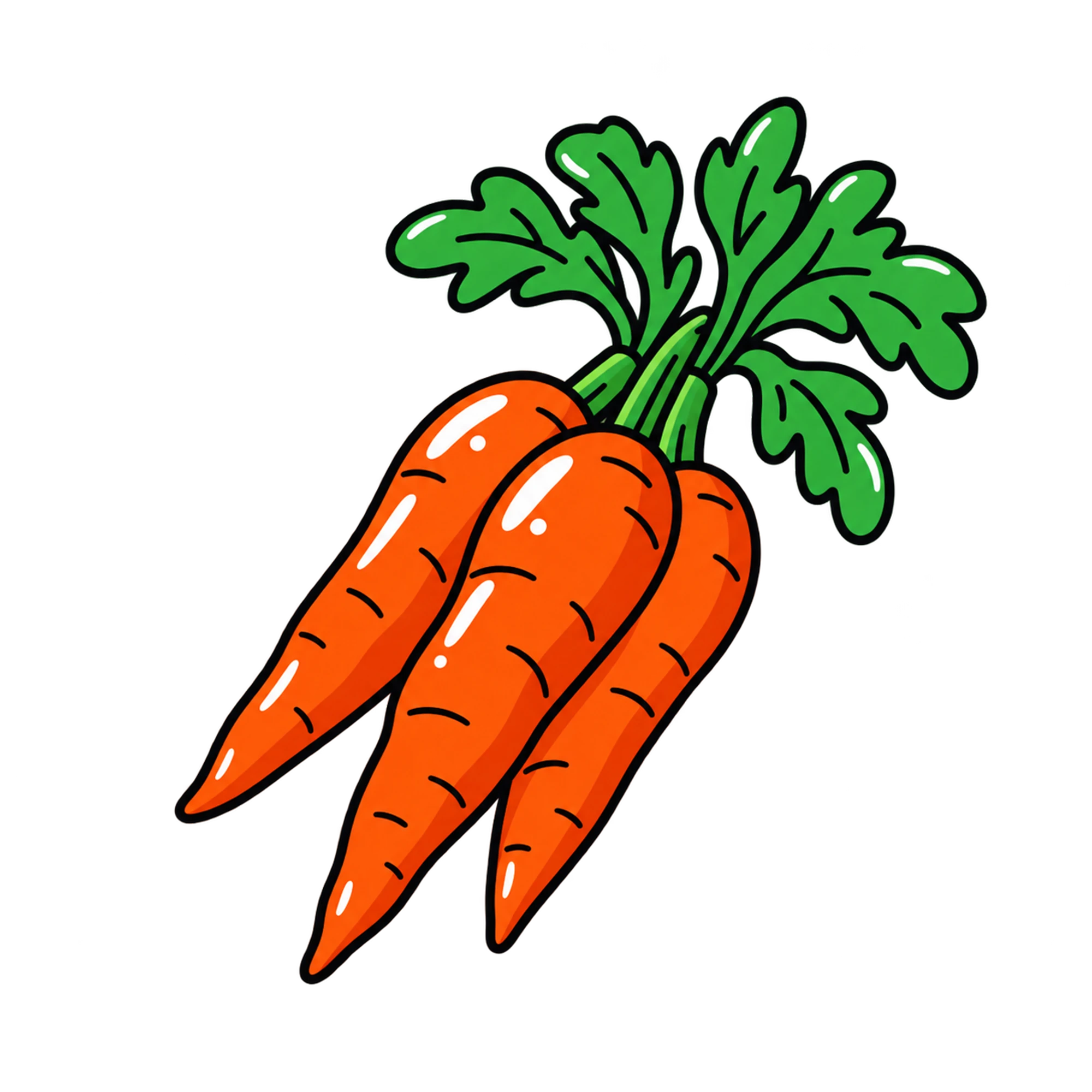
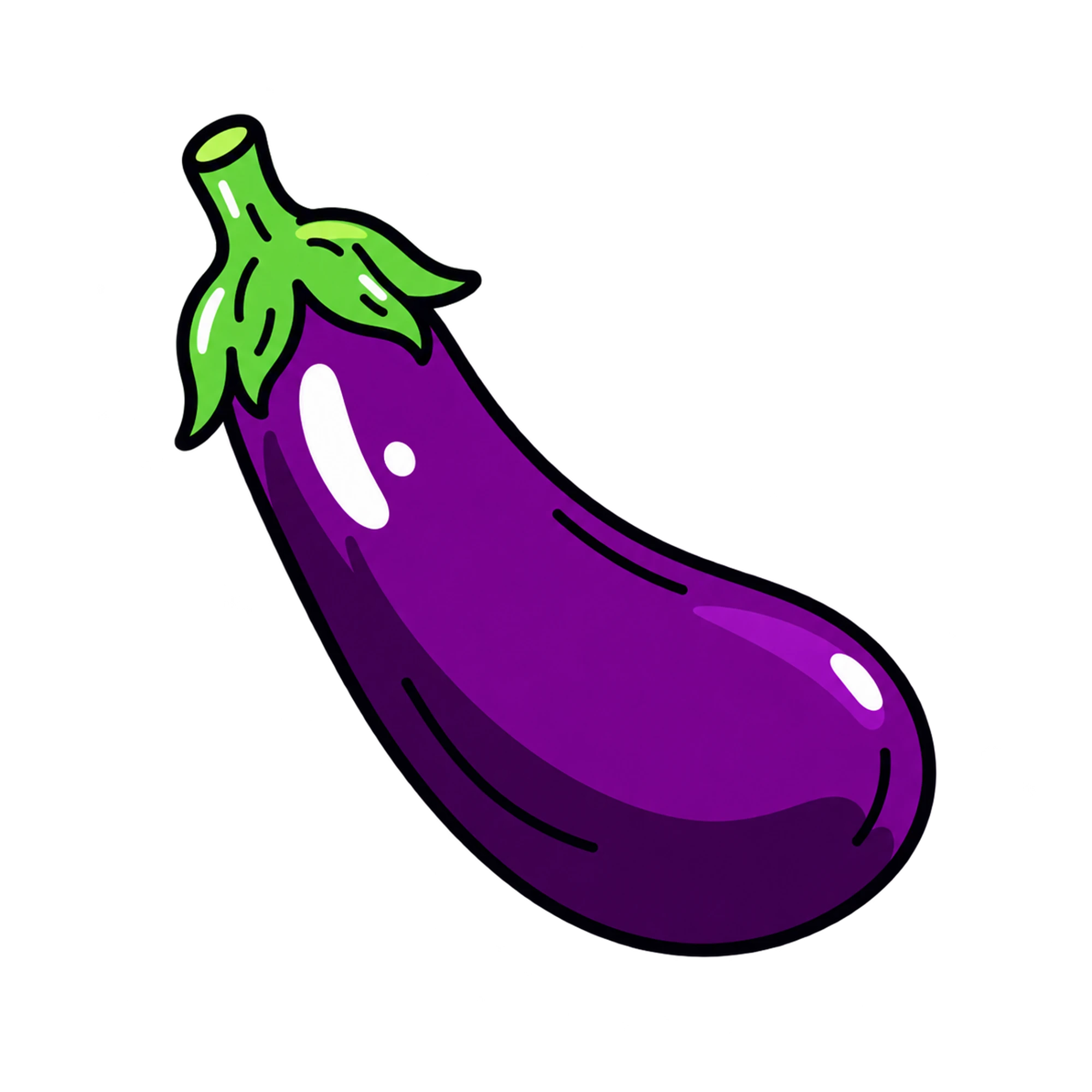
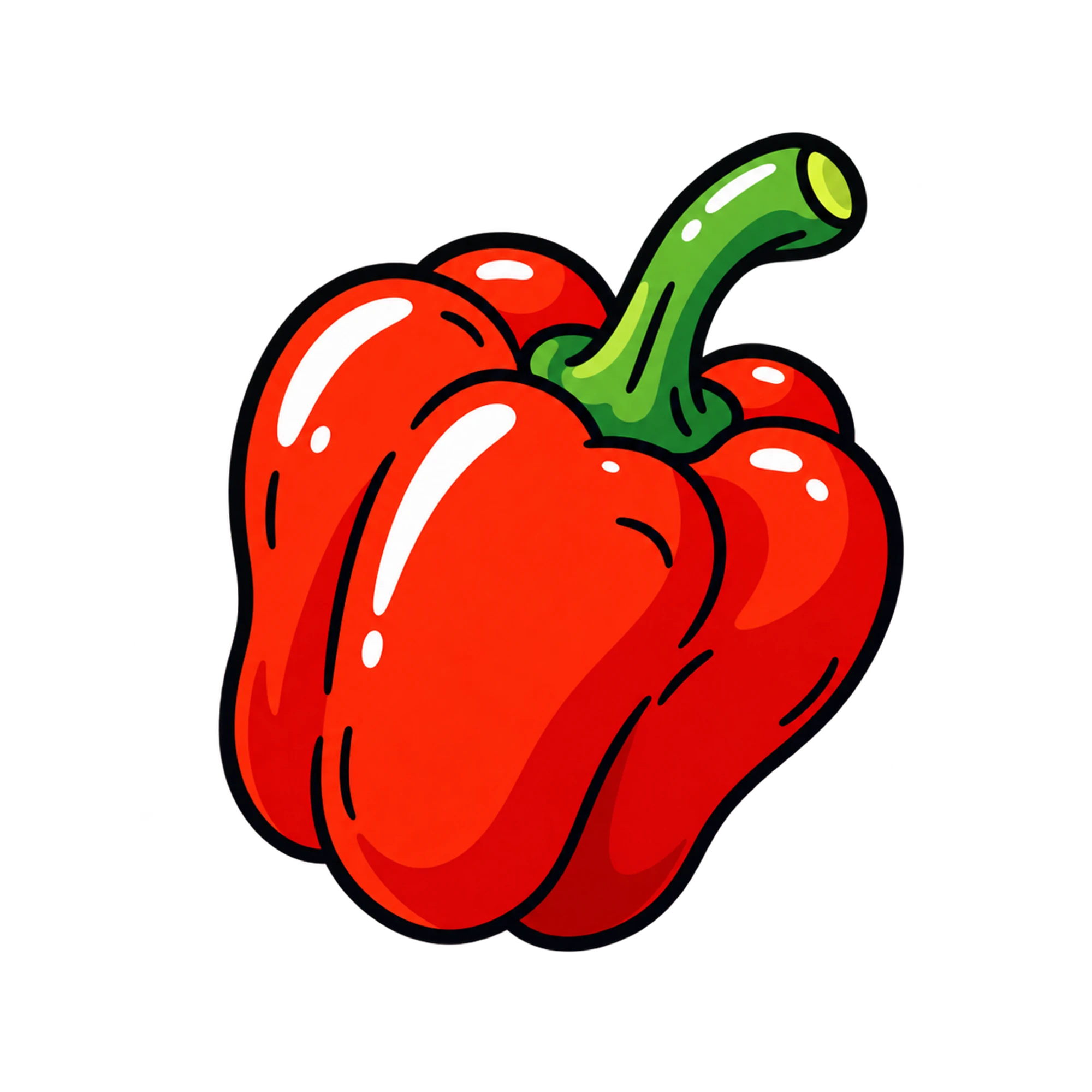
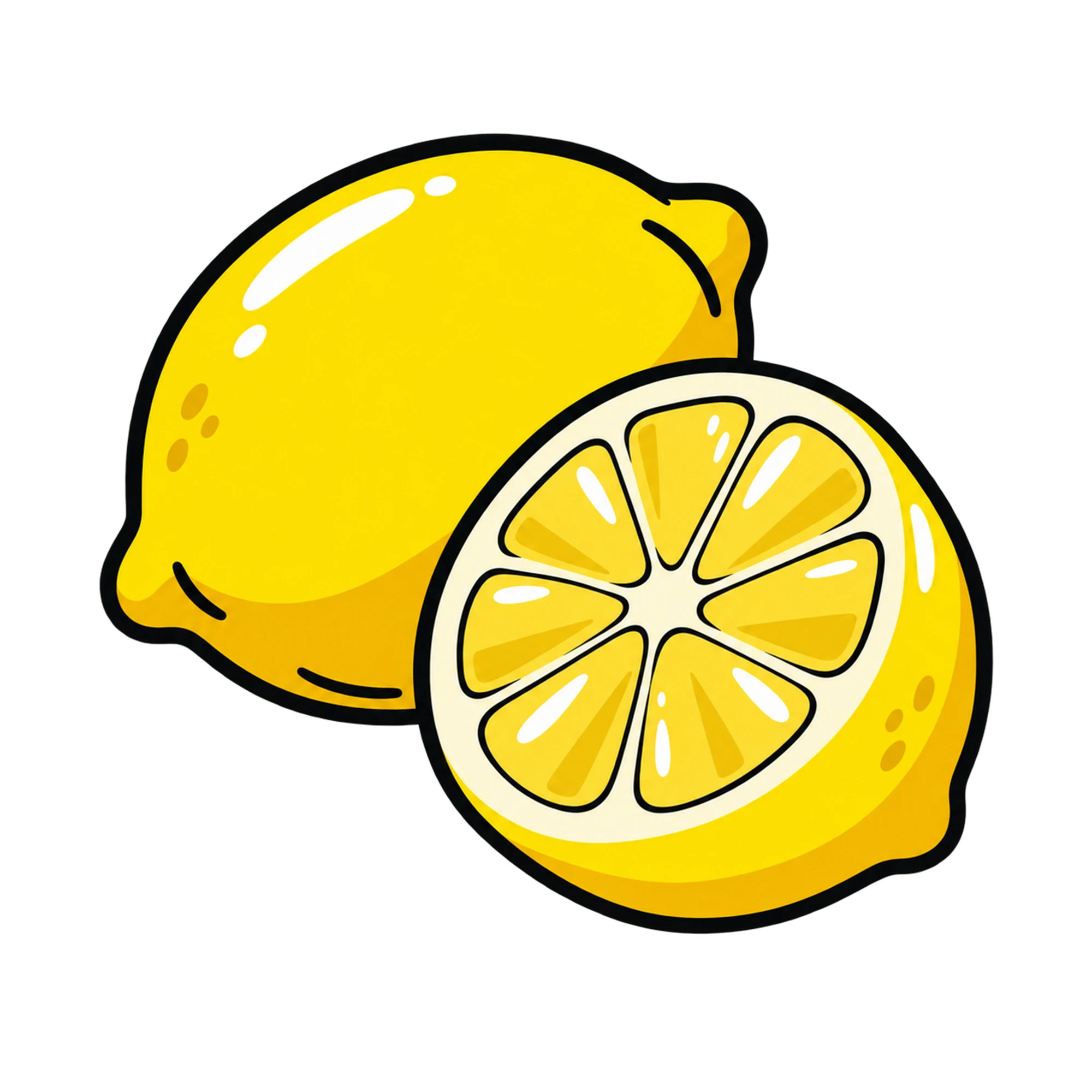
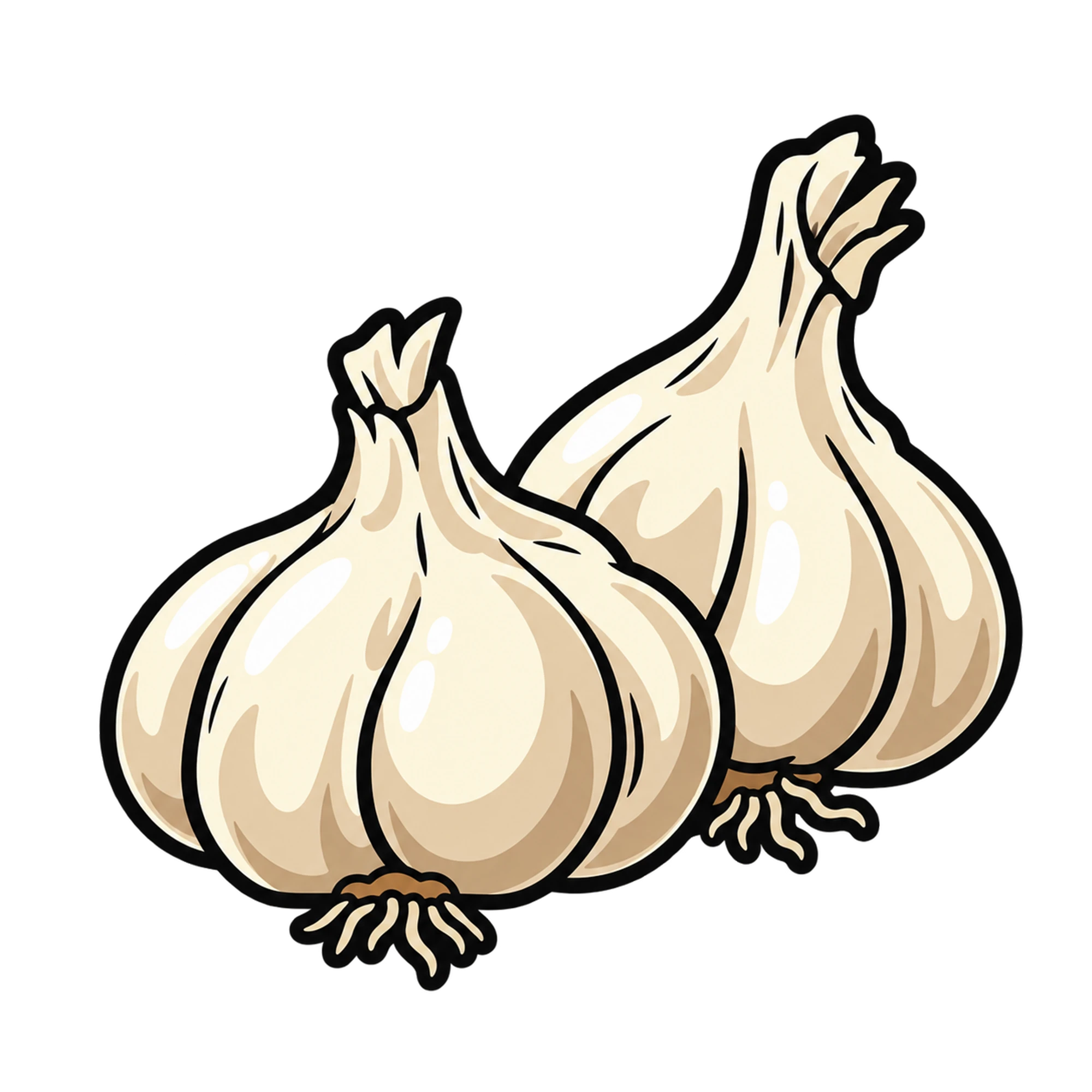
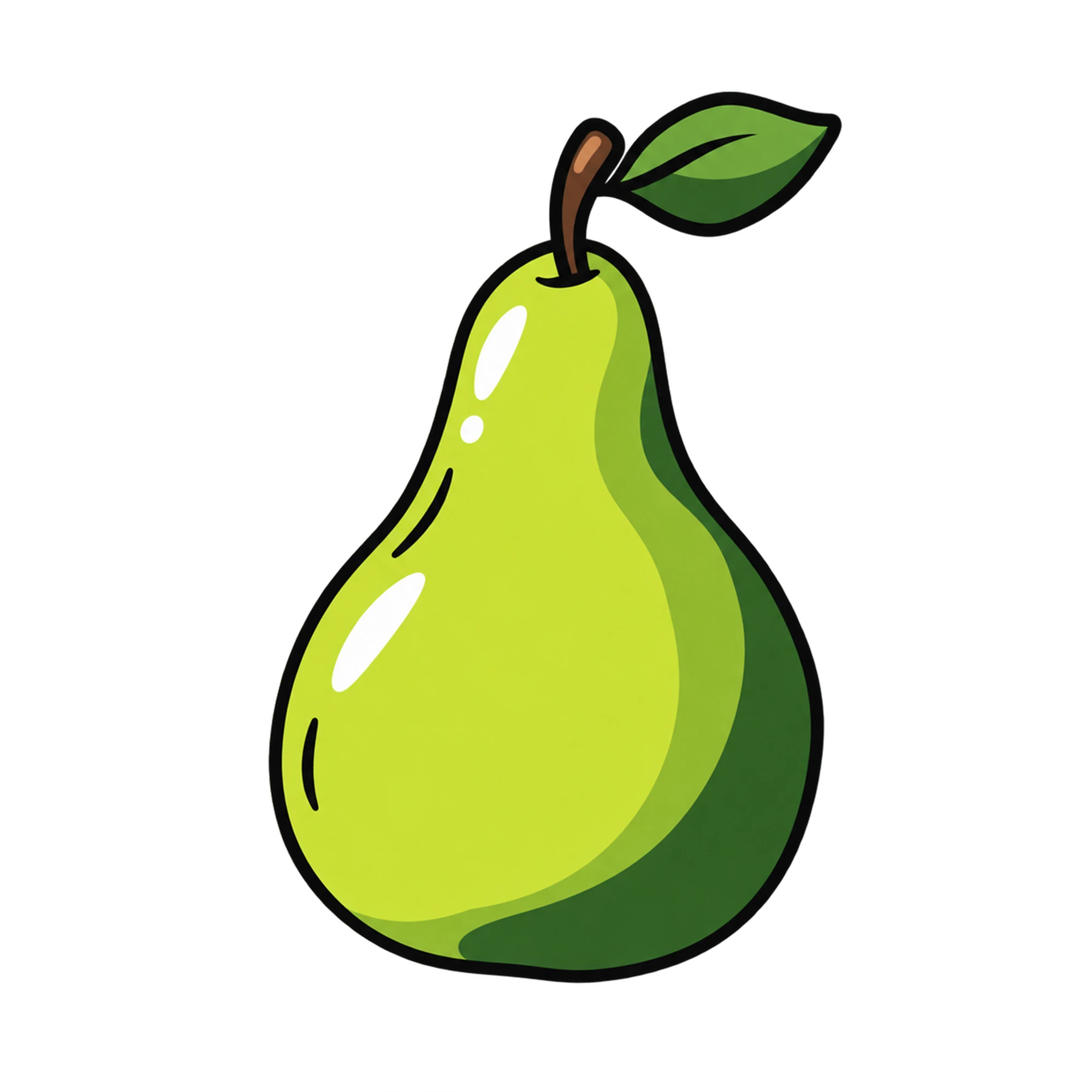
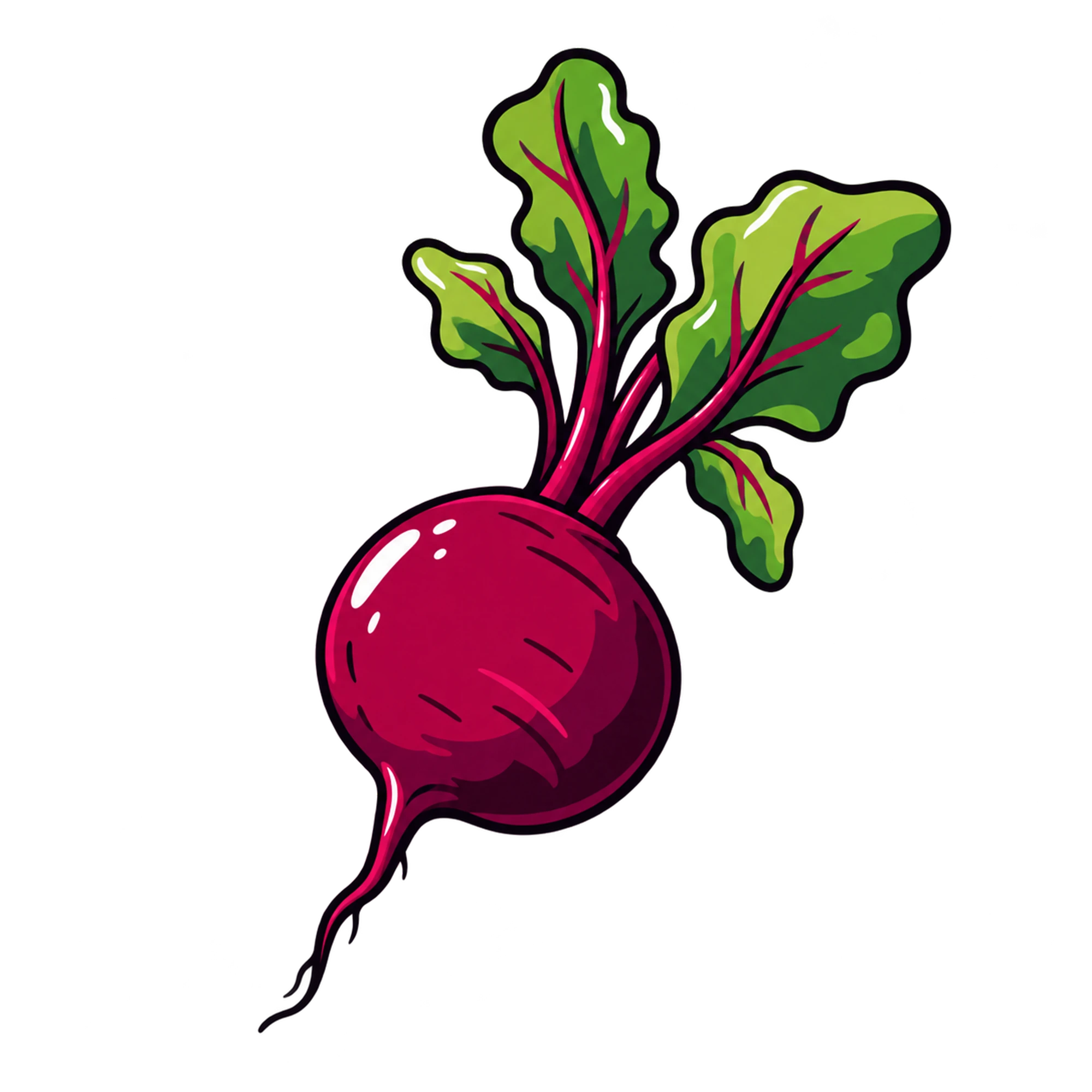
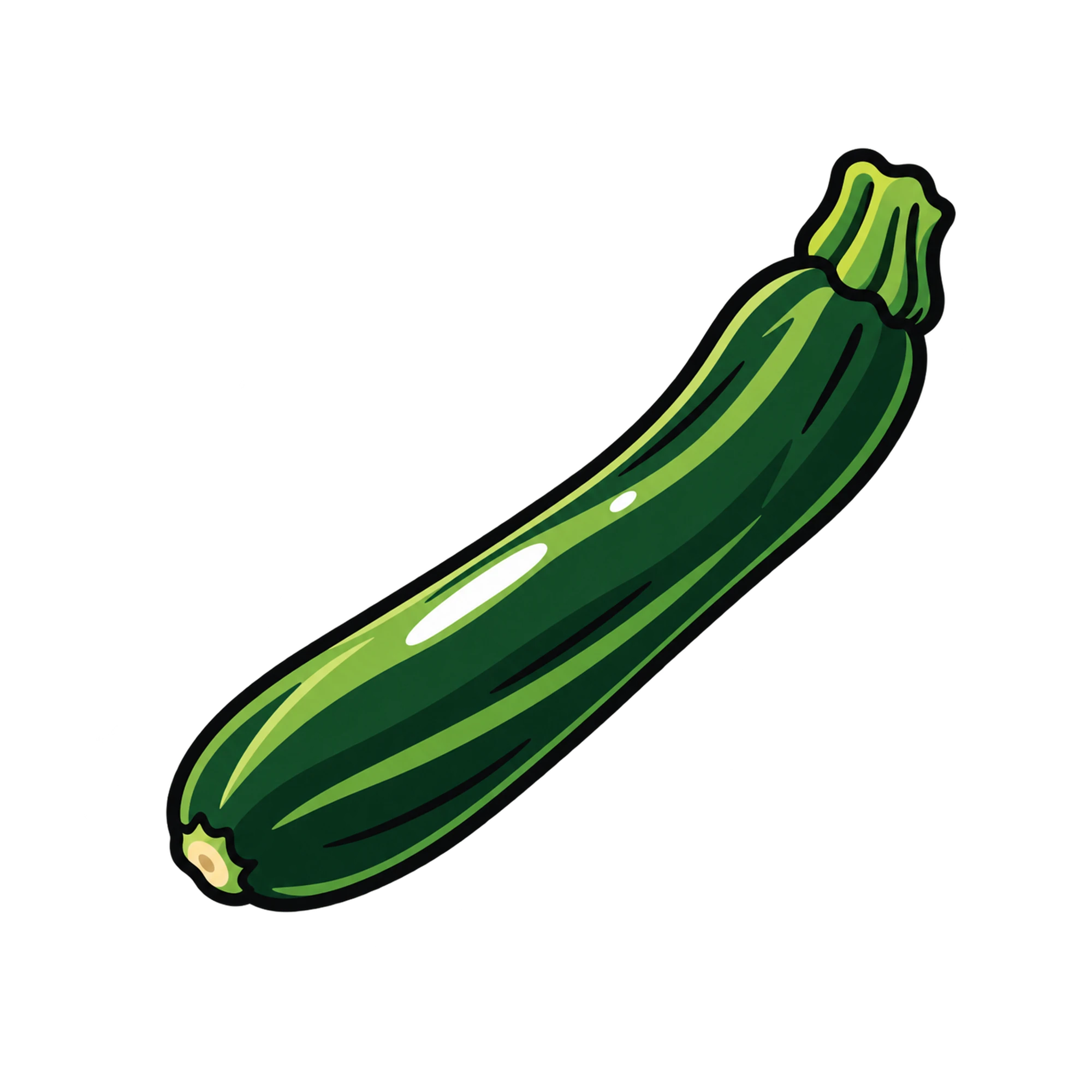
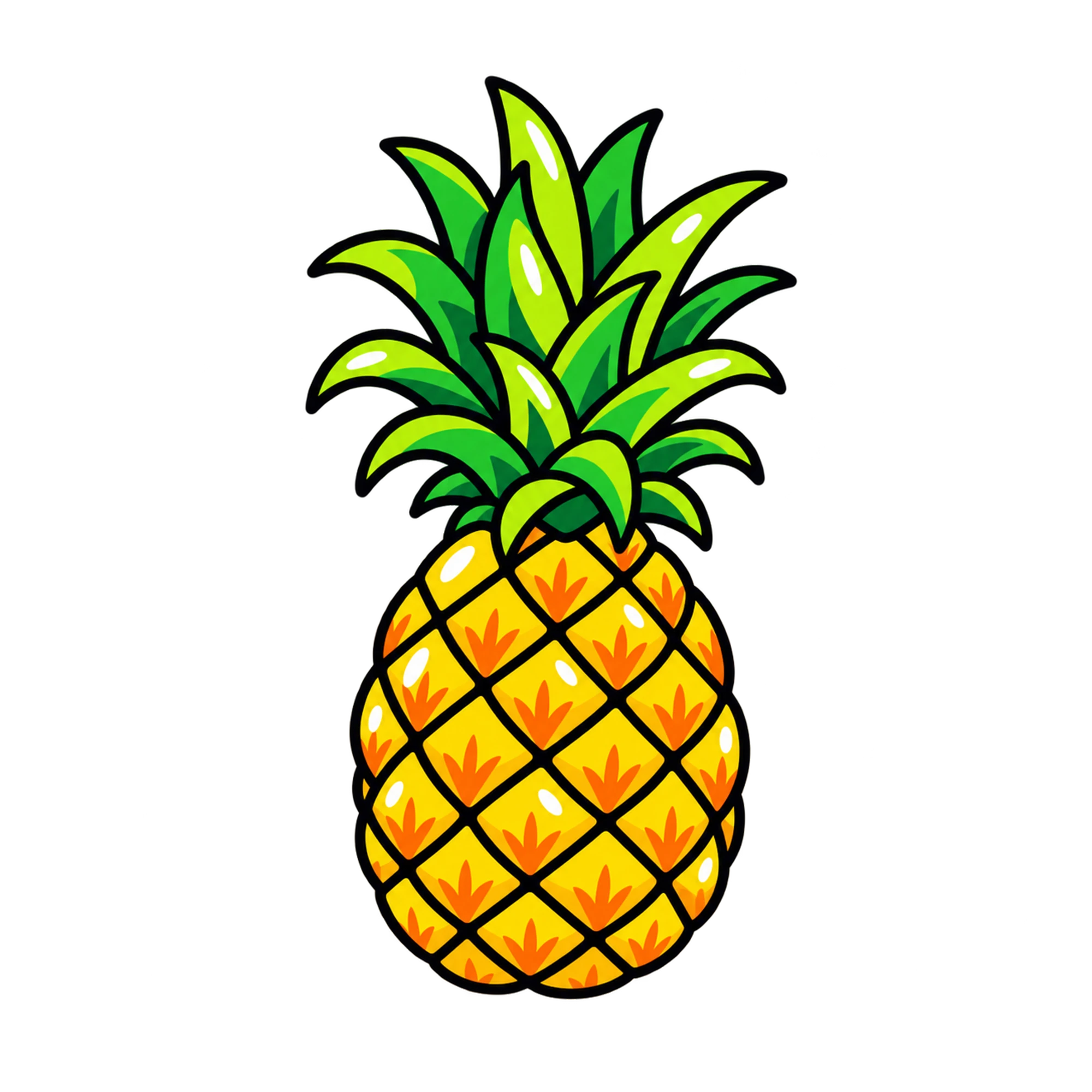
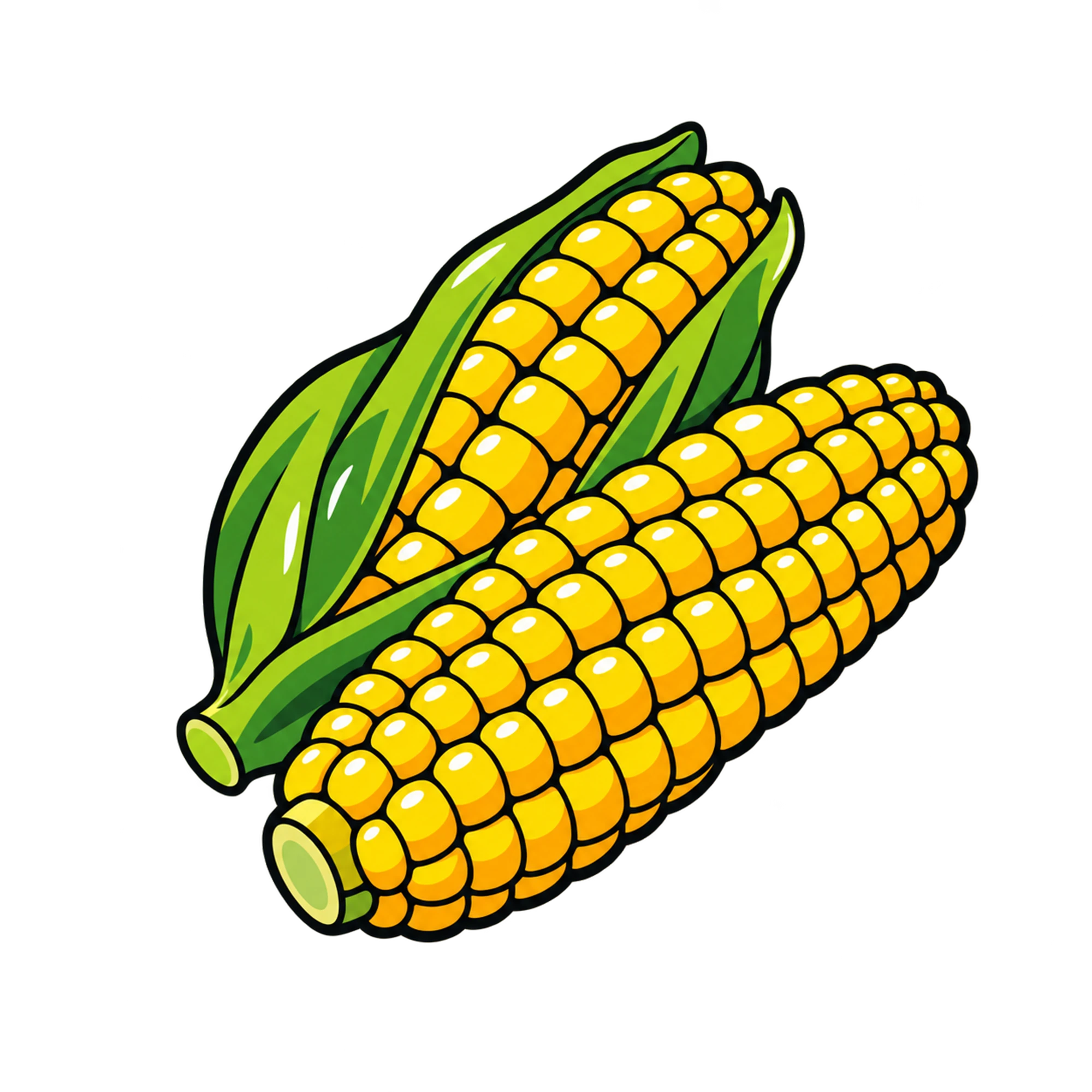
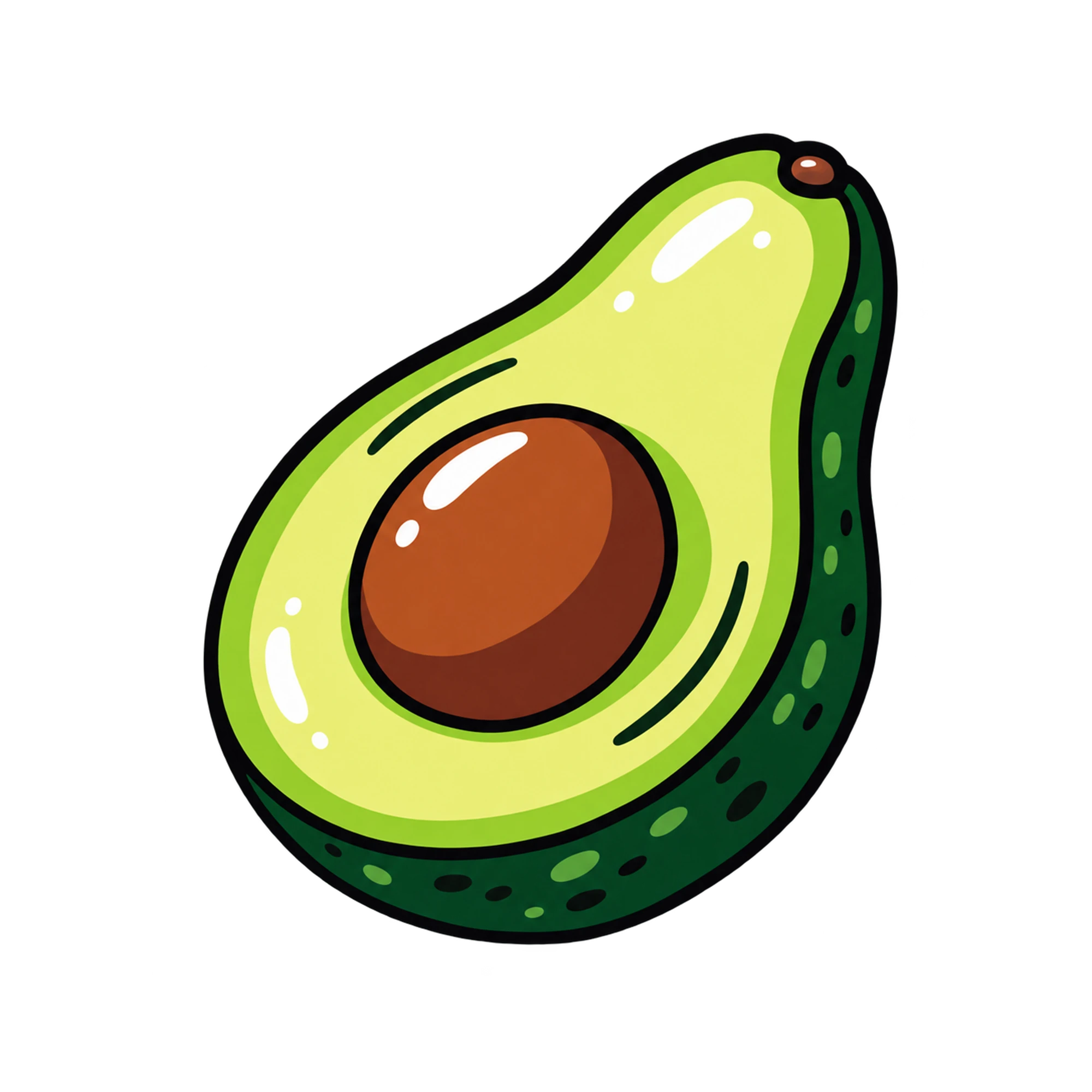
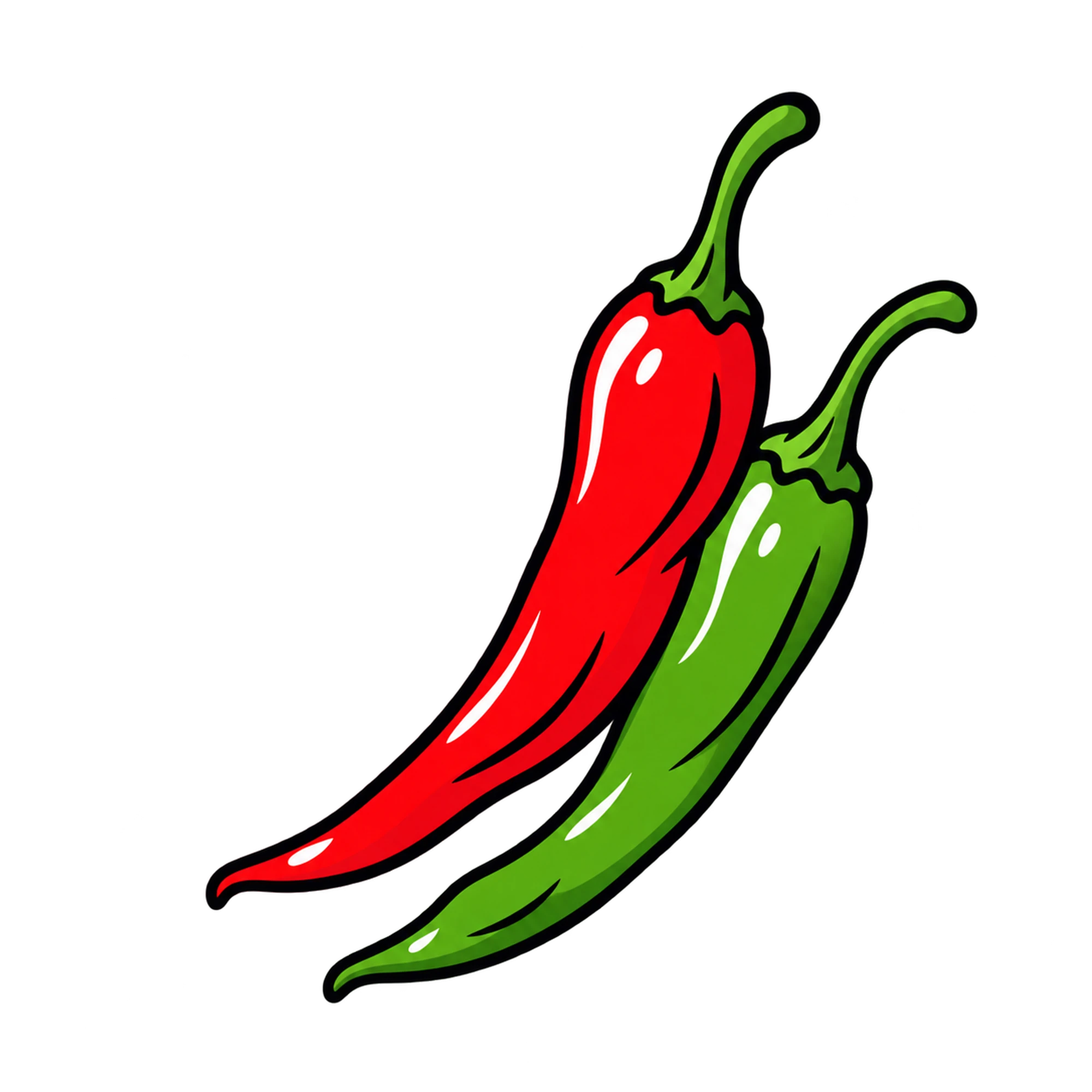
Created with ChatGPT + Images 2.0 by OpenAI, Produce takes eighteen familiar fruits and vegetables and turns them into a consistent set of synthetic digital illustration assets. Each image is generated from words rather than drawn by hand, using the same tightly controlled visual grammar: heavy near-black contours, rounded simplified forms, bright graphic colour, small highlights and transparent backgrounds. The subjects are deliberately ordinary, immediately recognisable and uncomplicated enough to keep attention on the system that produces them. Their familiarity removes the need for explanation, allowing style, repetition and control to become the real focus. A banana, mushroom or aubergine is not being asked to carry a metaphor; it is being used to test whether prompting can establish a recognisable visual language and then hold it steady across a complete series.
These images belong more naturally to graphic design than to autonomous art. Assets of this kind appear everywhere — on websites, in campaigns, communications, editorial layouts, interfaces and packaging — where their job is usually to illustrate, clarify or support something else. Traditionally, a designer might sketch an idea, construct and refine shapes, adjust curves, choose colours and prepare files using digital drawing software. Here, generative AI compresses much of that production into a short exchange between language and image. An individual asset can appear within seconds, ready to be judged against the same rules as the one before it. The labour has not disappeared; it has moved. Instead of manually drawing every contour, the work lies in specification, comparison, revision, selection and deciding when the visual system has become sufficiently controlled.
Speed, simplicity, and efficiency are core principles for modern productivity. Simplicity removes friction and clutter, efficiency ensures the best use of time and resources, and speed is the natural result when those two elements work well together. The eighteen forms vary deliberately — curved, bulbous, tapered, segmented, smooth, clustered and cut open — while composition, scale, line weight, colour behaviour and empty space remain tightly directed. Small differences become visible precisely because so much else stays constant. The project is open about its synthetic production because that production is its subject: not whether generative AI can make a convincing tomato, but whether prompting can function as a practical design tool for building a coherent family of graphics quickly and deliberately. The result is less a collection of pictures than a controlled exercise in using words to direct visual form.
Gallery


"If you can design one thing, you can design everything." — Massimo Vignelli