Patterns: the memory of ornament
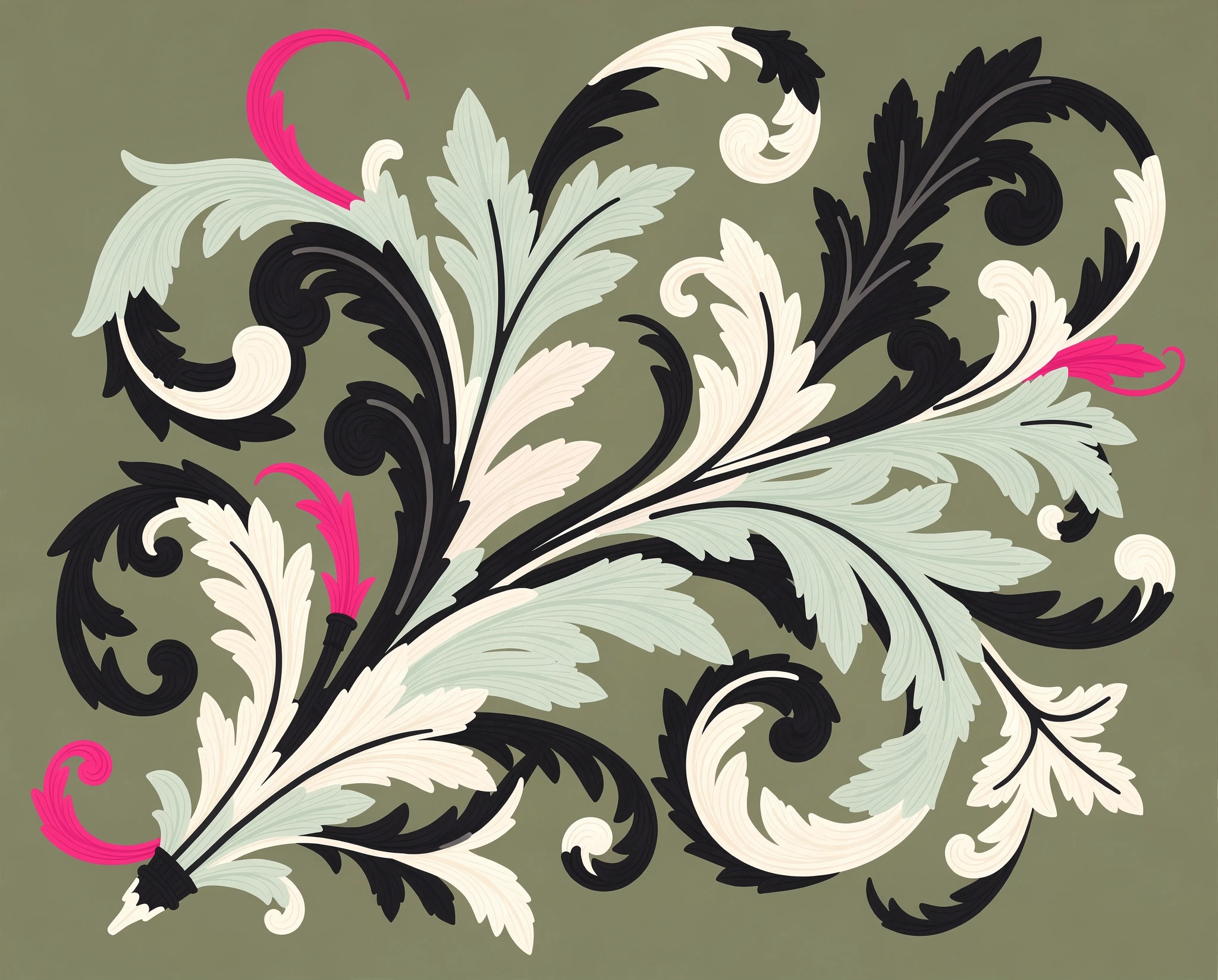
The acanthus leaf has spent more than two thousand years refusing to remain one thing. It appears in classical capitals and Roman scrolls, medieval borders, Renaissance engravings, Baroque ornament and the densely organised foliage of William Morris, yet the motif has never been a simple transcription of a plant. Its lobes sharpen, divide and curl; stems become spirals; leaves submit to symmetry, repetition and the changing demands of architecture, print and pattern. With every translation, something recognisable survives while something else is invented. Patterns begins with that persistence, treating acanthus less as a botanical specimen than as a form lodged in visual memory: familiar enough to recognise almost instantly, yet elastic enough to endure centuries of alteration without surrendering its identity.
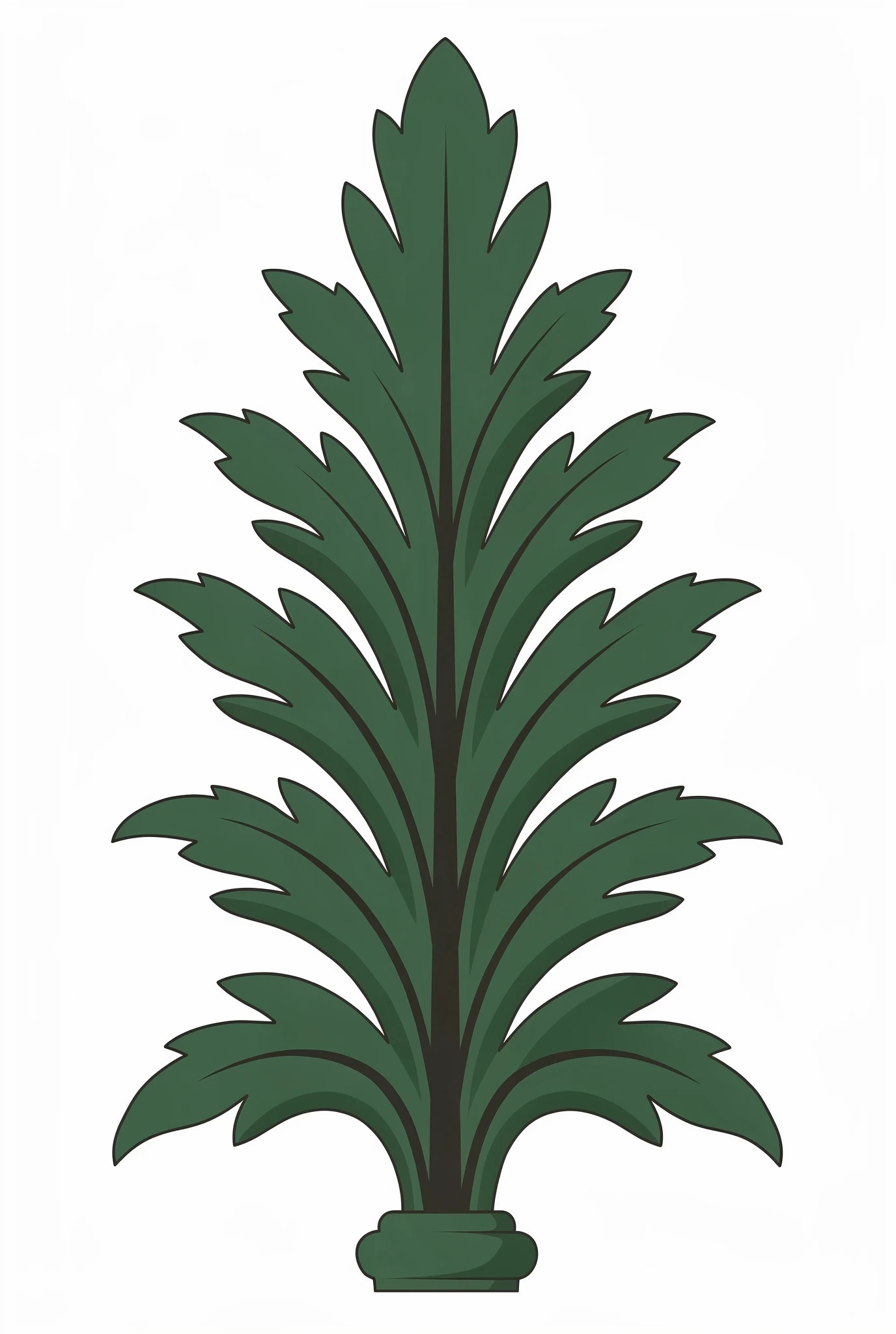
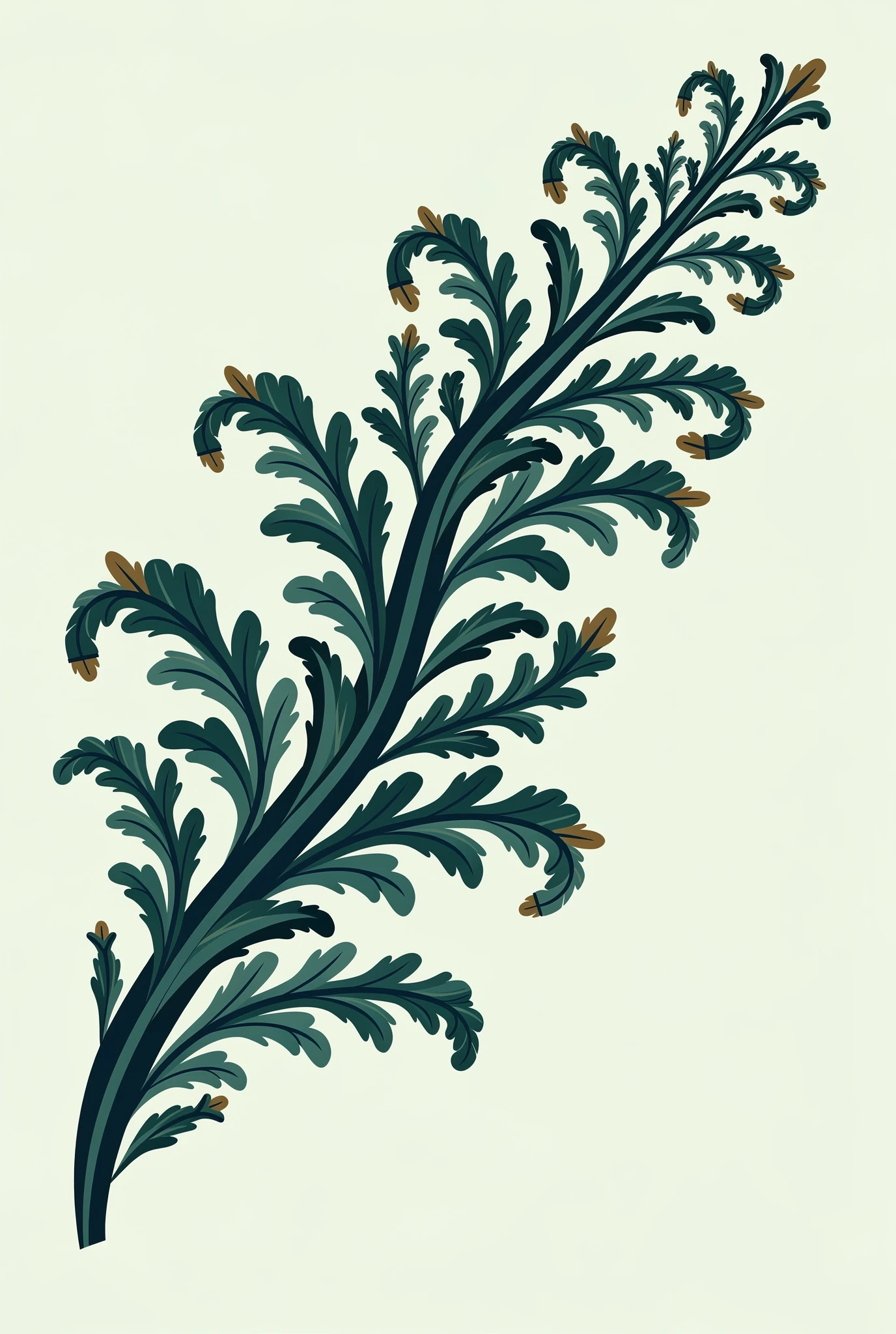
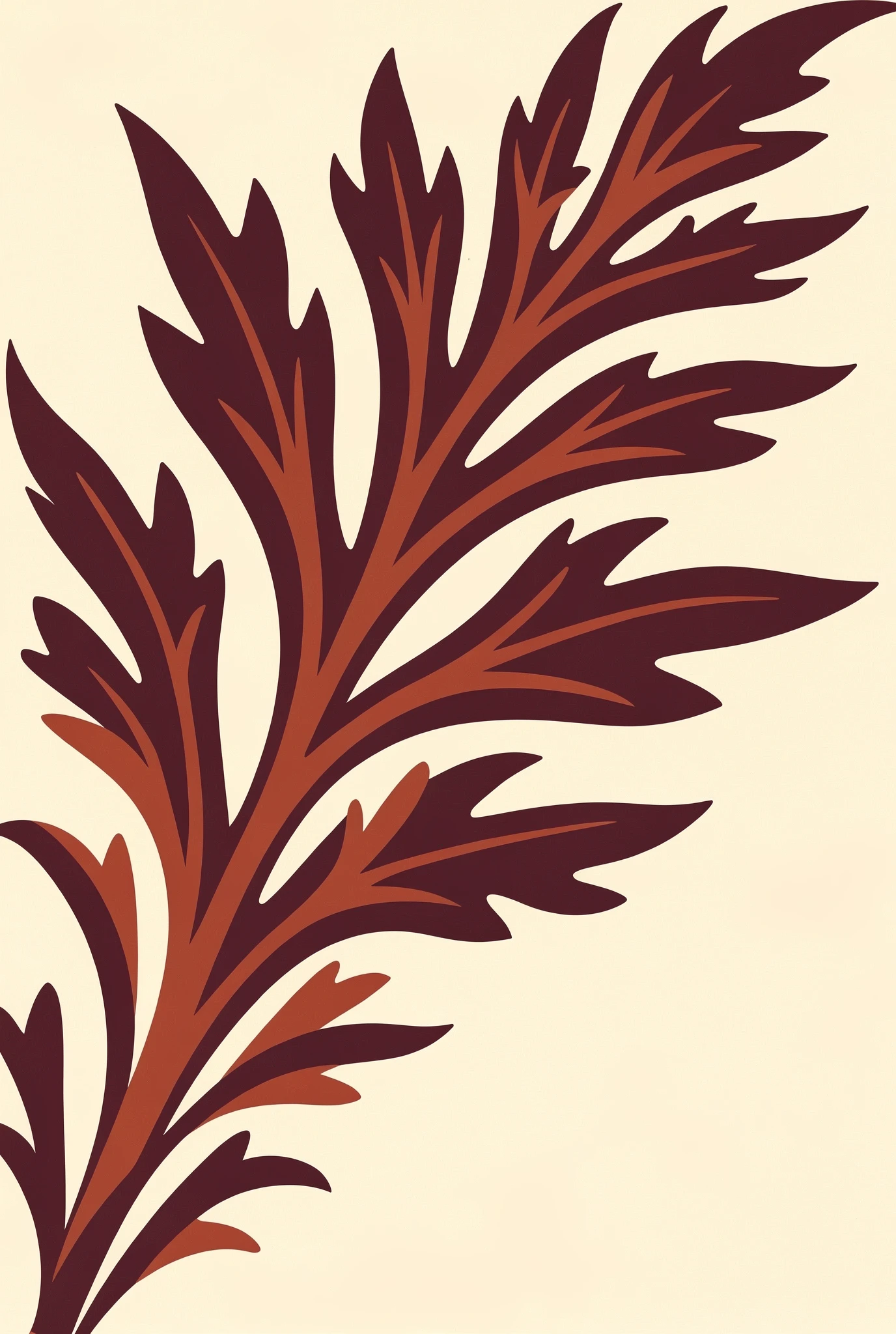
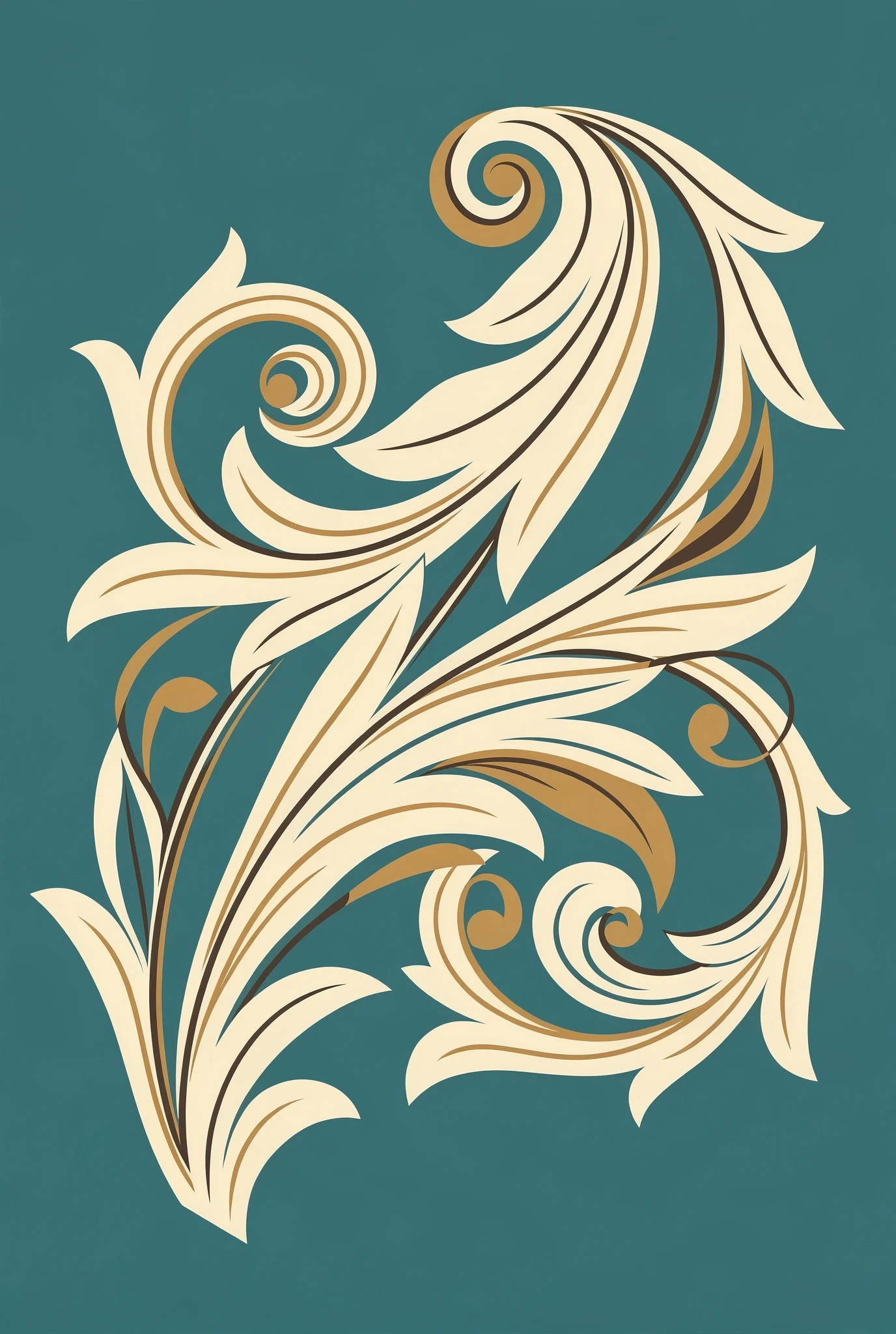
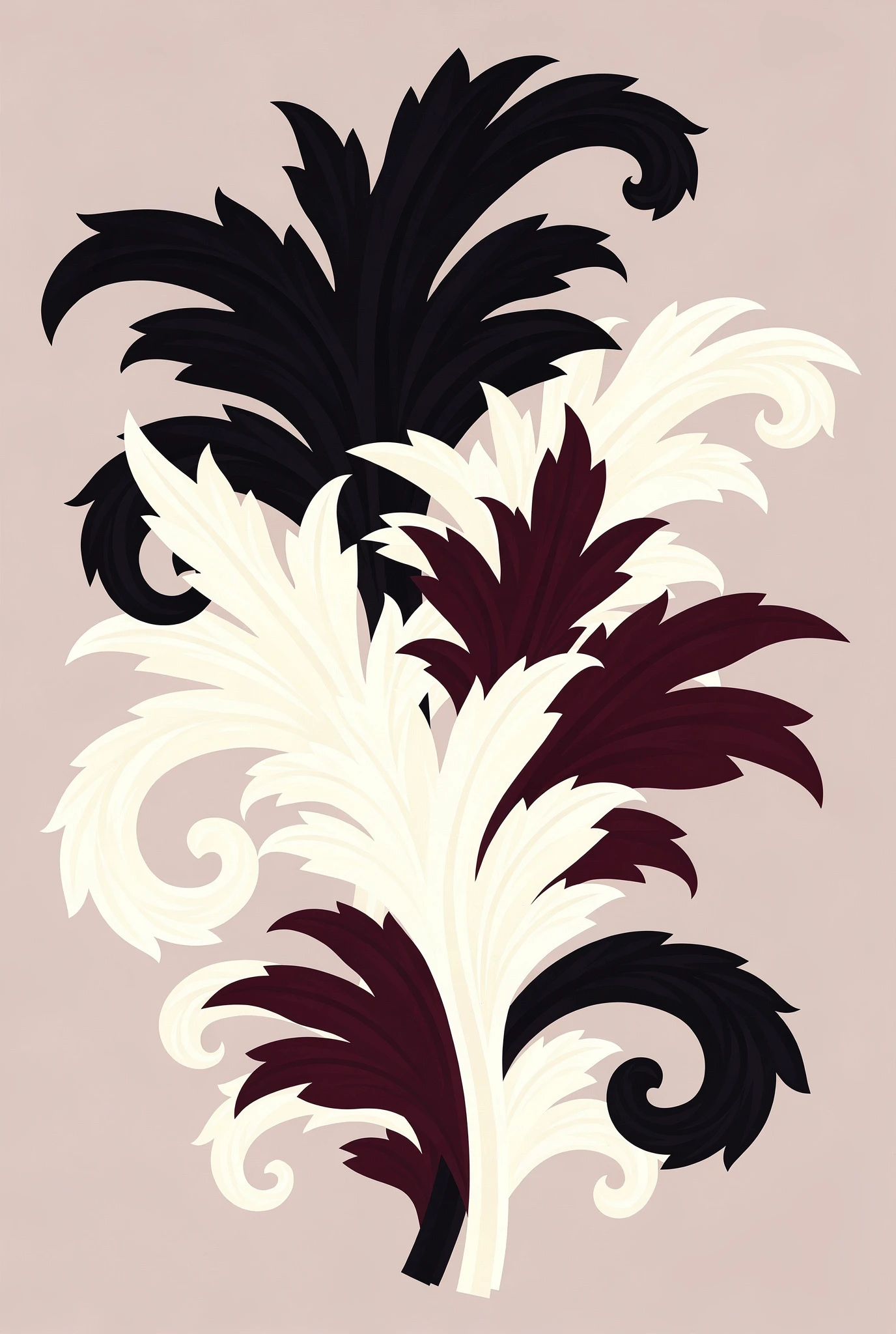
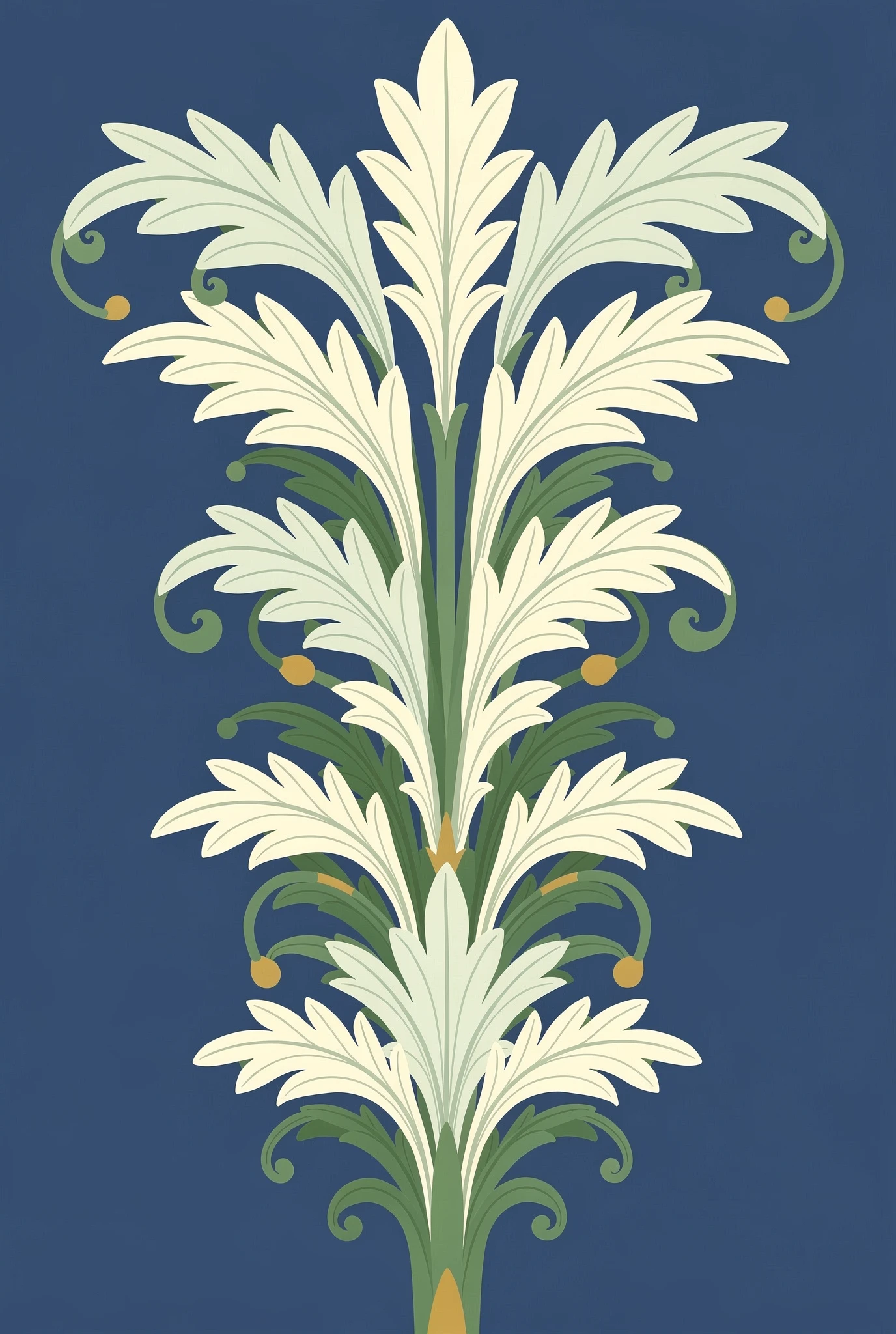
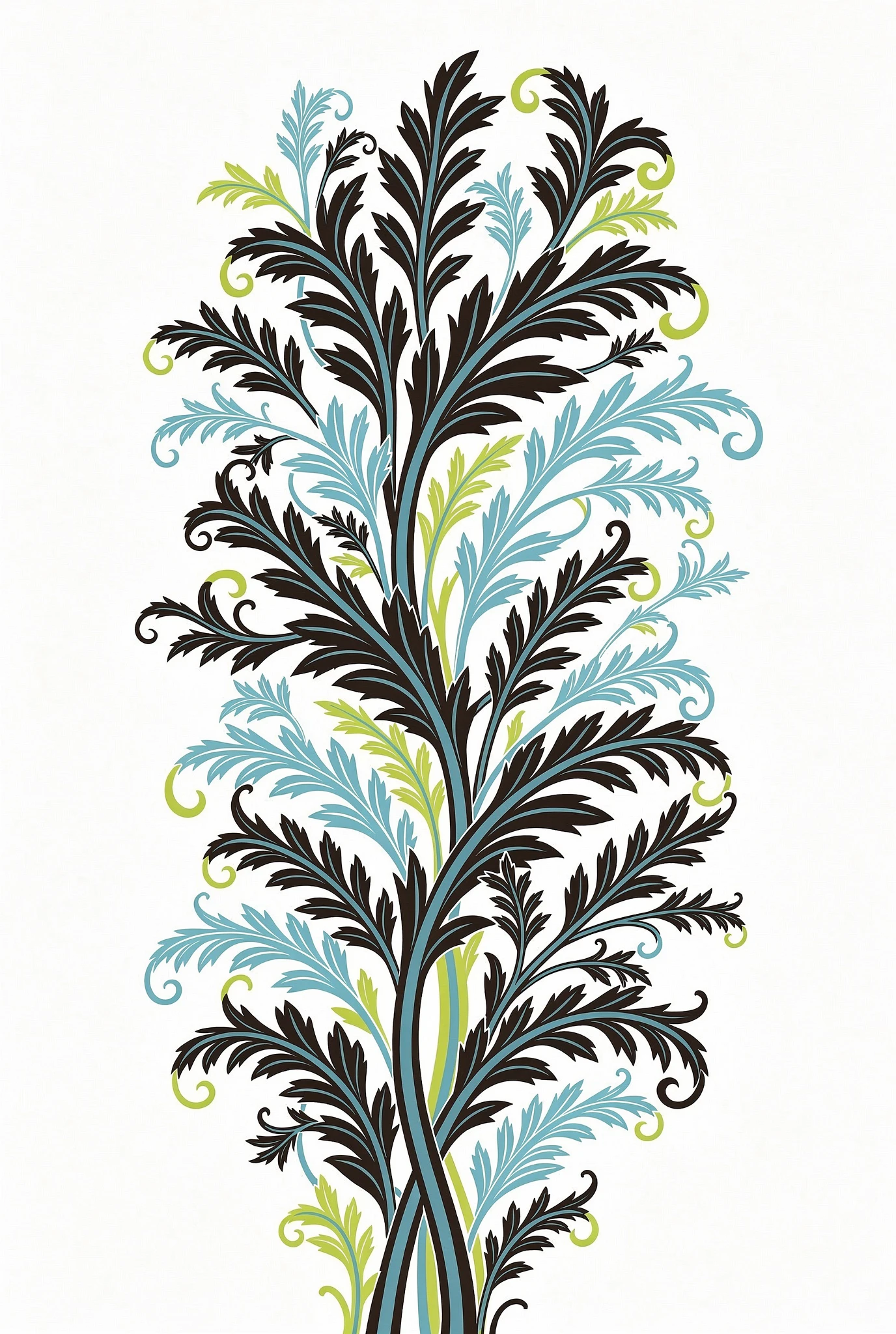
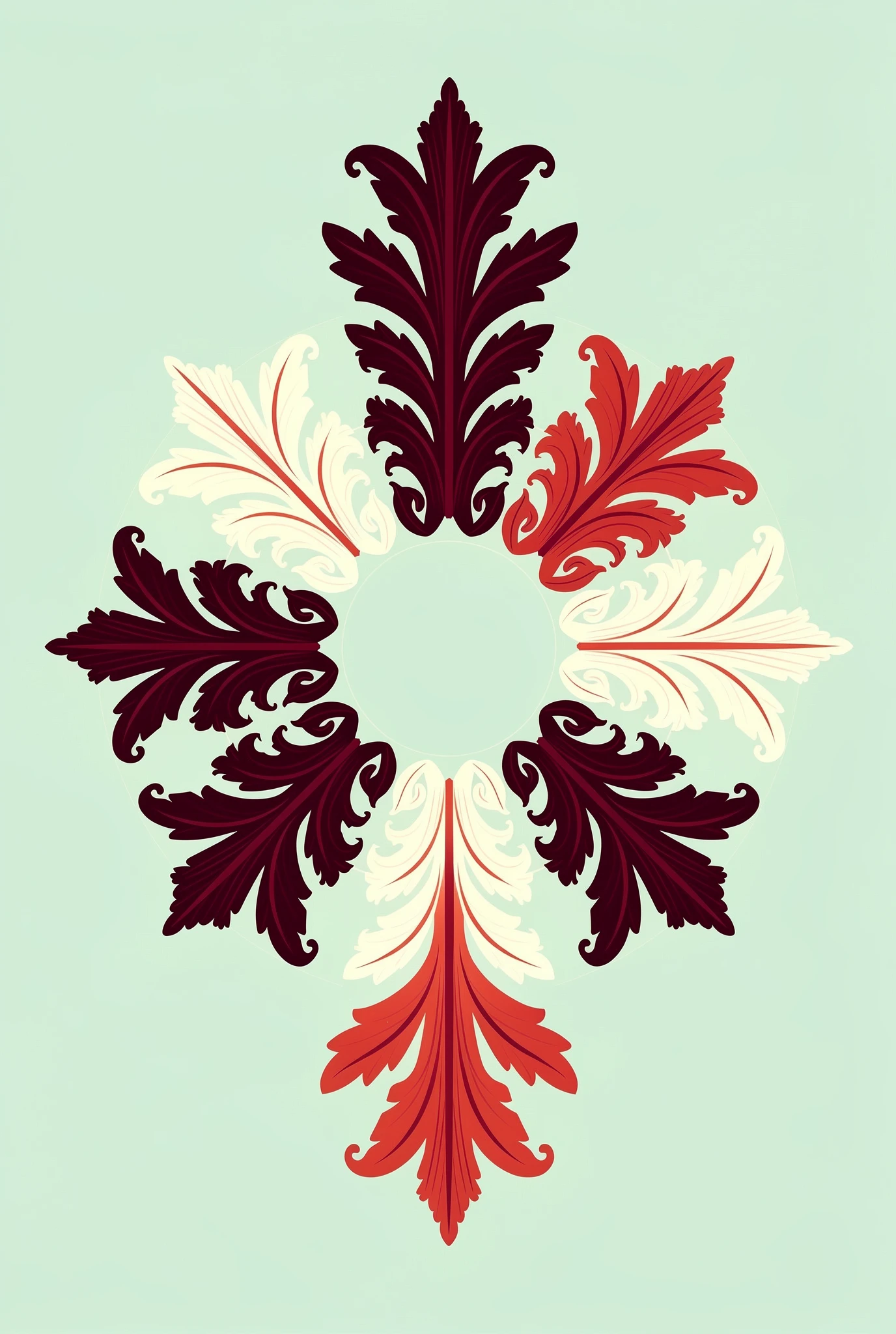
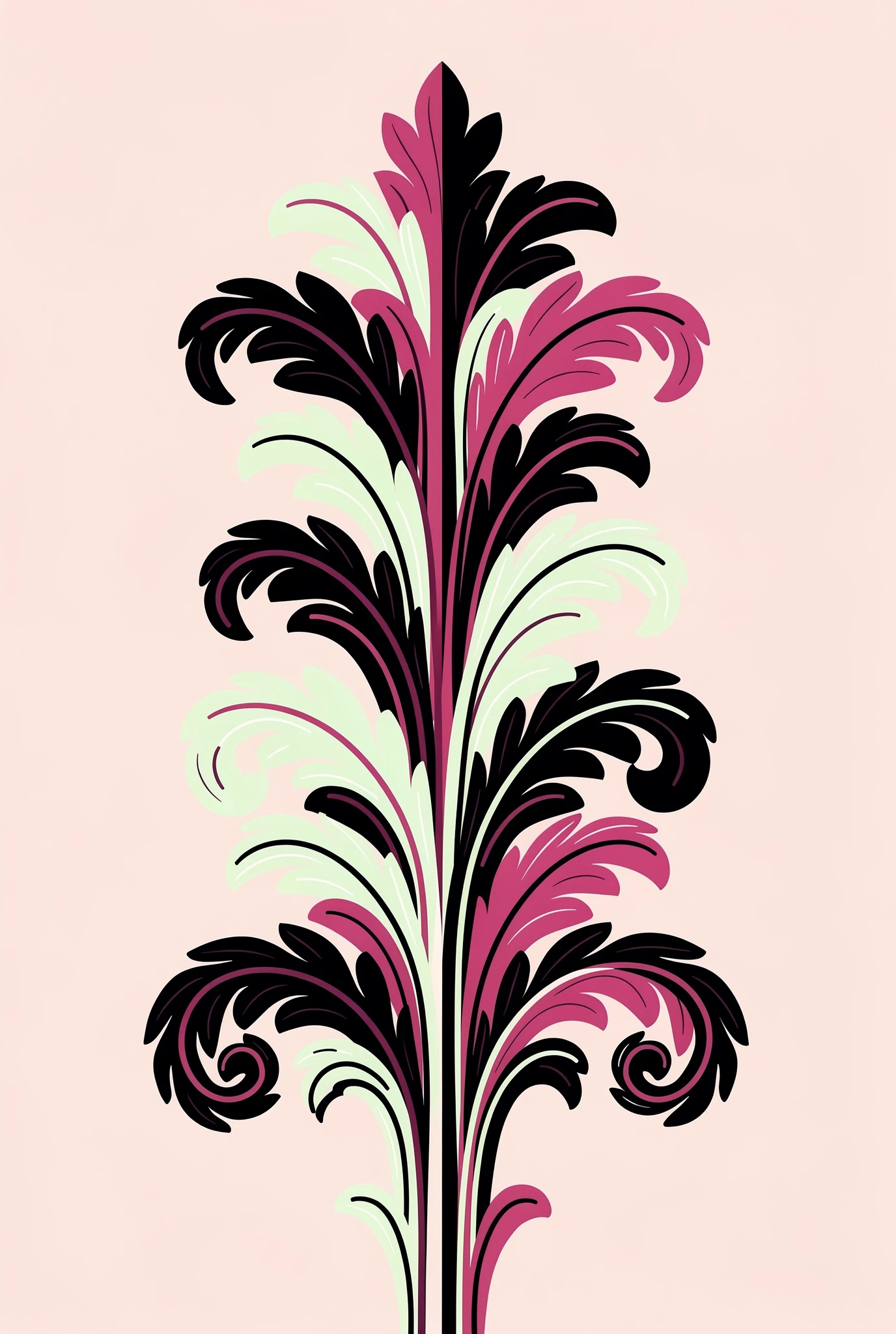
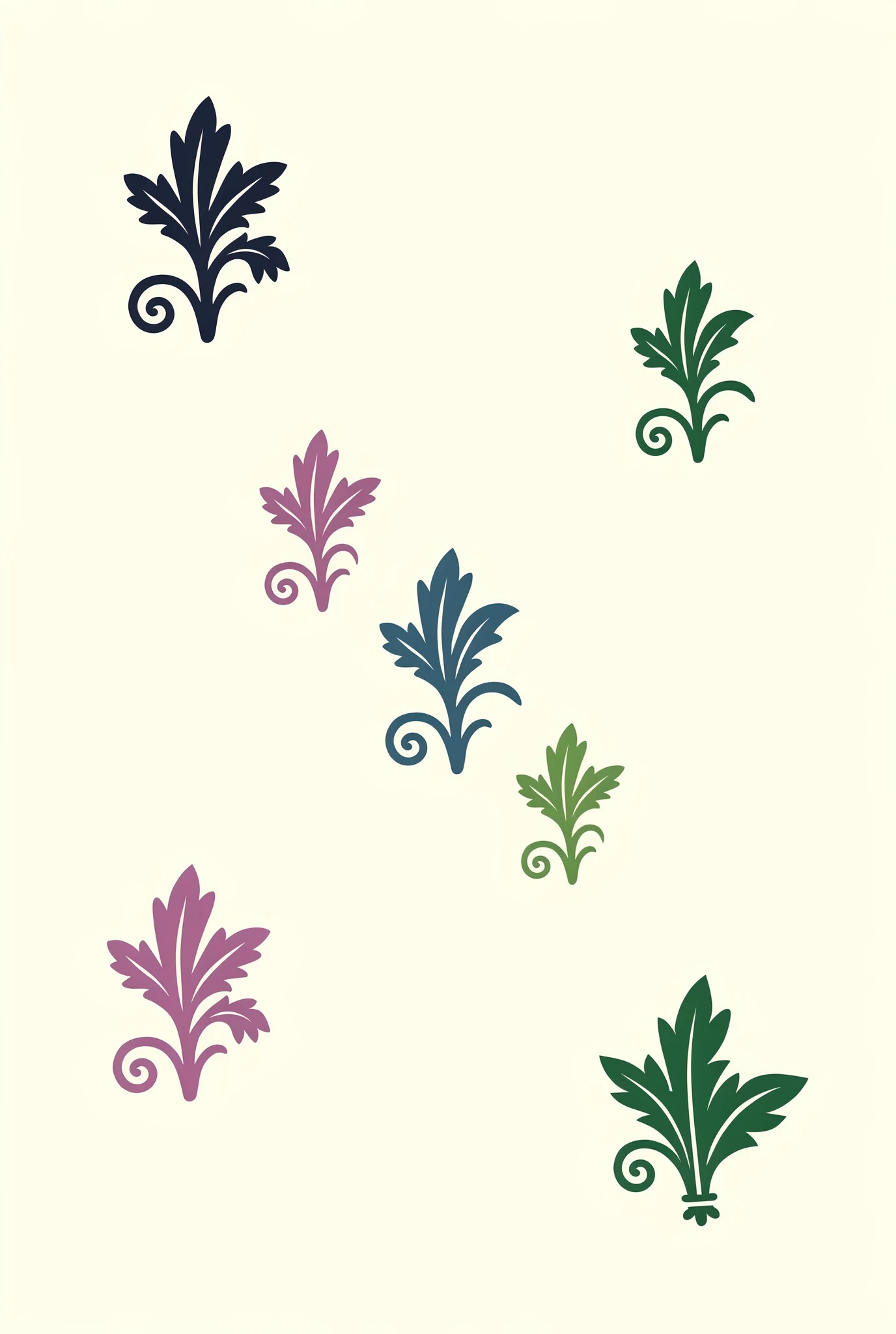
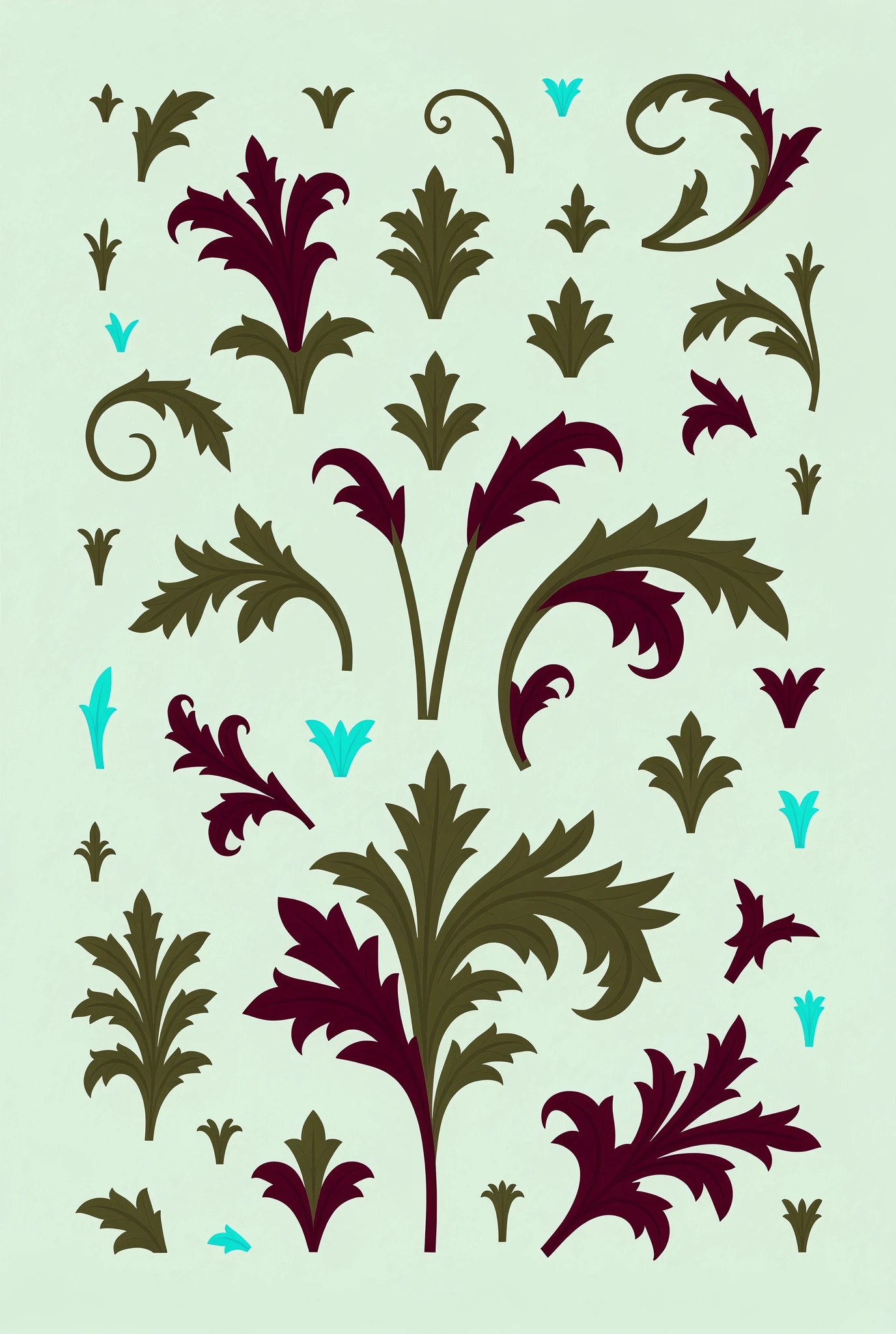
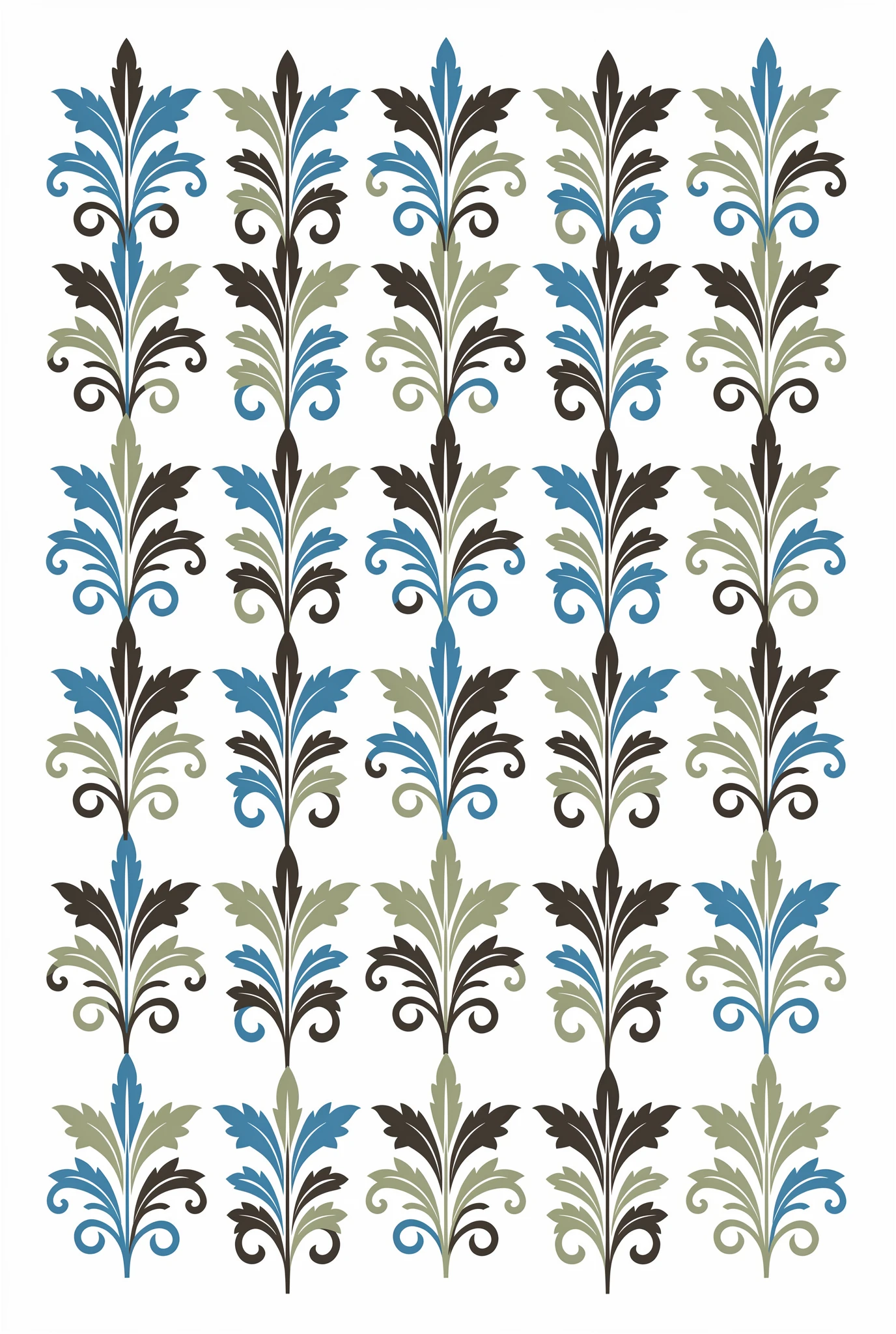
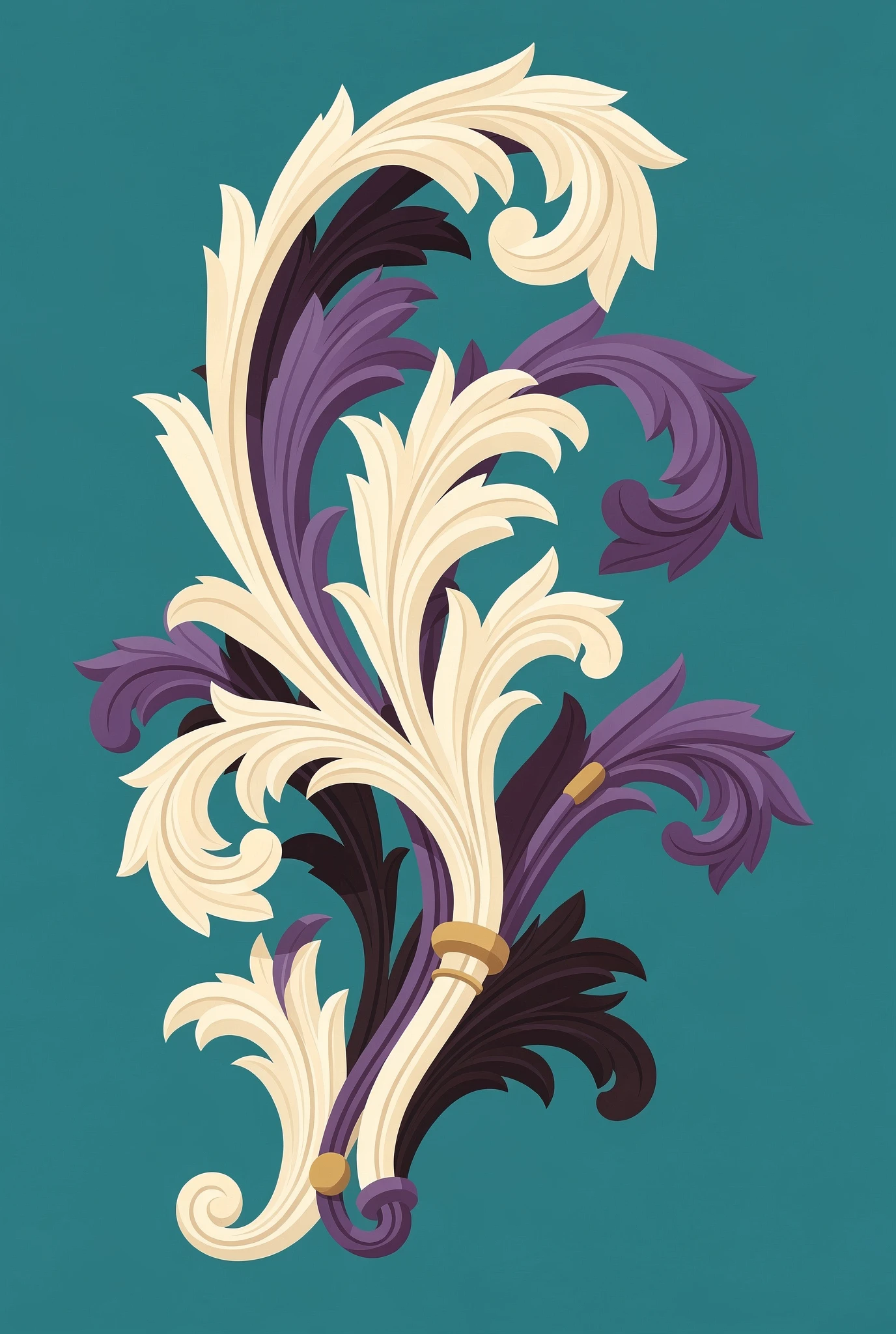
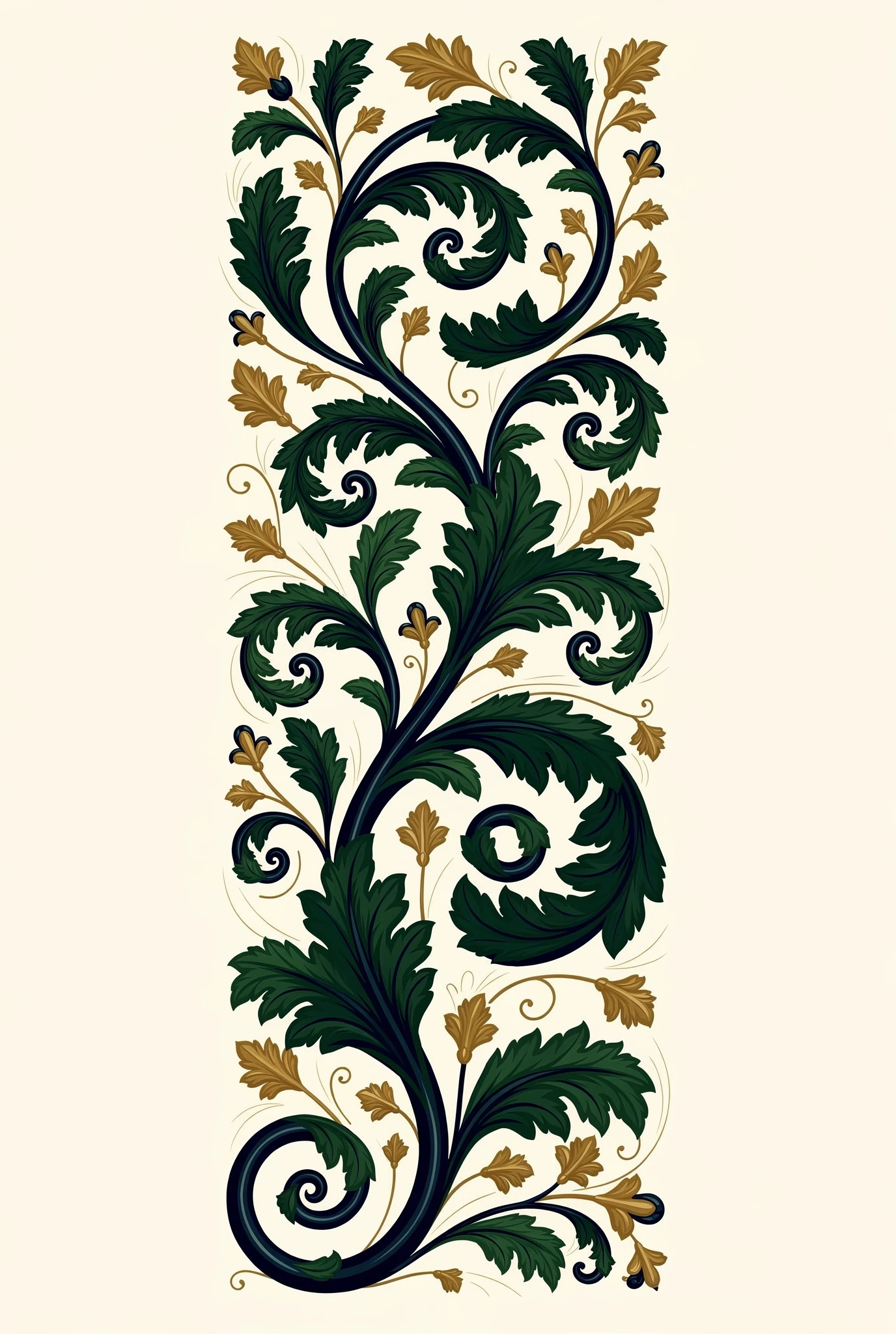
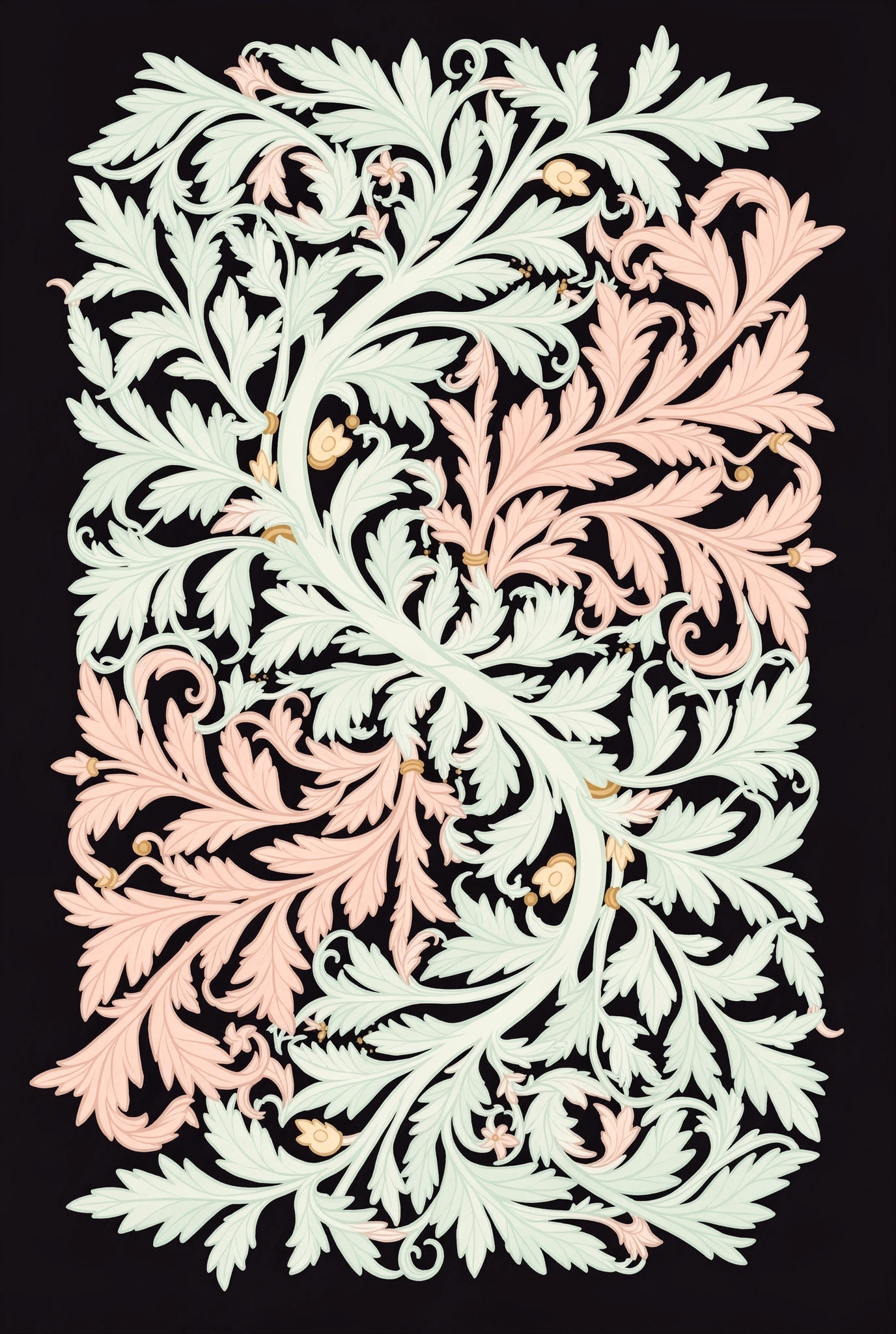
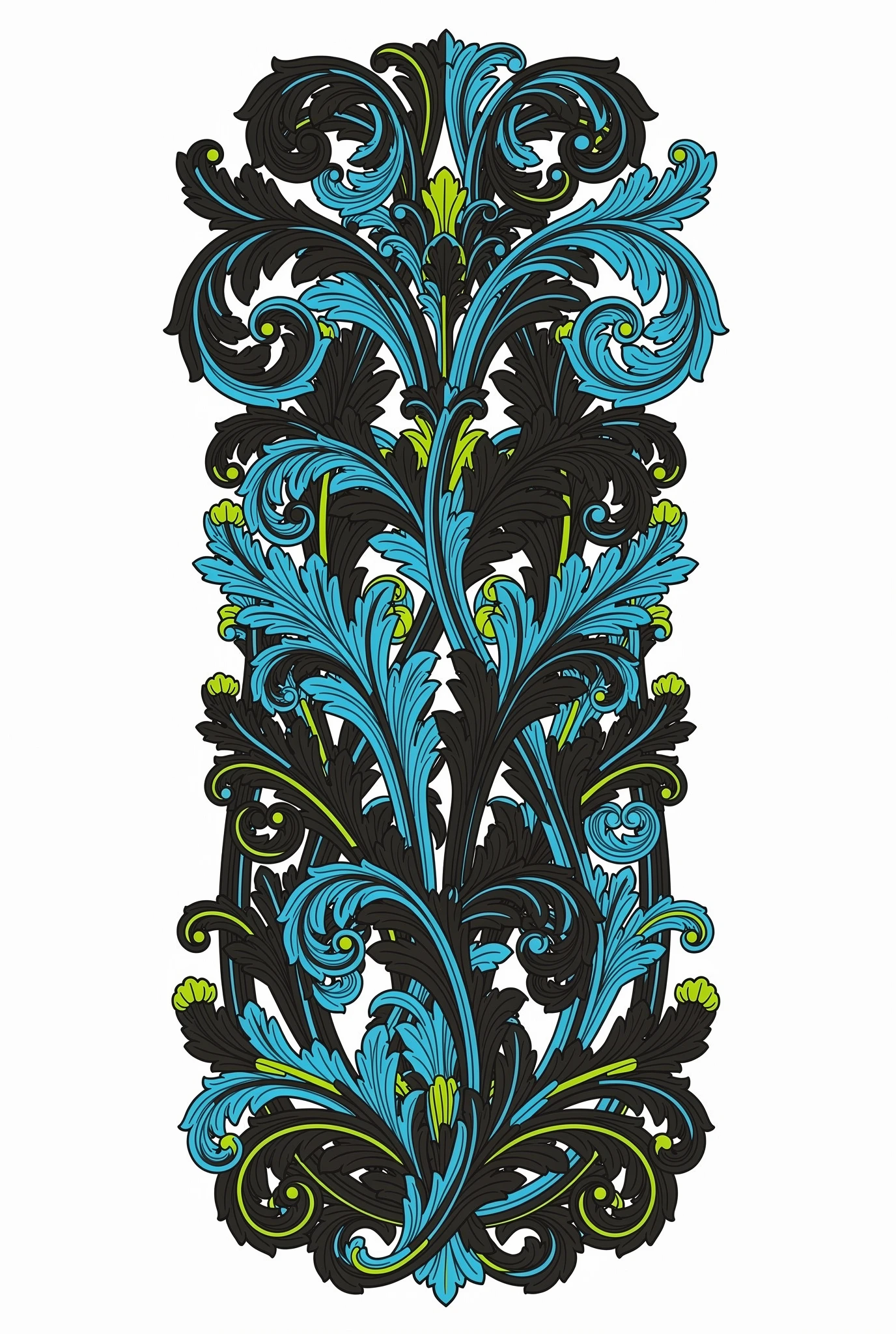
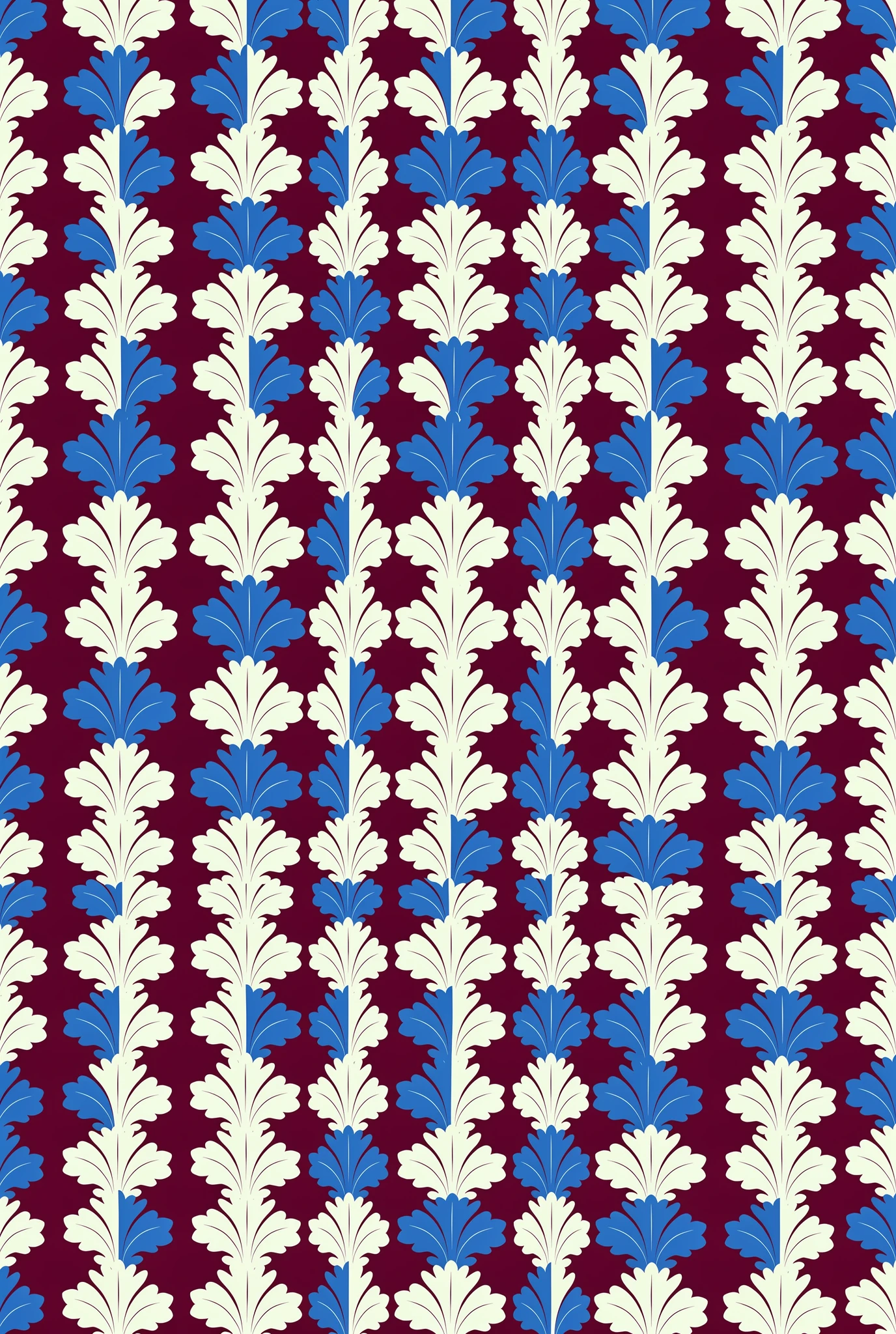
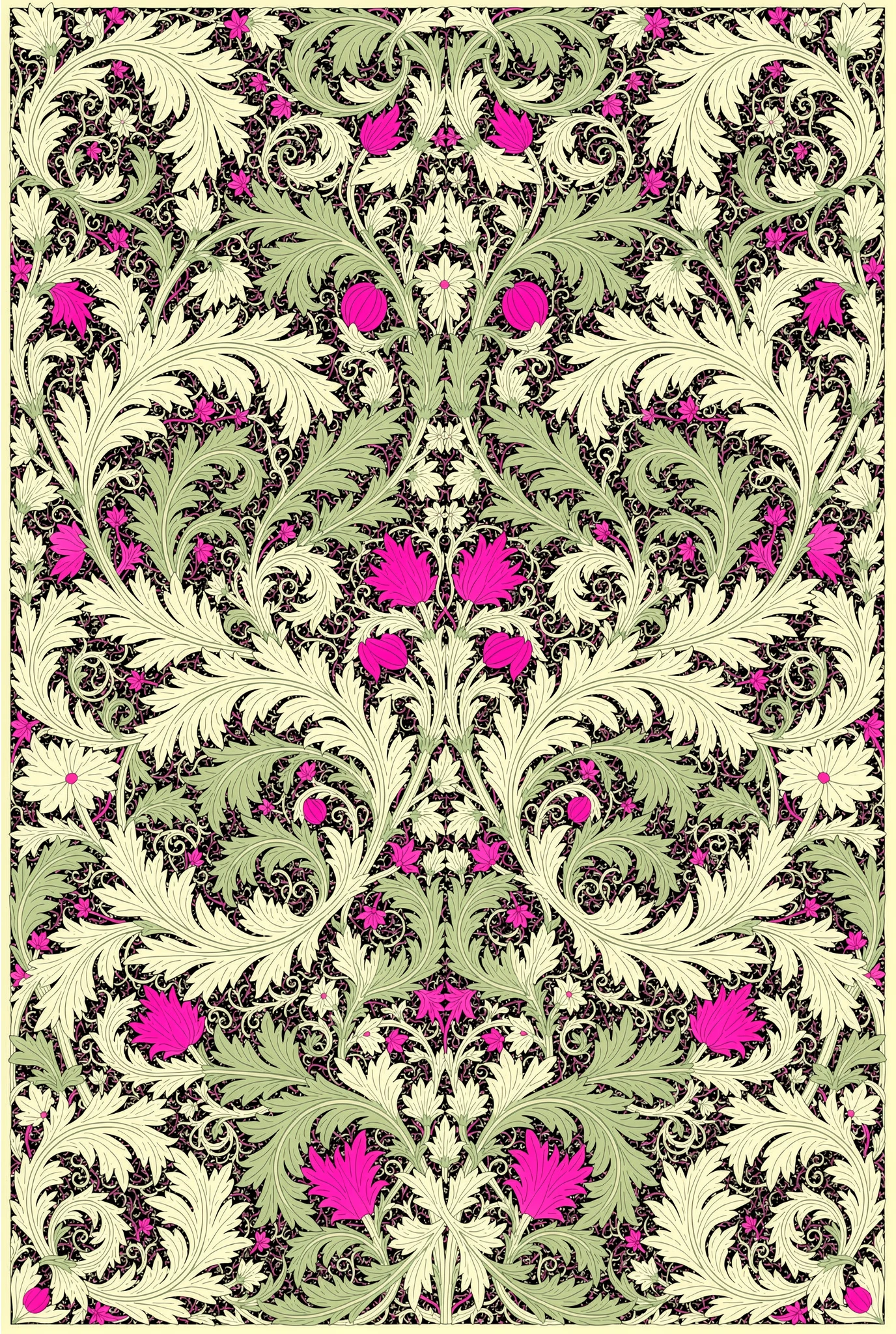
Across the images, acanthus is enlarged, cropped, mirrored, repeated, interlocked, fragmented and pushed towards abstraction. A single leaf may carry an entire composition, proliferate into a dense scrolling field or contract into little more than a curl, a division or a point. Colour unsettles the inheritance further, moving between mineral greens, creams and dark violets before giving way to abrupt synthetic accents. The images borrow the discipline and abundance of historic ornament while making no false claim about what they are. They are not photographs of textiles, reproductions of carved acanthus or surviving fragments of nineteenth-century wallpaper. No woven fibre, carved stone, hand-applied pigment, gold leaf, ageing or physical patina is offered as evidence of an object that once existed. These are synthetic digital images of ornament, and their artificiality is not concealed.
Generative artificial intelligence therefore enters a tradition already shaped by copying, adaptation and recurrence. The machine encounters no untouched leaf, only accumulated representations of leaves and ornaments, themselves descended from earlier transformations. What emerges is another turn in that long cycle of recognition and reinvention. Thomas Fuller wrote that "Craft must have clothes, but truth loves to go naked", using craft in its older sense of cunning or artifice: something requiring disguise. The distinction matters here. These images may be artificial, but they are not dishonest; they claim no material history they never possessed. Acanthus once clothed columns, pages, walls and fabrics, but here ornament has lost the object it was meant to decorate. Elaborate in appearance yet naked about its condition, it survives instead as shape, rhythm, memory and colour, generated anew in the weightless space of the screen.
Gallery
"Craft must have clothes, but truth loves to go naked." — Thomas Fuller