Paradox: the mind believes what the eye can see
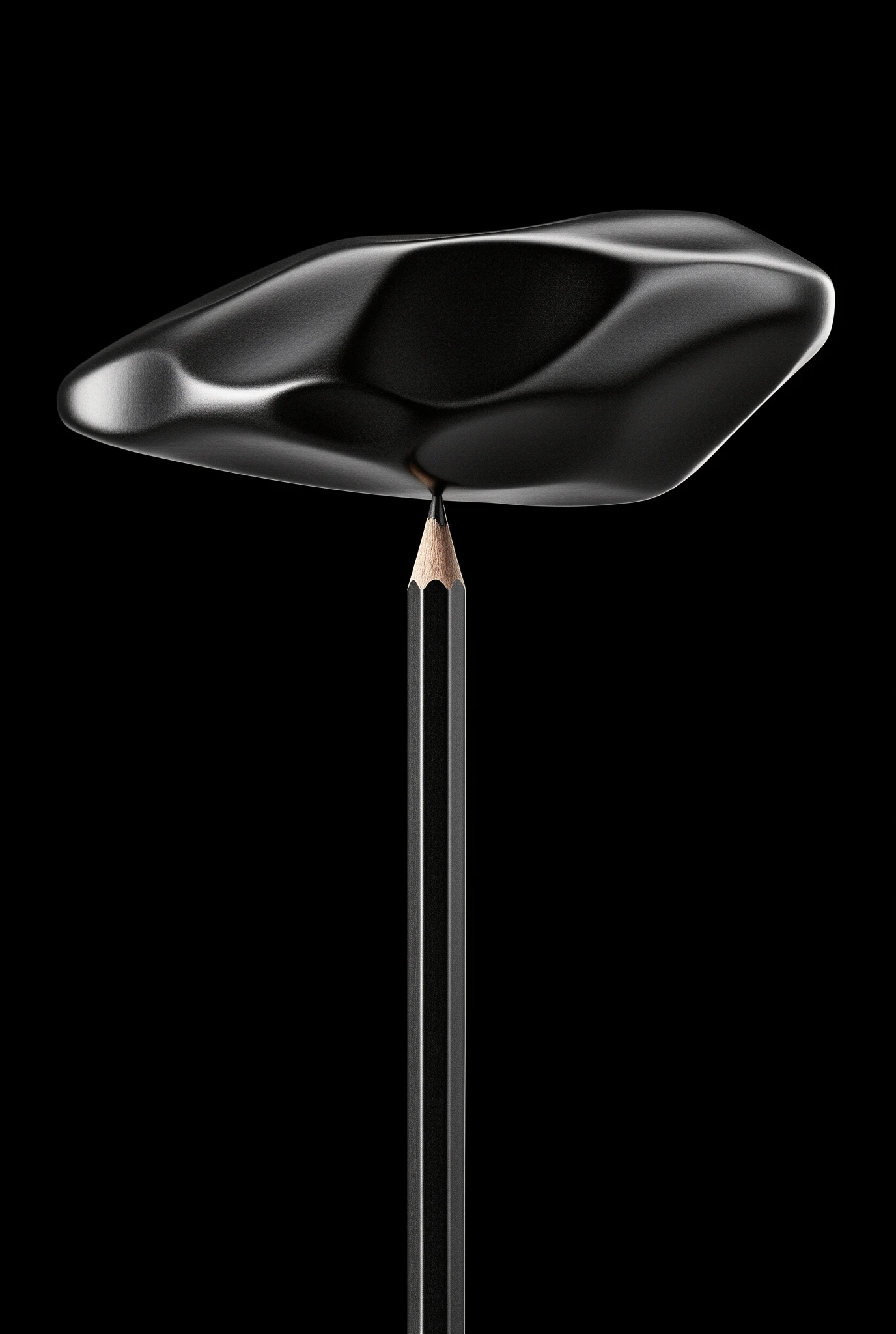
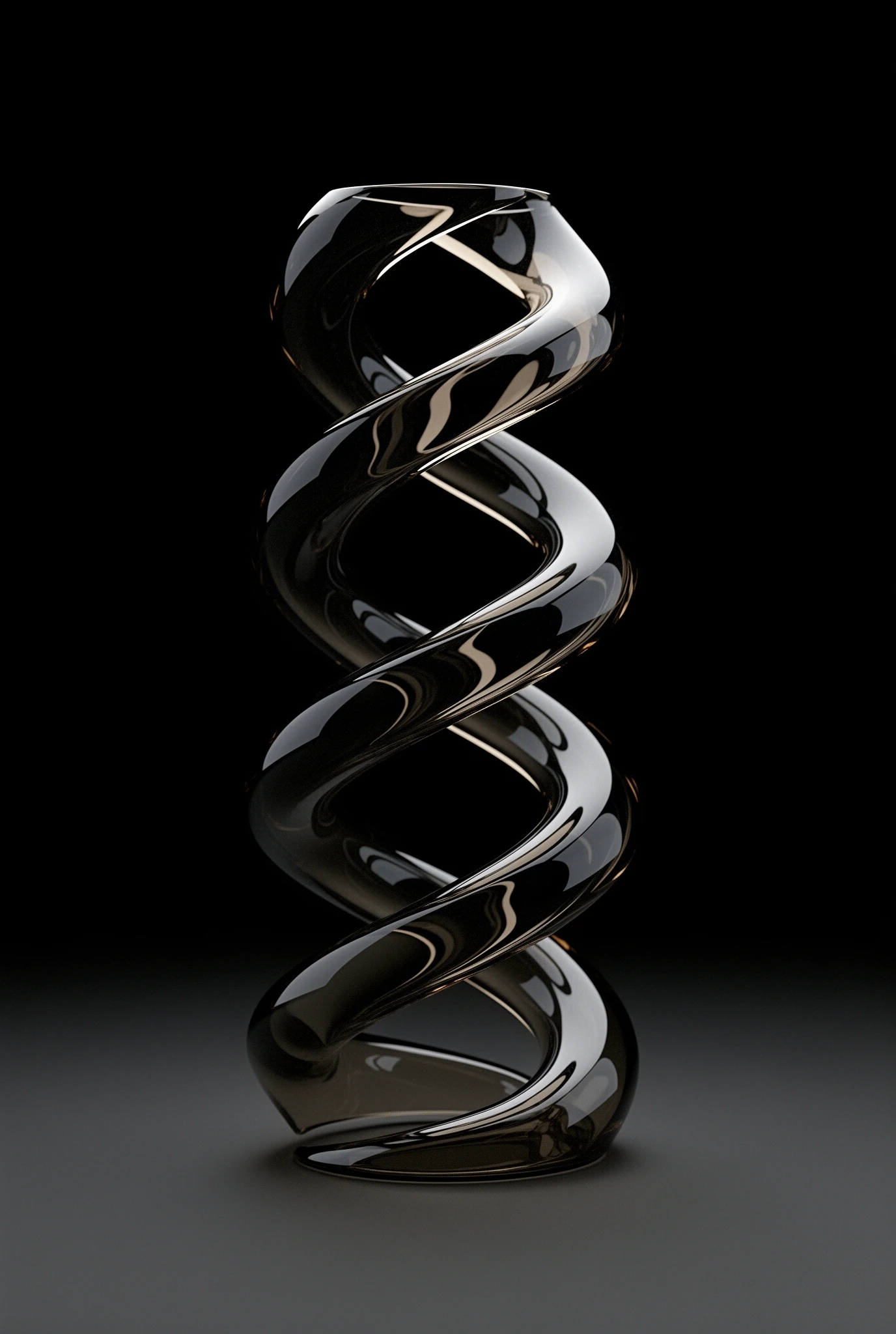
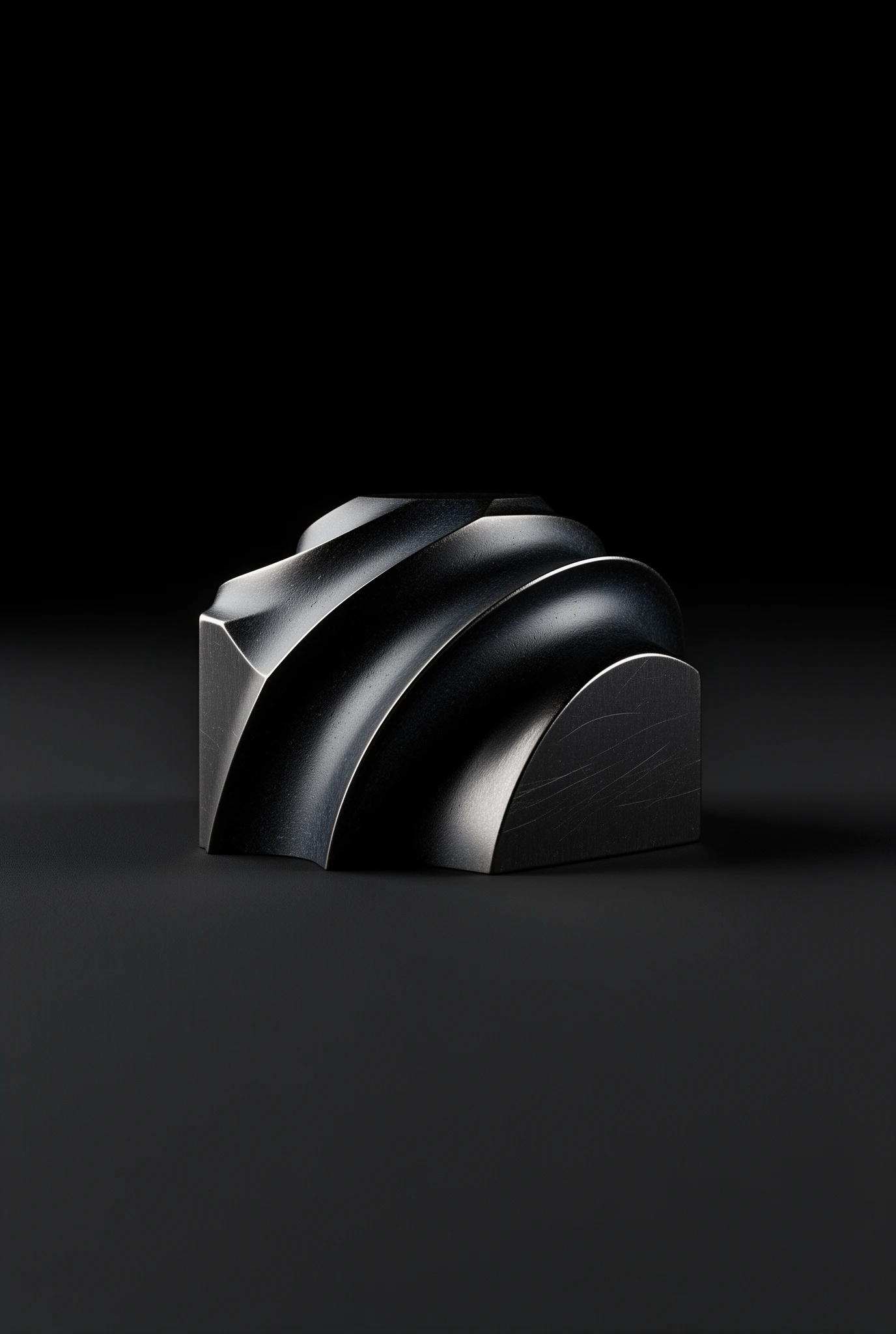
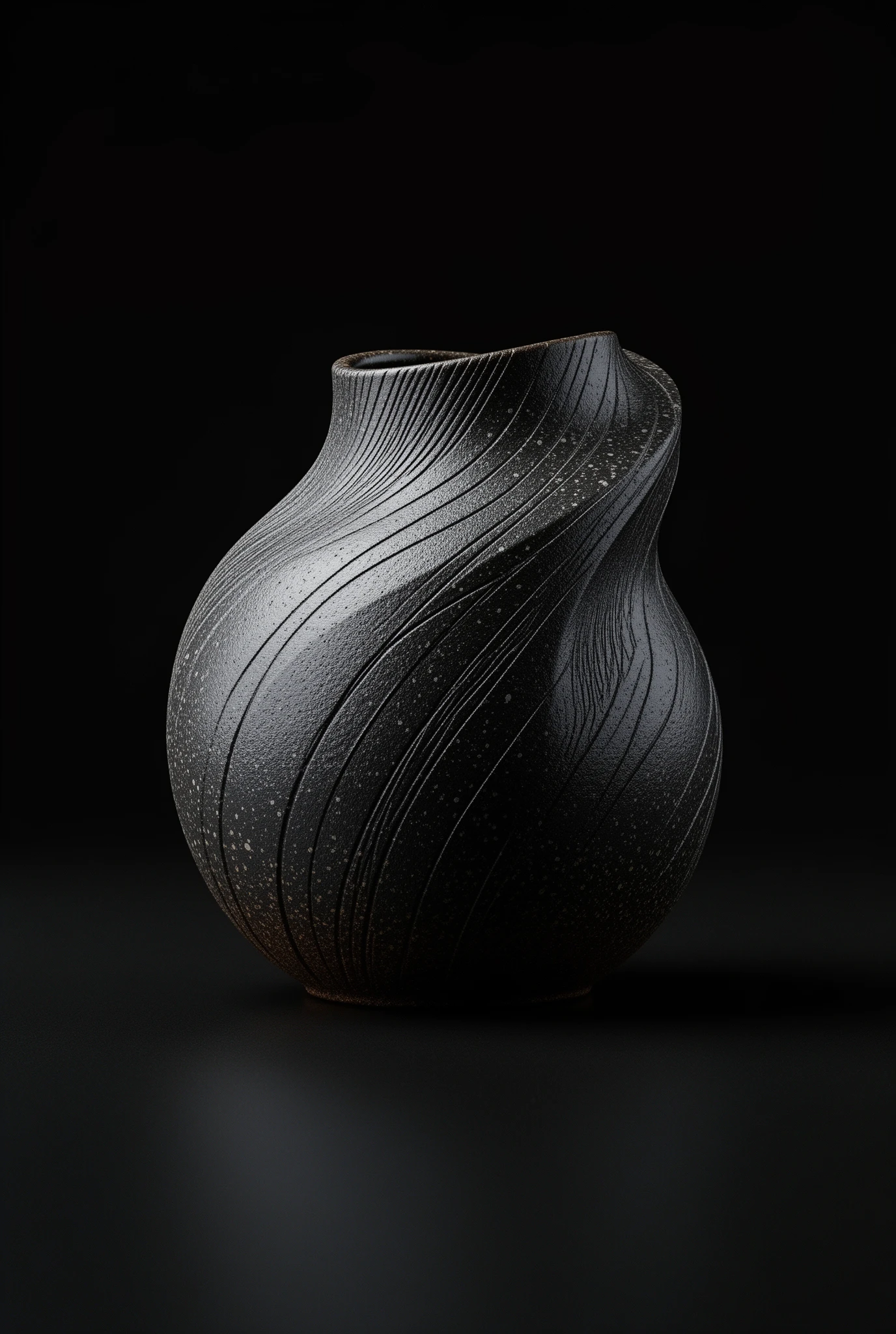
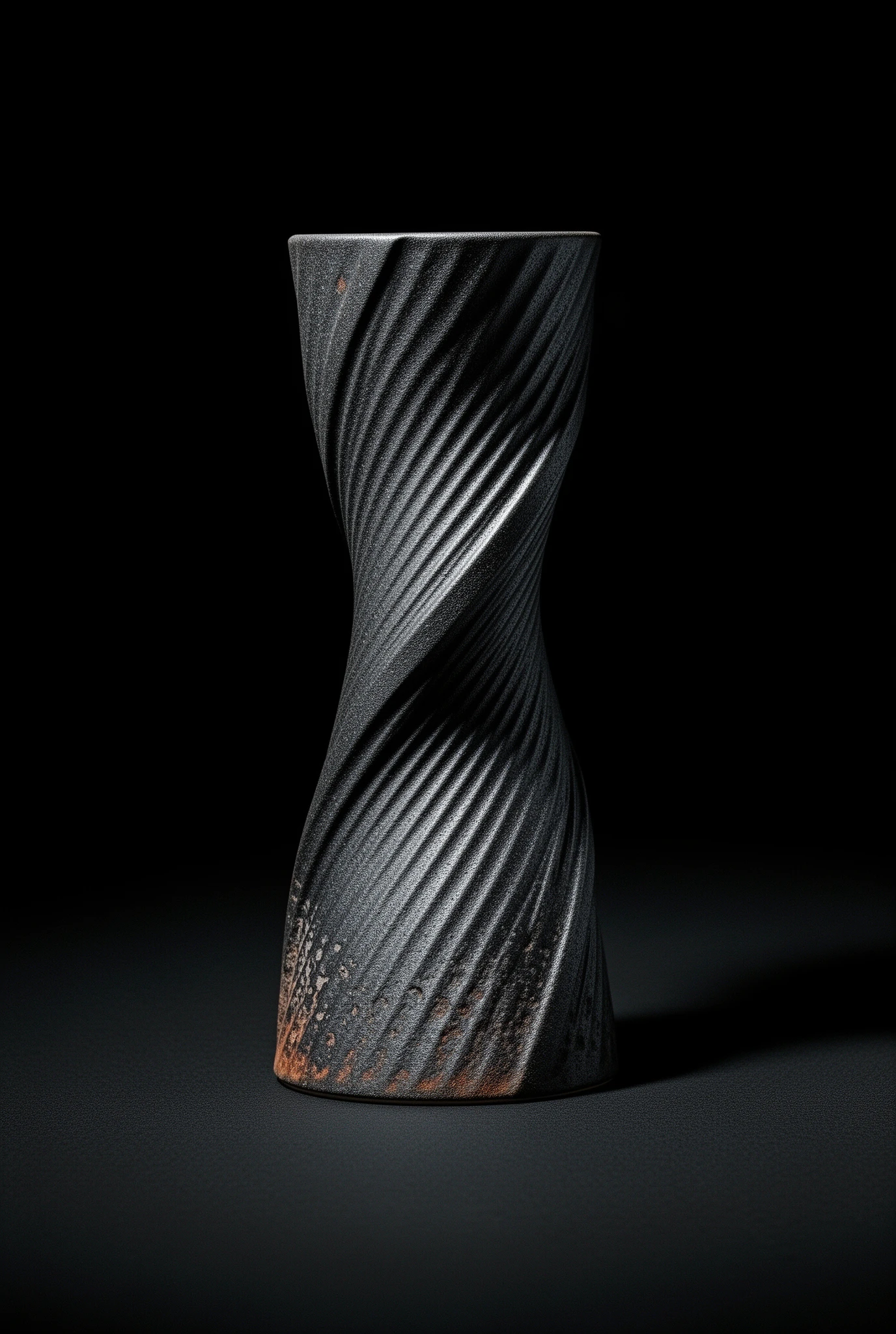
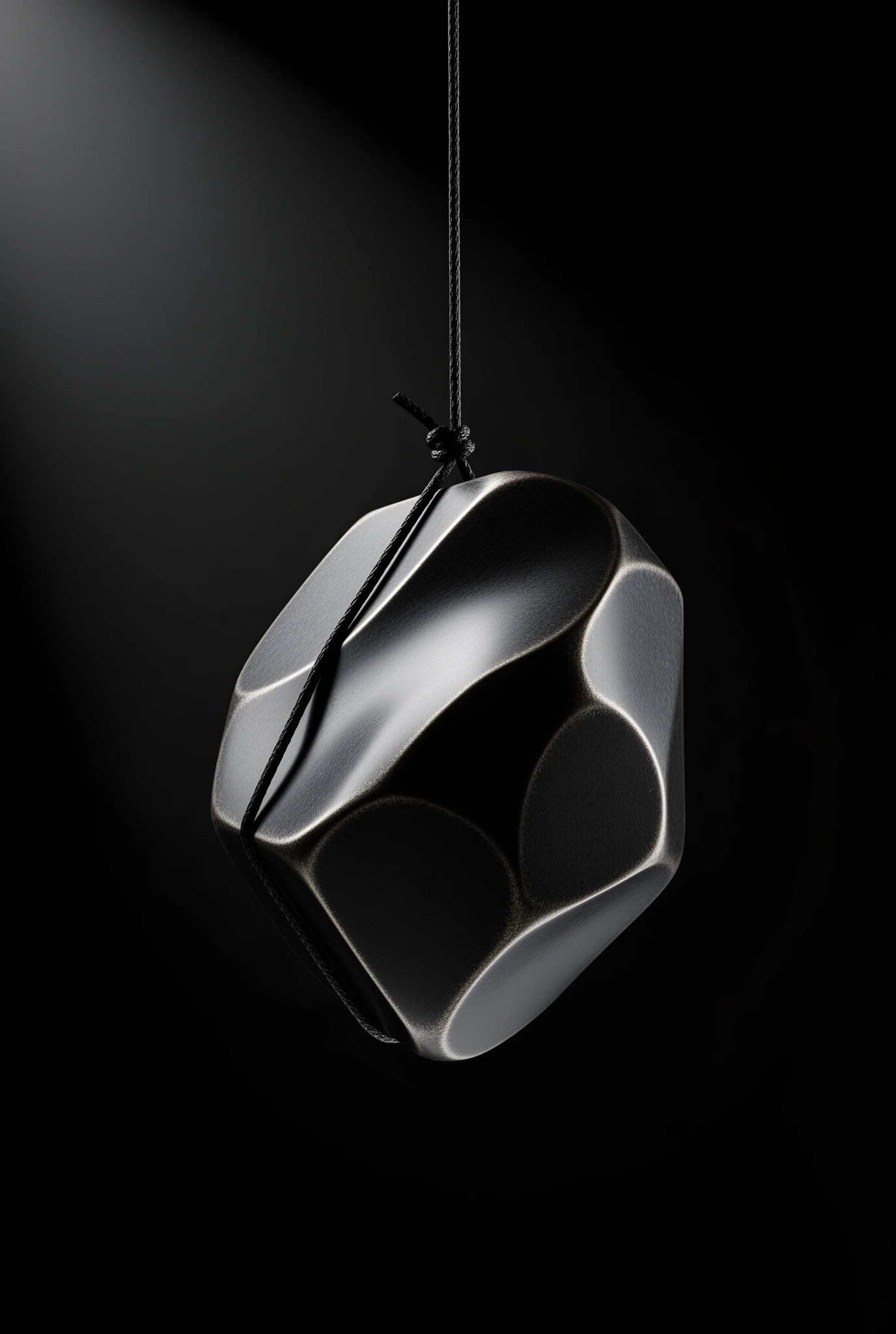
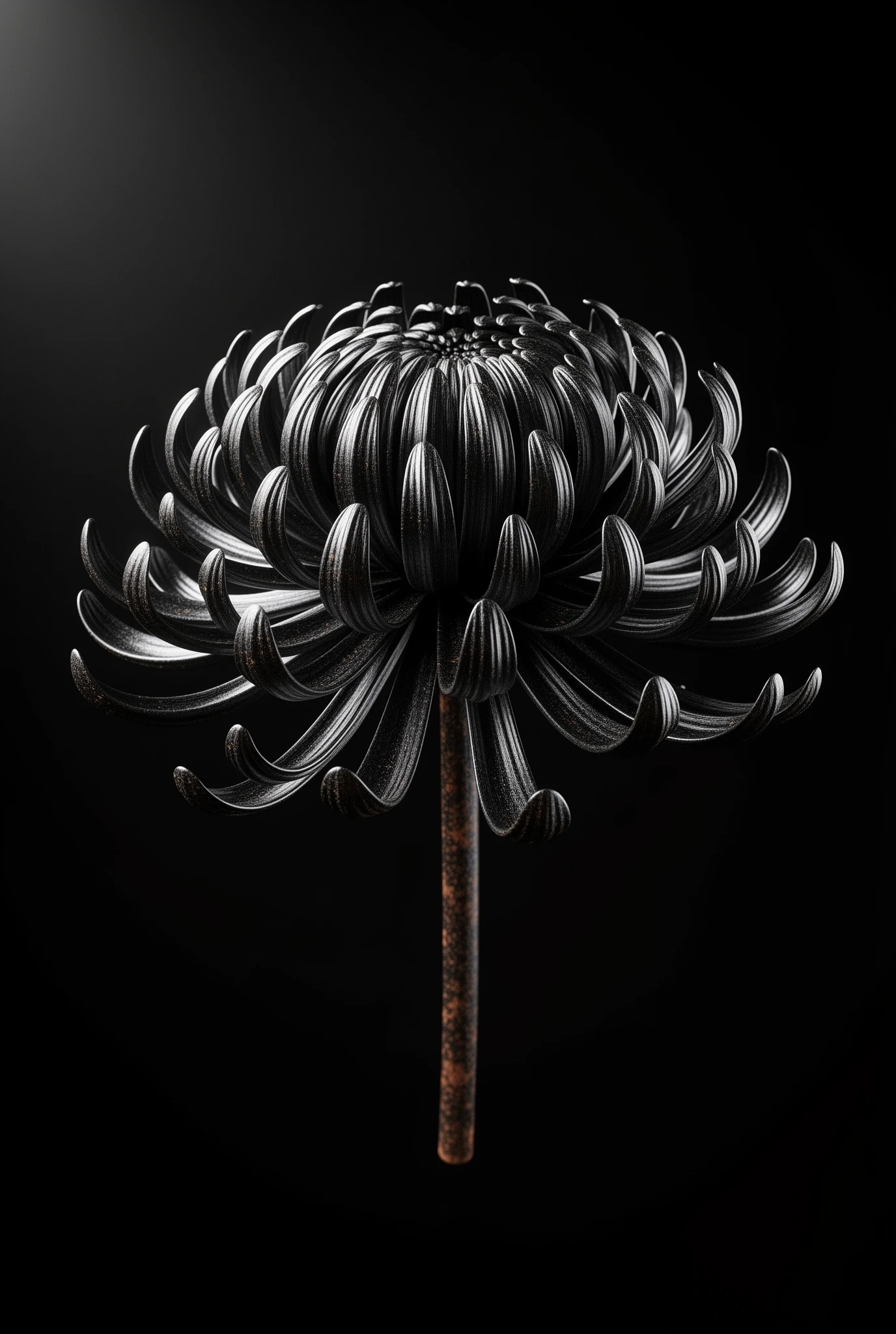
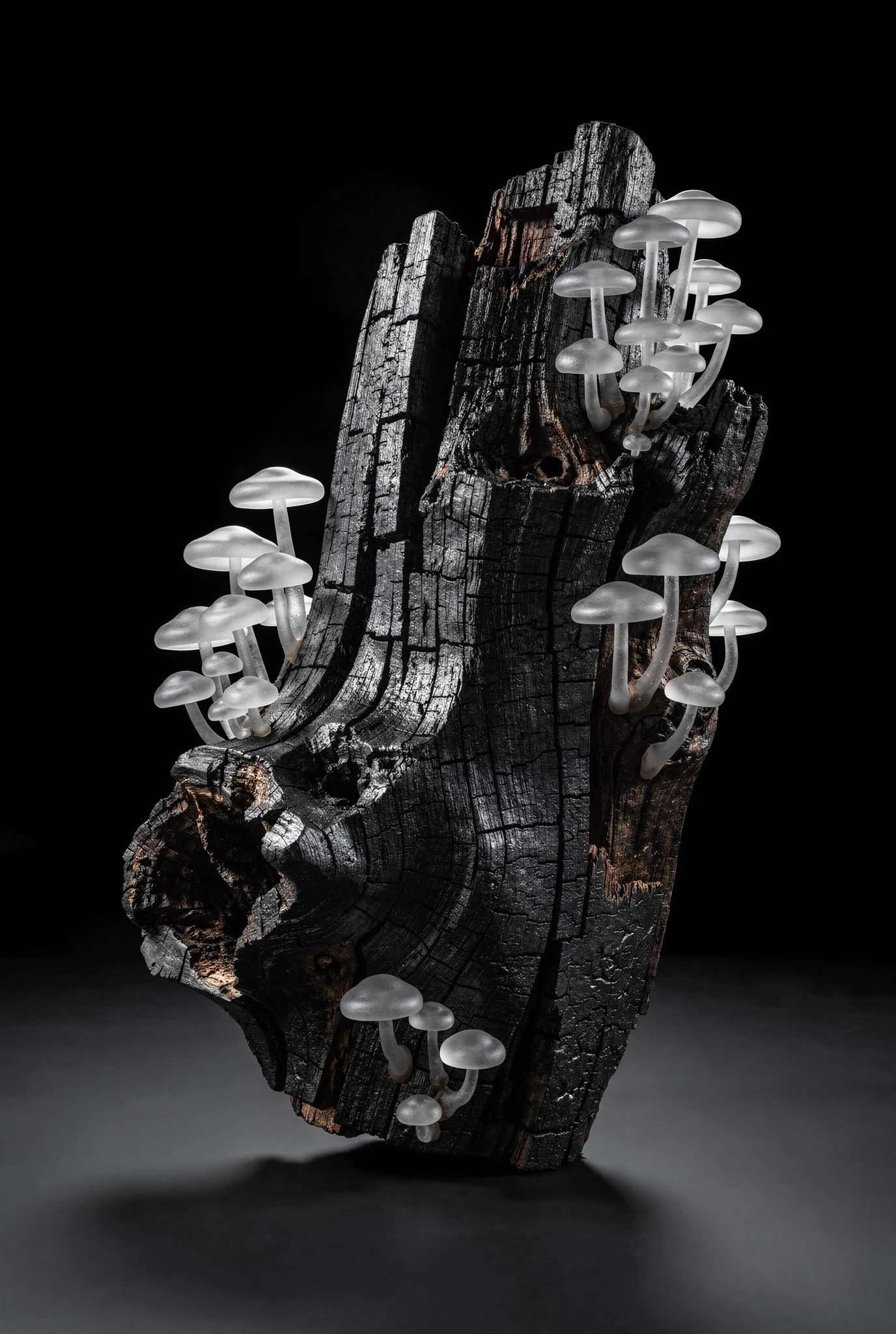
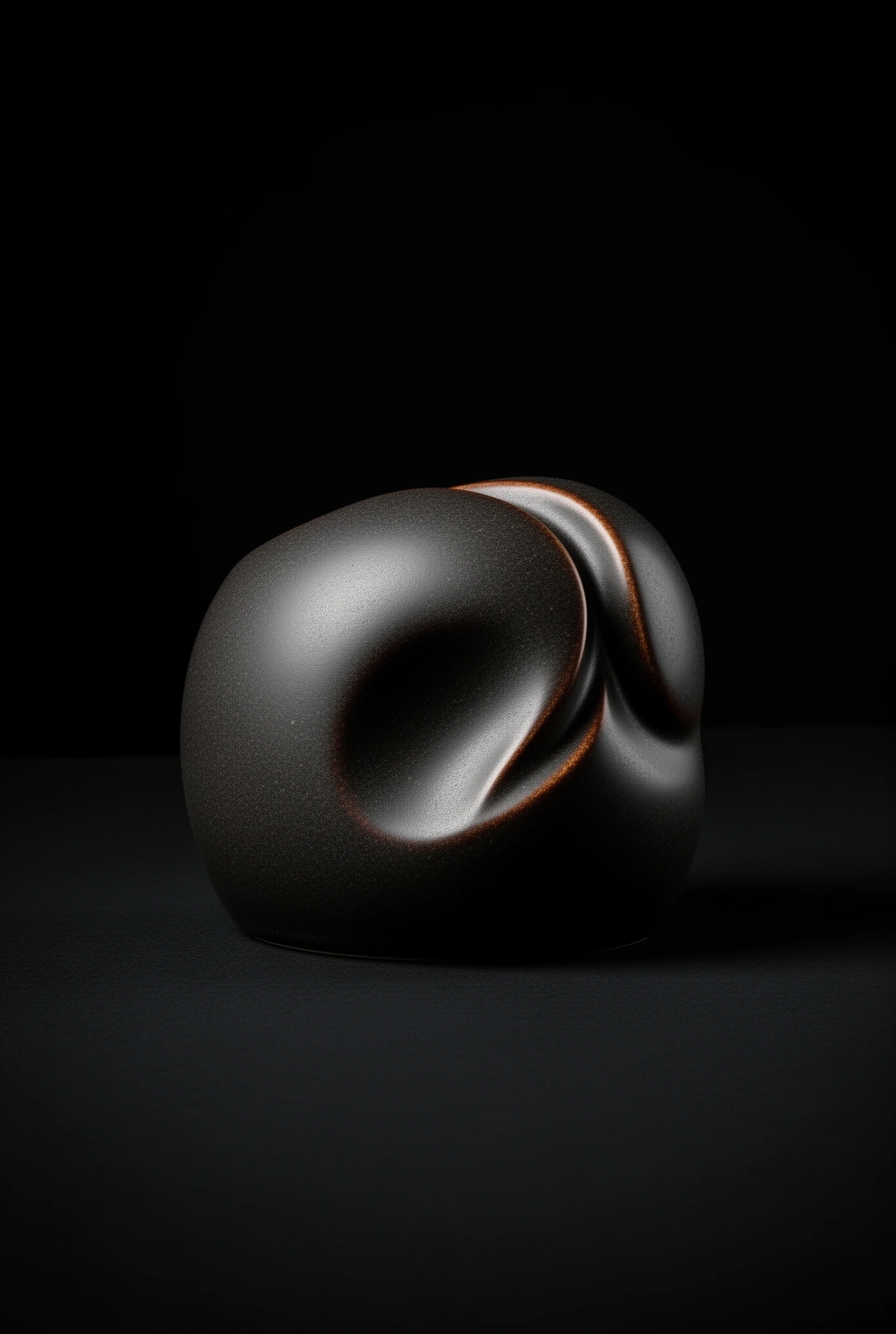
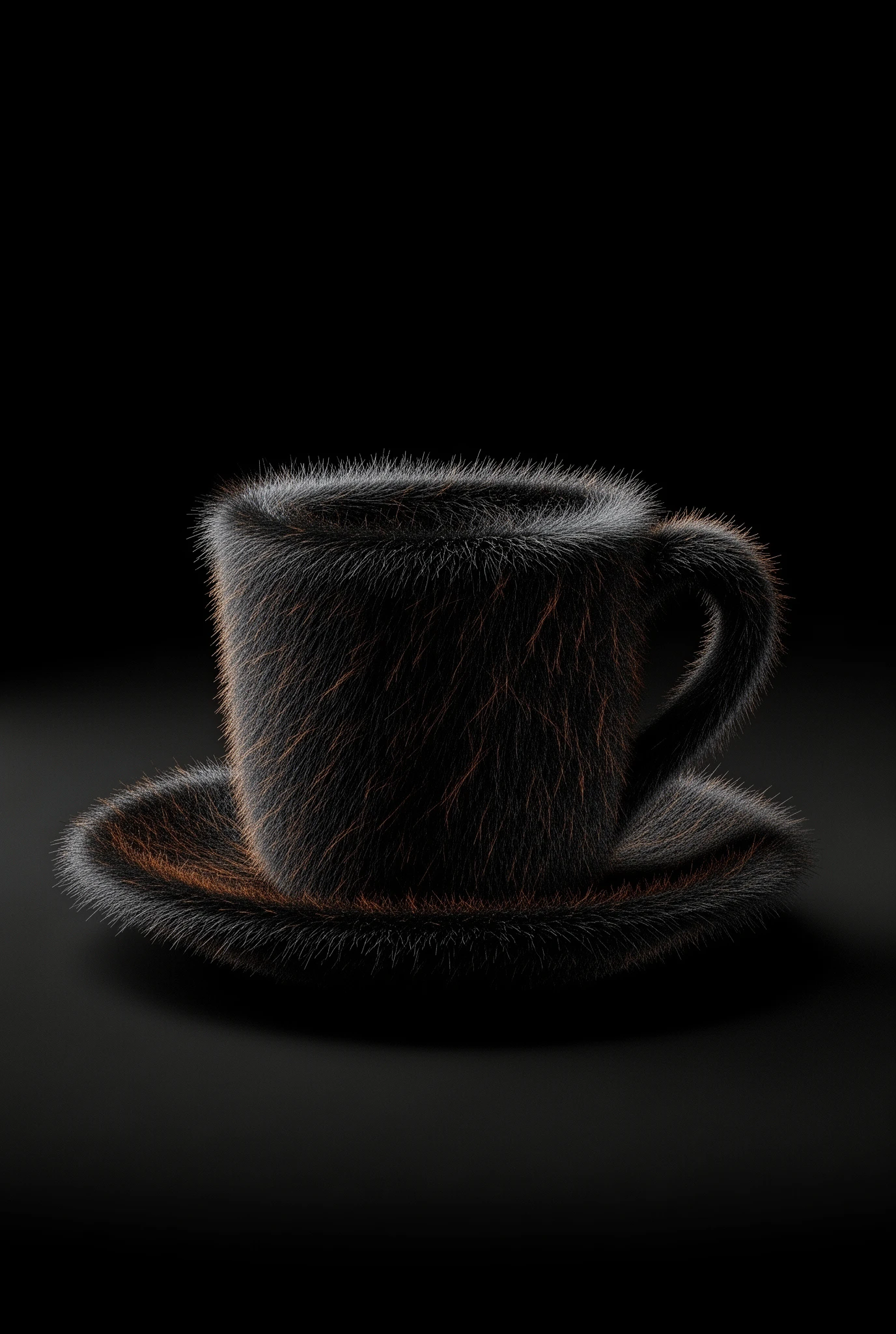
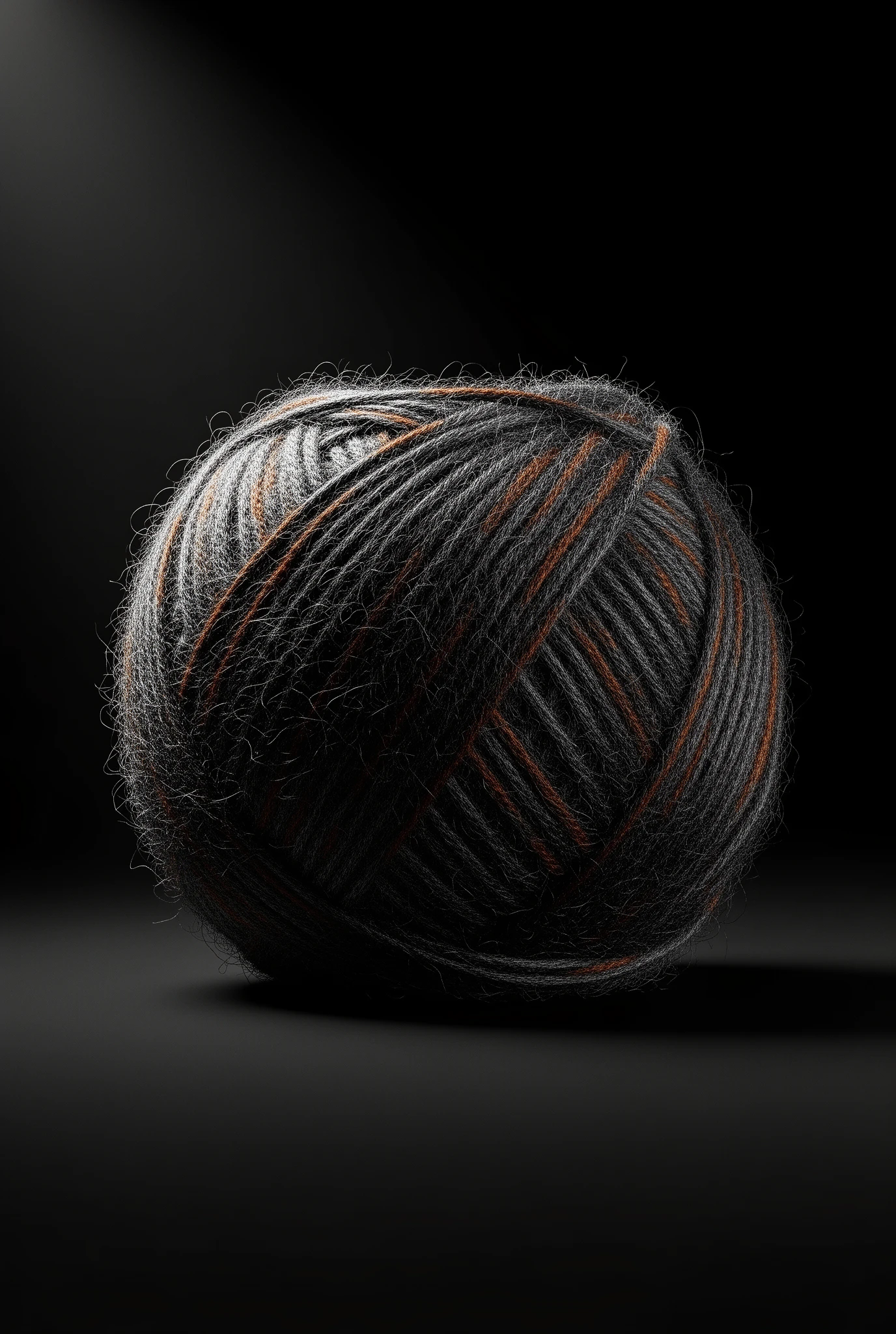
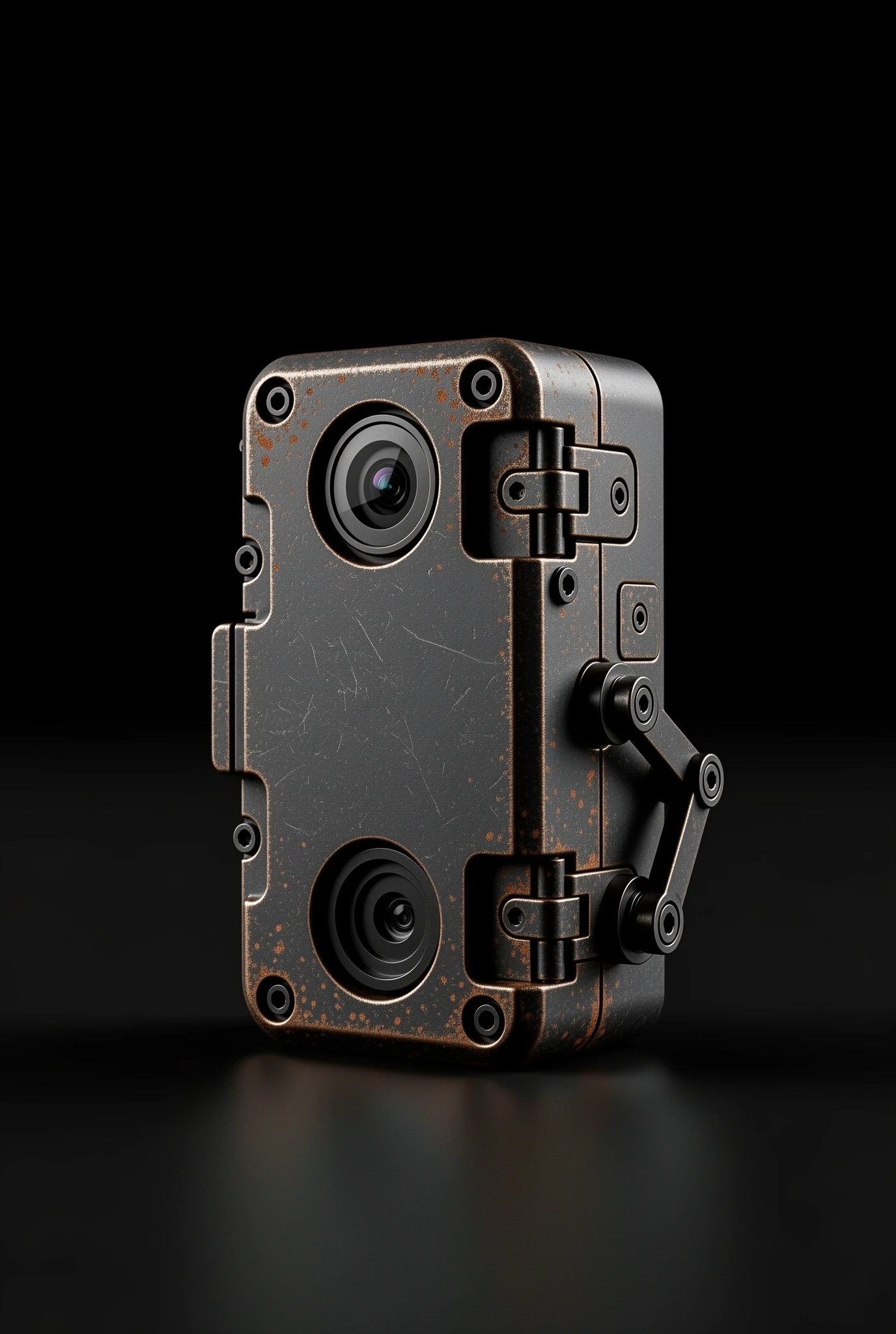
Paradox presents images that behave as evidence of objects that have never existed, staging a contradiction between what the viewer sees and what they know. Each work depicts a form that appears materially precise, optically coherent, and physically credible, yet no such object has ever occupied space. These are not representations of things but fabrications of plausibility: surfaces rendered with such structural logic that the eye accepts them without hesitation. Their authority does not arise from realism alone, but from restraint, proportion, and the quiet language of craftsmanship. They resemble objets d'art not because they were made, but because they appear convincingly makeable.
Belief, in images, is not granted by truth but by agreement. Human perception does not passively record the world; it predicts it, assembling reality from converging cues of light, texture, weight, and depth. When these signals align, conviction stabilises. Generative systems operate through a parallel process, producing images from learned probabilities rather than physical observation. A synthograph therefore emerges at the meeting point of two predictive structures: the system anticipates what an object should look like, and the viewer anticipates that it must exist. Reality is inferred, not proven.
Nearly a century ago, a painted pipe declared that it was not a pipe, exposing the fault line between image and object. That gesture did not weaken representation; it strengthened it by revealing its structure. The works here operate in a similar register. They are not things. They never were. Yet they possess weight, material intelligence, and sculptural presence. The treachery is not deception, but compliance: the image behaves correctly, and so belief forms. In this space between statement and surface, the viewer becomes aware of the fragile contract that binds sight to certainty.
In this sense, Paradox is less concerned with illusion than with the conditions that make illusion unnecessary. The works do not attempt to deceive; they demonstrate how effortlessly perception constructs certainty when visual information behaves correctly. Presence, not physicality, is what grants them their authority. These synthographs are calm propositions, asking the viewer to recognise that realism can occur without origin, and that an image may feel undeniable even when nothing has ever stood before a lens.
Gallery
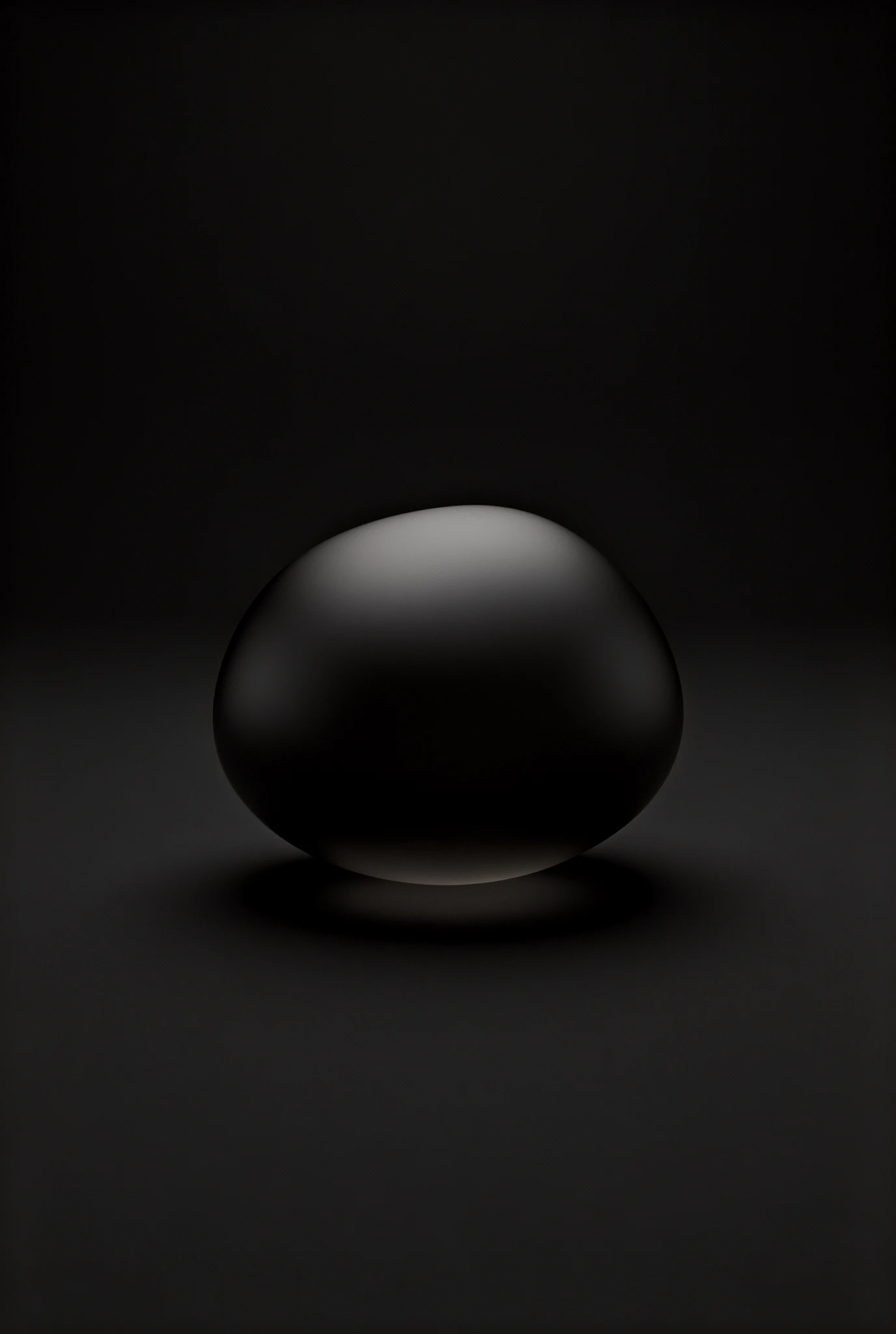
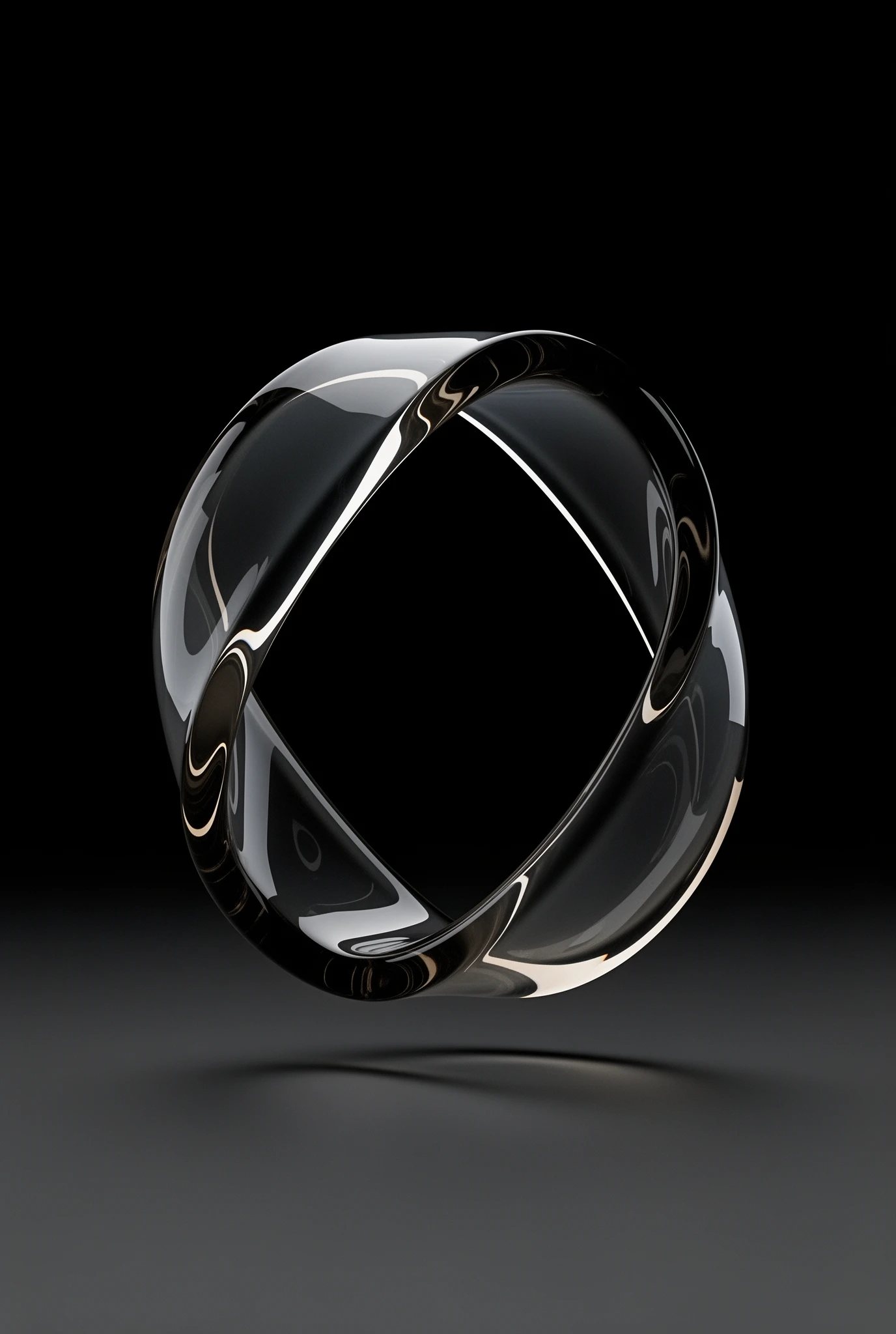
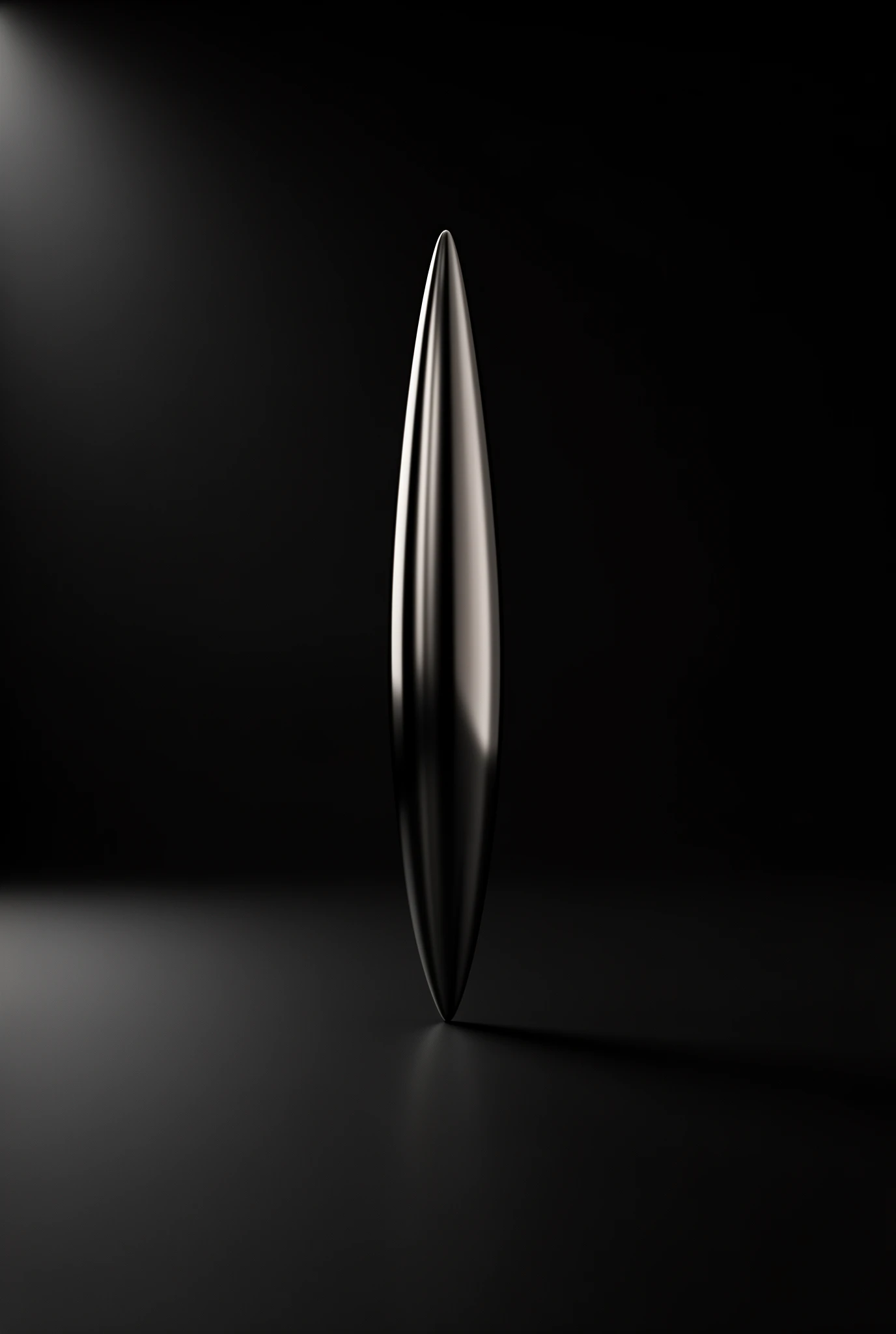
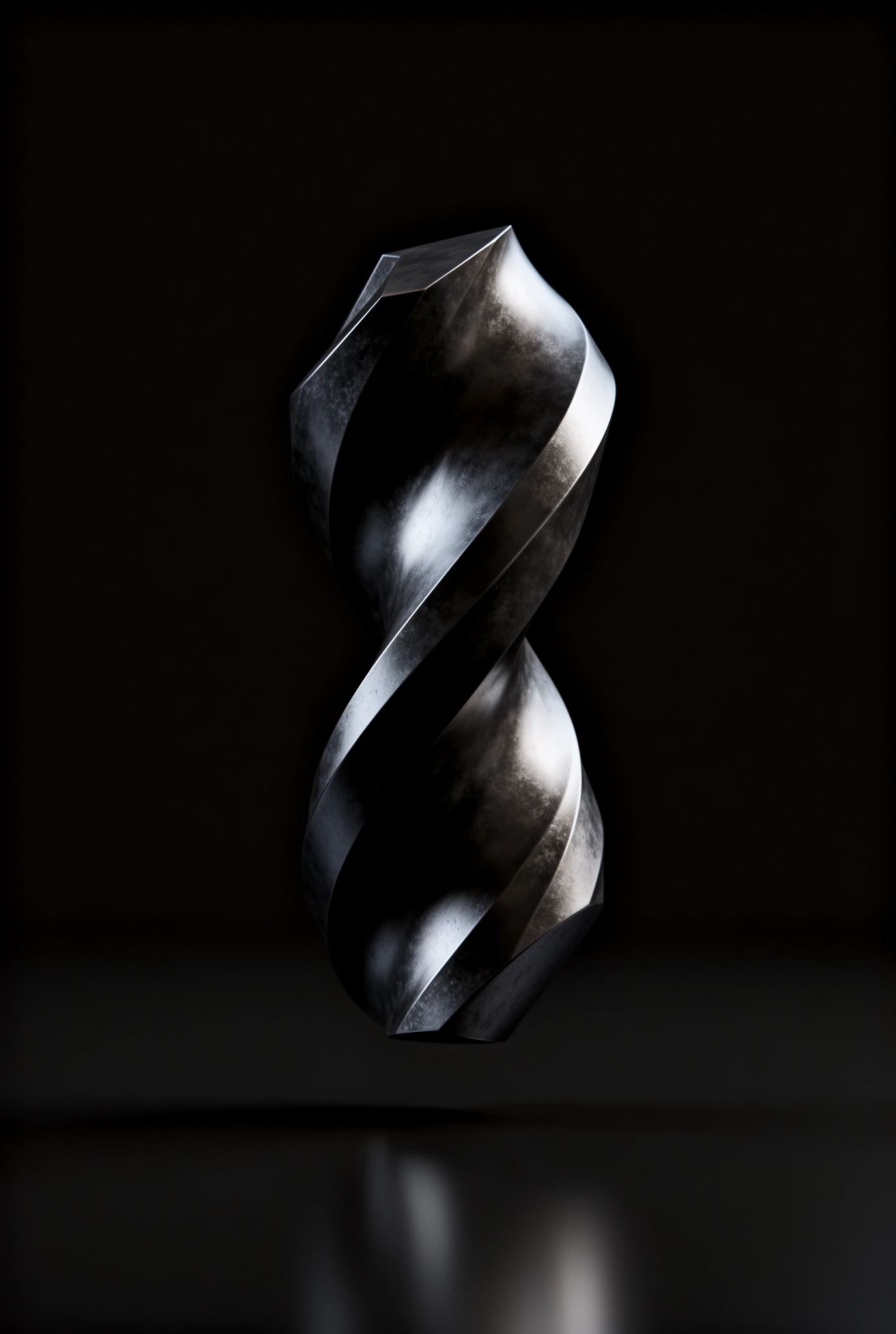

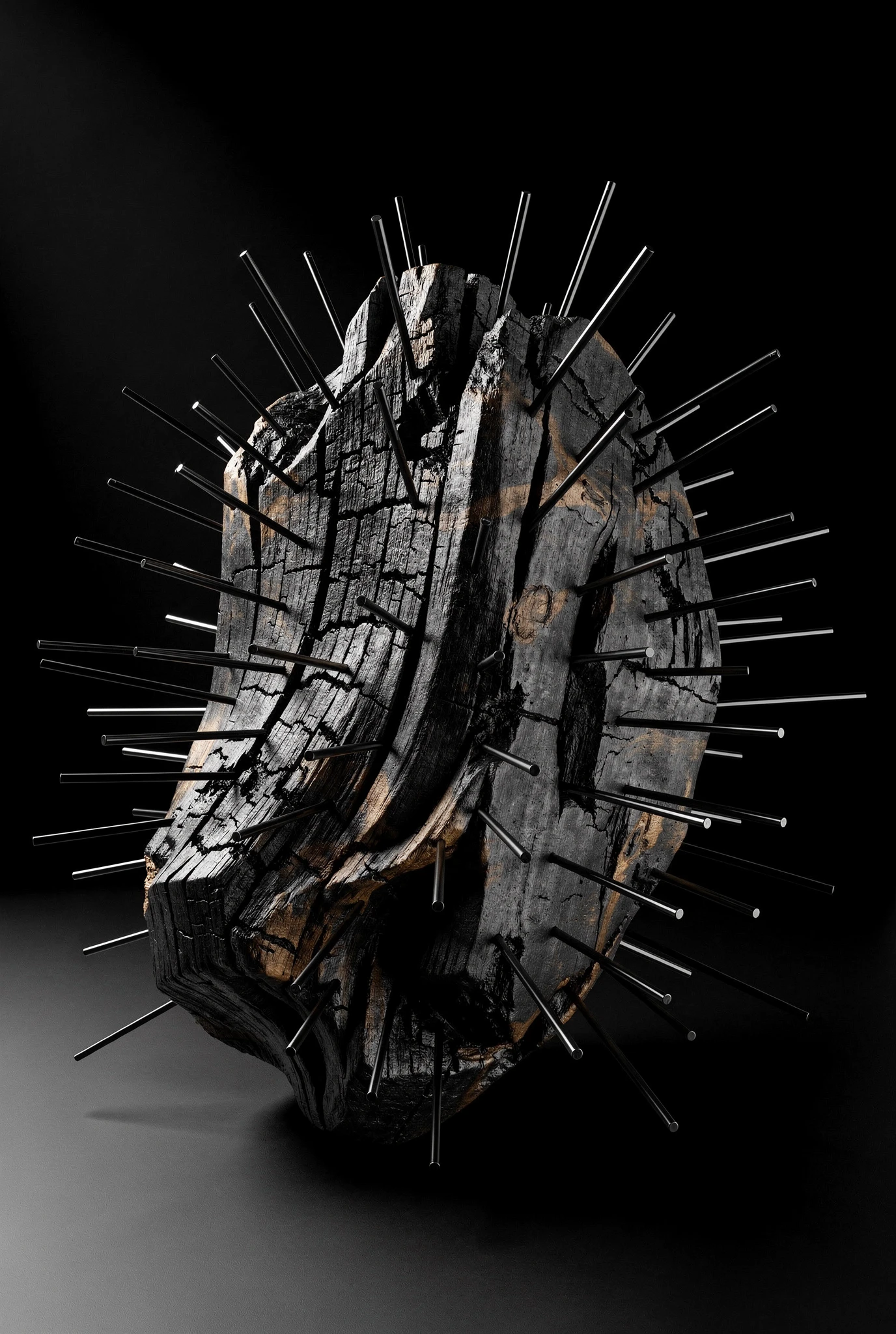
"The image is not the thing." — René Magritte