Oops: imperfection, accidents, and raw beauty
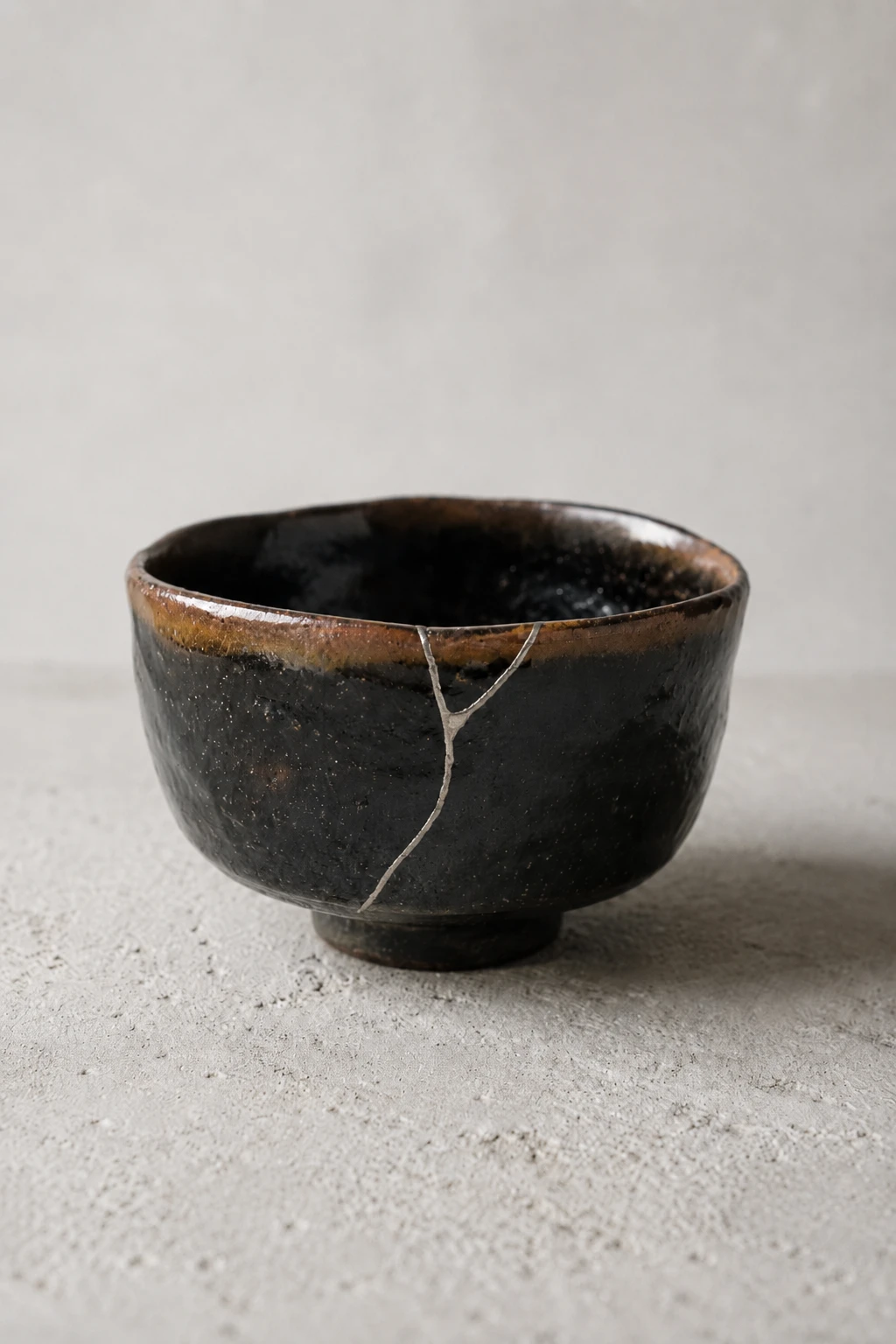
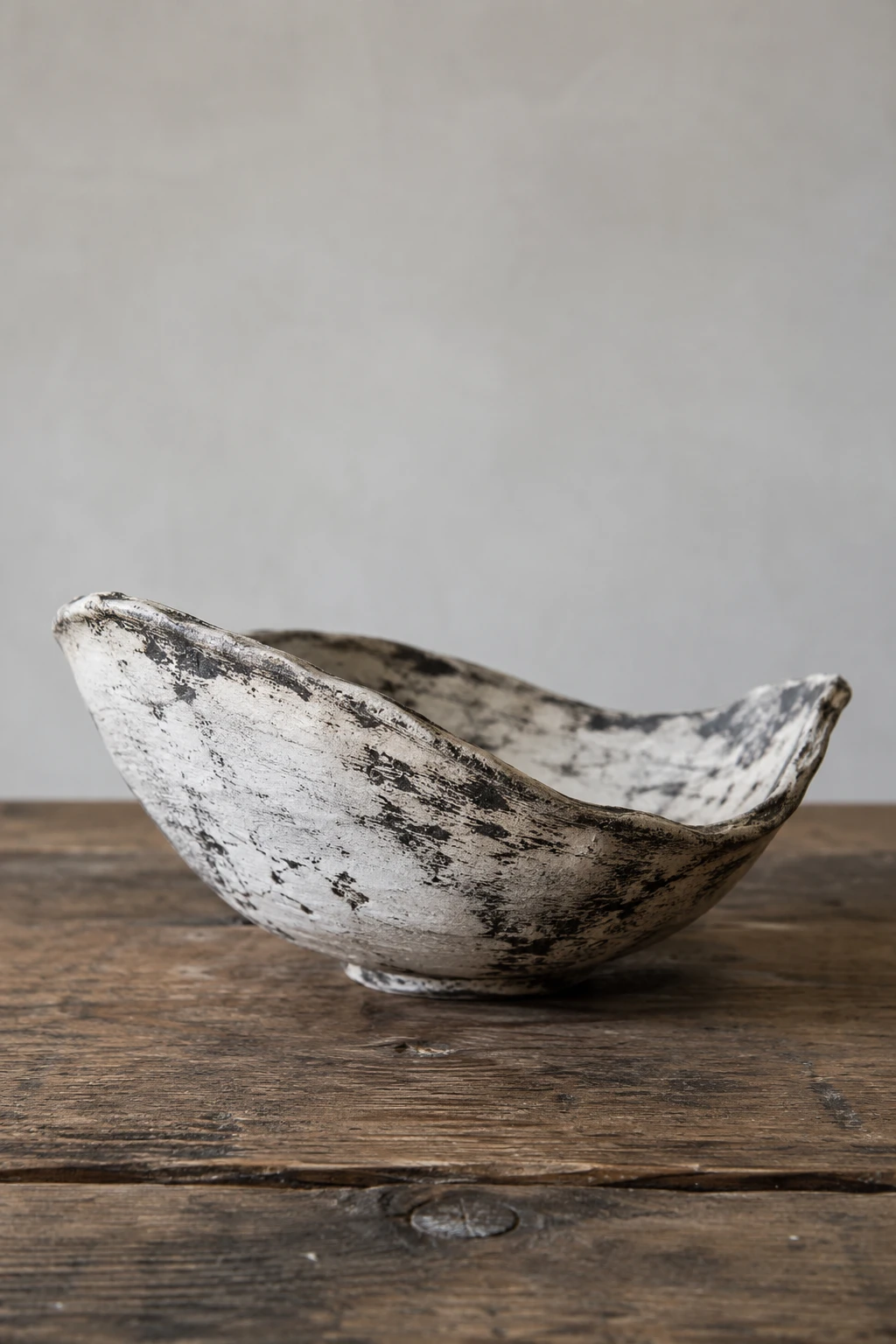
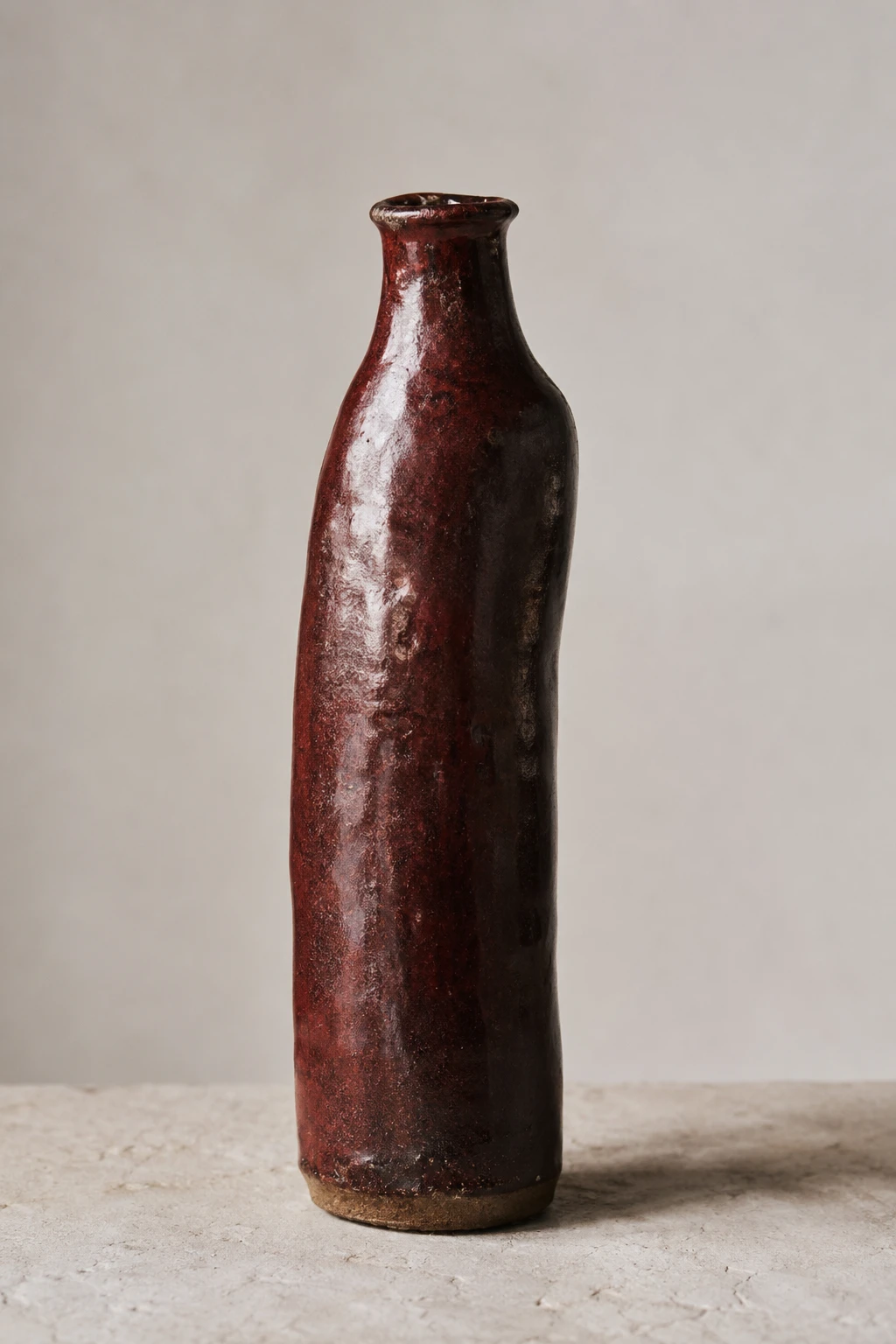
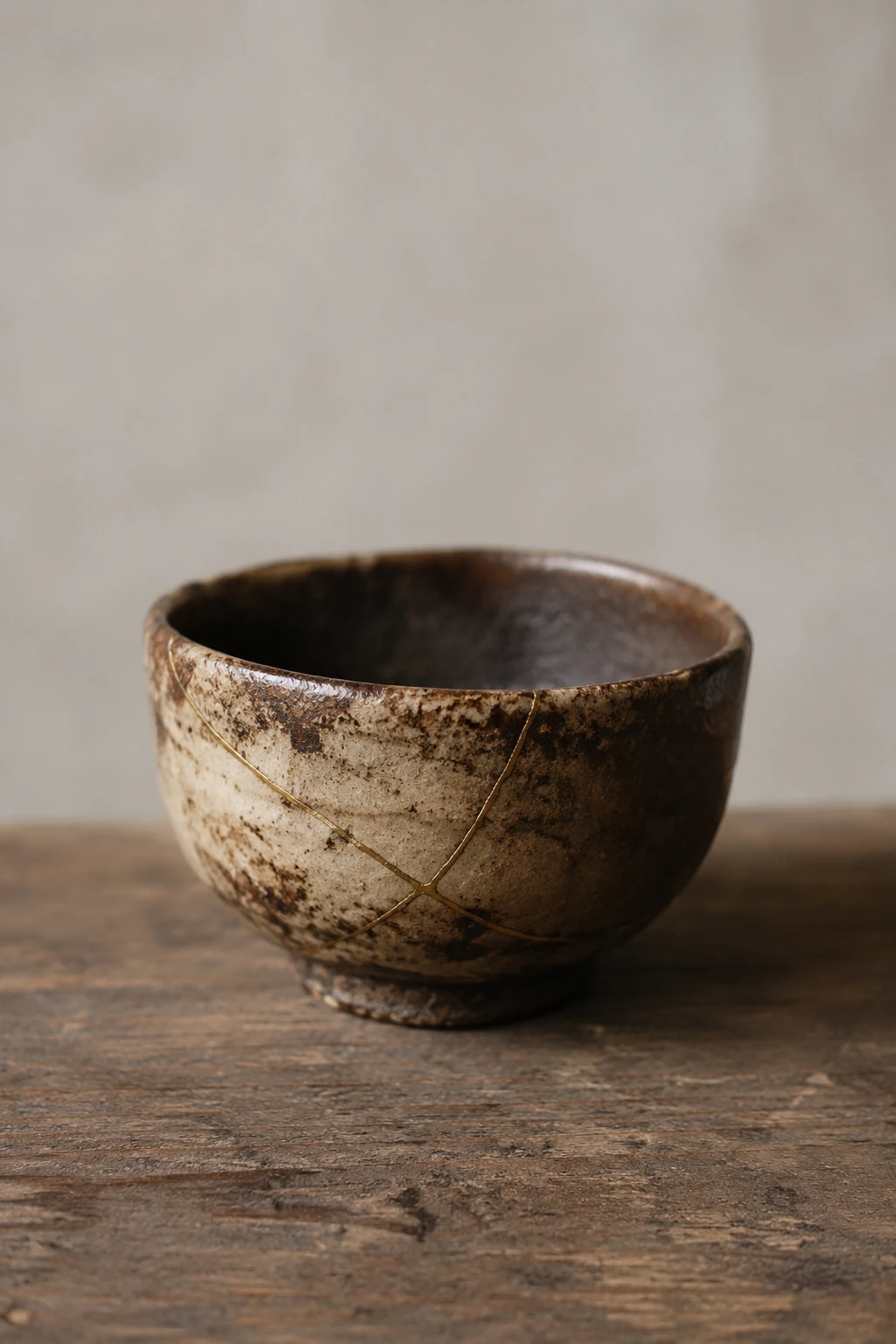
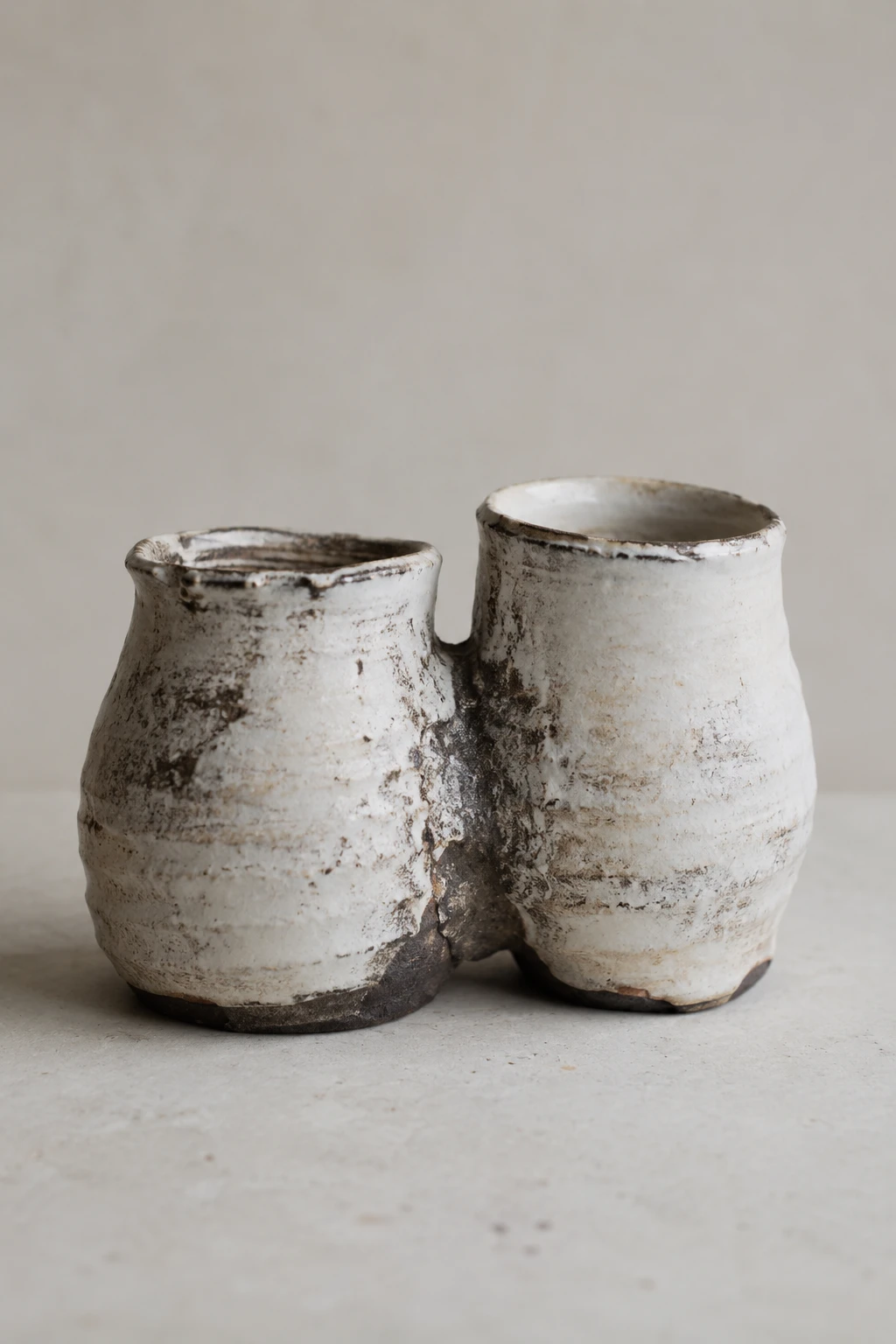
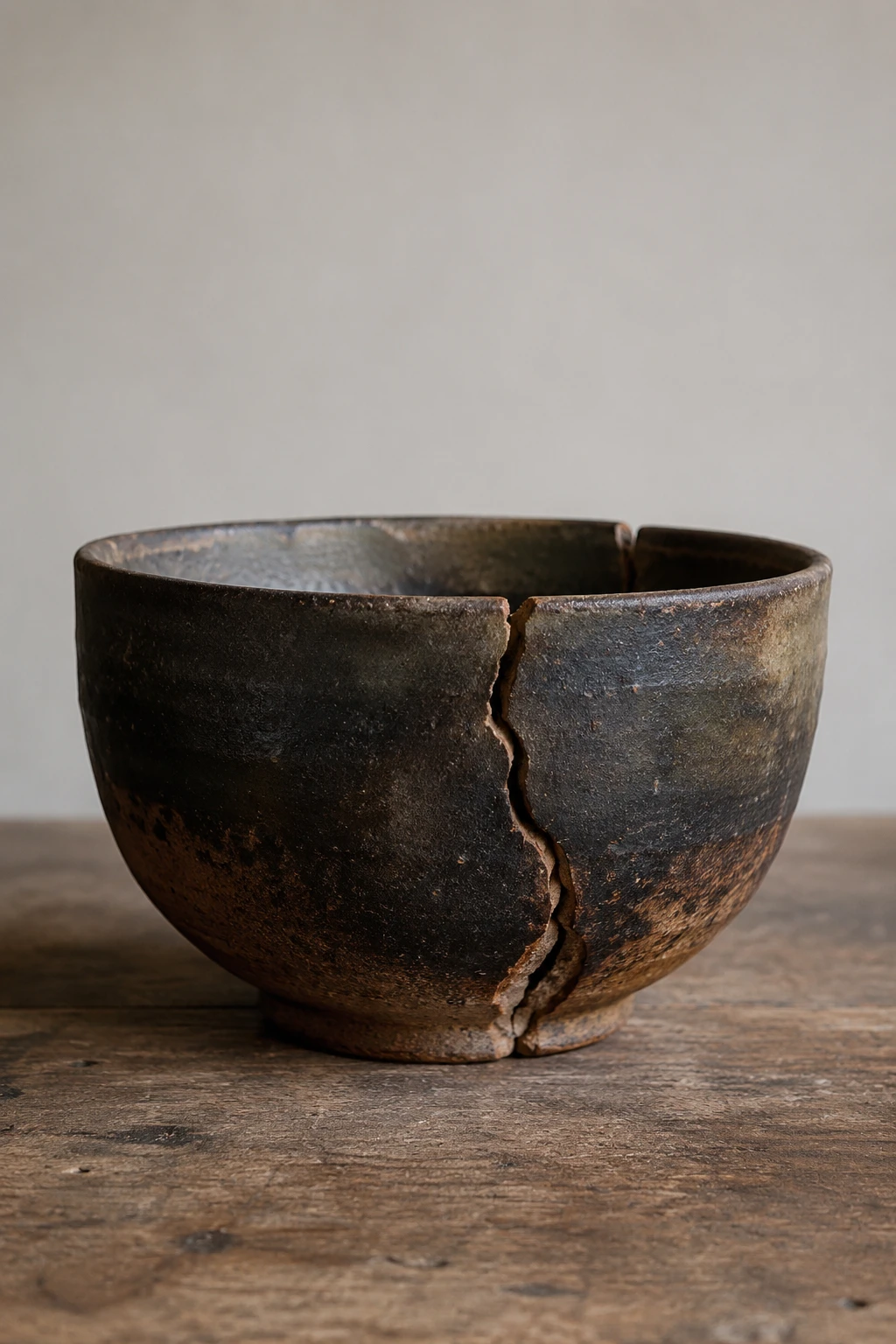
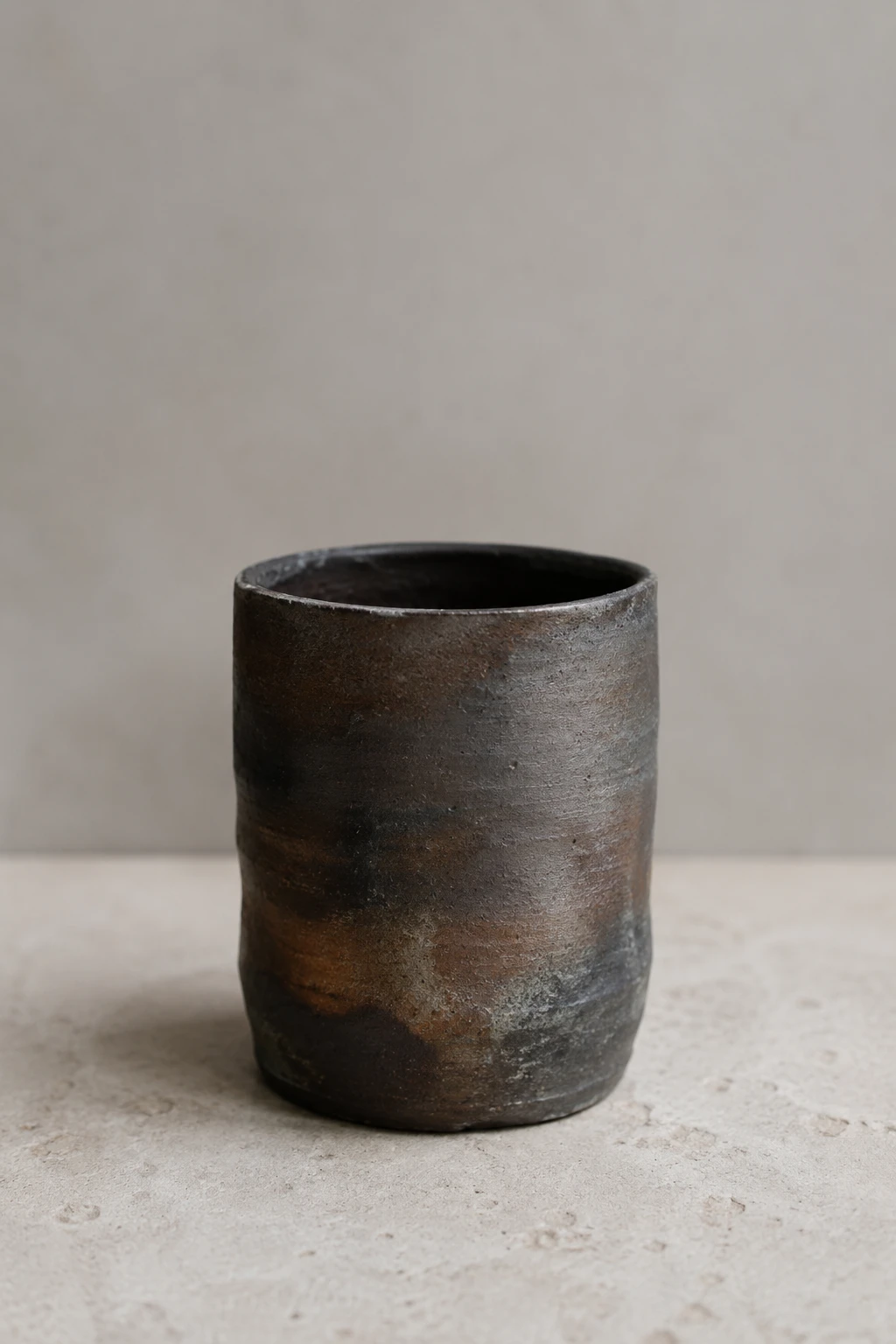
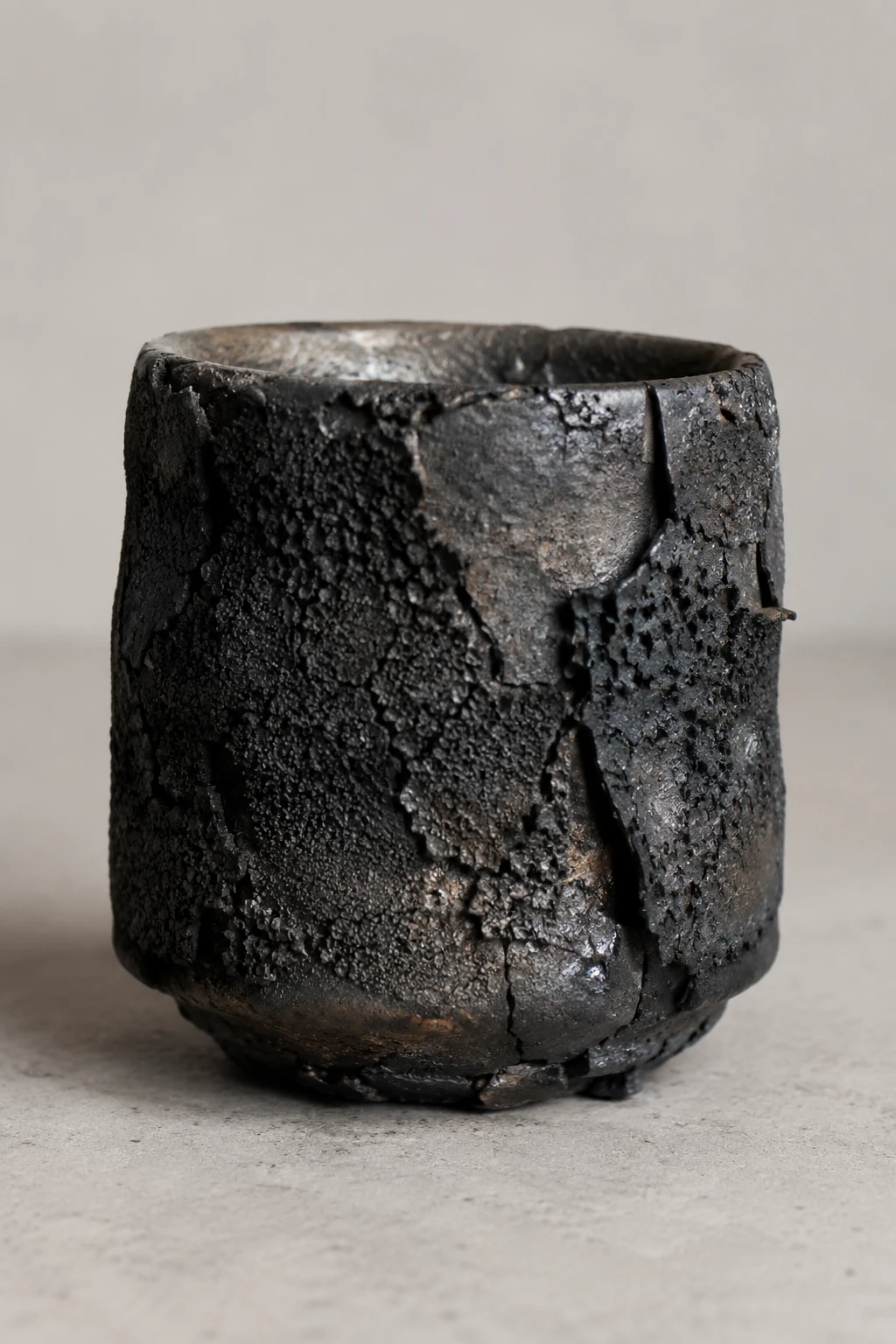
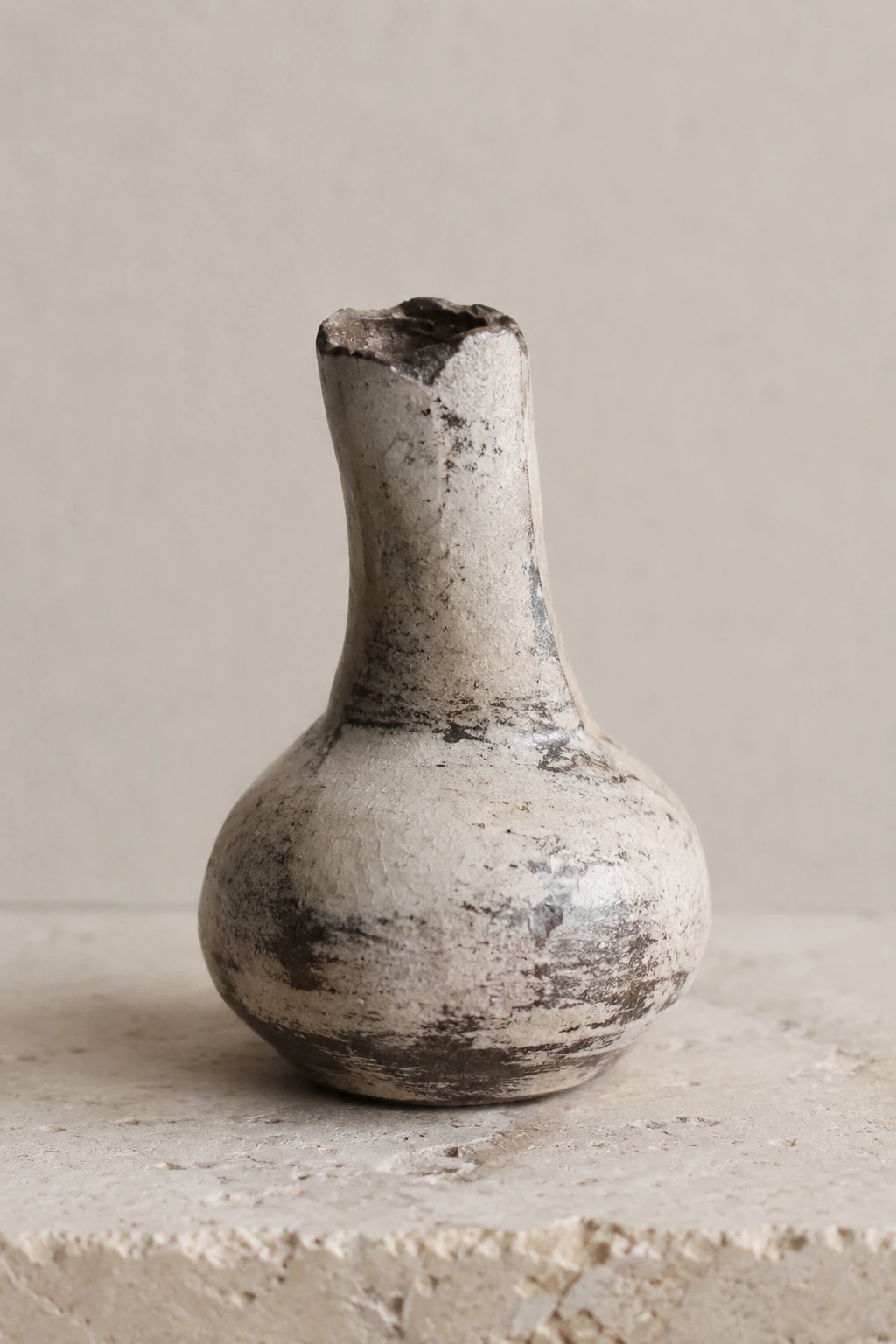
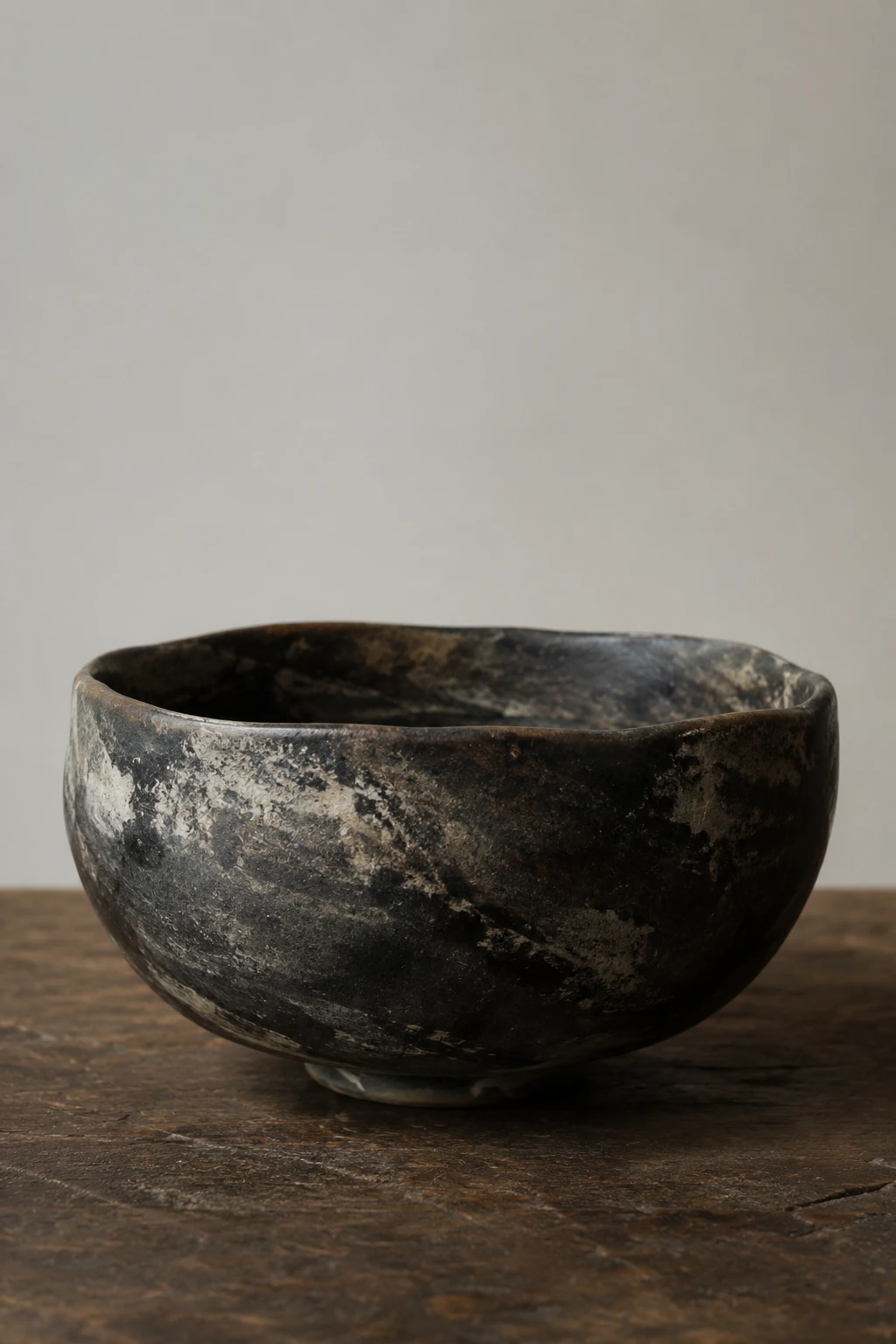
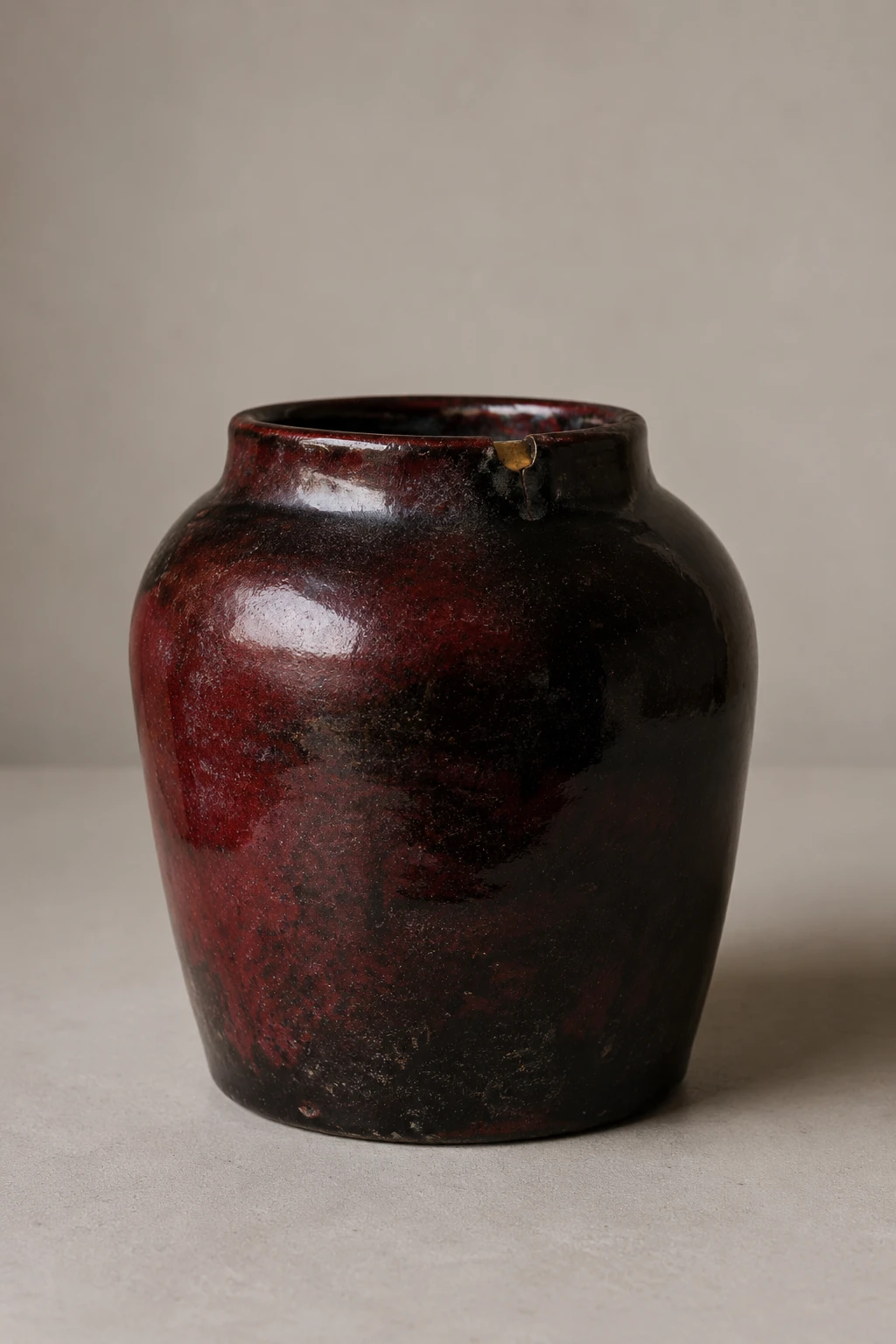
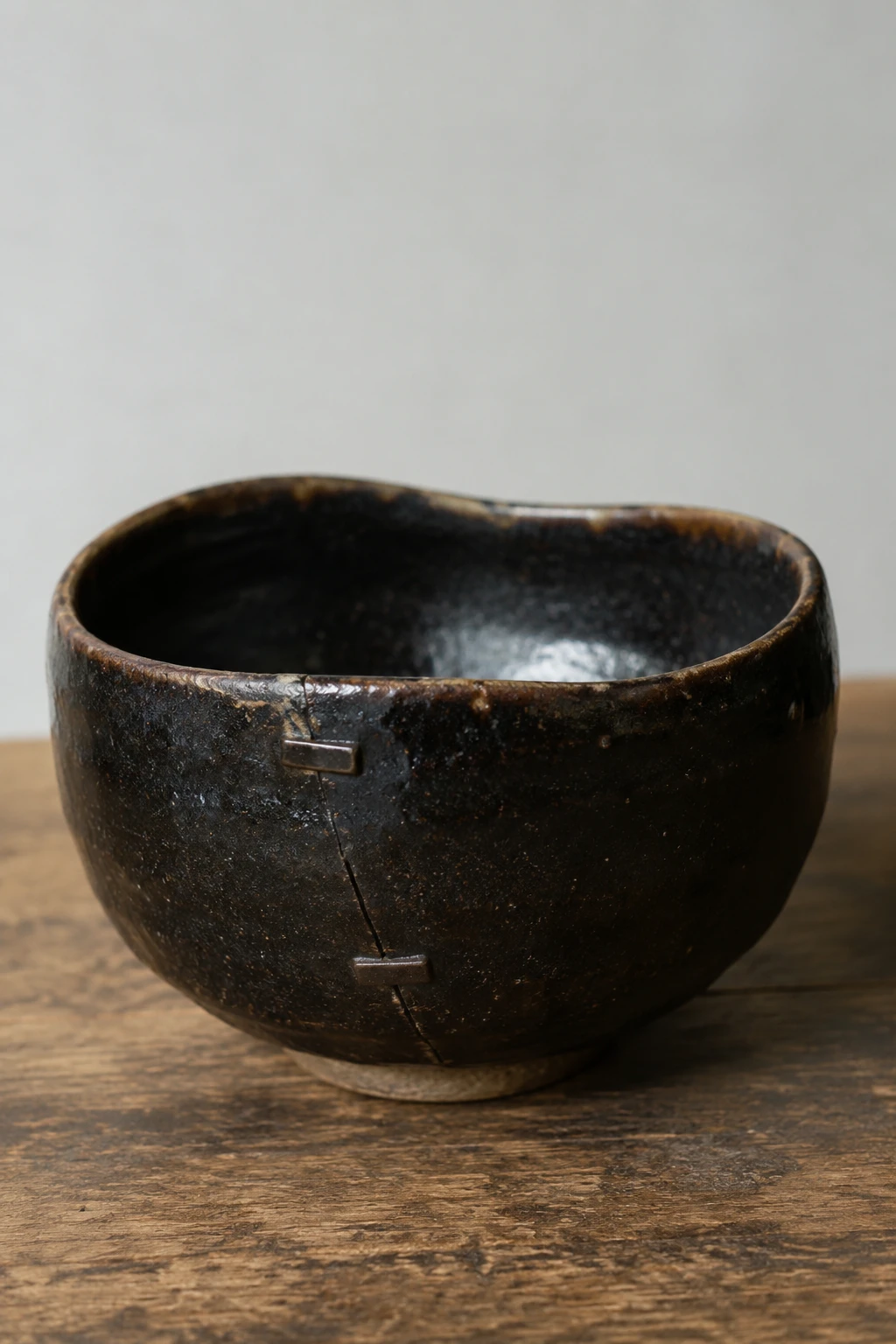
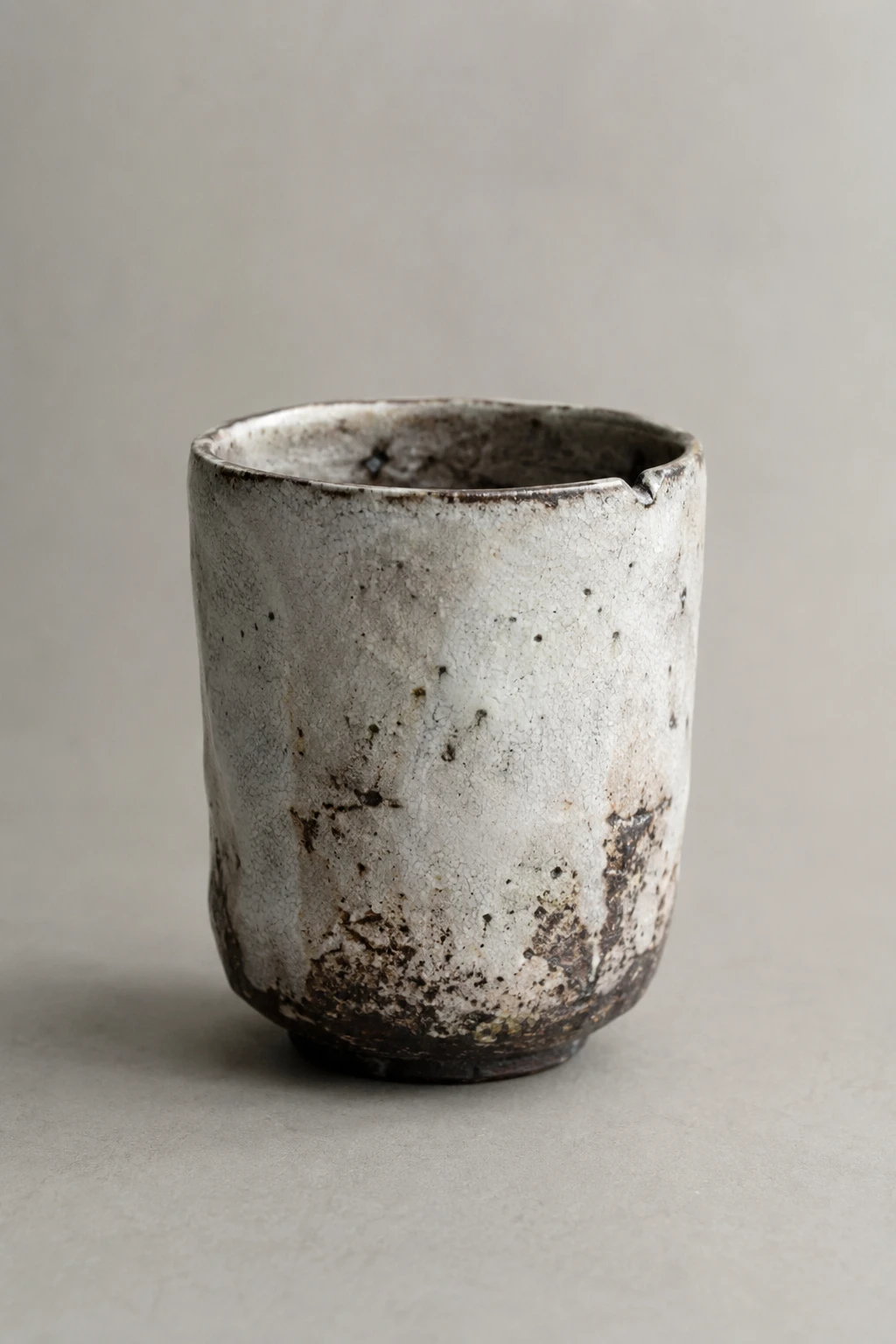
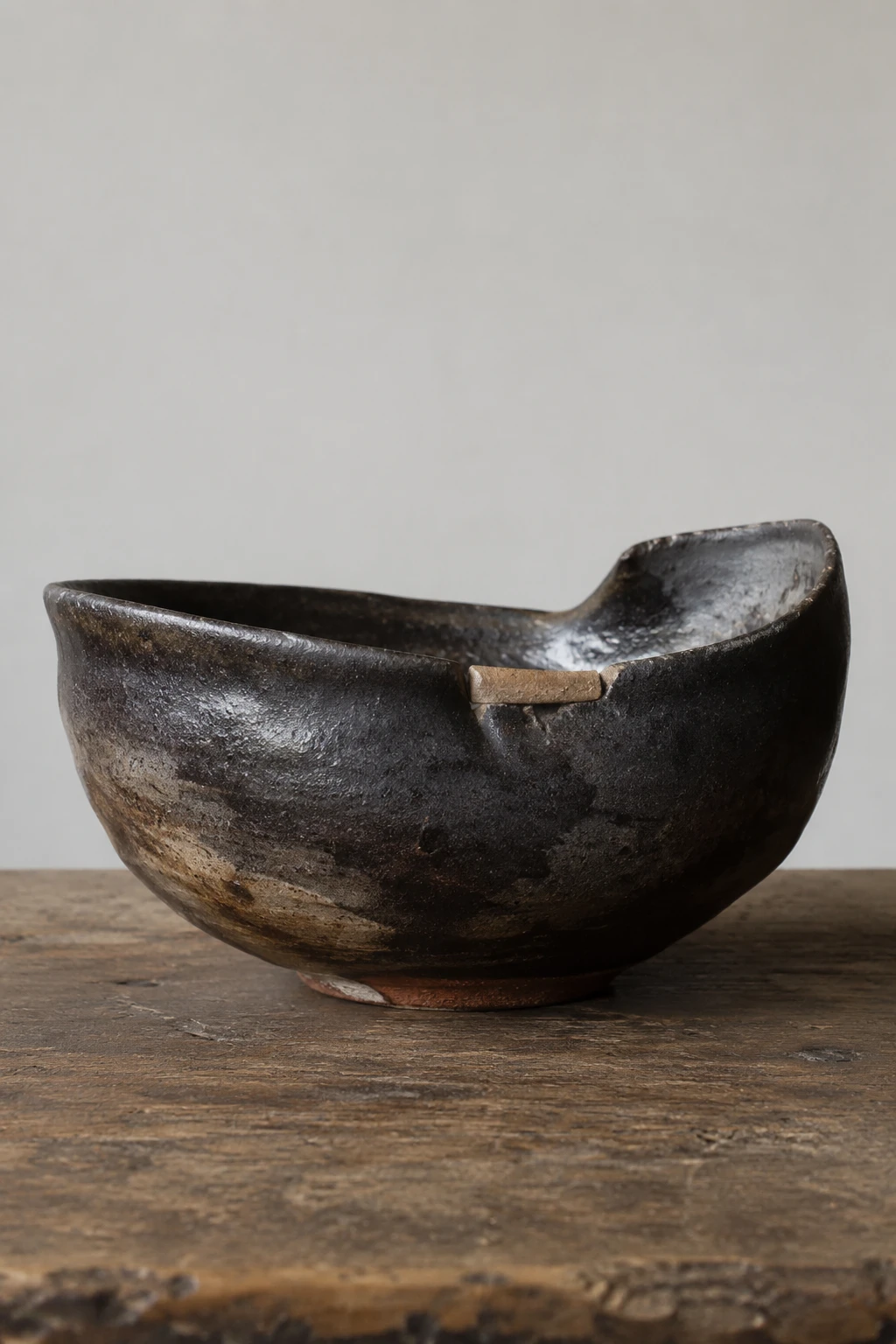
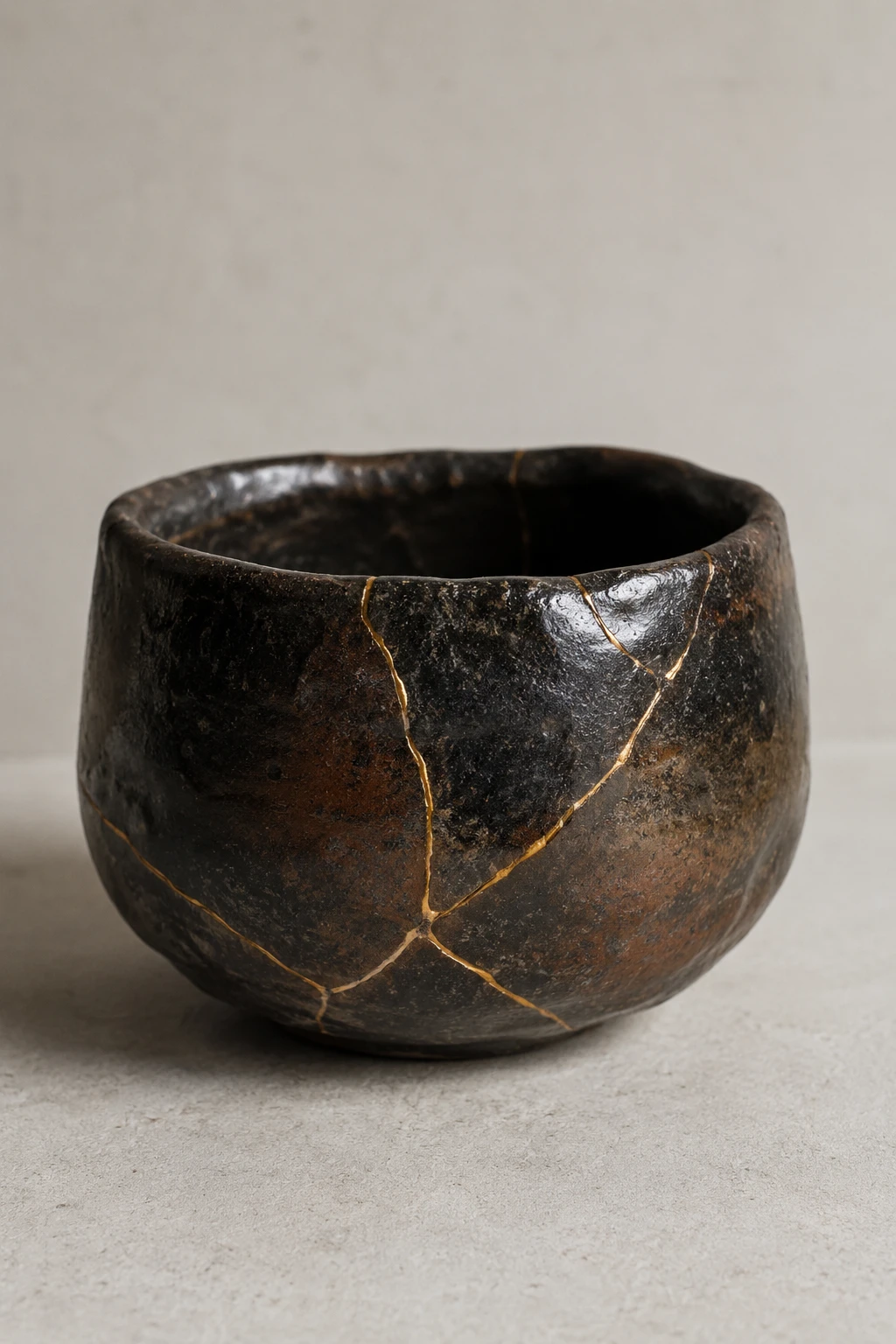
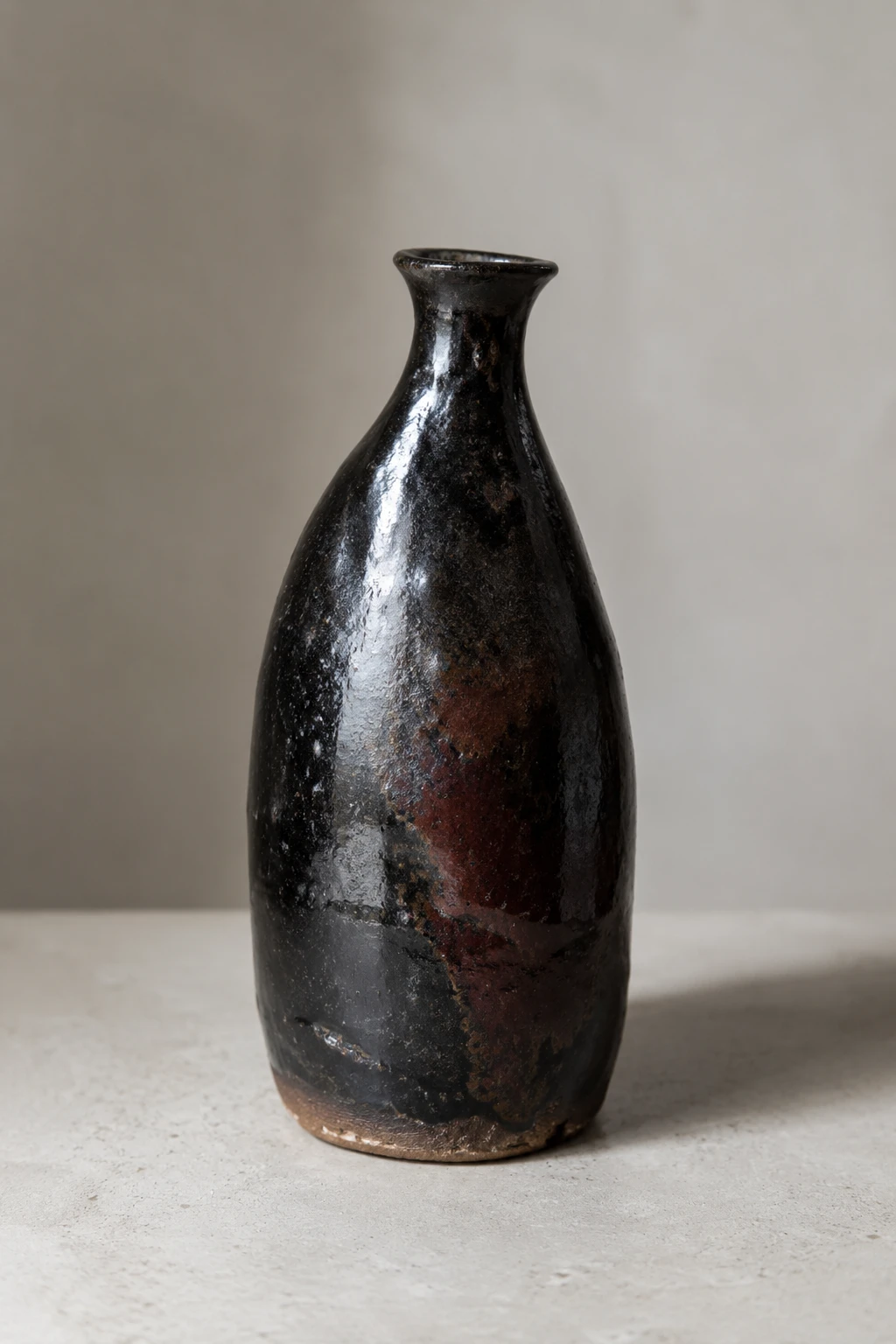
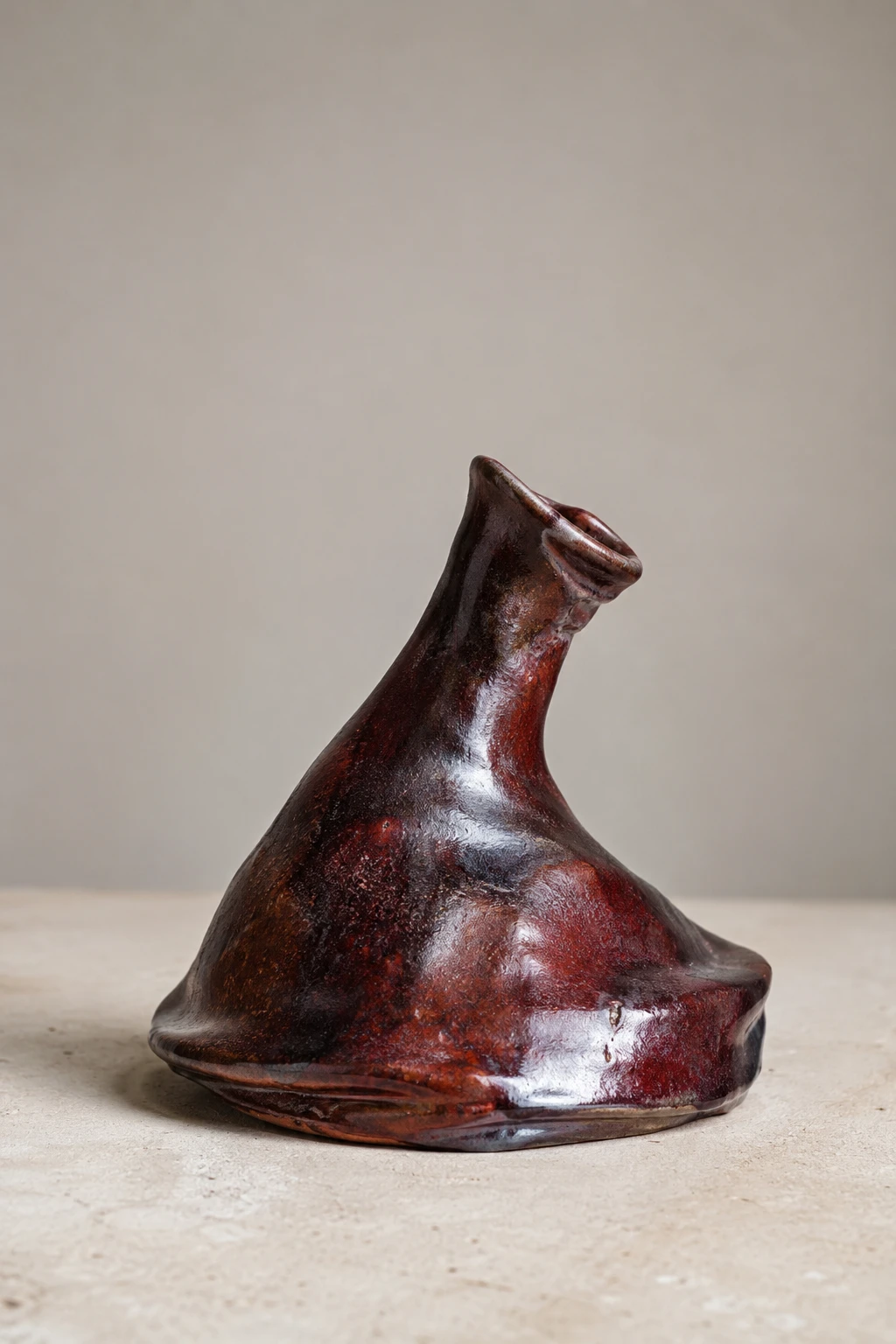
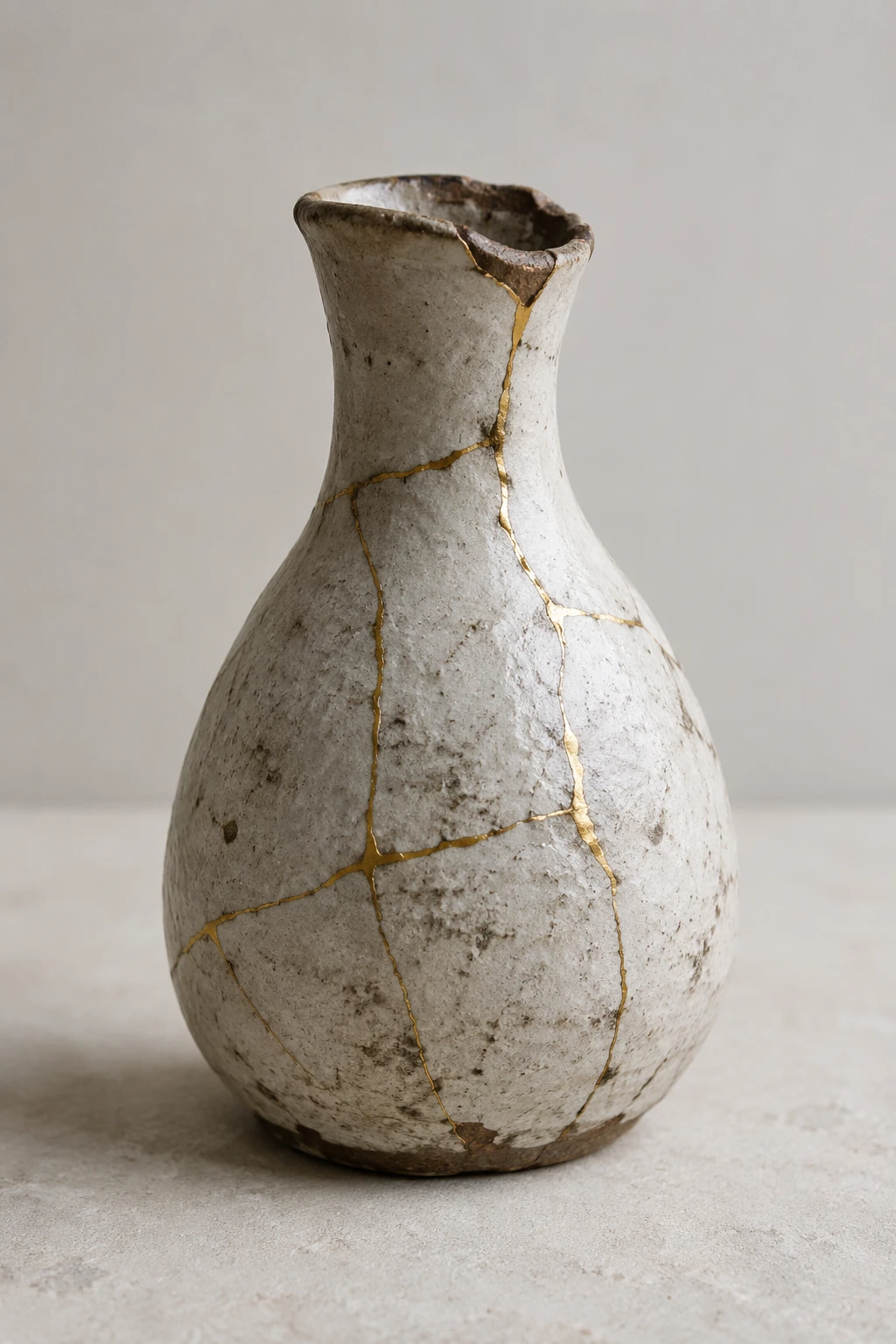
Oops begins with a small word usually spoken after something has gone wrong. Here it becomes a title, a shrug, a confession and a question. The project draws on wabi-sabi, a Japanese way of seeing beauty in imperfection, impermanence and modest natural forms. In ceramics, this often appears as rough clay, uneven glaze, asymmetry, weathered surfaces, traces of use and the visible hand of the maker. A chipped rim, a warped body or a repaired crack can become part of an object's life rather than evidence against it. Across eighteen synthographic vessels, bowls buckle, bottles collapse, surfaces blister, cups fuse, cracks open, and repair seams of gold, silver or platinum turn damage into presence.
These are not records of real ceramic objects. They are synthetic illusions, generated through conversation with GPT-5.5 Thinking and ChatGPT Images 2.0 by OpenAI, then photographed without a camera. Their clay was never dug, their glaze was never mixed, their bodies never entered a kiln. Yet each image borrows the language of studio ceramics with unsettling conviction: tenmoku black, oxblood red, rubbed white slip, smoke, ash, manganese, cracked glaze, exposed clay. Some pieces appear repaired; others remain beyond rescue, failed before they could become useful. The images give them a second life, even when the objects themselves could never have had a first one.
In this sense, Oops is both playful and serious. A mistake can be comic because it interrupts intention; it can also be profound because it reveals the limits of control. The collapsed vessel, the overfired jar and the scarred bowl ask what happens when usefulness disappears but presence remains. They are rejects made visible, accidents granted attention, failures staged as portraits. Through AI, the project invents a kind of fictional archaeology of making: objects that seem handmade, mishandled, fired, broken, kept, discarded and rediscovered. Their flaws are not decorative extras, but the very reason they hold the eye. Each one asks, quietly and stubbornly, whether beauty belongs only to what succeeds.
Gallery
"A pot without a story is just an empty vessel." — Anonymous