GREEN: a study in artificial naturalness
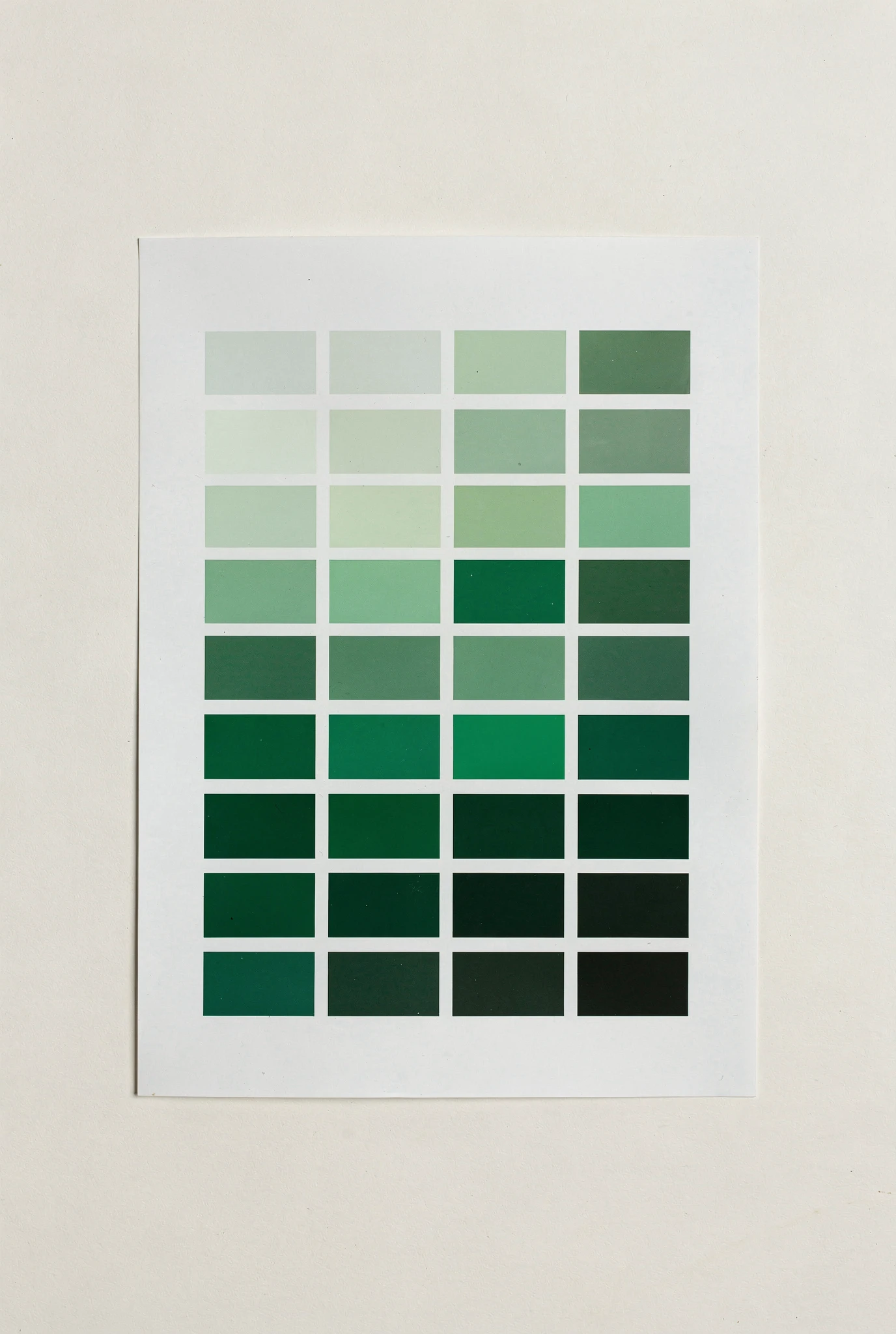
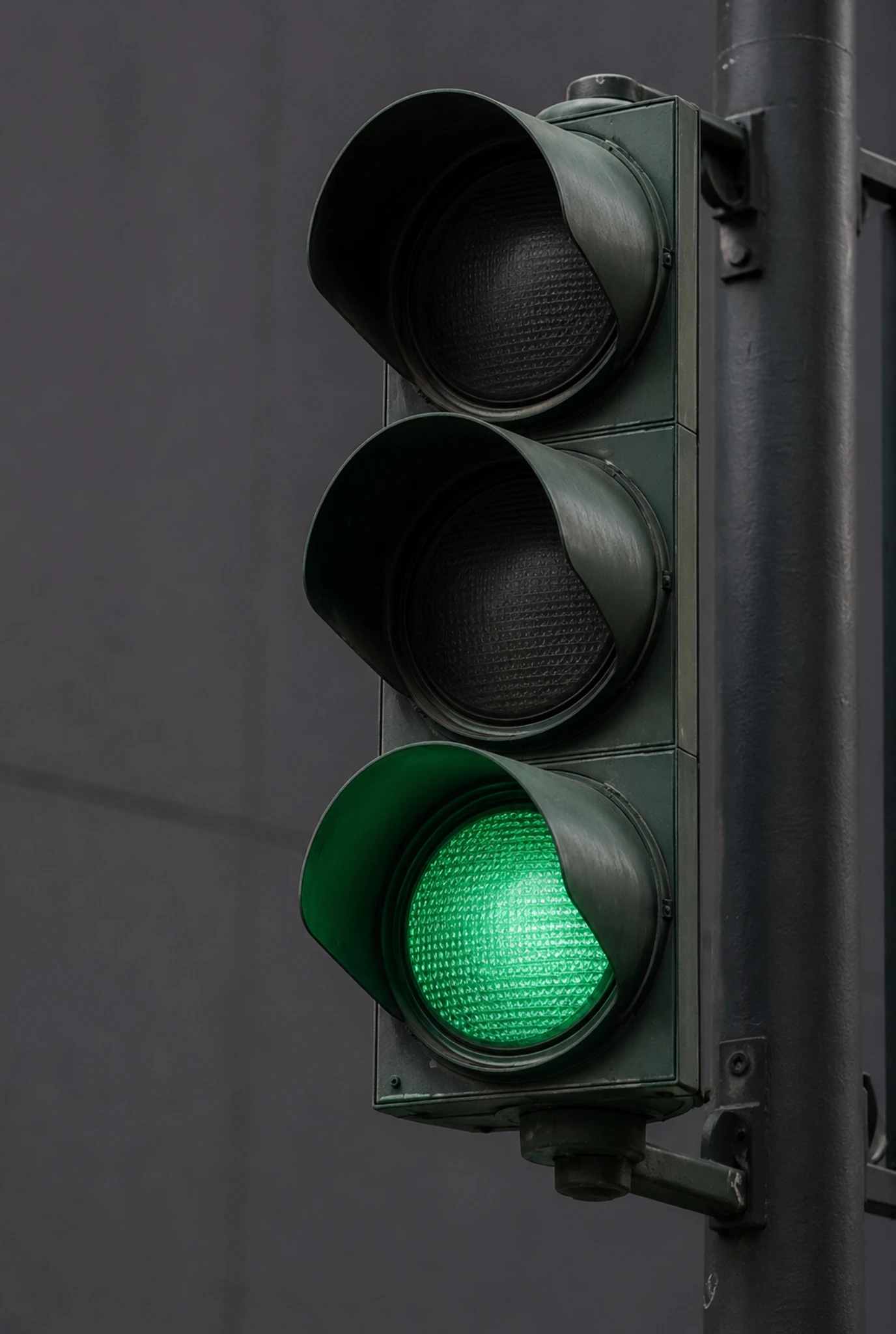
Green is only a colour until it starts talking. It names growth, money, envy, permission, freshness, virtue, illness, renewal and rot. This is polysemy: the strange generosity of a word that can carry many different meanings without splitting apart. Green remains green, but it keeps changing jobs. It can mean young, naive, jealous, profitable, natural, organic, environmentally friendly, safe to cross, safe to buy, and safe to believe. Few colours have been asked to do so much work while being paid so little. GREEN begins with this overburdened word and follows it into the objects, surfaces and systems that use it most confidently: the sample, the signal, the product, the institution, the promise.
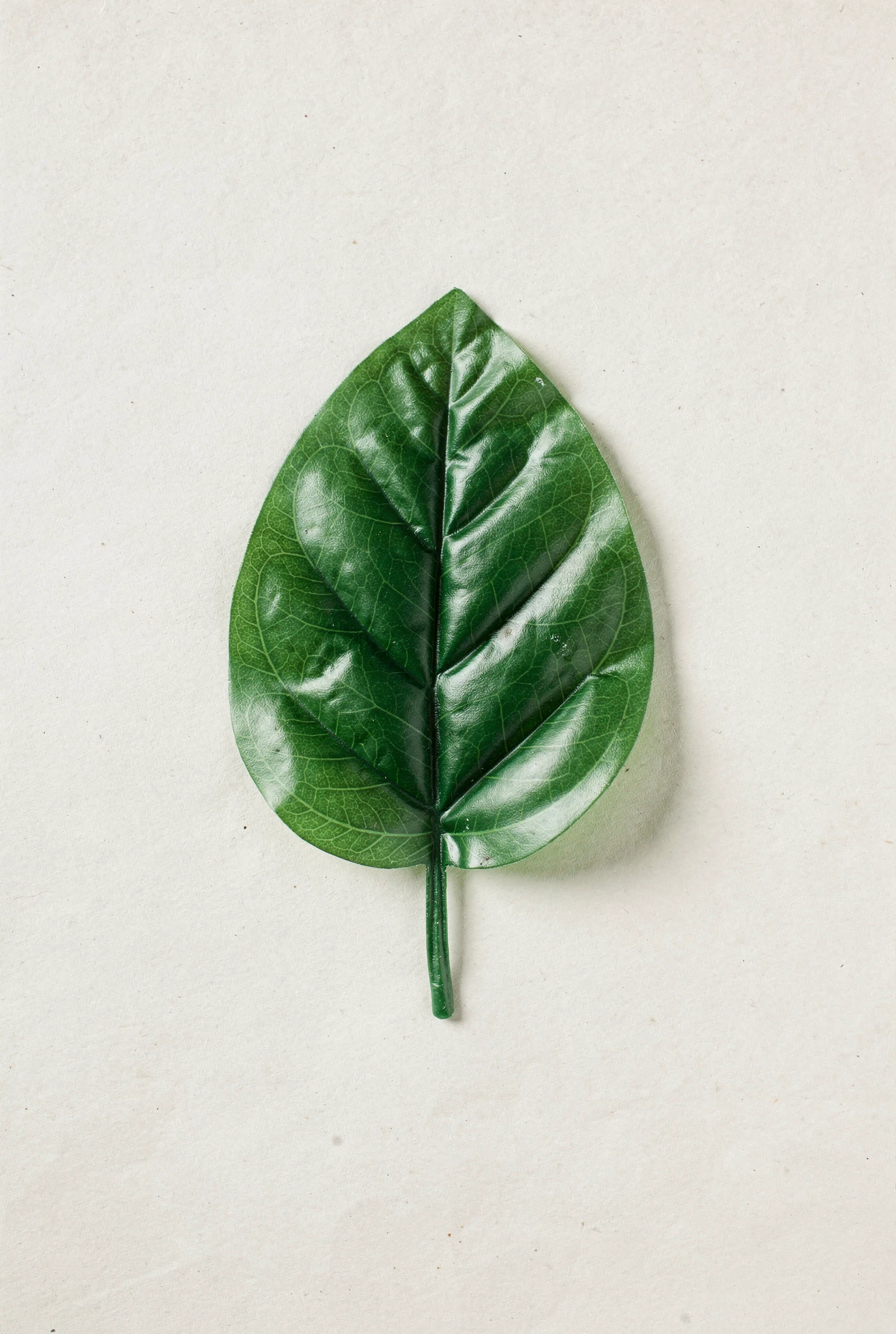
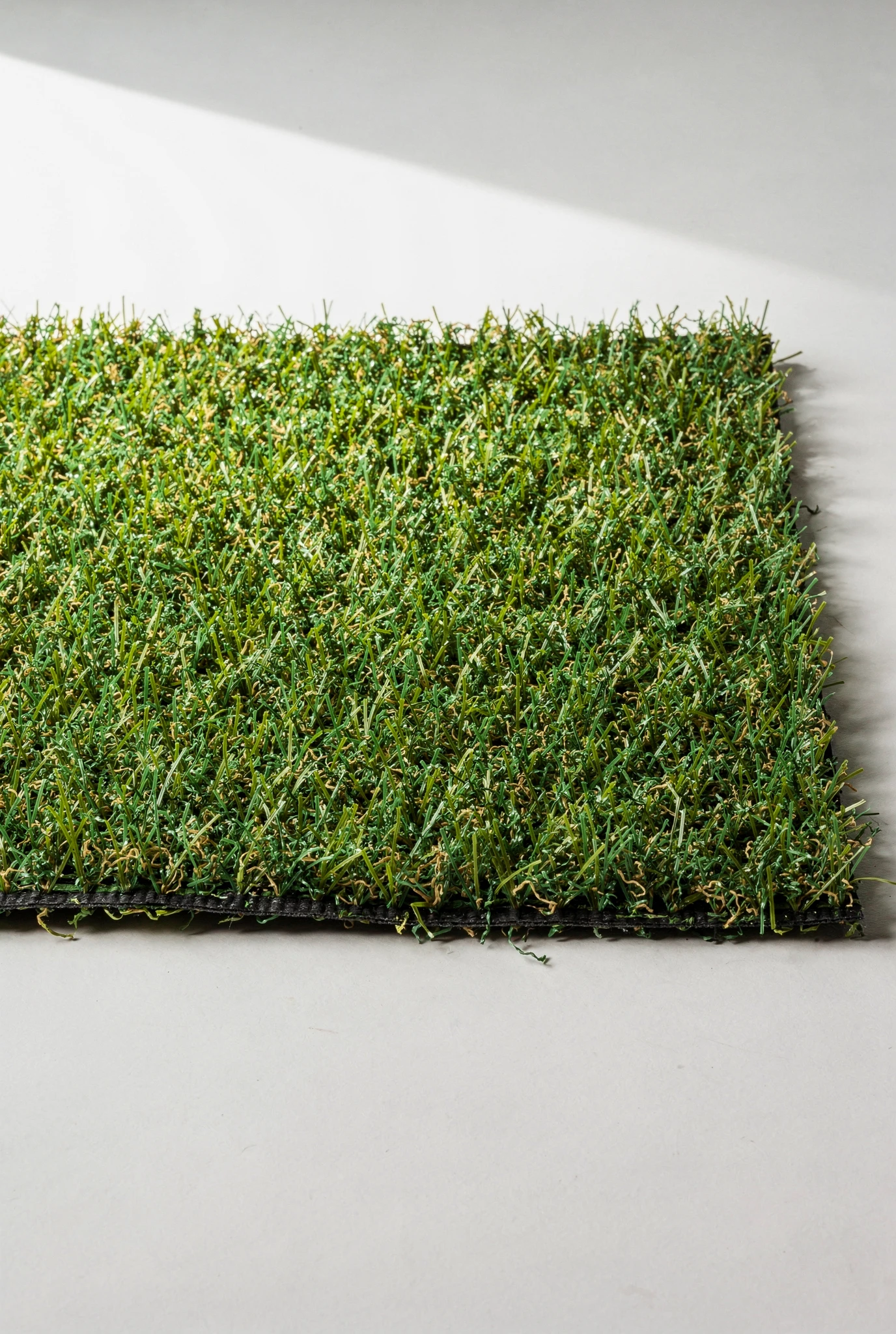
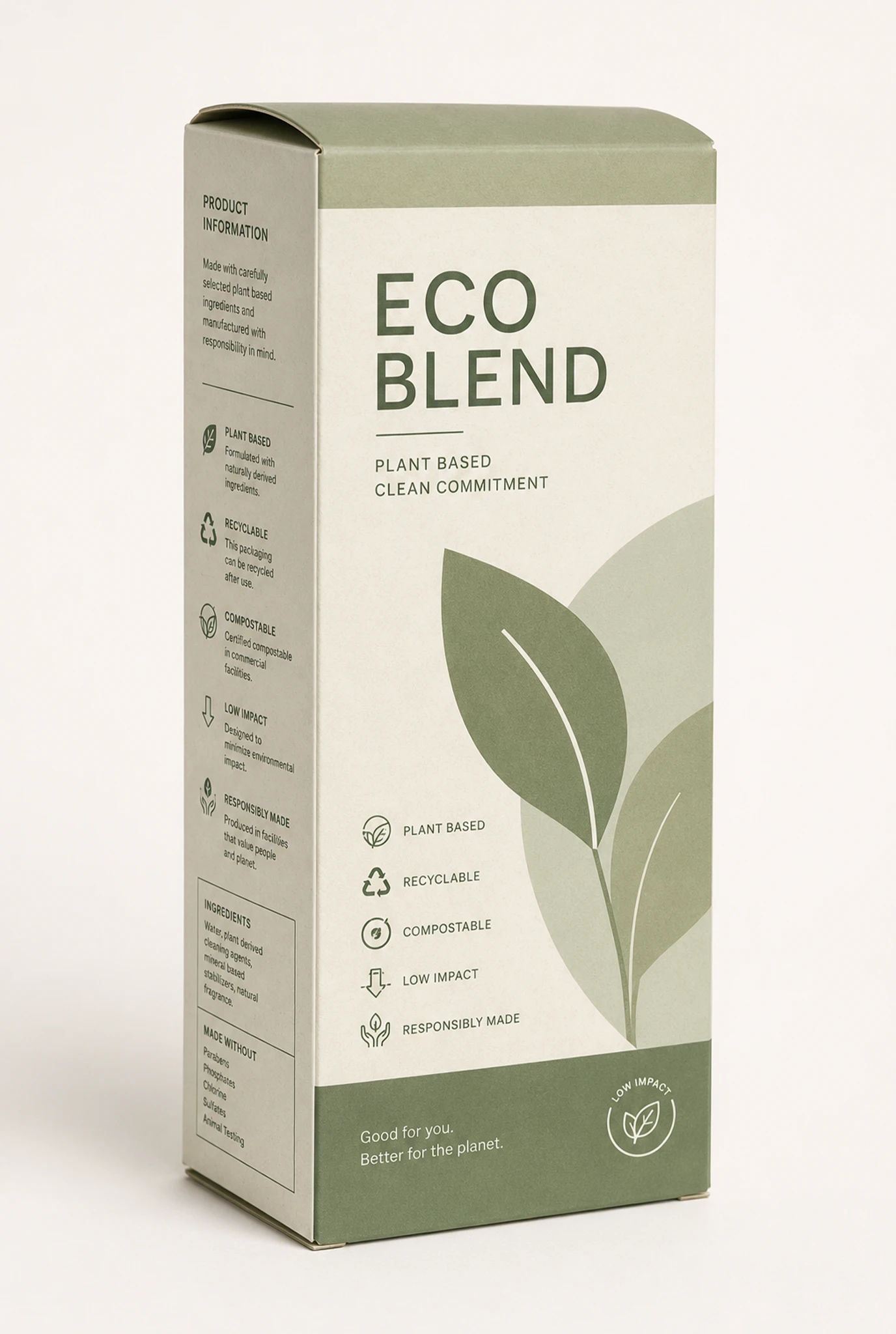
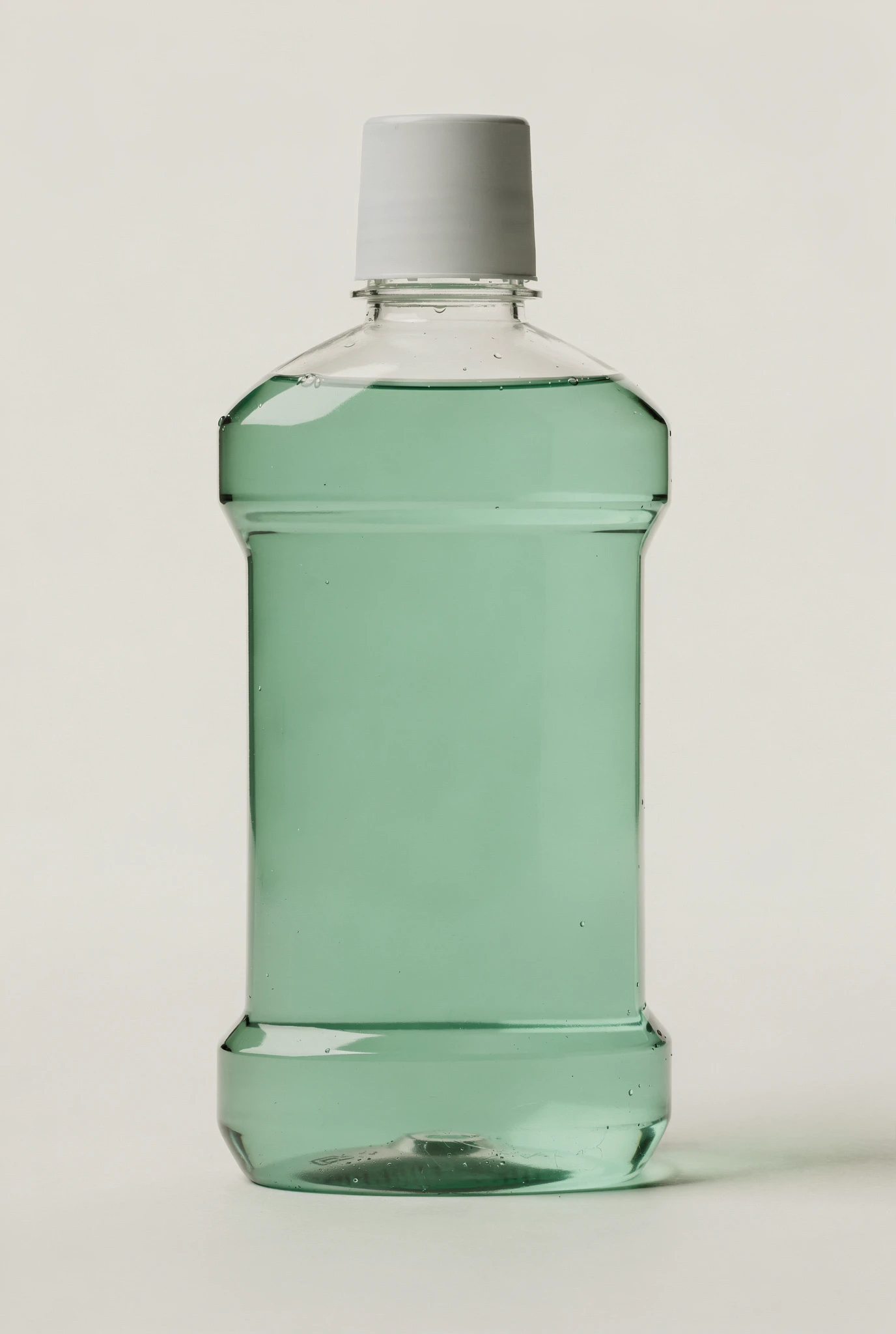
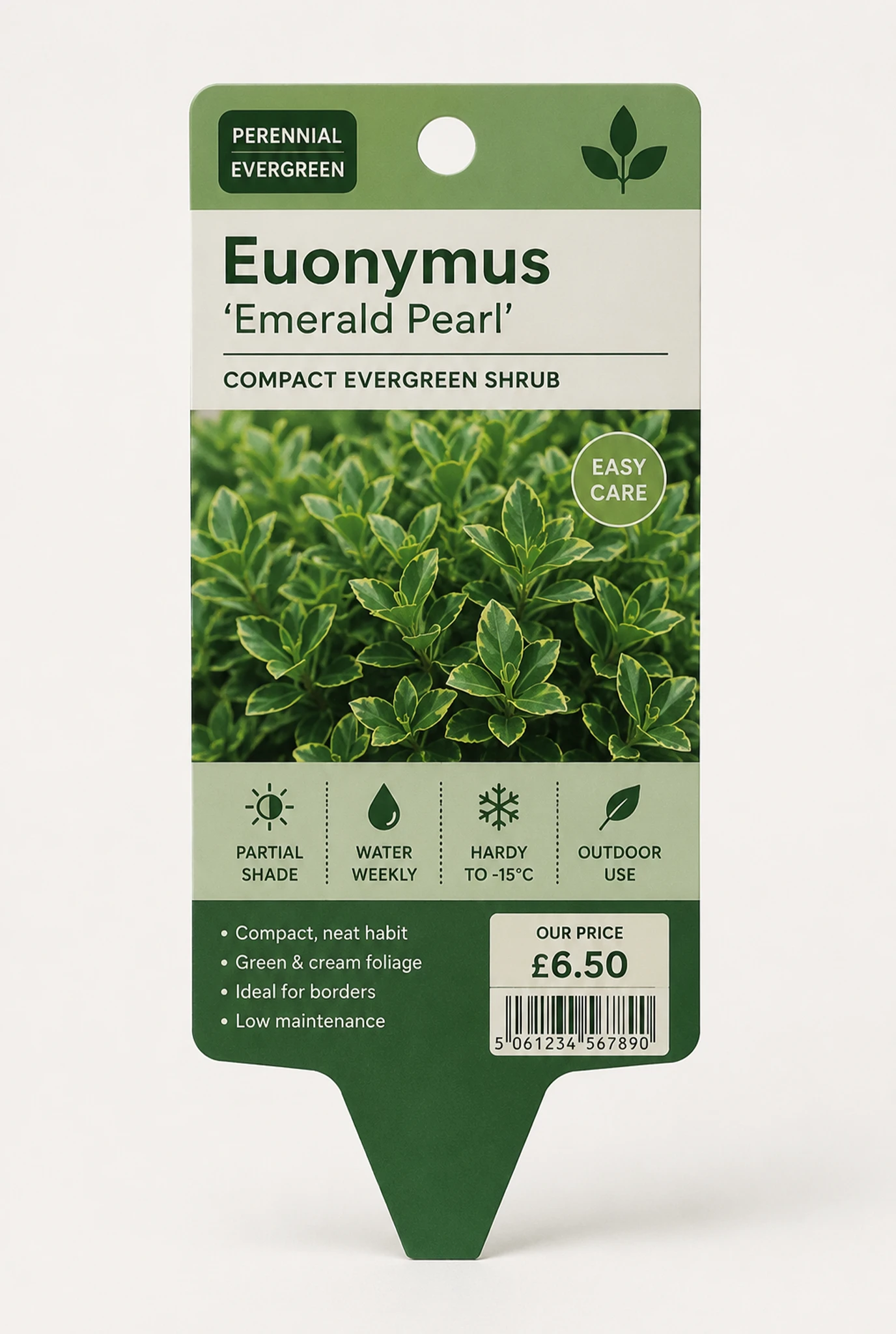
The project is not about nature, at least not directly. It is about the manufactured idea of nature: green as reassurance, shorthand and sales pitch. A plastic leaf borrows the authority of growth. A box becomes virtuous through a muted palette and a tasteful sprig. A bottle of mouthwash promises freshness by turning chemistry the colour of mint. Even the garden centre label reduces care to icons, price and instruction. These are not landscapes, but small negotiations with the fantasy of the natural. They belong to a world where nature is sampled, packaged, laminated, diluted, certified and sold back to us with very clean typography. While we are on the subject of typography: most of the gallery images were created with Flux.2 Pro, while those requiring more precise text were made using OpenAI's GPT-5.5 and Images 2.0, whose improved handling of language and visual structure made the creation of highly detailed, typographically accurate graphics possible within the chat itself.
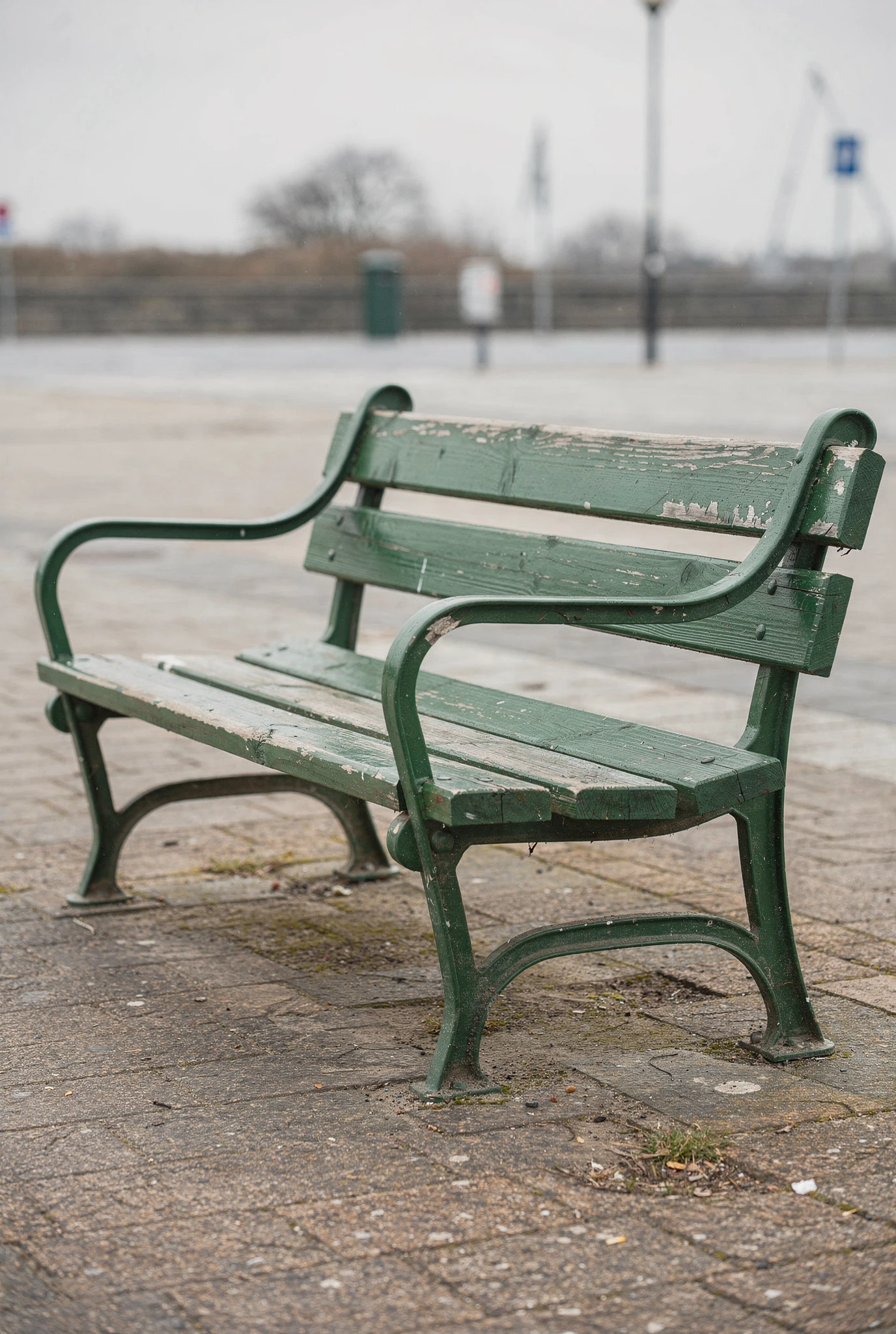
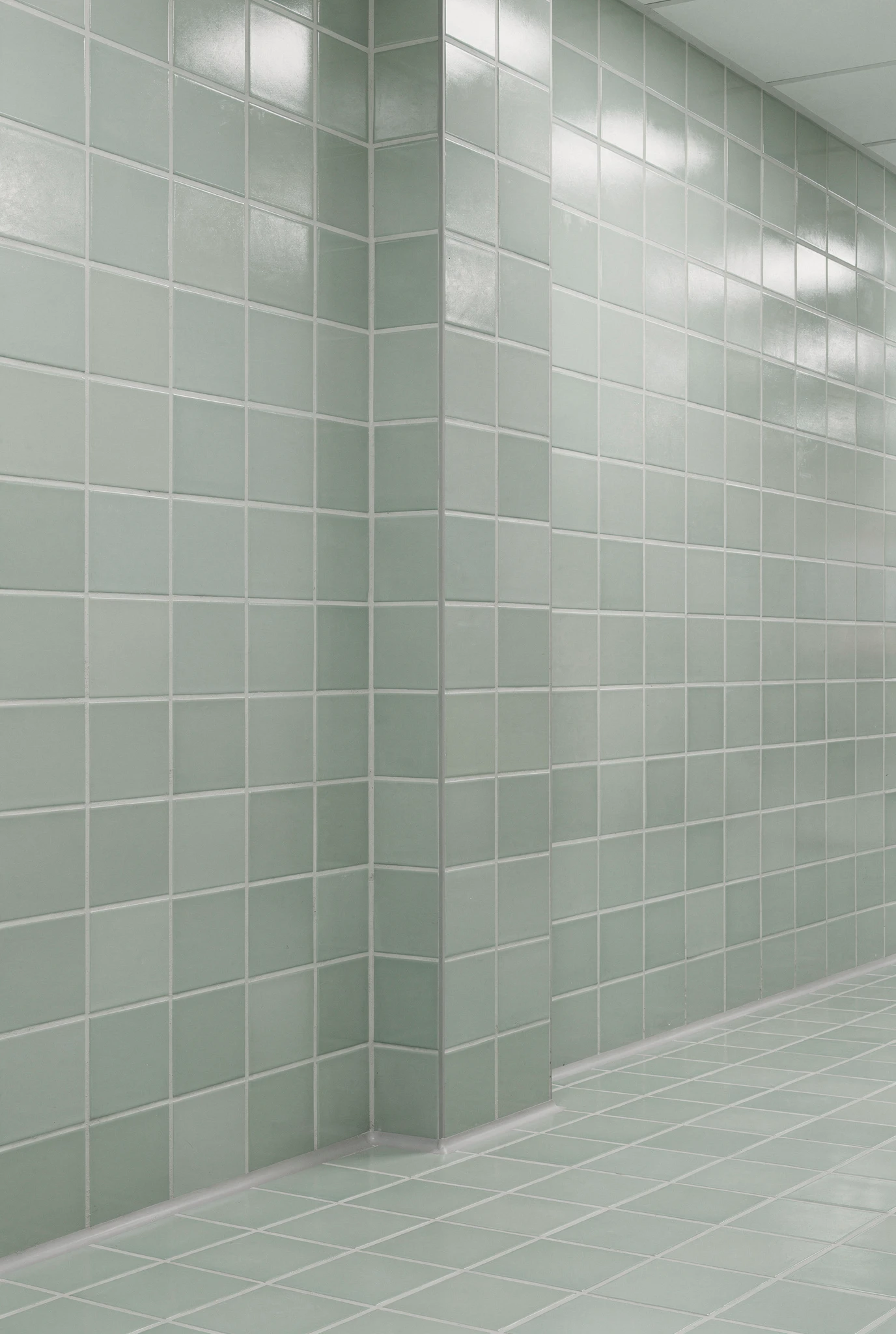
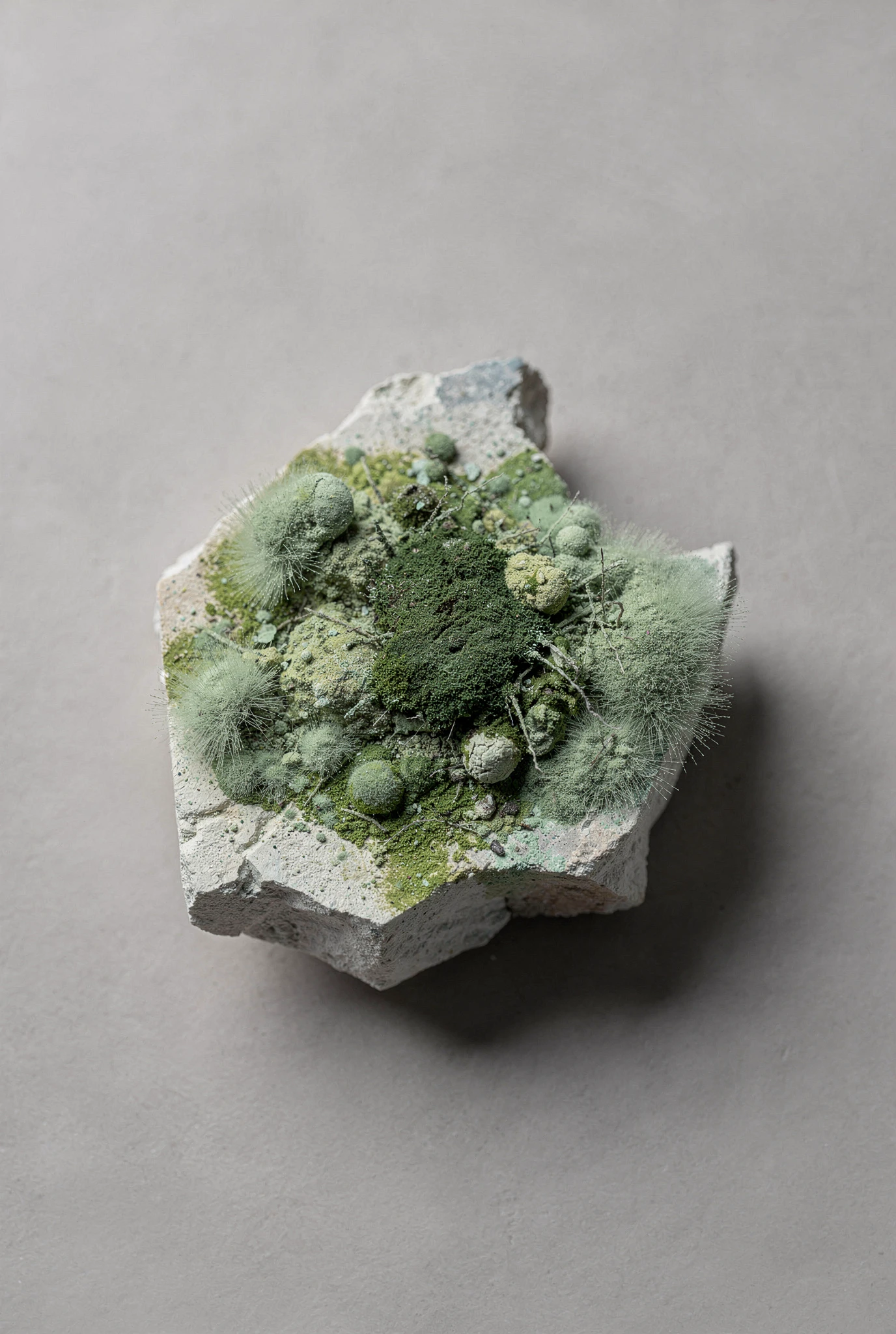
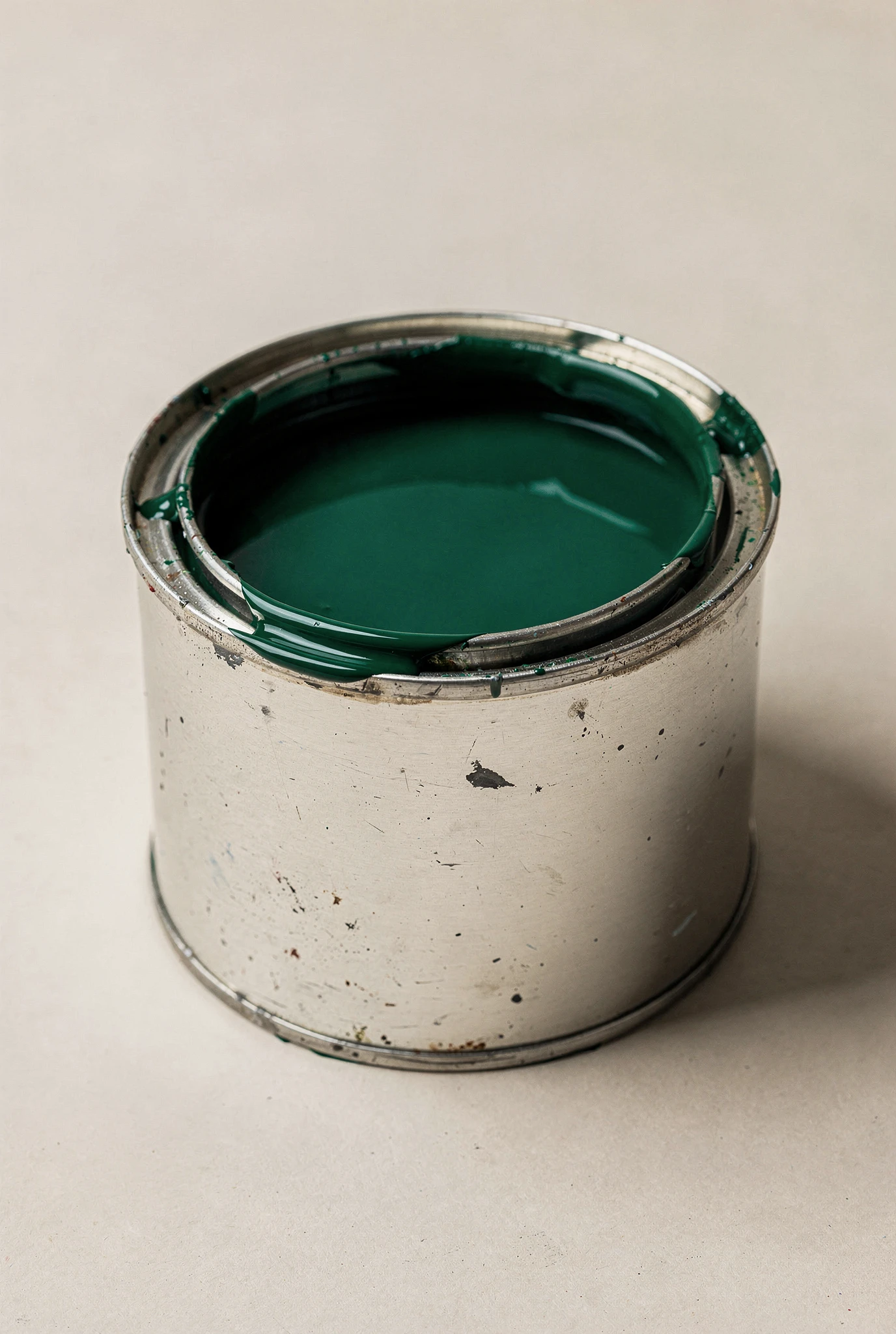
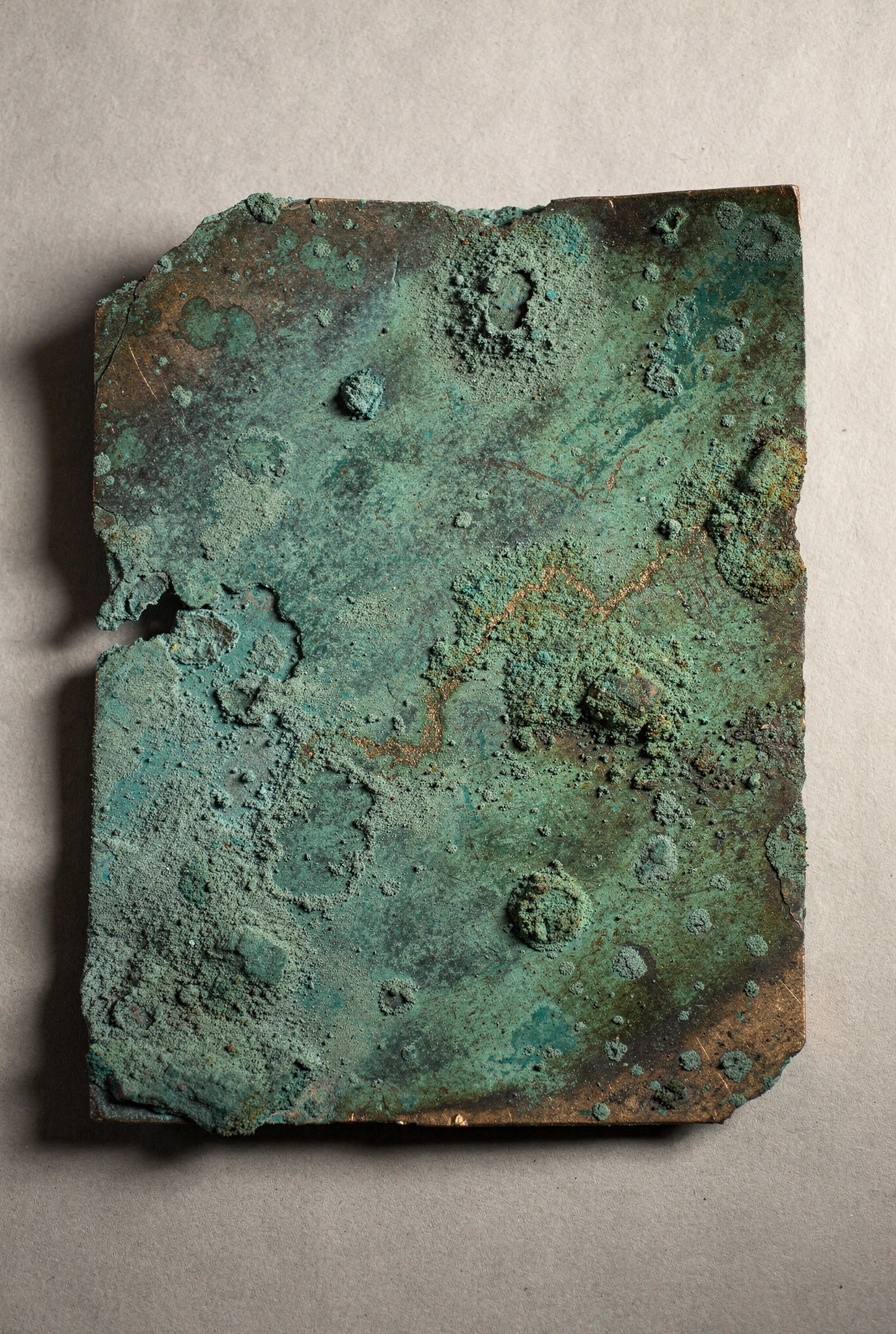
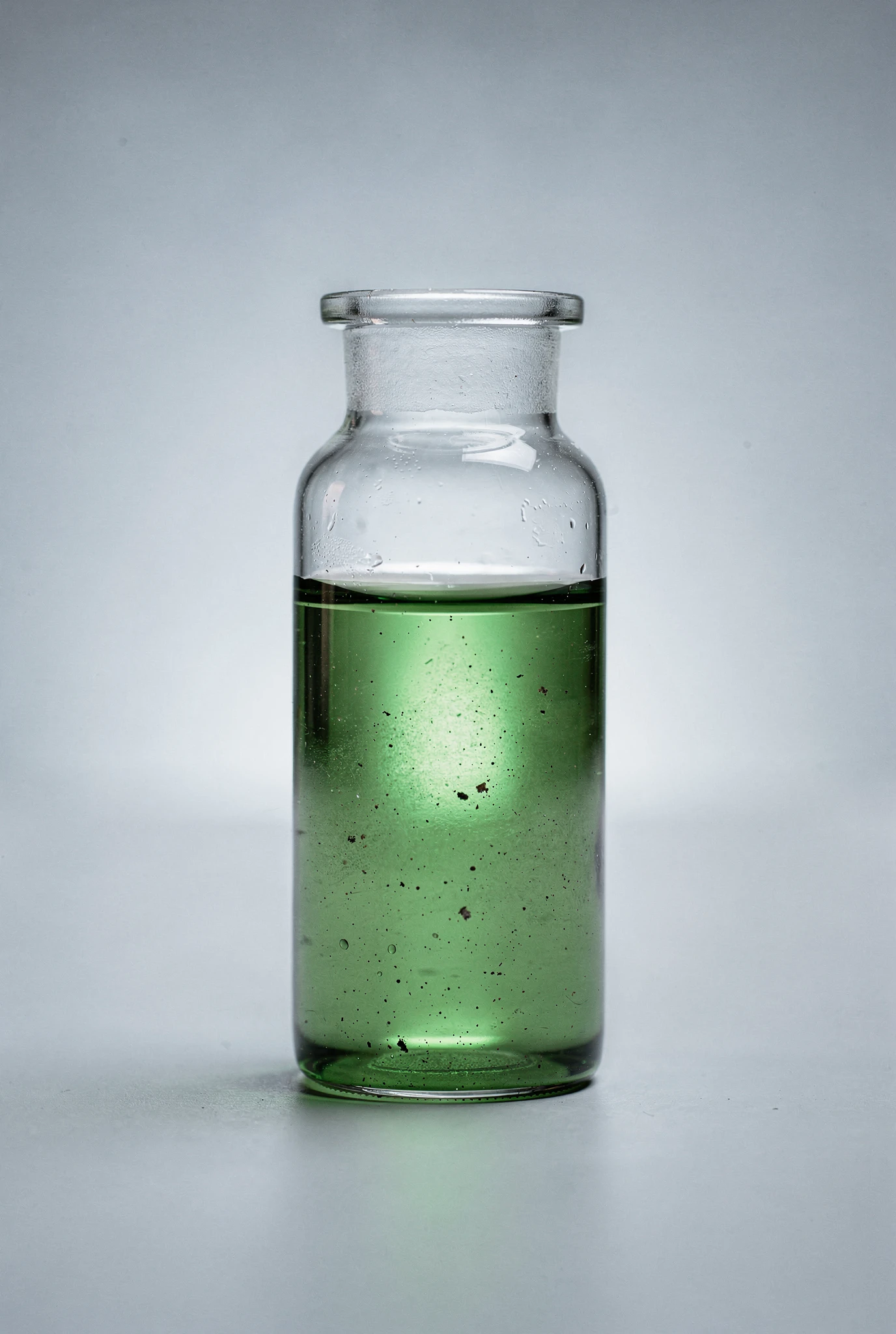
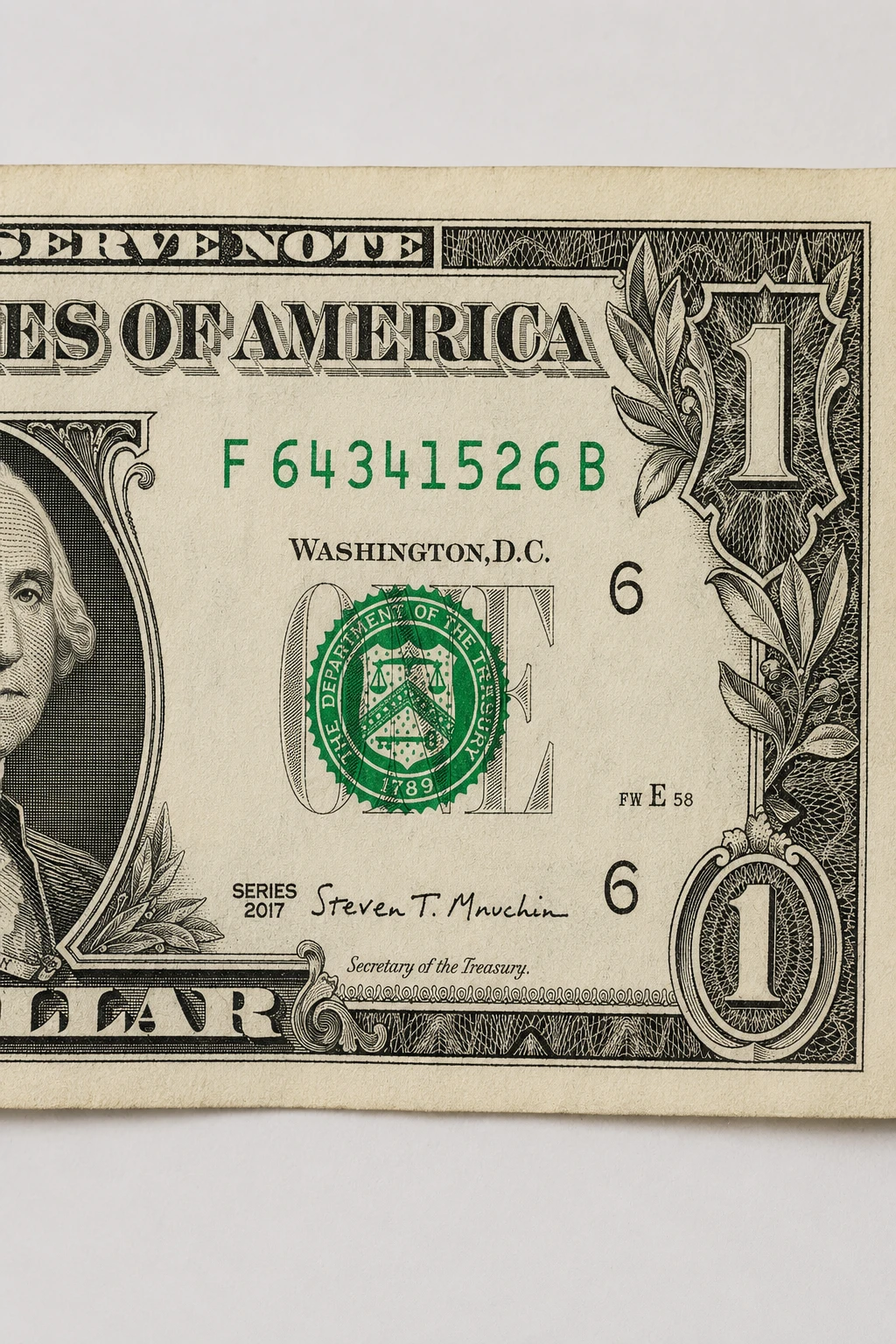
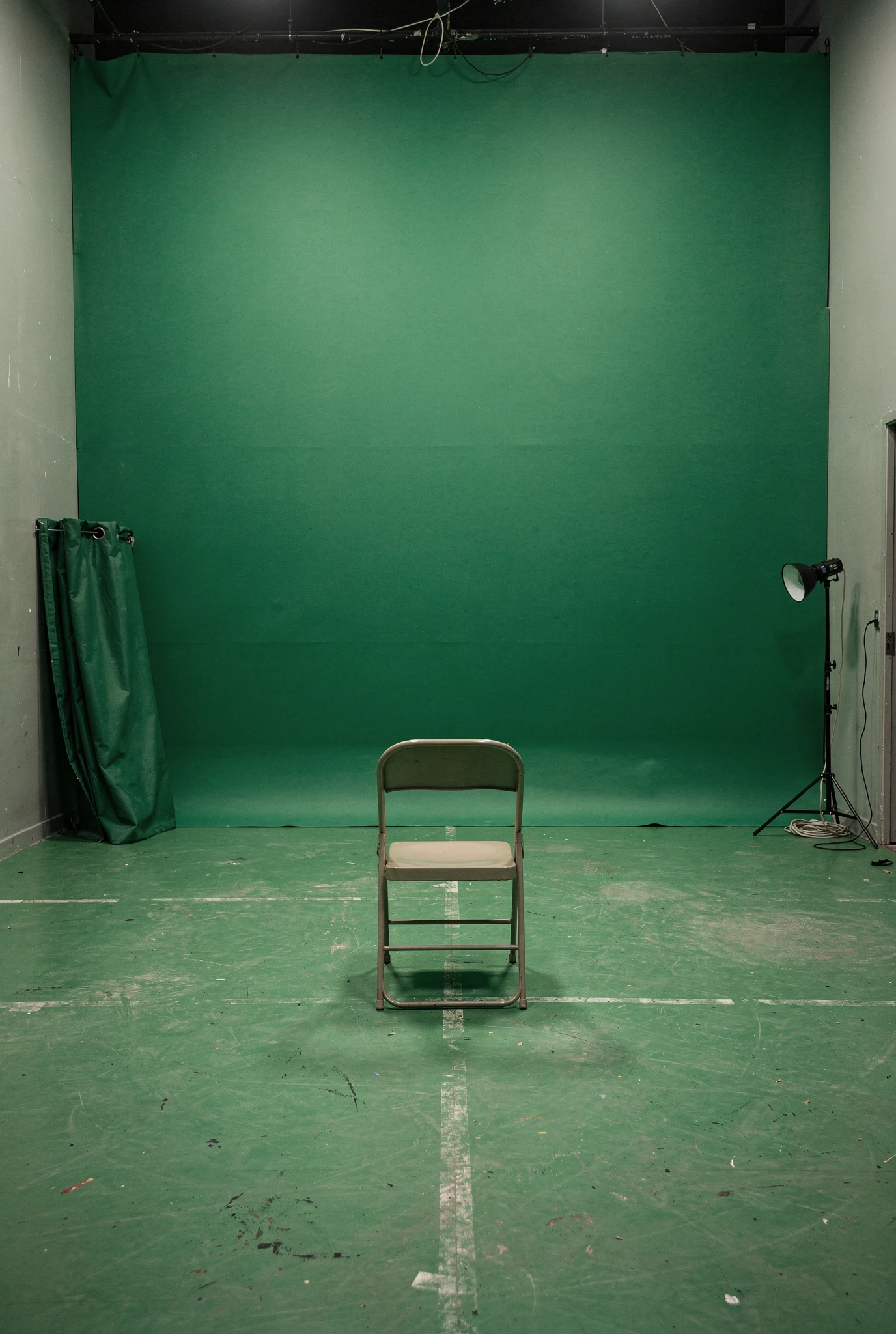
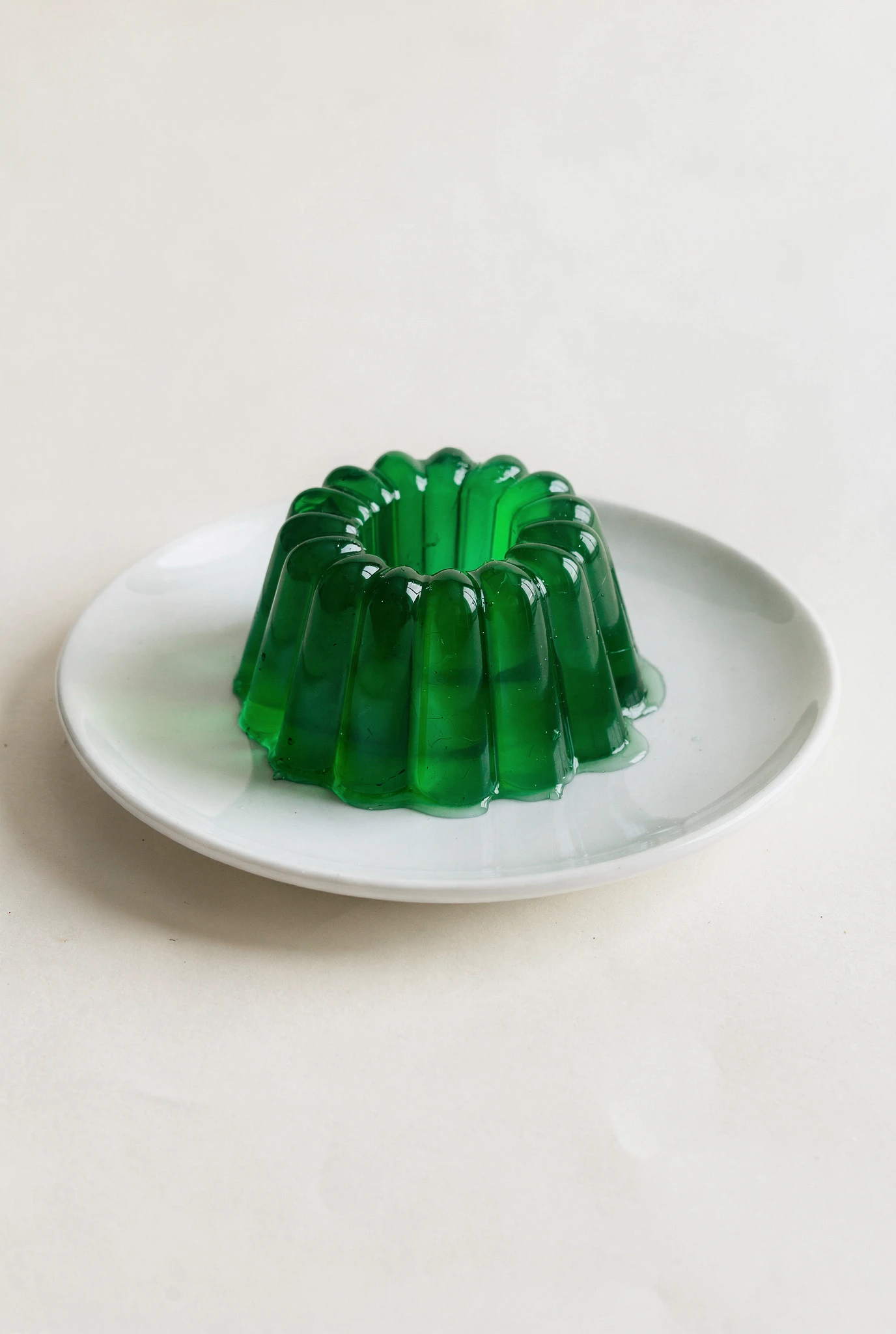
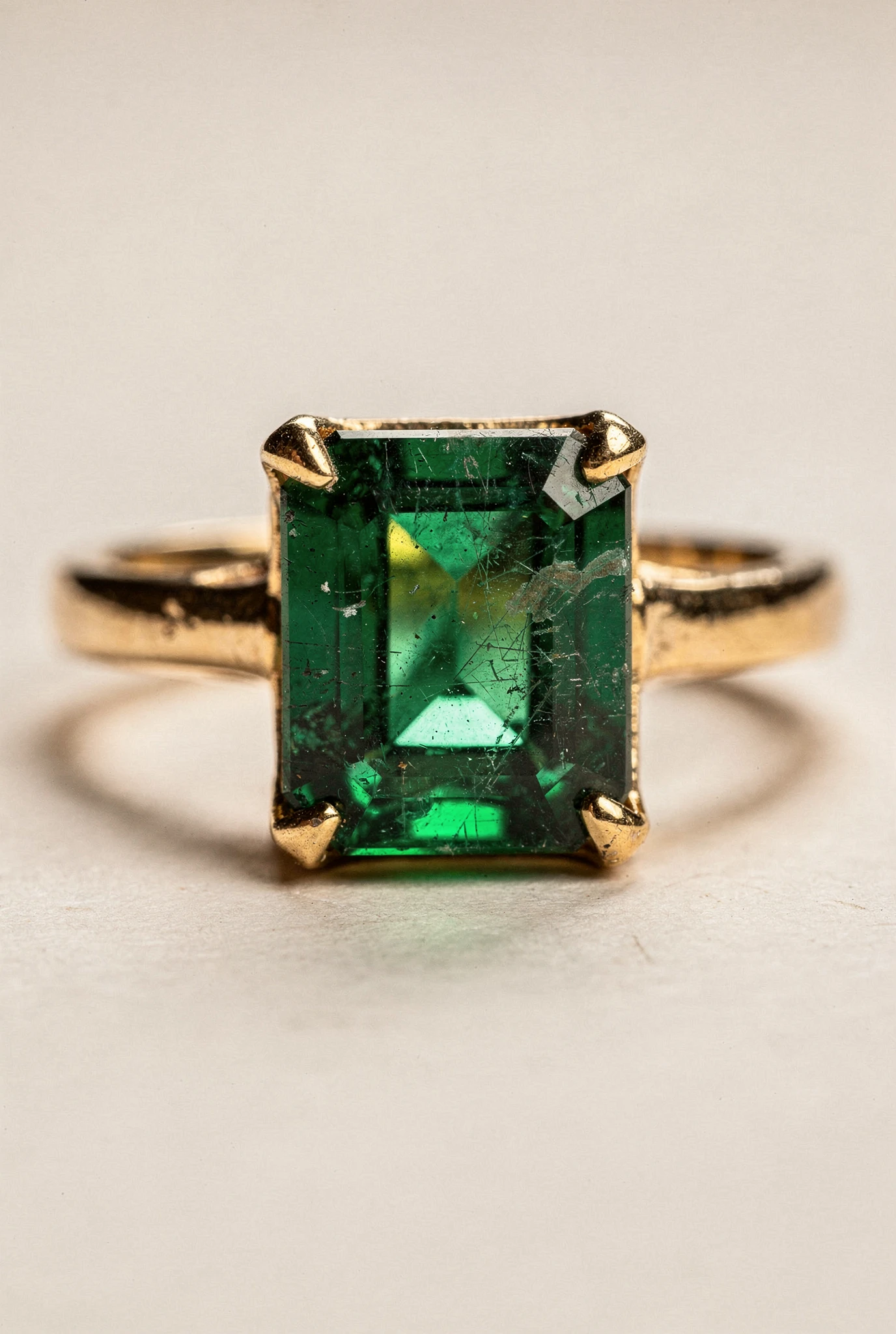
Across the series, green keeps changing costume. It becomes institutional calm in hospital tiles, civic usefulness in a bench, edible comedy in a wobbling jelly, suspicious value in an emerald ring, and printed authority in a greenback. Elsewhere it turns biological again, but not innocently: mould blooms, copper oxidises, liquid glows in a laboratory vial. The colour slips between health and contamination, luxury and fraud, appetite and discipline, permission and control. GREEN treats this familiar colour as a language of artificial naturalness: a way of making things seem alive, ethical, fresh or trustworthy, whether or not they deserve it. Nature is present here mostly as quotation, surface and promise — a leaf-shaped signature on the receipt.
Gallery
"Nature is not natural and can never be naturalised." — Graham Harman