Ceci: Magritte as mindset, not merchandise
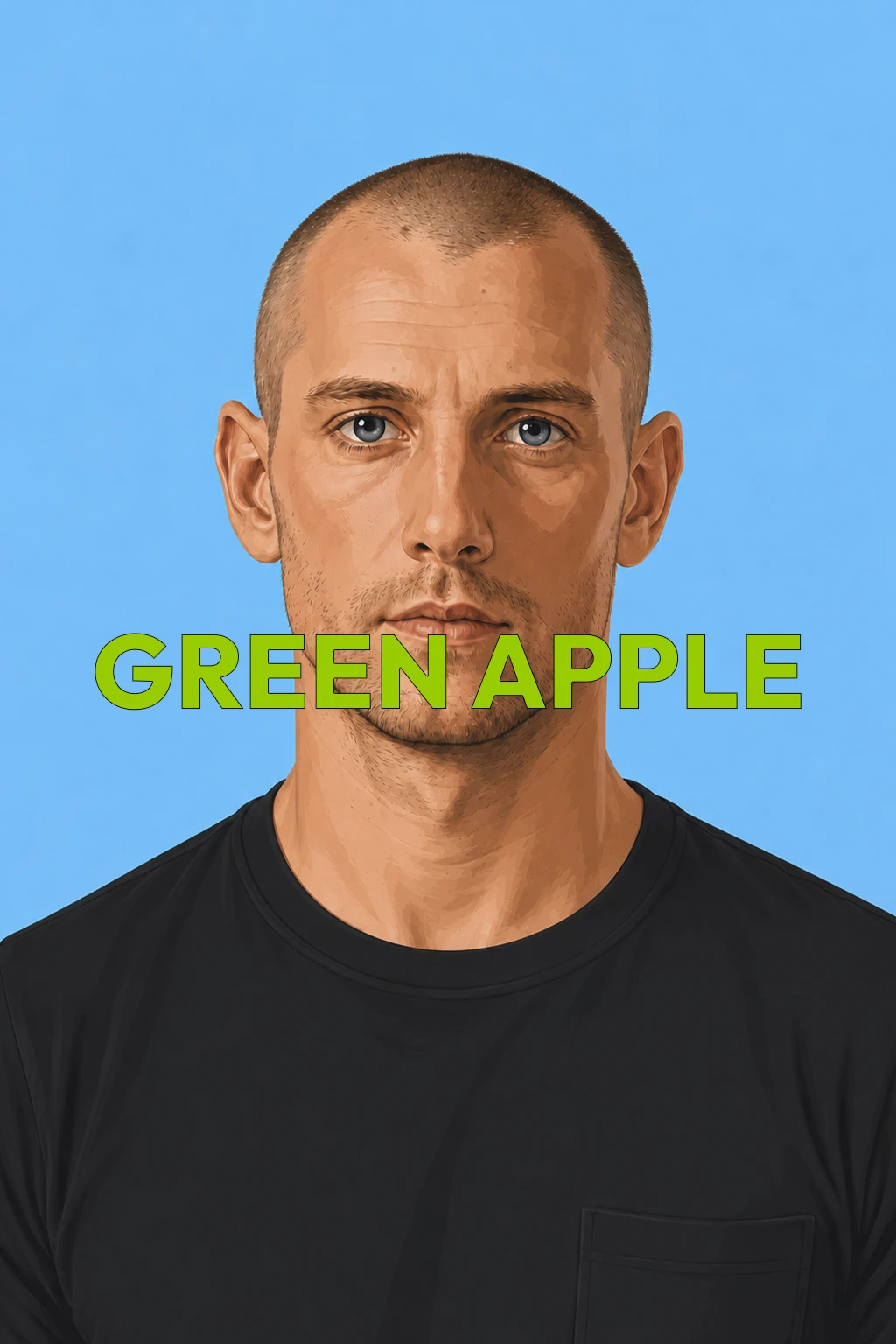
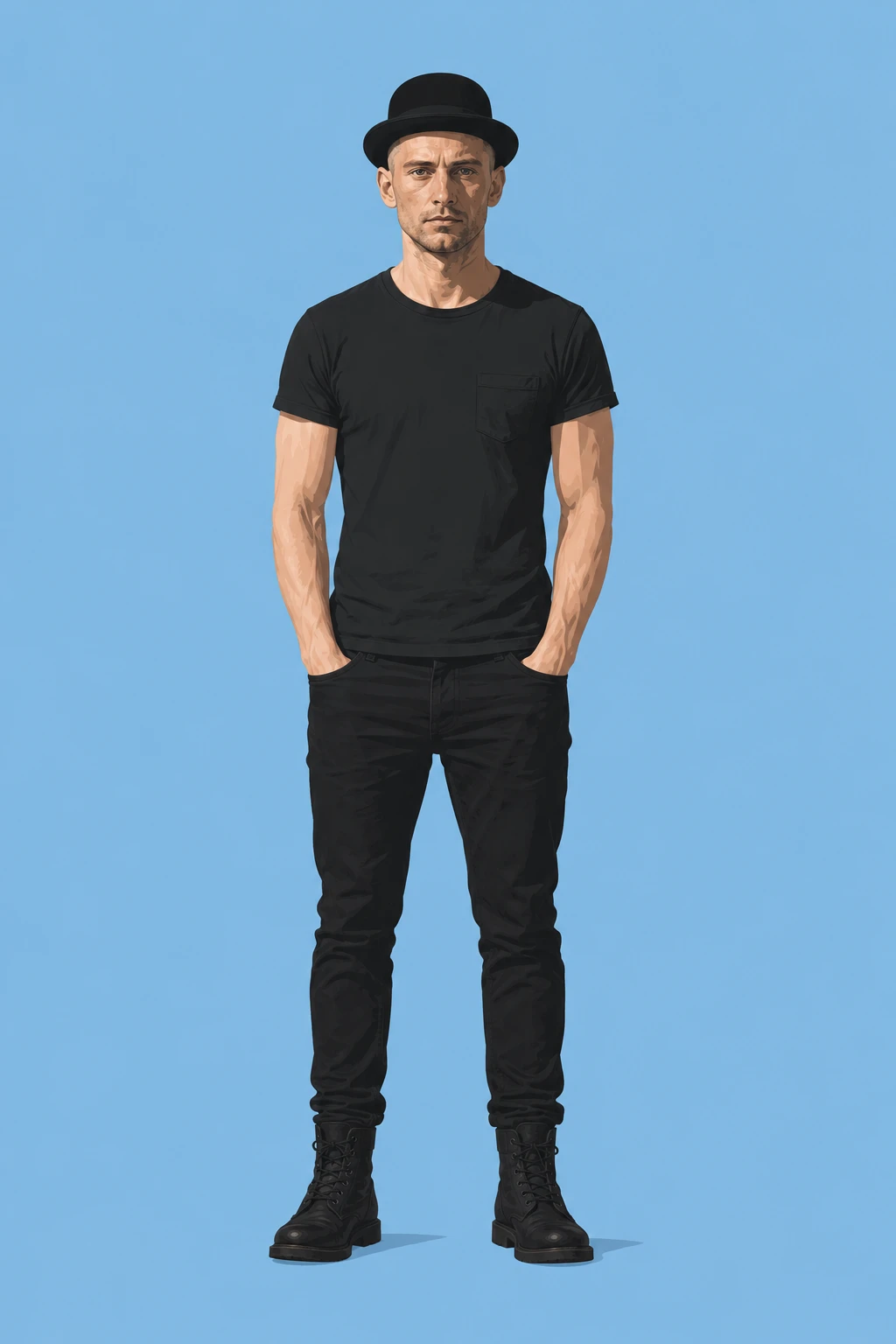
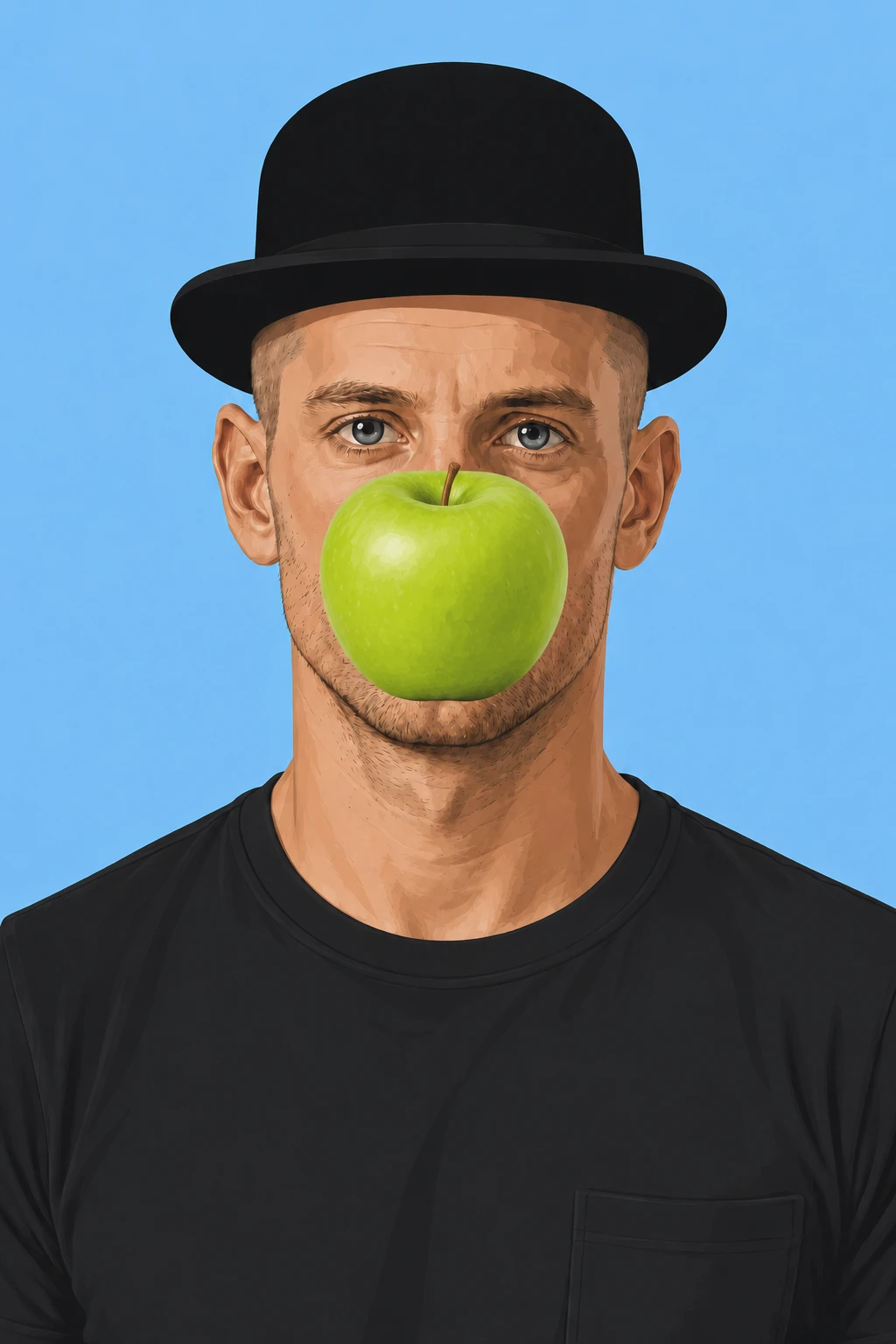
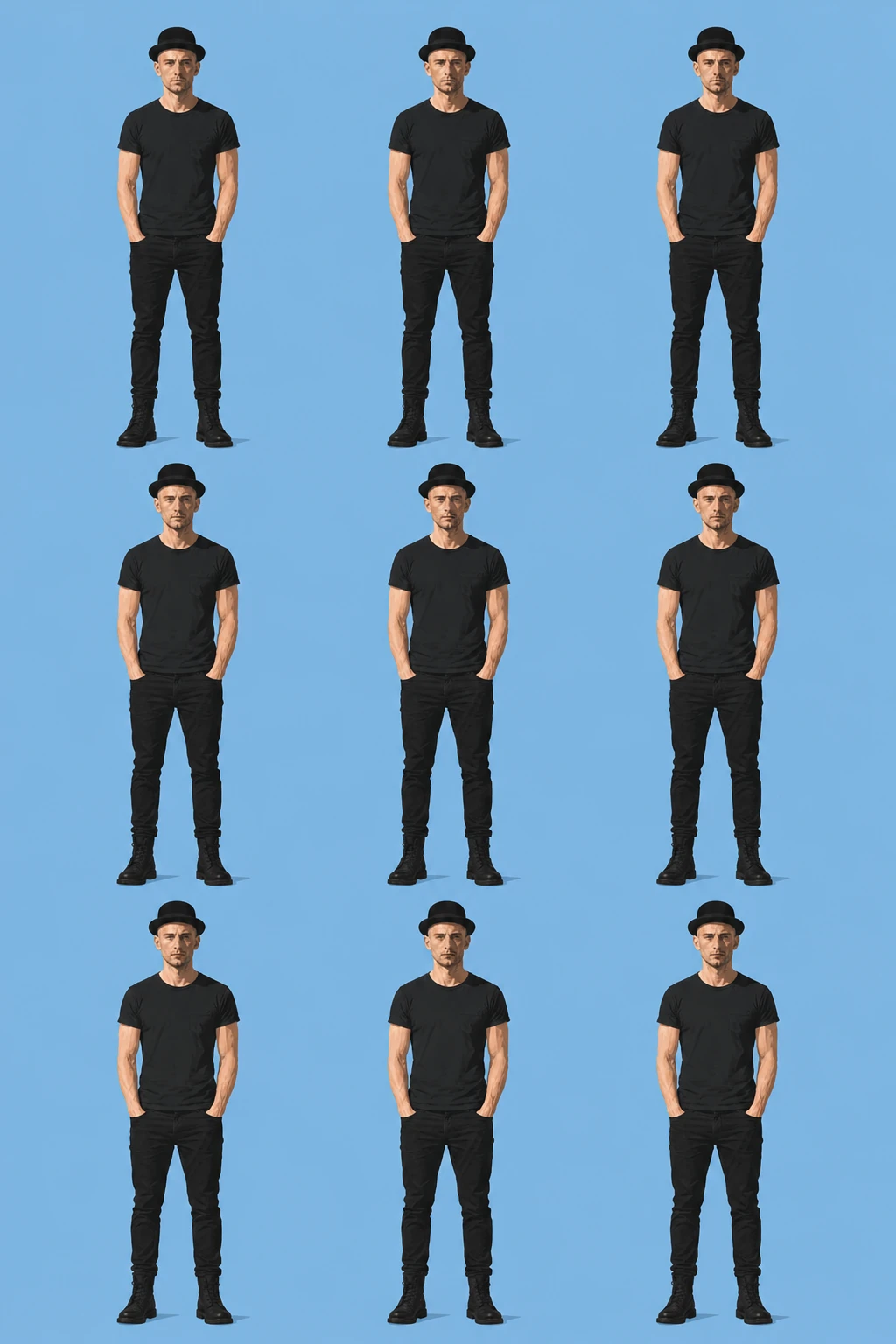
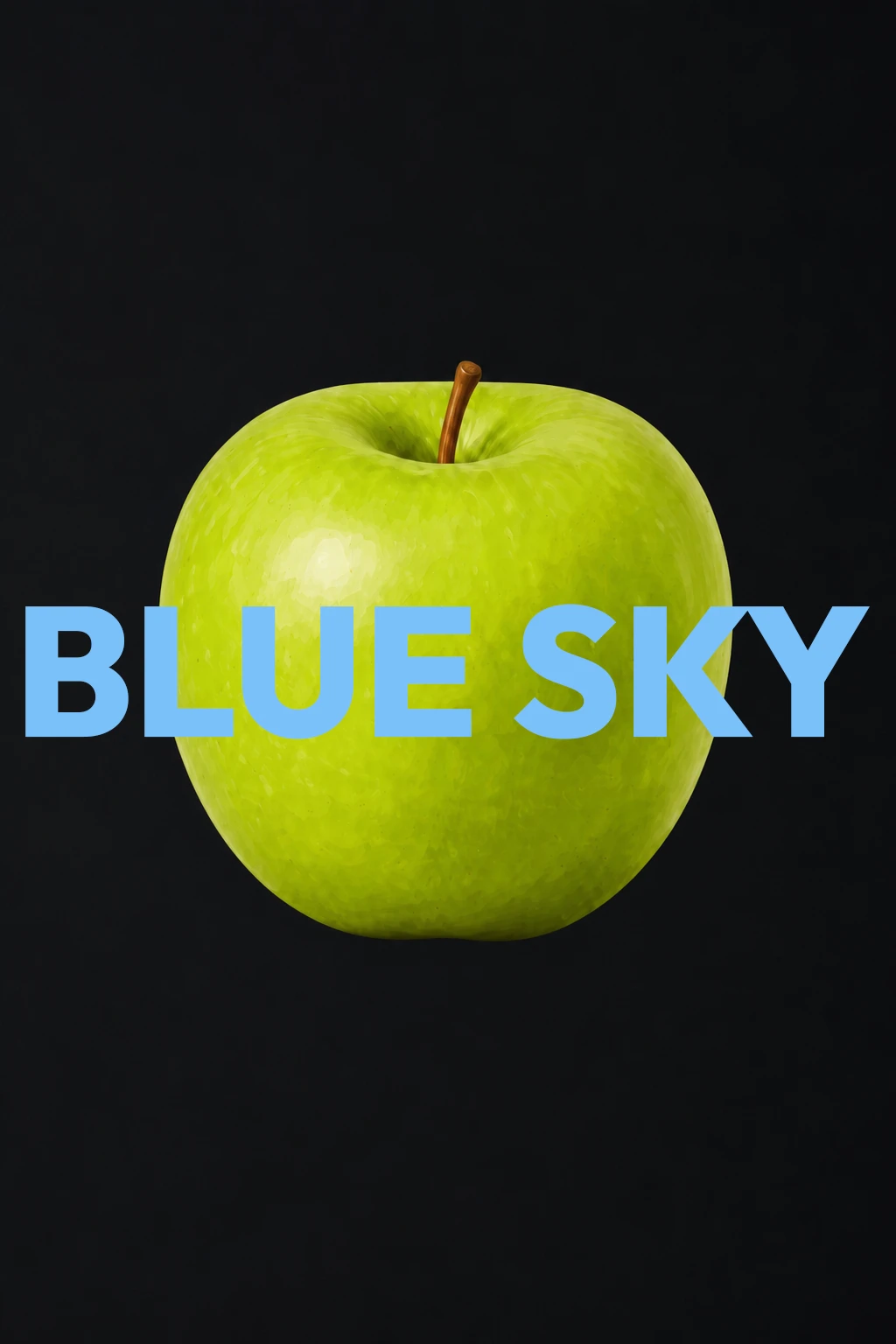
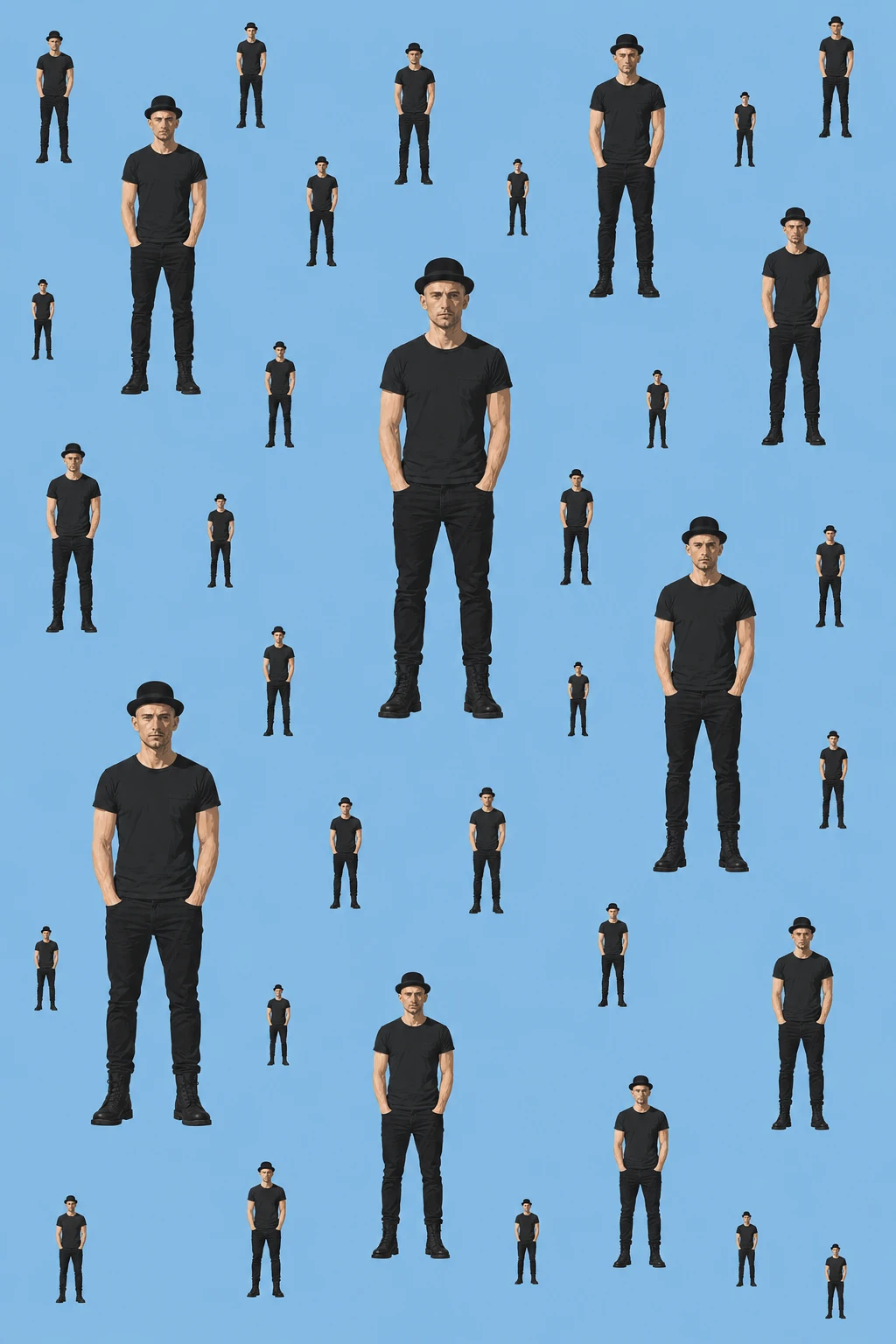
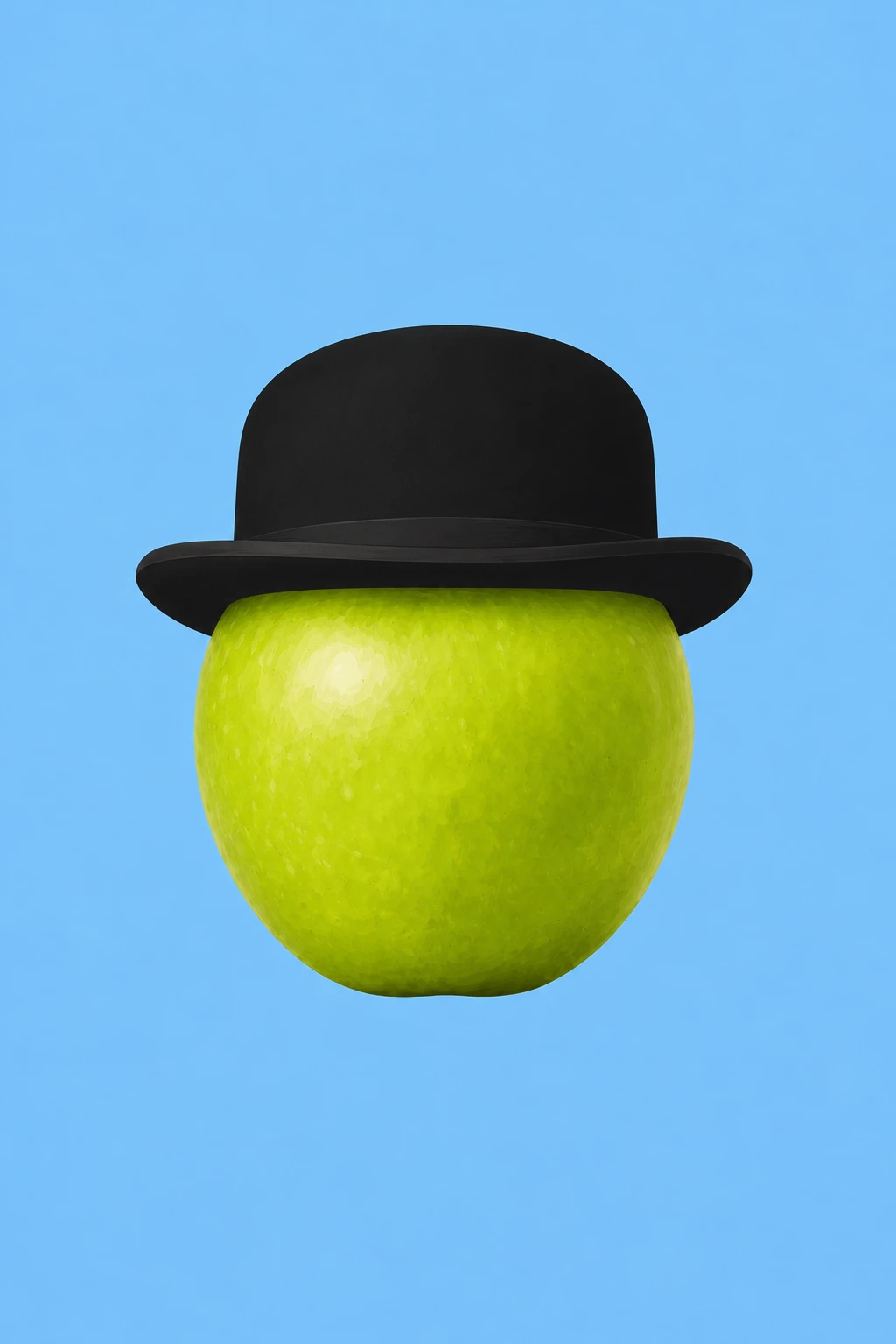
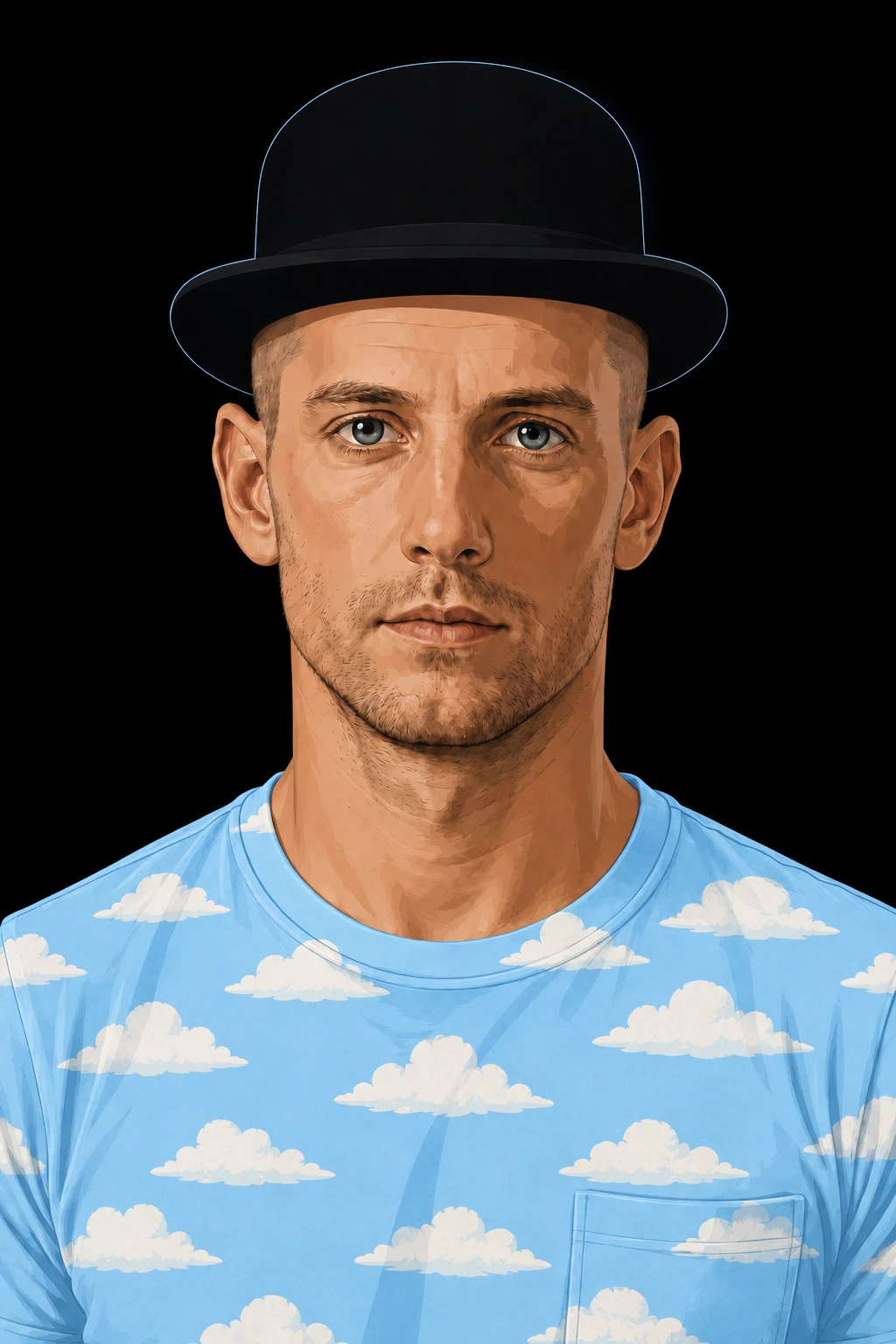
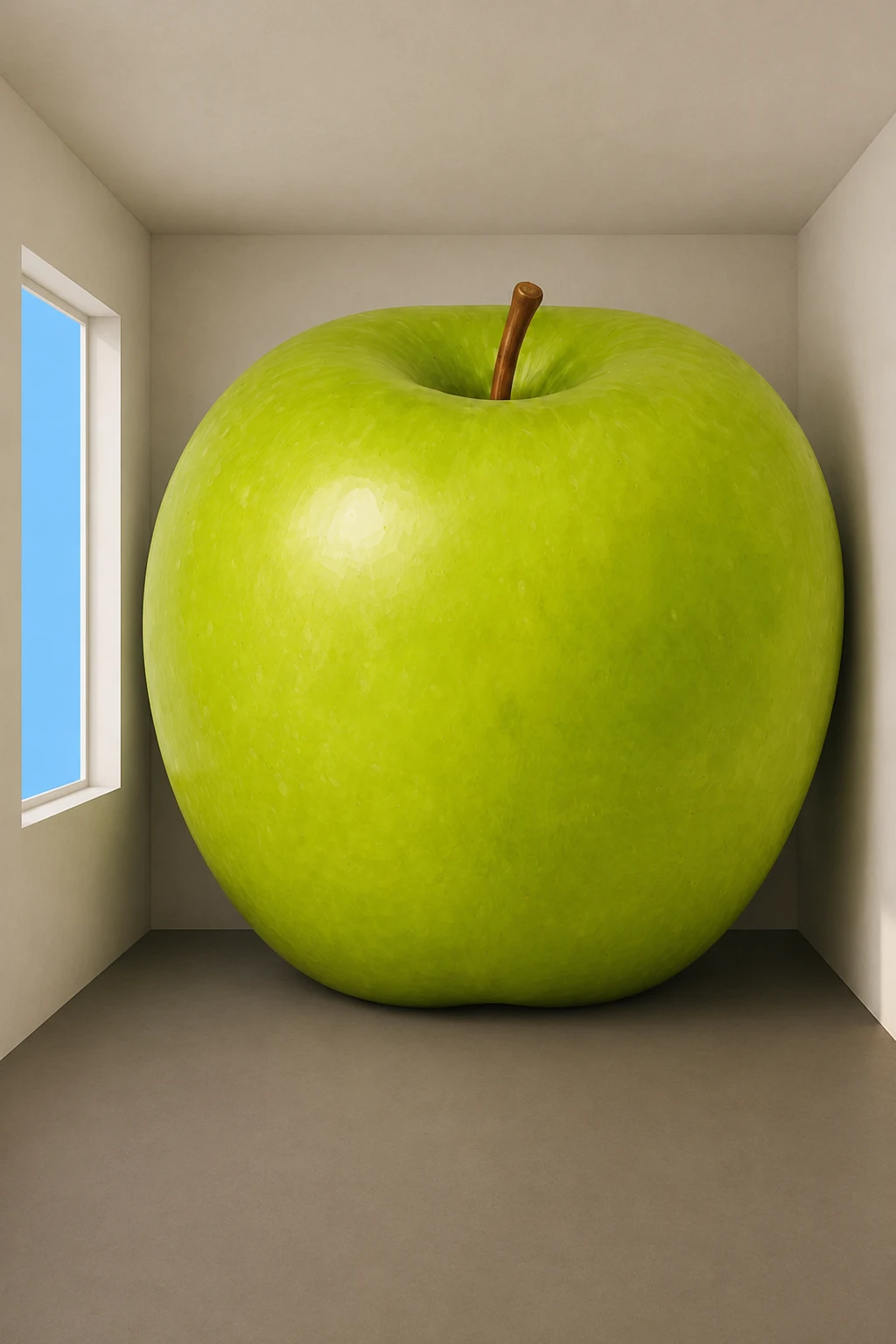
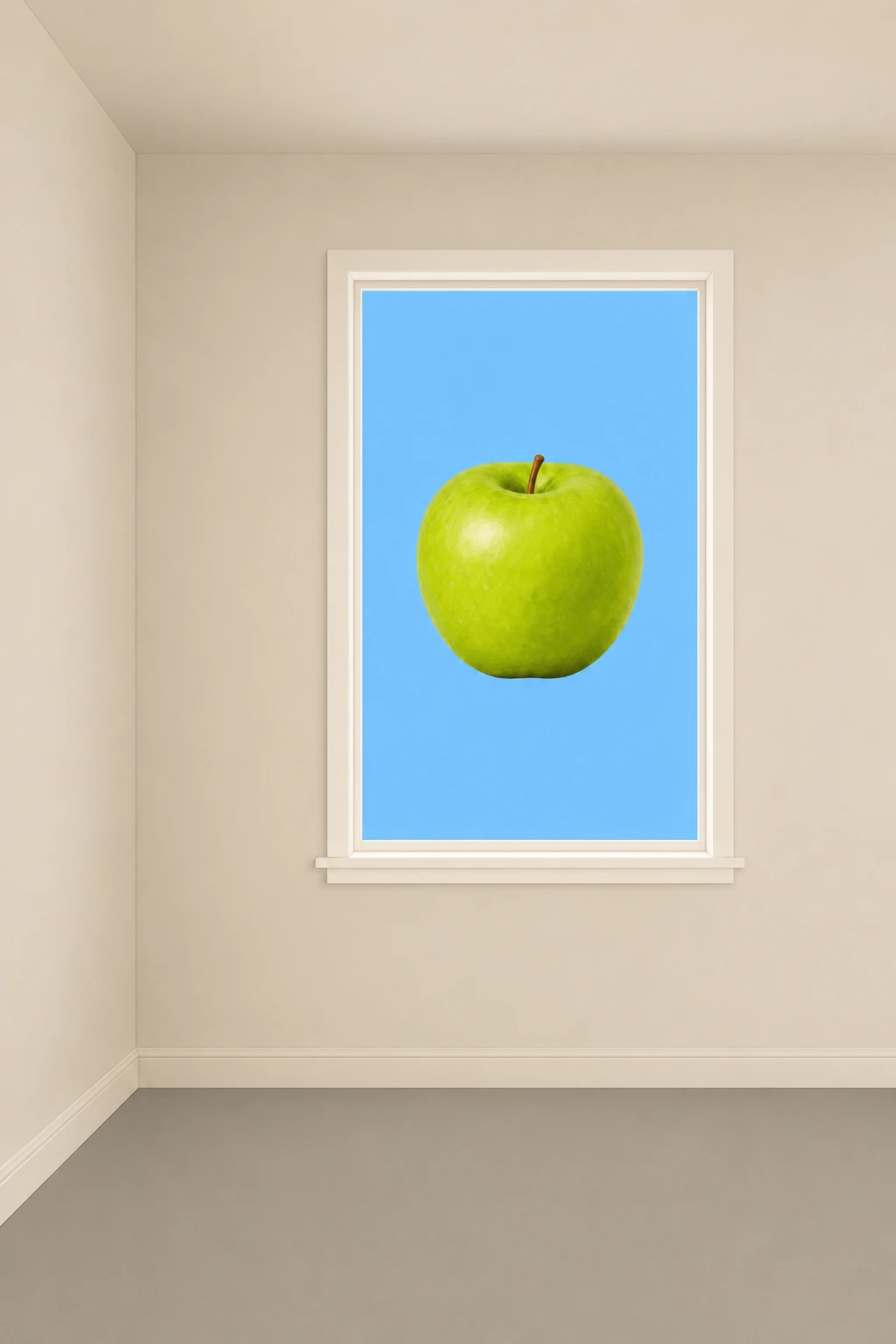
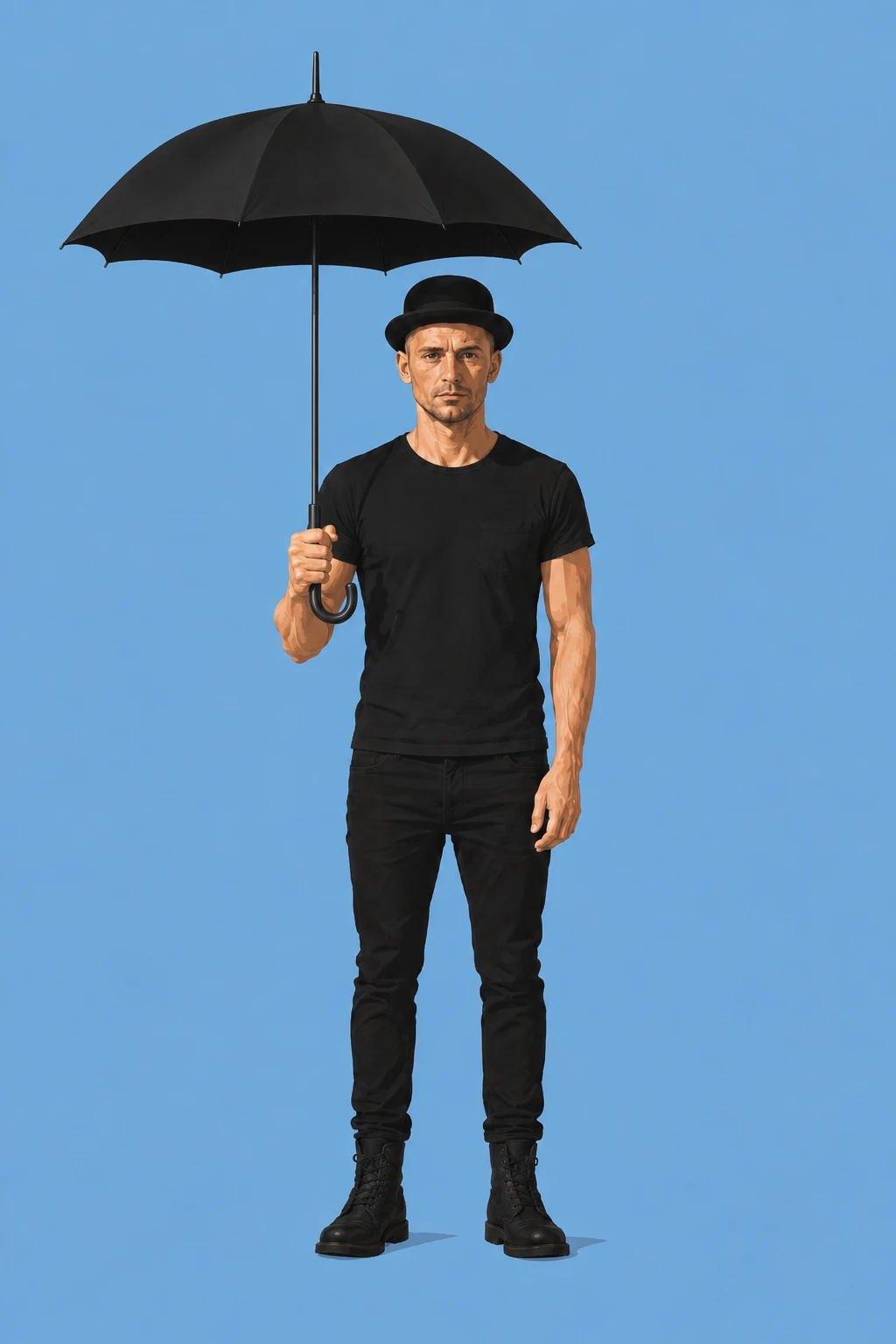
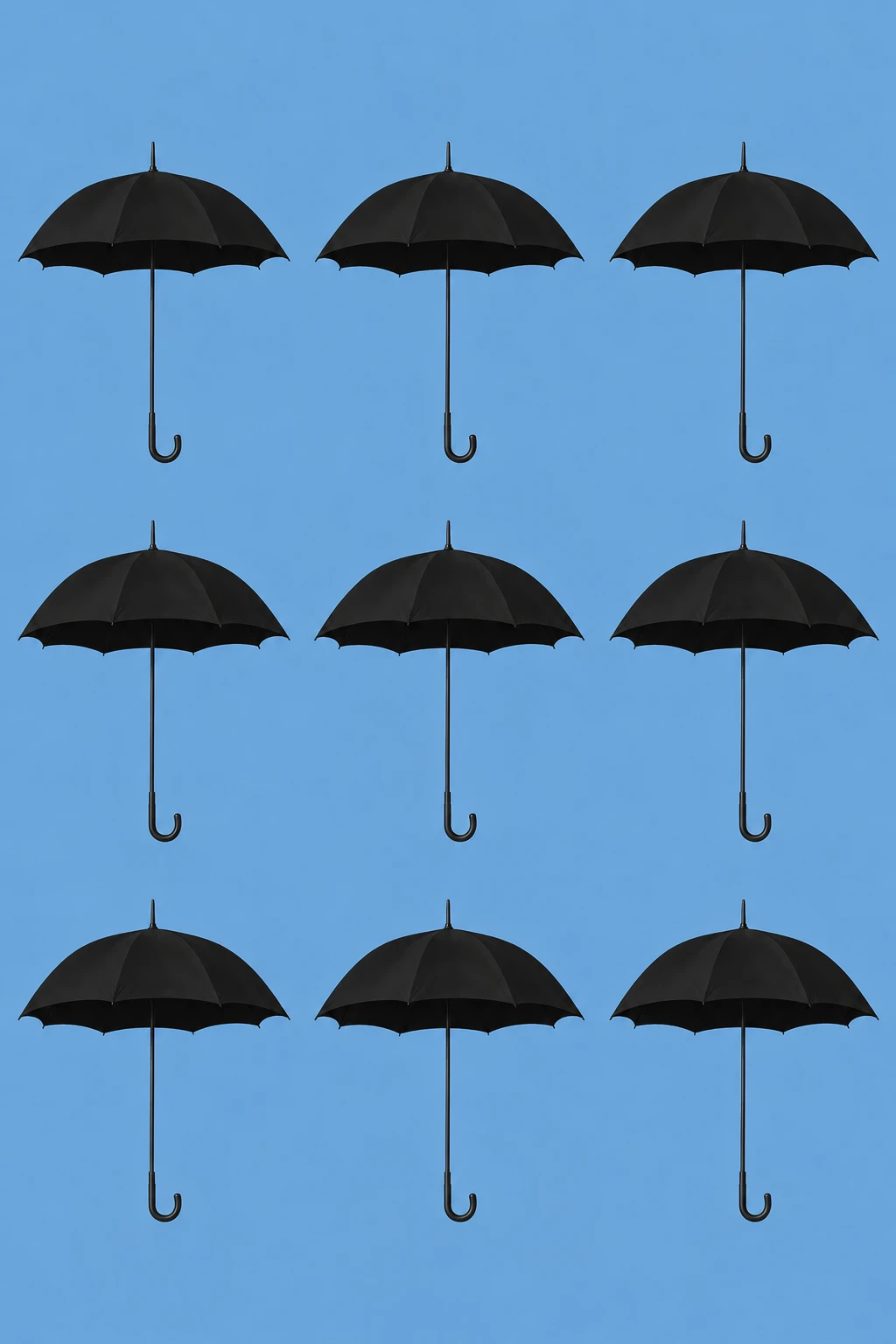
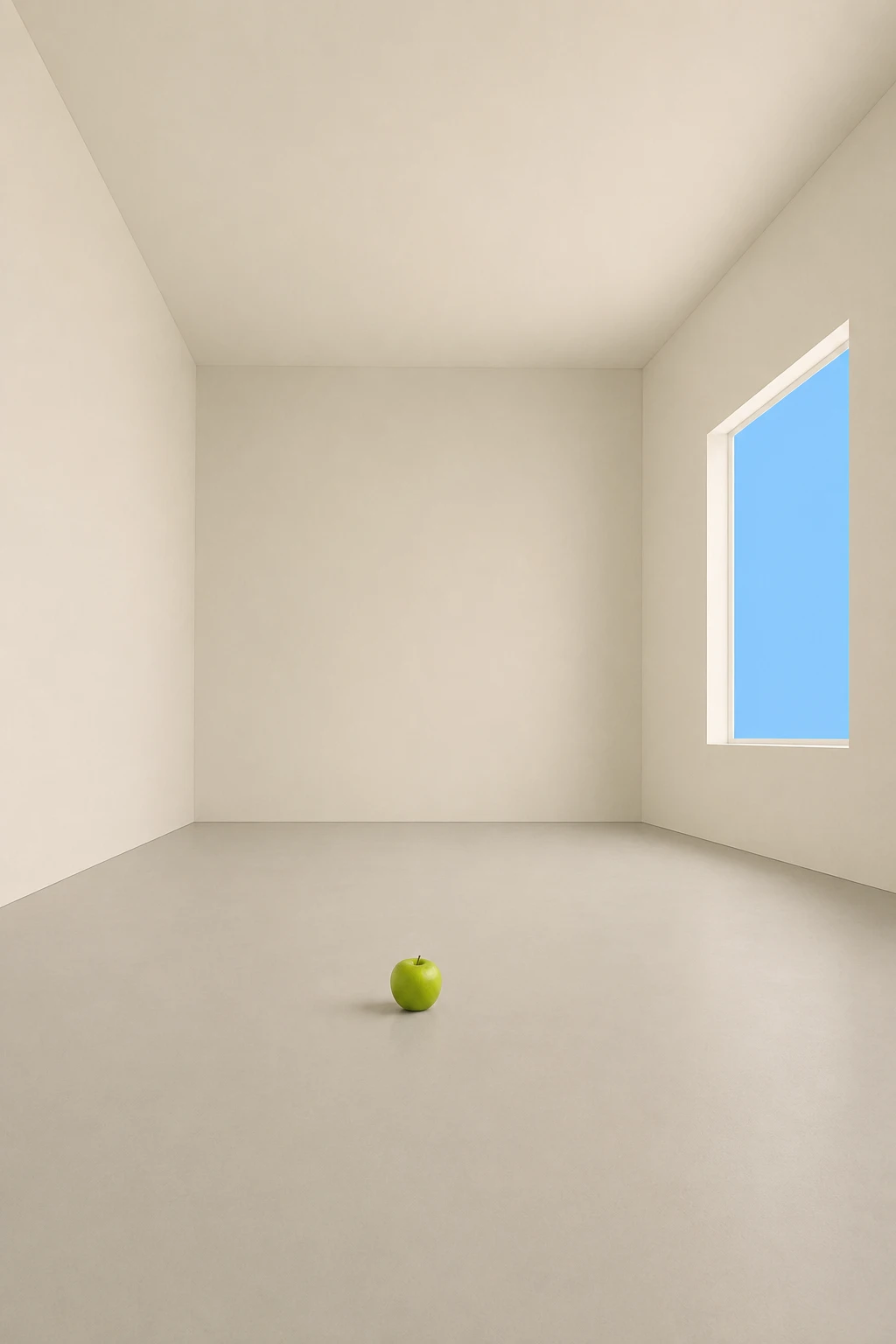
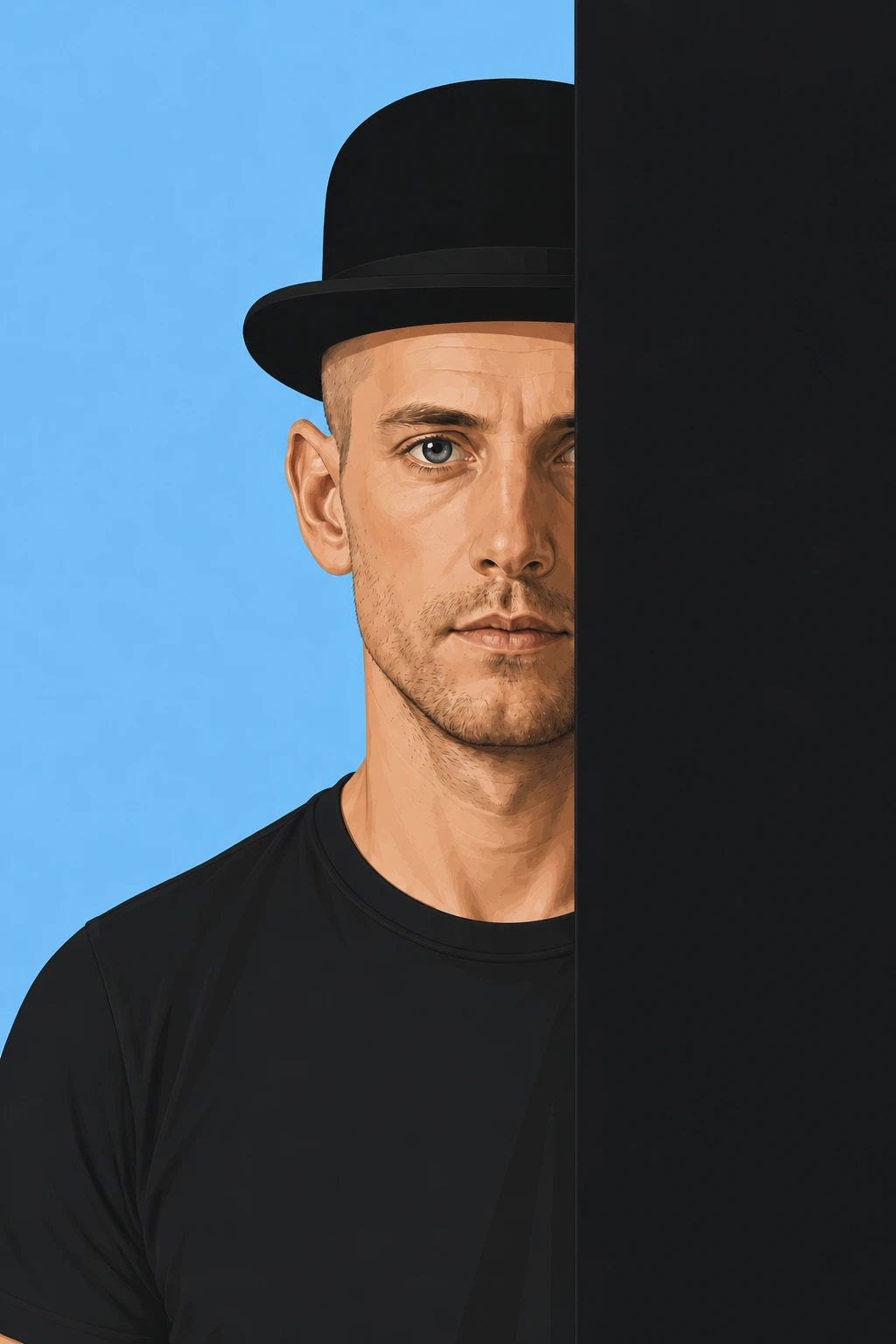
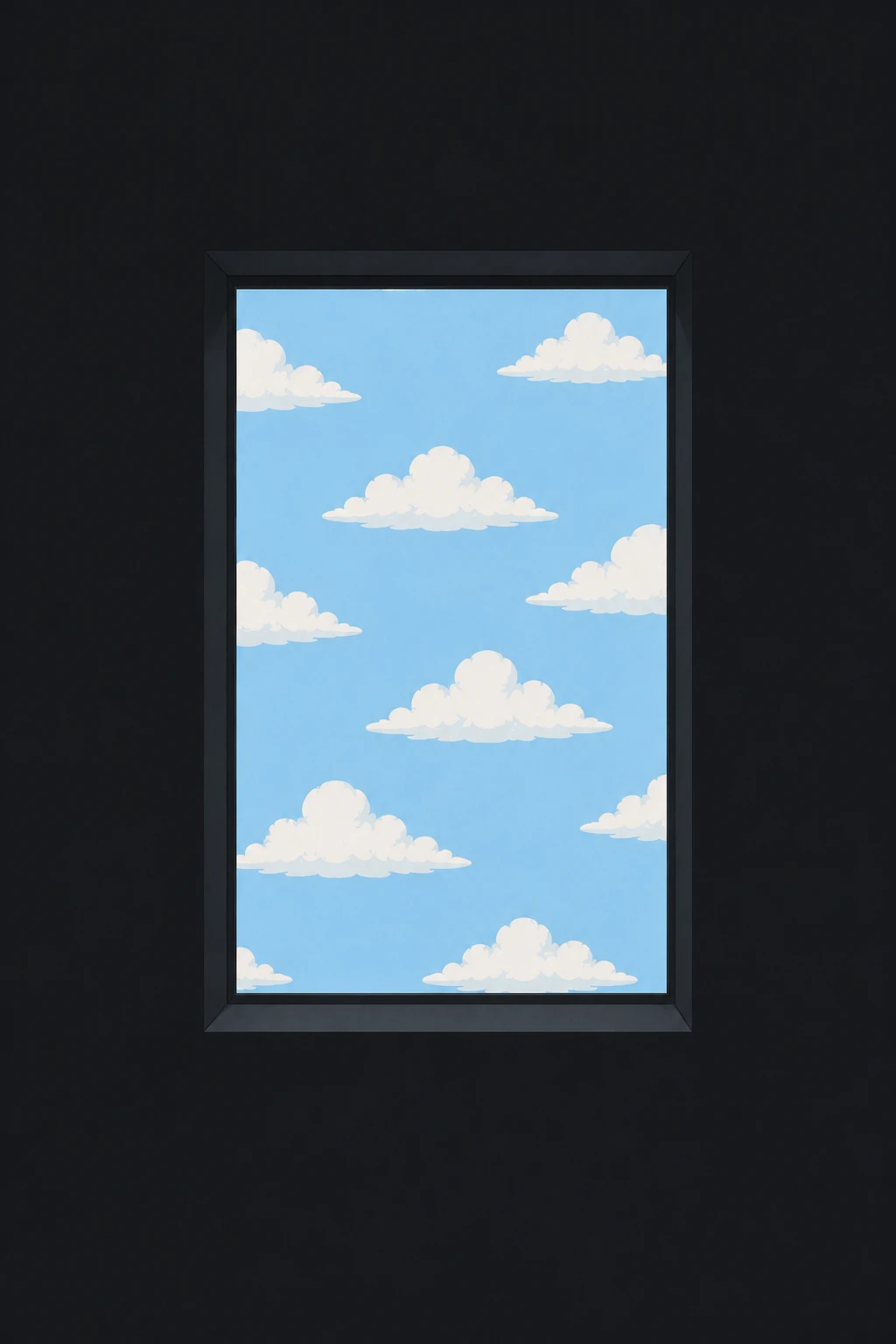
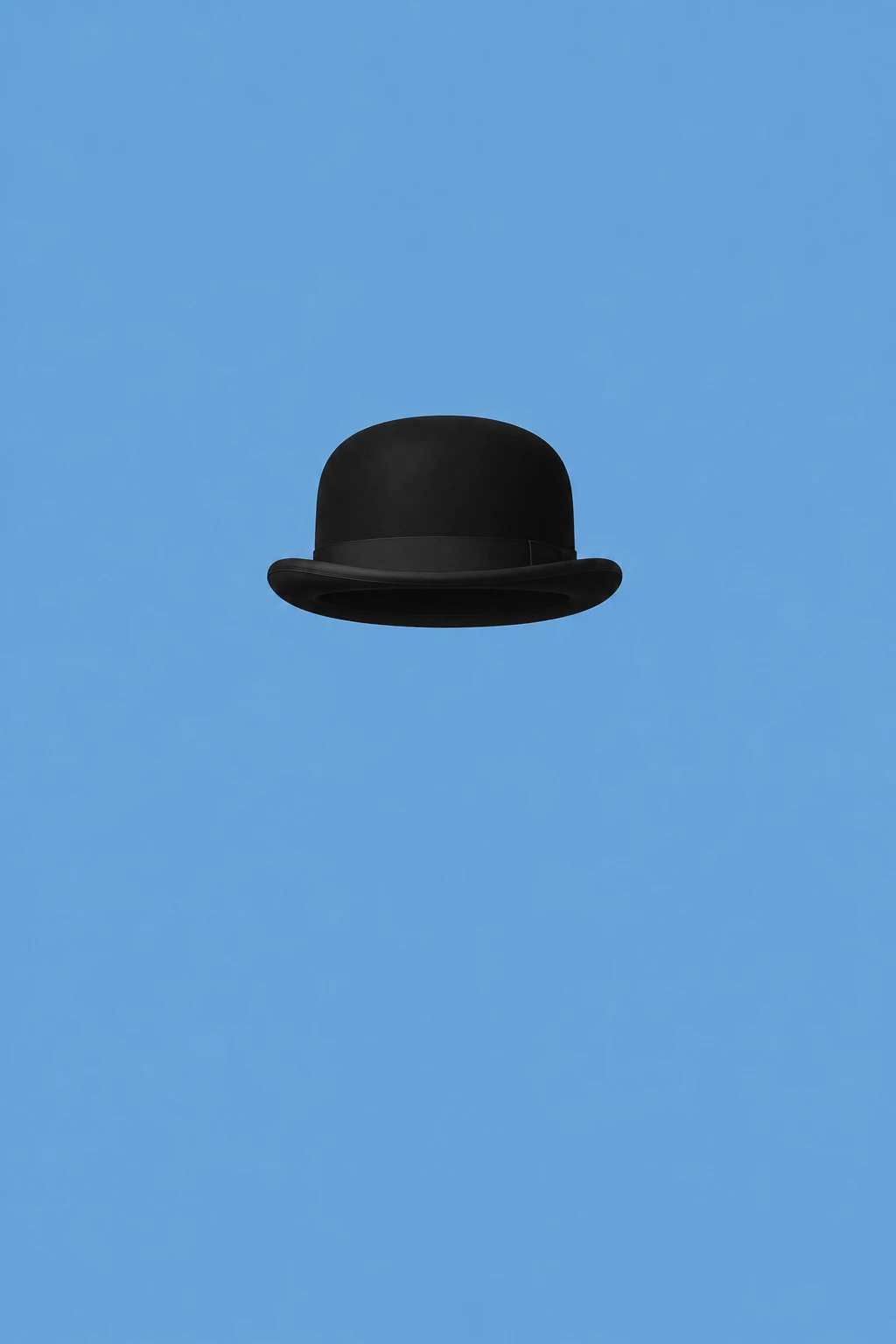
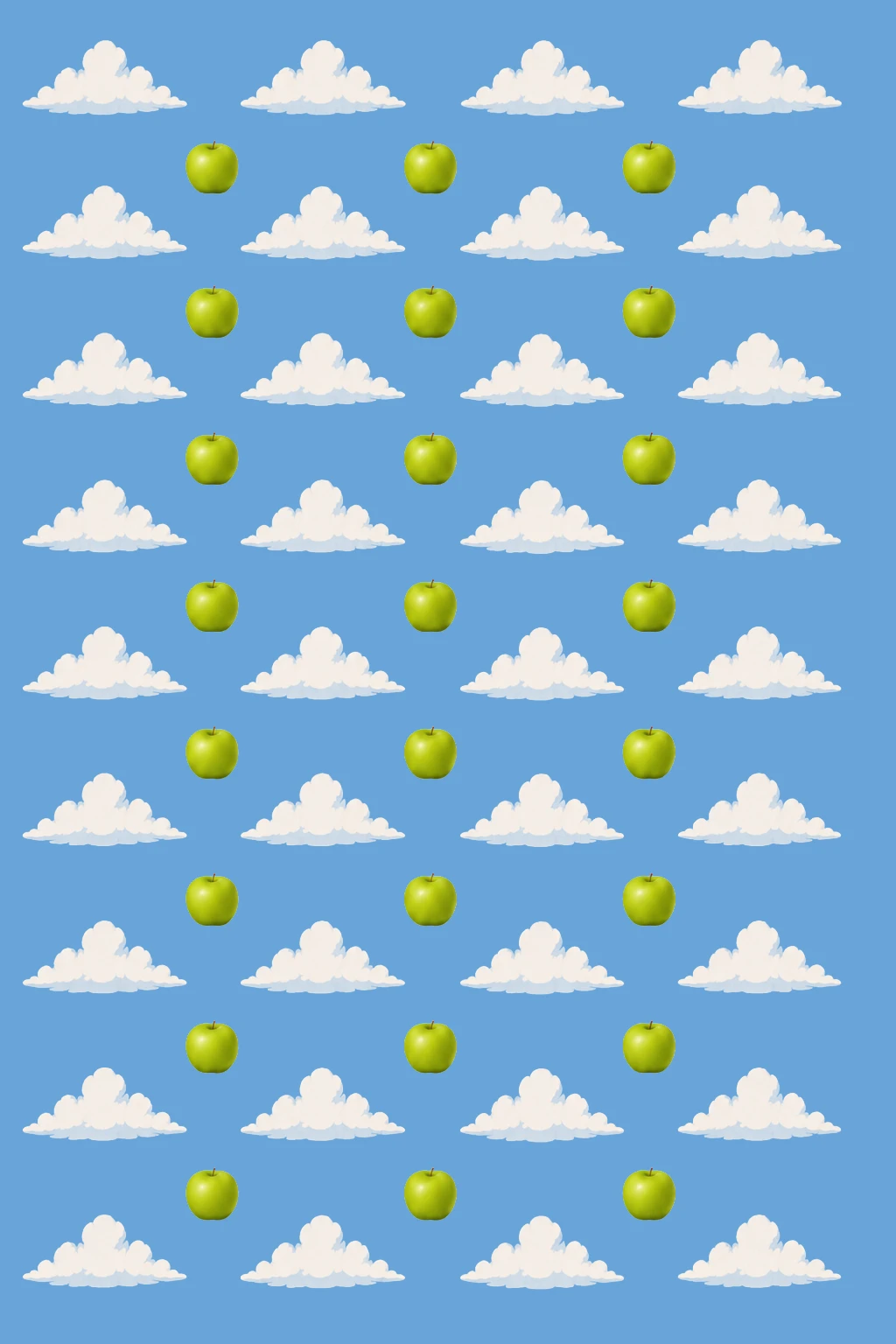
Ceci began as a light-hearted conversation with René Magritte rather than an attempt to become a contemporary Surrealist. The project borrows a familiar visual vocabulary — the man, the bowler hat, the apple, the blue sky, the umbrella, the clouds — and treats it as a set of graphic pieces to be rearranged through generative tools. A face is hidden. A hat floats. An apple fills a room. A man repeats until he becomes weather. Magritte's work frequently displays a collection of ordinary objects in an unusual context, giving new meanings to familiar things. Here, these motifs are not handled as sacred symbols or art-historical relics, or nostalgic props, but as design elements placed under pressure inside a twenty-first-century image system.
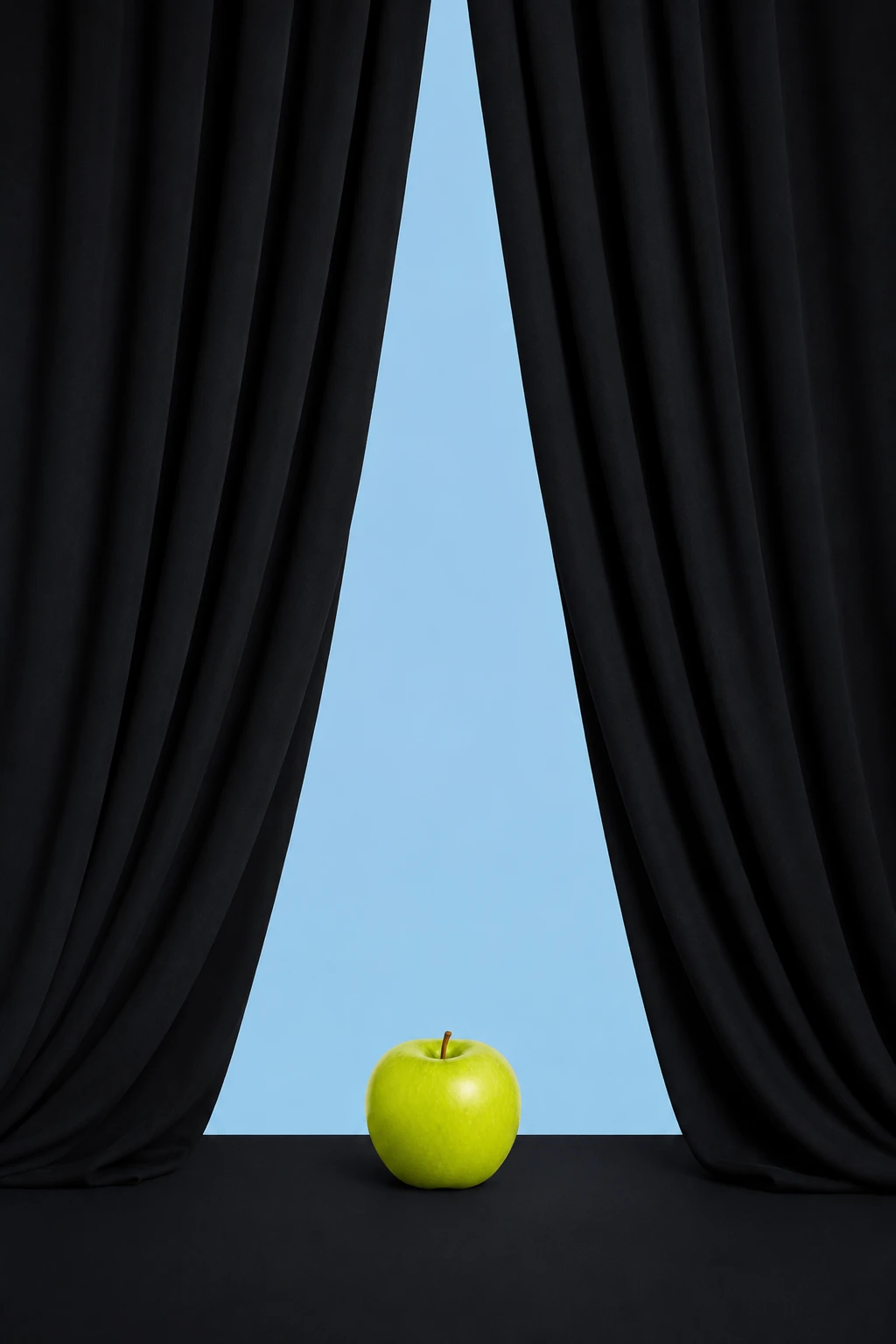
The images were created in collaboration with ChatGPT 5.5 and Images 2.0 by OpenAI, and move away from simulated painting and towards the clean authority of posters, diagrams and vector graphics. Their palette is deliberately narrow: beige, pale blue, cloud white, apple green, black, charcoal and flesh tones. The impossible is not made dramatic. It is presented calmly, frontally, almost politely, as if the strange thing had already been approved by the layout department. Photoshopped without Photoshop, the project is less about dream imagery than about arrangement. It asks what happens when a visual language associated with painting is rebuilt as a synthetic design system: flatter, colder, sharper, and quietly absurd.
Generative AI complicates the joke. These are not paintings, not photographs, and not objects seen in the world. They are images made from prompts, memories, references and inherited cultural debris. Magritte's suspicion that an image is never identical to the thing it shows becomes newly useful here, but the tone remains playful. Ceci is not a manifesto. It is a small graphic theatre of misrecognition, where apples behave like masks, skies become patterns, curtains reveal almost nothing, and bowler-hatted men fall gently down the page like rain. The work accepts its own silliness, because the silliness opens the door. Behind it is a quieter question: when images can be endlessly generated, repeated and rearranged, what exactly is being shown — the object, the idea, the prompt, or the trick?
Gallery
"Talent borrows, genius steals." — Oscar Wilde