Ghosts: synthography and the haunted image
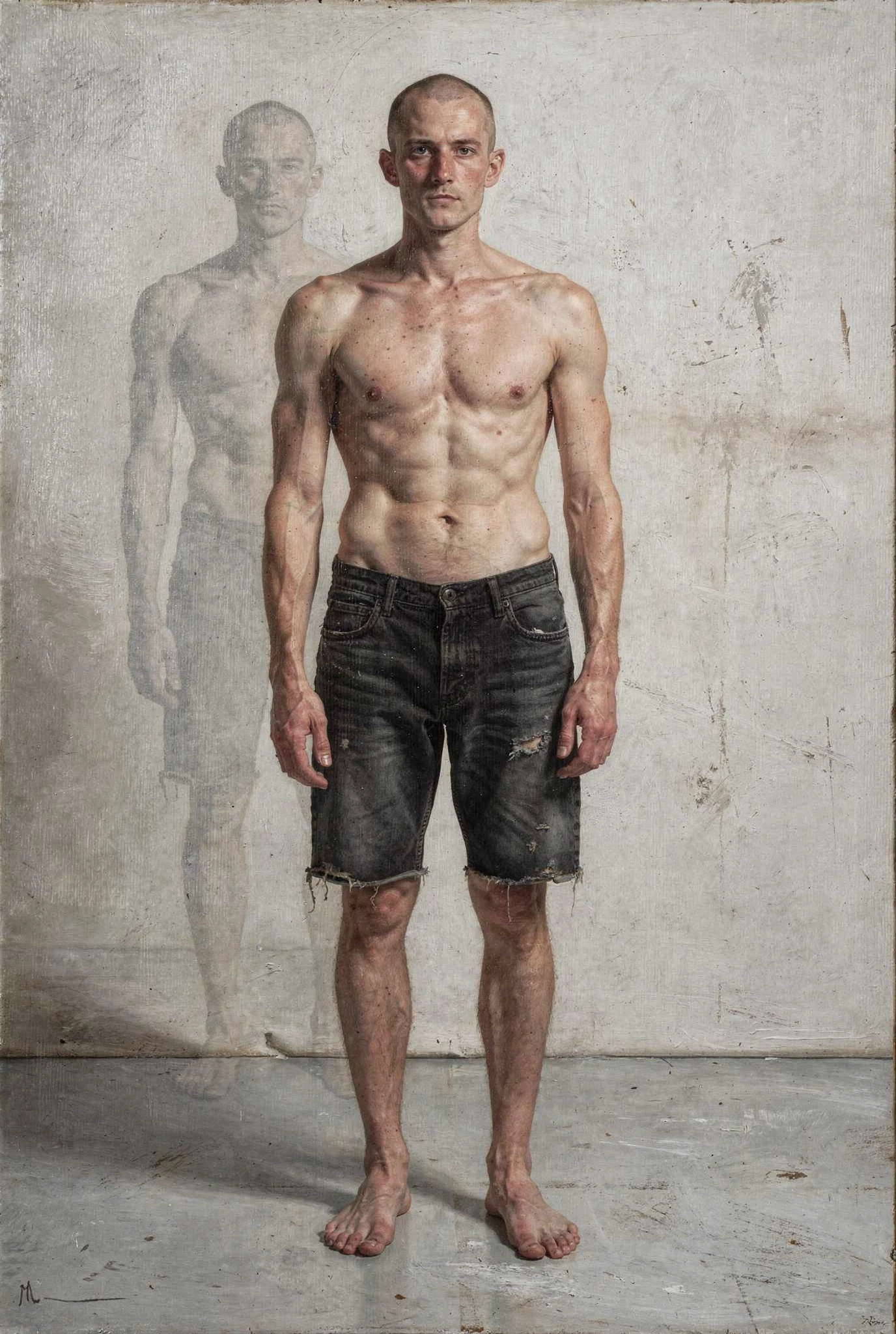
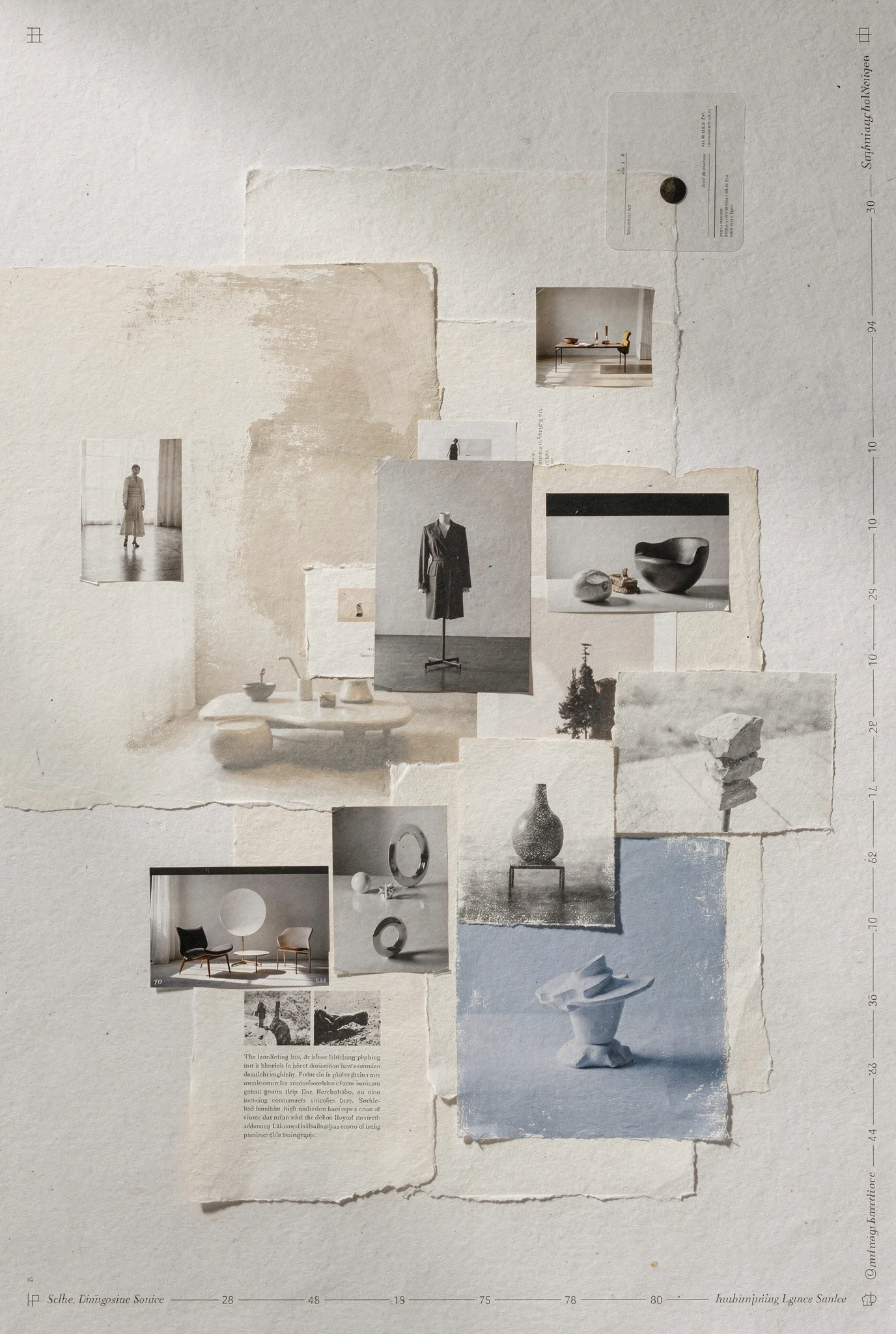
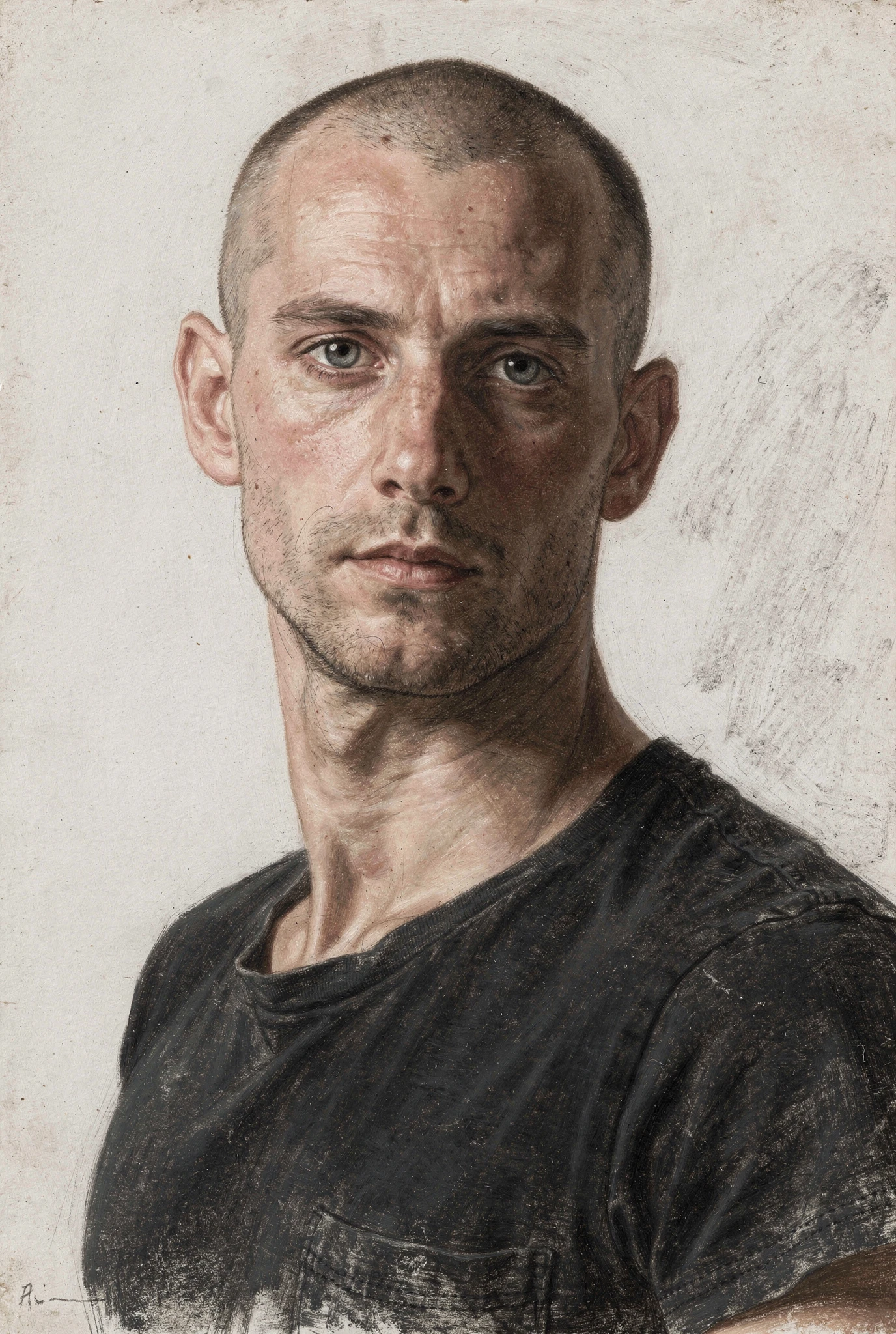
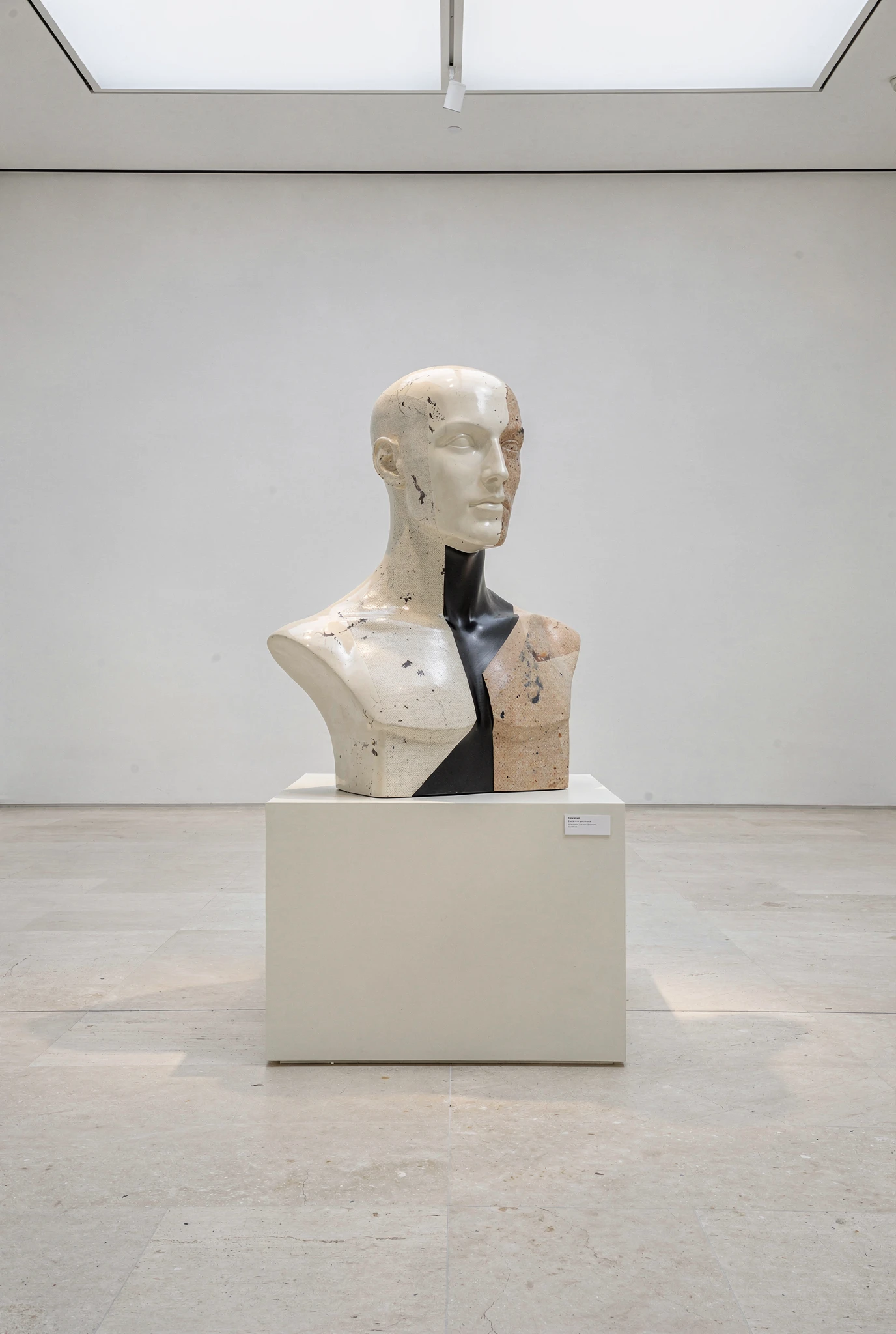
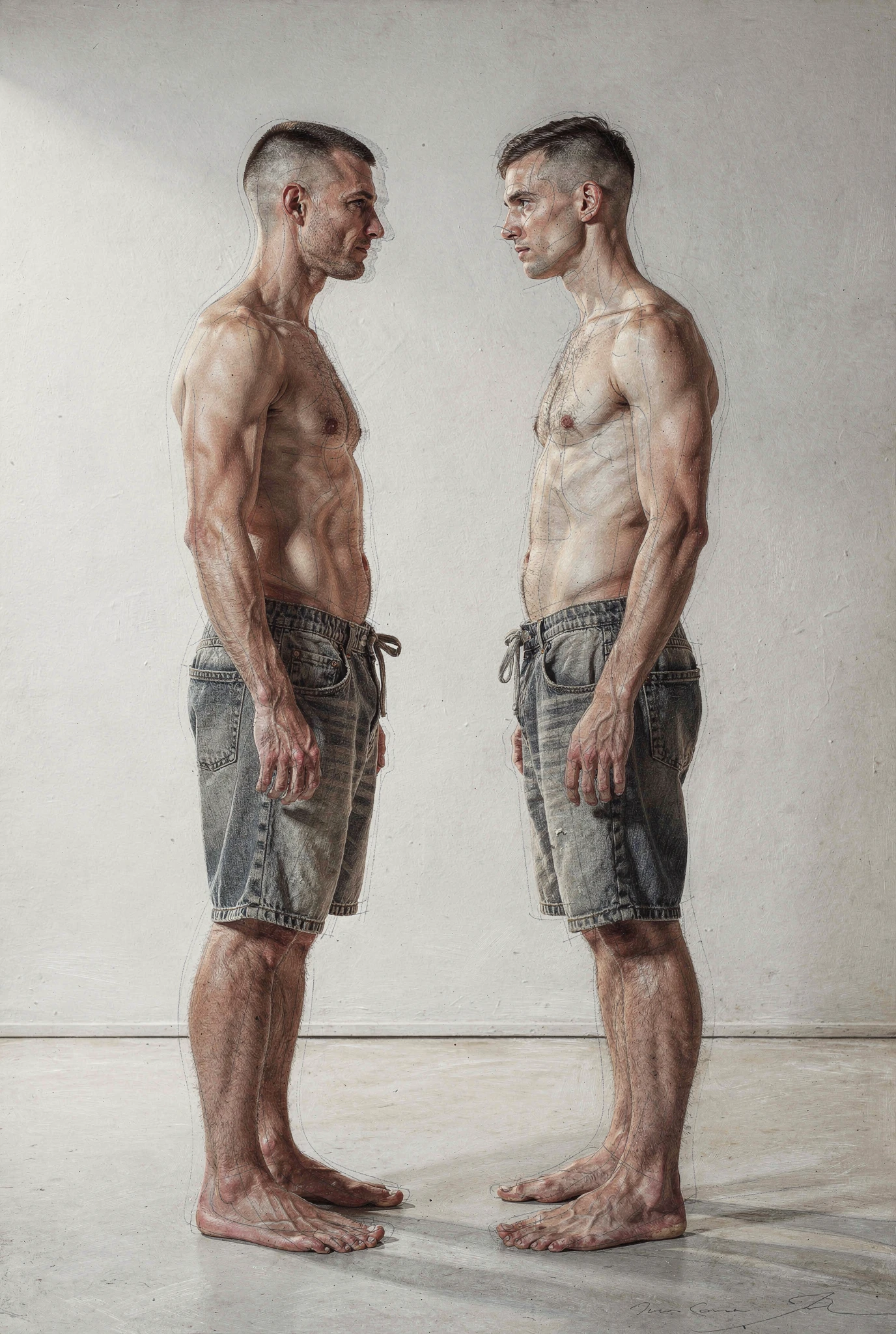
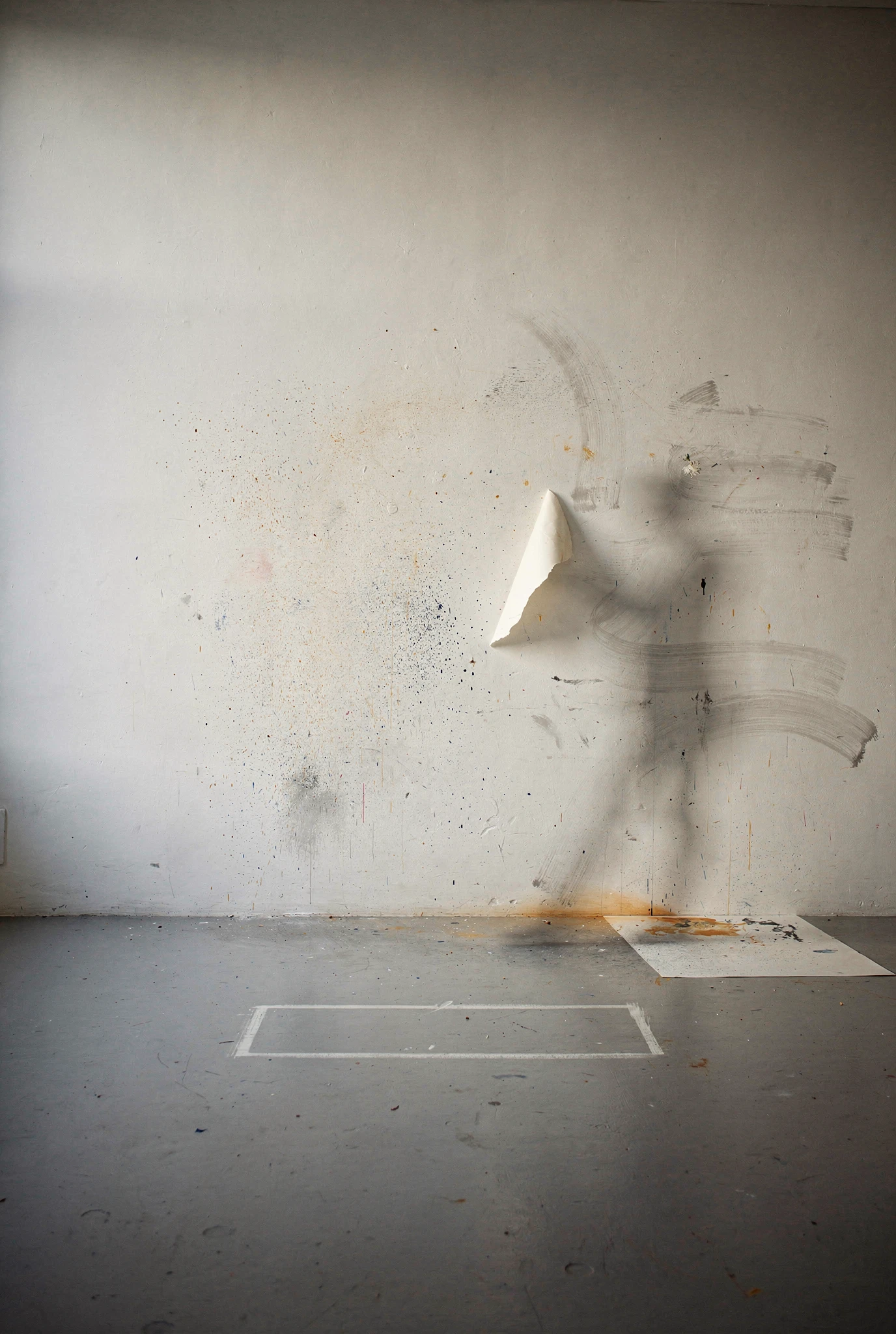
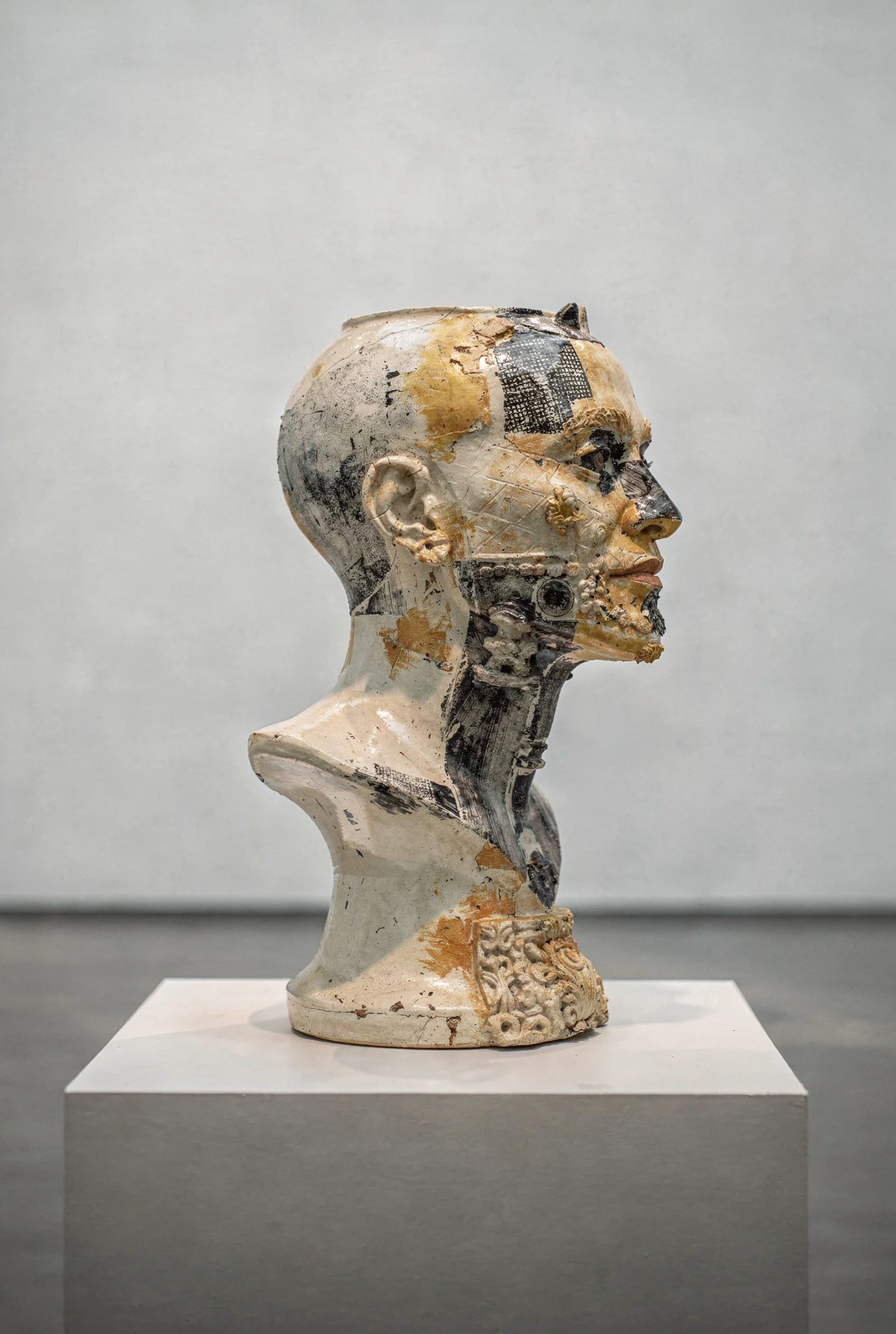
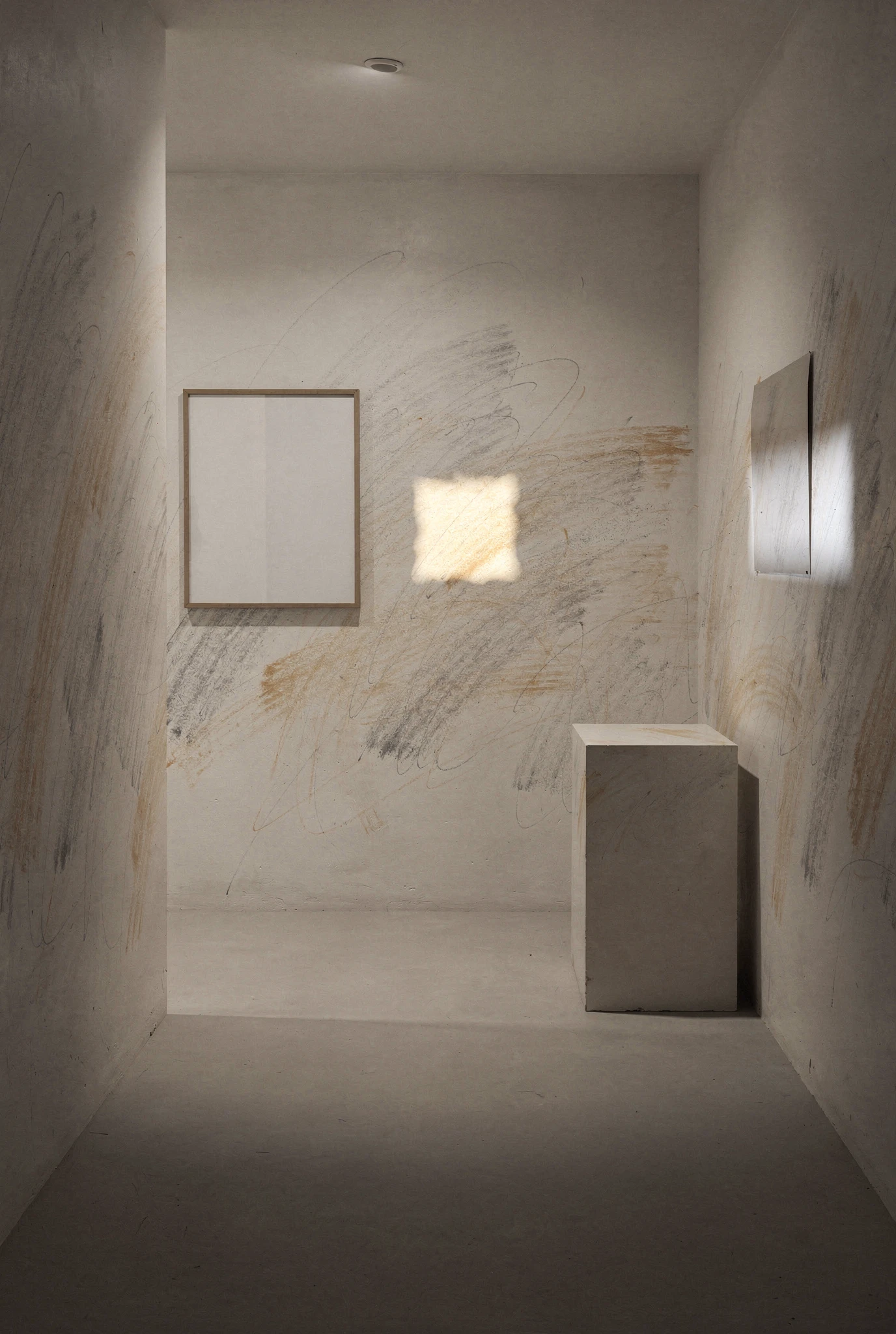
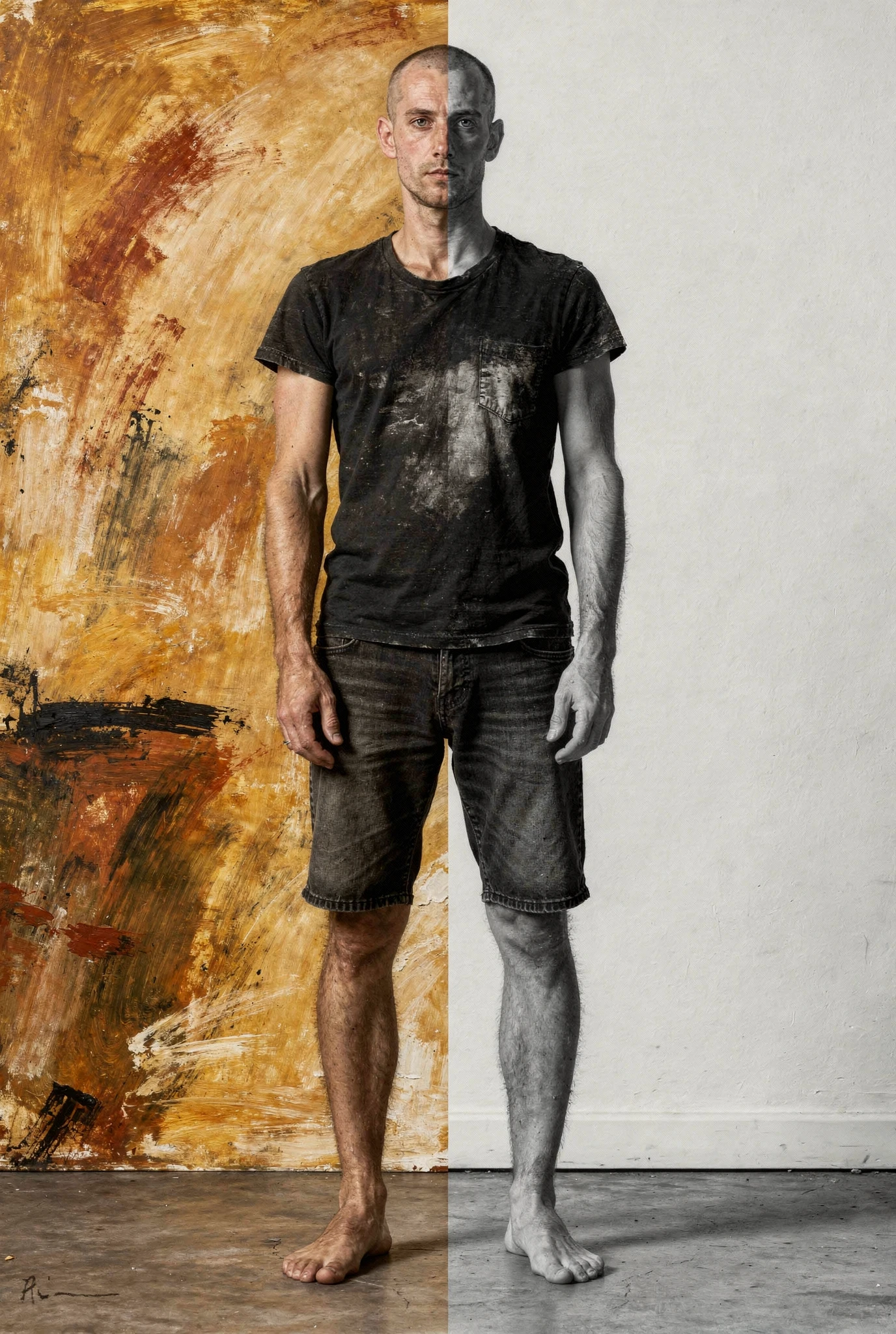
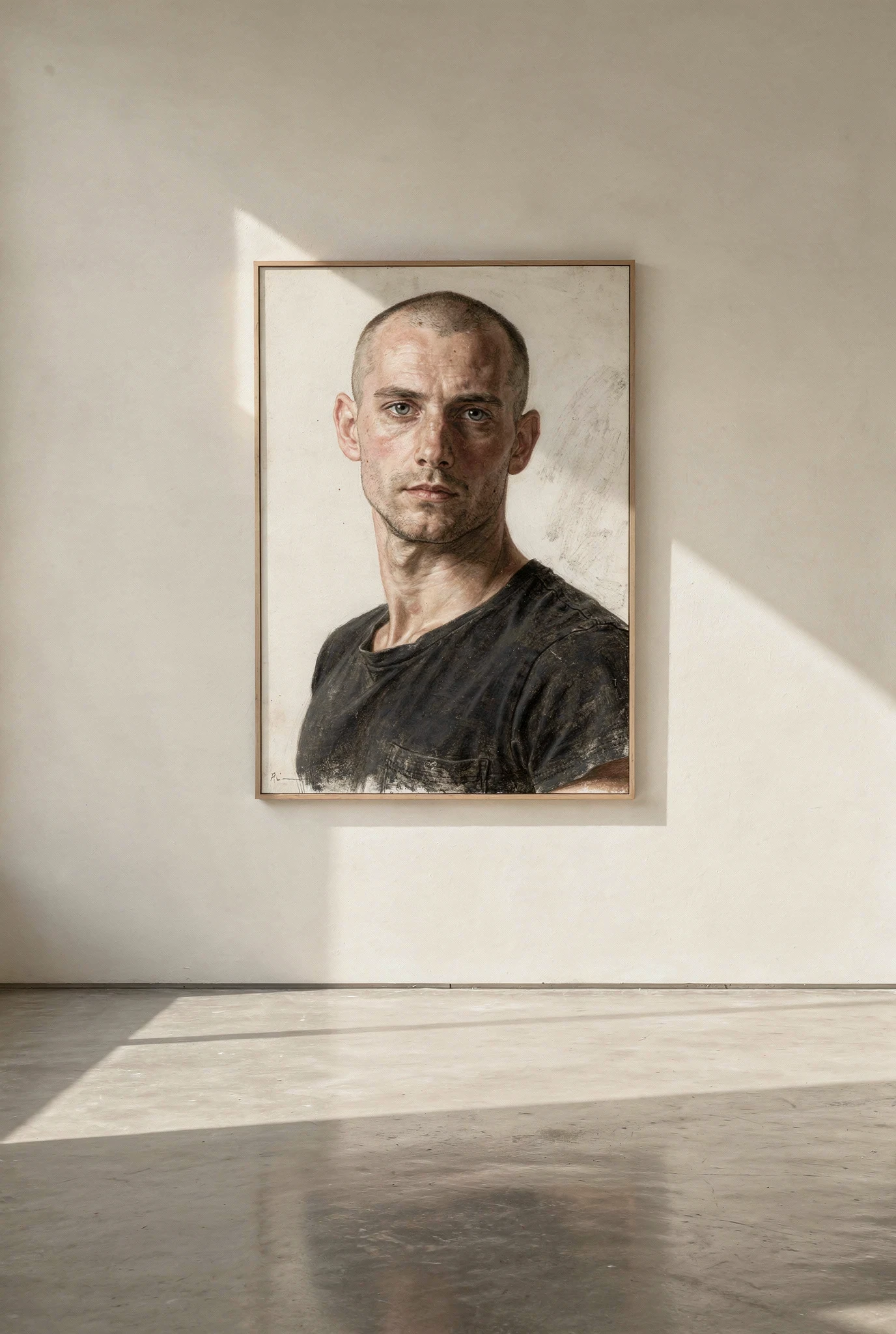
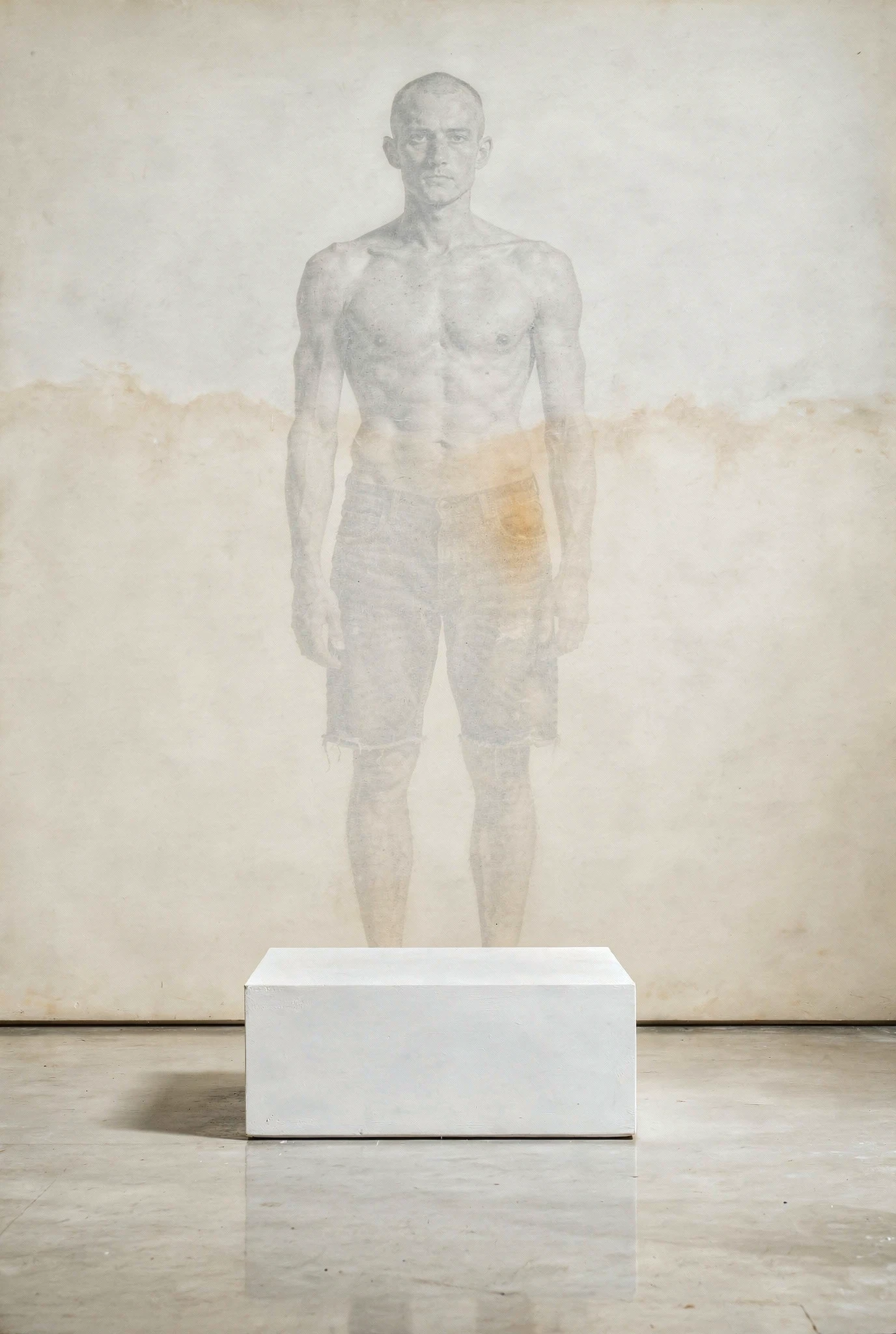
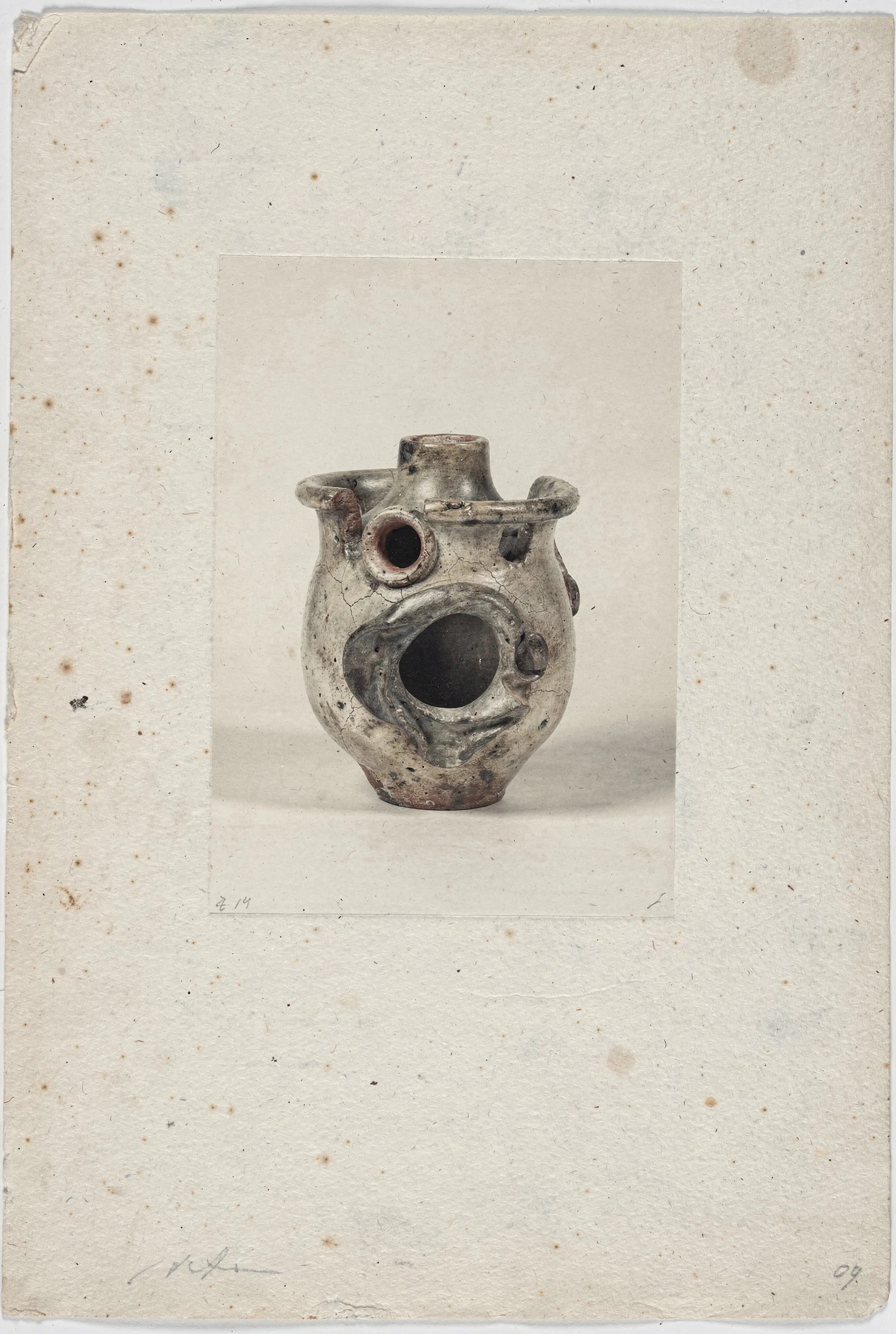
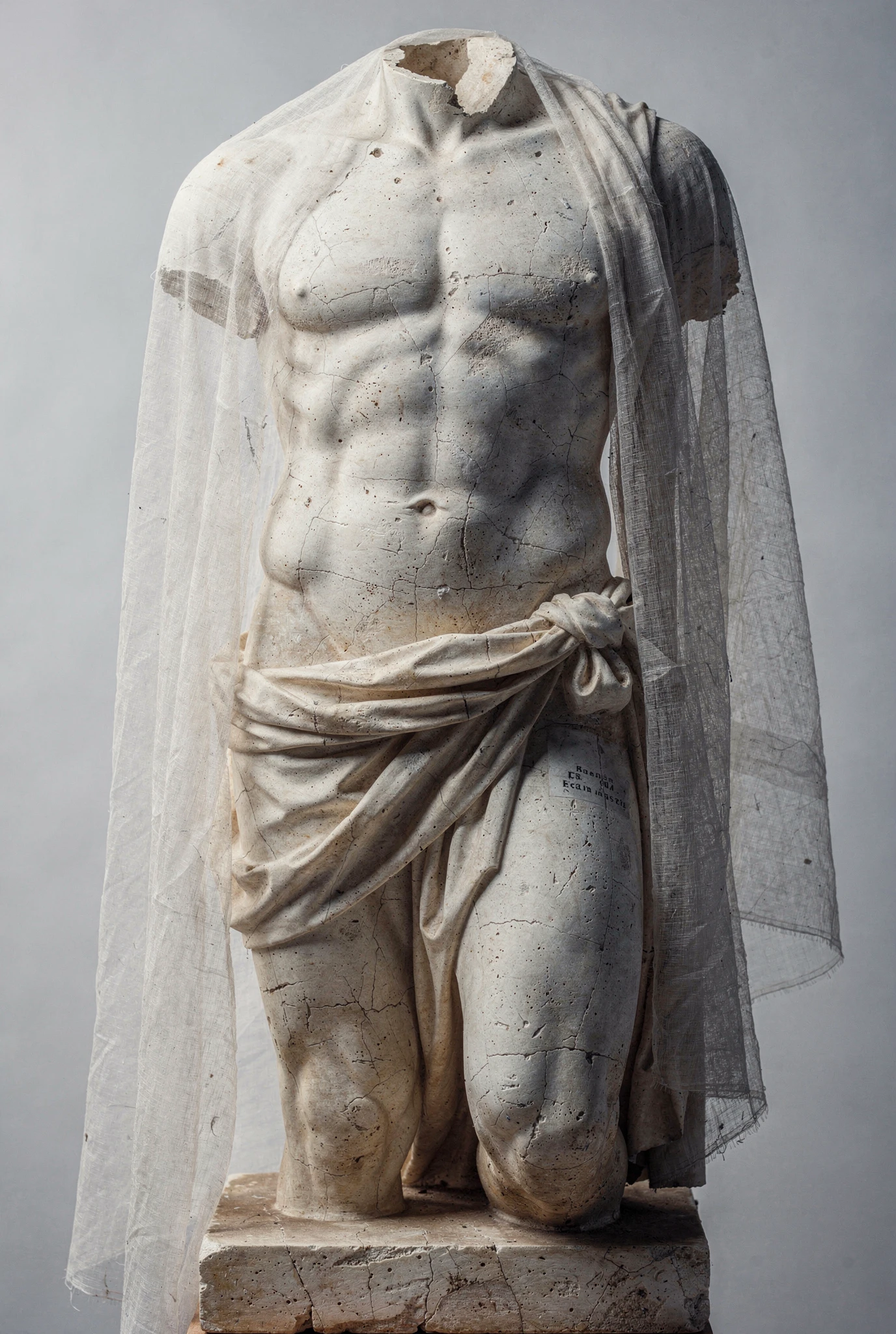
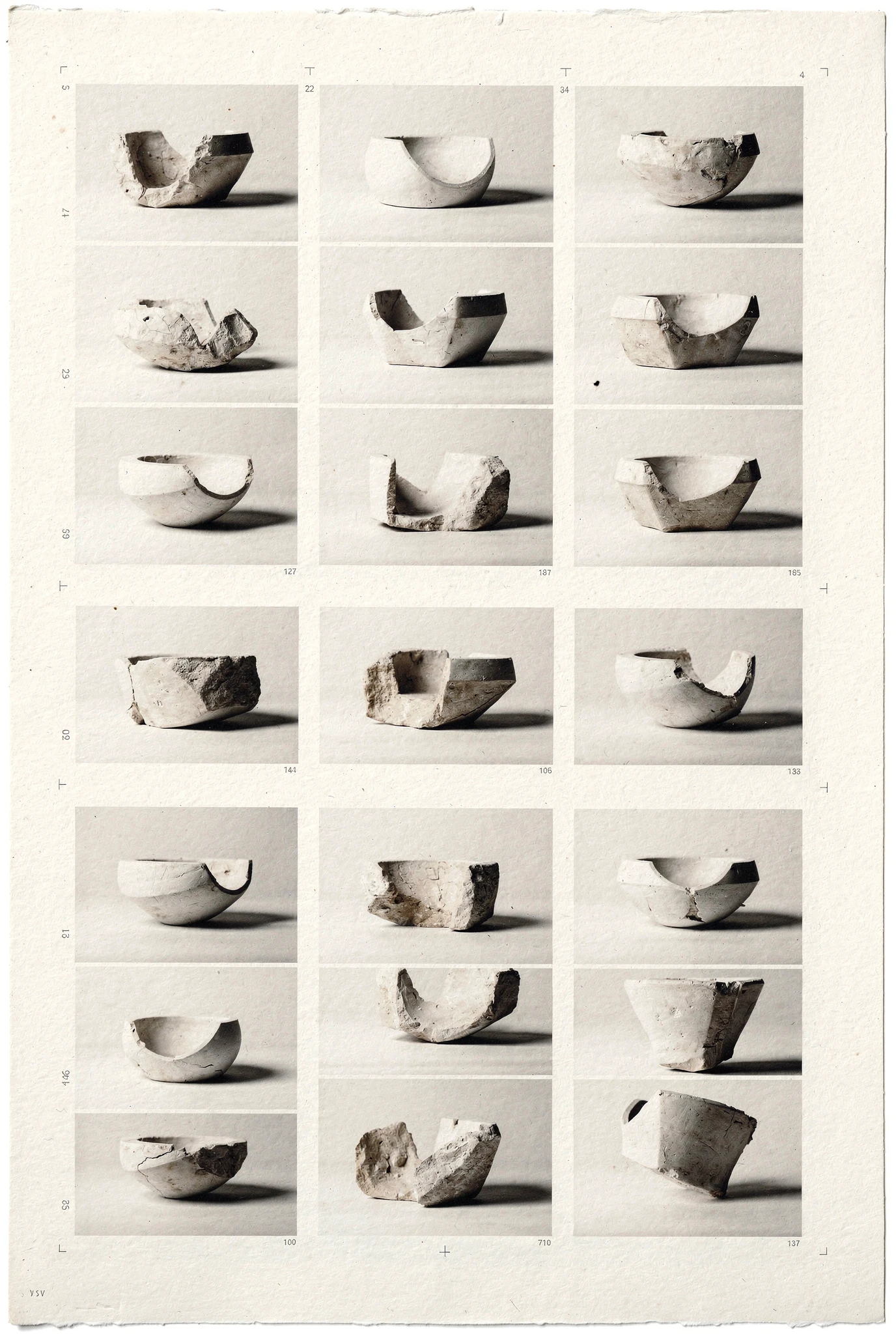
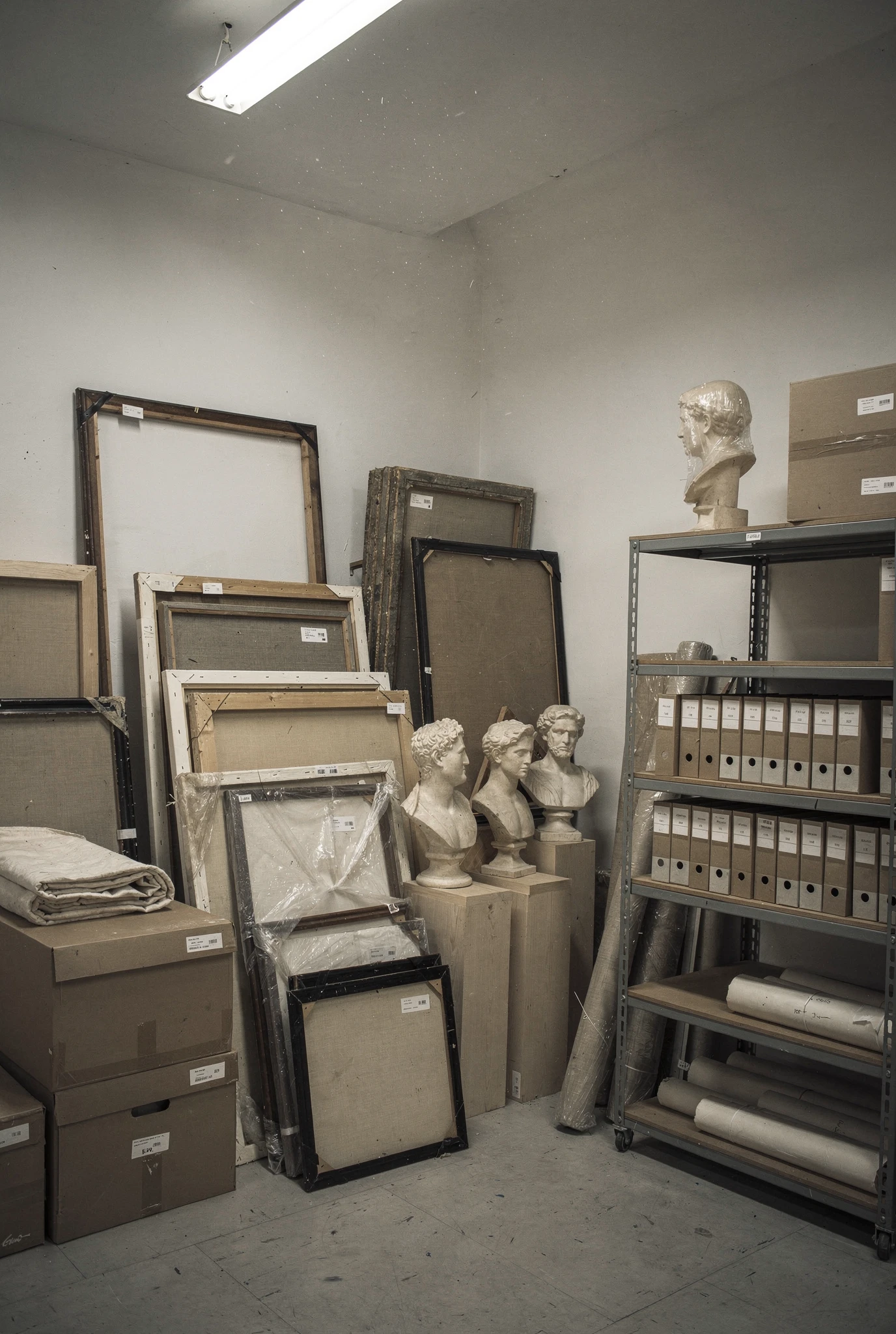
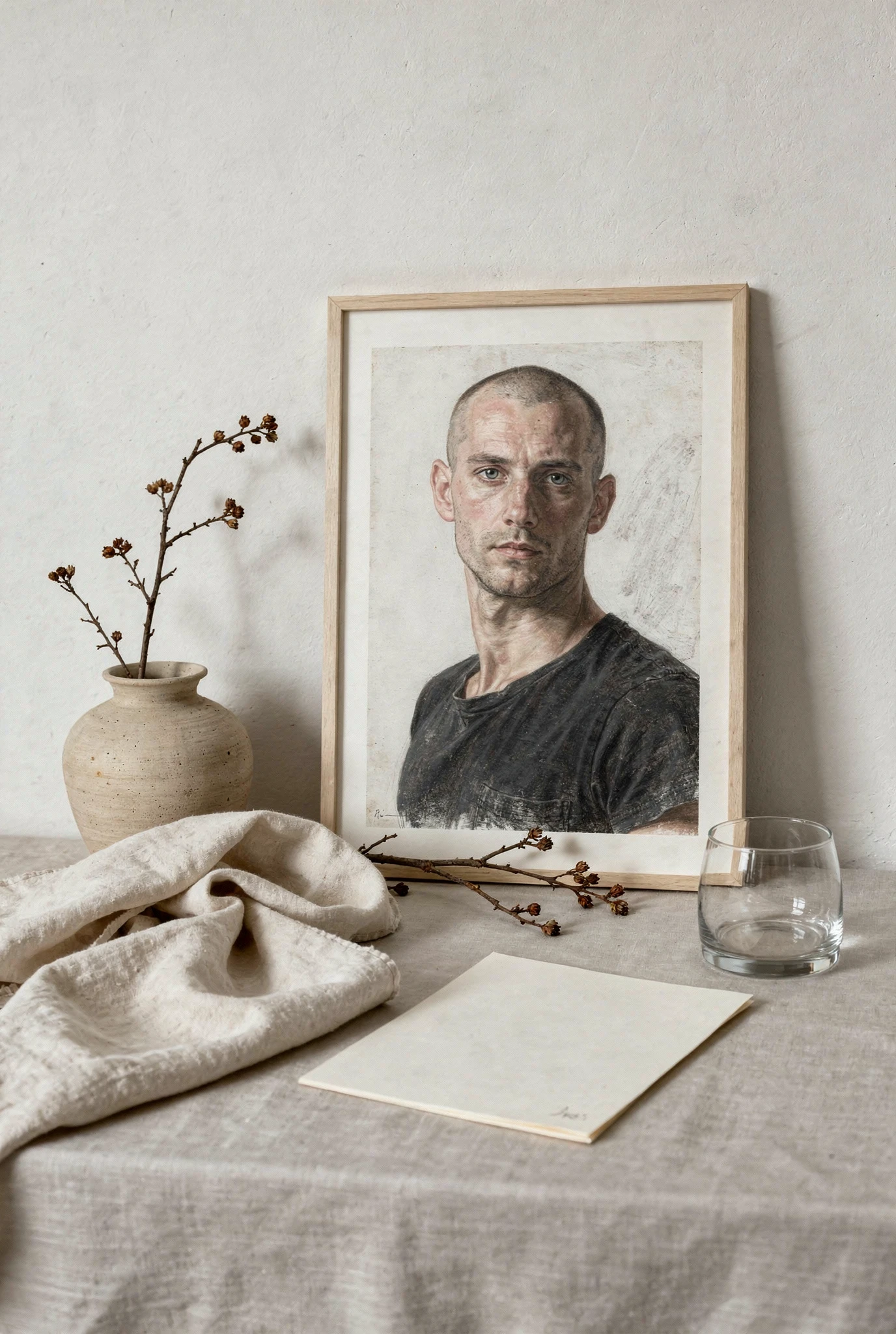
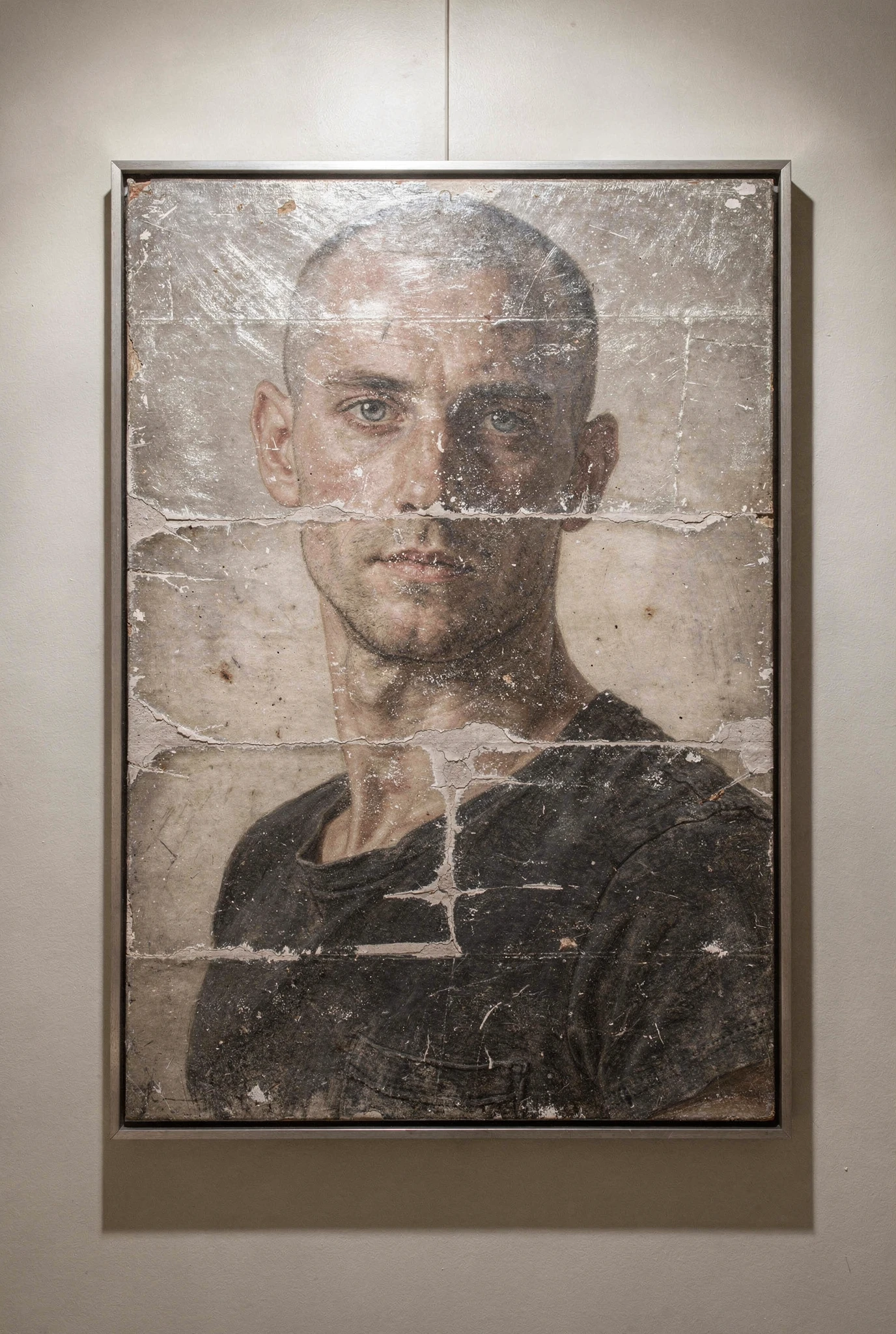
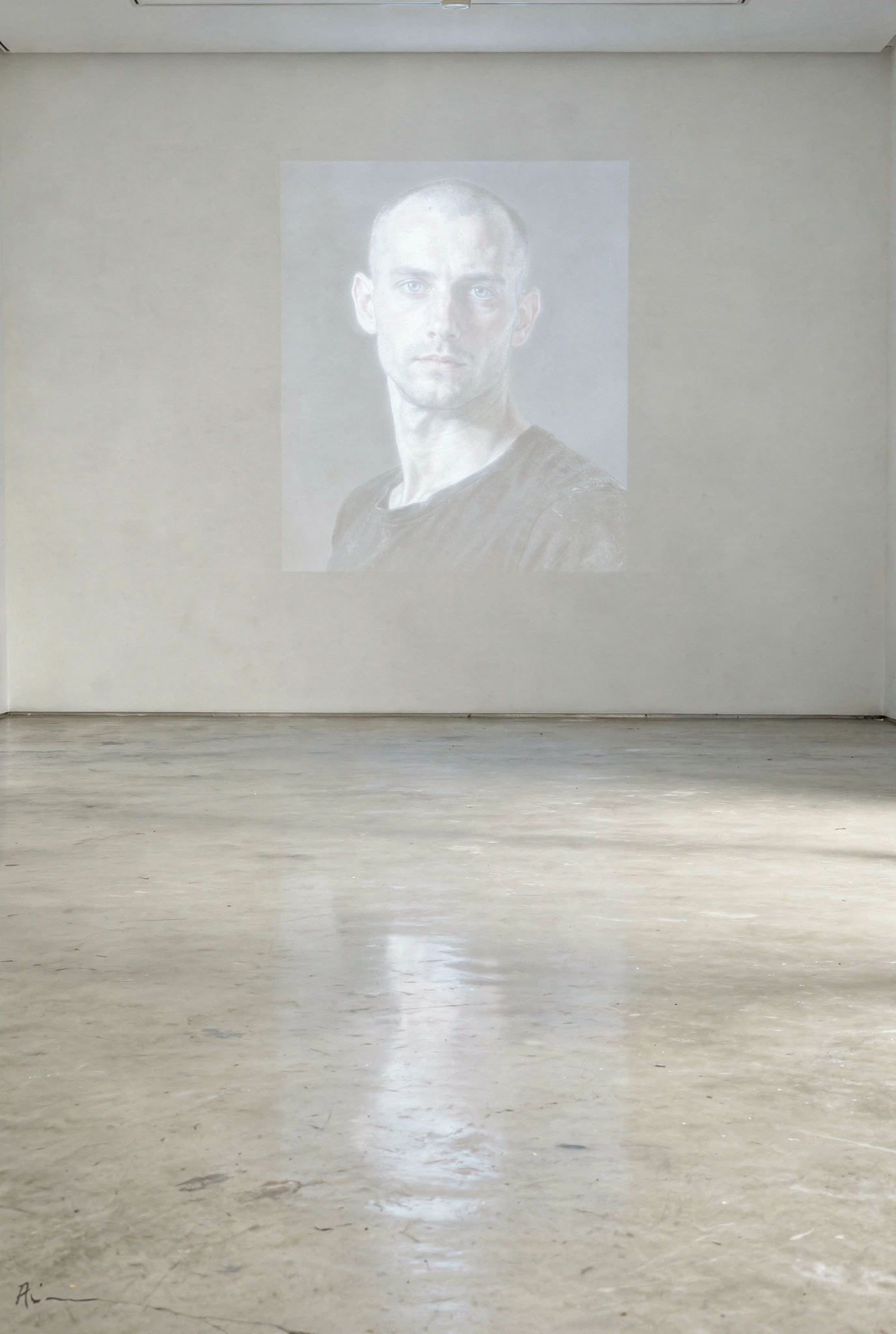
Ghosts presents a sequence of synthographic images in which figures, fragments, rooms and objects appear to have arrived from somewhere else. A statue is half-covered in conservation cloth; a portrait hangs like evidence; an empty room holds the trace of a vanished image; archive boards, plinths, projections, damaged surfaces and invented photographs accumulate into a pale archaeology of looking. These are not ghosts in the supernatural sense. They do not rattle chains or step through walls. They are quieter than that: residues of older image-worlds, returning through a new one.
The project began with a simple question about generative image-making. How does an image model know what a sculpture looks like, or a studio portrait, or an old photograph, or a museum display? It does not know these things as a person knows them. It has not walked through a gallery, touched plaster, handled a print, or watched light fall across a room. It has learned from training data: from vast accumulations of pictures and captions, from the habits of photography, painting, sculpture, printmaking, design, documentation and display. What appears in a new synthetic image is therefore never entirely new. It is a probability shaped by previous appearances, a form called up from other forms, a ghost drawn from millions of others.
In Ghosts, the synthetic image becomes a place where older media continue to move. Photography lends plausibility; sculpture lends weight; painting lends surface; the museum lends authority; the archive lends doubt. Each image seems to belong to a familiar visual language, yet none settles fully into one. A painting is also a photograph. A room is also a memory. A projection is also an absence. The works are fabricated, but their strangeness comes from how convincingly they inherit the signs of older media: the touch of the hand, the authority of the camera, the pressure of the press, the theatre of the gallery wall, the weight of the plinth and the glow of the screen. Ghosts is not an attempt to exorcise these histories. It lets them remain visible, drifting through the project as evidence that new media do not enter the world empty-handed. They arrive carrying furniture from older rooms.
Gallery
"All art is technology." — David Hockney