


Logomania: the language of repetition
Logomania describes an appetite for visible branding: the logo enlarged, repeated and allowed to become decoration in its own right. In fashion, the term is closely associated with monograms and house marks distributed across clothes, bags, luggage and accessories until identity becomes pattern. Its history reaches further back than the modern luxury industry. Monograms have long marked ownership on textiles, stationery, silverware and personal possessions, while twentieth-century fashion houses transformed initials and symbols into instantly recognisable visual systems. Louis Vuitton's interlaced LV Monogram dates to 1896; Gucci's GG became an established house motif during the 1950s and 1960s; Karl Lagerfeld created Fendi's FF, or "Fun Fur", in 1965; and Marc Bohan conceived Dior Oblique in 1967. These identities continue to be reworked today, demonstrating how a small graphic device can migrate from label to surface and become part of the material language of luxury.
By 1982, when Dapper Dan opened his Harlem boutique, those European house codes were already firmly established. His custom garments appropriated, enlarged and remixed the symbols of Gucci, Louis Vuitton, Fendi and others, relocating them within the emerging visual language of hip-hop and showing that the branded surface could also be culturally re-authored. The word itself contains an accidental second meaning that makes it particularly useful here. Before its association with fashion, logomania referred to excessive or uncontrollable talkativeness. The contemporary logo, meanwhile, is also a form of speech: it names, identifies, announces and repeats. A monogram used once may operate as a discreet signature; repeated hundreds of times, it becomes something closer to visual insistence. Recognition turns into rhythm, and the sign begins to behave less like language than pattern.
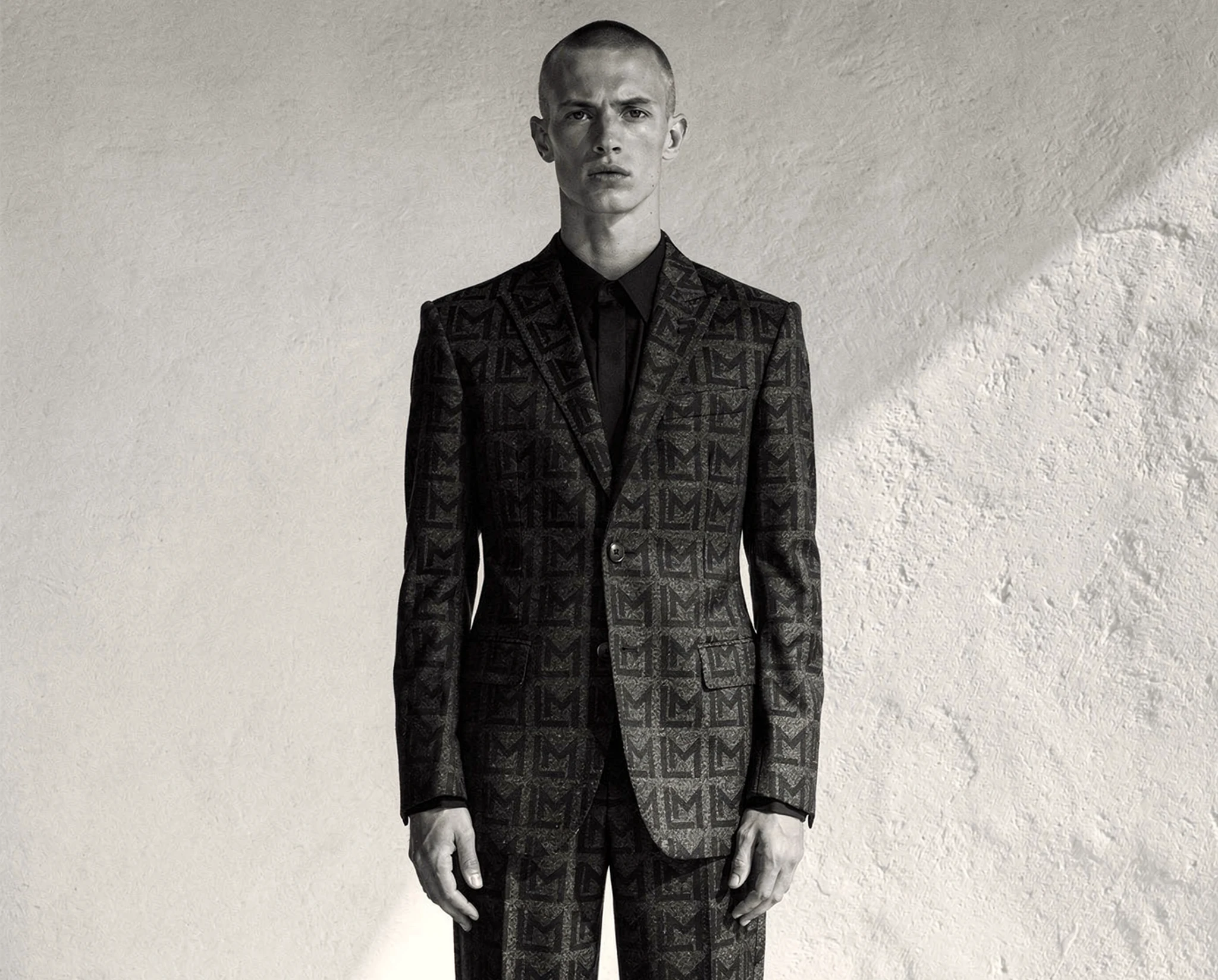
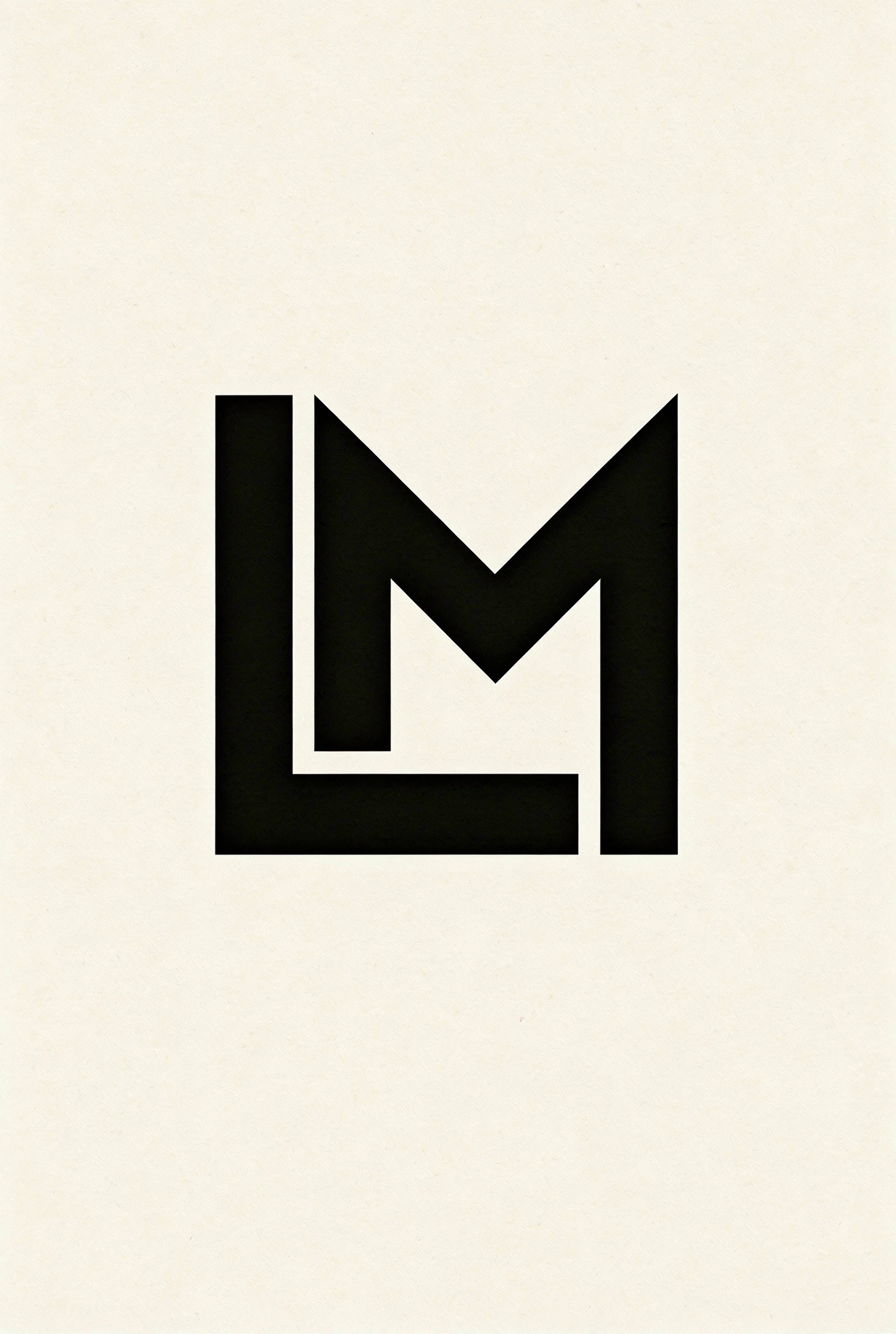
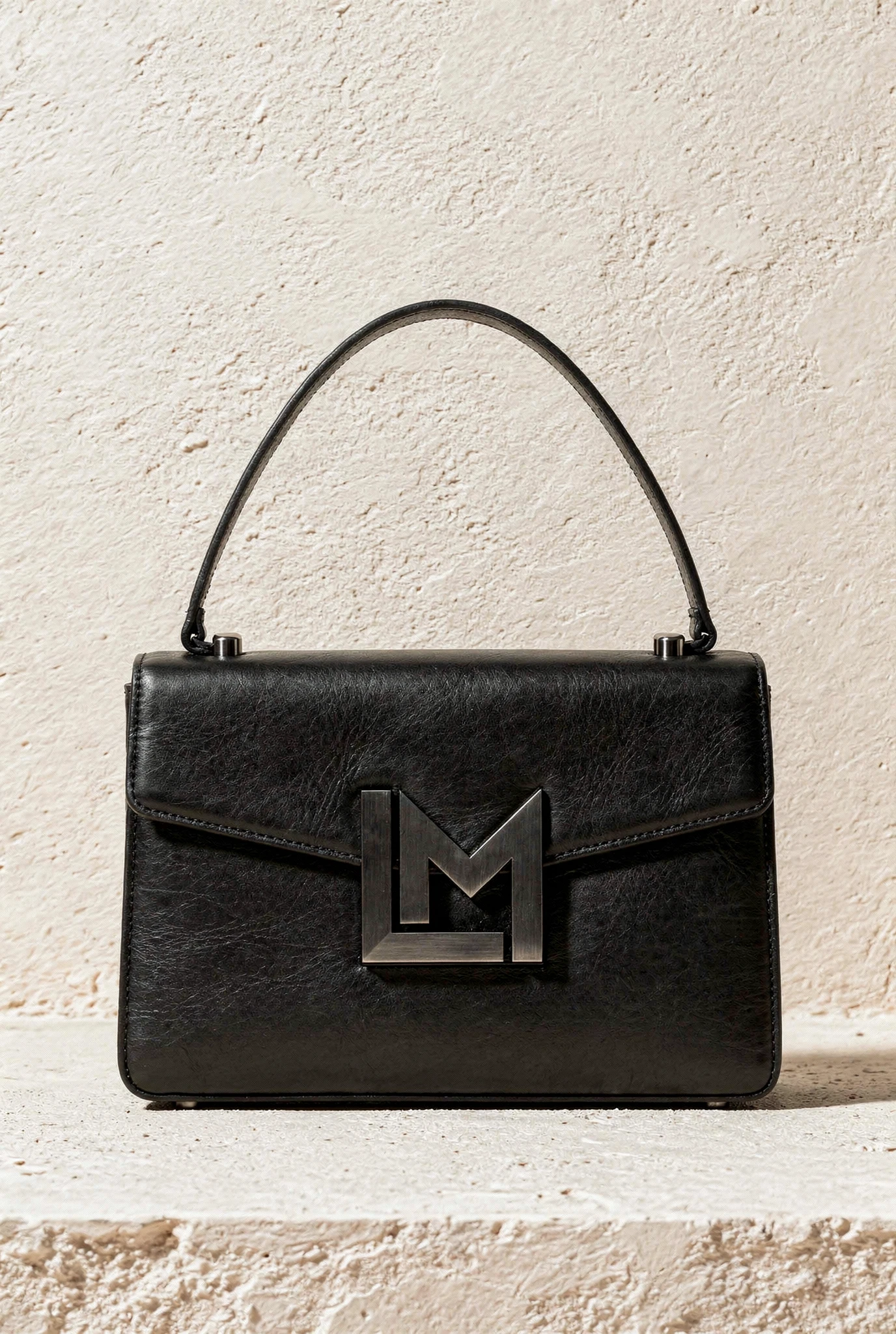
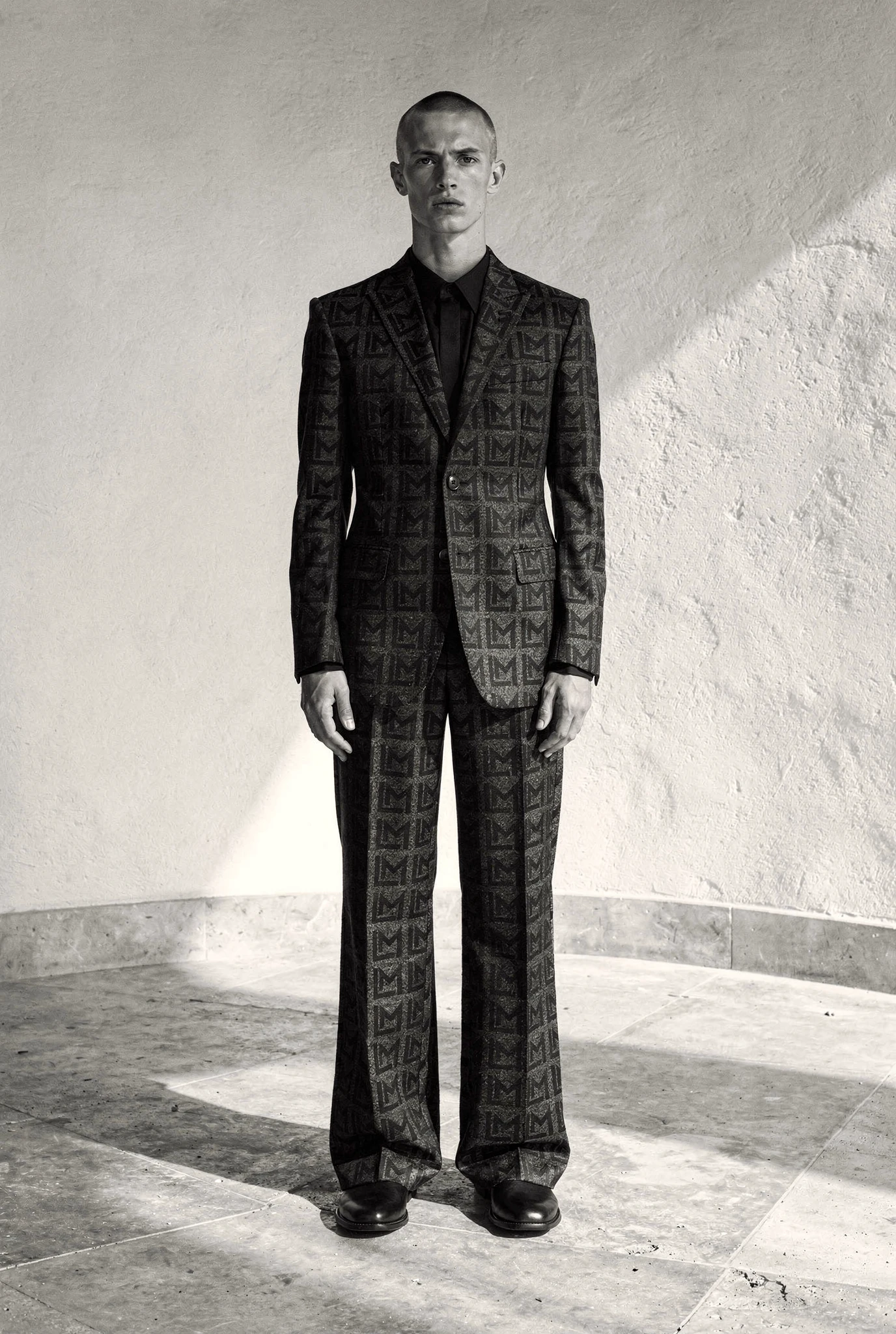
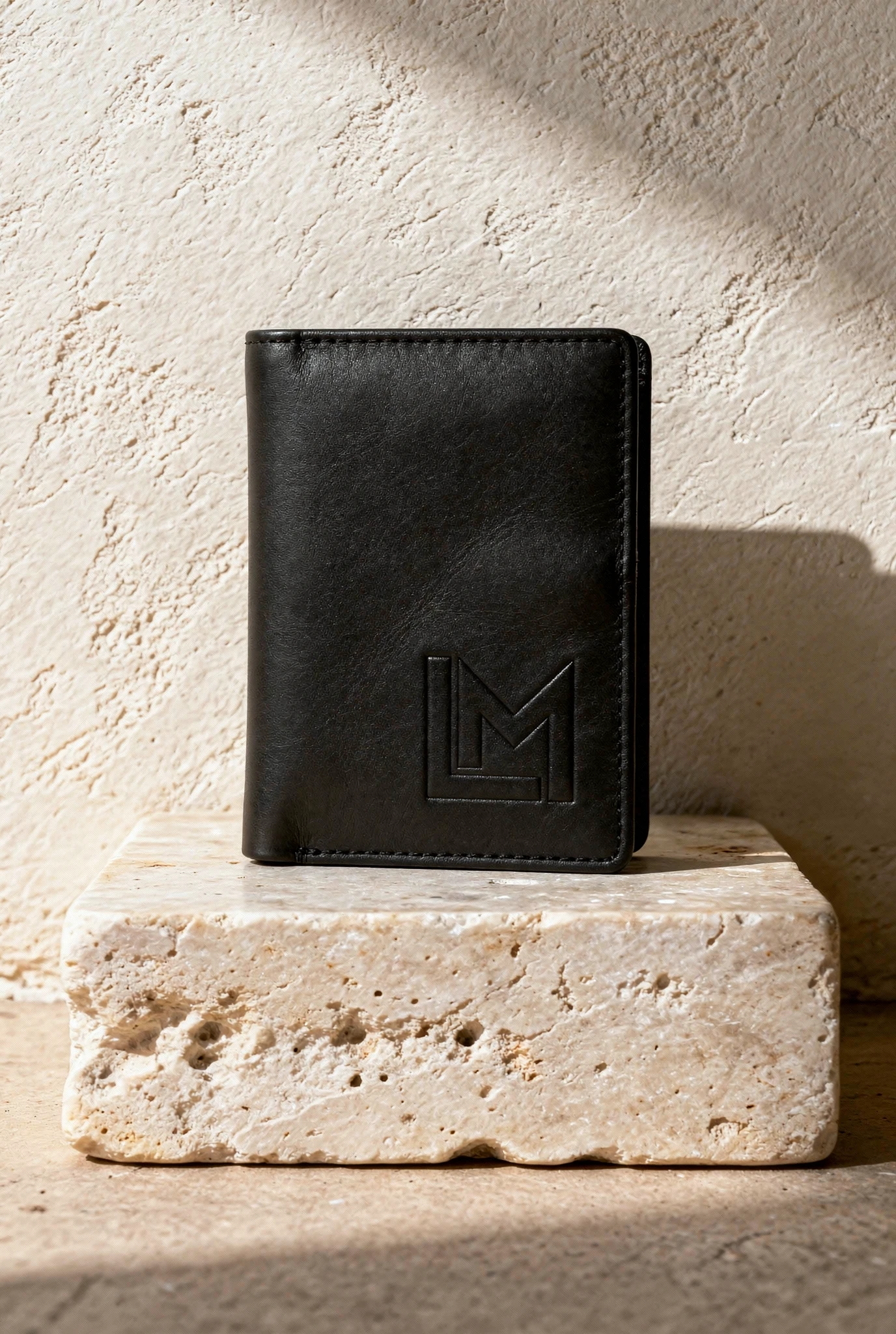
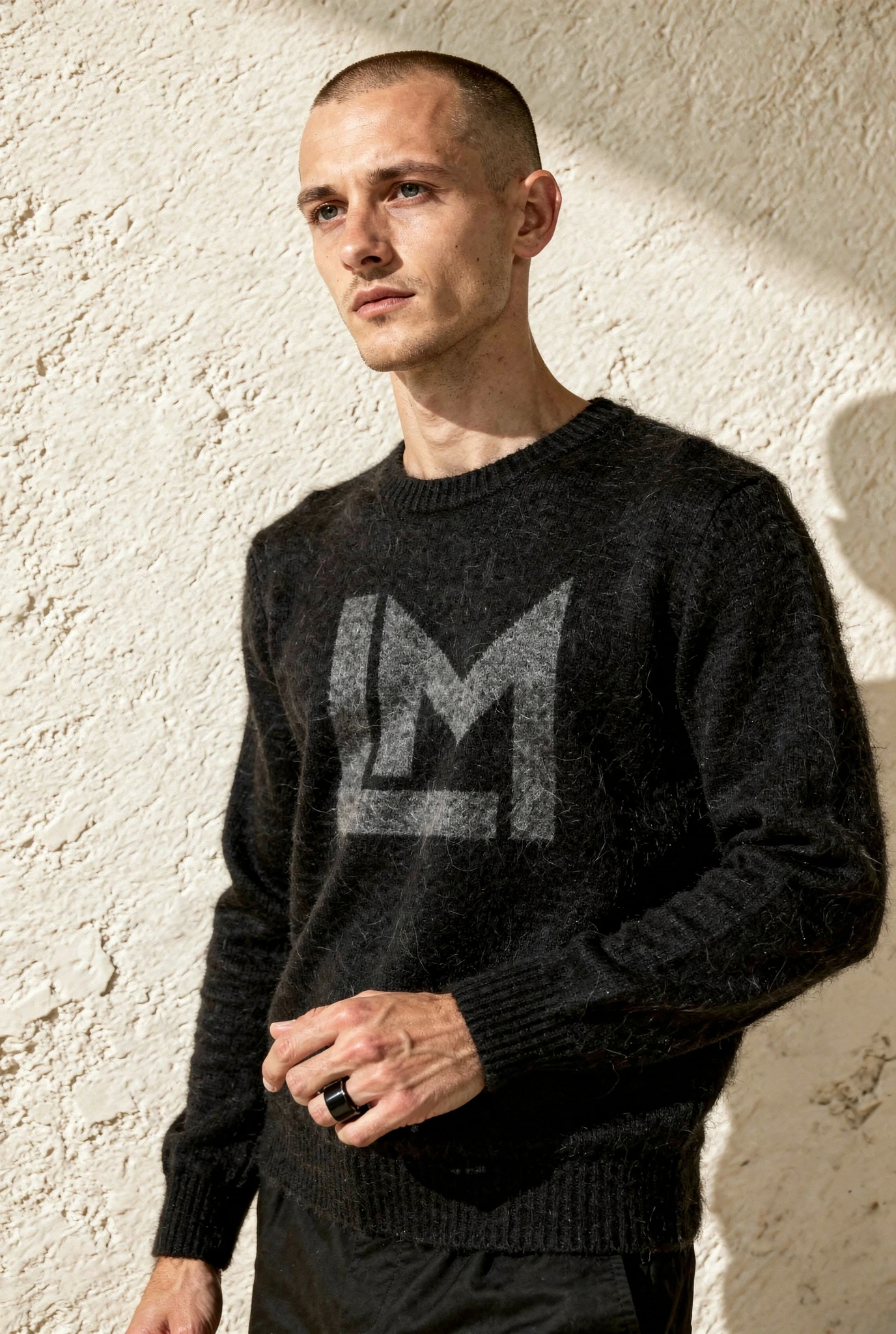
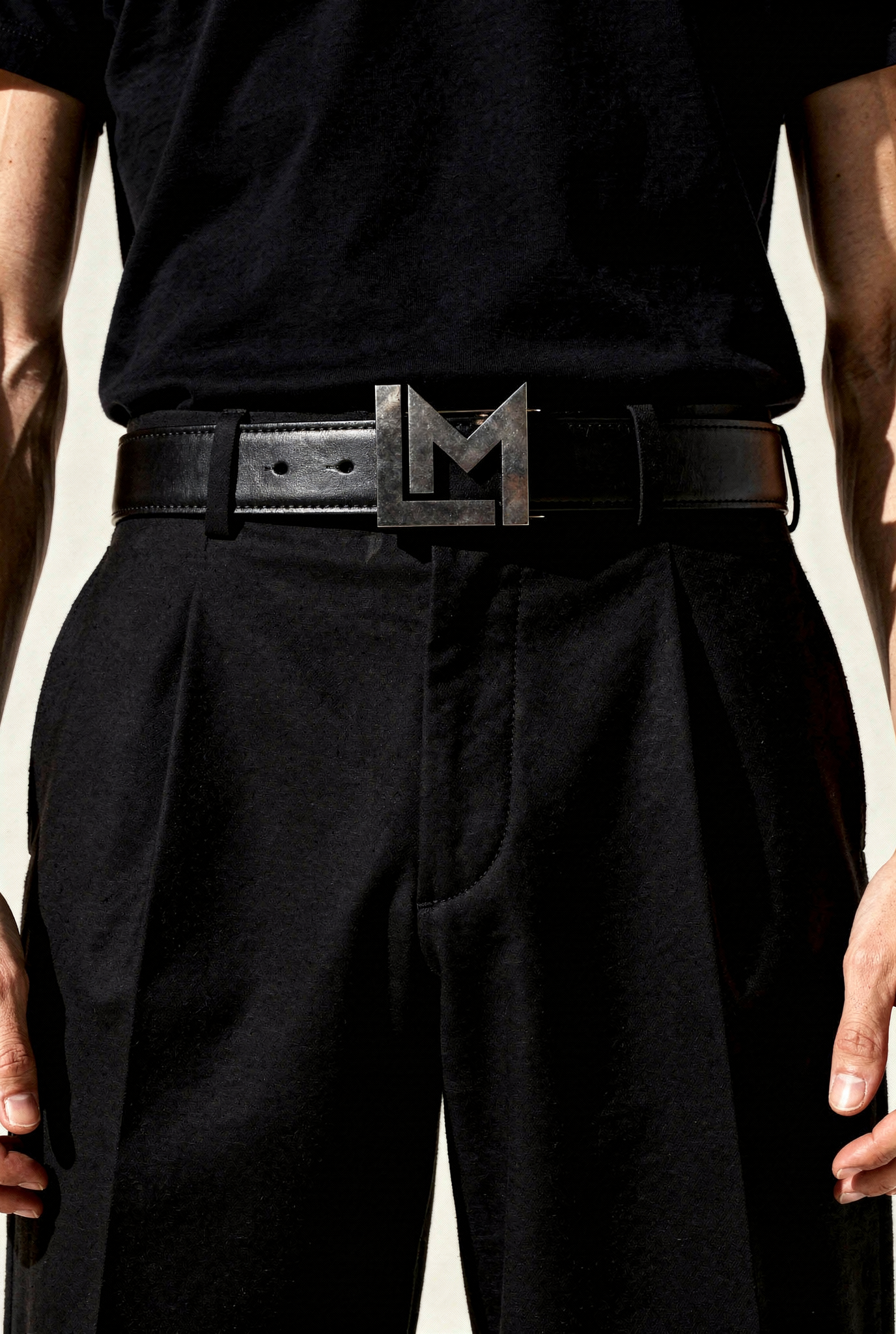
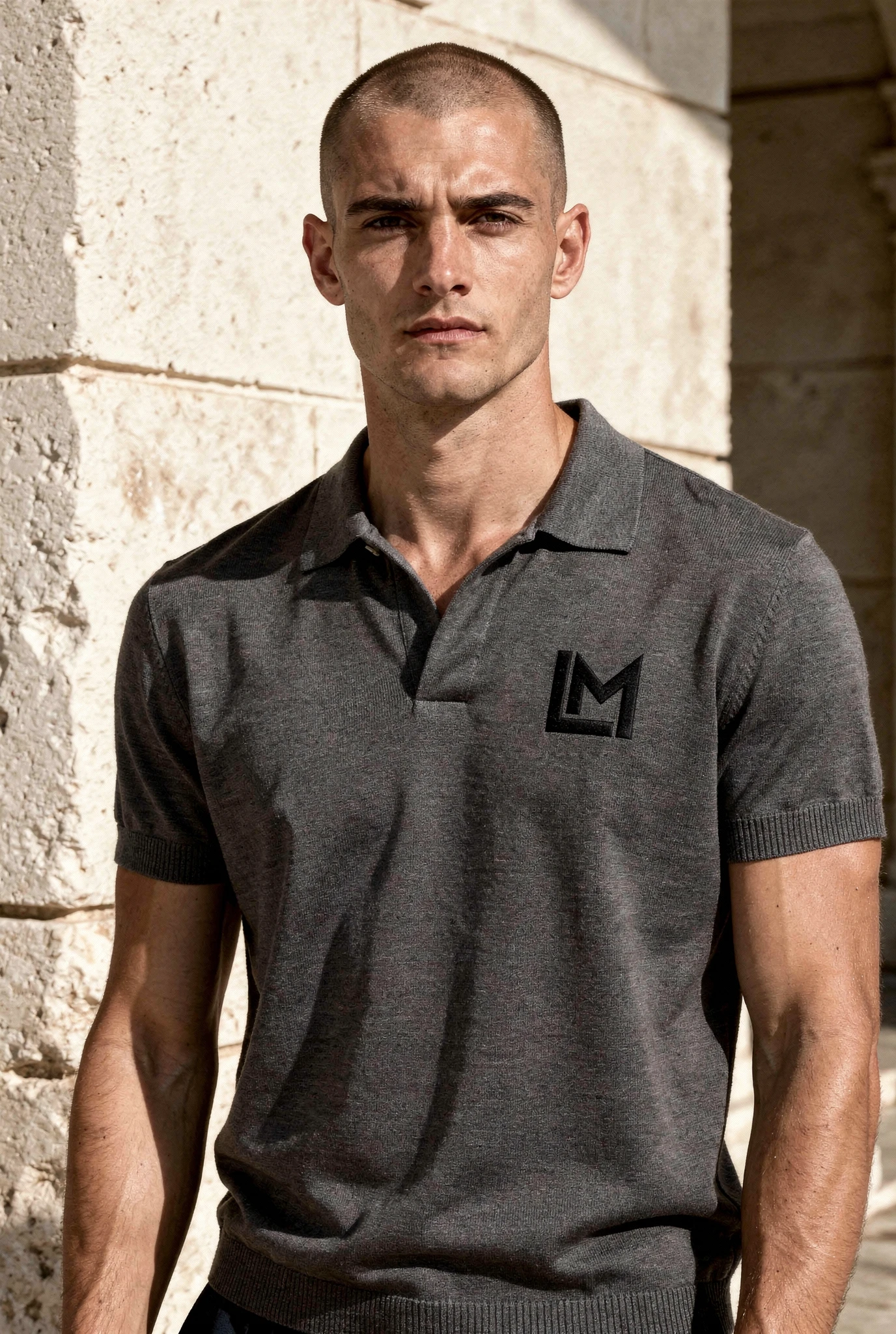
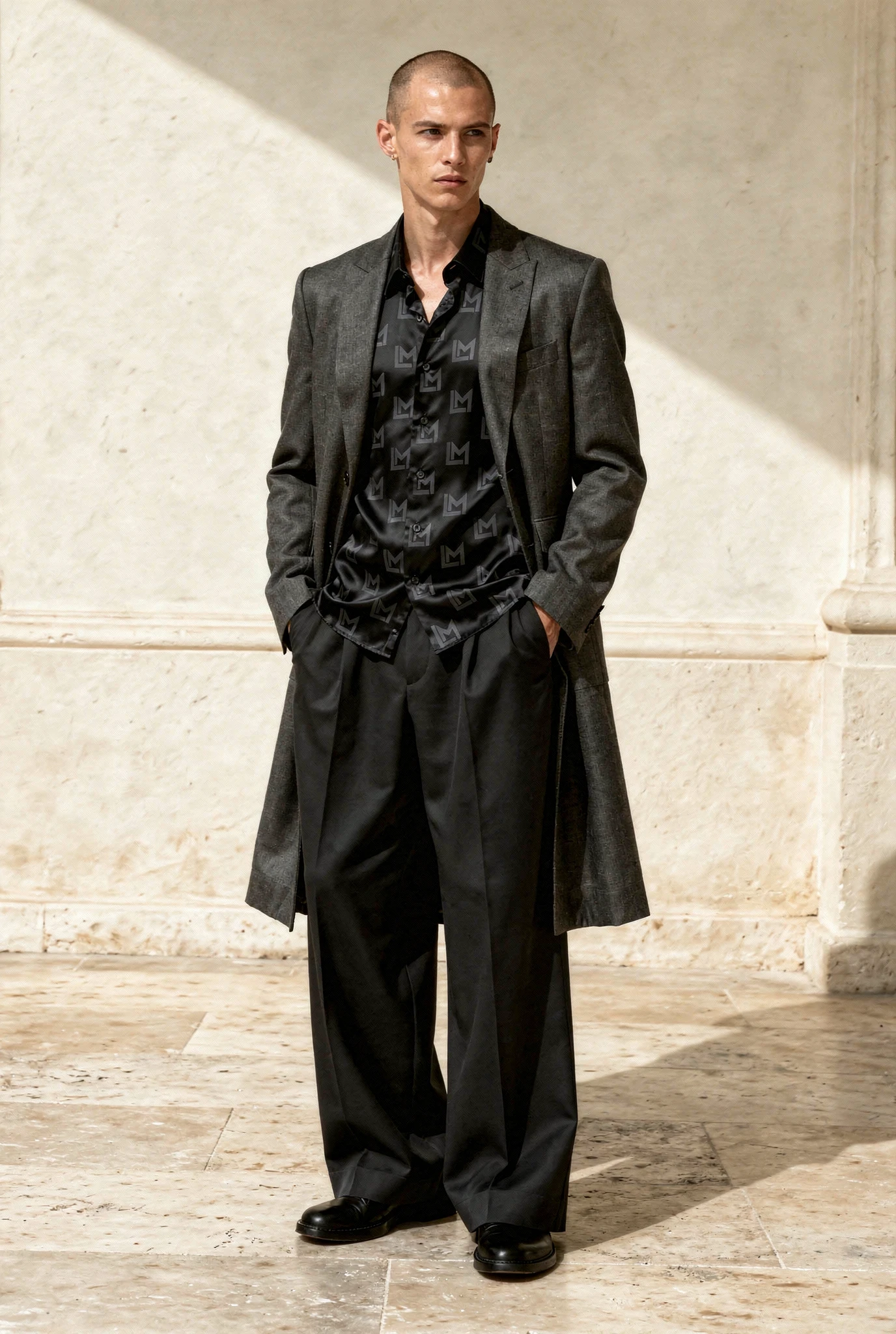
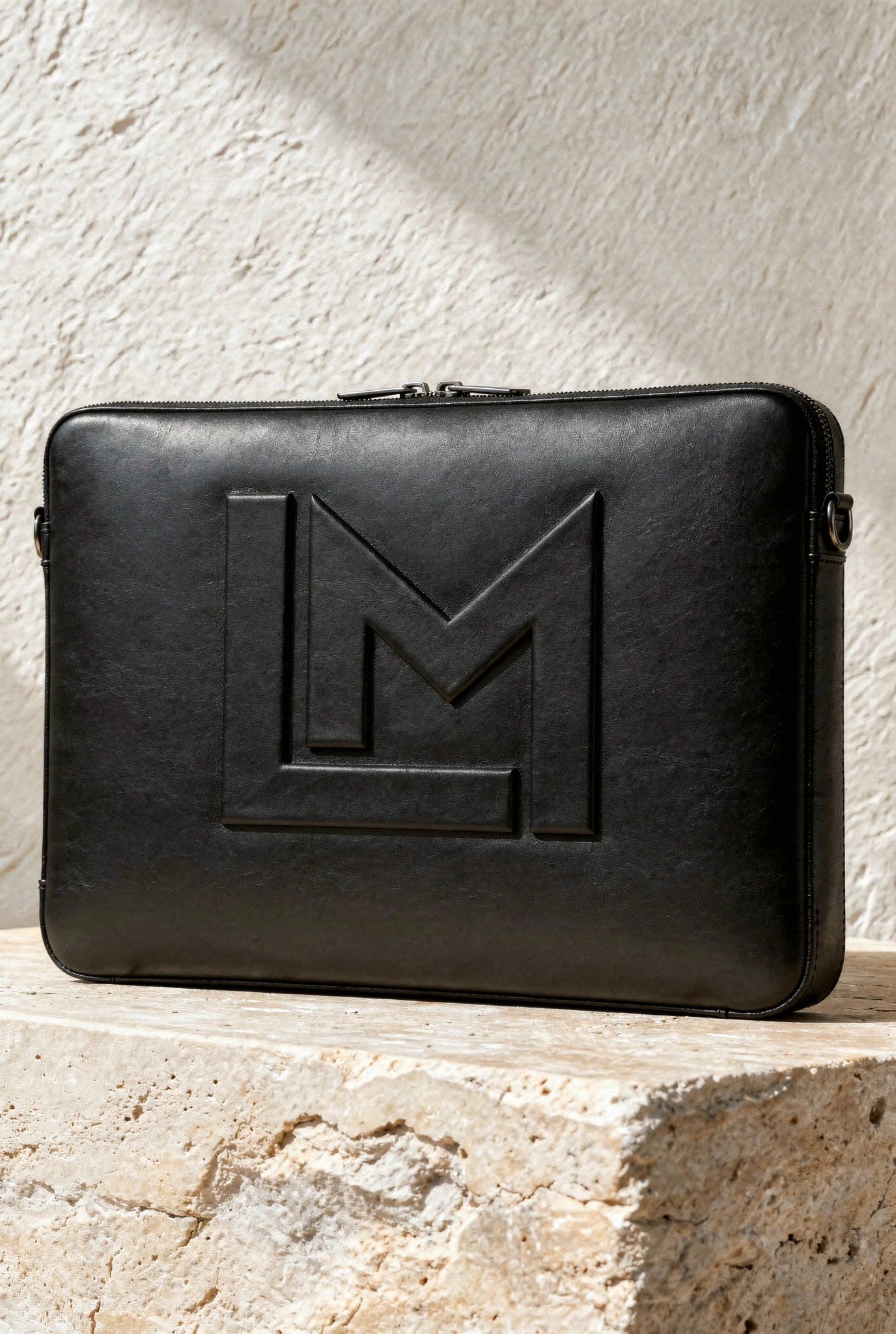
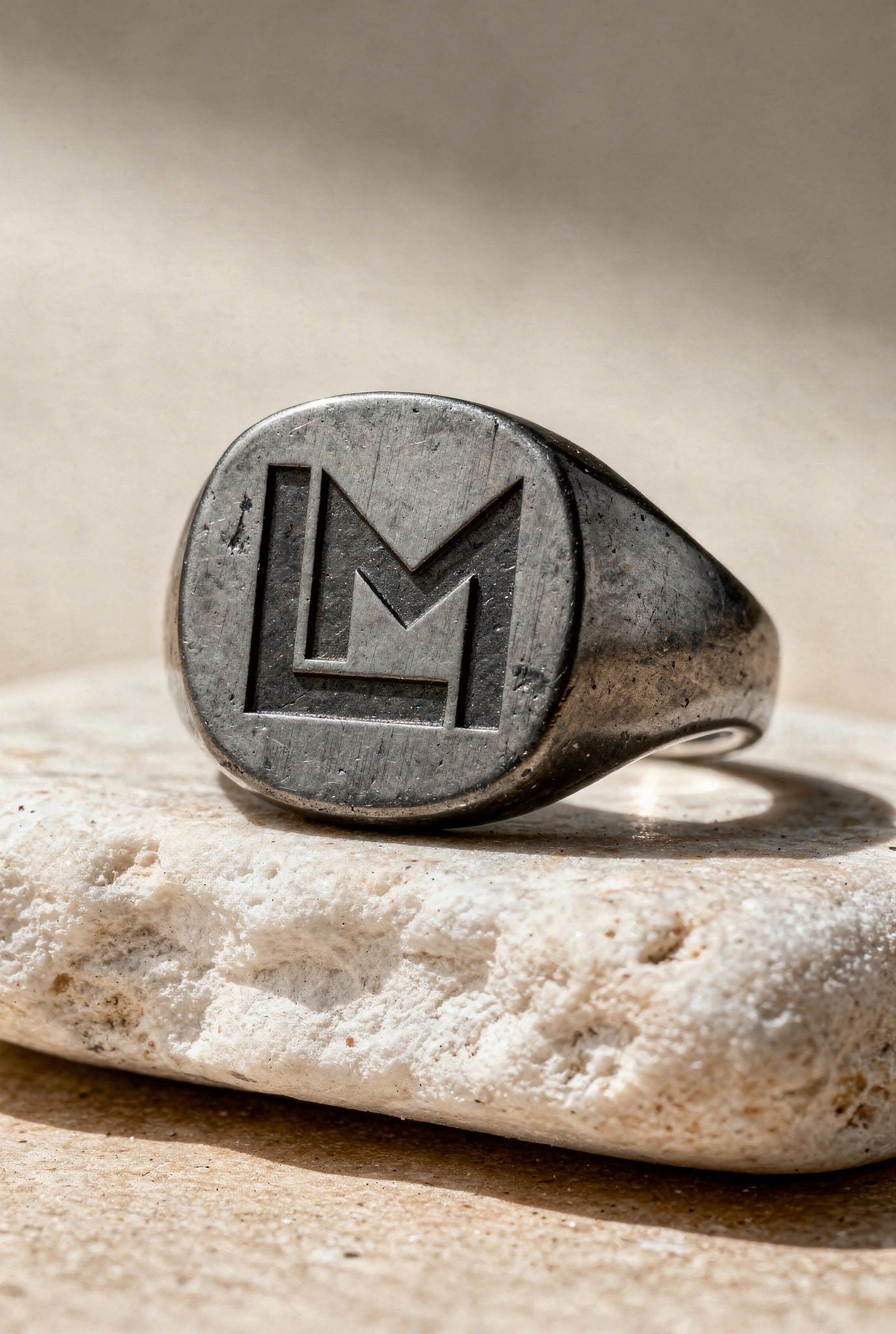
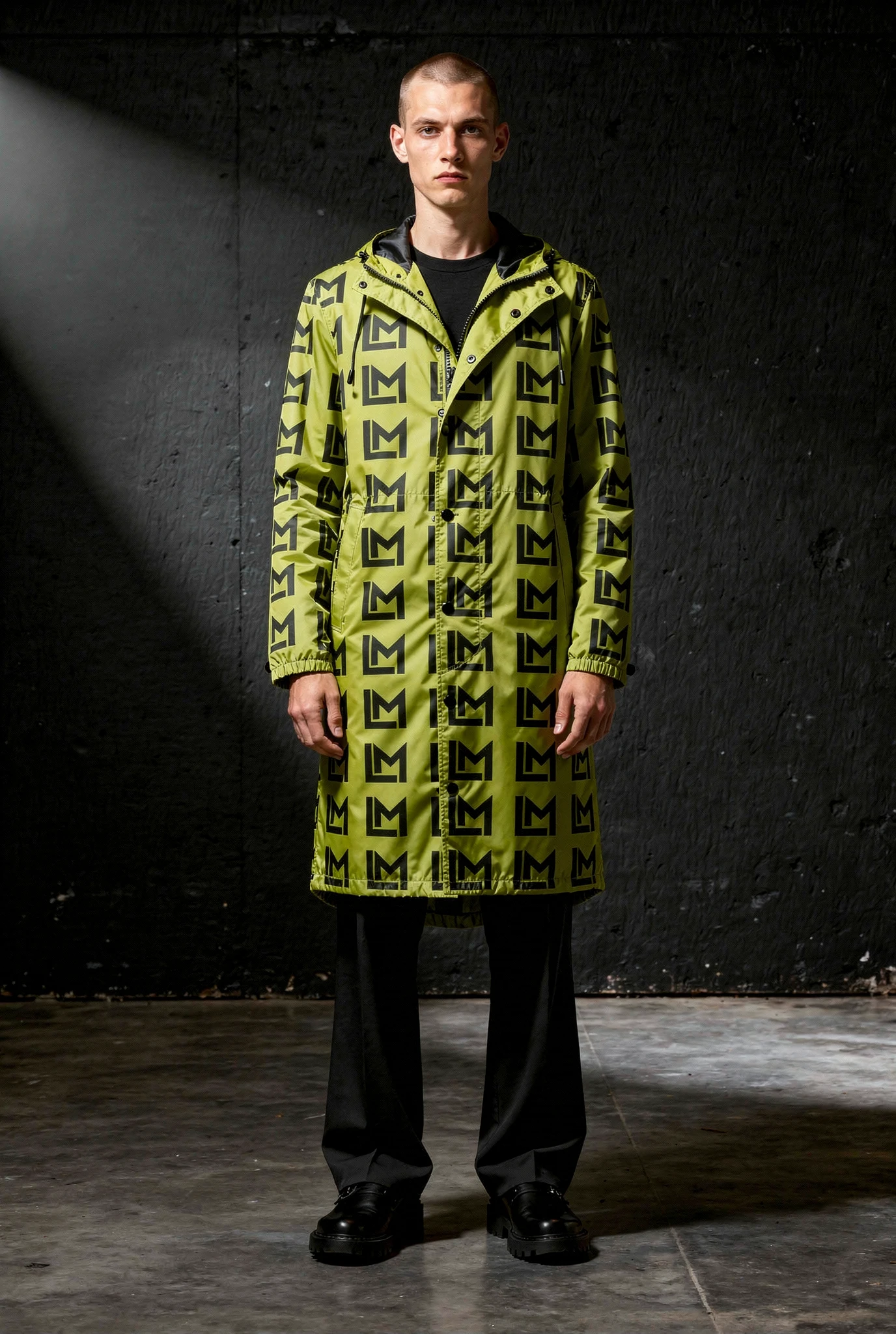
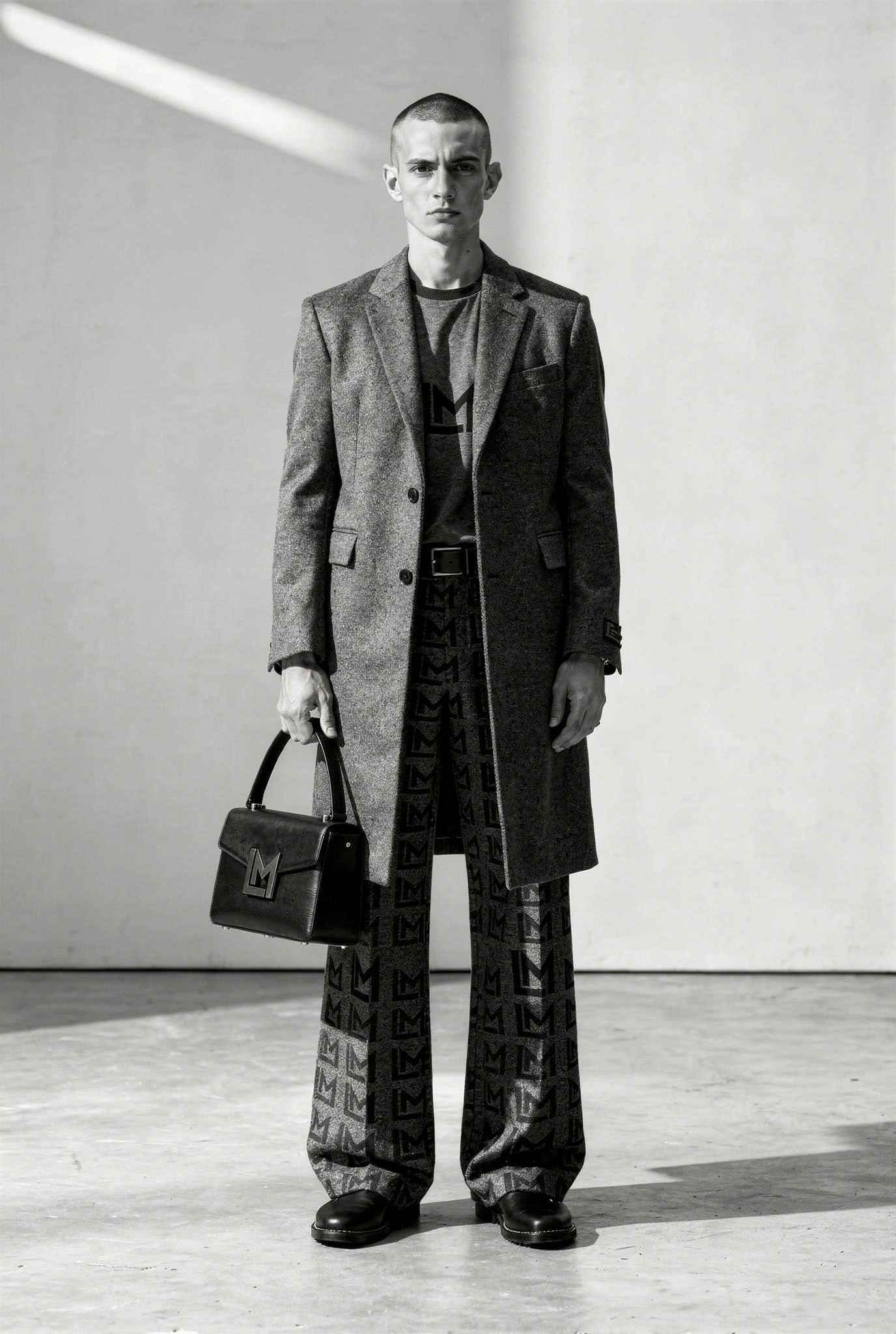
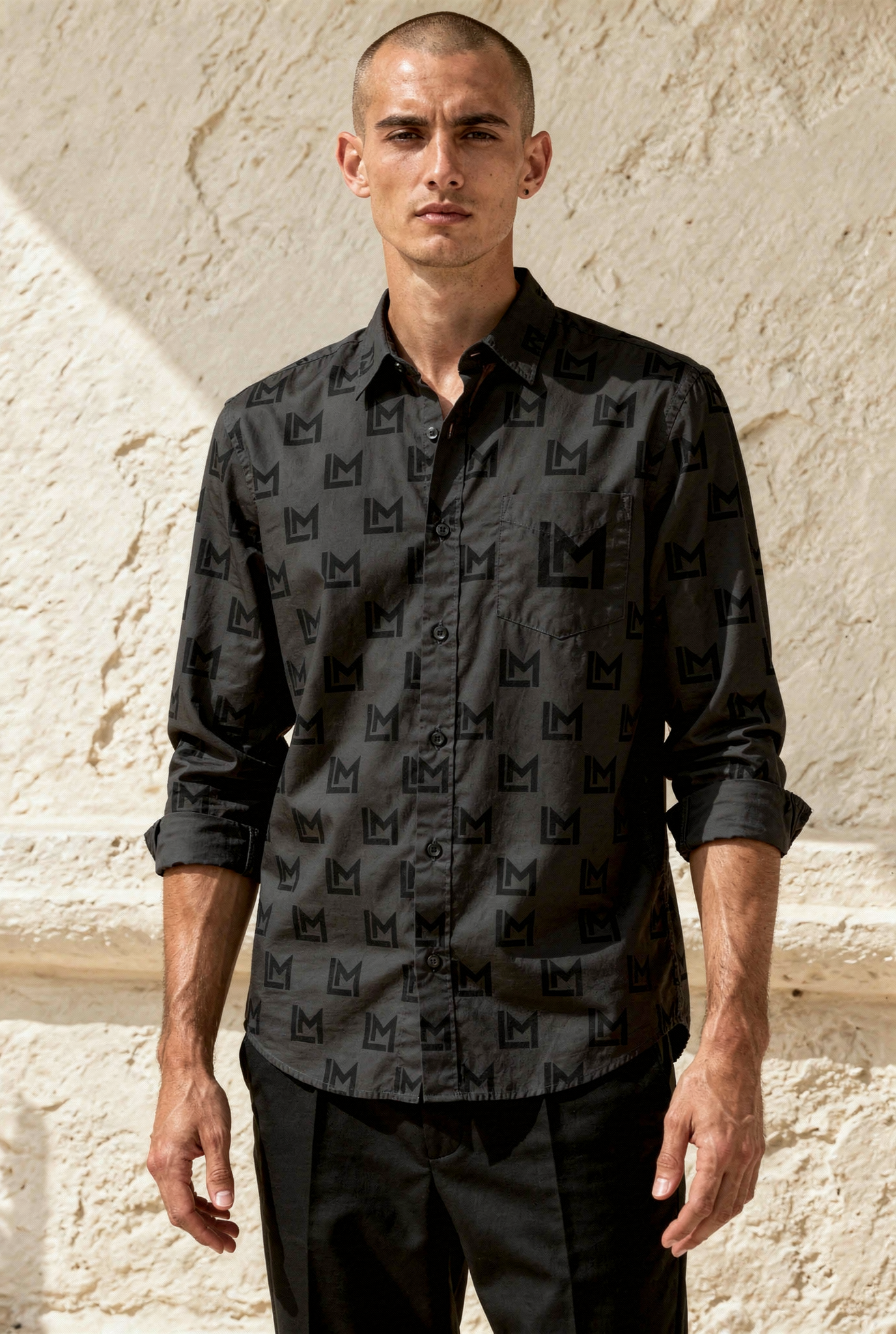
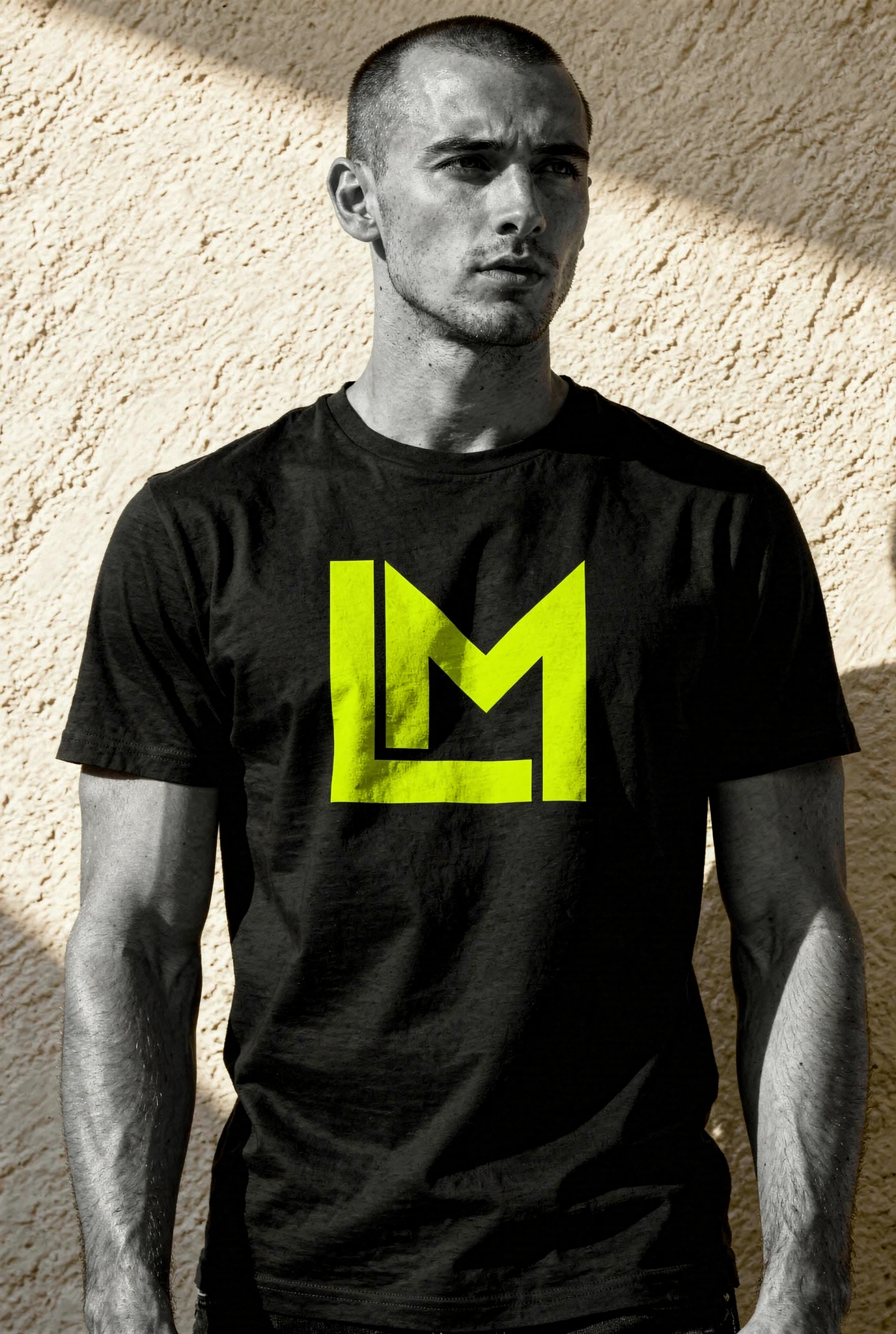
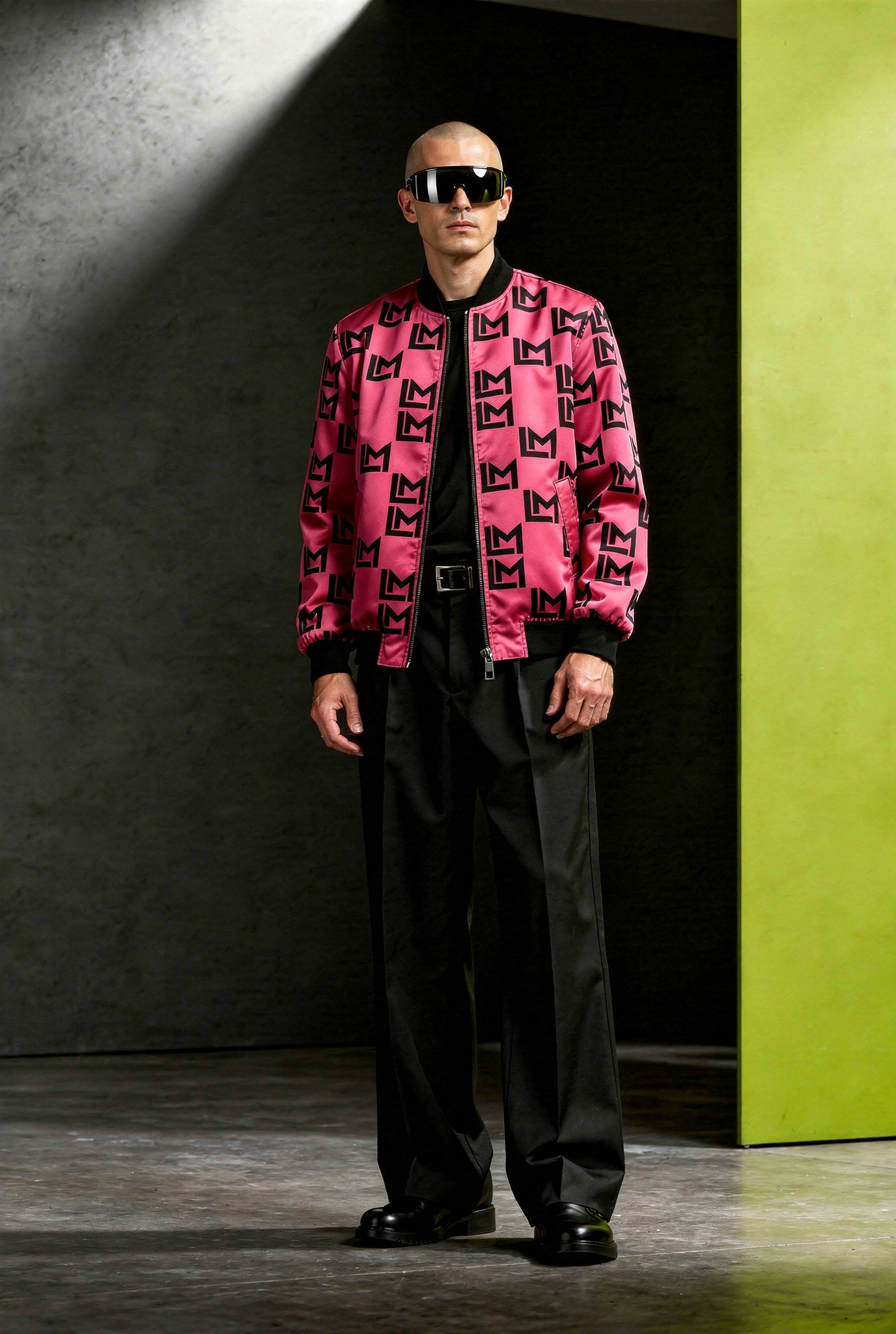
This project begins with an invented LM monogram reduced to an intentionally blunt geometric form. It is not designed to look luxurious by itself; instead, its character emerges through use. The same mark is cast as dark metal, embossed into leather, woven through wool, printed across clothing and incorporated into jewellery and accessories. Sometimes it appears almost privately, as hardware or a small emblem; elsewhere it multiplies until the individual letters begin to dissolve into surface. The contrast between restraint and excess is deliberate. LOGOMANIA is less interested in parodying luxury than in examining how branding creates recognition, desire and belonging, and how quickly repetition can alter the status of a symbol. A mark begins by identifying something. It becomes ornament, then status, then atmosphere — until the same unchanging sign, repeated often enough, starts to resemble obsession.
Gallery



"Logos and branding are so important. In a big part of the world, people cannot read French or English — but are great in remembering signs." — Karl Lagerfeld