Phosphenes: light behind the eyes
Vision is usually understood as a response to the world: light reaches the eye, objects become visible and an image appears. Phosphenes complicate that reassuring sequence. They are perceptions of light produced without external light being the immediate stimulus, sometimes appearing with closed eyes as glows, patches, rings, pulses or less easily named forms. They may be faint and fleeting or unexpectedly vivid, but they arrive without conscious instruction. Nothing has been placed before the eye to be looked at, and yet something is undeniably seen. Against darkness, colour can hover without object or surface, its boundaries softening, intensifying or disappearing before it can be properly examined. At their simplest these events have an accidental kinship with abstract painting: colour becomes presence, stripped of the obligation to describe anything beyond itself.
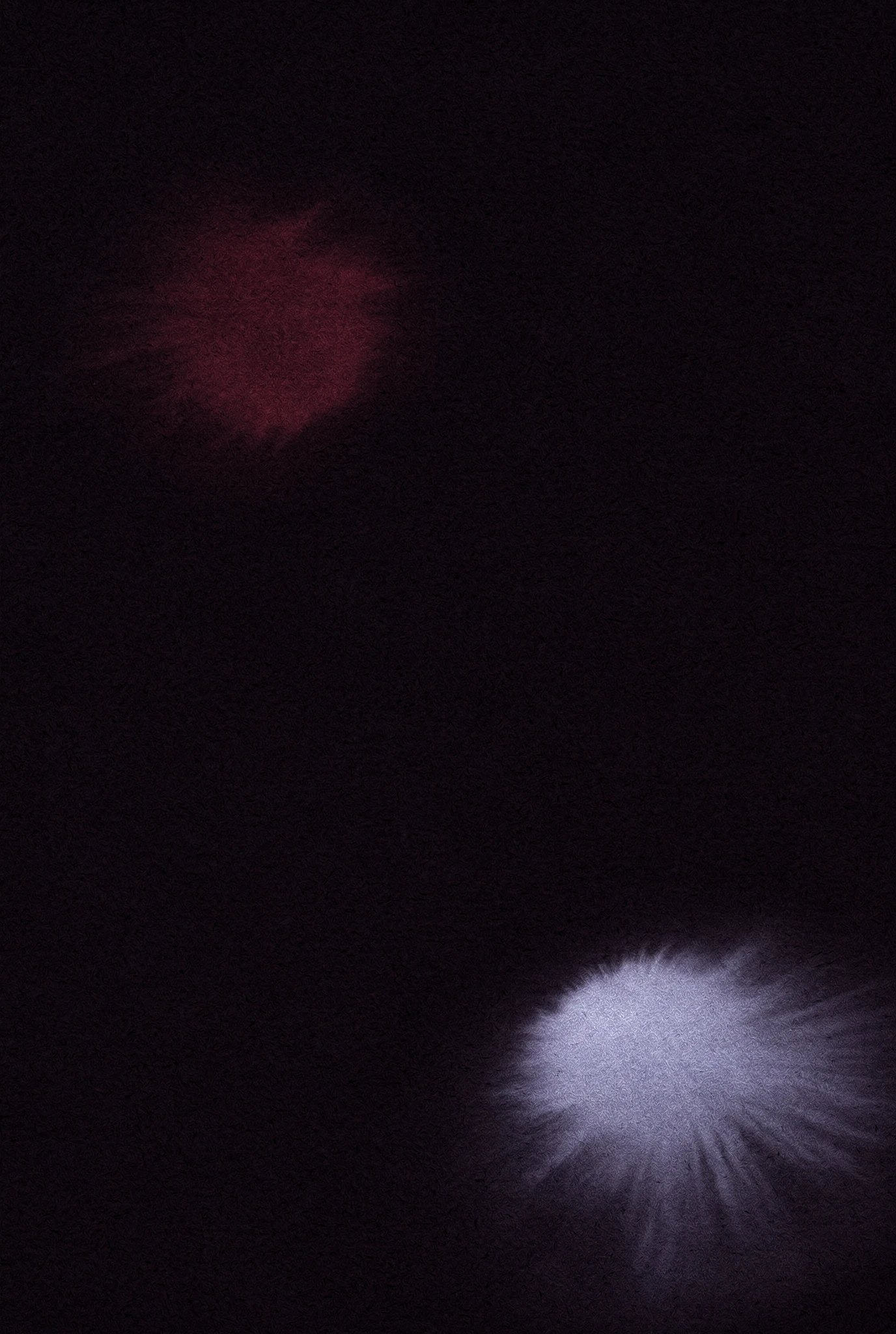
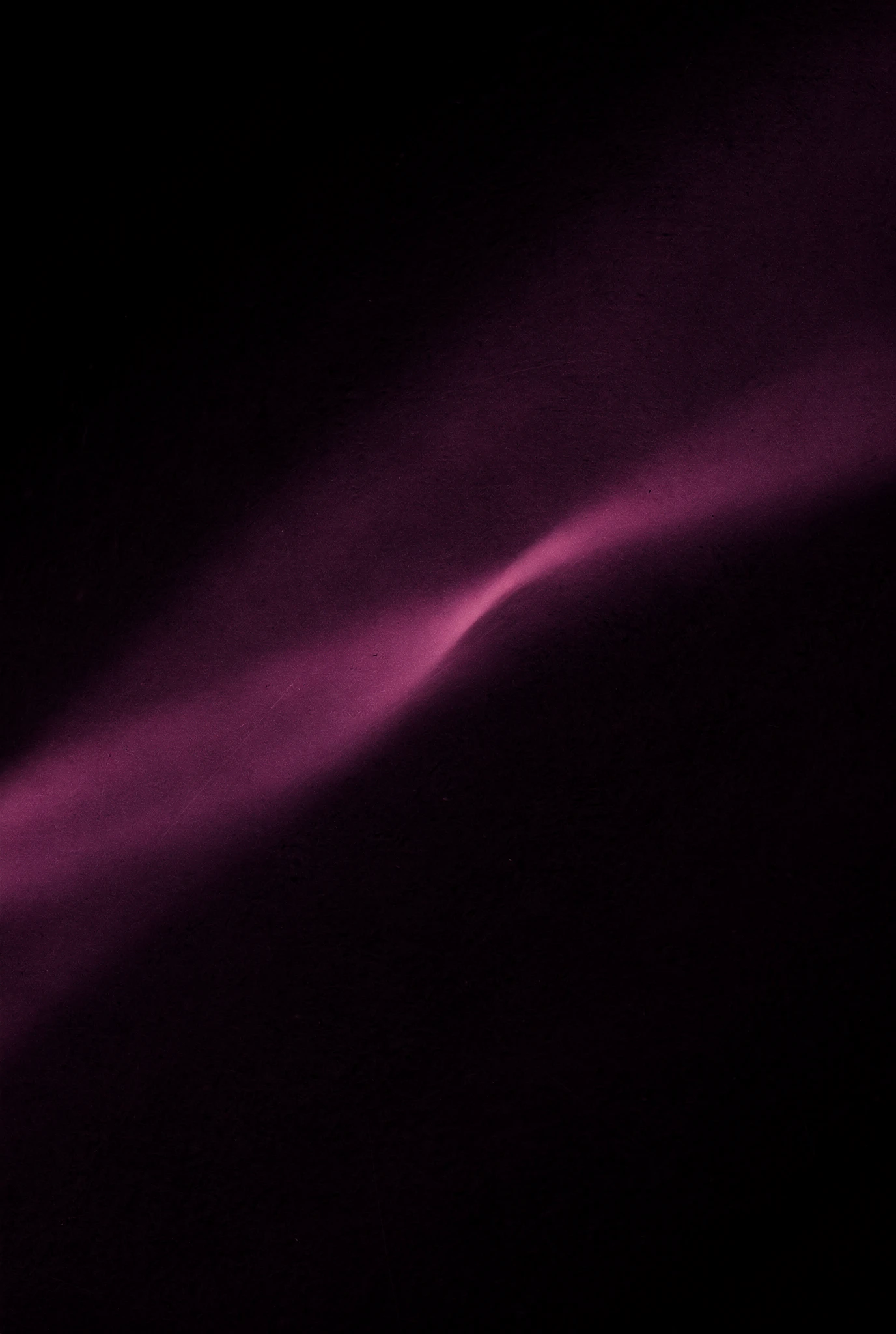
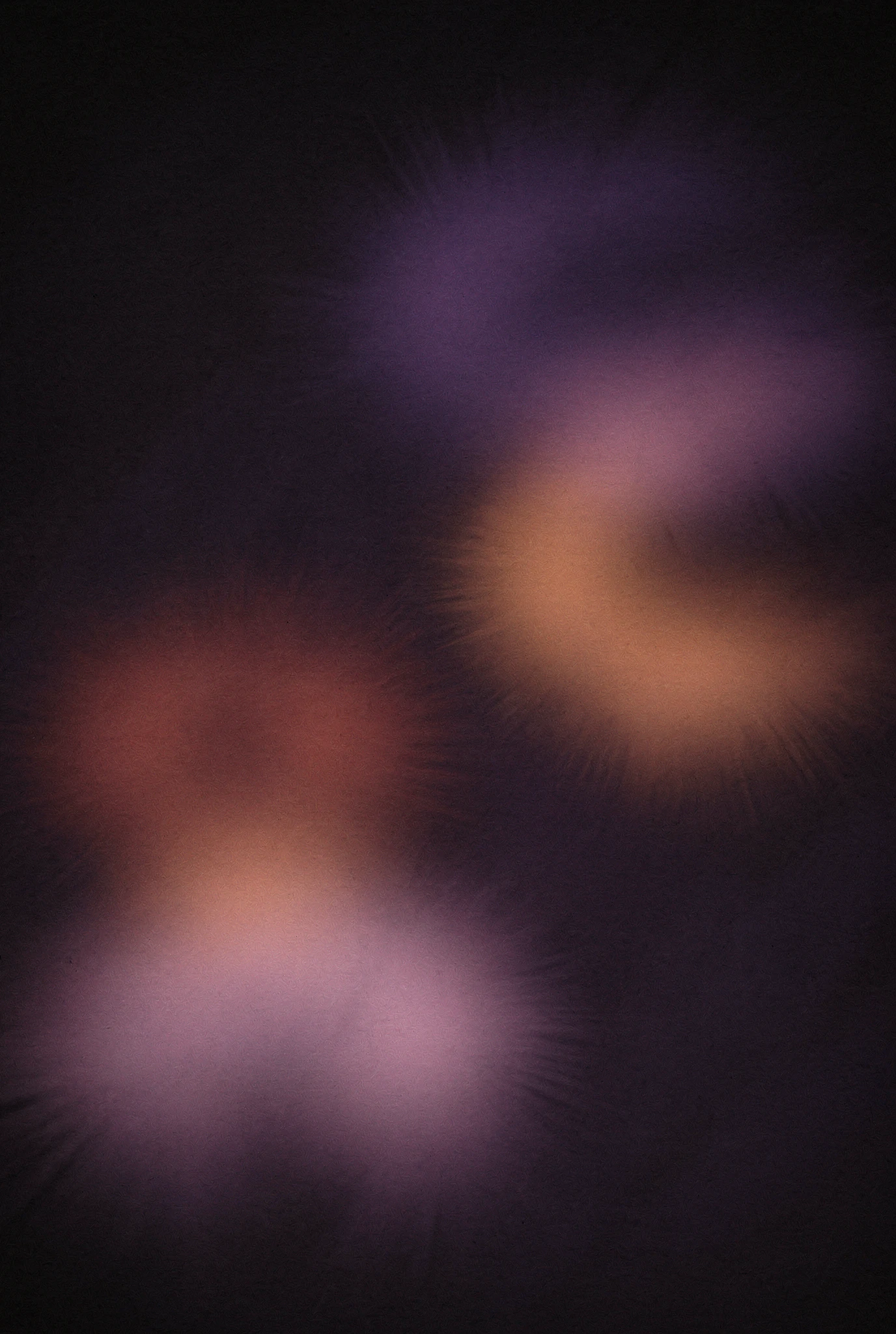
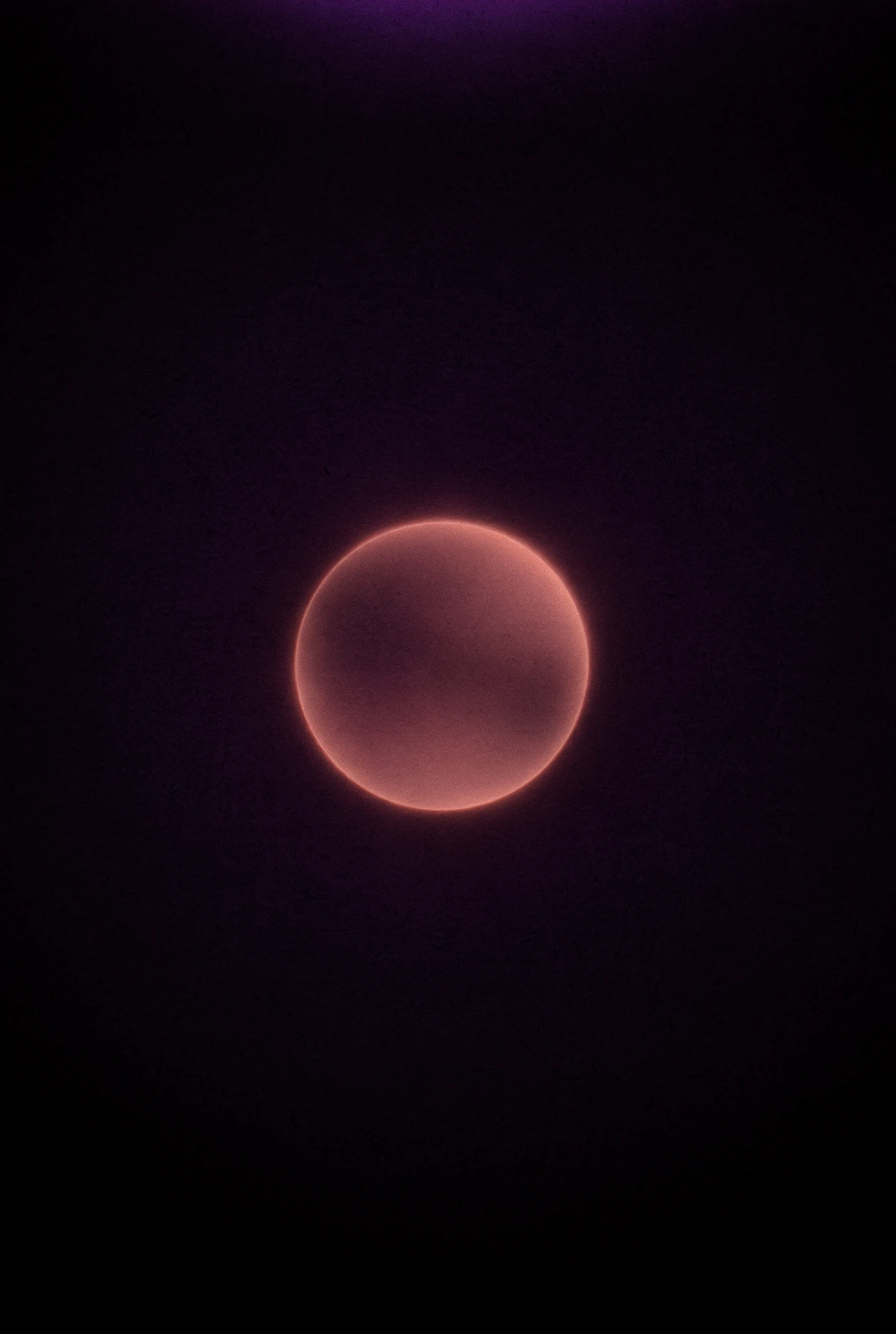
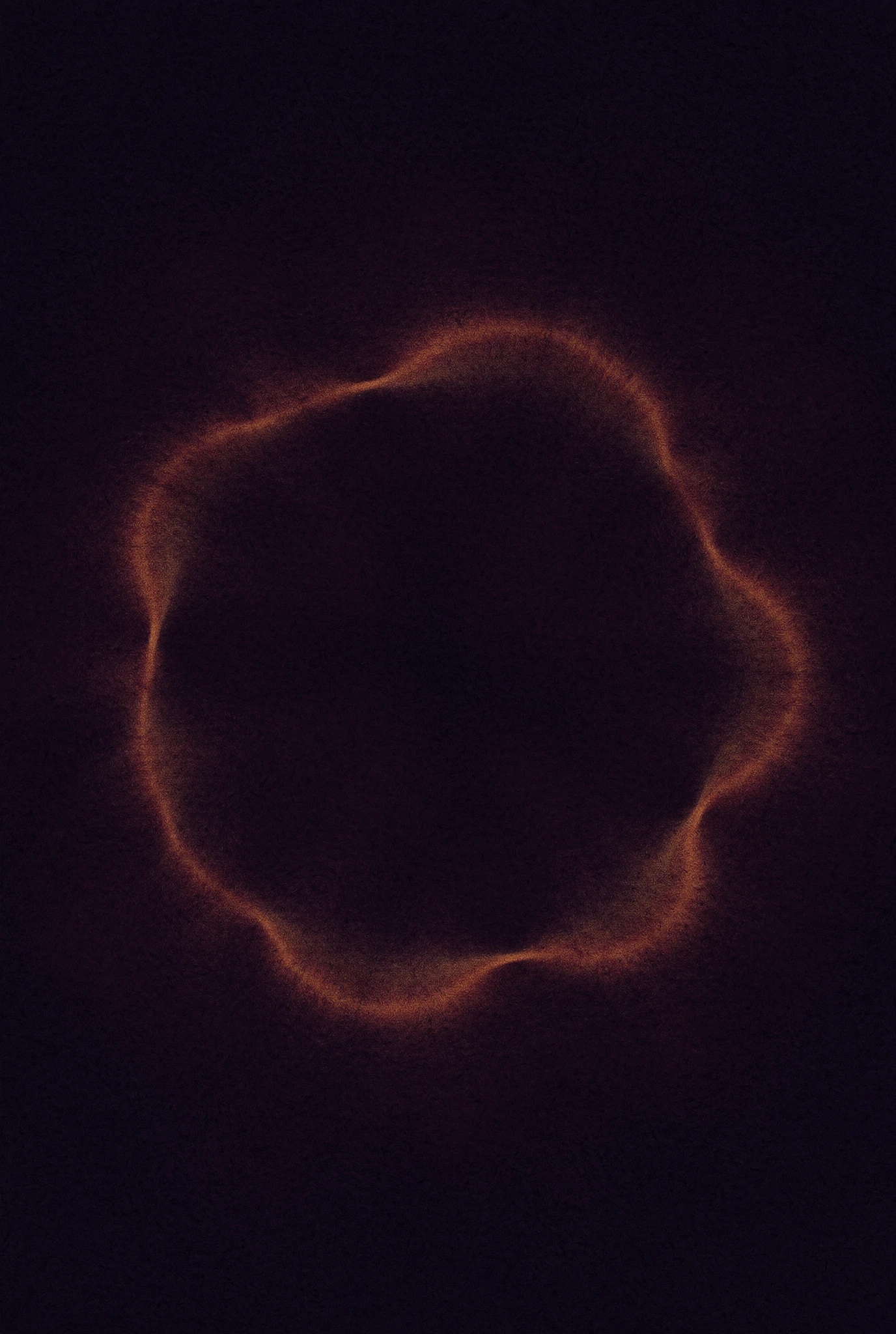
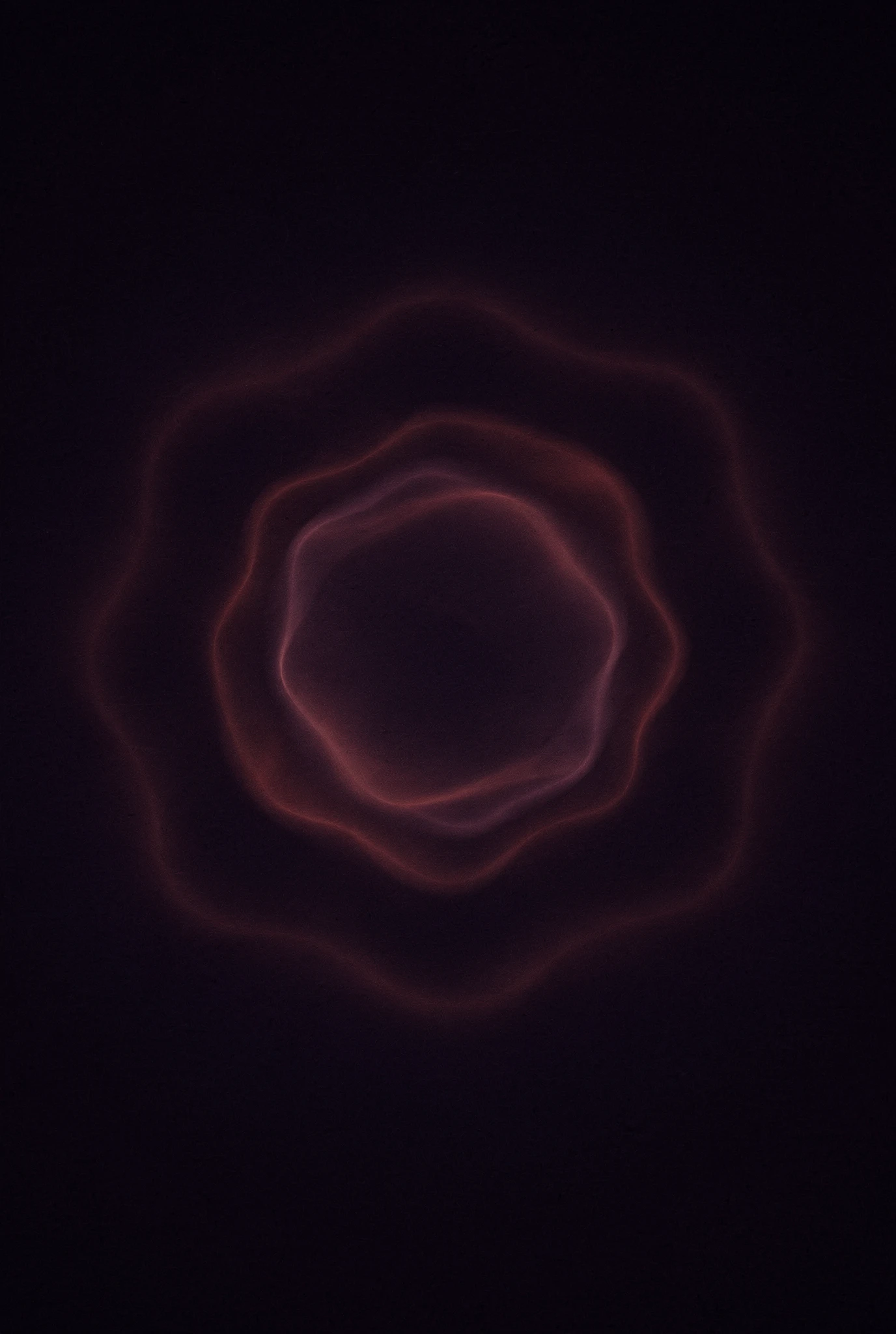
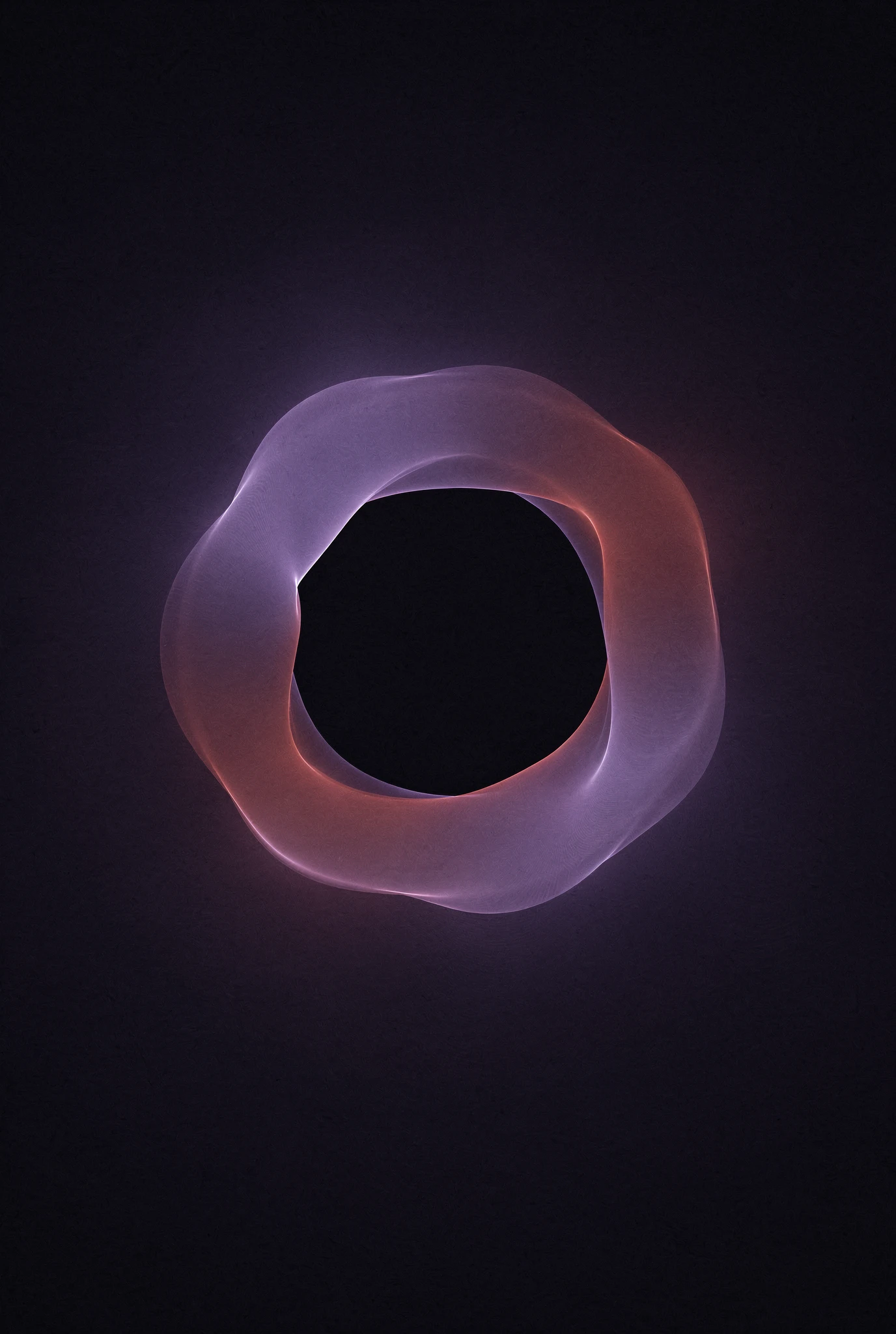
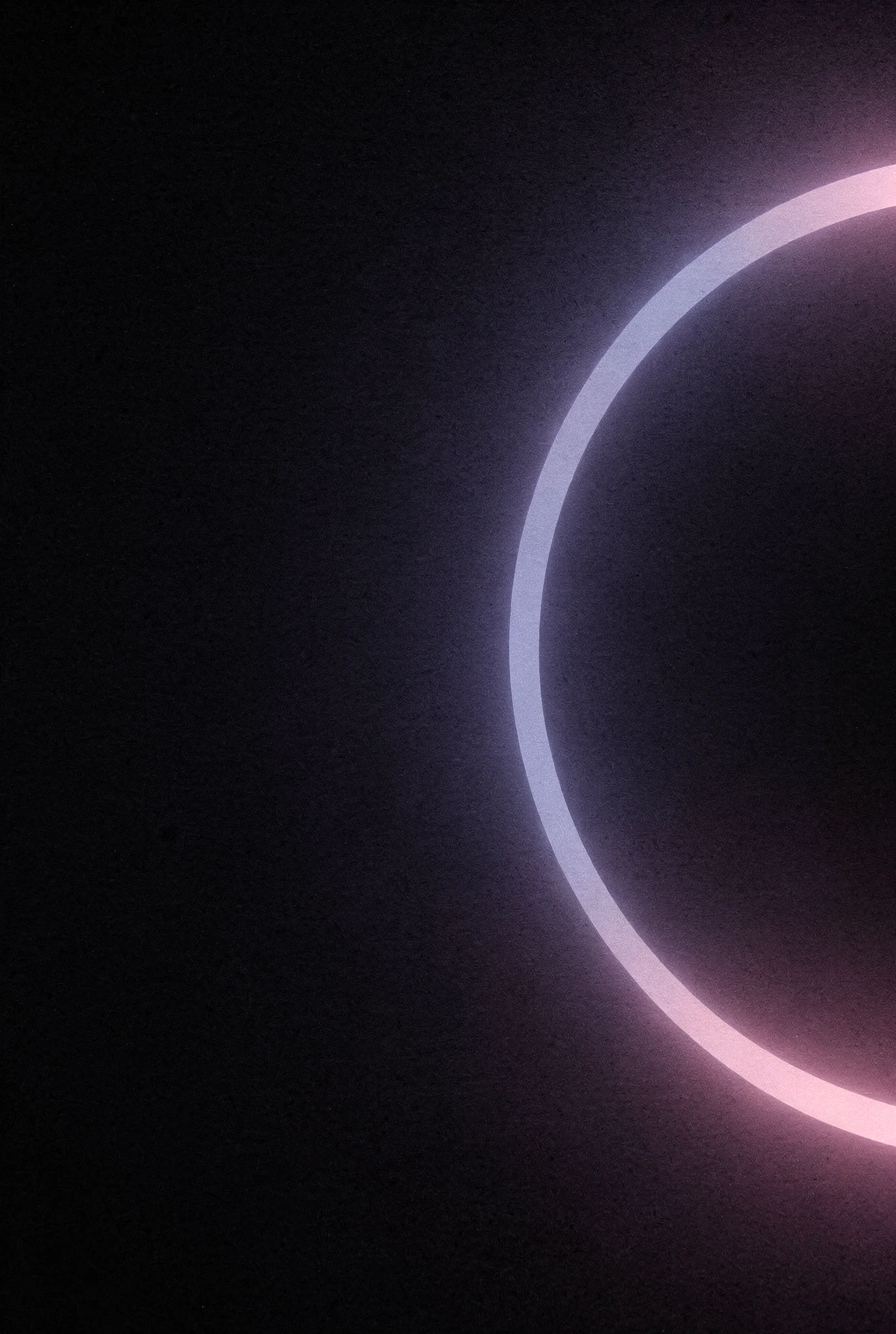
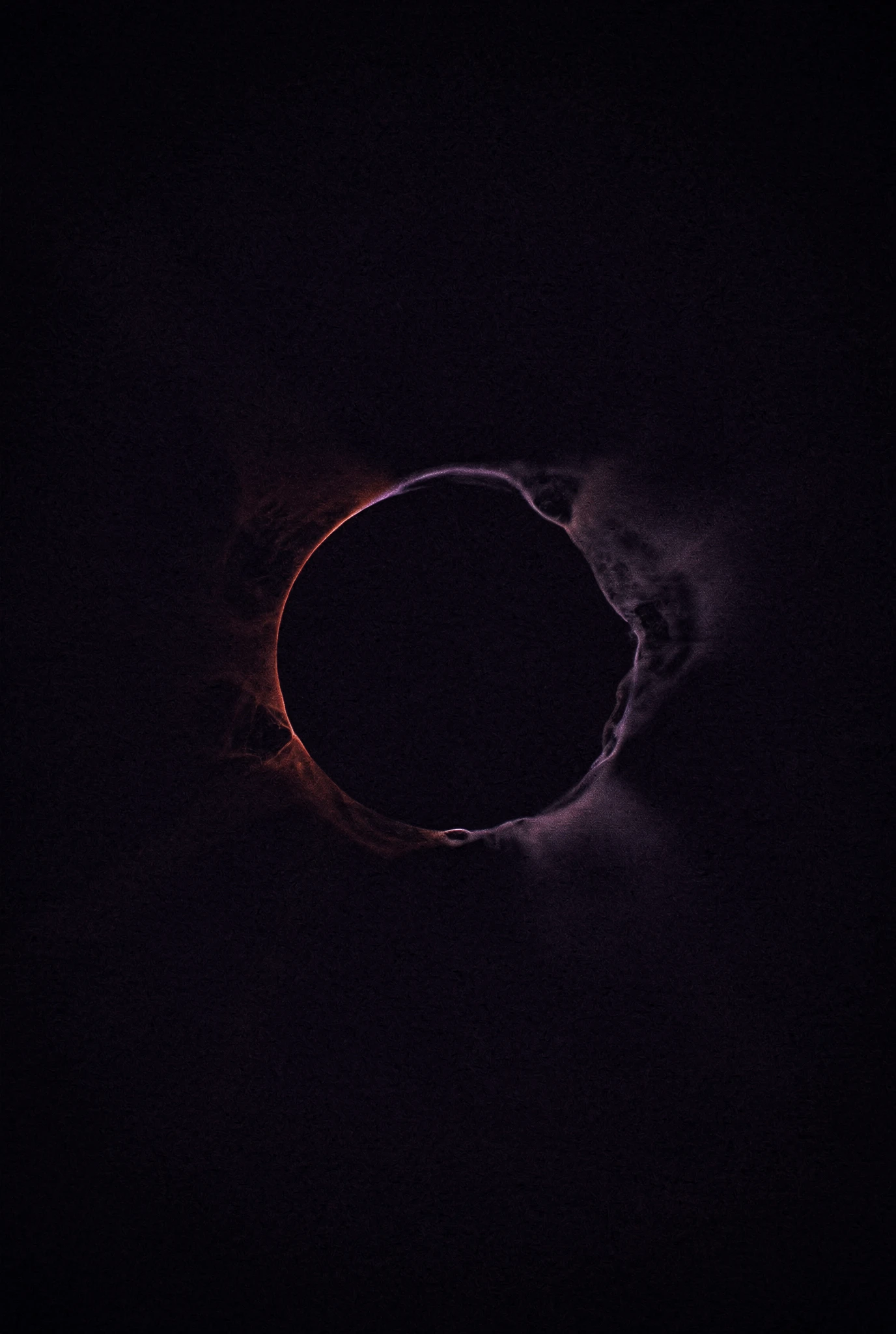
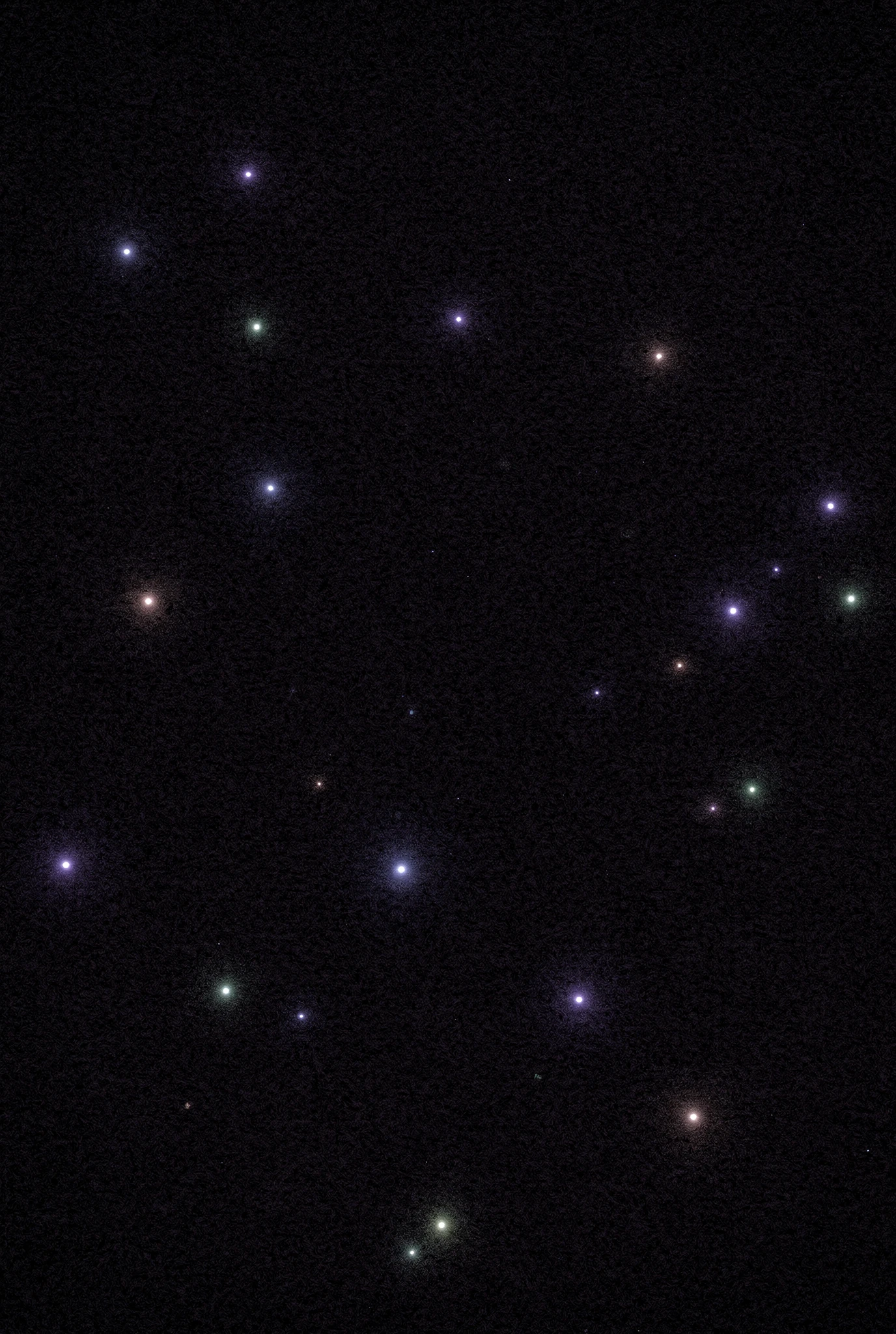
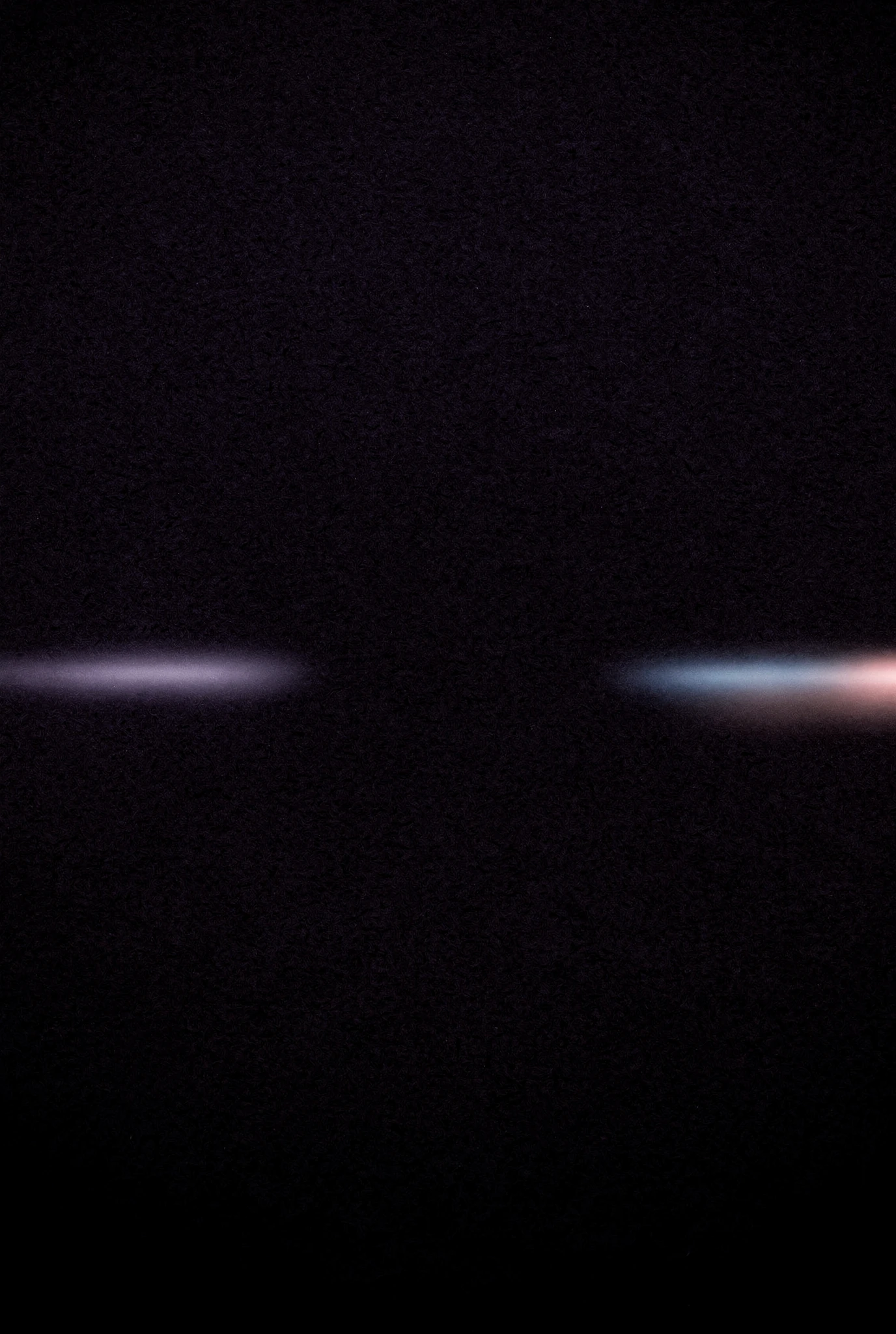
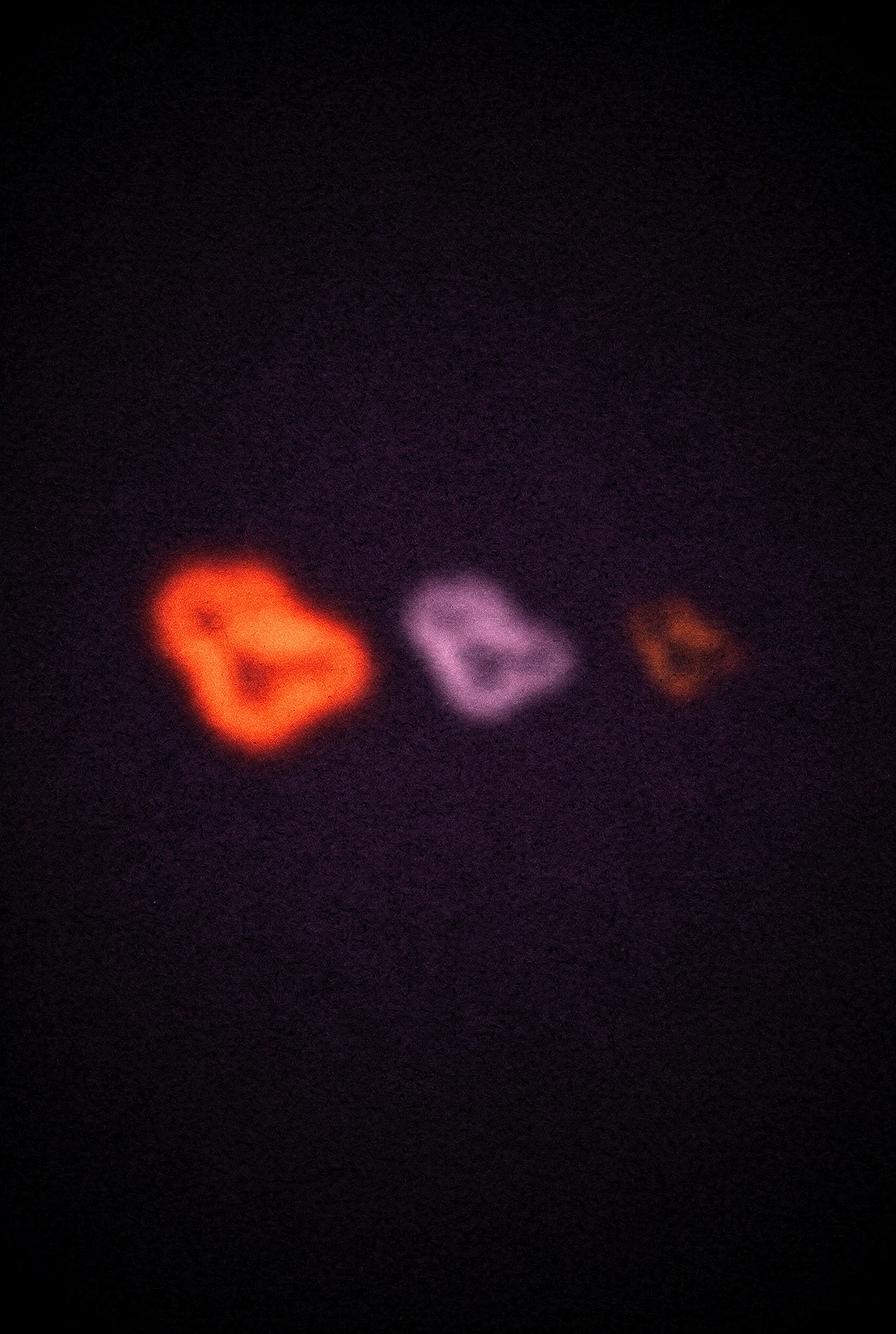
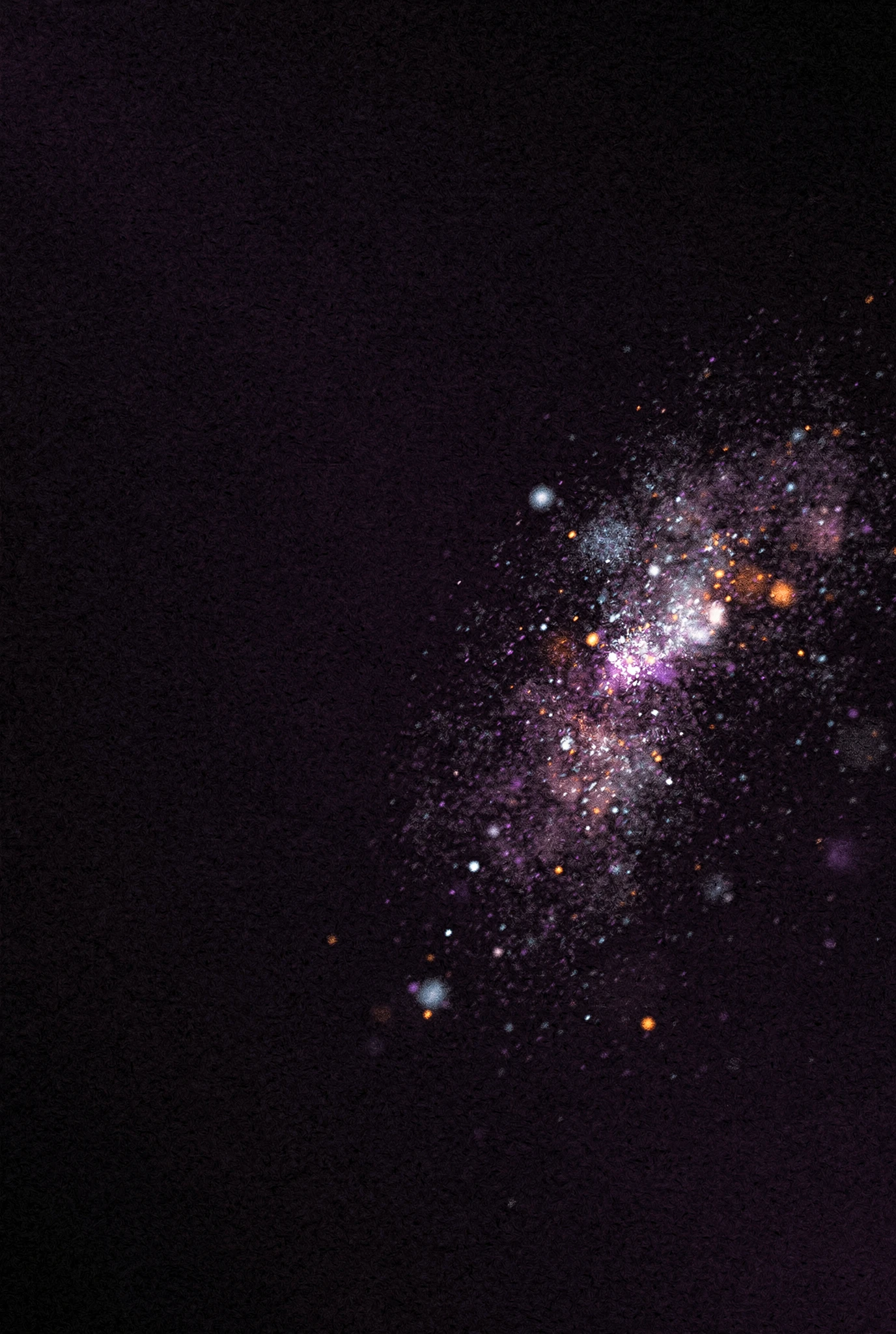
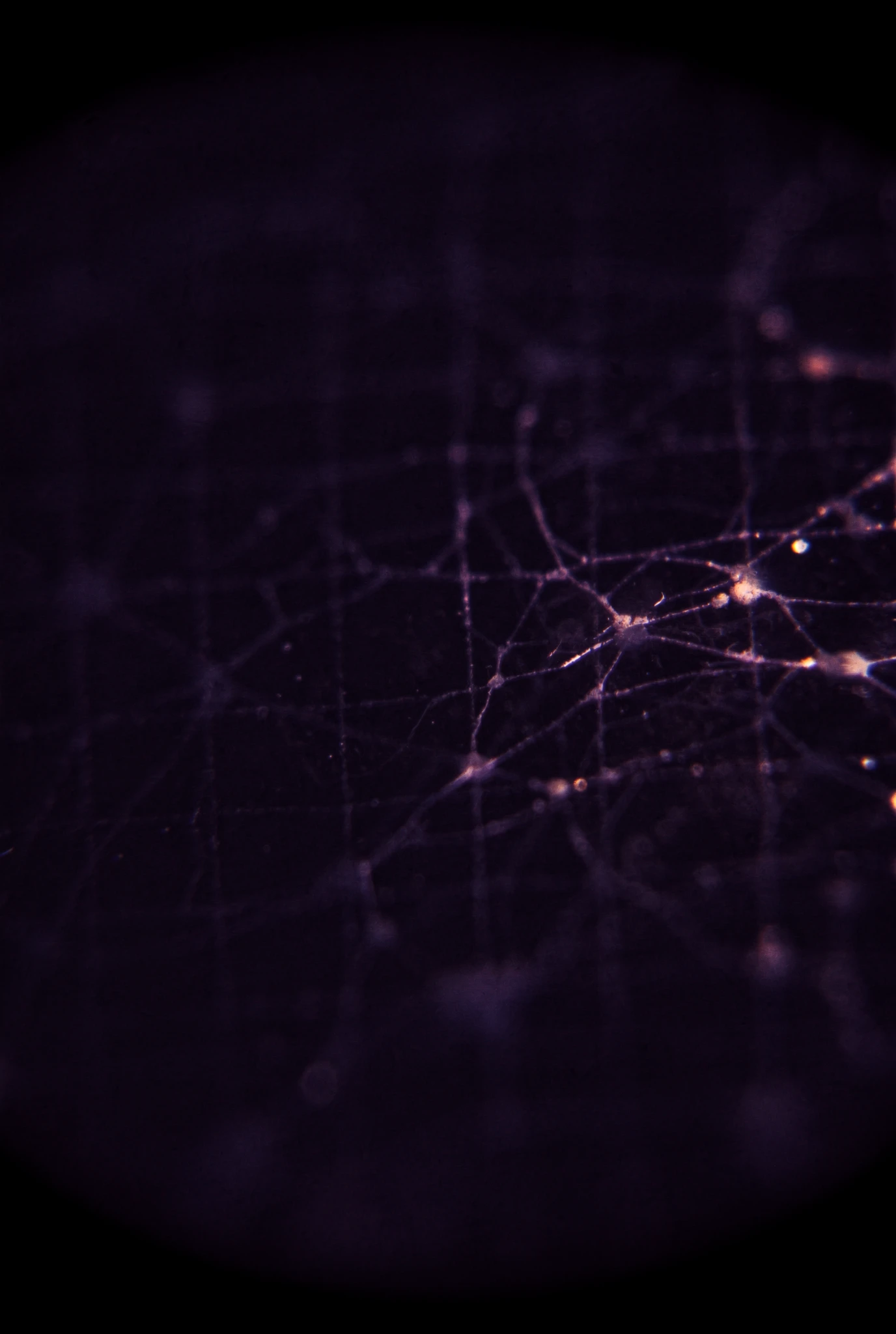
There is an obvious difficulty in trying to make pictures of such experiences. A camera cannot be pointed towards a phosphene. In the closed-eye phenomena explored here, there is no external scene waiting to be photographed, only a private visual event available briefly to the person experiencing it. Scientific diagrams, artists' reconstructions and personal descriptions therefore share an unavoidable limitation: each translates something inaccessible into another form. Memory intervenes; language intervenes; invention intervenes. These synthographs accept that problem rather than pretending to solve it. Their dark fields, suspended colours, halos and traces are not presented as faithful recordings of a universal experience. They are speculative reconstructions, informed by descriptions of phosphenes and by the peculiar visual logic of images that seem to illuminate themselves from within.
That makes synthography an unusually appropriate method. Generative image-making does not require a photographed subject to have existed before the picture can exist; it can construct an image from language, approximation and intent. Here that artificiality is not disguised but put to work. The series repeatedly returns to darkness and asks how little an image might contain while still commanding attention: a stain of ember red, a violet haze, an uncertain ring, a fading trace. Repetition becomes a form of looking, allowing small changes of colour, position, scale and intensity to matter. These pictures cannot show what anyone actually saw with their eyes closed. They can only invent possible equivalents. Yet somewhere between private perception and synthetic reconstruction, that failure of direct evidence becomes the point: an attempt to make visible a kind of image that has never existed anywhere except within vision.
Gallery
"I shut my eyes in order to see." — Paul Gauguin