BLACK: a study in authority and absence
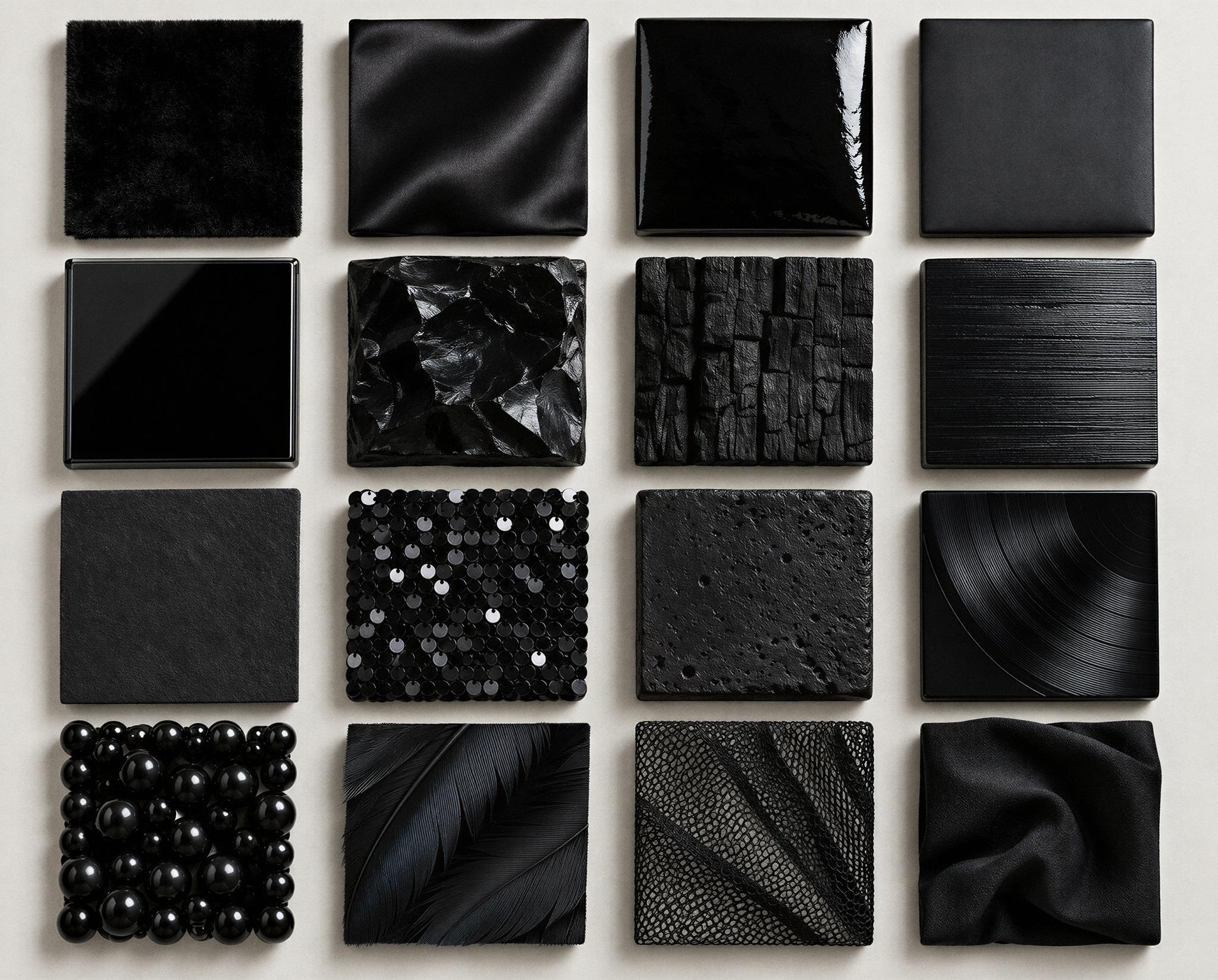
Black is the colour that arrives when light withdraws, but that simple definition barely survives contact with culture. It carries grief, authority, elegance, secrecy, seriousness, rebellion, danger and restraint, sometimes all at once. Psychologically it gathers around high-arousal, high-power associations: fear, anger, dominance, sorrow, control. Culturally it is equally unstable. In Western mourning traditions it became the colour of bereavement; after Prince Albert's death in 1861, Queen Victoria's adherence to mourning black helped fix the colour in the Victorian imagination as a public language of grief. Yet black could also signify wealth, refinement and status. BLACK begins inside that contradiction. It is not a horror story, despite the funerary undertow. It is a study of a colour that can disappear into shadow one moment and command a room the next.
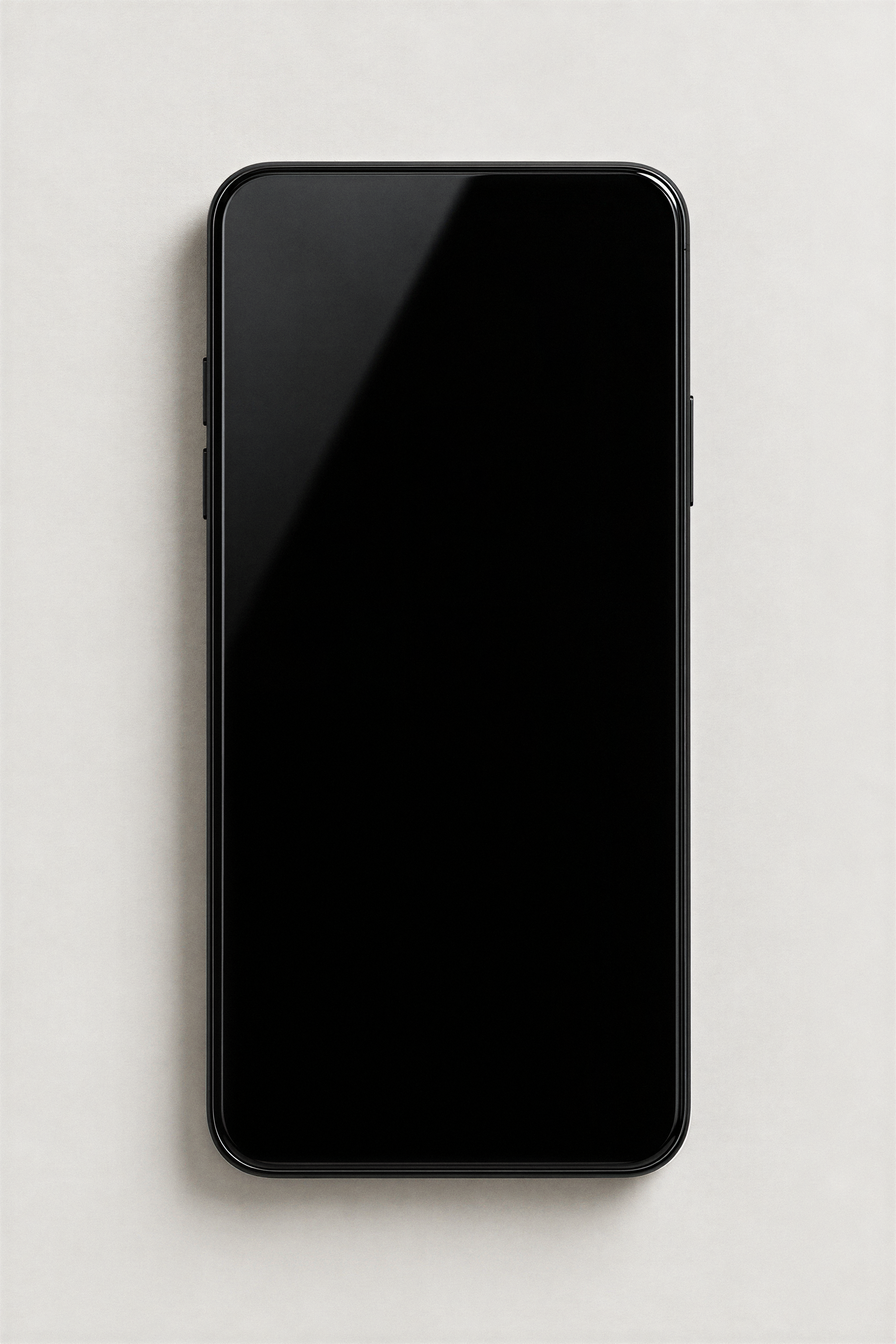
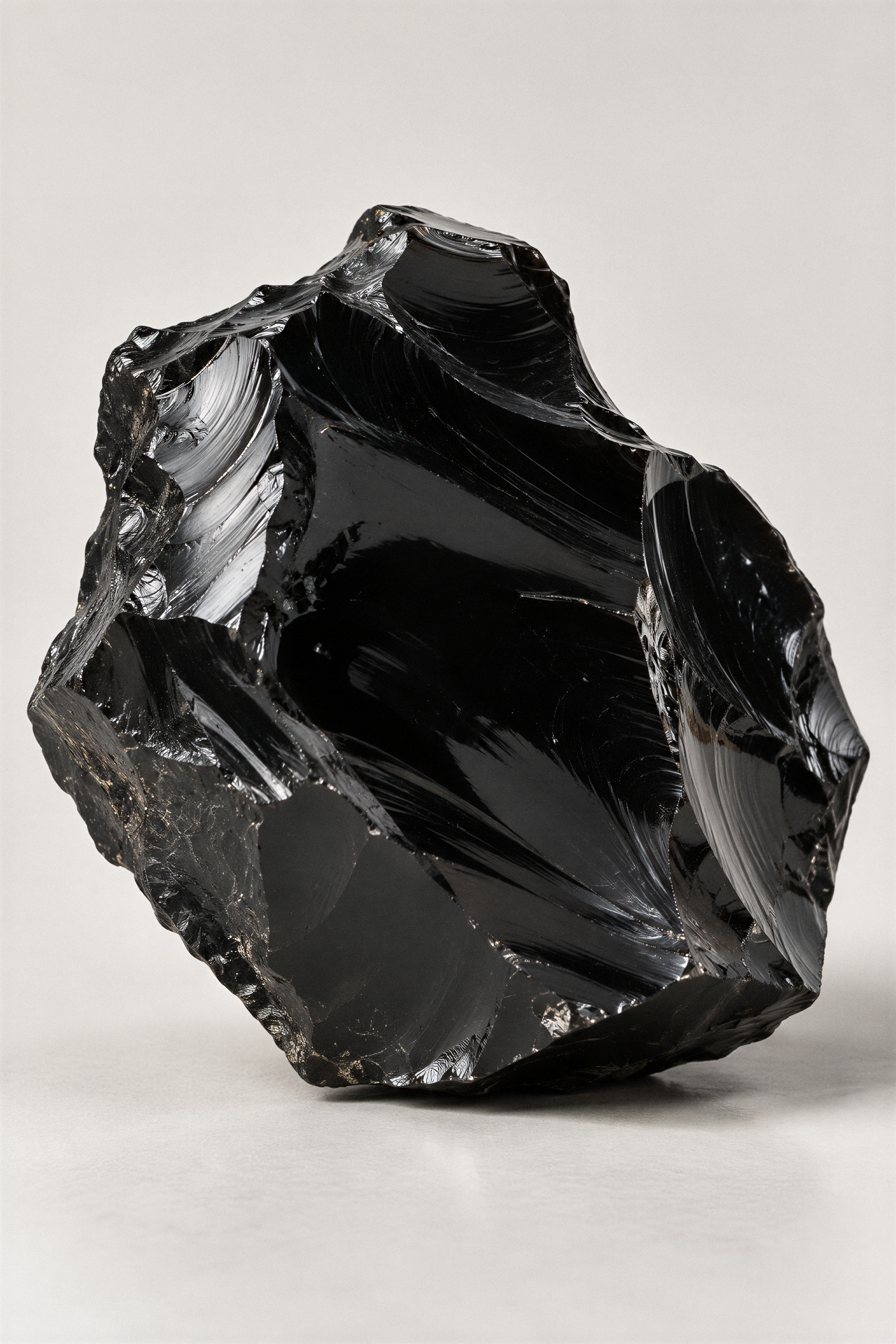
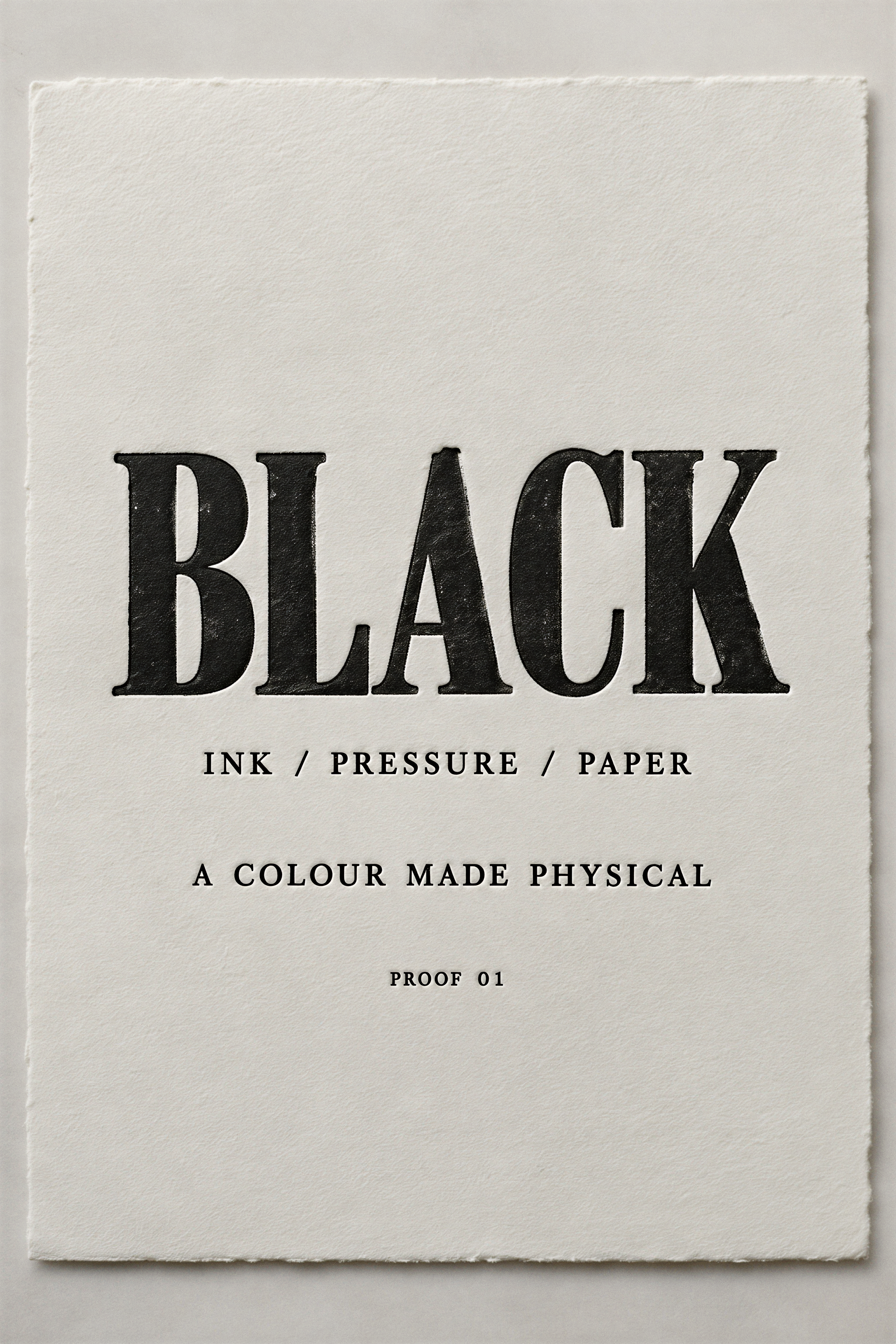
The project also completes a small circuit begun elsewhere. RED, GREEN and BLUE are the three channels of additive colour used by screens; reduce all three to zero and the result is Pure Black: HEX #000000, RGB (0, 0, 0). That makes BLACK less like a fourth colour project than the condition beneath the other three. On screen, black is made by withholding light. In material form, it becomes something else: pigment, charcoal, ink, rubber, glass, velvet, plastic, lacquer, carbon. There is no single black. Some blacks absorb light almost completely, while others reflect it sharply; some appear soft and powdery, others hard, glossy and almost liquid. The series treats those differences as part of black's meaning. Surface, context and illumination decide whether black feels mute, luxurious, severe, intimate or immense.
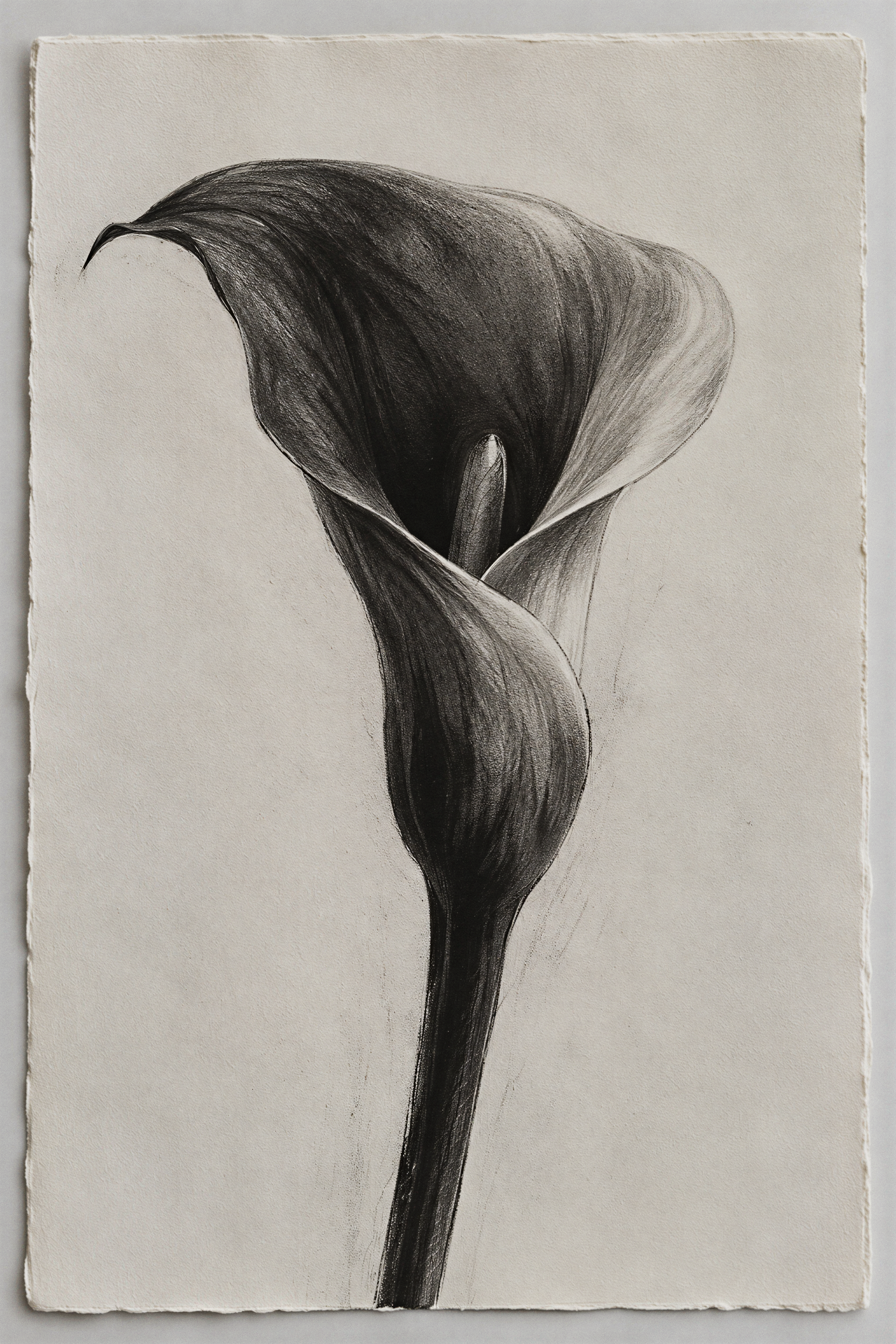
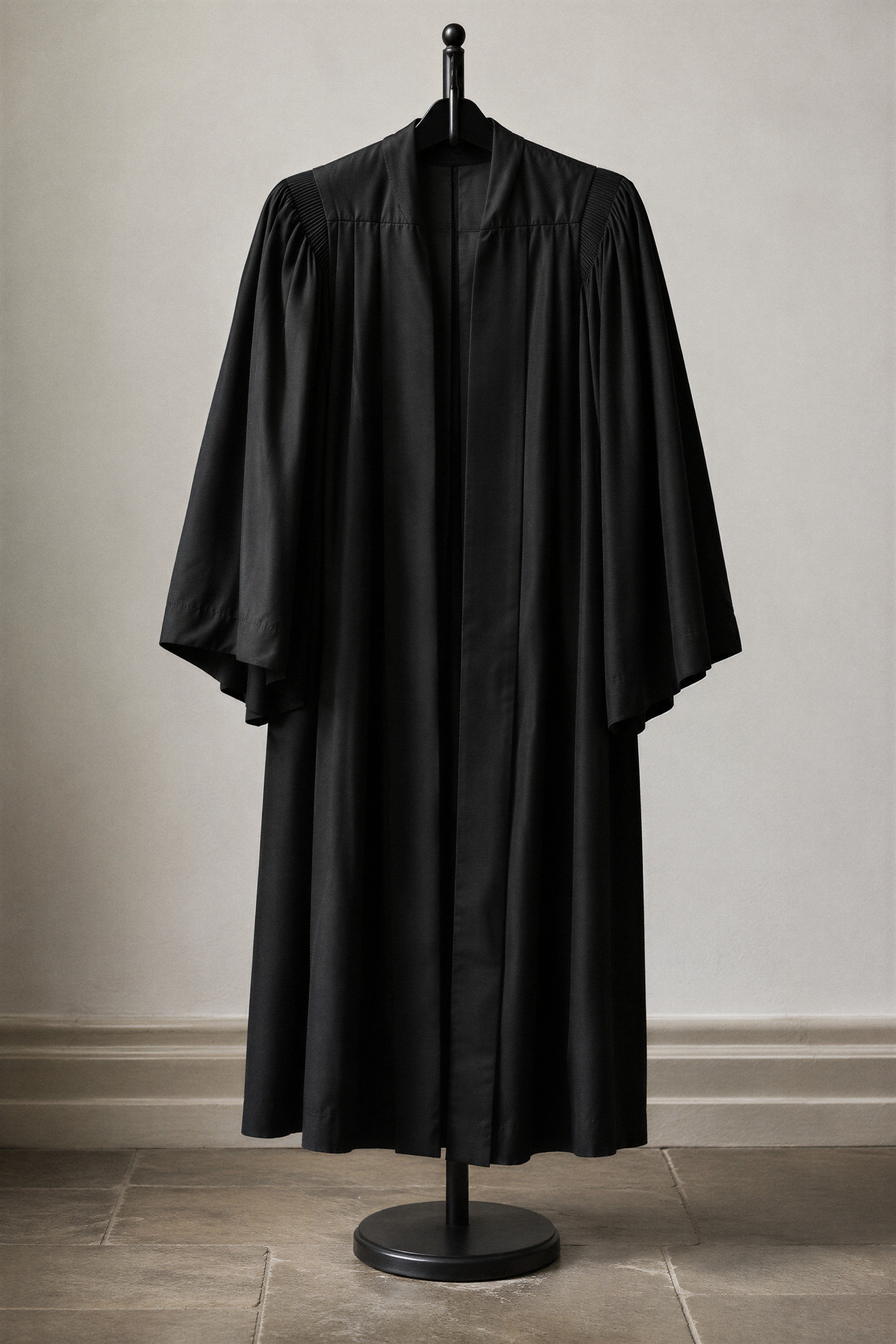
What makes black especially useful is its ability to reverse itself without losing identity. It can formalise authority and signal refusal; conceal the body and turn clothing into spectacle; mark grief and become glamorous; suggest absence while remaining materially dense. It can belong to law, fashion, technology, domestic life, ritual, drawing, printing and design with equal confidence. Historically, black has been used to suppress individuality, advertise sophistication, withdraw from attention and attract it. That doubleness gives the project its structure. BLACK moves between opacity and reflection, mourning and polish, discipline and excess, the ordinary and ceremonial. It is less a colour with one meaning than a language of limits: what is hidden, what is withheld, what is made serious, and what becomes visible precisely because everything around it has fallen away.
Gallery













"Perhaps the darkest black is the black we carry within ourselves." — Anish Kapoor